Roseville, Calif.
What Can a Movement Screen Reveal? — Fitness MD
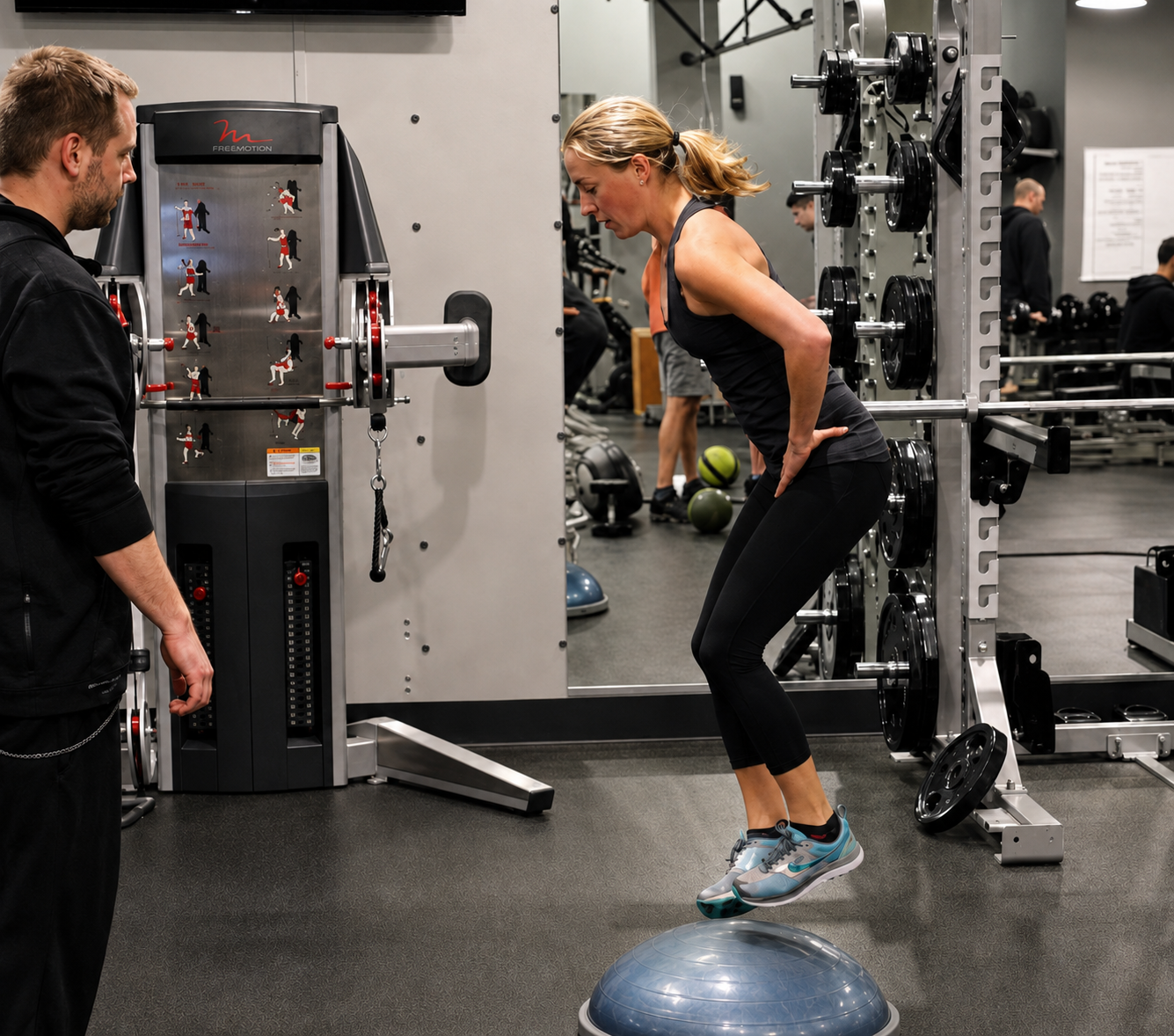
A movement screen comes first—then the workout follows what the studio finds.
See What Makes It Different
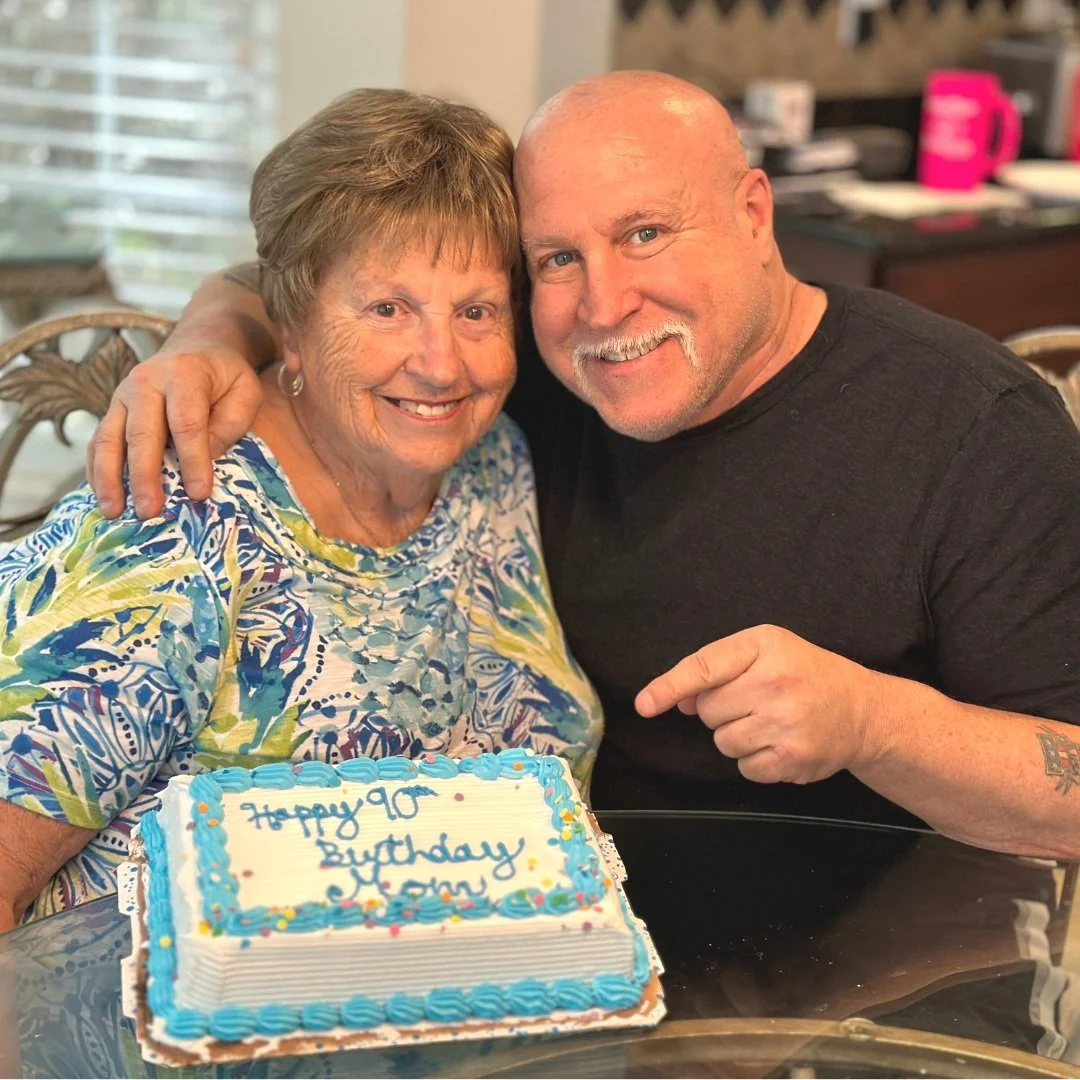
John DeFendis with his mother, the inspiration behind his life’s mission.
GREENVILLE, S.C. — Helping his mother gave John DeFendis a purpose that became Ultra Fit—a personal training program built on care, accountability, and more than four decades of coaching.
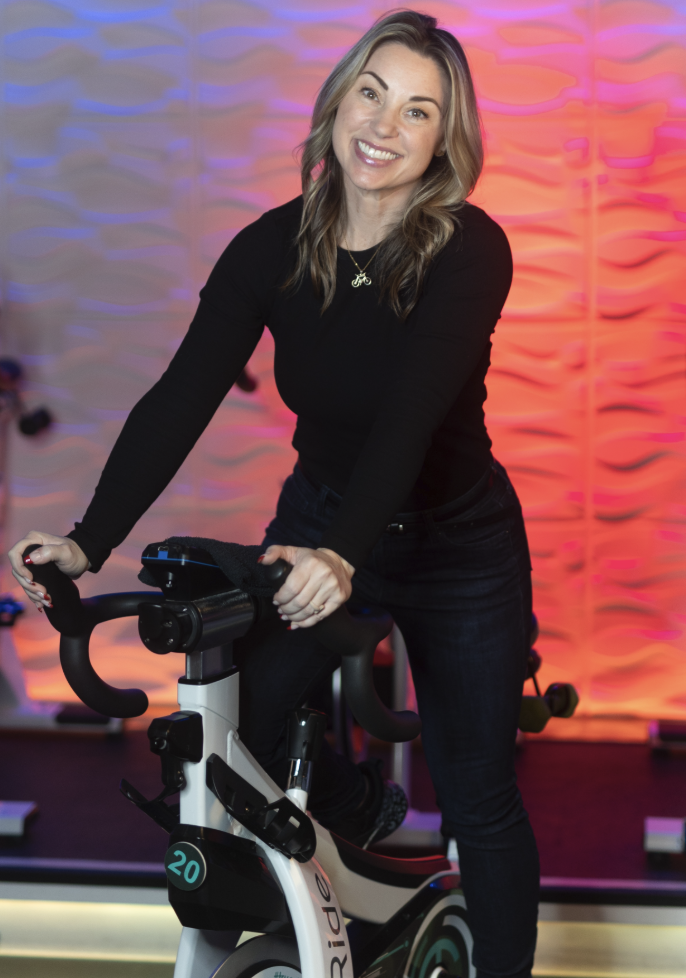
At TRUE Ride Studio in Redding, California, Christina Prosperi blends rhythm-based indoor cycling, inclusive coaching, and a mental-wellness-first philosophy to create a community where members can reset, build resilience, and leave feeling stronger.
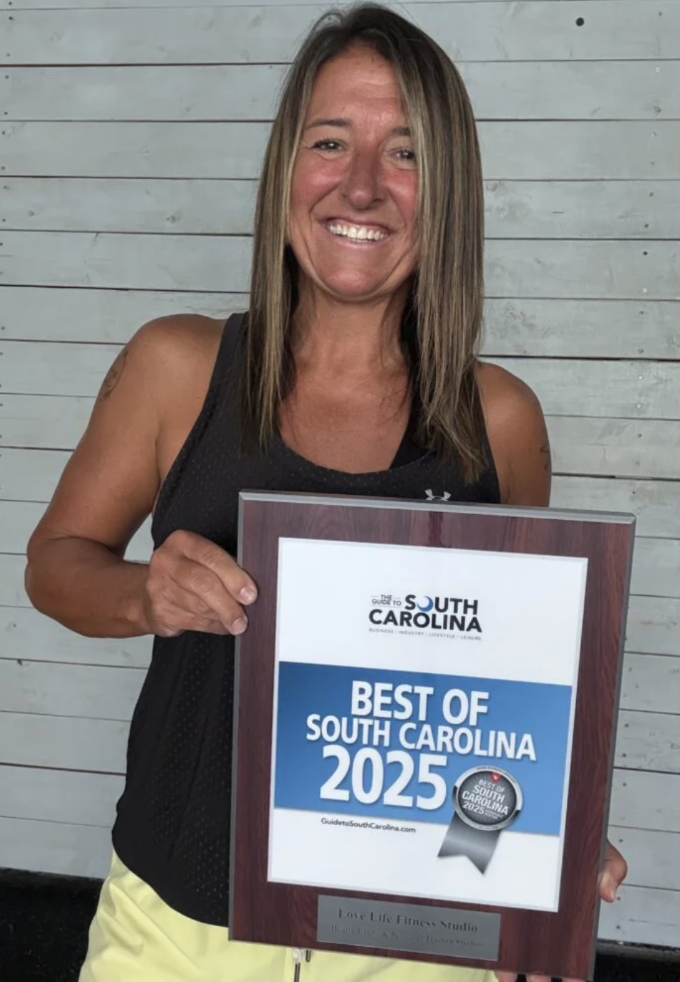
Kay Baker built a women-only Fort Mill studio where members start where they are.
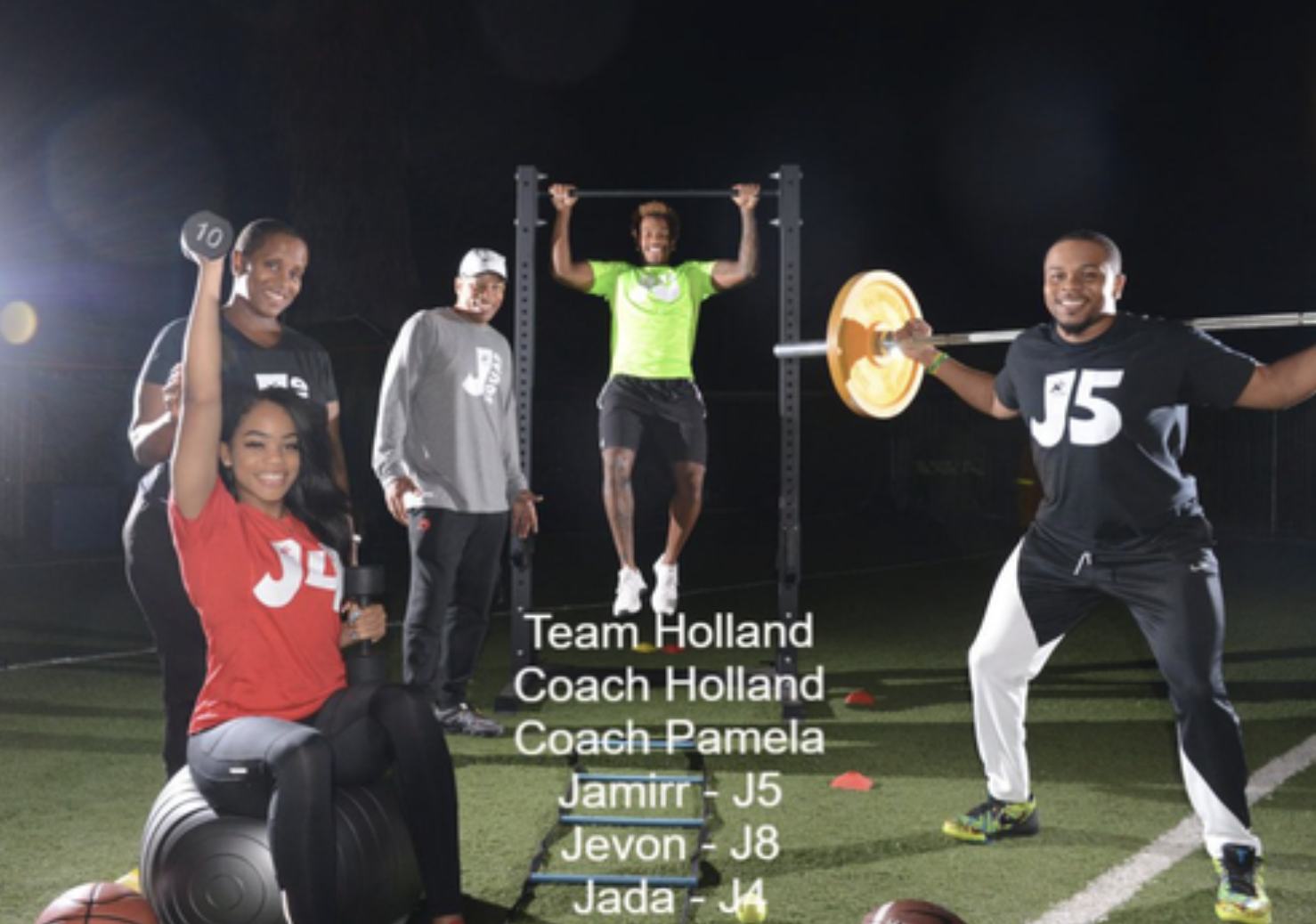
Coach Robert Holland builds speed and confidence that carry over to sport.
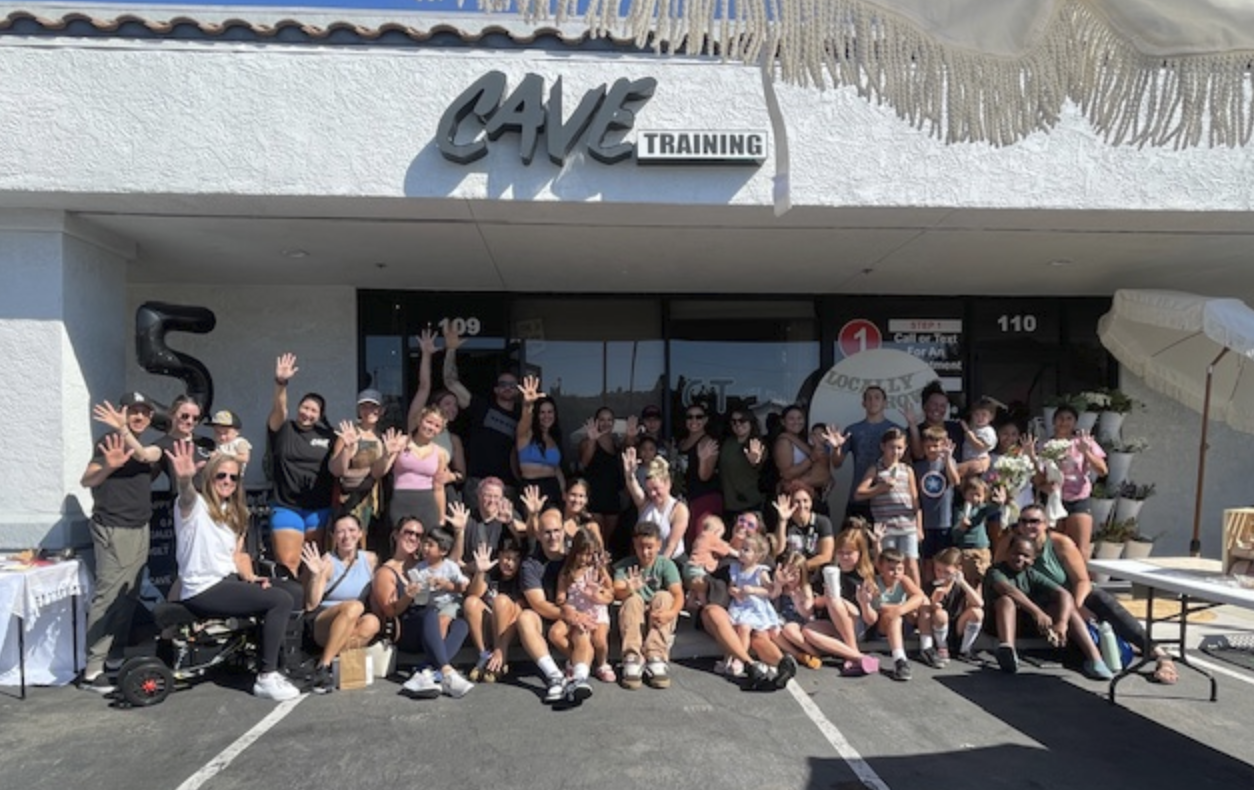
Cave Training caps small groups and supports members across life stages.
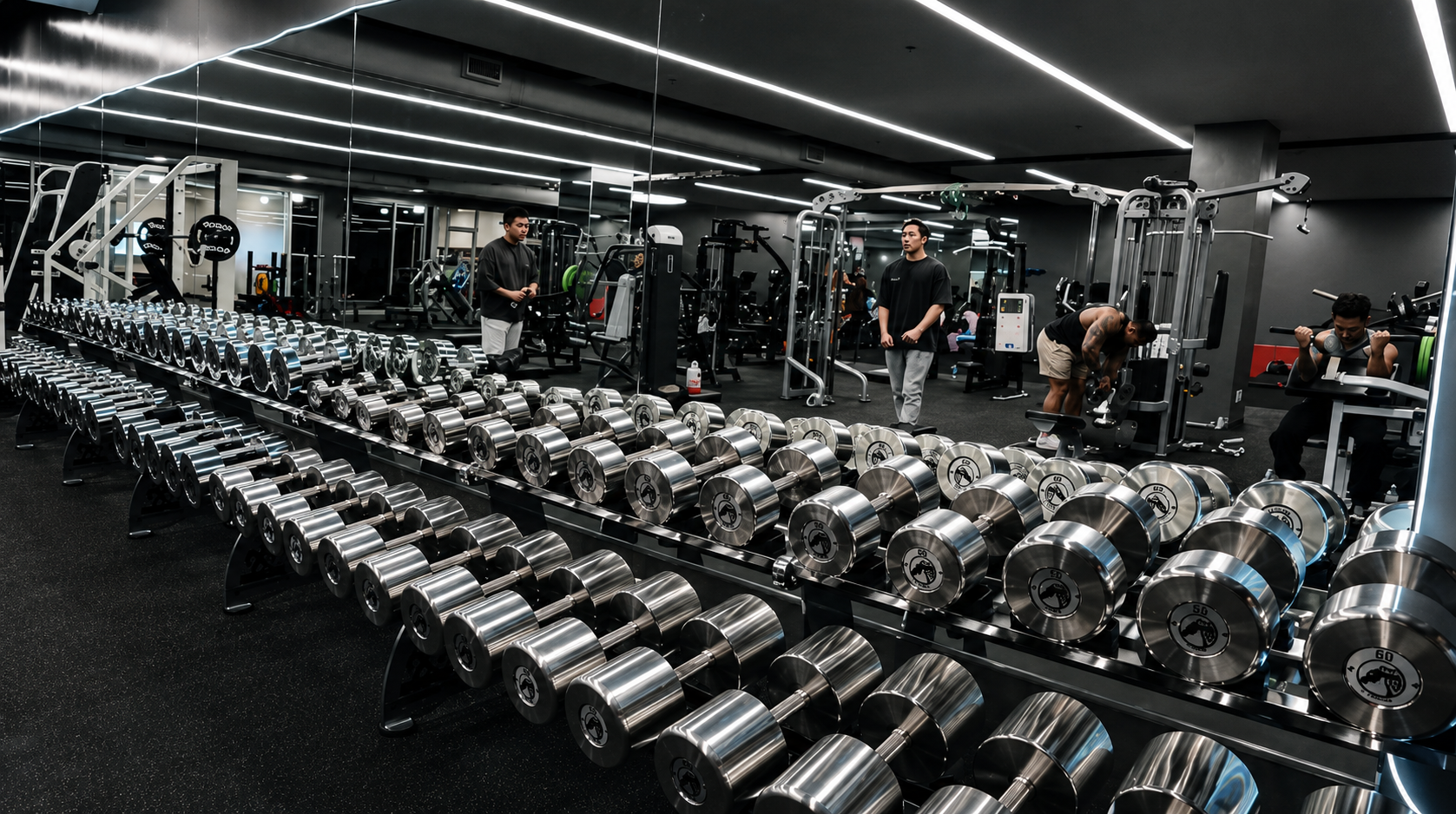
One Step Fitness pairs private access with personal coaching.
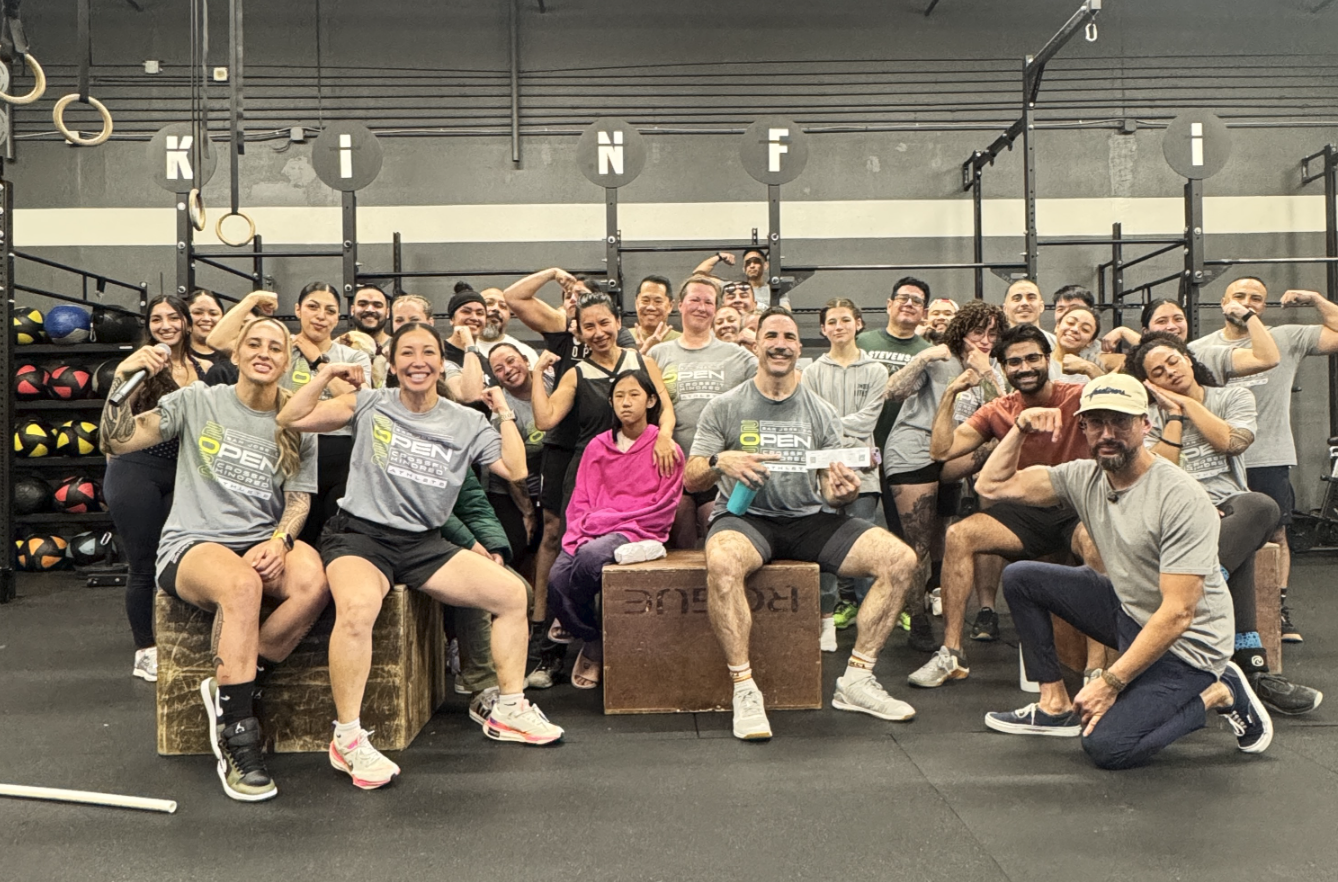
CrossFit Kindred grew from 20 to 120 members through coaching.
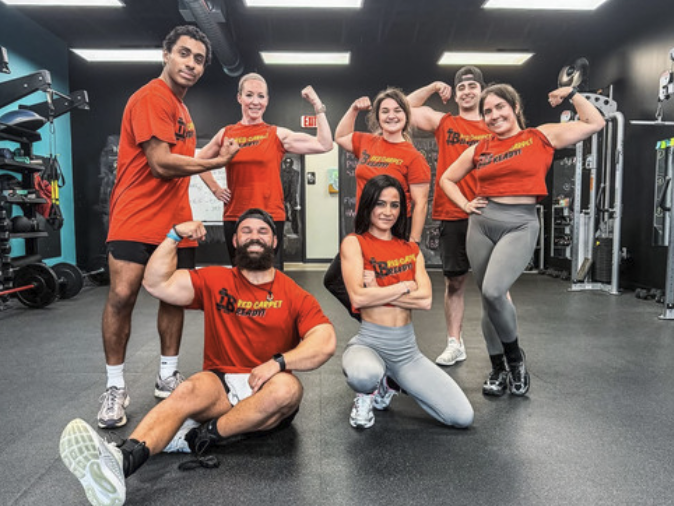
IBFit pairs strength training with habit coaching.
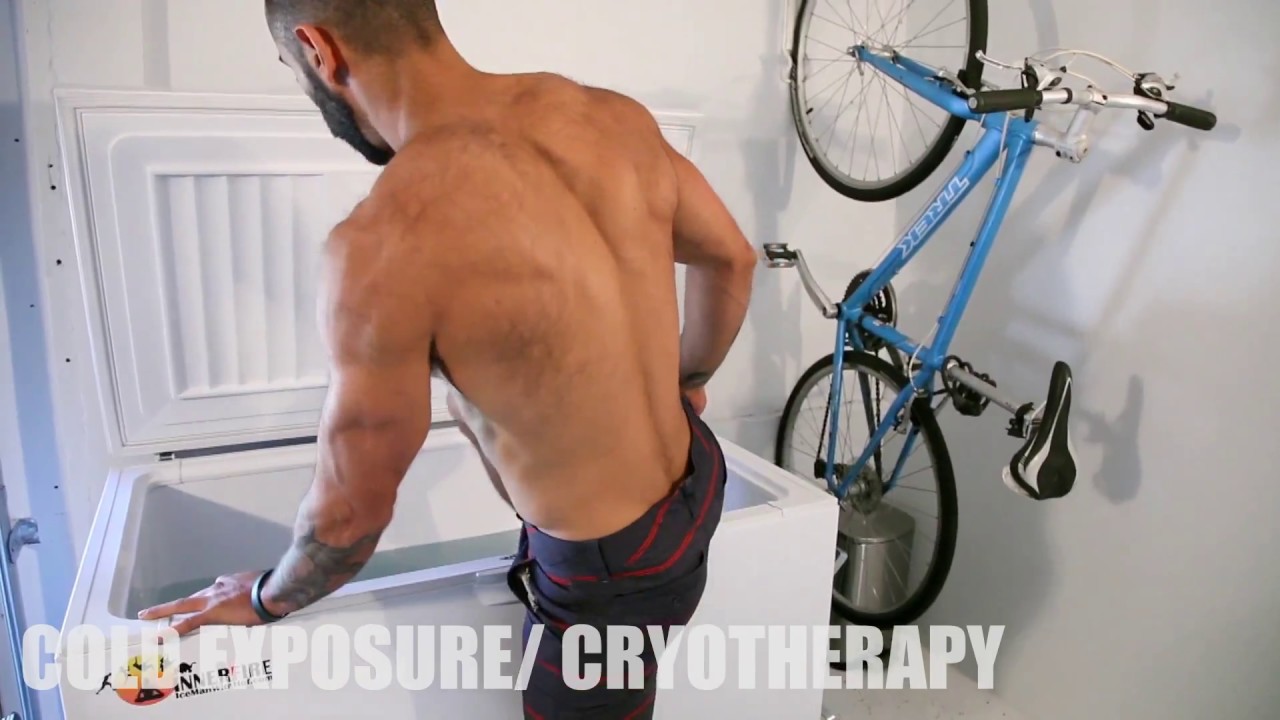
Farid Hashemi pairs assessment, breath work, and private coaching in Woodland Hills.
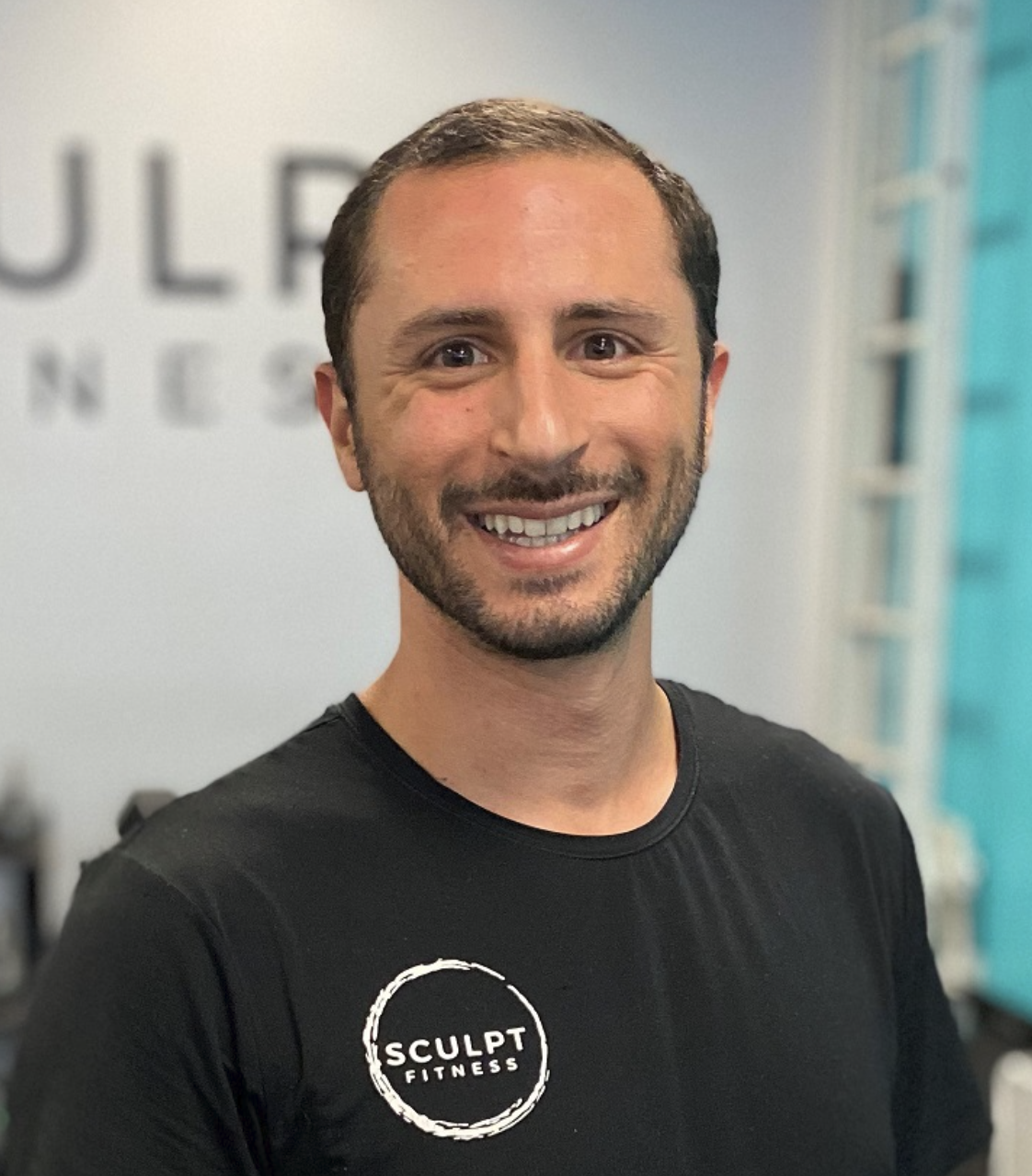
David Minishian pairs resistance training with nutrition coaching in Long Beach.
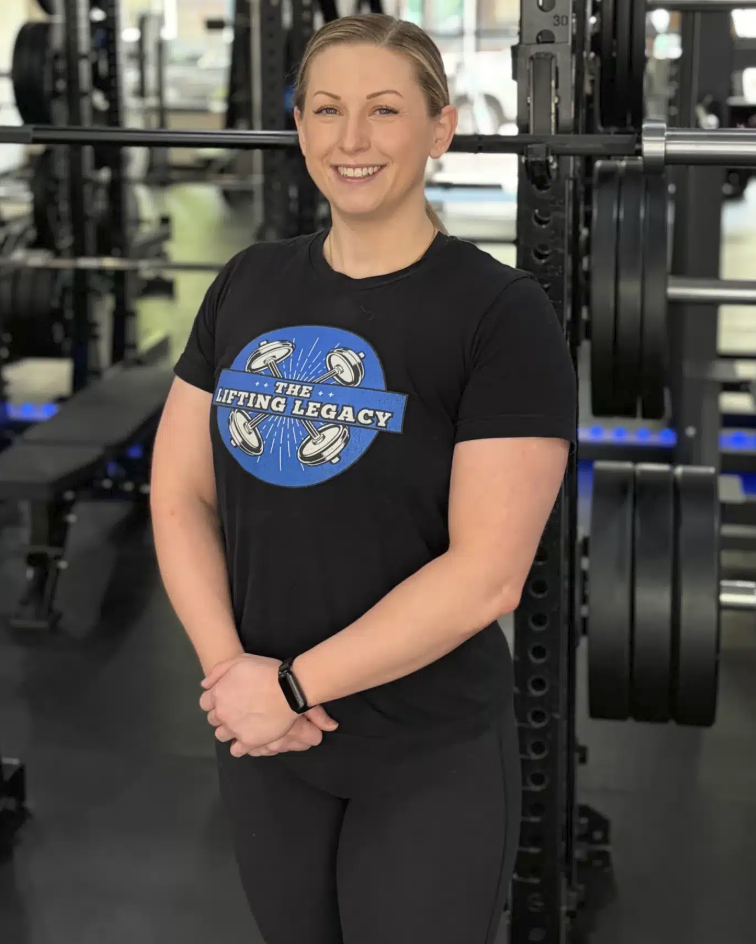
Alexy Bantel coaches sustainable strength one client at a time in Queen Anne.
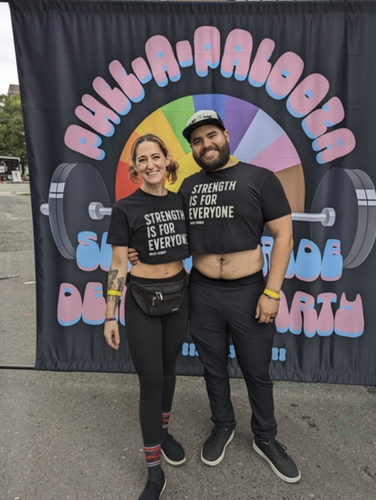
Devon Walker and Rena welcome people who have avoided gyms in Capitol Hill.
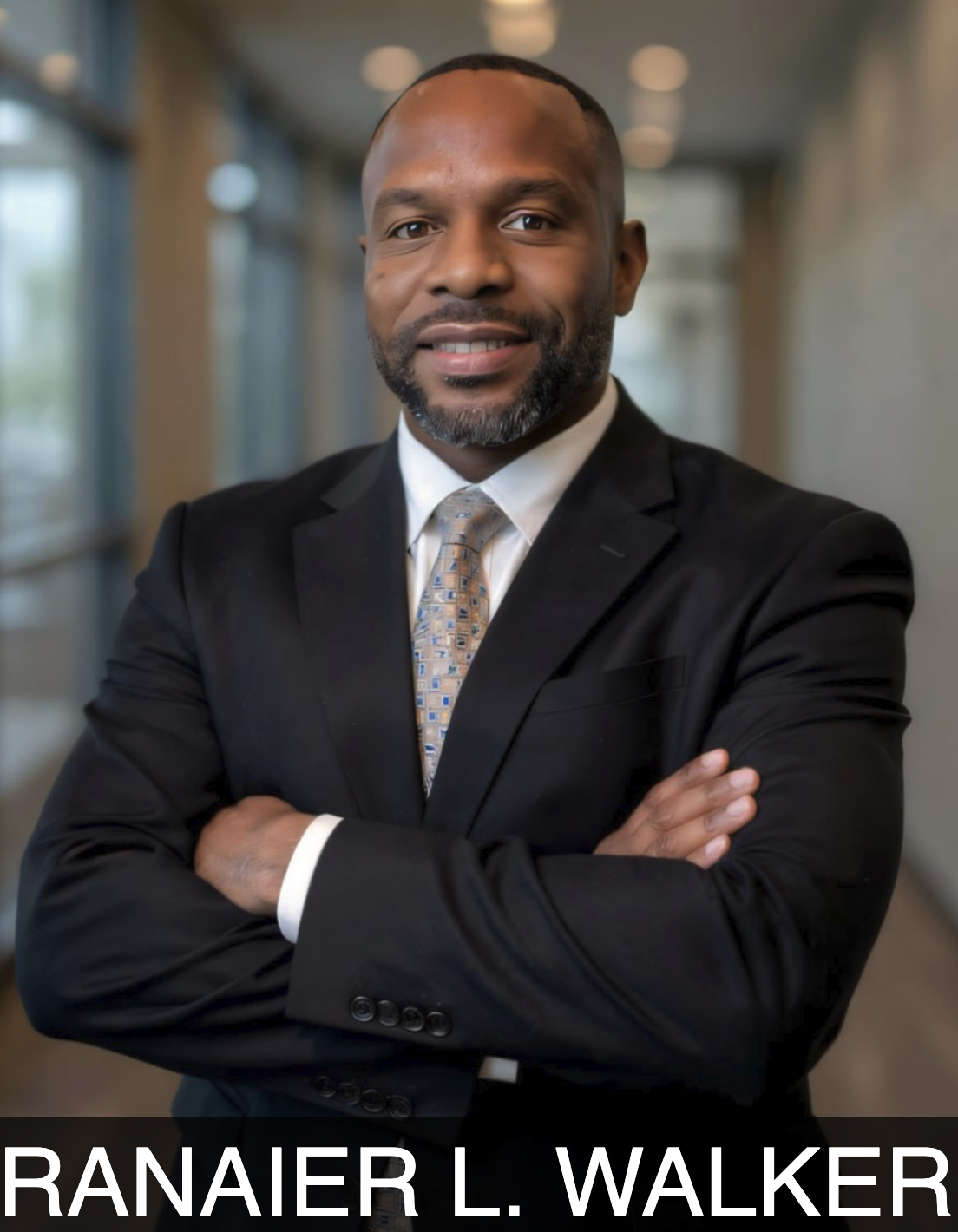
Ray Walker brings his own recovery experience to mobile training.
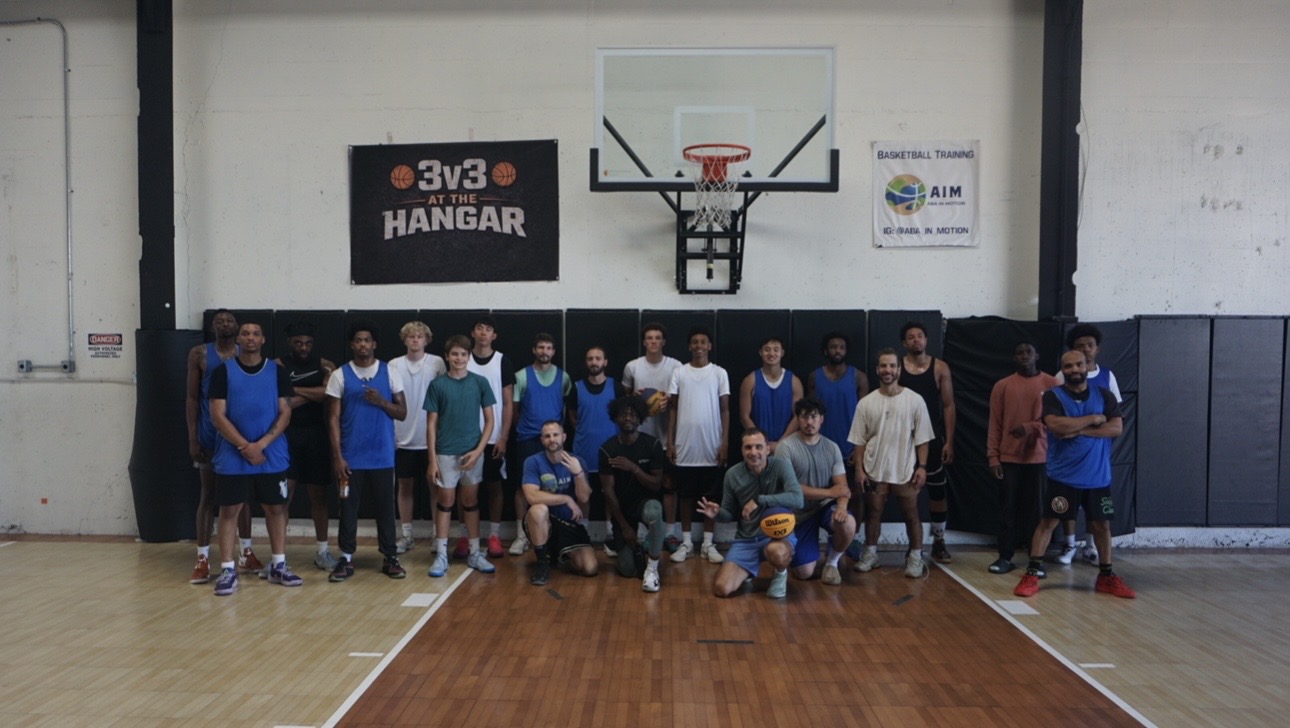
David Stronach connects basketball, strength, and community in San Diego.
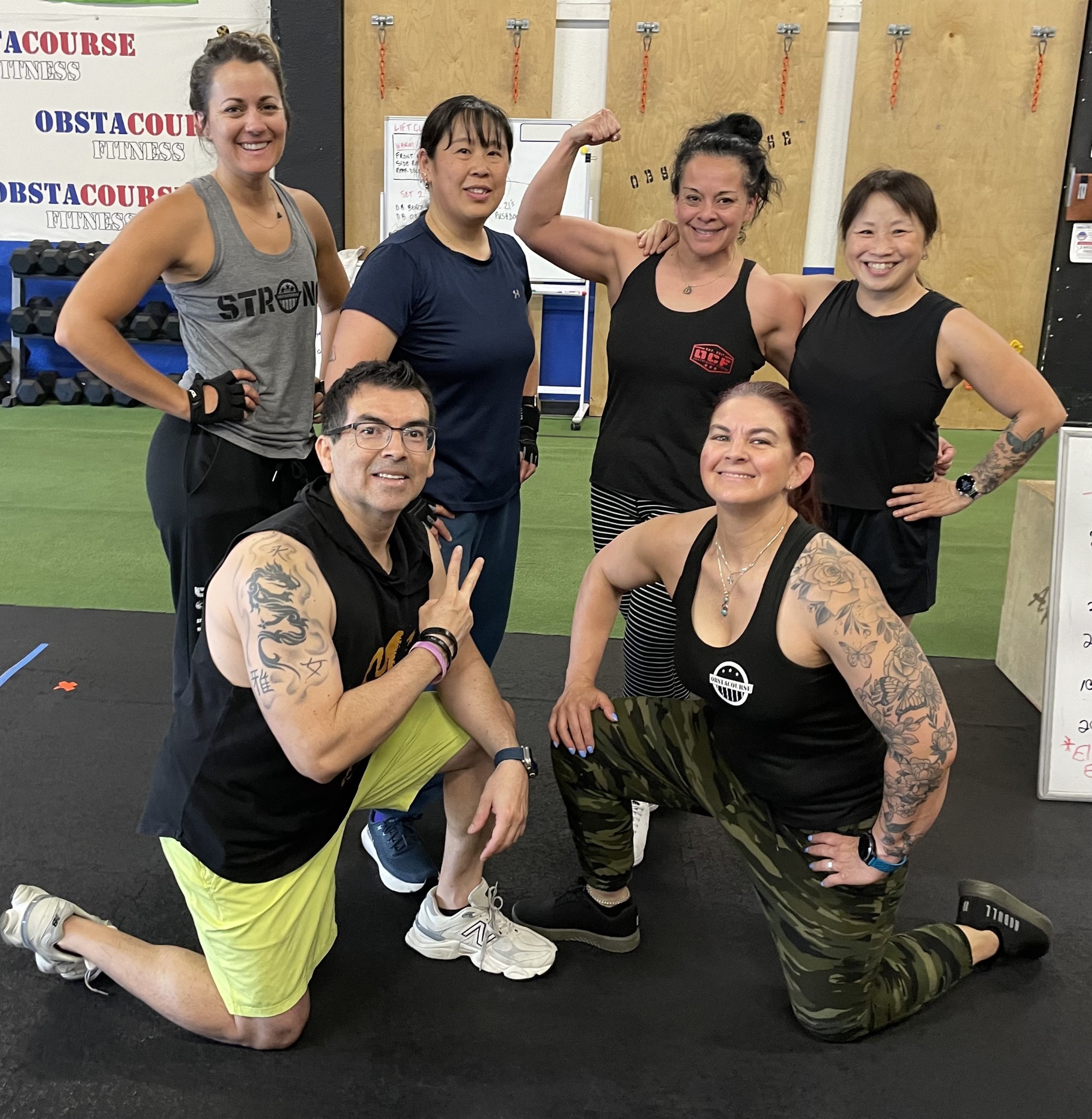
Keith Kern’s obstacle-racing roots grew into a Redwood City gym.
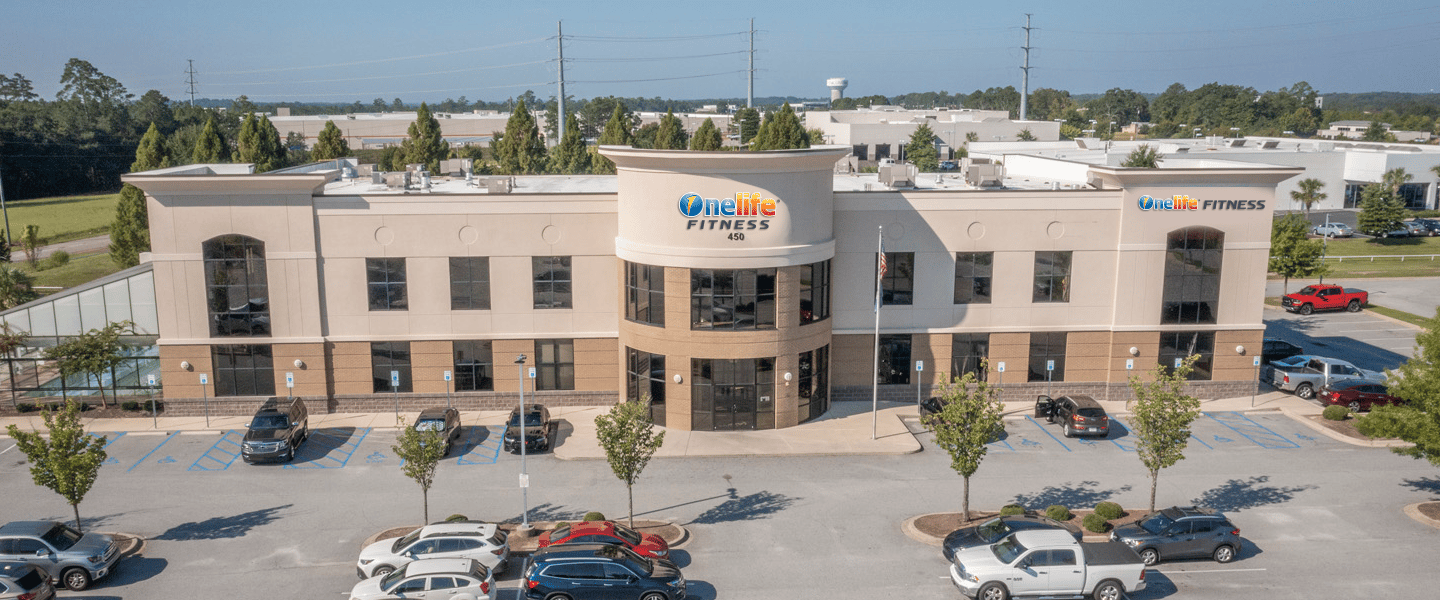
Chris Scott went from member to assistant general manager in Columbia.
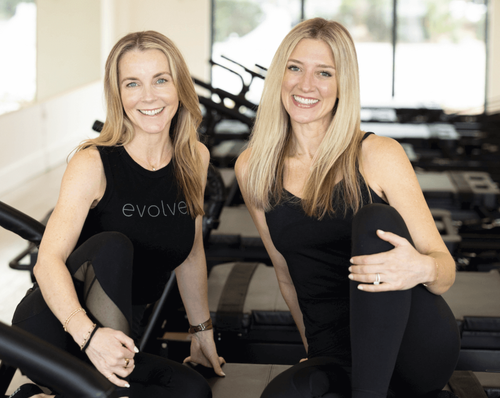
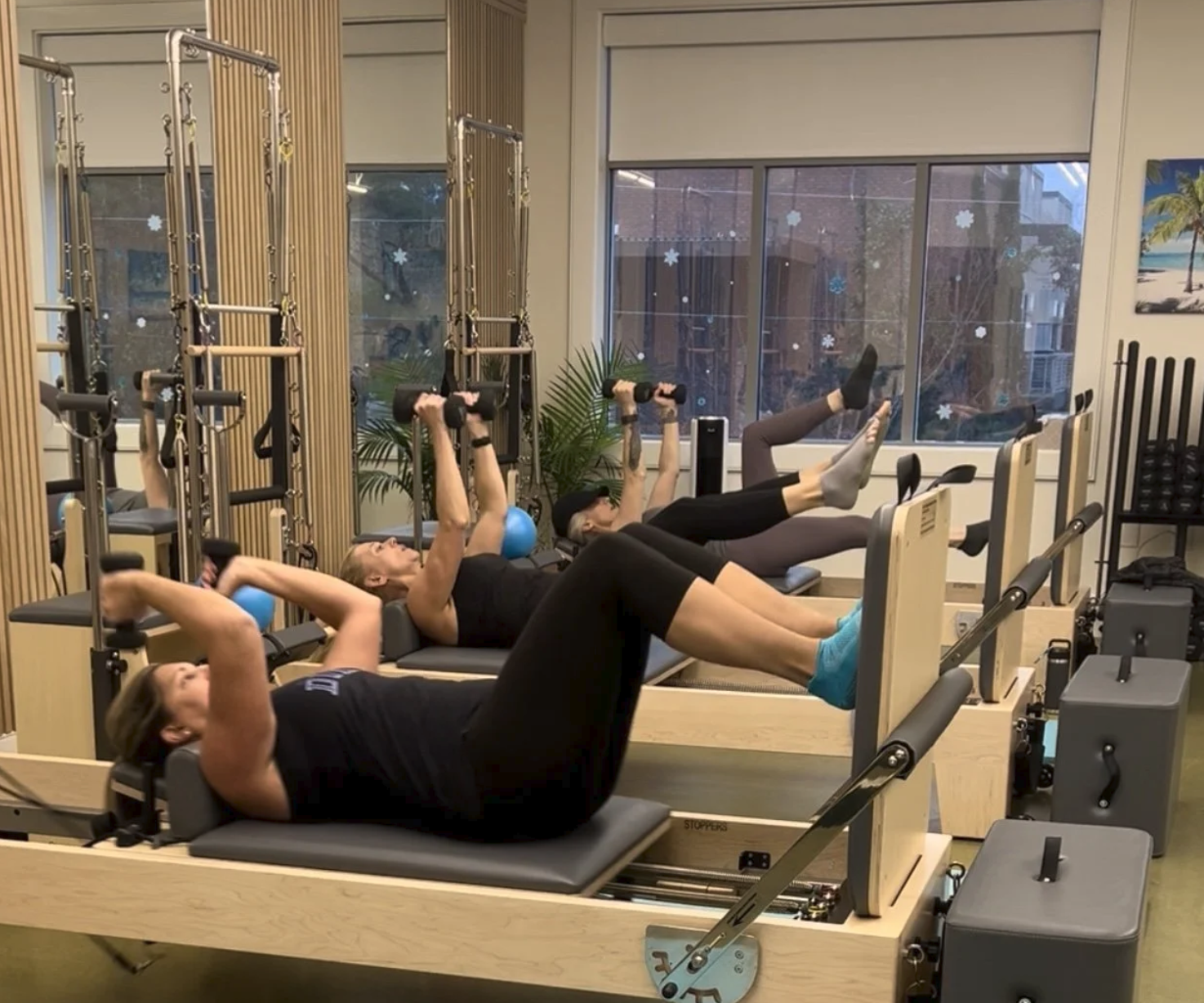
Leanna Noel and Dana Romanosky teach challenging Pilates in Mount Pleasant.
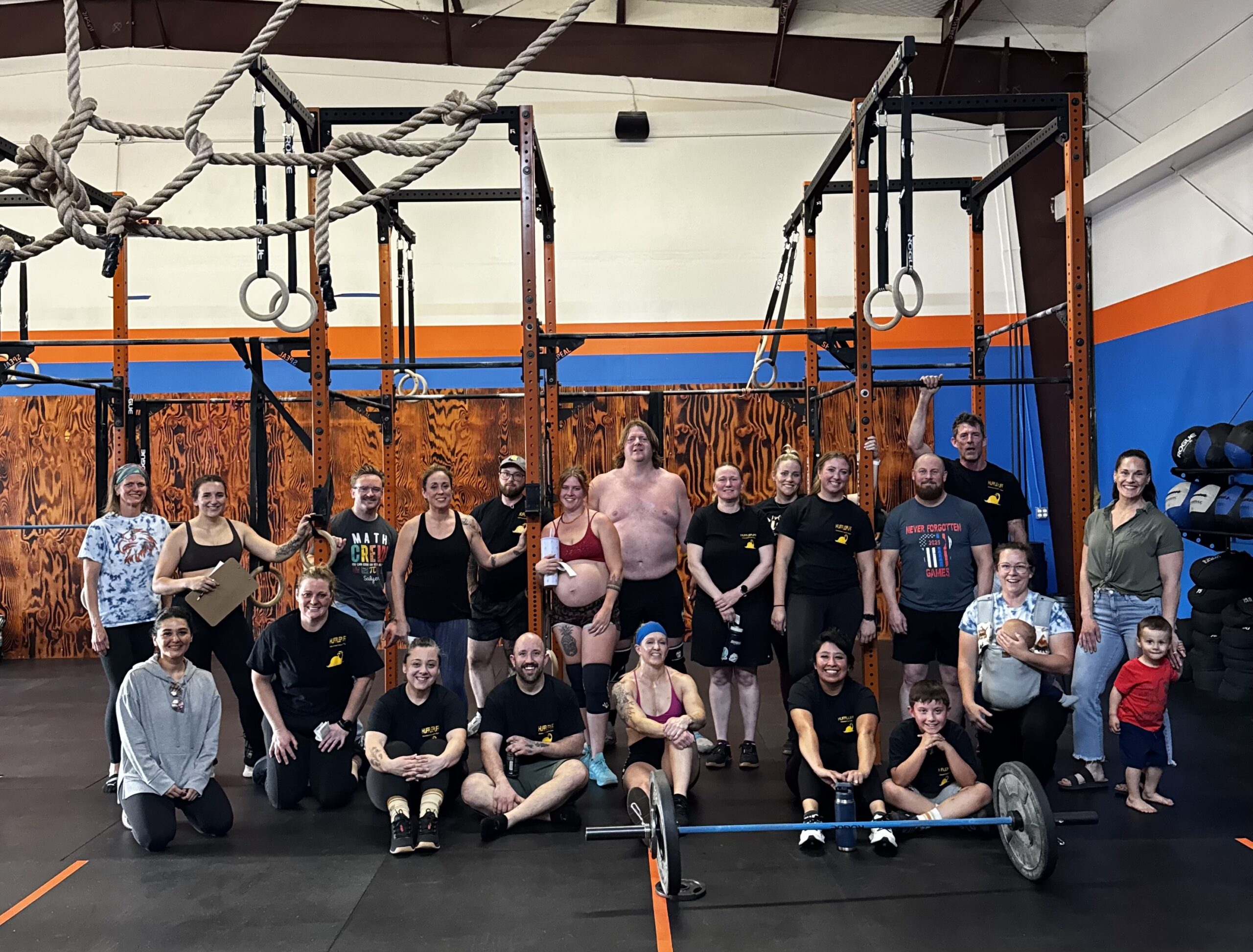
Nadine Williams and three co-owners coach a close Redding community.
New molecular research offers a closer look at what happens after a workout—and why a laboratory finding needs careful interpretation.
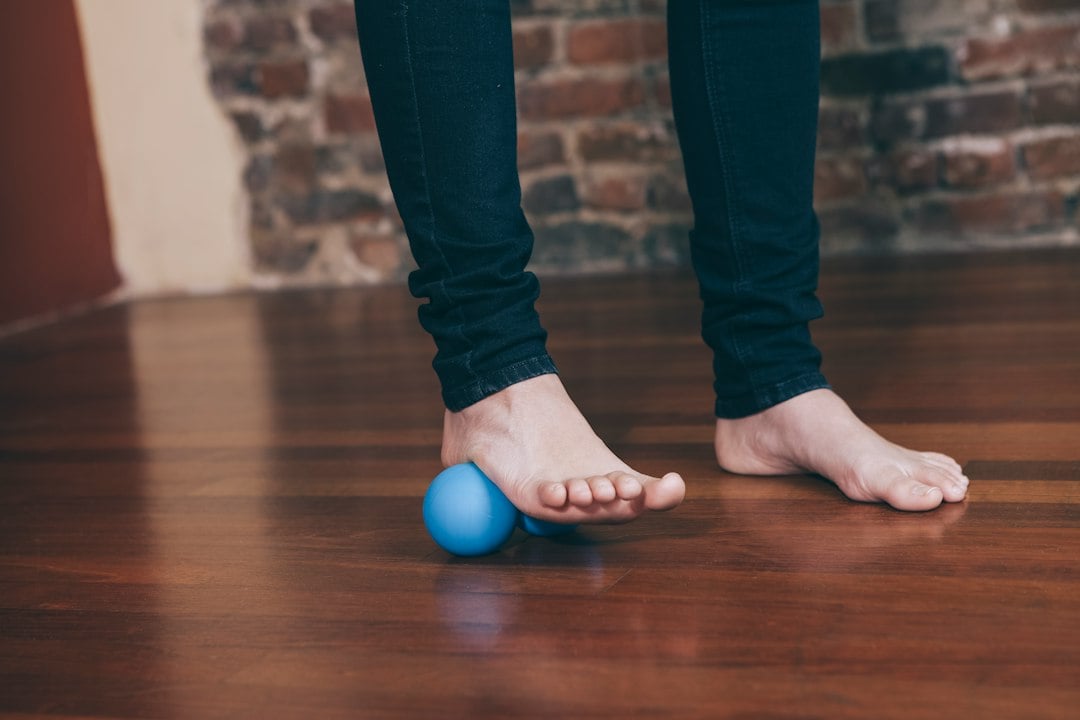
A systematic review of 14 randomized trials found that adding hip, gluteal and trunk work to foot exercise cut standing navicular drop by 2.34 mm, with certainty rated low.
A pooled analysis of 72 randomized trials and 3,357 adults found aerobic exercise improved brachial flow-mediated dilation by 2.35%, with pressure, fitness and body fat shifting alongside it.
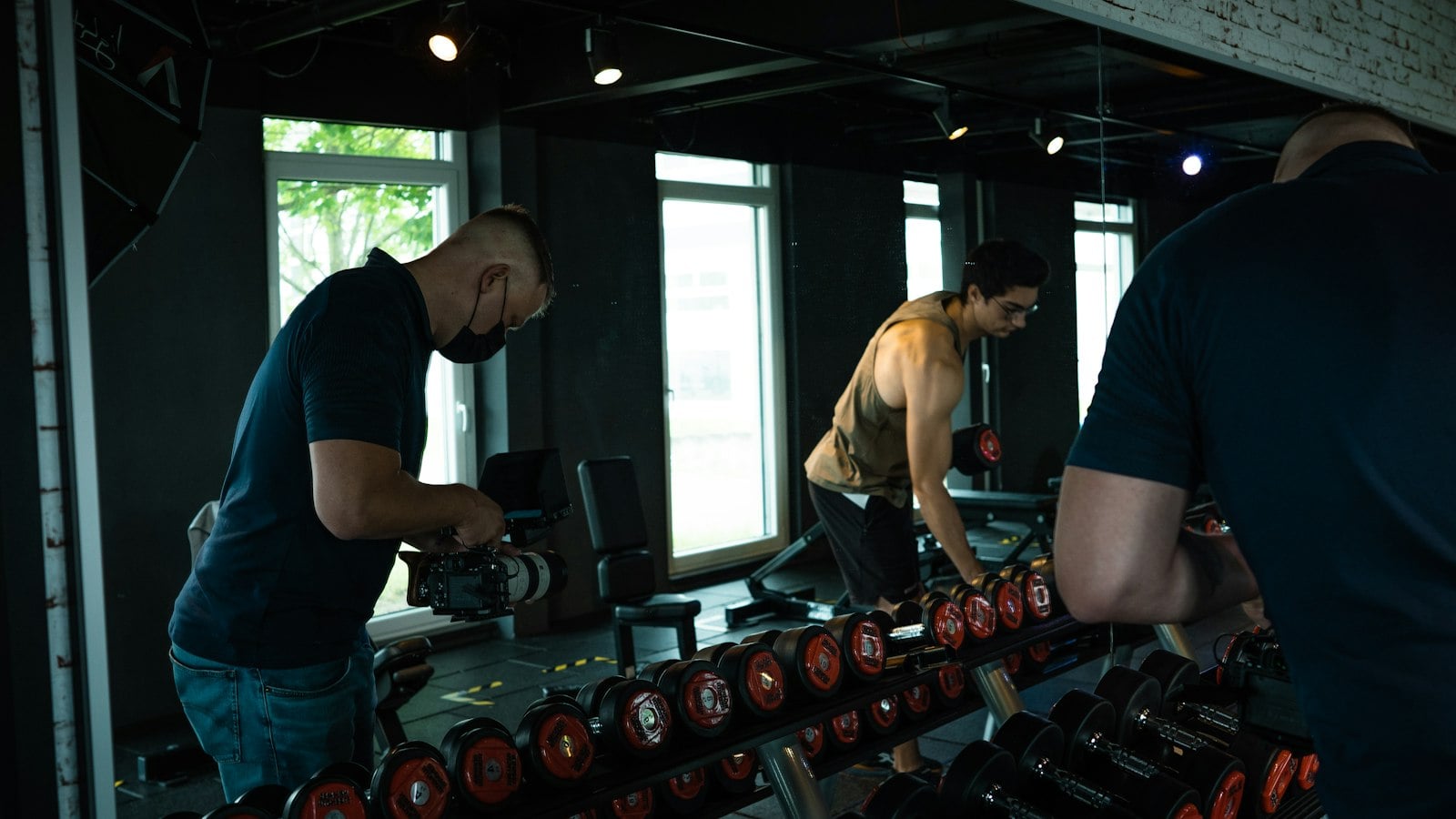
A network meta-analysis of 42 randomized trials ranked combined moderate cardio plus lifting first for blood pressure, insulin resistance and overall metabolic syndrome severity.
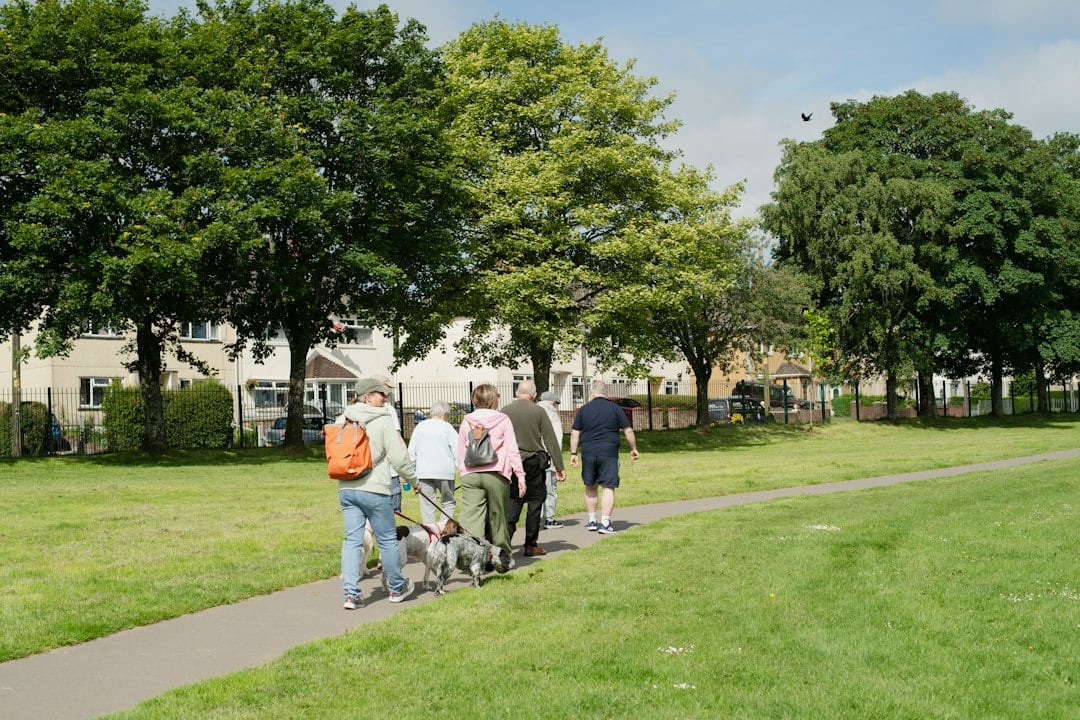
A seven-year Neurology study of 294 people with Parkinson disease found that reporting more than eight hours of weekly activity tracked with slower cognitive and motor change.
A movement screen comes first—then the workout follows what the studio finds.
See What Makes It Different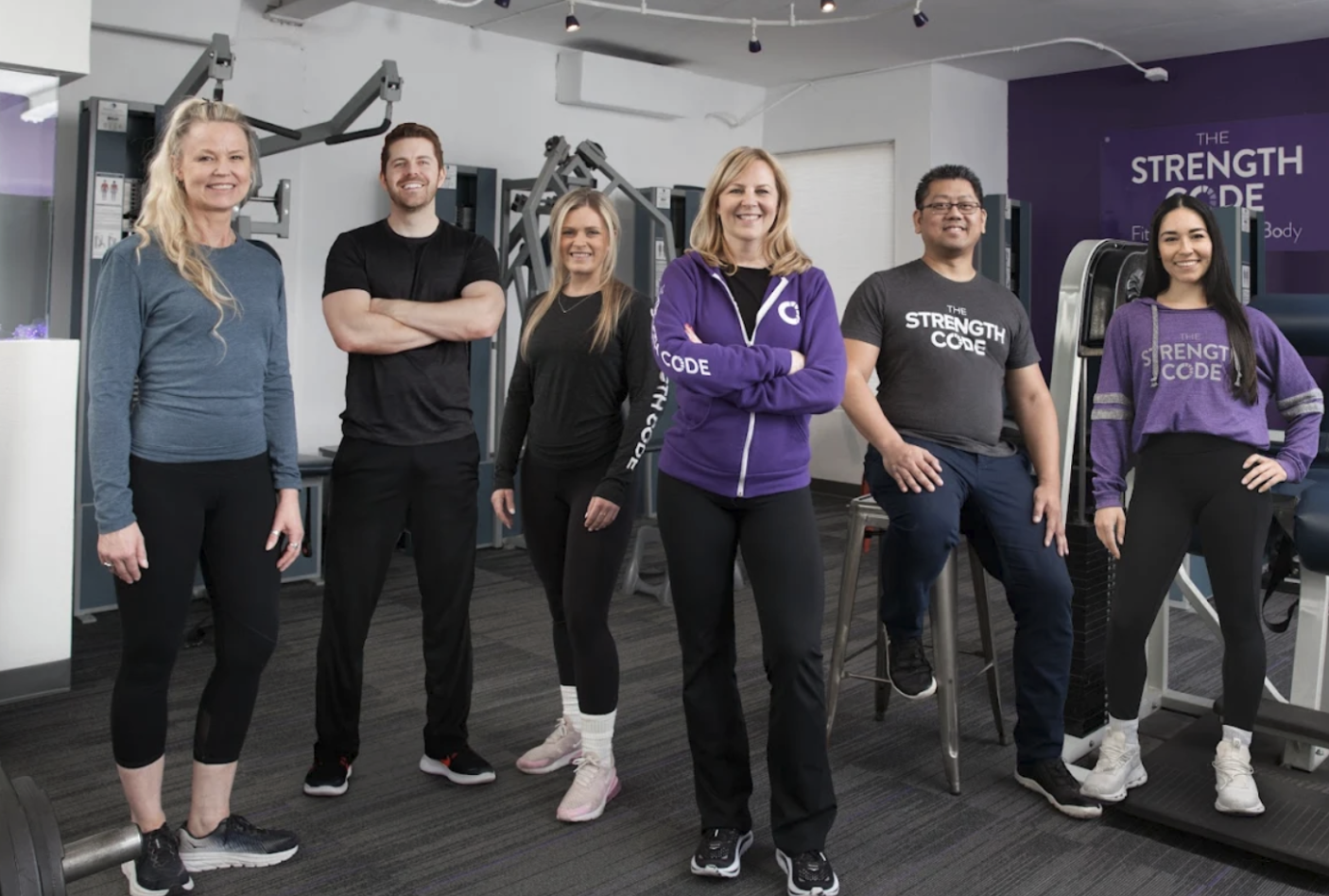
A 30-minute model challenges how much time strength training really needs.
See What Makes It Different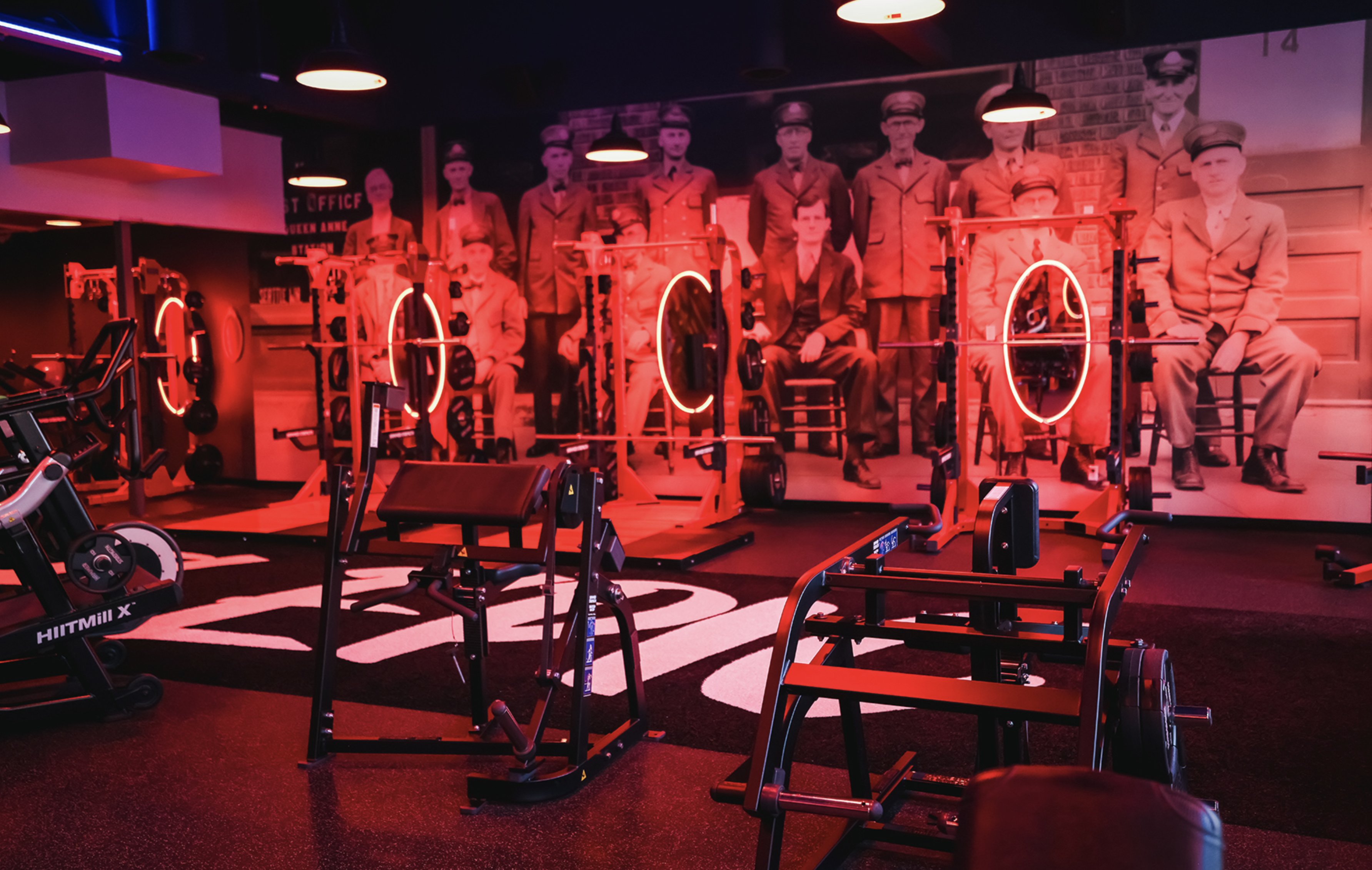
Art, equipment, and recovery are designed to make consistency easier to want.
See What Makes It Different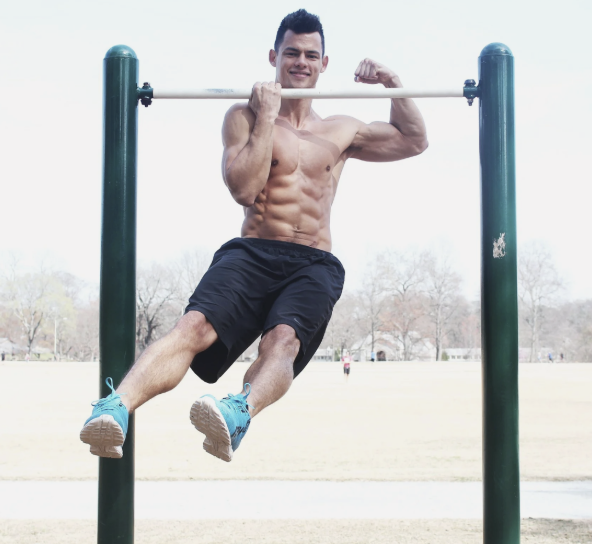
Skill-based calisthenics brings play and curiosity back to getting stronger.
See What Makes It Different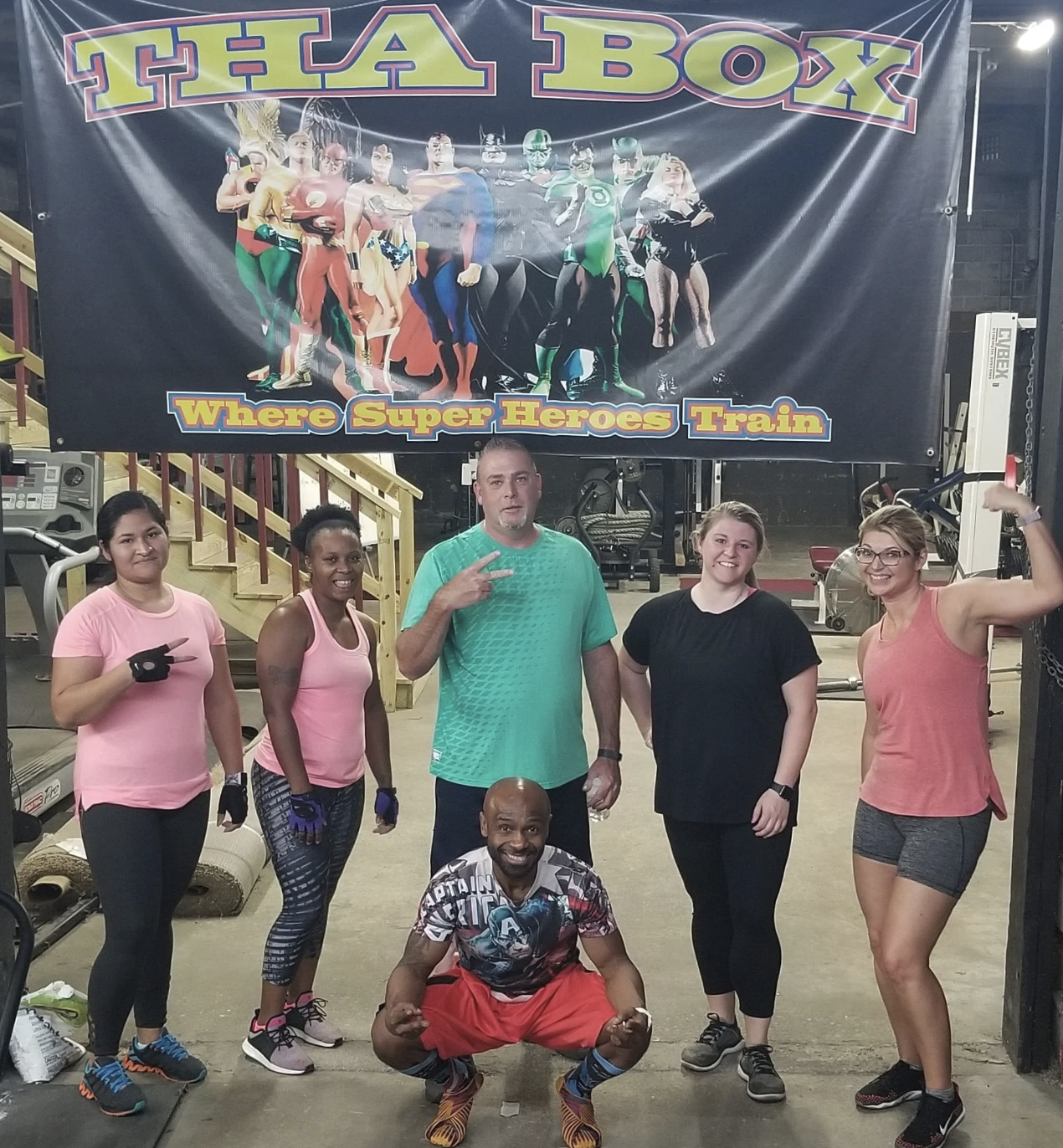
Movement comes first—then load, speed, and power are layered in with purpose.
See What Makes It Different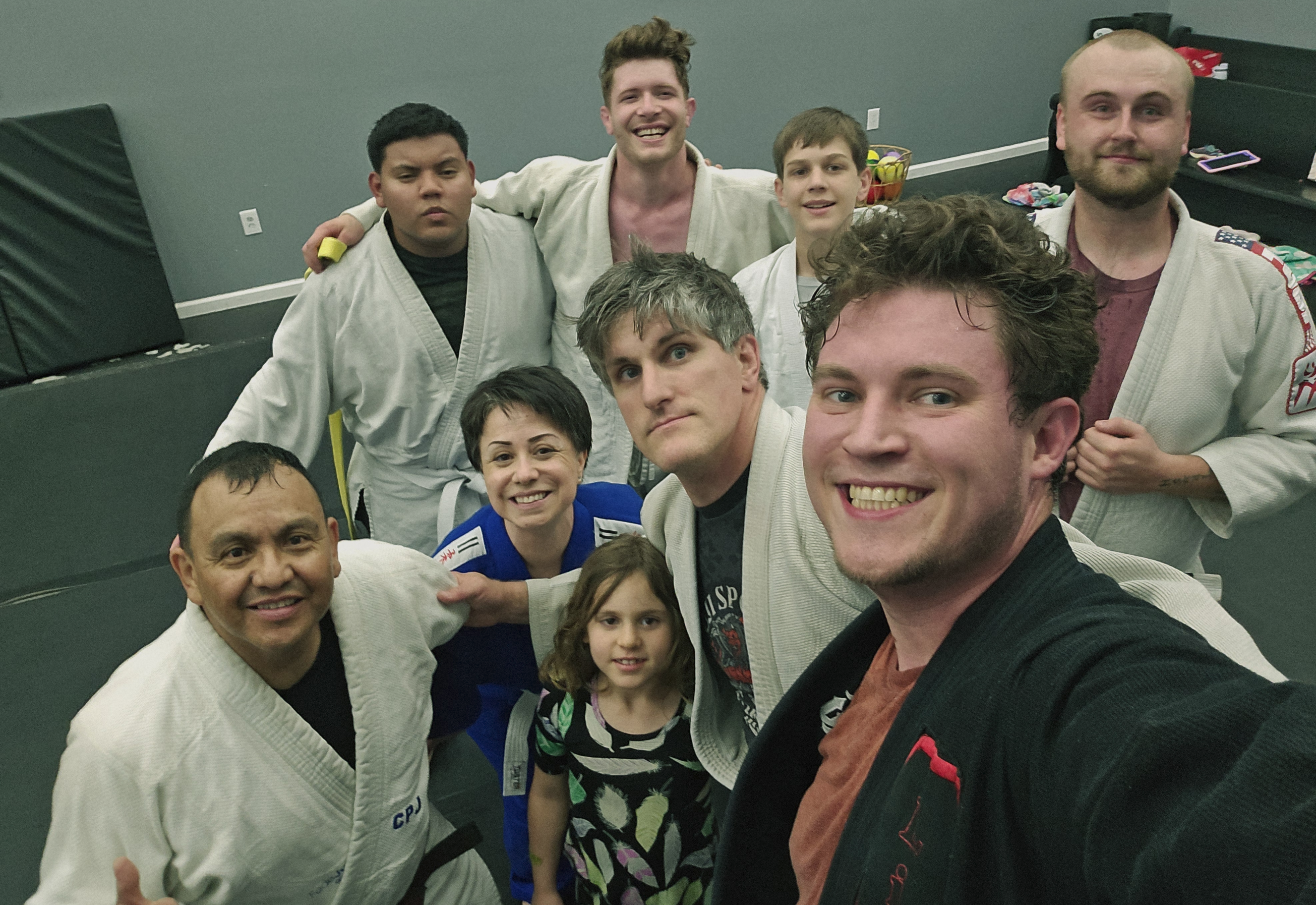
Discipline, stress relief, and safe progress make Judo about more than throws.
See What Makes It Different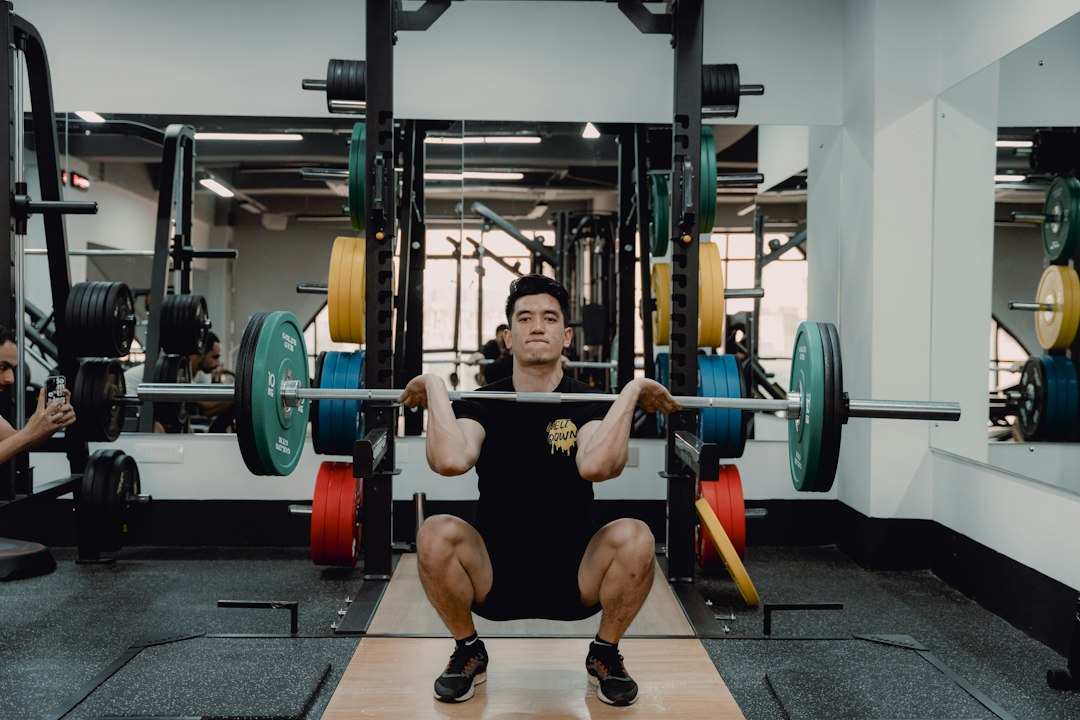
A systematic review of 11 randomized trials found eccentric training added 2.92 cm to countermovement jump height in 348 athletes, while 10, 20 and 30-metre sprint times did not change.
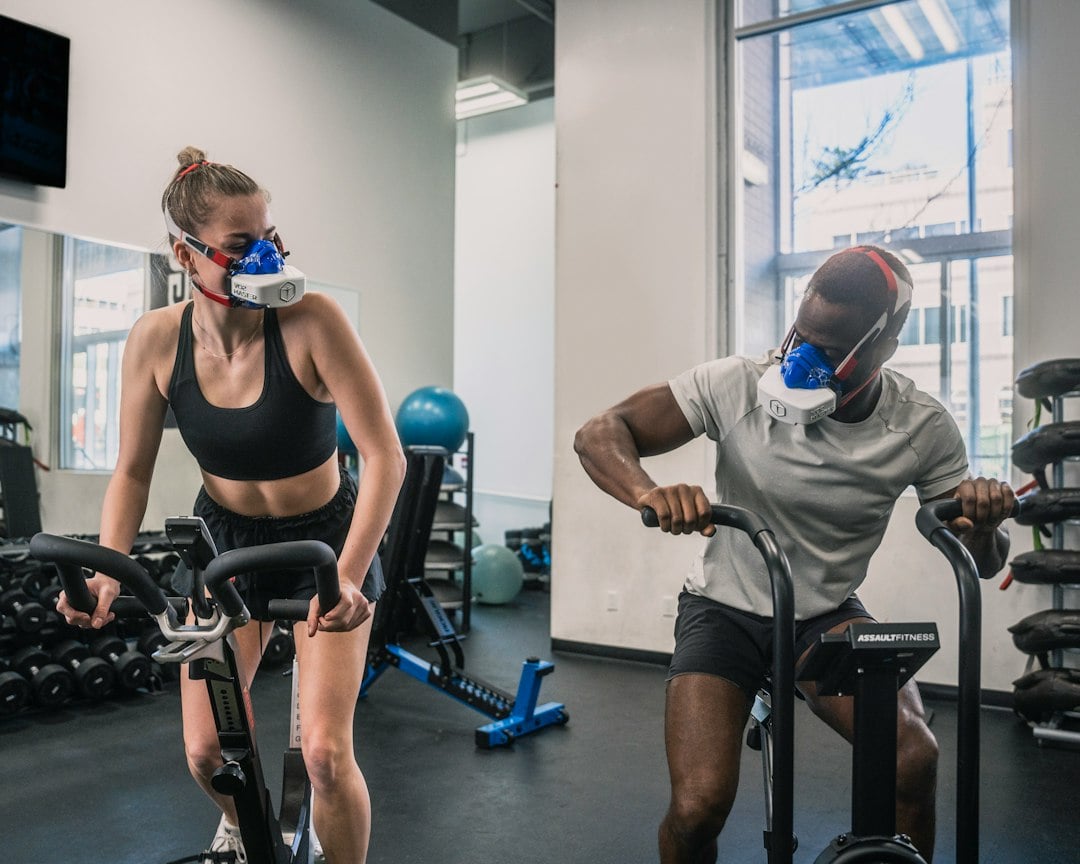
An automated algorithm placed the first ventilatory threshold within 29 mL/min of two expert readers across 262 healthy adults, but single-test agreement was far looser.
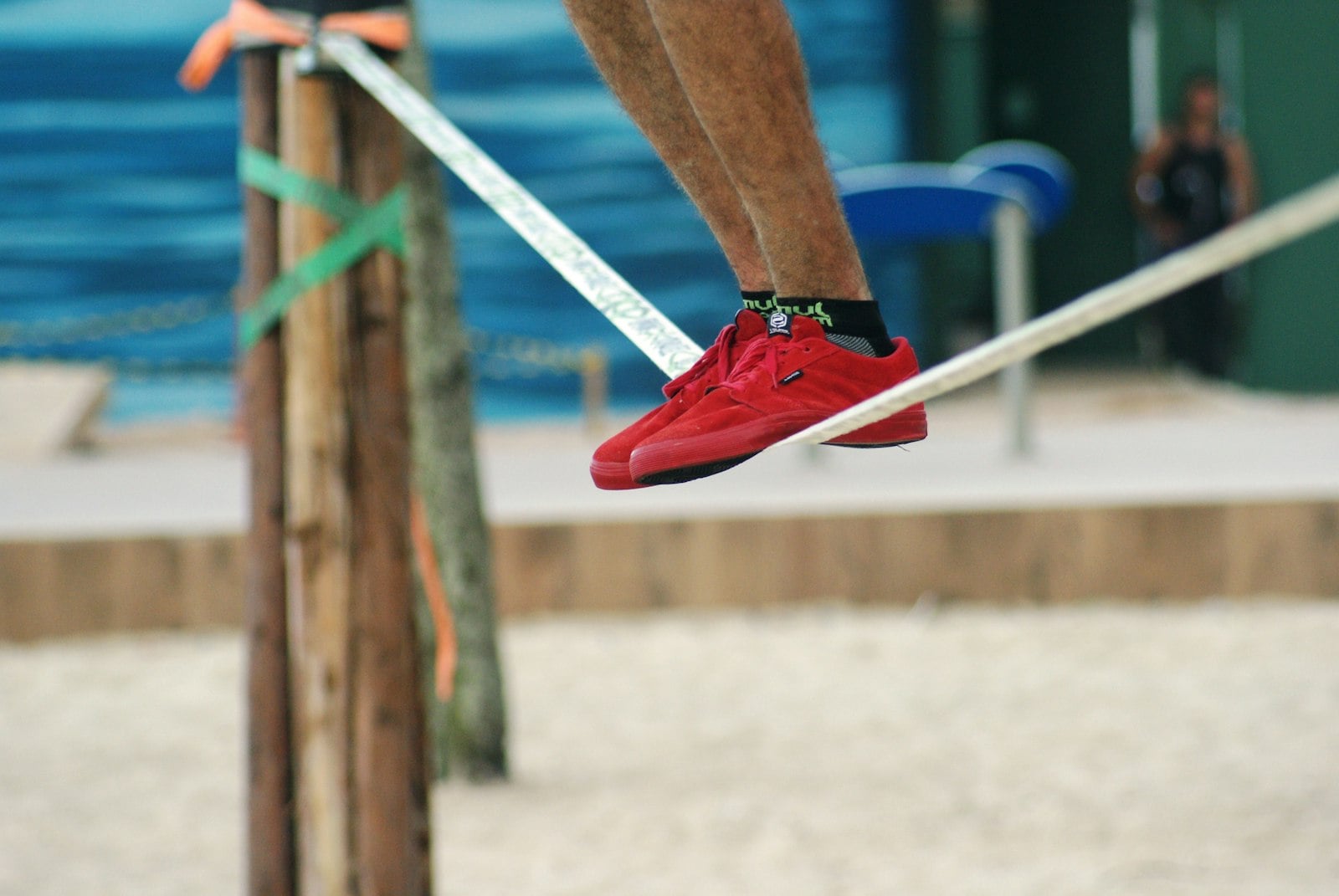
Six weeks of supervised slackline training beat usual activity on trunk endurance, dynamic balance, 20-metre sprint time and jump height in a 40-adult randomized trial.

A Scientific Reports meta-analysis of 14 randomised trials in 693 athletes found lengthening-focused hamstring rehabilitation returned players to play about 28 days sooner.
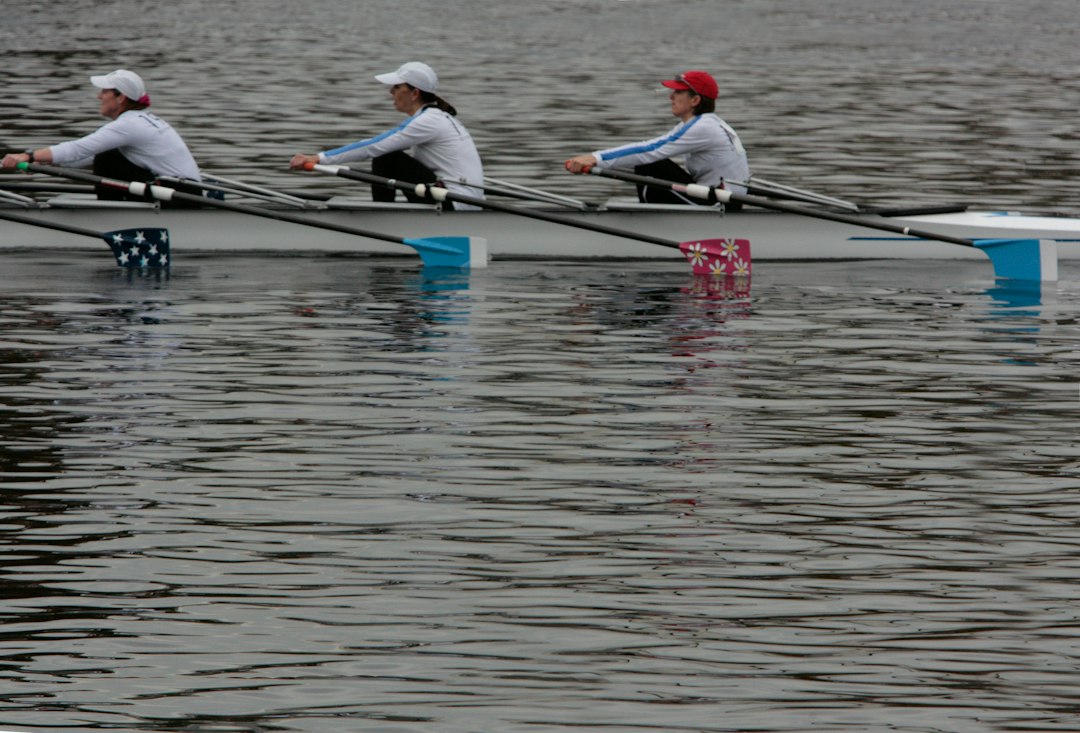
An incremental test to exhaustion lowered head, shoulder and hand heights by 14 to 31 mm in 19 elite fixed-seat rowers, while joint-angle changes did not survive statistical correction.
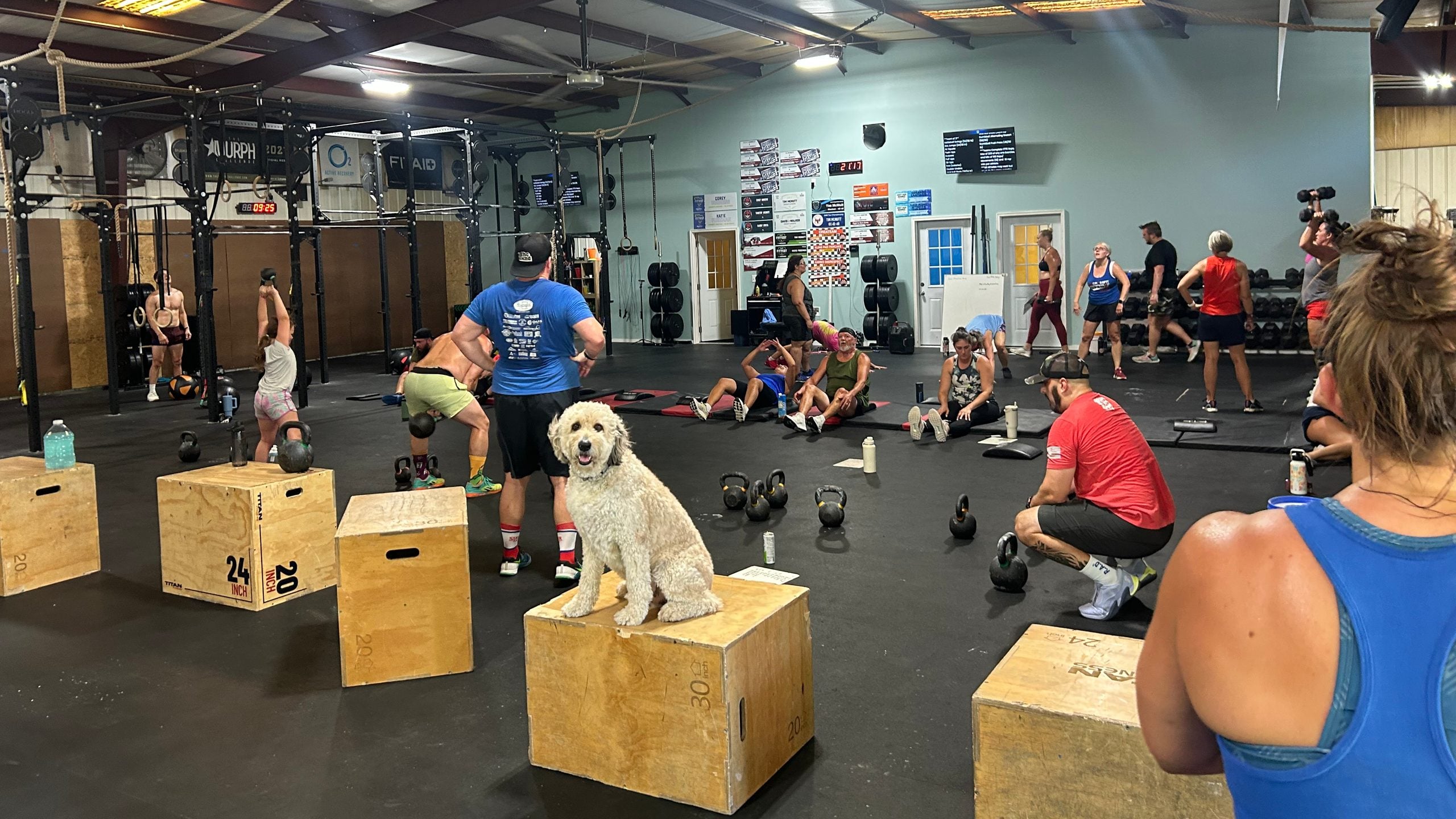
David Walker’s Lodestar Fitness in Lexington combines coached group training, personal guidance, faith-informed service, and a beginner-friendly path into fitness.
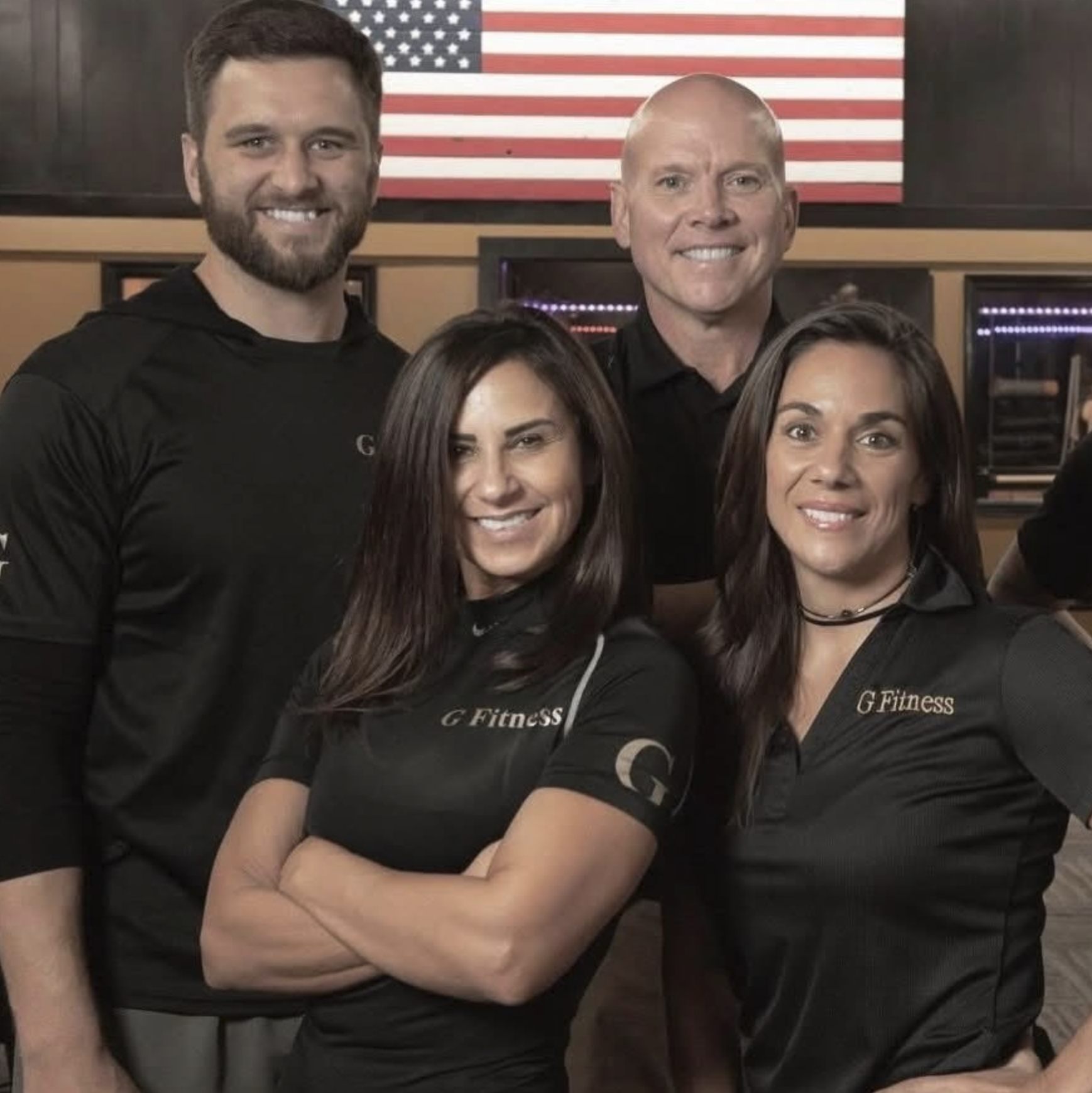
Lawrence Graham built a family-oriented Greer gym around functional training.
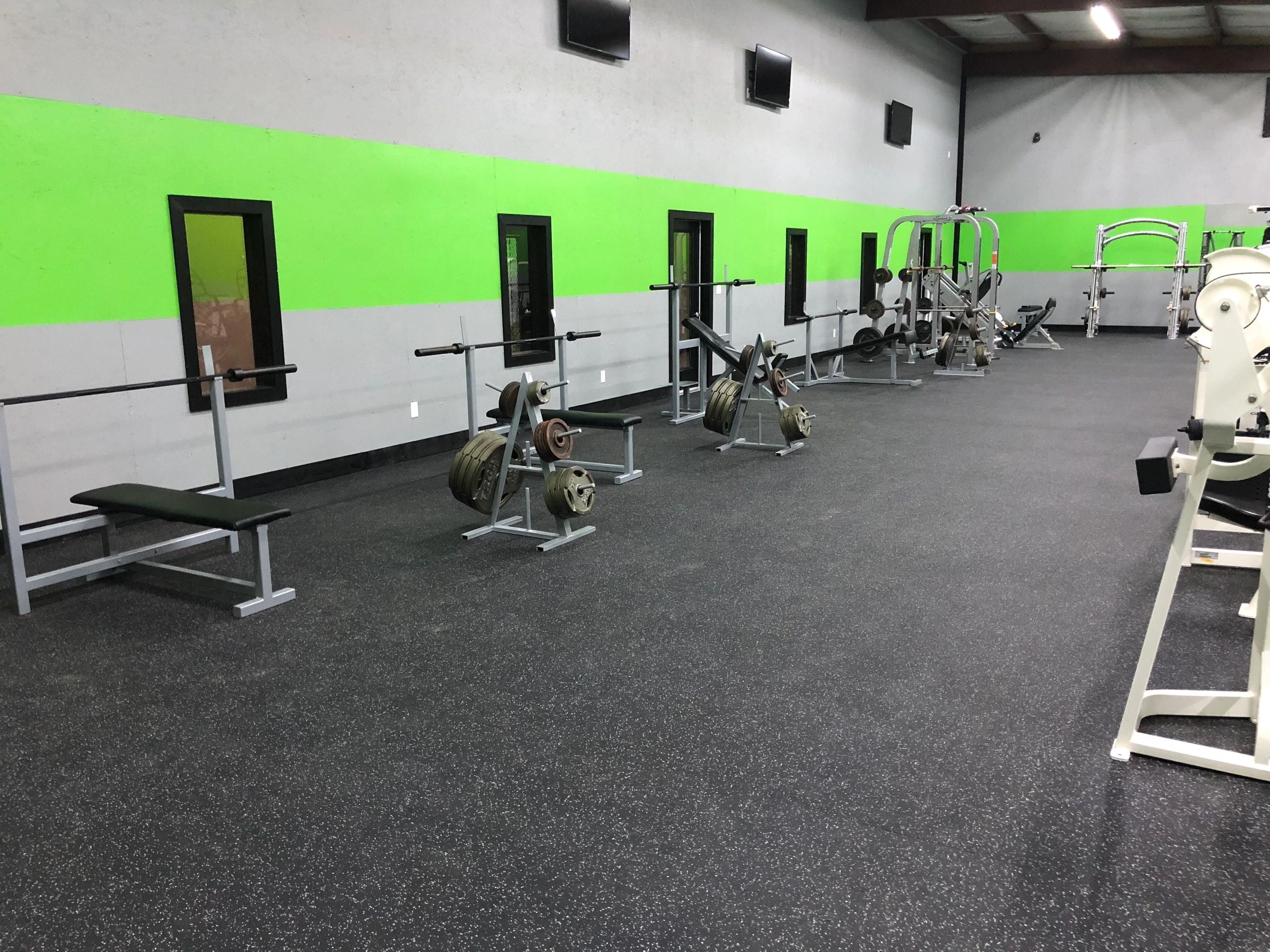
Trent Strickland helps Stars Sports & Fitness keep a small-town Pageland feel.
David Minishian pairs resistance training with nutrition coaching in Long Beach.
Alexy Bantel coaches sustainable strength one client at a time in Queen Anne.
As a teenager, John DeFendis set out to help his mother. That experience became the heart of Ultra Fit and more than four decades of coaching.
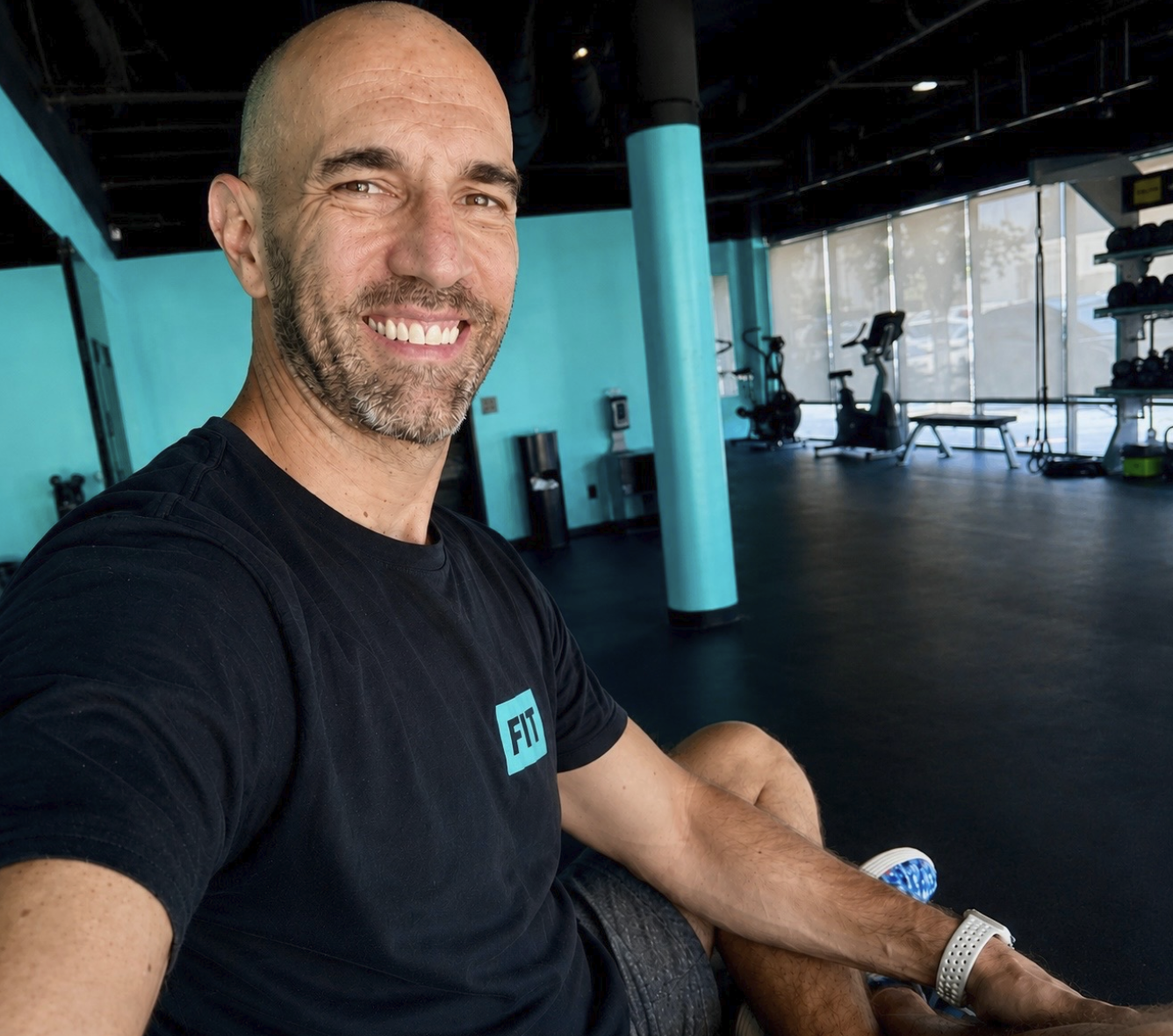
Ricardo Goncalves trains clients in a private room, one full hour at a time.
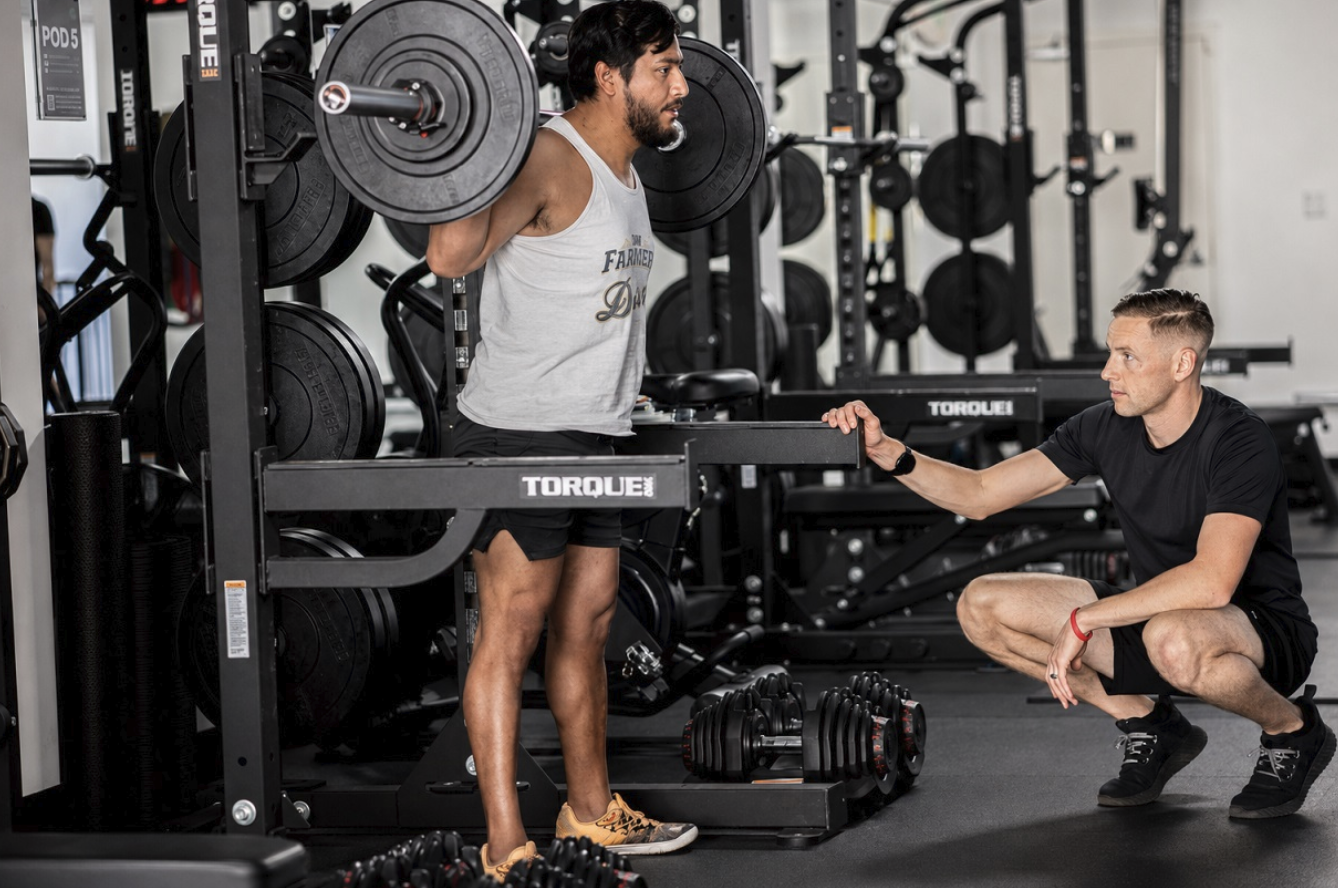
Joe Cicero pairs simple barbell programming with a guided beginner start.
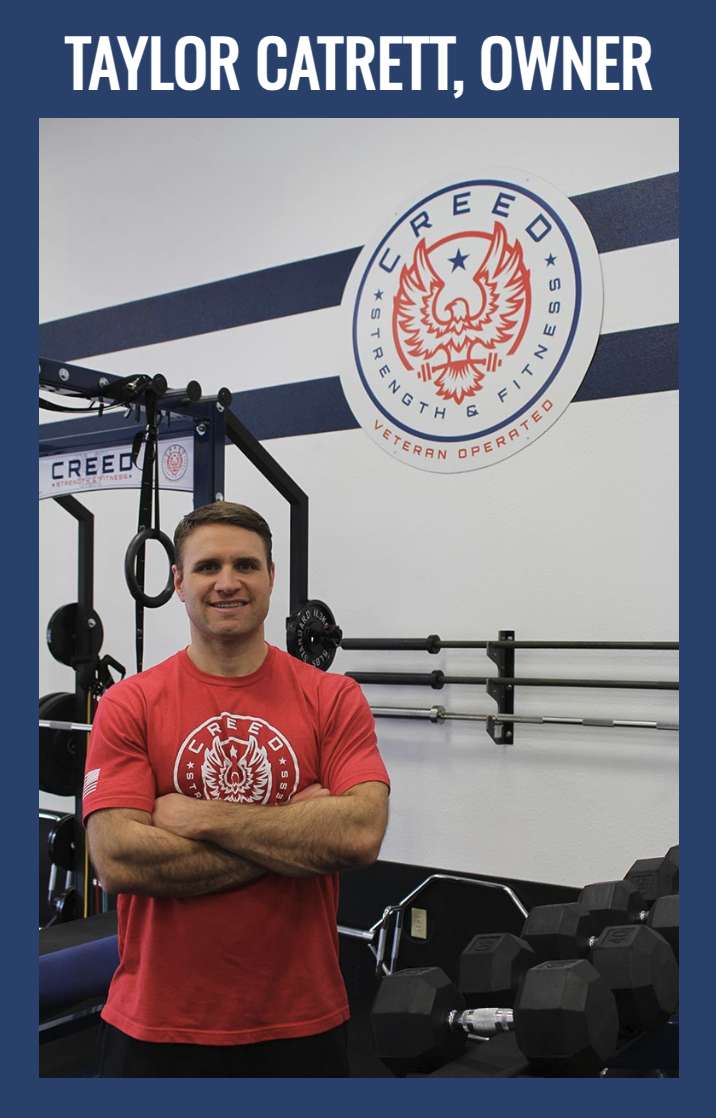
Taylor Catrett adds mobility and corrective work to strength training.
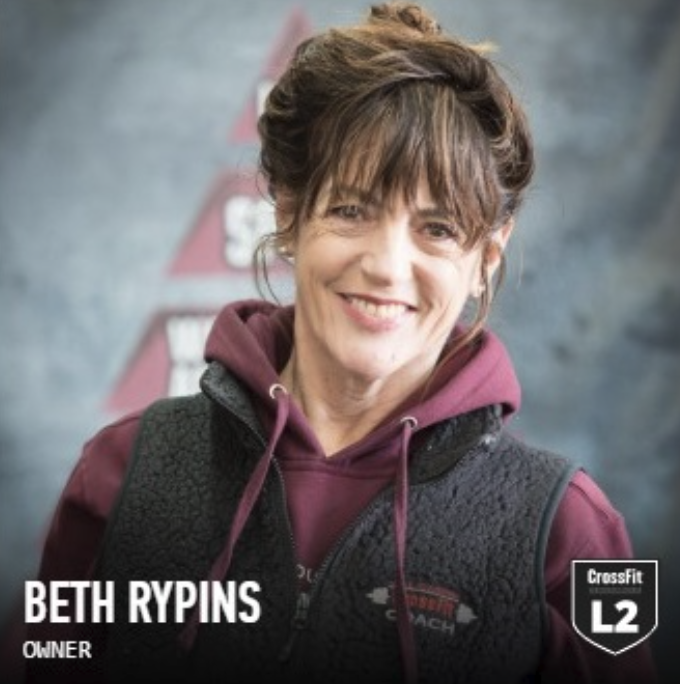
Beth Rypins brings strength and longevity training to her Napa gym.
Ray Walker brings his lived recovery experience to a mobile fitness service that helps clients build routine, confidence, and a more compassionate starting point.
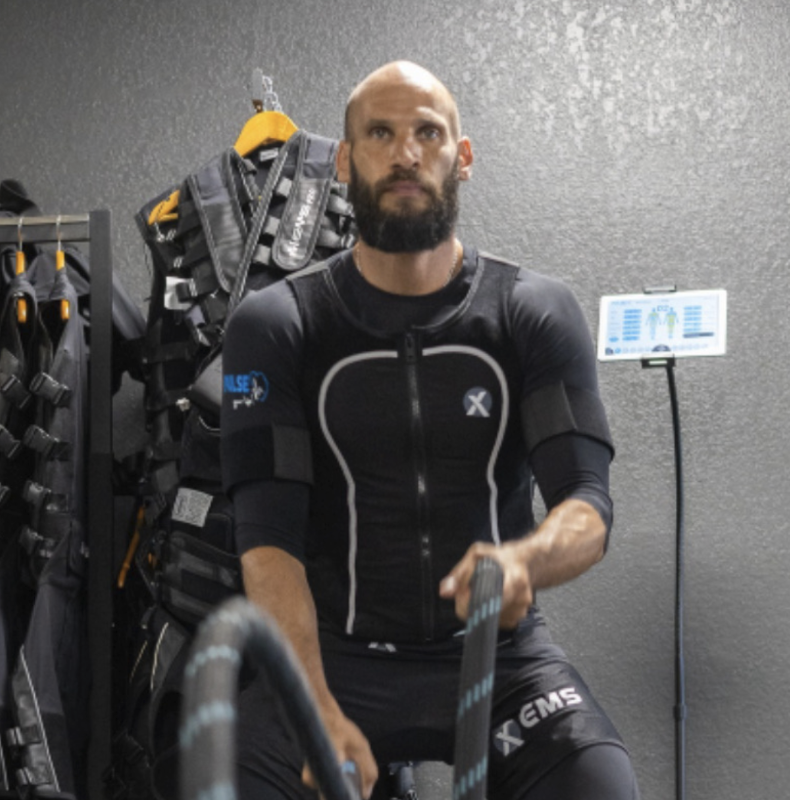
Pulse Wellness Studio combines coach-led EMS training with recovery services, nutrition-minded support, and a more personal alternative to the conventional Clearwater gym.
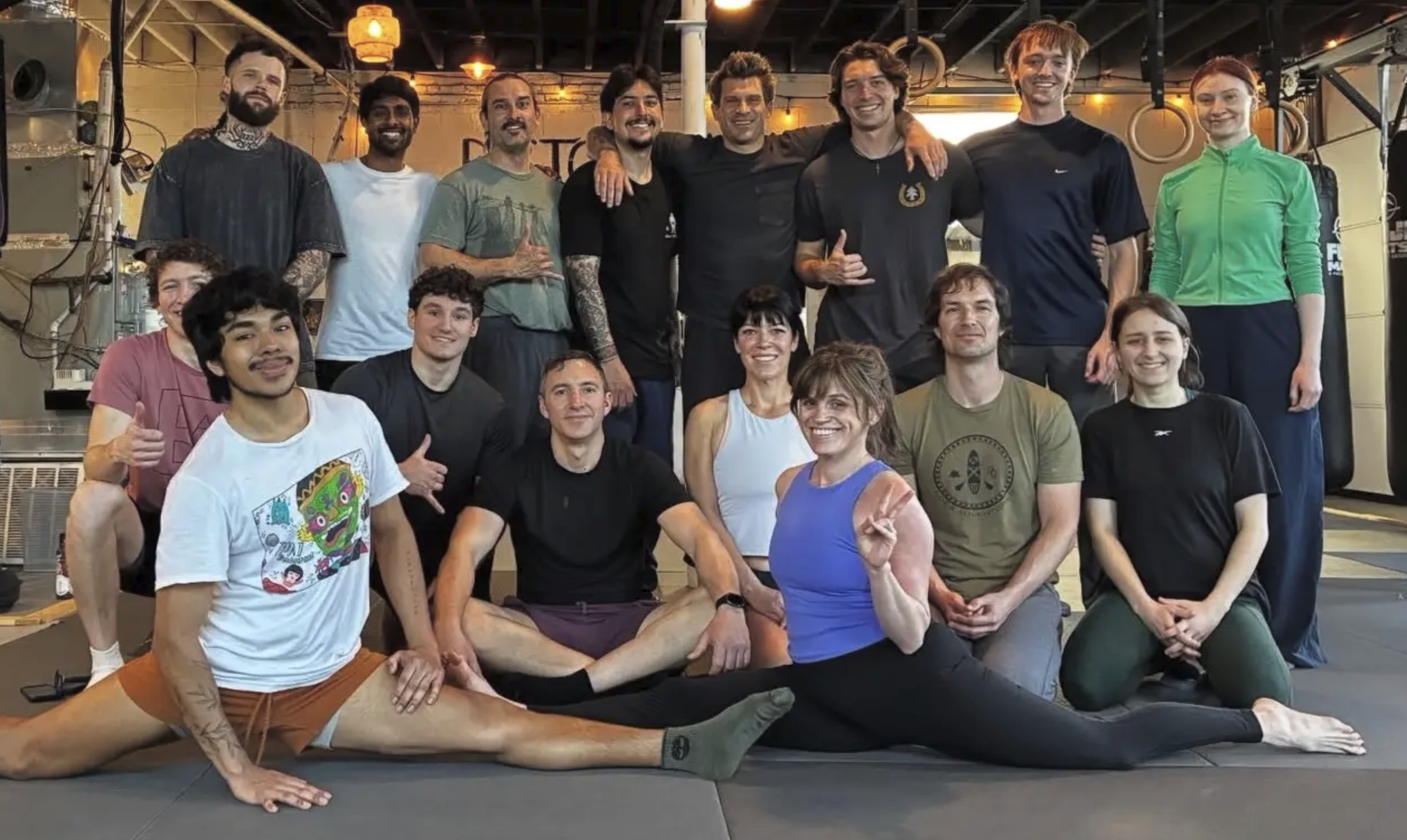
Musou Movement adds functional training and somatic practice to MMA.
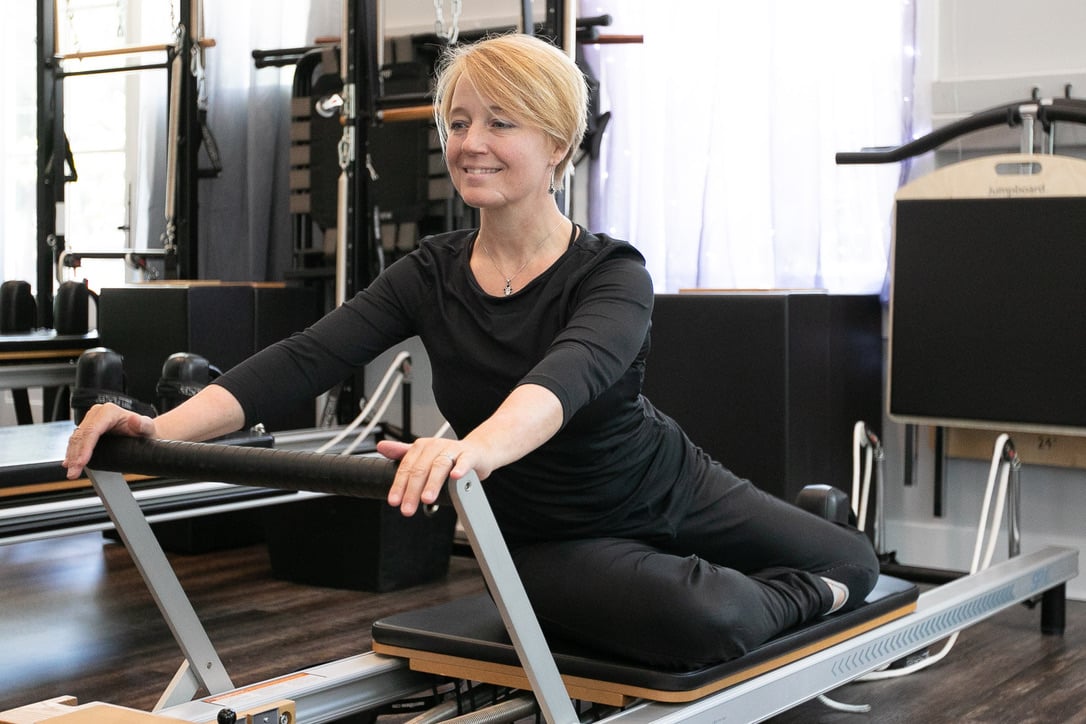
Donna Barber pairs Reformer instruction with unusually personal service.
Dancing Hammock Pilates pairs boutique Pilates with anti-gravity fitness in Bluffton.
Chanda Fetter meets each Santa Barbara client where they are.
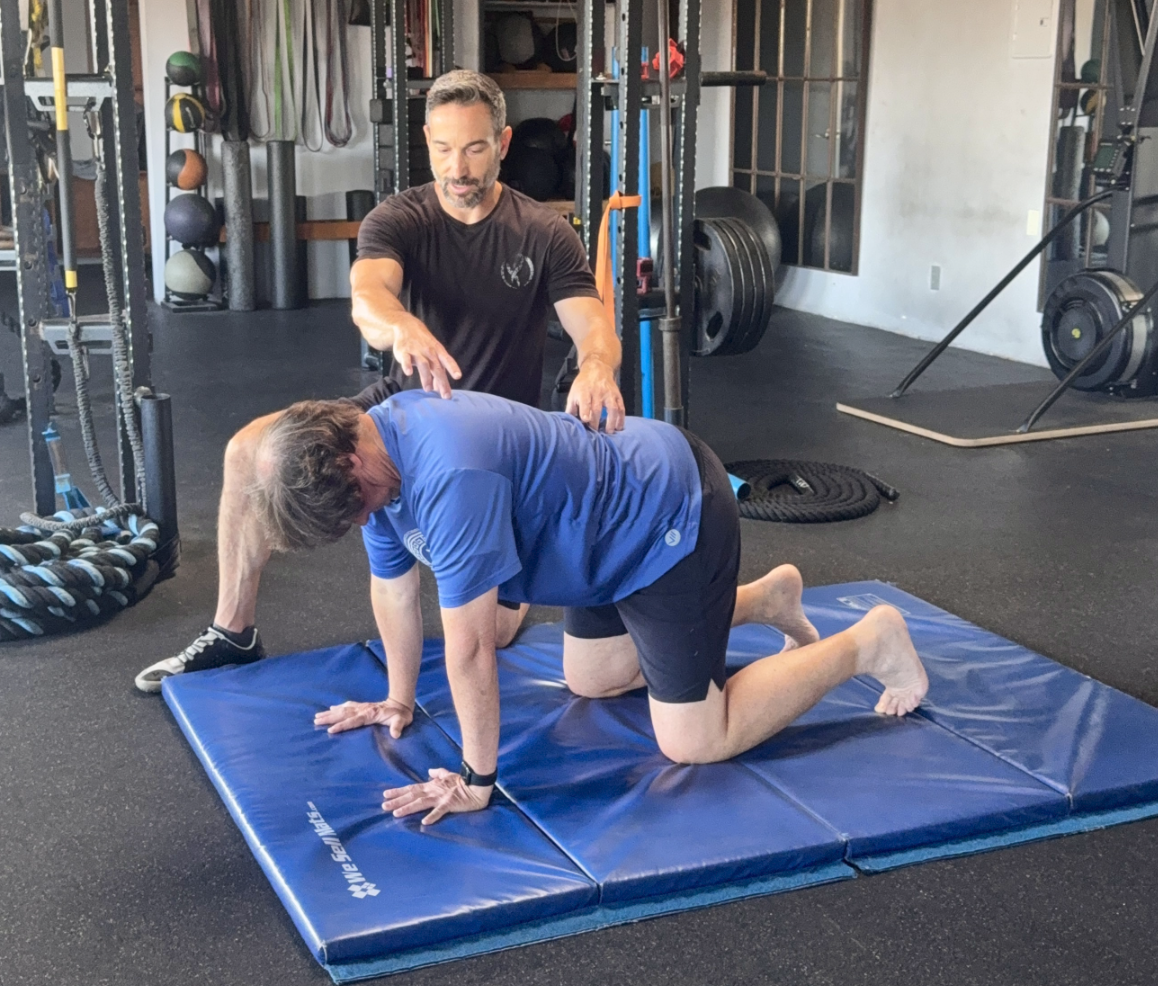
Hybrid Fitness Training pairs private coaching with brain-based movement.
Coach Robert Holland develops speed, movement quality, and sport-specific confidence through coaching designed to transfer beyond the gym.
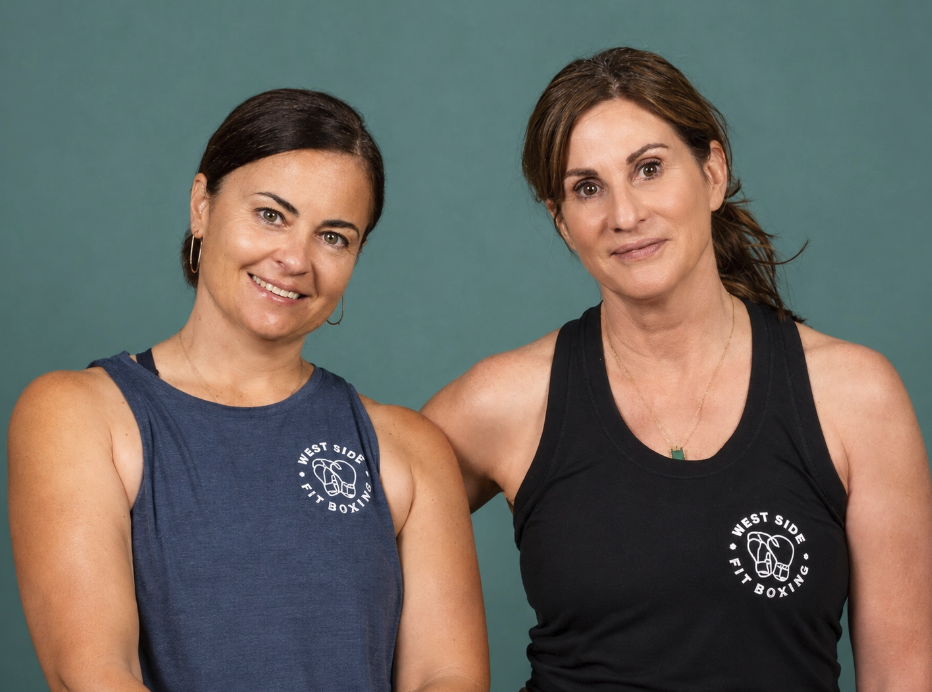
A Santa Cruz studio where every client gets a heavy bag of their own.
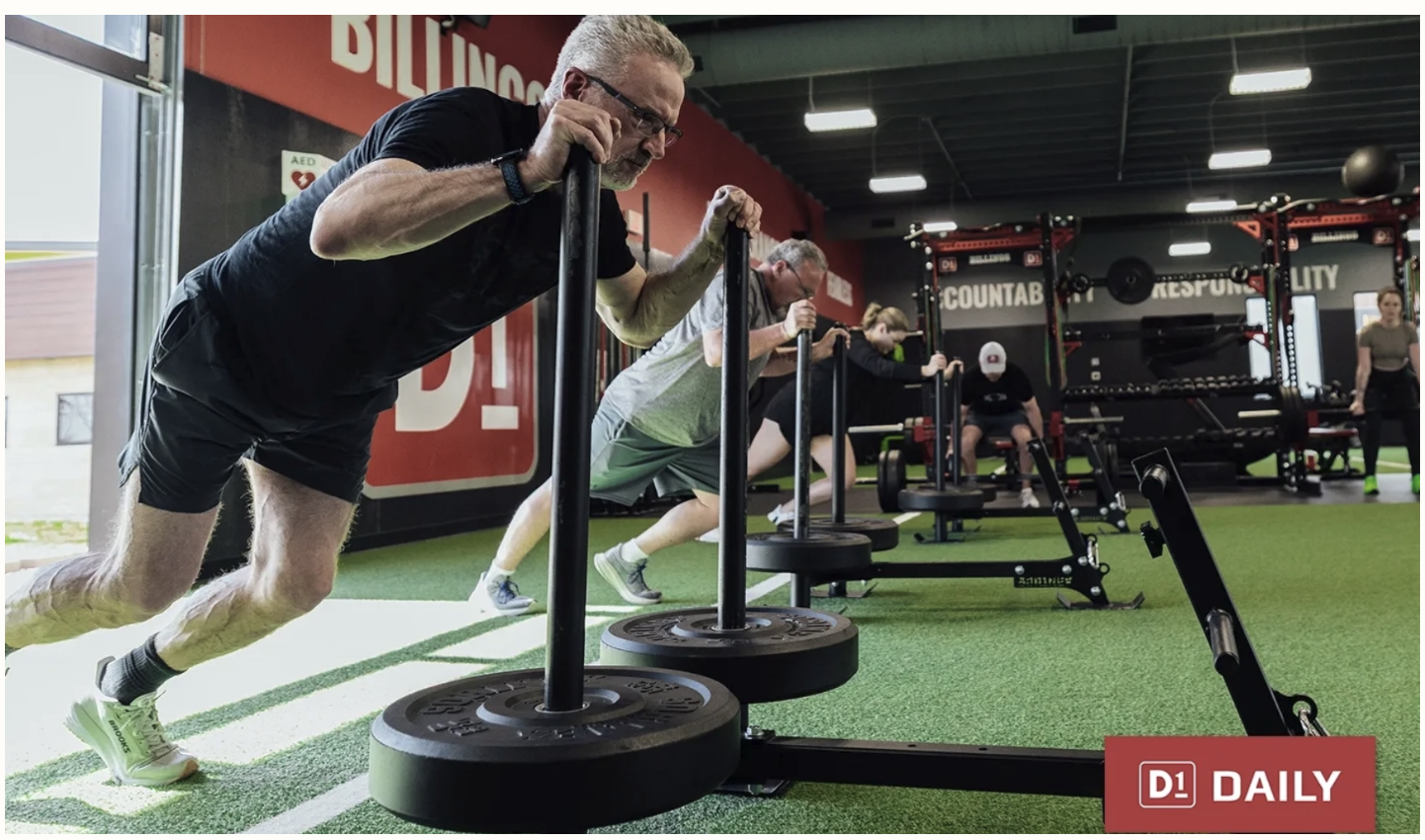
Every program starts with a complimentary movement assessment.
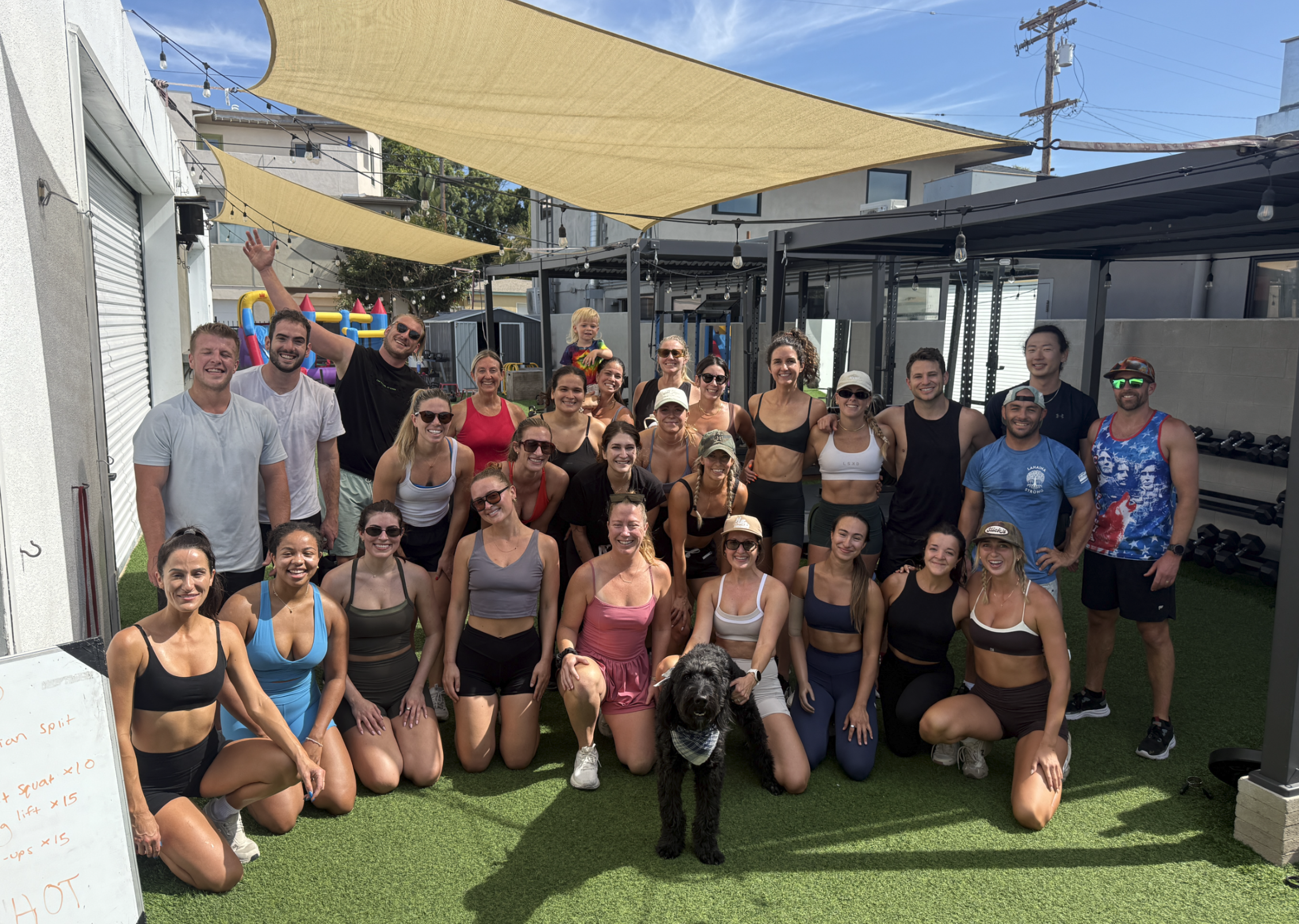
Michael Hamanaka modifies movements before he adds load.
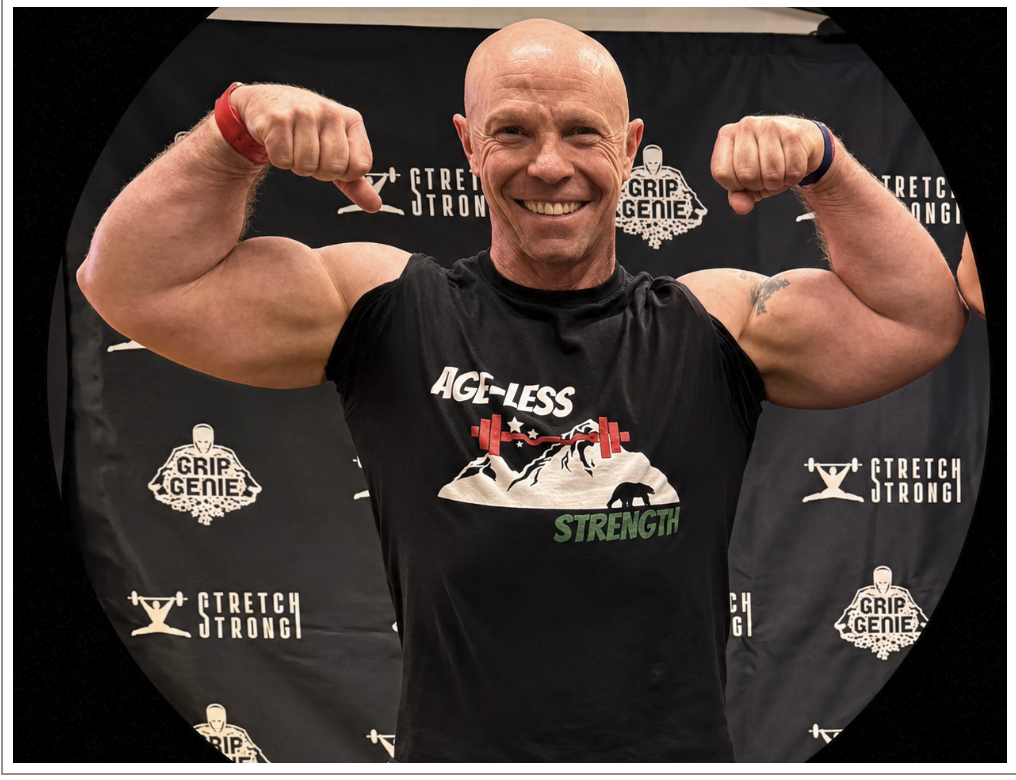
Steve Babcock writes every program for one person, ages 10 to 80.
Across Fitness Living Magazine™ interviews with independent gym and studio owners, a different model is taking shape: smaller, more specific spaces where coaching, belonging and accountability are inseparable.
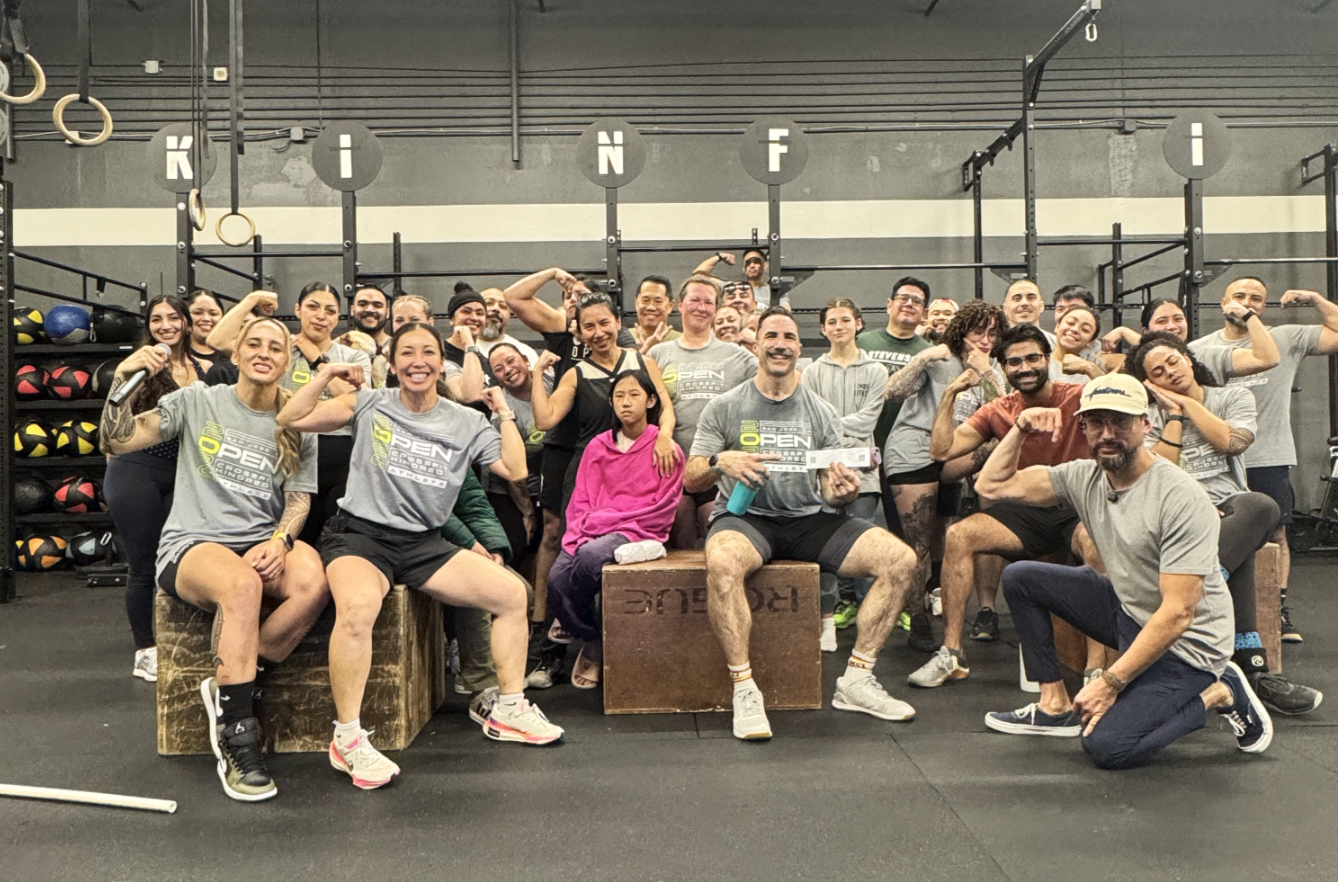
An original analysis of 15 independent fitness studios reveals five recurring patterns shaping coaching, accountability and member experience.
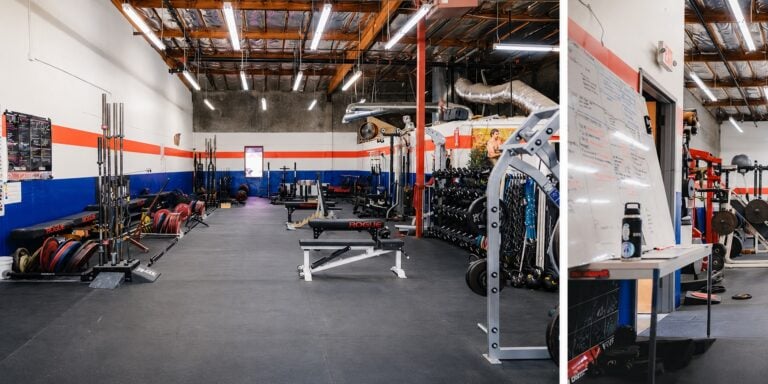
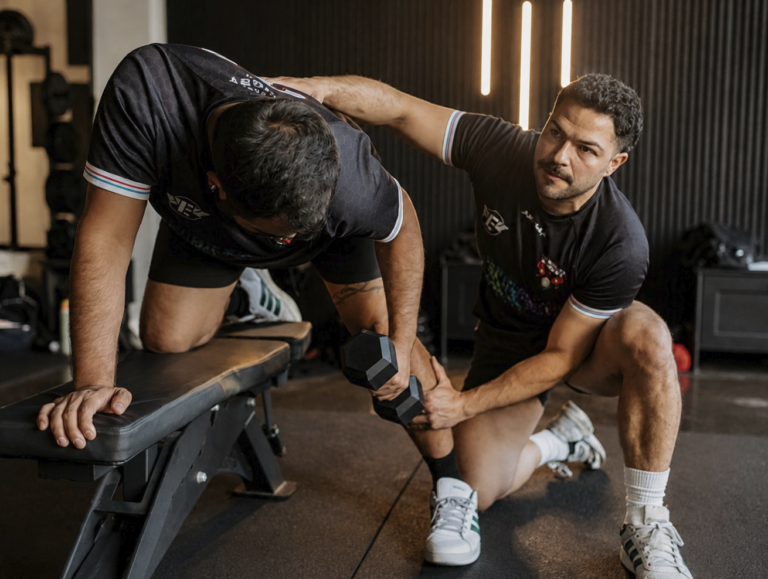
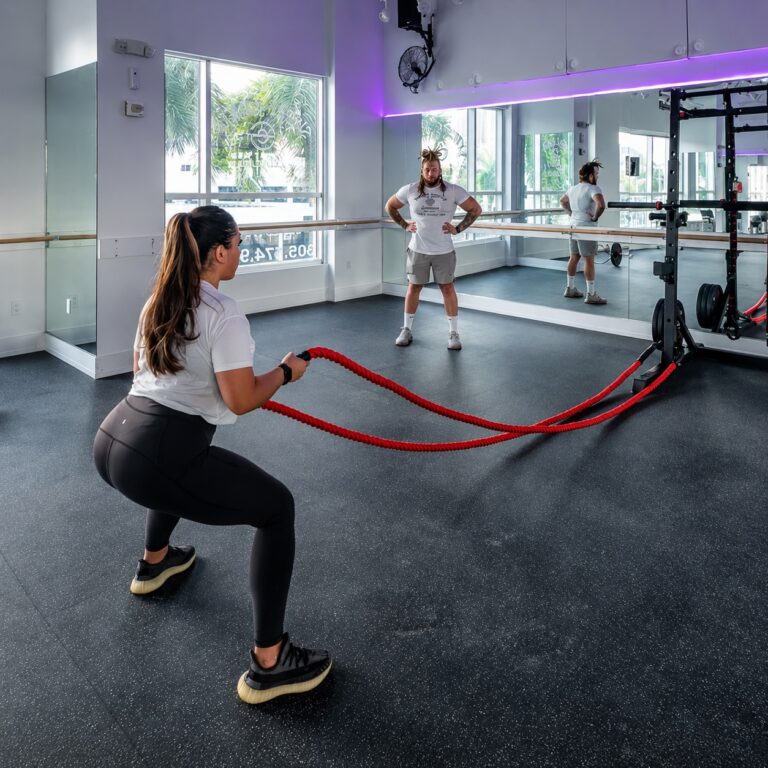
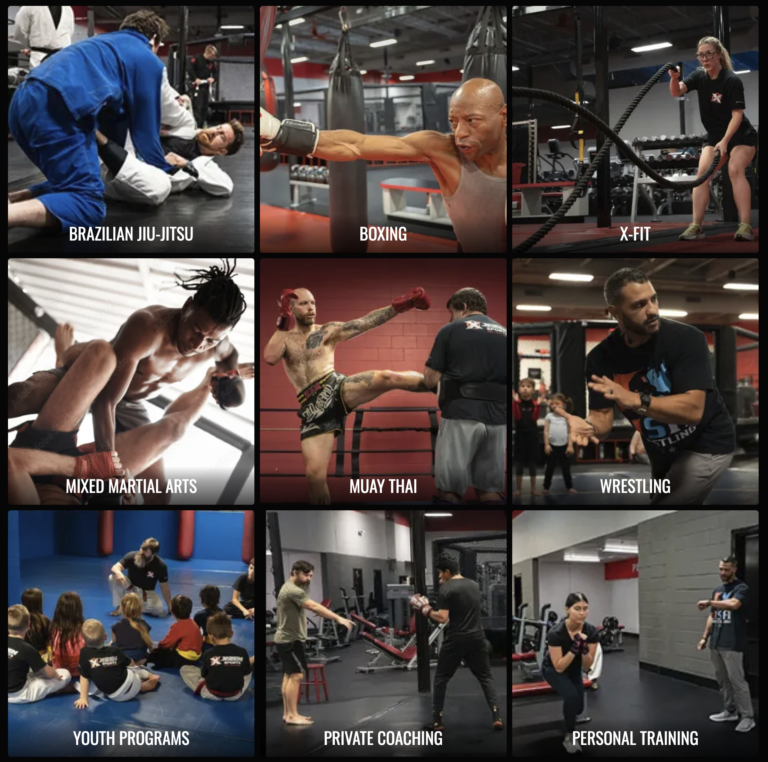
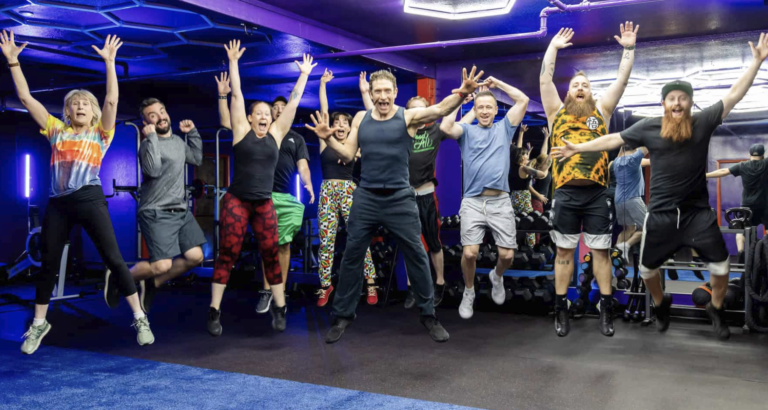
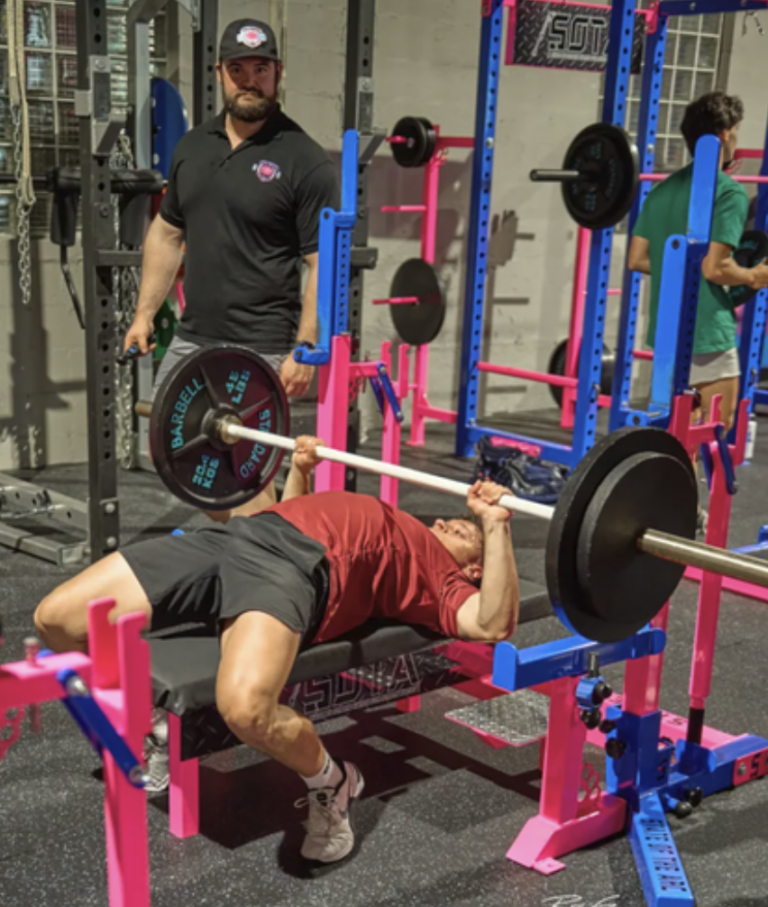
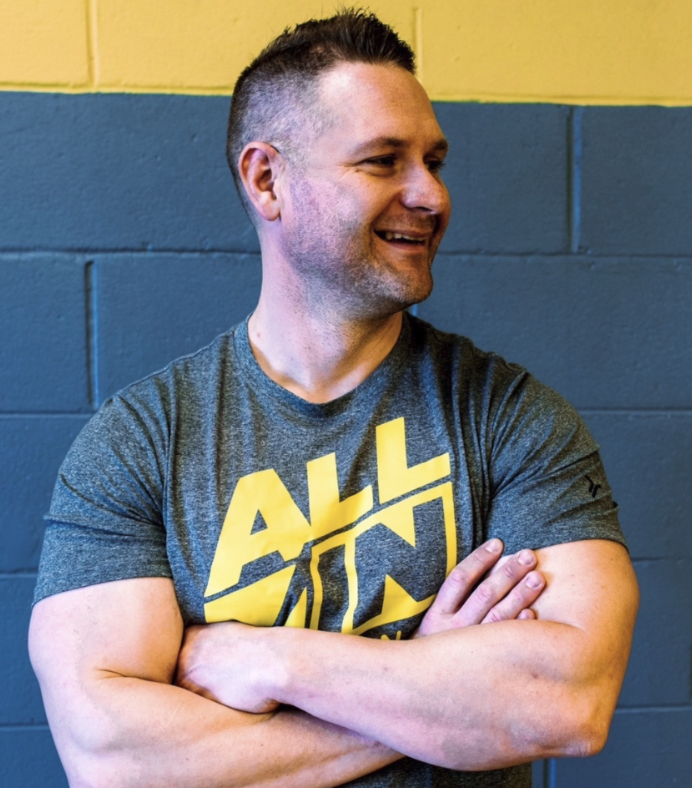
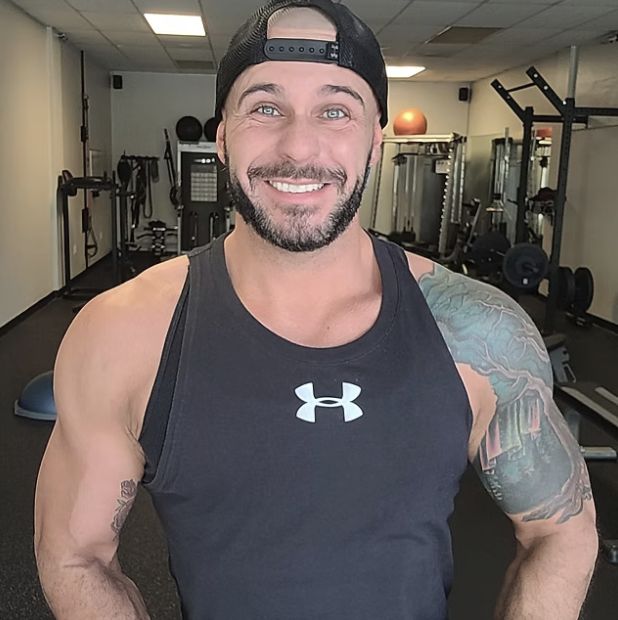
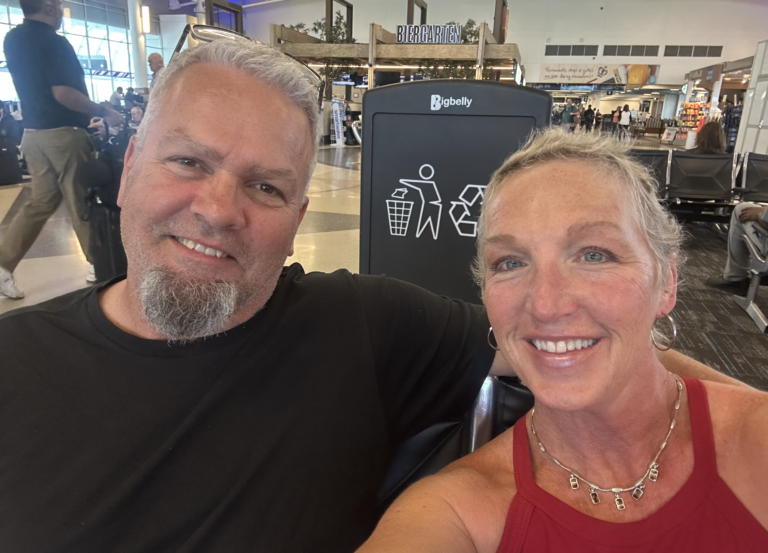
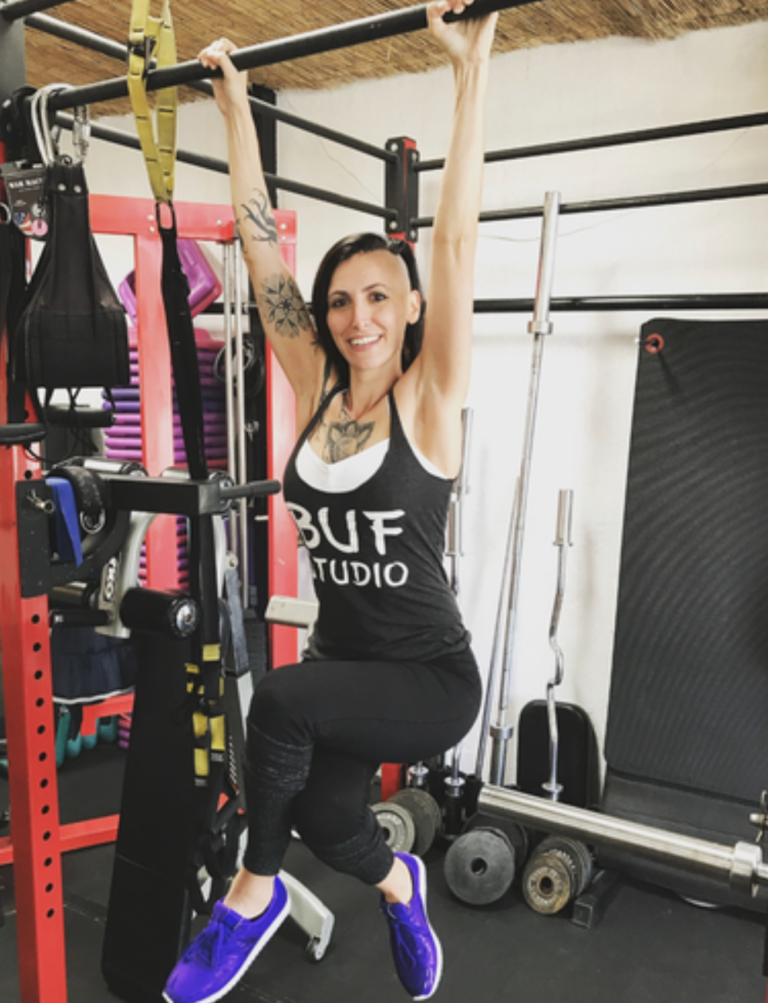
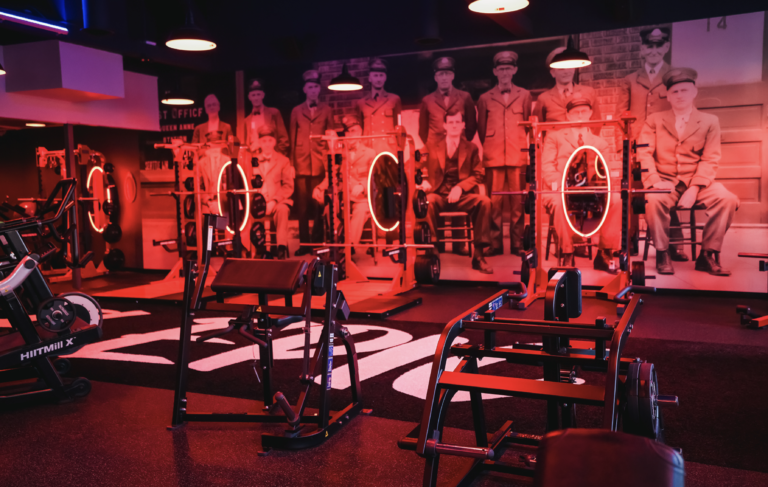
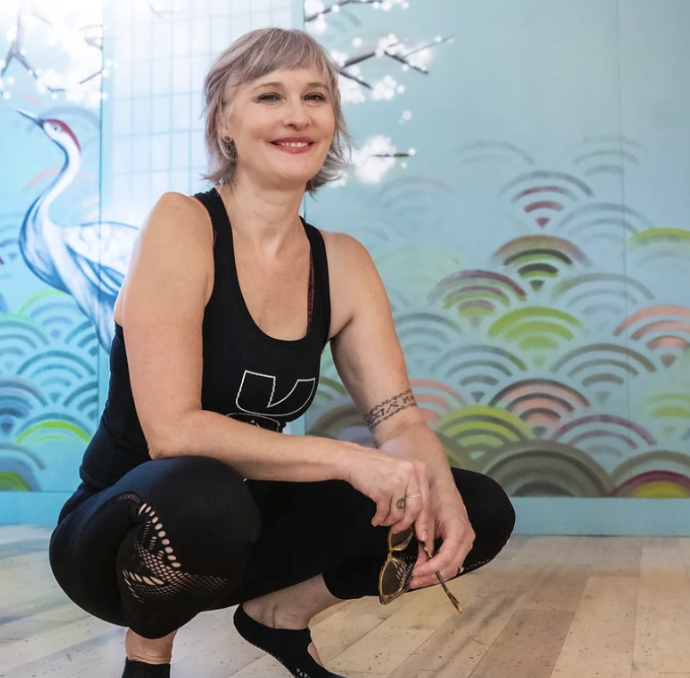
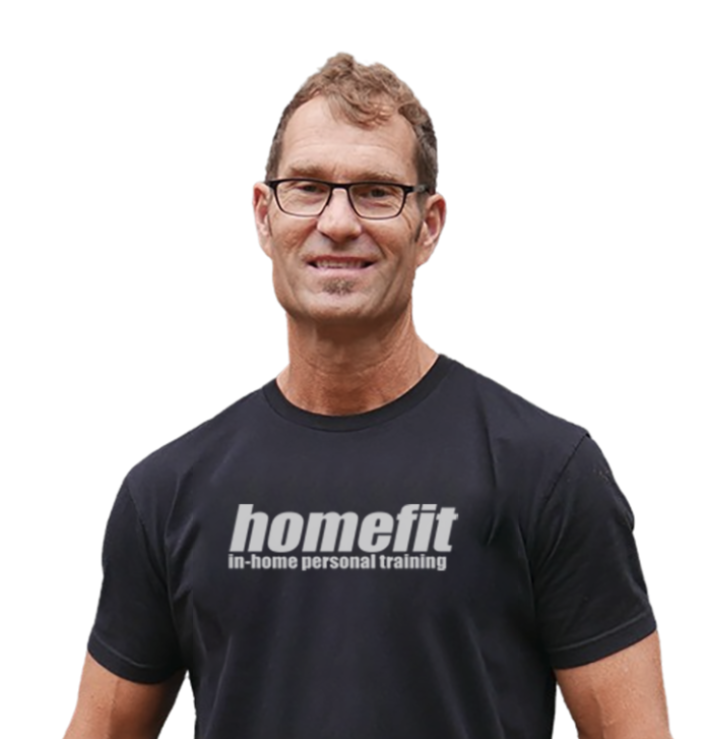
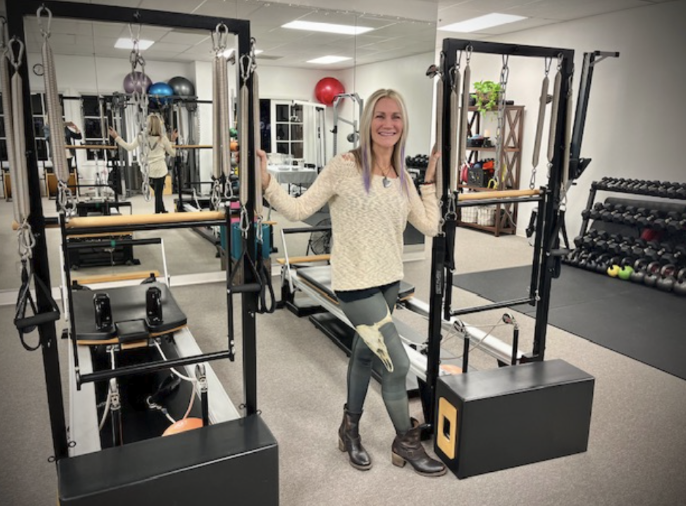
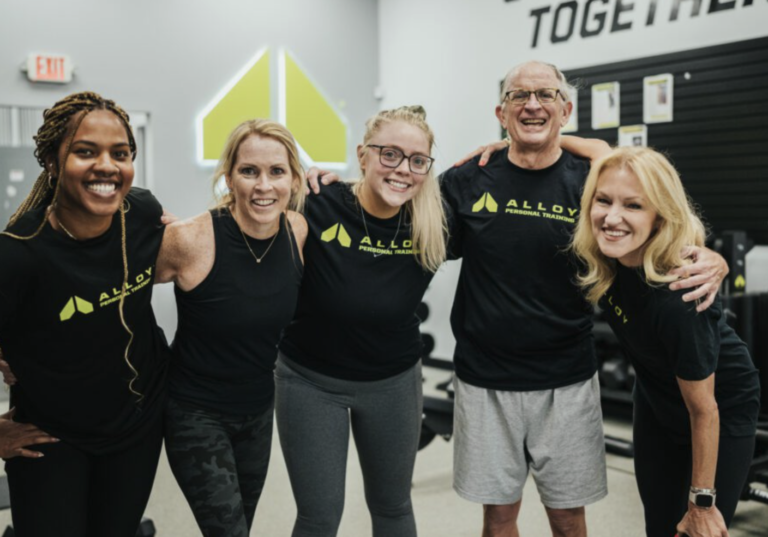
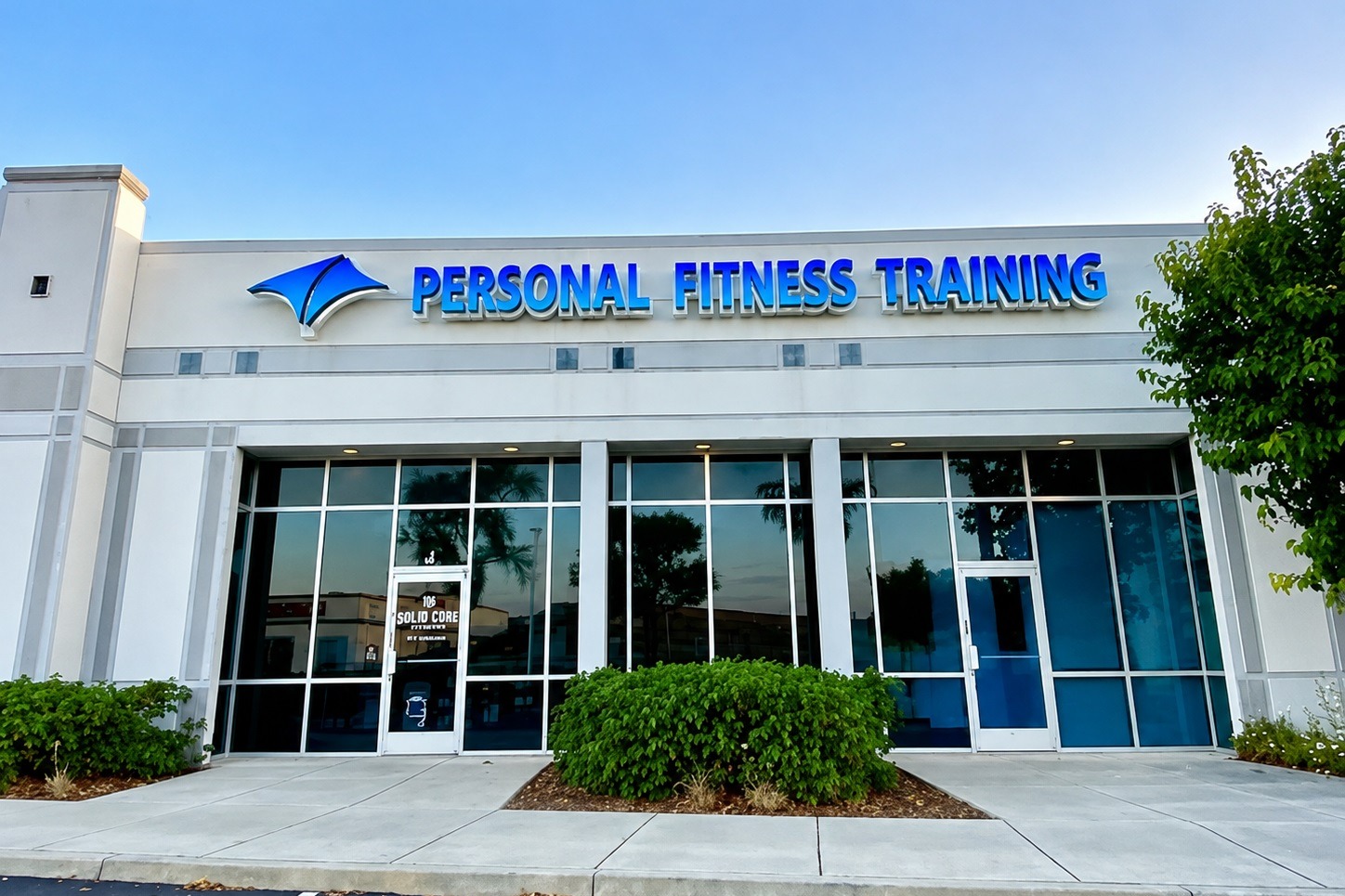
Solid Core Fitness in Murrieta pairs custom one-on-one and semi-private training with a listening-first coaching method — 30-minute sessions on a private three-station floor, led by co-owner and trainer Dannielle Wood.
Transform Fitness on West 3rd Street near The Grove gives independent Los Angeles trainers a professional home, and gives one walkable neighborhood a gym where people are known rather than processed.
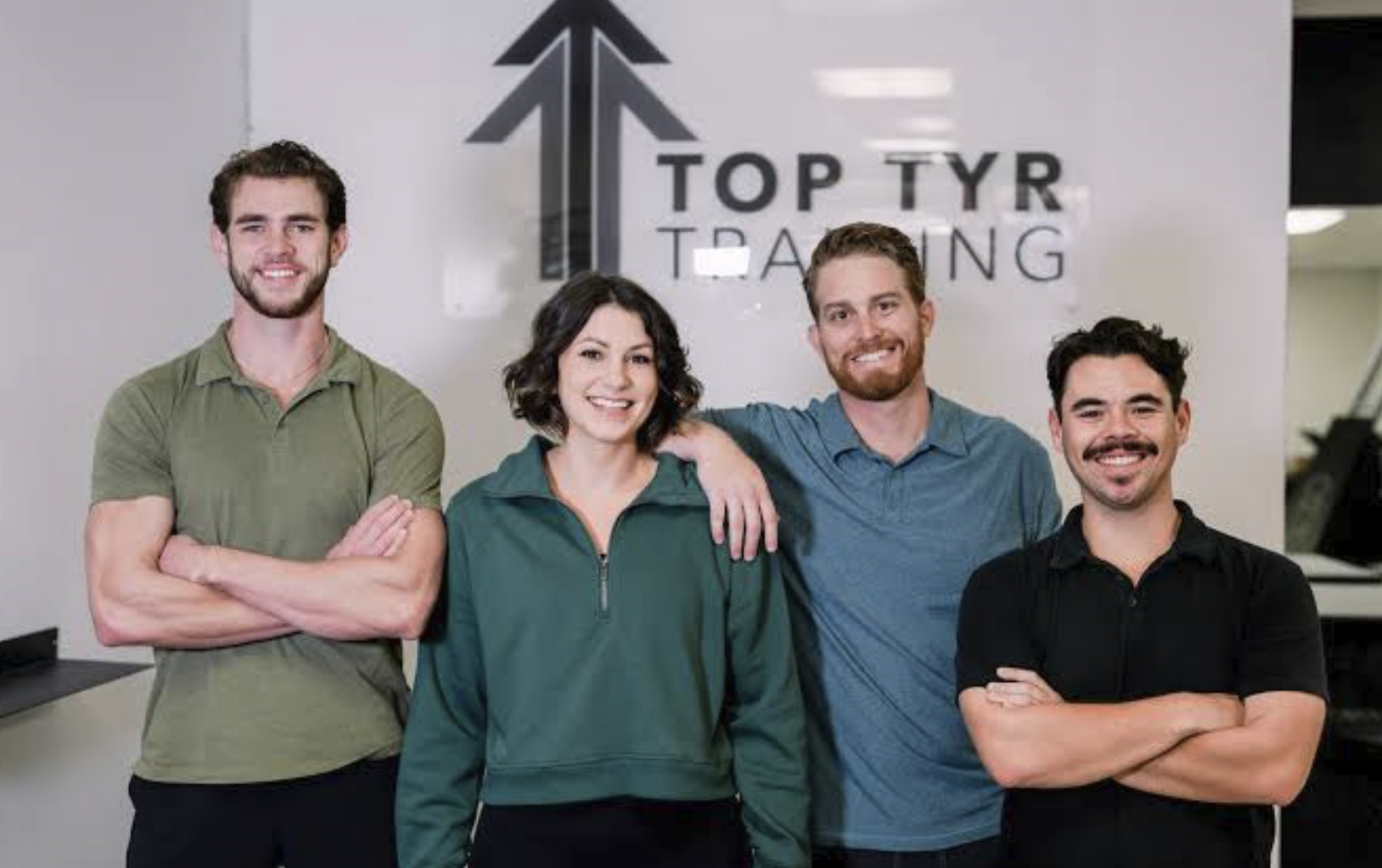
Top Tyr Training in Torrance pairs adaptive resistance ARX machines with a corrective, ground-up coaching model: one focused, one-on-one hour a week, measured against nobody but yourself.
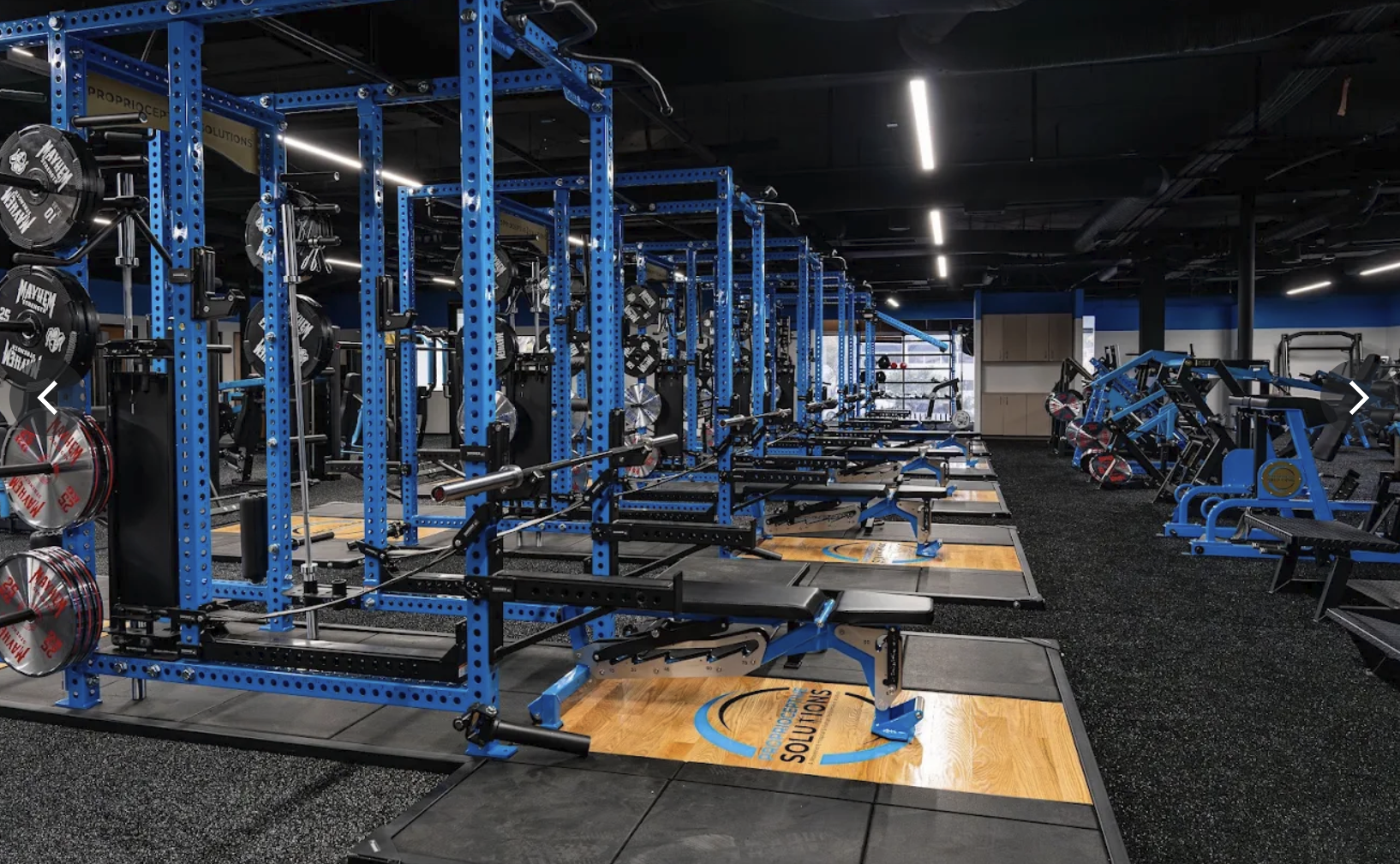
Garrett Mezzanatto turned a high school knee injury and a six-month wait for care into Proprioceptive Solutions—a La Jolla movement hospital where clinical care, nutrition, and supervised training share one roof.
Ray Walker brings his lived recovery experience to a mobile fitness service that helps clients build routine, confidence, and a more compassionate starting point.
Ryan Nolan built Spite Fitness in Santa Rosa for people intimidated by traditional gyms, combining inclusive small-group coaching, sustainable habits, personal attention, and community accountability.
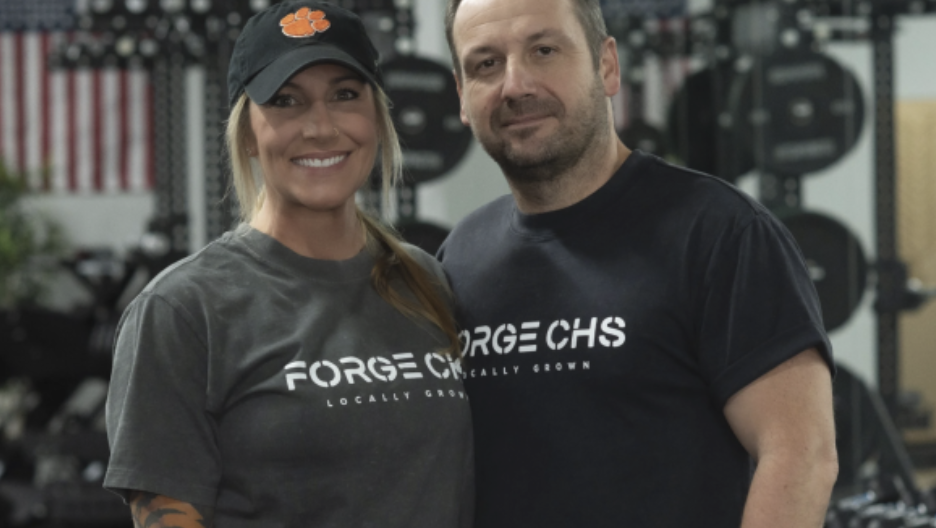
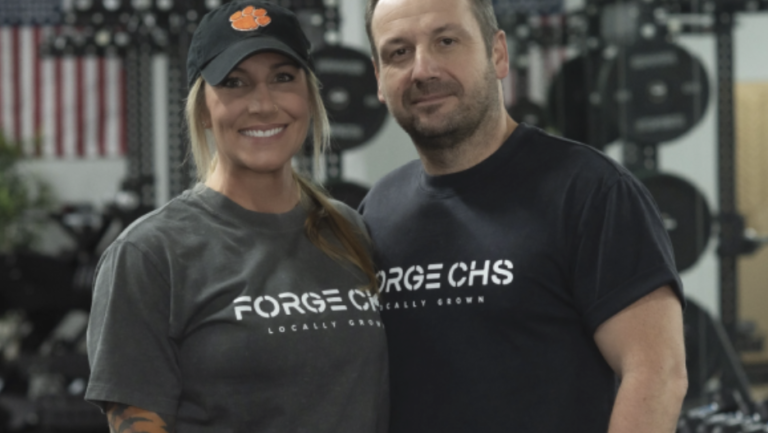
Tiffany Dennis and Christian Wolf build strength without the chaos at Forge CHS, a locally owned West Ashley gym offering 24/7 access, personal coaching, group training, and a deliberately limited membership.
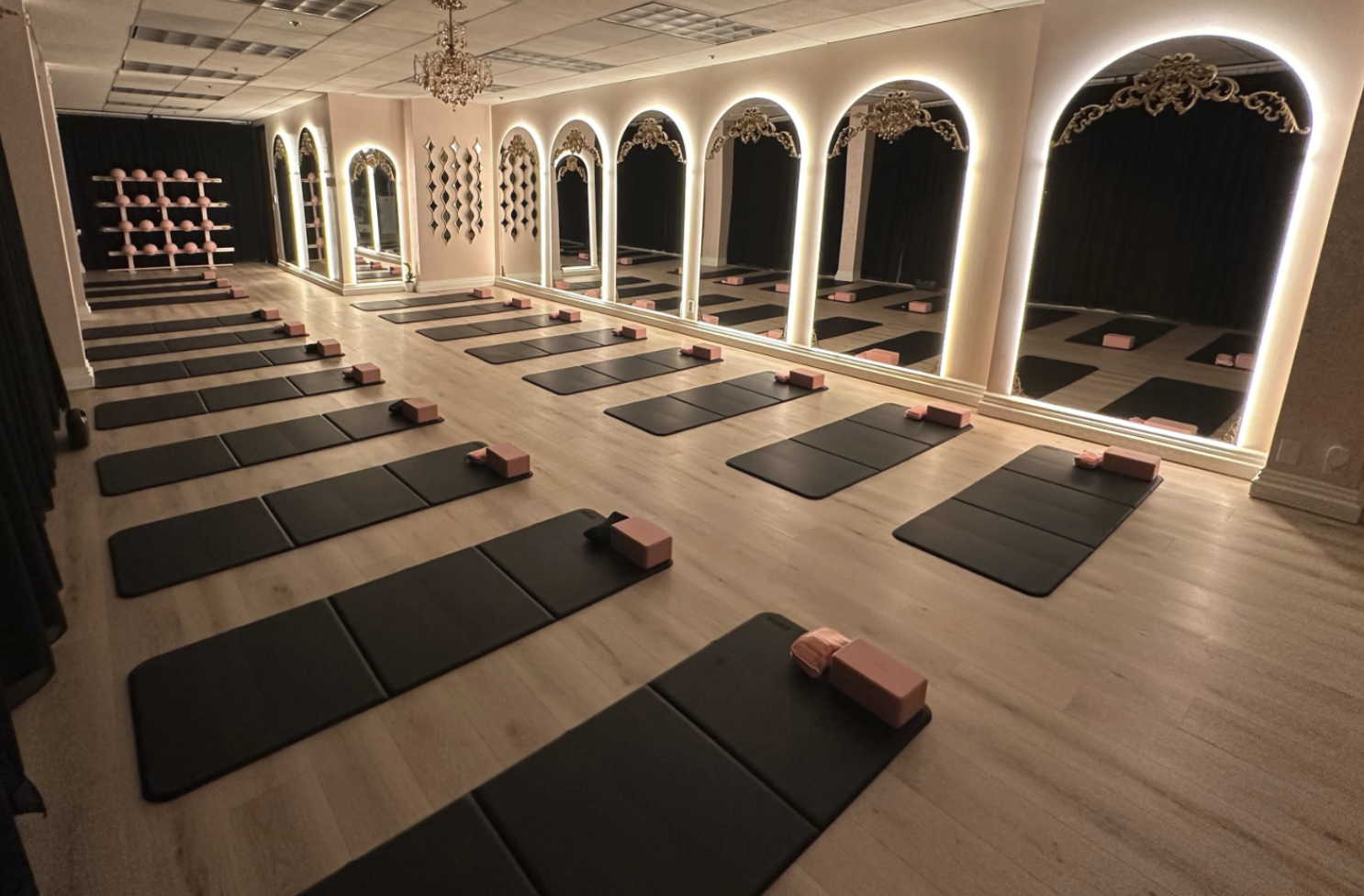
EMOSA Pilates offers a more welcoming approach to movement through approachable mat classes, heated options, supportive instructors, affordability, and a diverse studio community where clients can feel comfortable, confident, and encouraged to return.
Kay Baker built Love Life Fitness Studio in Fort Mill as a women-only place to start where you are, combining small-group strength and cardio training, form-first coaching, personal accountability, and a community designed to help women build confidence through consistency.
Michael Scullin brings an inclusive vision of strength to Palmetto Pump House in Charleston, combining serious training equipment, adaptive coaching, recovery amenities, and a welcoming community designed for powerlifters, everyday members, and anyone who wants a more personal gym experience.
Inside Coach Robert Holland’s account of Holland Fitness and Performance, professional-sport experience, assessment-led coaching, Speed for Your Sport, strength development, and a community-first mission come together in a San Ramon gym built to help athletes train with direction.
Beth Rypins brings a remarkable story of recovery, strength, and resilience to Wine Country CrossFit in Napa, where functional fitness, nutrition support, longevity training, and community help members build confidence, capability, and healthier lives.
Cave Training in Santa Clarita combines capped small-group strength and conditioning, boxing, progressive programming, and specialized prenatal and postpartum support under founder Nikki Adams.
Hybrid Fitness Training combines private coaching, brain-based movement, and pain-aware strength work to help clients move with greater confidence.
Pro Fit Training Gym in Seattle’s South Lake Union combines private personal training, semi-private classes, 24-hour access, kickboxing, and a welcoming neighborhood atmosphere shaped by Jeremiah’s community-first coaching philosophy.