Recognized by Fitness Living Magazine™ For rehabilitation-aware Pilates, independently written programming, long-term community roots, life-stage flexibility, and a client experience designed around the person rather than a fixed format.
Nearly two decades after opening Core Sport, Chanda still describes the work in the same terms: meet the person in front of you, understand what they need, keep movement approachable, and let the program change when the client changes. The business has expanded into separate fitness and wellness spaces, but the governing principle has remained unusually consistent: programming answers to the client rather than the format.
“Movement is medicine. Put one foot in front of the other. Nobody has to do things perfectly, but you got to move your body.”Chanda Fetter / Core Sport
The first signal is personal attention. Chanda said staff call clients by name, acknowledge people when they enter, and take time to understand what brought them in rather than treating a first visit as a transaction.
The second signal is guidance. New clients can begin with an introductory reformer class, learn what the equipment is meant to feel like, and get help identifying the classes, private work, or wellness path that fits their goals and current capabilities.
The deeper distinction is adaptability. Core Sport is independently owned, so an instructor can respond to the actual client in the room instead of being locked into choreography written elsewhere. Chanda sees that flexibility as one reason clients can remain with the studio as their lives, schedules, and physical needs change.
Chanda Fetter came to fitness through professional ballet, repeated injuries, university study in physical education, sports psychology and anatomy, and fifteen years managing group exercise in a large local gym. Her leadership lens now combines technical movement knowledge with the flexibility of independent ownership: listen closely, adapt quickly, and build the business around what the Santa Barbara community actually needs.
Inside Core Sport’s Rehabilitation-First Model
Chanda Fetter’s relationship with Pilates began through physical rehabilitation after repeated ballet injuries. She later brought the method into a Santa Barbara health club, watched clients respond to more functional and individualized movement, and eventually left the large-gym setting to build a studio where she could take that approach further. Core Sport is the result: Pilates at the center, but surrounded by enough variety and private support to meet clients beyond a single format.
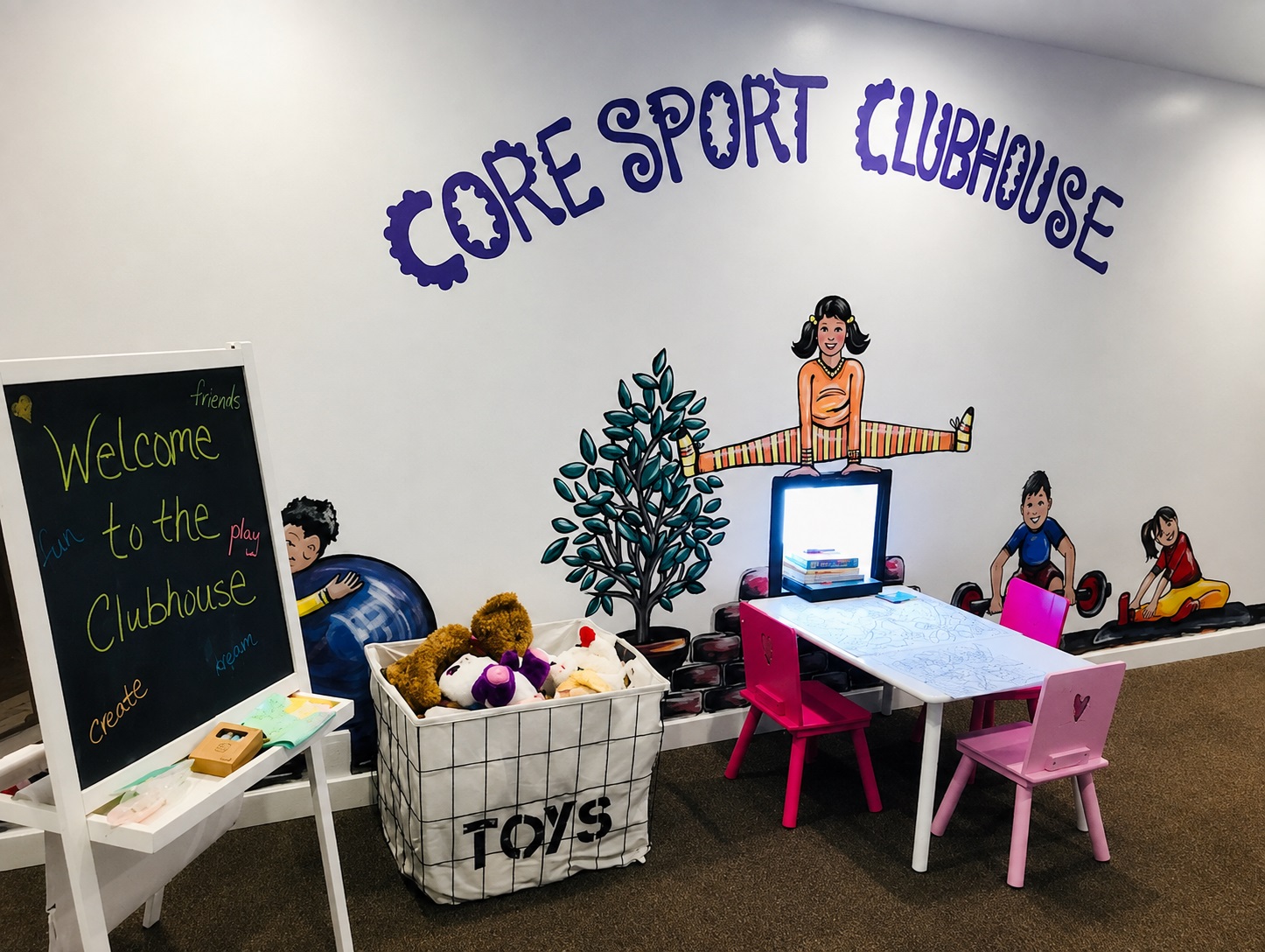
Core Sport is an independently owned Pilates and wellness studio in Santa Barbara led by Chanda Fetter. Its current model combines a broad group-fitness schedule with private training, wellness consultation, body-composition assessment, Kids Clubhouse access, and specialized programming intended to meet clients through changing stages of life.
Chanda said the studio’s advantage is the ability to program for the people actually in the room. Beginners can be guided through introductory classes and a mapped-out schedule, while private work and the wellness center provide more individualized options when someone needs a different starting point.
Core Sport’s current official website continues to present a free class, seven-day trial, wellness consultation, memberships and packages, private training, Kids Clubhouse, InBody scanning, and separate fitness and wellness offerings.
Chanda grew up in Sacramento and came to Santa Barbara for UC Santa Barbara after injuries changed the direction of a professional ballet career. She studied physical education, sports psychology, and anatomy with the intention of becoming a physical therapist, while supporting herself at a local health club. What began as a job became a fifteen-year education in how large fitness businesses operate and, eventually, in what she wanted to do differently.
At that club, Chanda proposed using an underutilized room for private Pilates and later helped bring Pilates into a group setting. The response convinced her that clients wanted more than isolated exercise prescriptions. She saw a gap for specialized, rehabilitation-aware Pilates, left the large-gym environment, and opened Core Sport in 2007. The studio is now approaching two decades of independent operation in Santa Barbara.
A Pilates and Wellness Model Built Around the Person
This profile examines how rehabilitation roots, independent programming, broad class variety, private training, and a deeply personal community model work together inside a long-running Santa Barbara studio.
Programming is adapted to the client in the room rather than delivered from a fixed national script.
Beginners, experienced exercisers, parents, clients returning after injury, and adults whose training priorities change over time.
Two suites, broad class variety, private training, a Kids Clubhouse, experienced staff, and unusually long client tenure.
From Ballet Injuries to a Santa Barbara Studio
Ballet gave Chanda a disciplined relationship with movement, but repeated injuries forced her to think about movement differently. Physical therapy and Pilates introduced the possibility that exercise could restore function instead of simply demand performance. In retrospect, she describes that disruption as a gift because it redirected her from performing for people toward helping people recover confidence in what their bodies could do.
Core Sport grew from that shift. What began as a specialized Pilates studio expanded after years of local demand and a difficult sequence of business tests, including the 2008 recession, the 2017 fires, the 2018 mudslides, and COVID. During the pandemic period, Chanda said the business eventually expanded into a second suite, allowing the original vision to become a fuller wellness center alongside the class operation.
Programming to the Person, Not the Format
Chanda is explicit about the difference she sees between an independently programmed studio and a standardized franchise model. A fixed class plan can protect consistency at scale, but it cannot automatically account for the client who is pregnant, returning after a joint replacement, managing an old injury, or simply responding differently that day. Core Sport’s independence gives instructors permission to adapt.
That flexibility is supported by experience. Chanda said her senior staff collectively represent more than a century of fitness experience and bring backgrounds from professional athletics, multiple facilities, and different movement disciplines. The point is not the number by itself; it is the coaching judgment that comes from having enough experience to know when the planned exercise should change.
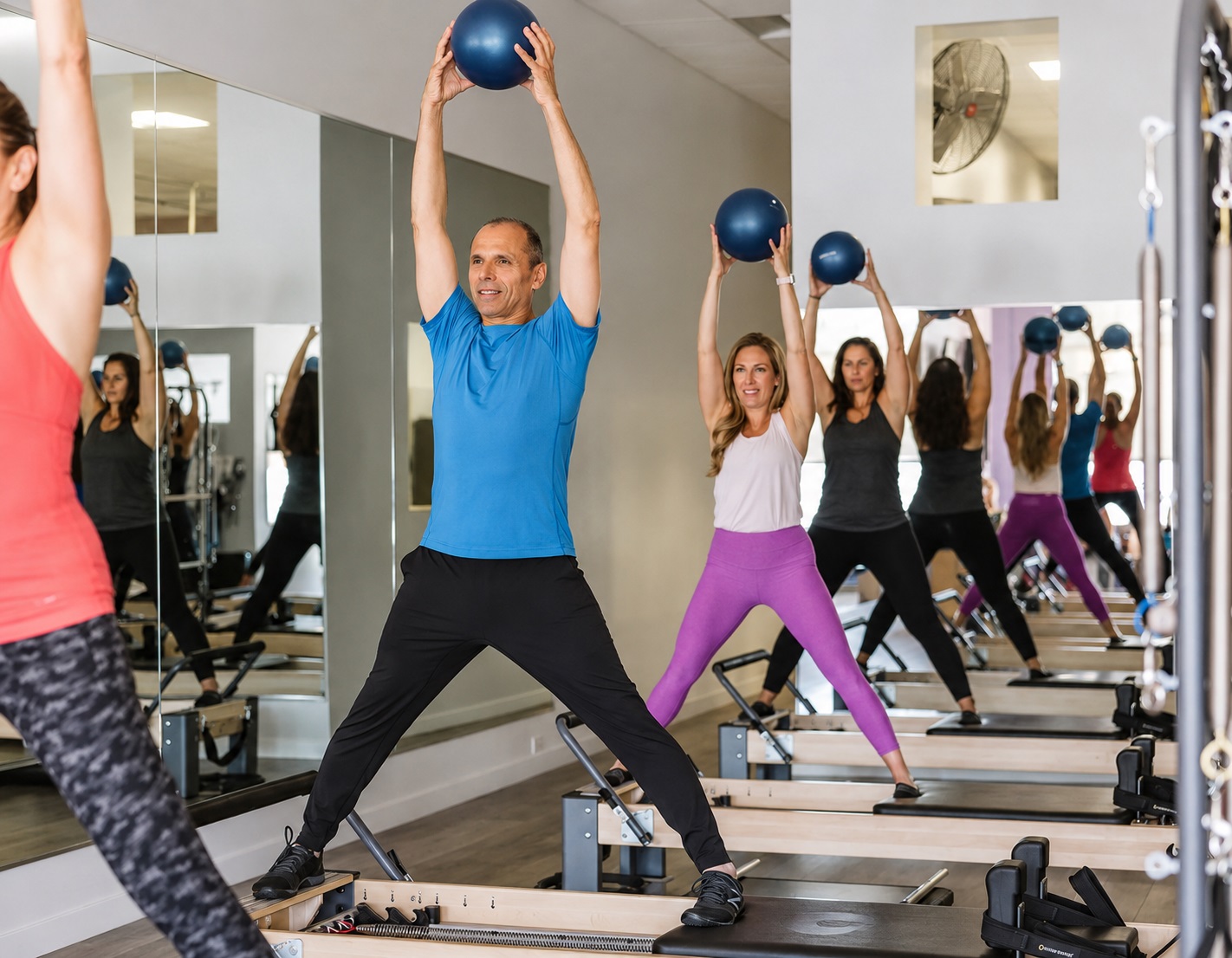
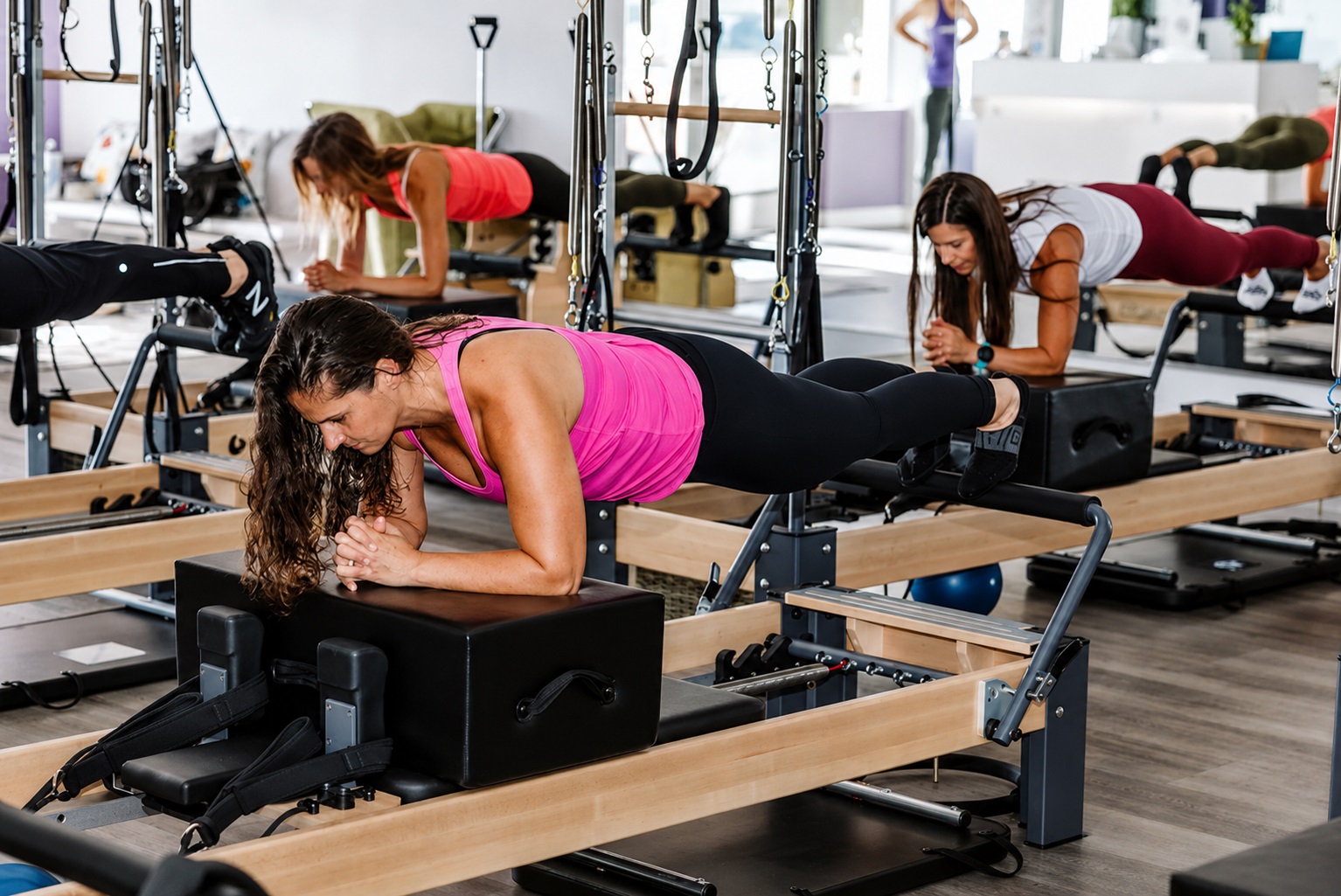
The studio also avoids defining itself by Pilates alone. Chanda described a schedule that can include spin, TRX, barre, weights, circuit, mobility, mat work, pelvic-floor specialization, and other offerings. Private training and wellness services sit beside the class schedule so a client can move between group energy and more individualized work rather than leaving the studio when needs become more specific.
Known by Name, Guided From the Start
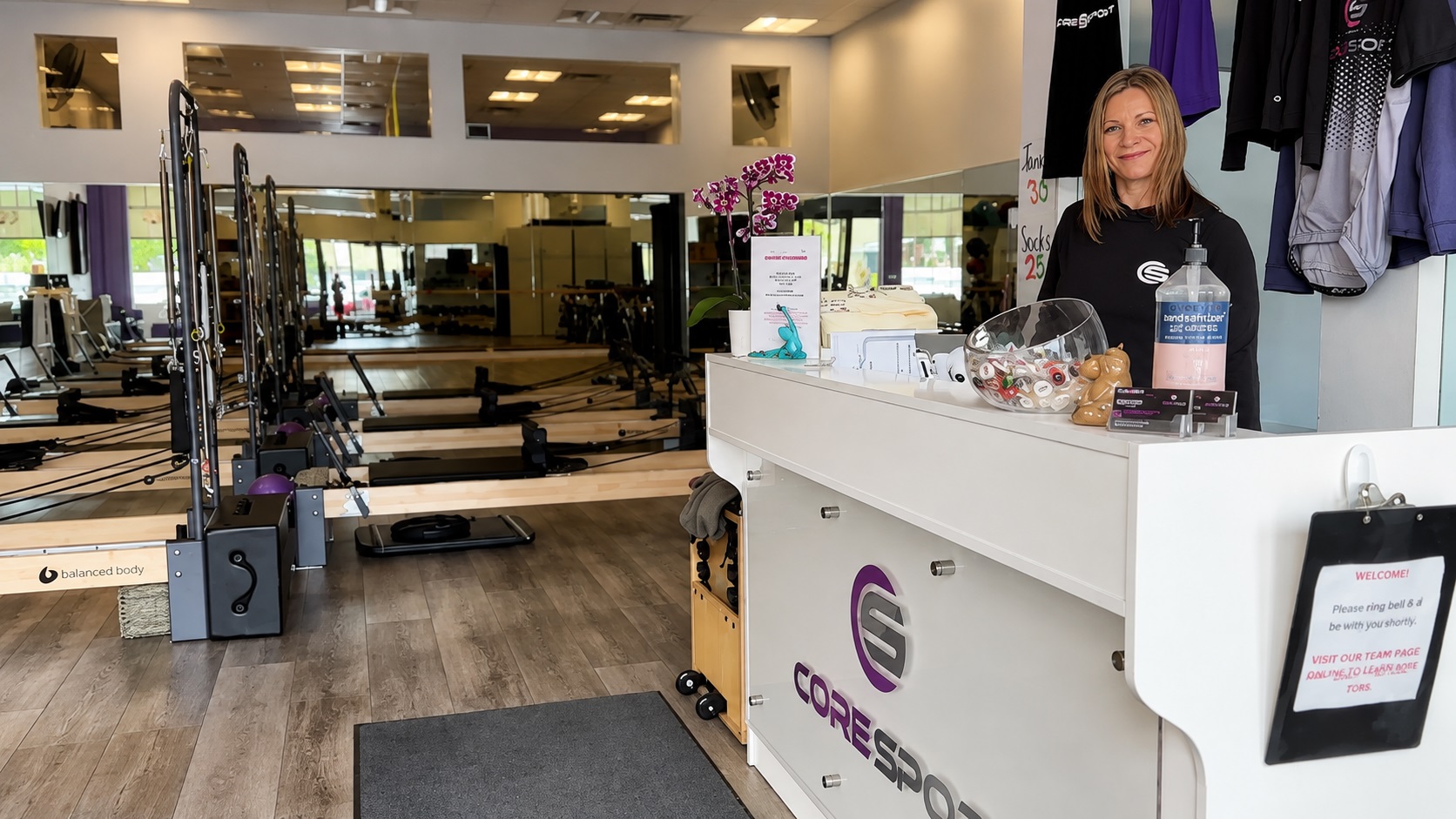
A new Core Sport client is meant to feel unique, capable, and supported. Chanda said staff acknowledge people by name, take time to get to know them, and try to make movement feel more like something a person can participate in than something they have to endure.
For someone intimidated by Pilates equipment or returning after time away, the studio builds in a guided beginning. Chanda described introductory classes that teach the machine and what movements should and should not feel like, followed by individualized schedule guidance and, when useful, a buddy connection so the newcomer does not feel anonymous on the floor.
Movement Is Medicine, With Consistency as the Method
Chanda’s philosophy deliberately simplifies fitness. “Movement is medicine” is the phrase she returns to, but the operational idea underneath it is consistency. She said the body has to repeat movement often enough to learn it, and she commonly uses roughly three sessions a week as a baseline for establishing a habit before adjusting upward or downward according to the client’s goals and circumstances.
That does not mean every client receives the same prescription. Chanda said some of the strongest outcomes come from combining group classes with private training because the class schedule builds regularity while private work can address individual goals, limitations, technique, or body-composition priorities. The larger aim is to make movement useful enough, enjoyable enough, and personal enough that the client keeps coming back.
Core Sport’s distinction is not one Pilates apparatus or one class on the schedule. It is the way independent programming, staff experience, private support, family practicality, and community are combined so the studio can keep adapting without losing the person behind the membership.
What Core Sport Offers
Core Sport’s current service mix combines group fitness with a separate wellness center, allowing clients to move between broad class variety and more individualized support. The interview and current official website both describe flexible entry options, private training, family support, and assessment-based planning.
Who This Pilates and Wellness Studio May Be a Good Fit For
Core Sport may be especially relevant to people who want a guided beginning, enough variety to stay engaged, and programming that can change when life or physical needs change.
People intimidated by Pilates equipment may value free intro classes, schedule guidance, and a studio culture built around being known rather than left alone.
People returning after injury or moving through different life stages may value the ability to move between classes, private training, and wellness consultation.
Clients who enjoy multiple formats may appreciate Pilates, strength, cycling, TRX, mobility, and other options without giving up a relationship-driven studio experience.
“Core Sport is a whole lot more than a ‘gym’… I keep coming here because of the wide variety of ways they offer to meet health goals and keep progressing. There is never a boring workout.”
A Studio That Behaves Like a Family
Asked what Core Sport means to her personally, Chanda did not describe a customer base. She described family. Over one recent stretch, clients faced serious illness and family loss, and she watched the community respond with hospital visits, cards, meal trains, home visits, and practical support. In her telling, the relationships extend far beyond the hour someone spends in class.
The same loyalty showed up during COVID. Chanda recalled clients offering financial help to keep the studio alive, including a relatively new client who handed her a check and told her to use it if she needed it. She did not have to cash the offers, but the message stayed with her: the community wanted a place to come back to, and they were willing to help protect it.
What Consistency Actually Produces
Chanda said the outcomes she values most are often practical: a client can lift a suitcase into an overhead compartment again, move through an airport with more independence, get into the ocean with a grandchild, or simply discover that exercise can make them feel better instead of punishing them. Those changes are less dramatic than a before-and-after photo, but they are often more important to the person living them.
Inside the studio, Chanda also tracks body composition and emphasizes maintaining or gaining muscle rather than reducing the entire goal to scale weight. She sees the measurement as useful only when it supports a larger story about strength, function, energy, and participation. The client still has to do the work; the studio’s role is to make the path understandable enough to repeat.
The Client Who Added Muscle After Sixty
One recent studio challenge gave Chanda a concrete example of the kind of progress she wants clients to notice: not simply losing weight, but building useful tissue and changing the way a person thinks about what is still possible.
Chanda described a woman over sixty who participated in a summer challenge built around consistency and body-composition goals. According to Chanda, the client reduced fat weight and added three pounds of muscle over the course of roughly one month.
The number mattered to Chanda because the studio had deliberately framed the challenge around gaining and maintaining muscle rather than only “losing” something. She wants clients to connect strength with metabolism, independence, and the ability to keep doing more in everyday life.
The story also reflects Core Sport’s larger philosophy: measurement can be useful when it gives a client evidence that consistent movement is changing capacity, but it should not become the only reason to train. The longer-term aim is confidence, function, community, and a body that can keep participating.
Where Fitness Becomes Community
Core Sport’s physical spaces reveal the same idea that appears throughout Chanda’s interview: make it easier for different kinds of people to keep showing up. One suite supports a broad training schedule; the other creates room for more individualized wellness work; and family practicality is treated as part of the fitness problem rather than something outside it.
Why Independent Programming Matters
Chanda positions independence as an operating advantage rather than a branding slogan. Core Sport can add a class, change a format, build a specialty program, or guide a client toward private work without waiting for a national template to change. In a studio with varied ages, histories, goals, and life stages, that freedom makes adaptation part of the product.
There is a tradeoff. Independent studios do not have the marketing scale or administrative infrastructure of a large chain, and Chanda is candid that she wears multiple hats. Her response has been to invest in staff skill, personal interaction, and retention. She estimates the studio retains roughly eighty-five percent of its clients, and she links that continuity to a simple principle: people who feel taken care of tend to stay.
Why This Matters in Santa Barbara
Santa Barbara is both an attractive and demanding place to operate an indoor fitness business. The weather makes outdoor movement available much of the year, the city is small enough for boutique categories to saturate quickly, and Chanda said several Pilates studios have opened locally in a relatively short period. Core Sport therefore cannot rely on novelty or scarcity.
Its local case rests instead on continuity. Chanda has lived in Santa Barbara since college, spent fifteen years inside a major local gym, and has operated Core Sport since 2007. That history gives the studio a long view of how the city’s fitness habits have changed, and independent ownership allows the programming to respond without waiting for a corporate calendar.
For readers comparing Pilates and wellness options in Santa Barbara, the distinction is tangible: a locally owned studio with a broad class schedule, separate wellness support, a Kids Clubhouse, private training, flexible entry options, and a culture in which reaching a real person is still part of the experience.
Questions Readers Ask
Who Is Chanda Fetter From Core Sport?
Chanda Fetter is the owner of Core Sport in Santa Barbara. She described a background in professional ballet, repeated injuries, Pilates-based rehabilitation, university study in physical education, sports psychology and anatomy, fifteen years managing group exercise at a local gym, and nearly two decades of independent studio ownership.
What Does This Core Sport Santa Barbara Review Highlight?
The Spotlight examines Core Sport’s rehabilitation-aware Pilates roots, independently written programming, two-suite fitness and wellness model, broad class variety, private training, client onboarding, community, Reader Guide, local Santa Barbara relevance, and the introductory options Chanda recommends for a new client.
What Is Core Sport Known For?
Core Sport combines Pilates with a broad mix of group fitness and private support. The interview and current official website describe reformer and mat Pilates, strength and functional classes, cycling, TRX, mobility, private training, InBody/body-composition assessment, a Kids Clubhouse, and wellness consultation.
Is Core Sport Beginner-Friendly?
Chanda described a deliberate guided start for beginners. New clients can use introductory classes to learn the equipment, understand what movements should feel like, get help choosing appropriate classes, and consider a wellness consultation or private training when more individualized guidance is useful.
Who May Core Sport Be a Good Fit For?
Based on Chanda’s interview, the studio may especially appeal to beginners who want guidance, clients whose training needs change over time, parents who need practical support, and people who want class variety without giving up personal attention or locally adaptable programming.
What Is the Best First Step for a New Client?
Chanda said the most thorough starting point is a wellness consultation, where goals, history, pain or movement concerns, body-composition baseline information, and program options can be discussed in person. Core Sport’s current site also lists a free class and seven-day trial as introductory options.
Key Takeaways
Chanda first met Pilates through injury and rehabilitation, and Core Sport still emphasizes function rather than trend.
Instructors can adjust programming to the person in front of them rather than follow one script for every client.
Pilates sits beside strength, cycling, TRX, mobility, private training, wellness consultation, and other options.
Clients are known by name and often remain for years because the experience is personal rather than transactional.
Conclusion
Core Sport’s story is not simply that a Pilates studio survived for nearly twenty years. The stronger story is that the business kept changing without giving up the reason it was built. Chanda encountered Pilates as rehabilitation, brought it into a mainstream gym, left that environment to create more room for individualized work, and eventually expanded the studio into a broader fitness and wellness model.
The result is a studio whose identity depends less on one format than on a standard: people should feel capable, known, and able to keep moving. The class schedule can change. A client’s life stage can change. The local market can change. Core Sport’s answer is to keep the programming close enough to the person that the relationship survives those changes. In a category increasingly built around replication, that may be the most distinctive thing the studio has preserved.
Chanda Fetter
Chanda Fetter’s interview describes a movement career that traveled from professional ballet through injury and rehabilitation into long-term studio ownership. Her working philosophy is deliberately simple: movement is medicine, people need to be met where they are, and consistency matters more when the experience is personal enough to sustain.
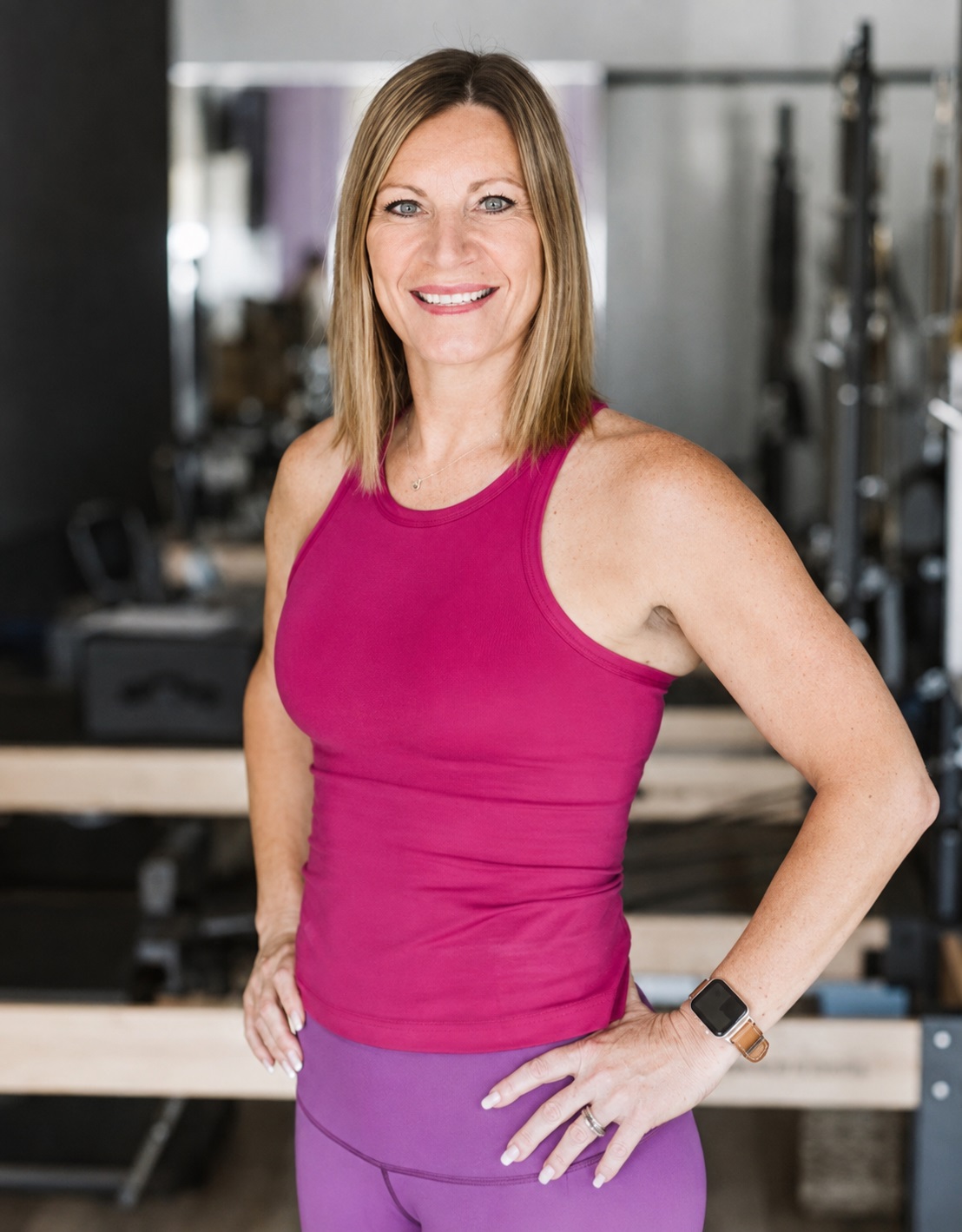
Chanda Fetter grew up in Sacramento and came to Santa Barbara for college after a professional ballet career was interrupted by repeated injuries. She studied physical education, sports psychology, and anatomy at UC Santa Barbara while working at a local health club, where she eventually managed group exercise for fifteen years and introduced Pilates programming before opening Core Sport in 2007. The business now operates separate fitness and wellness spaces in Loreto Plaza.
Movement is medicine. Meet people where they are, keep the process understandable, and make the experience supportive enough that clients can build confidence and continue moving consistently rather than feeling defeated by the program.
Pilates and rehabilitation-aware movement, independently programmed group fitness, private training, body-composition assessment, staff development, community events, life-stage flexibility, family practicality through the Kids Clubhouse, and long-term local relationship building.
About This Spotlight
Fitness Living Magazine™ selected this Spotlight for Core Sport’s nearly two-decade local record, Chanda Fetter’s rehabilitation-first introduction to Pilates, the studio’s independent programming model, the breadth of its current fitness and wellness offering, the detailed first-visit experience, the source-supported client-success story, and the way community is treated as part of the product rather than an afterthought.
Fitness Living Magazine™ publishes these features to place local fitness leaders on the record about how their programs operate, what members experience, what standards guide the coaching, and what makes the business relevant to its local community.
This Spotlight draws from Fitness Living Magazine™’s August 11, 2026 interview with Chanda Fetter, the original Core Sport source package with supplied photography and client-perspective material, and Core Sport’s current official website for owner, location, service, Kids Clubhouse, and introductory-option verification.
This feature is editorial content and is not medical advice. Training descriptions, rehabilitation-related terminology, client stories, body-composition results, and outcomes reflect Chanda Fetter’s account, supplied client material, and current public business information; they do not establish medical efficacy or guaranteed results. Core Sport is a fitness and wellness business, not a substitute for diagnosis, treatment, or other qualified healthcare. Individual experiences vary, and readers should consult appropriate healthcare professionals when relevant.