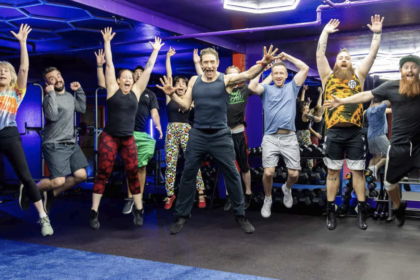
This Para Performance Co Los Angeles review looks at Paul Michael Rahn’s relationship-first coaching, individualized strength programming, beginner-friendly entry, nutrition accountability, and locally owned club model.
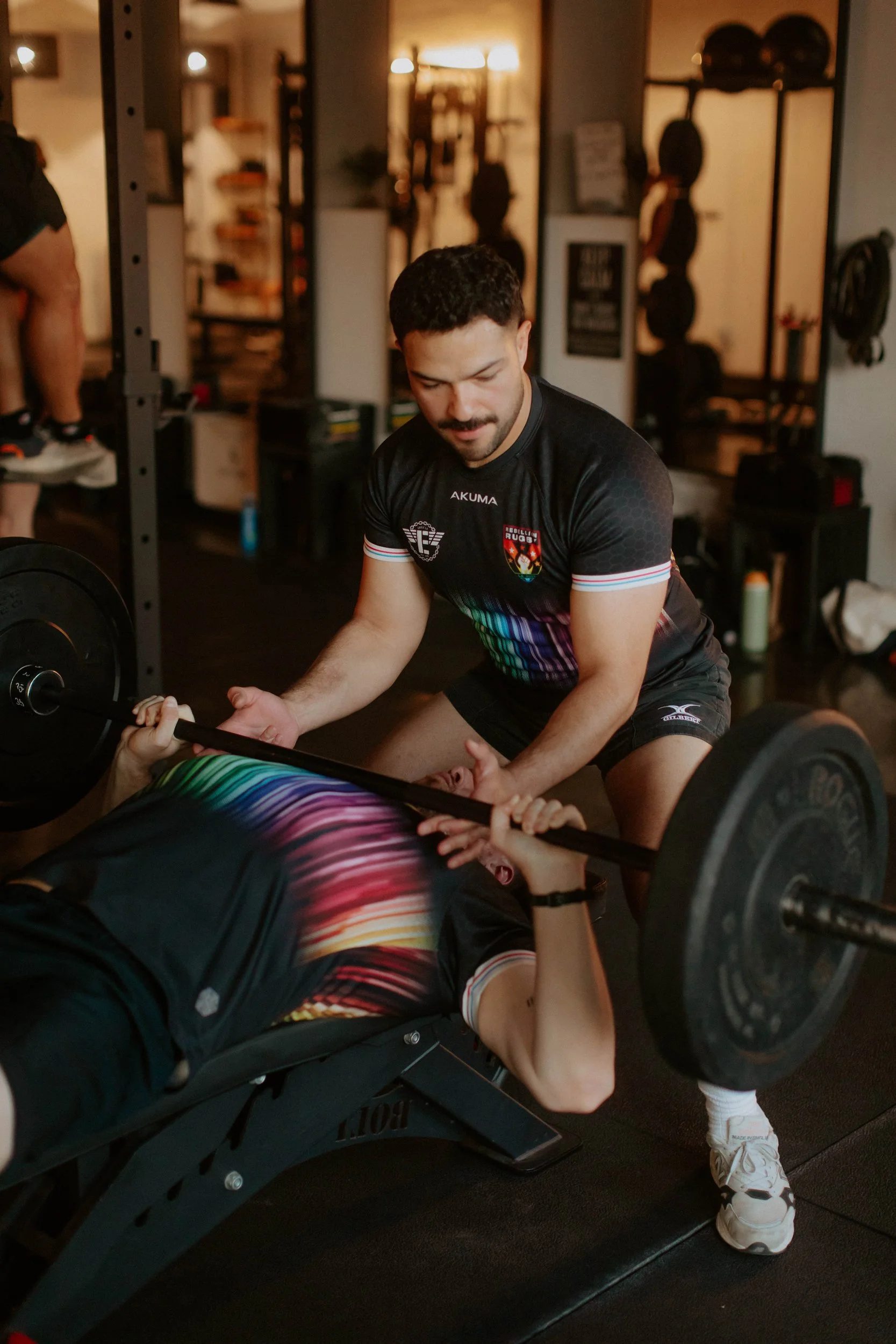
That standard runs through Para Performance Co., the strength and personal-training business Rahn operates in Los Angeles after beginning his fitness career and opening his first training rooms in Chicago. In his account, the training system matters because the relationship makes the system usable: clients are met at the door, told what will happen, shown how movements can be adjusted, and coached according to the person who actually arrived.
“We’re not a gym where you’re going to go in and lift and leave and not talk to anybody. We’re there to connect with you.”Paul Michael Rahn / Owner, Para Performance Co.
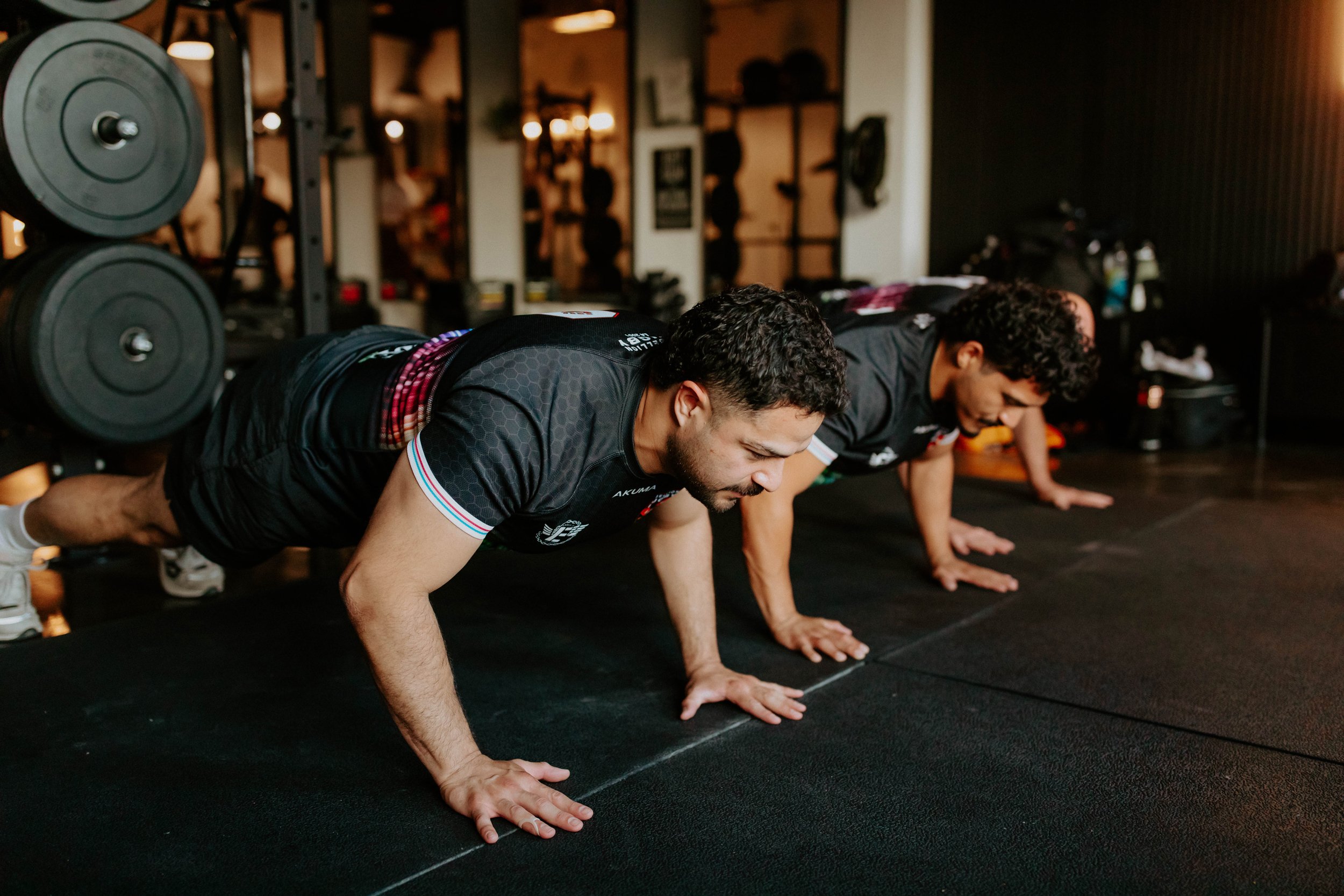
Rahn described the first few minutes as deliberate. A new client is greeted, asked about past training and current injuries, and given a clear explanation of the session ahead. Coaches explain the equipment, demonstrate what will be done, and establish that a movement can be modified before the client is asked to perform it.
That matters because barbells, squat racks, machines, and group training can read very differently to a seasoned lifter than to someone returning after years away. Rahn’s stated goal is a safe, non-threatening environment where the challenge arrives after the person understands what is expected.
The same principle continues beyond day one. Small-group programming is still adjusted to the individual, recovery or deload weeks can replace a harder session when needed, and coaches keep the conversation open about the client’s goals, schedule, training response, and nutrition.
Rahn’s leadership standard begins with connection. He said the first attribute he looks for when hiring is the ability to form a relationship with almost anyone in the first few minutes. In his view, that capacity is not separate from coaching quality; it is what allows a nervous client to trust instruction, communicate honestly, and stay engaged long enough for the program to work.
Inside The Para Performance Co. Connection Model
Rahn talks about connection as an operating standard rather than a hospitality extra. He said many clients already feel uncomfortable before the workout begins. The quickest way to lower that tension is for a coach to introduce themselves, ask questions, learn the person’s context, and make it clear that the session can meet the client where they are.
Para Performance Co. is a Los Angeles strength and personal-training business led by Paul Michael Rahn, with current clubs in Silver Lake and West Hollywood.
The business offers small-group strength and conditioning, private personal training, semi-private open gym at supported clubs, and space rentals for independent personal trainers. Rahn’s interview describes a coaching model built around individual programming, relationship-first hiring, and ongoing accountability.
The current official Los Angeles club pages list a $34 single-class drop-in. The current personal-training page asks prospective clients to apply first, lists rates beginning at $140 per session, and currently advertises a three-session intro pack for $300.
Rahn began his fitness career in Chicago, where he opened his first training rooms, before bringing Para Performance Co. to Los Angeles. At the time of the August 2026 interview, he described sixteen years in the industry and more than four years operating in Los Angeles.
He also described the clubs as a daily source of accountability for himself. Being around people who are investing time and money in their own health keeps his own habits visible. In that sense, the community is not something he stands outside of as an owner; it is part of the structure that keeps him connected to the work.
Strength Programming Built To The Individual
This profile looks at how Para Performance Co. combines traditional strength principles with individualized progression, a deliberate first-client experience, nutrition accountability, and a relationship standard Rahn treats as part of the coaching method itself.
Rahn described group programming that still changes with the individual: current ability, goal, recovery, training history, and the progression a client is ready to handle.
The primary audience he described was adults roughly 25 to 45 within the local club radius, alongside younger sport athletes, older adults, and clients seeking private coaching.
The technical system is paired with a hiring philosophy centered on connection, plus clean organized clubs, local staffing, and services that range from coached classes to independent-trainer rentals.
From Chicago Training Rooms To Los Angeles Clubs
Rahn’s career began in Chicago, where he opened his first training rooms and built the experience that later shaped Para Performance Co. in Los Angeles. The move west did not change the core idea he describes: a fitness business should know the person well enough to adapt the work and create an environment that feels safe enough for someone to keep returning.
That matters because his client base is not one population. In the interview, Rahn described teenagers training for sport, adults in the business’s central 25-to-45 range, and private clients into their fifties, sixties, and eighties. The objective changes with the person, from performance to general strength, movement quality, or long-term capability.
Training Without Chasing Novelty
Rahn describes the training philosophy as varied, but the foundation is traditional strength work. Programs use upper-body and lower-body split days with some total-body sessions, push-and-pull structures on upper days, tempo lifting, isometric holds, and progressive loading that is tracked over time.
The variation comes from the goal rather than novelty for its own sake. Someone trying to reduce body weight may combine two or three heavy strength sessions with steady-state cardio outside the gym. Someone focused on maintaining strength and muscle may stay closer to progressive overload. A client pursuing muscle gain may train across more days, muscle groups, and loading patterns.
Rahn is skeptical of what he called “fancy moves for Instagram.” His broader point is that the industry often repackages ideas that do not need replacing. Traditional strength training, walking, hiking, yoga, Pilates, cycling, tennis, and other established forms of movement remain useful when applied consistently and appropriately.
Safe Before Challenging
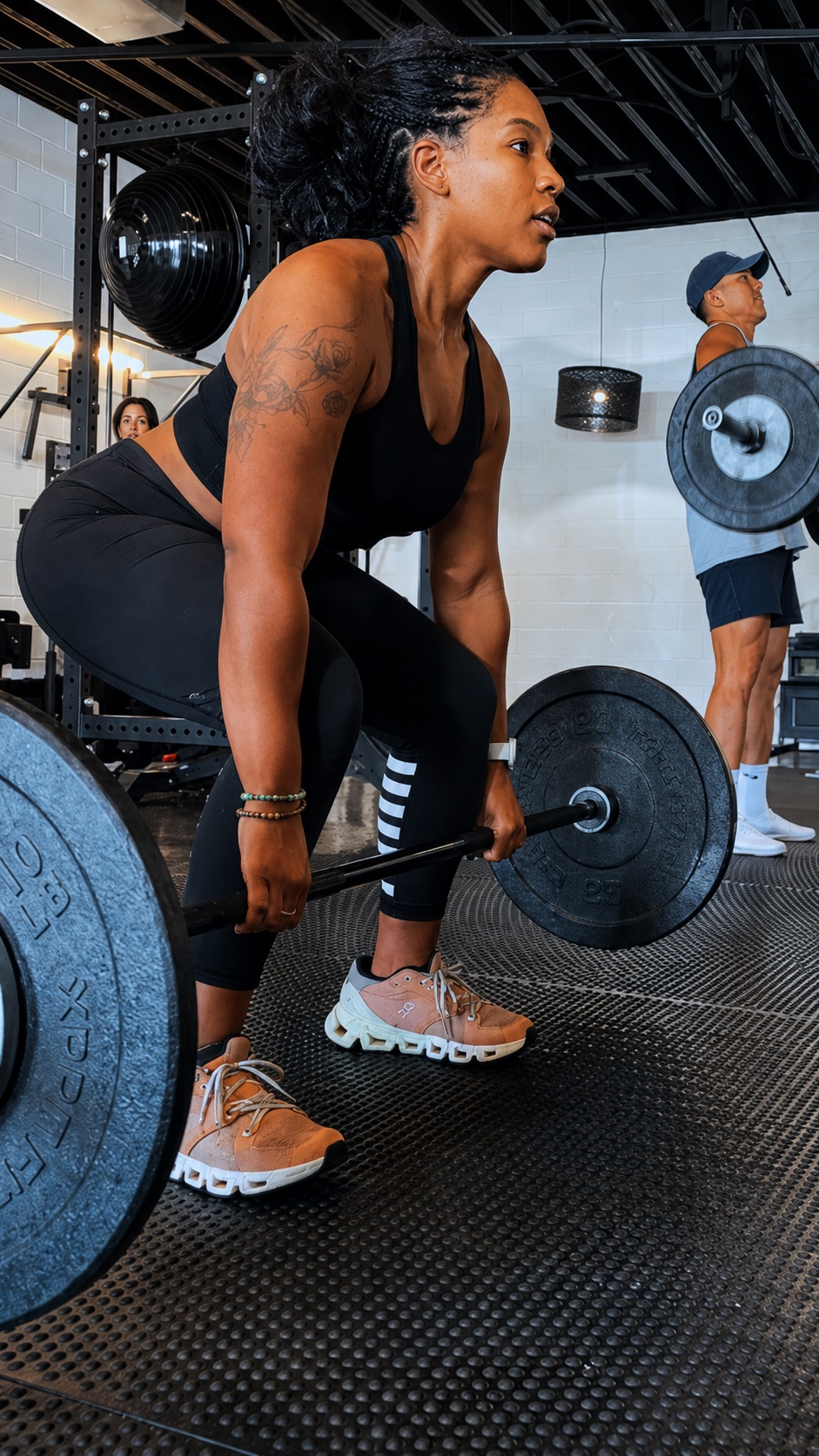
A first session is meant to remove uncertainty before it adds intensity. Rahn described coaches greeting the client, learning what they have done before, asking about injuries, explaining what the session will look like, and showing what equipment will be used before the person is expected to perform.
The operational detail is equally important. A beginner can ask for a movement to be modified down to the current skill level, while a more experienced client can work toward heavier loads and new progression. Rahn’s stated goal is not to make every person do the same thing; it is to create enough understanding and trust that the client can be challenged appropriately.
The Conversation Most Gyms Leave Out
Rahn divides results into two connected responsibilities. The first is following a training program that can change with real life. If a client arrives unusually sore or recovery has fallen behind, a lighter week or deload is part of the plan rather than evidence that progress stopped.
The second is nutrition. Rahn was careful to say Para Performance Co. is not presenting itself as a clinical nutrition practice. Some team members hold nutrition certifications, and he described working alongside dietitians. The gym’s role is accountability and conversation: what the client ate, what they plan to eat, and whether daily habits support the effort going into training.
In his experience, that is often where the mismatch becomes visible. A person can invest heavily in training while leaving the rest of the week unchanged. Rahn’s view is that coaching should make that disconnect discussable rather than pretending the workout exists in isolation.
“We just want to make you feel like you’re in a safe space to grow.”Paul Michael Rahn / Owner, Para Performance Co.
Para Performance Co.’s distinction is not that it invented a new training category. It is that Rahn describes personalization as a continuous coaching behavior: know the client, adapt the plan, keep progress measurable, and make the relationship strong enough for the harder conversations about recovery, nutrition, and consistency to happen.
What Para Performance Co. Offers
The current Los Angeles service mix combines coached group training, private personal training, semi-private open gym at supported clubs, trainer space rental, and direct first-step booking through the official website.
Who This Gym May Be A Good Fit For
Based on Rahn’s interview and the current service structure, Para Performance Co. may be especially relevant for local adults who want individualized strength coaching, people returning to training who value a guided entry, and clients whose goals require a more specific coaching path.
Rahn described the core audience as primarily adults roughly 25 to 45 living or working within a few miles of the clubs. Someone in that group who wants structured strength training without feeling anonymous may value the relationship-first coaching model.
People who have been away from the gym, feel intimidated by equipment, or need movements scaled to current ability may appreciate the emphasis on first-session explanation, modifications, form, and beginner-to-athlete group programming.
Rahn described younger athletes training for sport, adults pursuing body-composition or strength goals, and older private clients focused on movement, agility, and capability. The private-coaching application is designed to match those needs with an appropriate coach.
“I started going to Para Performance for private sessions six weeks ago. I’m over 40 and had not been to a gym in 9 years. Paul and Marc have done a great job properly pushing me and building up my strength.”
What Progress Actually Looks Like
Rahn does not describe progress as a four-week transformation. In the interview, he told clients to think in terms of three to six months, with smaller changes appearing first. He said energy is often one of the earliest things people notice, while strength can begin moving quickly as a weight that felt challenging starts to feel manageable.
He also described gradual changes in sleep, movement quality, muscle tone, definition, scale weight, and confidence over longer periods. Fitness Living Magazine™ treats those timelines as Rahn’s reported coaching experience, not as a promise that every client will respond the same way.
The outcome he values most is harder to quantify. Rahn said he notices when clients begin feeling better in their own skin — the person who stops avoiding photos, the client who becomes more comfortable with their body, or the person whose confidence outside the gym begins to look different from the day they arrived.
When Strength Changes More Than The Workout
One story from eight or nine years before the interview stayed with Rahn because it changed what he believed the gym could mean beyond fitness. He described a female client who grew stronger and more confident over several months and later disclosed that she had been living in an abusive situation at home.
According to Rahn, she eventually left that situation and found safety with support from someone she had met through the gym. He remembers her telling him that the strength, confidence, and sense of safety she developed during that period had mattered to her decision. The story is presented here as her experience as Rahn reported it, not as a claim that exercise can resolve or prevent domestic abuse.
When The Training Was Working — But The Nutrition Wasn’t
A more recent client story shows how Rahn uses the relationship to move from encouragement into a harder coaching conversation.
Rahn described a client he still trained weekly at the time of the interview. The man first stayed after a group class to ask about protein, food, and how often he should lift. Rahn’s response was that the answer had to be specific to the client rather than copied from the coach.
Over the next year, Rahn said the client became stronger and improved as a competitive tennis player, but remained dissatisfied with his physique. Rahn told him the training progress was visible and that his diet was not supporting the aesthetic goal. After what Rahn described as a “tough love” conversation, the client moved onto a structured nutrition plan and followed calculated macronutrient targets.
A year later, Rahn described a major change in the client’s physique and confidence, including greater comfort wearing sleeveless clothing and going shirtless at the beach. The point in Rahn’s telling was not that one nutrition plan guarantees that result. It was that the client changed the part of the process that had not been aligned with the goal.
Coaching That Happens In The Room, Not Around It
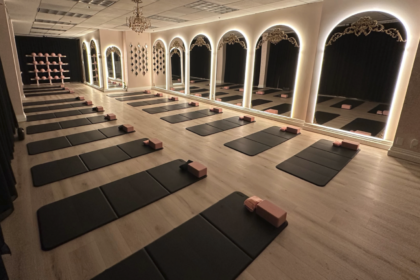
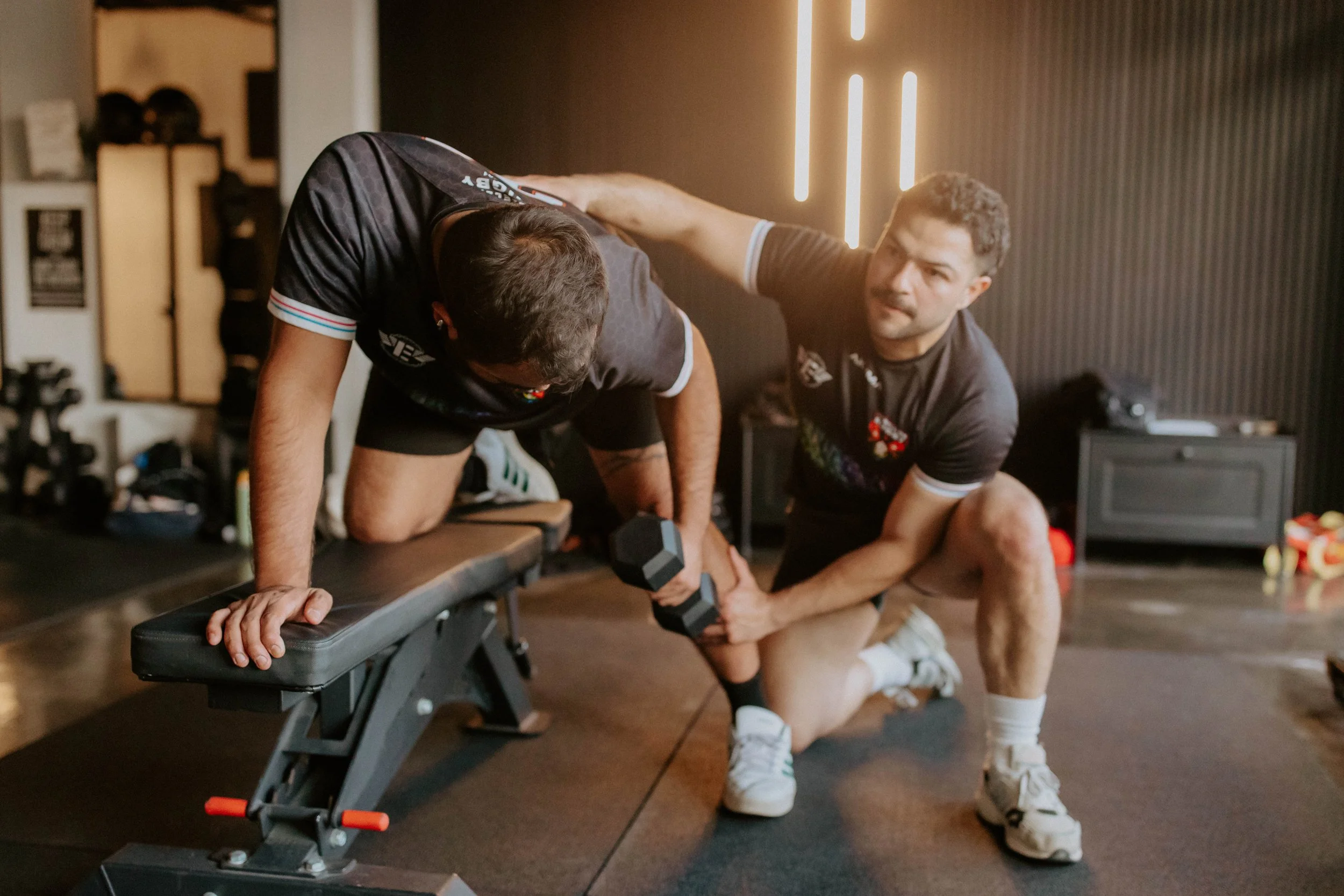
Rahn’s description of community is practical: coaches connect, clients train beside other people with different starting points, and the room is designed to support both coached work and independent progression without losing the sense that someone is paying attention.
Why Coaching And Accountability Matter
Rahn’s system depends on information moving in both directions. The coach needs enough technical knowledge to adjust training, but the client also needs enough trust to say when something hurts, when soreness is unusually high, when nutrition is drifting, or when the plan no longer matches the week they are actually living.
That is why the relationship standard appears repeatedly in his account. It is the channel through which programming becomes specific. Without it, progressive overload, deload weeks, nutrition accountability, and goal-specific training remain ideas on paper rather than decisions made with a real person.
Why Local Ownership Matters In Los Angeles
Rahn said one fact many clients do not immediately realize is that Para Performance Co. is a single-owner small business. Multiple locations can create the impression of a larger corporate system, but his description is intentionally local: the people paying into the club live or work nearby, and the people employed by the club are part of those same communities.
He calls that idea “lifting local.” In practice, it means local hiring, neighborhood relationships, and a business that grows by repeating the same model in another community rather than separating ownership from the people doing the work.
The current official website lists Los Angeles clubs in Silver Lake and West Hollywood, with a San Diego Hillcrest location announced for Fall 2026. The Los Angeles locations also reflect different local markets: Rahn described stronger natural visibility on the east side and a far more saturated fitness landscape in West Hollywood.
Questions Readers Ask
Who Is Paul Michael Rahn?
Paul Michael Rahn is the owner of Para Performance Co. He began his fitness career in Chicago, opened his first training rooms there, and described sixteen years in the industry at the time of his August 2026 Fitness Living Magazine™ interview.
What Does This Para Performance Co Los Angeles Review Highlight?
The Spotlight examines Rahn’s relationship-first hiring standard, individualized strength programming, beginner-aware first experience, nutrition accountability, small-group and private-training options, client-success stories, and local-ownership model.
Is Para Performance Co. Beginner-Friendly?
Yes, based on both Rahn’s interview and the current official FAQ. The business describes group training as scalable from first-time strength clients to experienced athletes, with coaches helping people select appropriate weights, intensity, and movement options.
What Kind Of Group Training Does Para Performance Co. Offer?
The current official program menu includes Strength, Strength & Conditioning, Conditioning X Burn, and Advanced Mobility. Club schedules and class caps vary by location and workout.
How Does Personal Training Begin?
The current personal-training page asks prospective clients to complete an application so the business can understand needs, budget, availability, and coach fit. The site currently lists rates beginning at $140 per session and a three-session intro pack for $300.
What Changes Did Rahn Say Clients Often Notice?
Rahn described energy and motivation as common early changes, with strength progression, sleep, movement quality, muscle definition, scale change, and confidence developing over longer periods. Those observations are his reported coaching experience and are not guaranteed timelines.
Key Takeaways
Rahn hires for the ability to form relationships quickly because he believes trust and comfort make better communication — and better individual coaching — possible.
Upper/lower/total-body splits, tempo work, progressive loading, and tracked lifts provide the framework, while client goals and recovery determine how the framework is applied.
The business does not present itself as a clinical nutrition practice, but Rahn treats everyday food habits and accountability as essential context for the work clients do in the gym.
Rahn emphasizes that Para Performance Co. is a single-owner small business whose clubs hire locally and are designed to function as part of the neighborhoods they serve.
Conclusion
Para Performance Co. is not built around the claim that fitness needs a new invention. Rahn’s account points in the opposite direction: use established strength principles, apply them to the person in front of you, keep recovery and nutrition visible, and hire coaches who can build enough trust for real communication to happen.
The deeper theme is connection. It appears in the first greeting, in the way programming is adjusted, in the client stories Rahn remembers, and in his description of local ownership. The gym is a place to train, but his standard for whether the system is working reaches beyond the lift itself: does the client feel known, capable, and better prepared to carry that confidence into the rest of life?
Paul Michael Rahn
Rahn’s interview describes a coaching career centered on individualized strength work, client accountability, relationship-first hiring, and the belief that a gym can be locally owned, technically serious, and personally connected at the same time.
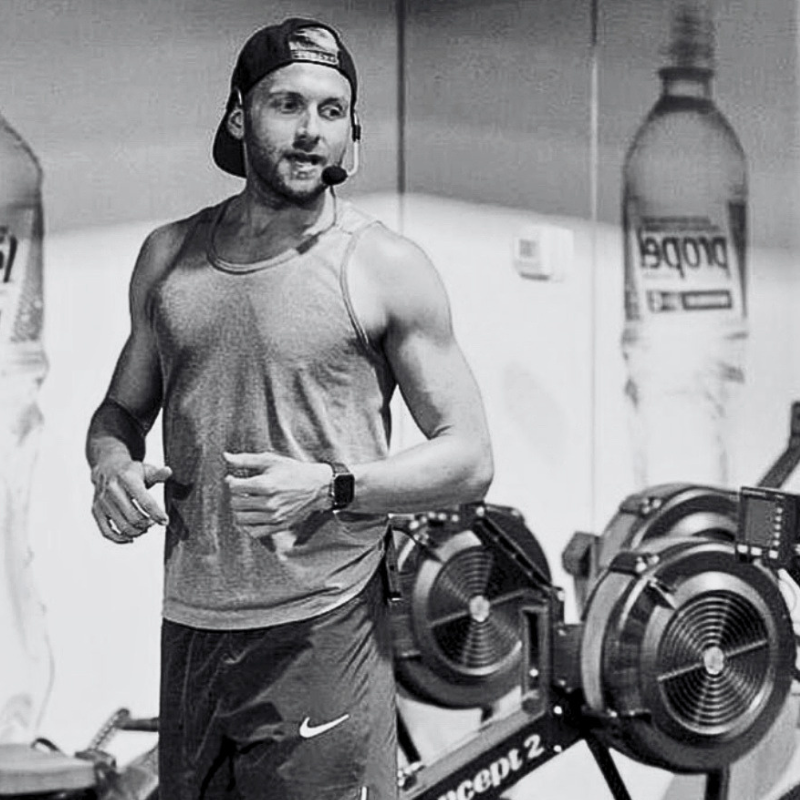
Paul Michael Rahn began his fitness career in Chicago, where he opened his first training rooms, and later established Para Performance Co. in Los Angeles. At the time of his August 2026 interview, he described sixteen years in the industry. His work centers on individualized strength programming, coach development, client accountability, and club environments where connection is treated as part of the coaching standard.
Meet the client where they are, build a sustainable strength plan around the goal, keep nutrition and recovery in the conversation, and make the coaching relationship strong enough that the plan can change when real life changes.
Strength programming, upper/lower/total-body splits, tempo lifting, progressive overload, tracked lifts, small-group coaching, private personal training, local ownership, and relationship-first coach development.
About This Spotlight
Fitness Living Magazine™ selected this Spotlight for Para Performance Co.’s individualized strength model, first-client experience, relationship-first hiring philosophy, source-supported client stories, local small-business identity, and the way Rahn described adapting training to different abilities and goals without abandoning the same underlying strength principles.
Fitness Living Magazine™ publishes these features to place local fitness leaders on the record about how their programs operate, what clients experience, what standards guide the coaching, and what makes the business relevant to its local community.
Source material for this Spotlight consisted of Fitness Living Magazine™’s recorded August 4, 2026 interview with Paul Michael Rahn, the Charles Stockman customer review supplied for editorial use with the original Spotlight source package, Para Performance Co. photographs and logo assets supplied with the original article, and the business’s current official website, used to confirm current Los Angeles club locations, service language, booking paths, and current public pricing referenced in The First Step.
This feature is editorial content and is not medical, nutrition, mental-health, or domestic-violence advice. Training, nutrition, confidence, body-composition, and client-outcome descriptions reflect the featured interviewee’s account or the business’s current official materials unless otherwise stated. Individual experiences vary. Readers should consult an appropriate qualified professional when making medical, nutrition, safety, or exercise decisions.