Recognized by Fitness Living Magazine™ For a resilient founding story, attentive basketball coaching, and a San Diego training environment built around connection and adaptability.
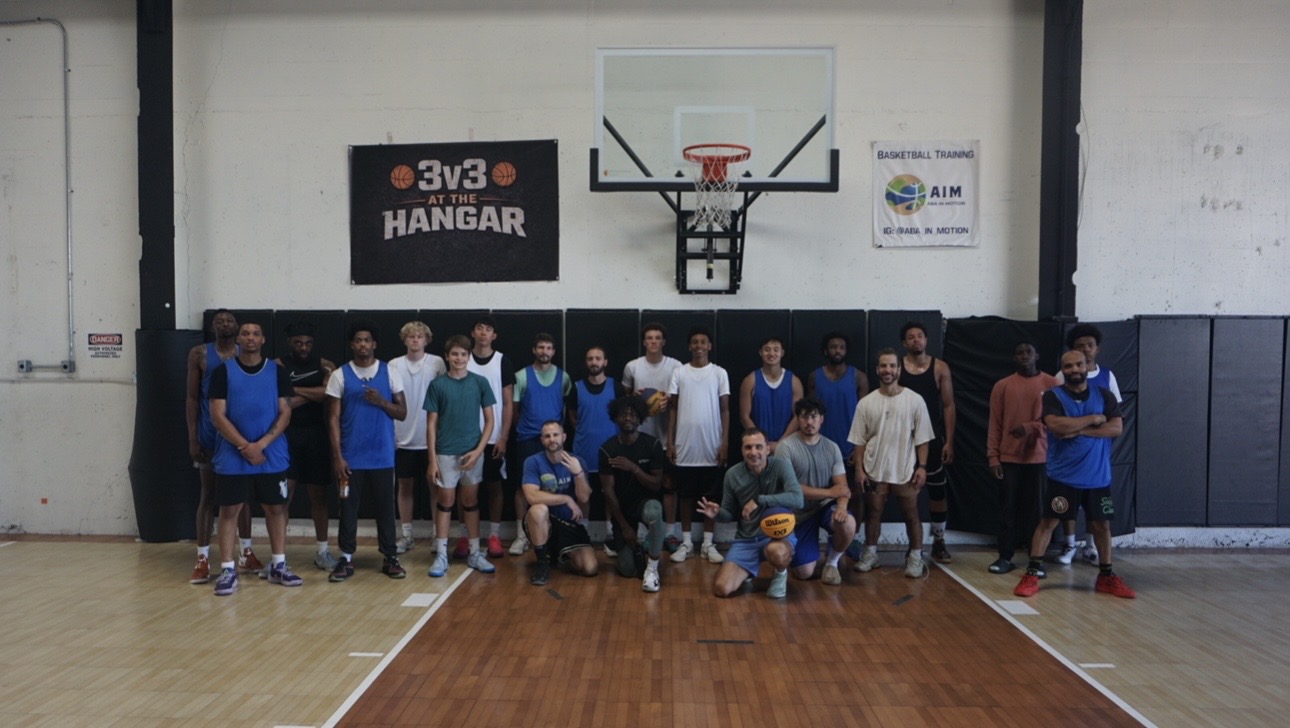
That standard is built around a phrase that gives The Hangar its identity: train, recover, compete. For David, basketball training is only one part of the facility’s purpose. The larger goal is sustained growth: helping people move better, think better, respond to pressure, build confidence, and walk out with the feeling that they are becoming more capable.
“We’re built through adversity and resilience and grit.”David Stronach / Owner, The Hangar
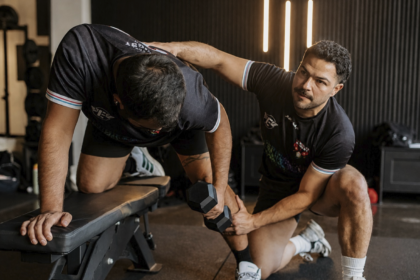
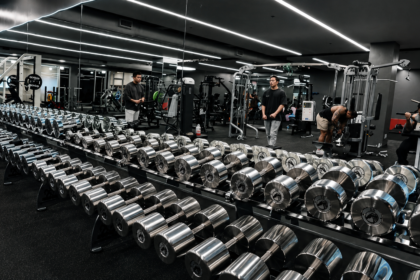
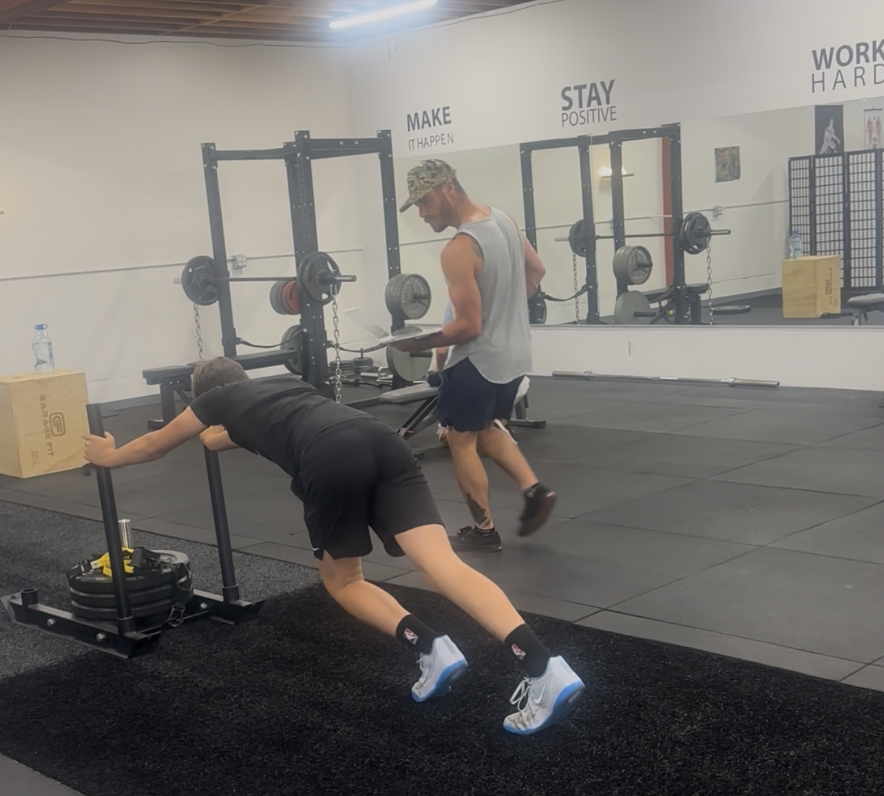
The first impression is the range of the space: a basketball court, a private gym setting, strength equipment, recovery-minded support, and an atmosphere that feels more personal than a crowded commercial gym. The Hangar is designed for athletes, adults, parents, and members who want individualized support without feeling lost in a room full of strangers.
The deeper experience is human. David wants people to feel welcomed, held accountable, and free from judgment. He wants basketball athletes to make decisions under pressure, clients working with The Hangar team to feel comfortable working toward change, and families to see The Hangar as a place where growth is not only physical. It is confidence, resilience, connection, and the ability to adapt.
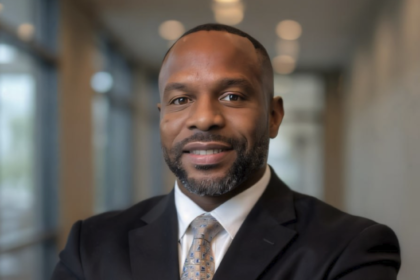
David Stronach has shaped The Hangar around a belief that environment matters. His background as a board-certified behavior analyst and basketball trainer informs a coaching model where athletes and members learn through connection, context, pressure, and purposeful movement.
Inside The Hangar
The comprehensive approach to fitness at The Hangar begins with David Stronach’s belief that movement keeps people alive mentally, physically, and emotionally. In his view, stagnation can affect confidence, mindset, health, and behavior. A facility, then, should not only contain equipment. It should create motion, structure, accountability, and a reason for people to keep going.
The Hangar is a basketball and performance training facility in San Diego, California, built around the motto train, recover, compete. David Stronach describes the facility as a private, growth-centered environment where athletes can train with basketball-specific support, members can work with The Hangar team, and the larger community can recover, compete, and build confidence through connection, communication, context, and adaptability.
A Training Environment Built Around Adaptability
How David Stronach’s background and the facility’s early challenges shaped The Hangar.
How connection, communication, and game context inform basketball development.
How to compare basketball programs, strength coaching, and gym-access options.
A Facility Built Around Movement and Purpose
David’s path into fitness is not conventional, which is part of what gives The Hangar its point of view. He is a board-certified behavior analyst who works with children with autism and developmental delays, and he has been a basketball trainer since 2020. He brings the principles of Applied Behavior Analysis into basketball training by thinking carefully about how people learn, how confidence forms, and how environments can be structured to help someone reach a higher level.
David’s explanation of The Hangar begins with motion. He spoke about the importance of being in movement, not only for athletic results, but for mental and spiritual energy as well. The facility is meant to counteract the patterns that make people sedentary, discouraged, or disconnected from their own ability to change.
Basketball is central to David’s direct coaching work, while personal training and strength work belong to the broader Hangar team. In the interview, he also described recovery tools and physical therapy support within the facility’s wider model. The current website emphasizes basketball development, strength coaching, and gym access; readers should ask the team which recovery or specialist services are currently available.
A Story Marked by Adversity and Community
The Hangar’s origin story includes real adversity. David described signing the lease after a long process, transforming a warehouse into a gym, and then facing a flood on the day the facility was supposed to open. He remembered arriving to streets filled with water, cars and debris affected by the flood, and a gym floor that had taken on water around expensive equipment, court surfaces, flooring, and training space.
For a new facility, that kind of setback can test the entire business before it has a chance to start. David’s response was to keep going. With community support, cleanup, recovery work, and visibility from local news coverage, The Hangar continued. A later flood created another test, but David did not frame those events only as losses. He described them as opportunities to see how much someone wants something.
The Coaching Difference: Connection, Communication, Context
When David describes his basketball training philosophy, three words keep returning: connection, communication, and context. Connection comes first because athletes are not machines. They learn differently, respond differently, and need rapport before coaching can fully land. David does not want athletes simply adapting around a coach. He wants to understand how the person learns and then build a training environment around that.
Context is equally important. David is not interested in training that looks impressive but fails to transfer into a game. He wants drills, decisions, and pressure to resemble the moments athletes will actually face. Basketball is an invasive sport, and pressure is unavoidable. The question is not whether pressure appears. The question is how an athlete responds when it does.
Connected, Challenged, and Encouraged
A member or athlete at The Hangar is meant to feel welcomed, challenged, and supported. David wants people to walk in and see opportunity: an environment where they can train, recover, compete, connect with others, and work through adversity without feeling judged.
A Constraint-Led Approach to Athlete Development
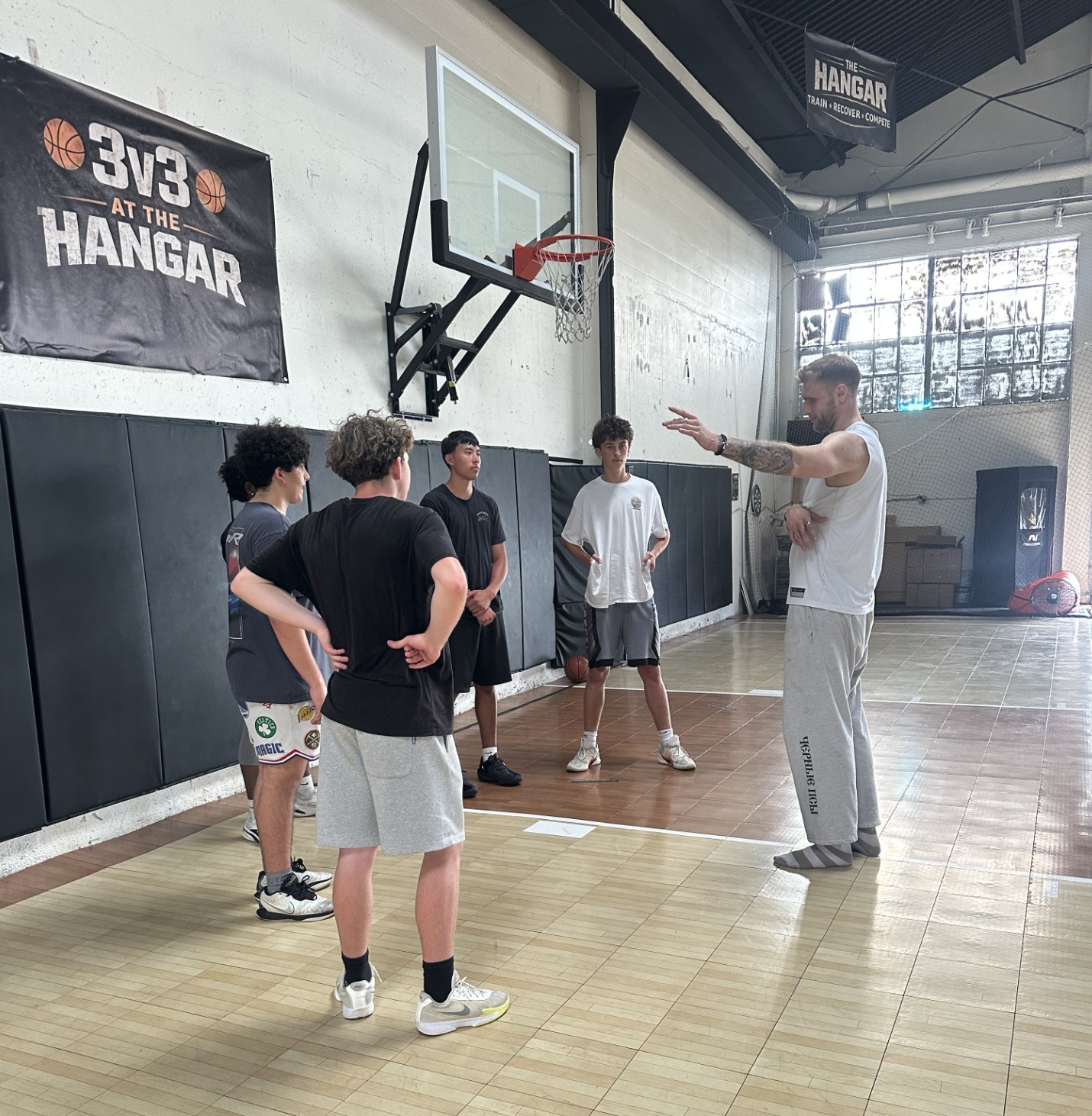
David also discussed a constraint-led approach: introducing a specific rule or limitation inside a basketball exercise so the athlete has a problem to solve. He gave examples such as finishing with the left hand or changing hands on every dribble. The aim is to connect the task to a game situation, giving players a chance to explore decisions rather than simply repeat a rehearsed pattern.
That matters because David believes learning is often stronger through navigation and exploration than through constant verbal prompting. If a coach tells the athlete what to do every second, the athlete may become dependent on instruction. David wants adaptable individuals who can see, feel, decide, and respond. The training is physical, but the target is also the brain, the body, and the athlete’s ability to solve problems in real time.
The Hangar matters because it treats performance as a complete environment: athletes and members are not only trained to move, but coached to think, adapt, recover, compete, and carry confidence into the rest of life.
What The Hangar Offers
The current public offering centers on basketball, strength, and gym access. David’s interview explains the wider philosophy and the growth he hopes to pursue.
Who The Hangar May Be a Good Fit For
The Hangar brings different training options into one private facility. The right entry point depends on what the reader wants to develop.
Athletes and families who want coaching built around decisions, adaptable skills, and game situations can explore David’s basketball programs.
Adults and athletes can compare strength classes and personal training with the broader Hangar team.
Readers interested in weight-room access should confirm membership terms, hours, and court access directly with the facility.
“I was impressed with The Hangar from the moment we arrived. The atmosphere was welcoming, creating an environment that truly motivates. The gym is clean and fully equipped to support athletic development. The coaches radiate positivity and create a supportive space where growth is encouraged. They are not only highly skilled but also deeply committed to helping athletes improve and reach their full potential.”
Confidence That Carries Beyond the Court
One of David’s most meaningful stories involved a young athlete who moved to the country, felt socially uncertain, and became interested in basketball during the COVID period. At first, David described him as clumsy and unsure on the court. Through training, repetition, and a fuller experience around basketball and movement, the athlete built more confidence, made his varsity team, gained friends, and became more socially comfortable.
For David, that is the point. Basketball is the vehicle, but the transformation can go beyond basketball. A person may start by trying to improve a crossover, a finish, a shot, or physical conditioning. But the real result may be the way someone walks, interacts, competes, responds to mistakes, and carries themselves outside the facility.
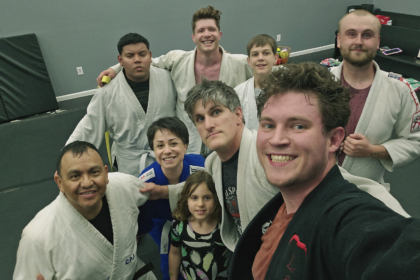
A Community on and Off the Court
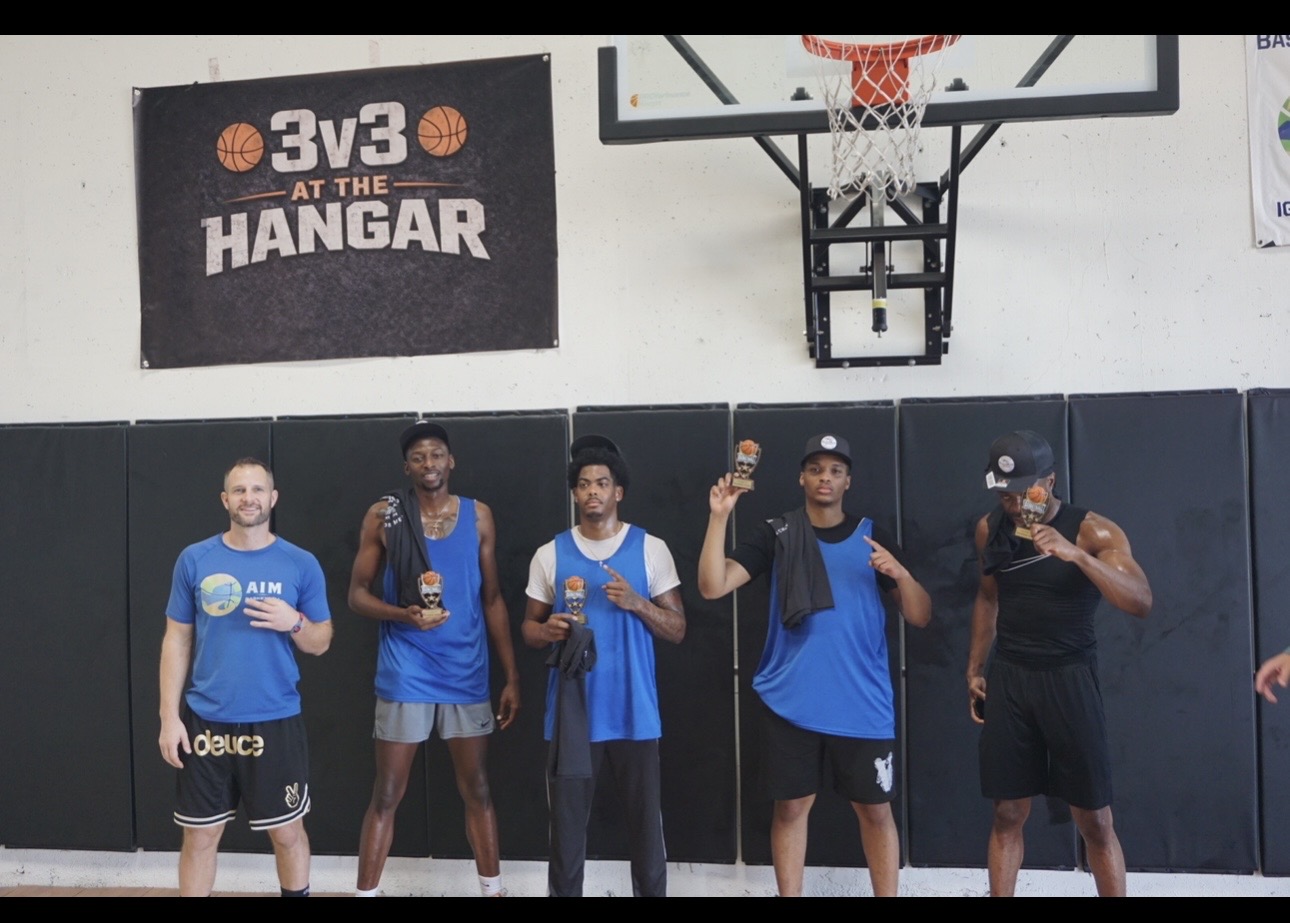
Why Environment Matters
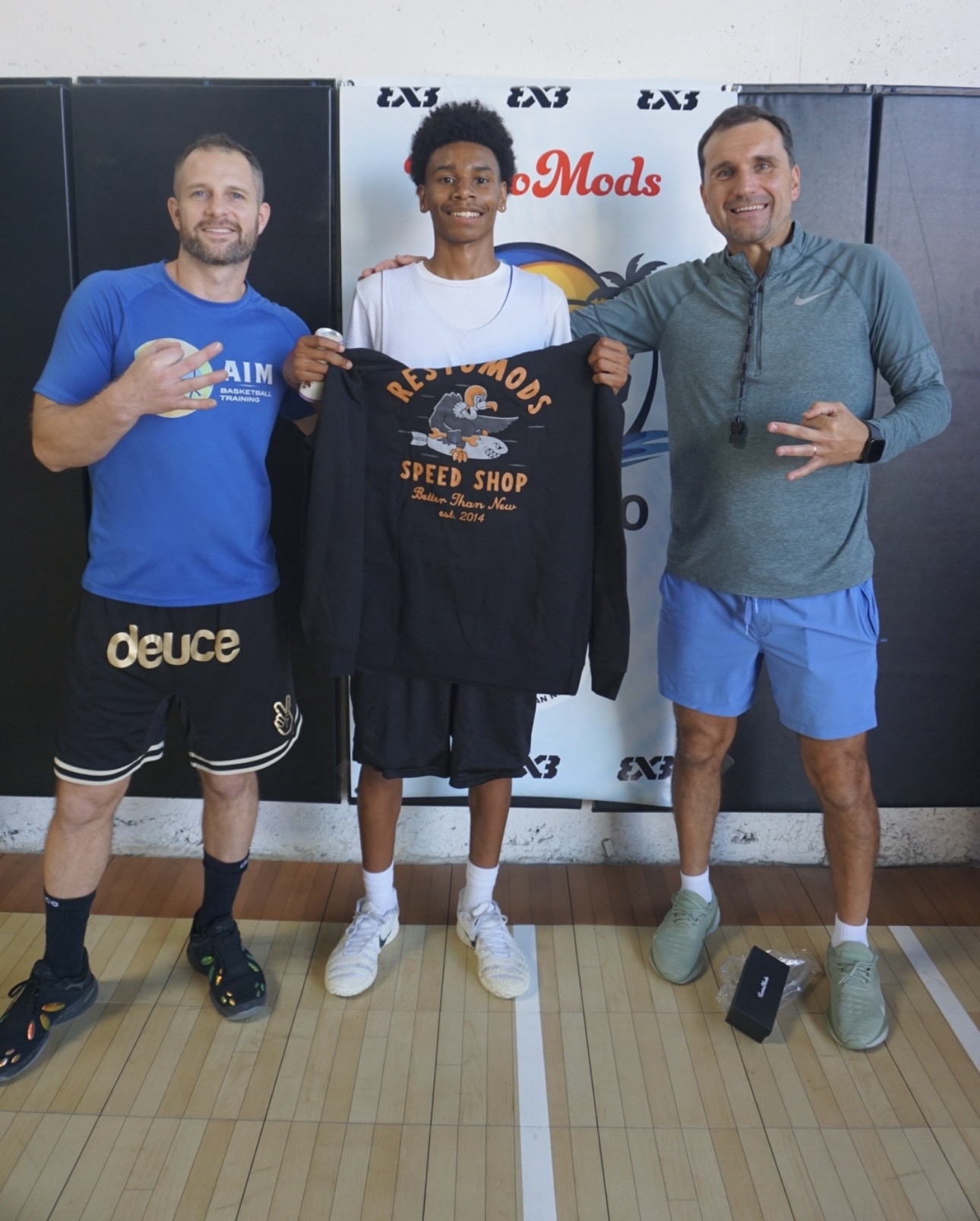
David also connects his own background to the way he leads. He is from Boston, and he credits that upbringing with shaping his grit. He spoke about playing basketball outside with his brothers, even when it was cold, snowy, and uncomfortable. That experience informs one of his core beliefs: environment shapes people. Community shapes people. The people around someone can influence whether they stay stagnant or keep leveling up.
The Hangar is David’s attempt to create that kind of positive environment in San Diego. He wants the space to be a break from the noise of everyday life, a place where people can be themselves, drop the mask, work through difficulty, and develop confidence through movement. In his words, the gym is for people who want to adapt.
Why This Matters Locally
For San Diego athletes, families, and adults, The Hangar offers a combination of basketball development, strength coaching, and private gym access. David’s interview adds the leadership story behind that mix: a focus on relationships, movement, resilience, and helping people adapt under pressure.
For people searching for basketball training in San Diego, a performance training facility, a private gym with basketball court access, or a more complete train-and-recover environment, The Hangar offers a clear local identity. David’s own words make that identity simple: it is a place to hang out and get better.
Questions Readers Ask
Who Is David Stronach?
David Stronach is the owner of The Hangar in San Diego, California. He is a basketball trainer and board-certified behavior analyst who brings behavioral learning principles, connection, context, and adaptive coaching into athlete development.
What Is The Hangar Known For?
The Hangar is a San Diego basketball and performance facility built around the phrase train, recover, compete. Its current website lists basketball programs, personal training, group strength work, and weight-room access.
What Makes The Hangar Different From a Traditional Gym?
David’s approach connects basketball coaching with a private training environment and a team that supports broader strength goals. He emphasizes decision-making, confidence, and learning in situations that relate to the game.
What Training Philosophy Does David Stronach Use?
David described a basketball training philosophy built around connection, communication, context, and creating training environments that simulate real performance. He also referenced the constraint-led approach, where athletes learn through pressure, exploration, and problem-solving instead of constant verbal prompting.
What Is the Best First Step for Someone Interested in The Hangar?
Review the current basketball, strength, and gym-access options on the official website, or contact the facility to arrange a first visit. David discussed a day pass in the interview; confirm current availability and terms with the team.
Key Takeaways
The Hangar is a San Diego basketball and performance facility built around the motto train, recover, compete.
David Stronach brings a unique background as a basketball trainer and board-certified behavior analyst to athlete development.
David’s direct focus is basketball; the wider team supports strength and personal training.
Its coaching philosophy emphasizes connection, communication, context, adaptability, confidence, and learning through real performance environments.
Conclusion
The Hangar is not only a facility with a court and equipment. It is David Stronach’s attempt to build the kind of environment where movement, resilience, connection, and opportunity all reinforce one another. The facility’s story includes adversity, floods, community support, long hours, and a continued belief that growth is worth pursuing even when the path is difficult.
That is also why the phrase train, recover, compete feels larger than a slogan. At The Hangar, it describes a complete ecosystem: train with purpose, recover with intention, compete with confidence, and adapt through the process. For athletes, adults, and families in San Diego who want a place built around more than exercise alone, The Hangar offers a clear message: come in, experience the environment, and get better.
Explore more studios and the people behind them in Fitness Living Magazine’s Local Fitness Leadership Series.
David Stronach
David Stronach is the owner of The Hangar, a basketball and performance training facility in San Diego. His work combines basketball training, behavioral learning principles, confidence-building, recovery, and community-centered athletic development.
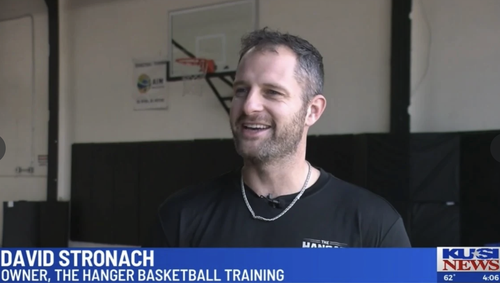
David’s philosophy begins with movement, environment, and growth. He believes people need a place where they can train, recover, compete, build confidence, move with purpose, and become more adaptable through challenge.
His values include resilience, connection, communication, context, individualized support, confidence-building, recovery, and community. His direct specialties include basketball development, athlete confidence, constraint-led coaching, behavioral learning principles, and creating environments where athletes can adapt under pressure. The Hangar’s team and facility model also support personal training, strength work, recovery-minded movement, and broader performance development.
About This Spotlight
This Spotlight examines a resilient founding story, attentive basketball coaching, and a San Diego training environment built around connection and adaptability.
This Spotlight draws on Fitness Living Magazine’s recorded interview with David Stronach, the original WriteWave draft, and the photographs and client material supplied with that draft. Public business information was checked on September 30, 2026. The current website was used to confirm the location, contact details, team roles, and public training options. Interview references to specialist recovery support are attributed, and future expansion plans are not presented as current services.
Experiences described here reflect interview and supplied client material; individual results vary. Confirm current services, availability, and pricing directly with the business.