The Yard Strength Training San Francisco review coverage here examines Joe Cicero’s reserved-pod model, guided beginner entry, small-group barbell programming, and independent-trainer partnerships.
The business he built turns that frustration into the operating model. A reservation secures a pod for the hour — a squat rack, barbell, plates, and bench — with shared access to the rest of the room. The premise is simple enough to explain in one sentence, but it changes the rhythm of the entire session: the program no longer has to be rewritten around the floor.
“Even when we’re fully utilized, there is guaranteed access to equipment.”Joe Cicero / Owner, The Yard Strength Training
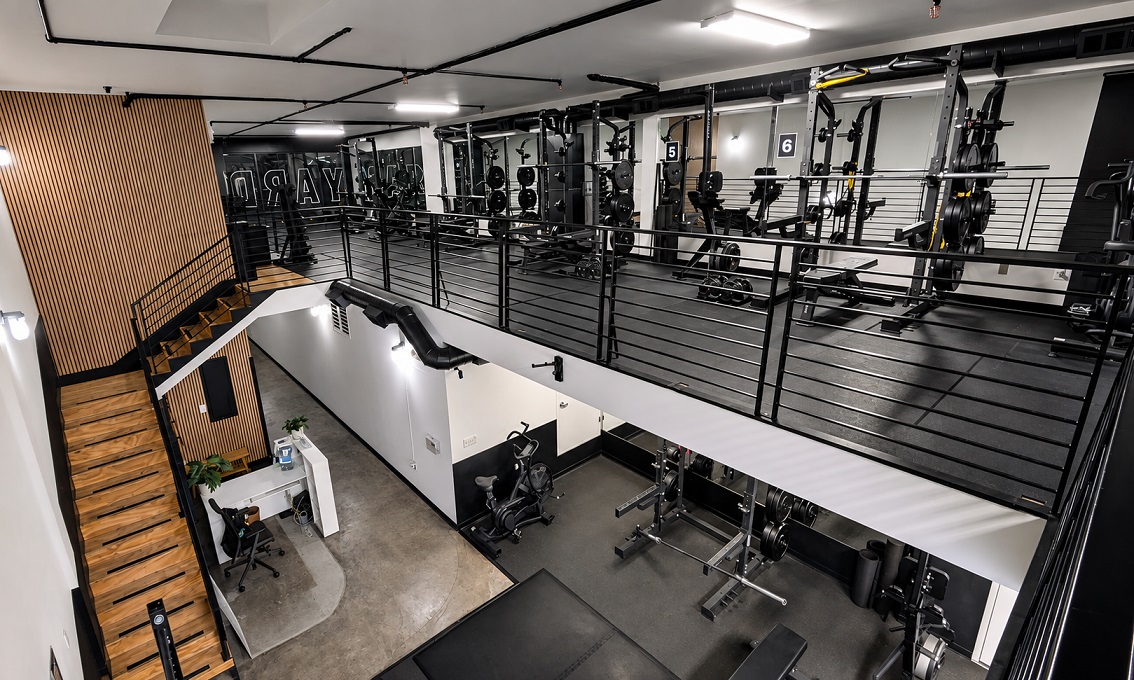
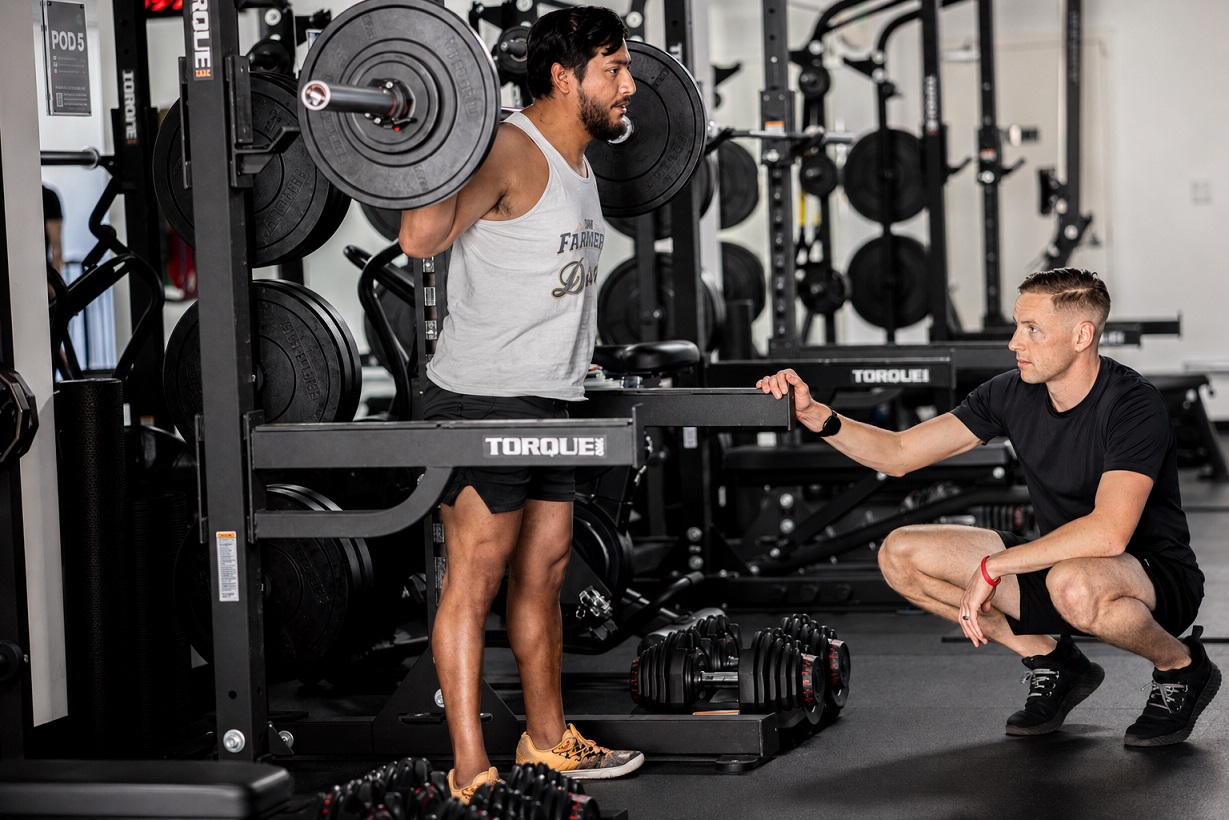
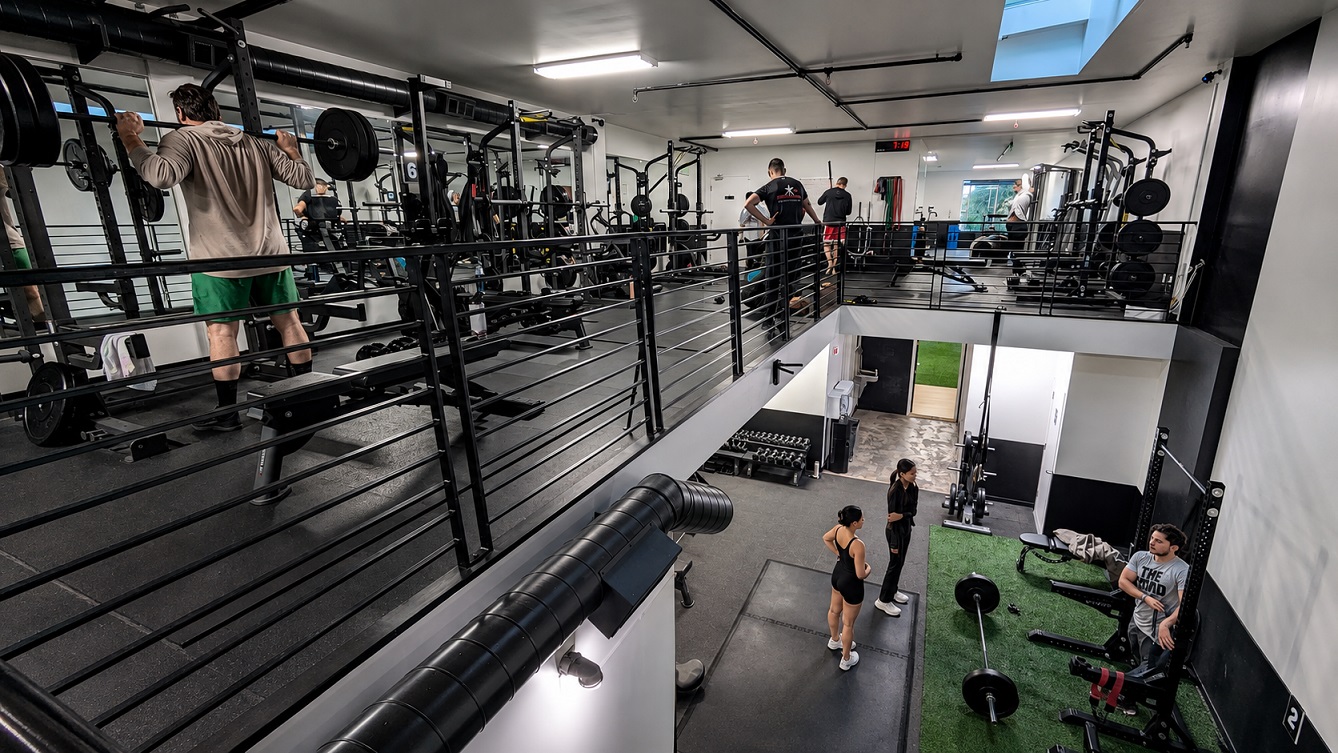
The room looks like a strength gym: rows of racks, bars, plates, and equipment built for loaded work. Cicero acknowledged that this can feel intimidating to someone without much strength-training experience, which is why he described the front-of-house standard as deliberately warm and supportive.
The second impression is structural. A member who has trained through peak hours at a commercial gym does not need to circle the floor or reverse the order of a program because the rack is taken. The reserved equipment is the point.
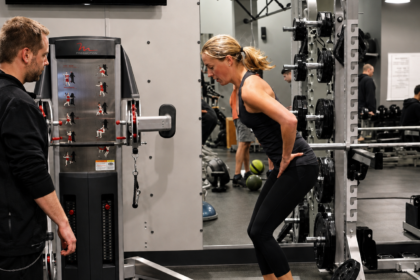
The third is that the studio serves more than one kind of user. Independent trainers reserve space for their clients, members reserve pods for their own programs, and beginners can enter through personal training or small-group barbell classes rather than being left to decode the room alone.
Cicero’s operating lens is unusually structural. He thinks about the member’s hour and the trainer’s workday as systems that can either create friction or remove it. Reserved equipment solves one problem; trainer independence solves another. The result is a gym model built less around novelty than around predictability.
Inside The Reserved-Pod Model
The Yard’s core product is not a class, machine, or exercise method. It is a reservation. Each pod is built around the equipment that anchors a large share of strength programming: a rack, barbell, plates, and bench. Shared cardio, cable, lower-body, and free-weight equipment fill out the rest of the session.
The Yard Strength Training is a reservation-based Bay Area strength studio created by Joe Cicero to give lifters and independent trainers predictable access to dedicated strength equipment.
Cicero described three main user groups: independent trainers reserving space, members reserving pods for their own programs, and clients training with those coaches.
For beginners, the studio offers a supported path into the room through personal training, small-group barbell classes, and a 30-minute guided tour and assessment described in Cicero’s interview.
Cicero’s own relationship with training predates the business by decades. He played football through college, continued training after graduation, spent time in CrossFit, and now competes in powerlifting. Professionally, though, he came through strategy and finance, including an executive role at a fitness startup before leaving to build The Yard.
That background helps explain why the business reads like an operating-system solution. The idea came from two places: the economics of independent barbershops, where professionals rent a station and keep the difference on their rate, and Cicero’s own frustration with strength programs being rearranged by a crowded gym floor.
Strength Training Without The Equipment Wait
This profile looks at how reserved equipment, straightforward progressive programming, and an independent-trainer model combine into a distinctive Bay Area strength offering.
Capacity is capped and the primary strength equipment is reserved, so a workout can follow the program instead of the room’s traffic.
Solo lifters, independent trainers and their clients, plus beginners entering through coaching or small-group barbell classes.
The same pod system addresses member convenience and trainer economics, making predictability part of both the workout and the business model.
Two Frictions, One Business Model
The trainer side was inspired by the independent barbershop. Cicero said coaches reserve a pod, pay the studio an hourly rate, charge their clients their own rate, and keep the difference. He described the benefit as a combination of economics, privacy, exclusivity, and predictability.
The member side came from his own lifting life. If the rack was taken, a bench, squat, or deadlift day could turn into a sequence dictated by availability. The Yard’s answer is to make the rack part of the reservation itself.
Simple Movements, Repeated Long Enough To Matter
Cicero’s training philosophy is as restrained as the floor plan is structured. He argues for a program that is straightforward, repeatable, and sustained over long periods rather than rebuilt around viral exercises or the trend of the day.
In the small-group strength program, he described six full-body workouts across the week, each organized around a primary pattern such as a press, row, hinge, squat or lunge, with barbell work supported by kettlebell, dumbbell, and free-weight accessories. Week to week, the main work changes through load and volume rather than novelty.
The principle underneath it is progressive overload: add weight or volume, improve form, slow tempo, or otherwise make a familiar pattern more demanding while keeping technique intact. Cicero described working close to failure without compromising form as part of that process.
A Strength Room That Is Meant To Become Navigable
The first job is not to make the equipment less serious. It is to make the person feel more comfortable using it. Cicero said the room can be intimidating at first glance, so staff are trained to be warm and to direct new users toward the right level of support.
For someone with little barbell experience, that support may come through personal training, the small-group strength class, spotting and scaling options, or the guided tour and assessment. Cicero estimated that six to twelve weeks of regular attendance can leave many beginners more comfortable and capable using the equipment independently.
“Sticking to the basics, doing them well, and doing them consistently over years — that’s how you really build health.”Joe Cicero / Owner, The Yard Strength Training
The Yard’s model makes a useful distinction between novelty and improvement. The room removes one common source of disruption — unavailable equipment — while the programming asks the member to tolerate repetition long enough for measurable progression to become possible.
What The Yard Strength Training Offers
Cicero described a service mix built around reserved individual training, small-group strength instruction, independent personal training, selected conditioning classes, and a guided first appointment.
Who This Strength Studio May Be A Good Fit For
The Yard’s reported operating model points to three especially clear use cases: people following a structured strength plan, independent coaches who need dedicated space, and beginners who want a supported path into barbell training.
Someone following a written strength program may value knowing the rack, barbell, plates, and bench are reserved for the hour instead of adapting the workout around peak-hour availability.
Coaches who want privacy, dedicated equipment, and the ability to set their own client rates may appreciate the trainer-partner structure Cicero modeled after independent barbershops.
People who find a rack-filled room intimidating may value a guided tour, movement assessment, personal training, spotting and scaling support, or the small-group barbell class before training alone.
“I love the pod system as well — I never have to wait for equipment anymore or worry about the gym being crowded.”
Why The Trainer Partnership Matters
Cicero described independent trainers as business partners rather than simply customers. His argument is partly financial — he said their take-home can substantially exceed what the same client hour might produce on a commercial gym floor — but it is also operational.
A trainer who knows the rack is available does not have to improvise around a crowded floor while managing a client’s session. Privacy, exclusivity, and predictability become working conditions, not amenities.
What Six Weeks Can Show — And What It Cannot Prove
Cicero said The Yard’s barbell strength program has used DEXA scans at the beginning and end of a six-week block. He also acknowledged that six weeks is a short measurement window and that eight or twelve weeks would be more informative.
In his account, beginners have sometimes shown lower body fat, higher muscle mass, improved bone-density readings, and lower visceral-fat readings even when scale weight changed little. Those figures come from the studio’s own participants and were not independently reviewed by Fitness Living Magazine™; they should not be treated as clinical findings, typical outcomes, or guarantees.
His broader point is that strength progress can show up in more than body weight. He also described members telling him they felt more energetic, more capable in daily life, or better able to keep up with their children. Health-adjacent experiences are reported here as individual accounts, not medical claims.
Pat Started Powerlifting In Her Seventies
The member story Cicero reached for first was not about an experienced lifter. It was about someone who began with little to no strength-training background and decided to take up powerlifting later in life.
Cicero described Pat as 72 when she joined. He said she went on to compete in multiple powerlifting meets and made substantial progress from where she began. The interview also reflects a relationship that grew beyond the training itself; Cicero described her as part of the community around the studio.
What the story means to him is more important here than an unverified record or television appearance. He uses Pat’s experience to make a narrower, source-supported point: a later starting age does not make starting meaningless.
A Room Shared By Members, Trainers, And Clients
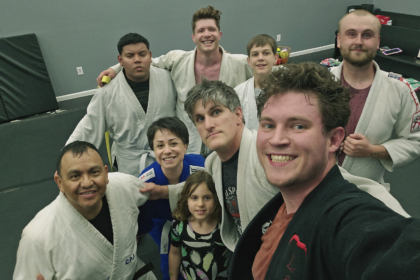
The community Cicero described is unusual because the room supports overlapping relationships: members training independently, coaches building their own businesses, and clients working one-on-one inside the same reservation system.
Why This Matters In The Bay Area
The Yard’s value proposition is especially legible in a dense market where a commute to the gym can already consume part of the training window. A reserved rack makes the hour more predictable once the person arrives.
At the time of the interview, Cicero said the business operated in San Francisco and Mill Valley and was preparing a third location. His longer-term ambition was to franchise the model into additional large cities and, potentially, smaller markets where access to strength equipment may be limited by a small number of crowded commercial gyms.
For a local reader, the practical question is whether reserved equipment, simple progressive programming, and a mixed member-and-trainer environment solve the problems they actually have. The model is not trying to make every workout more elaborate; it is trying to make the useful equipment more reliably available.
Questions Readers Ask
Who Is Joe Cicero?
Joe Cicero is the owner of The Yard Strength Training. He played football through college, has trained for much of his life, now competes in powerlifting, and came to the fitness business from strategy and finance rather than a personal-training career.
What Does The Yard Strength Training San Francisco Review Highlight?
This Spotlight focuses on the reserved-pod model, guaranteed access to primary strength equipment, independent-trainer partnerships, small-group barbell programming, beginner support, and Cicero’s preference for simple progressive training over constant novelty.
What Is The Pod Model?
A pod reservation gives the user dedicated access to a squat rack, barbell, plates, and bench for the hour, with shared access to other equipment in the studio. Cicero said capacity is capped so that reserved equipment remains available even when the gym is fully utilized.
Is The Yard Strength Training Beginner-Friendly?
Cicero said the team is trained to be warm and welcoming and that new members can enter through personal training, small-group barbell classes, spotting and scaling support, or a guided tour and assessment before training independently.
What Classes Did Joe Cicero Describe?
At the July 2026 interview, Cicero described morning and evening barbell strength training plus location-dependent HYROX-style and higher-intensity bootcamp-format conditioning classes. Current schedules should be checked directly with the business before visiting.
What Is The Best First Step?
Cicero recommended starting through the official website or contacting the studio by phone, text, or email. He specifically described a 30-minute guided tour and assessment that covers the space, questions about programming and membership, and, when time allows, movement assessment or a portion of the day’s strength work.
Key Takeaways
A reservation secures the primary equipment for the hour, reducing the need to reorder a strength program around a crowded floor.
Cicero favors foundational movement patterns, hard effort with good form, and progressive overload sustained over long periods.
The pod structure gives coaches dedicated working space while allowing them to set their own rates and maintain independent businesses.
Small-group barbell classes, personal training, spotting, scaling, and a guided assessment create options for someone not yet comfortable training alone.
Conclusion
The Yard Strength Training is a story about removing a constraint rather than adding a feature. Cicero saw strength programs being compromised by equipment availability and independent trainers working around the same crowded-floor problem from the other side of the business. The reserved-pod model addresses both.
The training philosophy is similarly stripped down. Choose reasonable movements, perform them well, improve them gradually, and keep going long enough for the accumulation to matter. In that sense, the gym’s physical design and Cicero’s coaching philosophy are aligned: reduce avoidable friction, then make consistency easier to repeat.
Joe Cicero
Cicero’s interview reflects an operator’s approach to fitness: remove friction from the training environment, keep the programming simple enough to repeat, and give both members and independent trainers a more predictable way to use the gym.
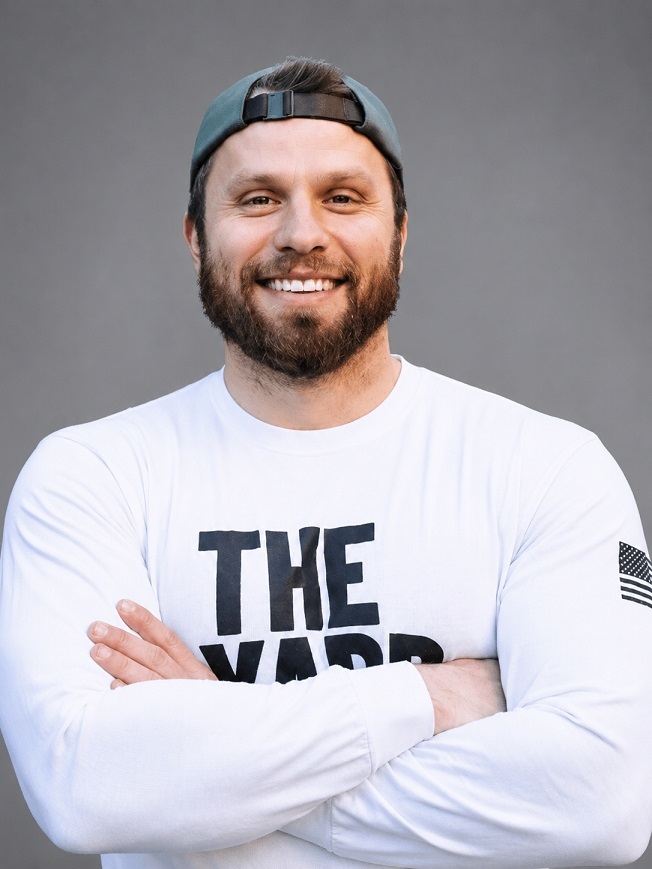
Cicero played football through college and has continued serious strength training into adulthood, including competitive powerlifting. His professional background is in strategy and finance, and he described leaving an executive role at a fitness startup to build The Yard roughly five years before the July 2026 interview.
Keep useful training simple, repeatable, and progressive; reduce avoidable friction; support people who are intimidated by the room; and treat long-term consistency as more important than trend-driven novelty.
Reservation-based strength training, independent-trainer partnerships, barbell programming, progressive overload, beginner acclimation, small-group instruction, and an operating model built around guaranteed equipment access.
About This Spotlight
Fitness Living Magazine™ selected this Spotlight for The Yard Strength Training’s reservation-based equipment model, independent-trainer structure, beginner entry options, simple progressive programming, source-supported member story, and the way Cicero’s operating philosophy connects predictability with long-term consistency.
Fitness Living Magazine™ publishes these features to place local fitness leaders on the record about how their programs operate, what members and clients experience, what standards guide the business, and what makes the model relevant to its local community.
Source material for this Spotlight consisted of Fitness Living Magazine™’s recorded July 29, 2026 interview with Joe Cicero, the customer review supplied for editorial use, the original The Yard Strength Training photography and logo assets supplied with the Spotlight source package, and business information preserved in the original editorial source material.
This feature is editorial content and is not medical advice. Training descriptions, DEXA-related observations, body-composition accounts, and member experiences reflect the featured interviewee’s account or supplied editorial materials unless otherwise stated. Individual results vary. Readers should consult a qualified healthcare professional before beginning a new exercise or nutrition program when appropriate.