The Weight Room Pleasanton review: this Spotlight examines Jesse’s strength-first method, conjugate programming, athletic development, member experience, community, and direct first-contact process.
Jesse said they built a plan and trained several times a week while the man continued under medical care. He later reached the family milestones on that list, and Jesse attended the anniversary celebration as a guest of honor. The account cannot establish that training changed the course of a serious disease. What it does establish is Jesse’s definition of coaching: strength work matters most when it helps a person keep participating in the life around the gym.
“Get strong and everything else gets better.”Jesse Burdick / Founder And Head Strength And Conditioning Coach, The Weight Room
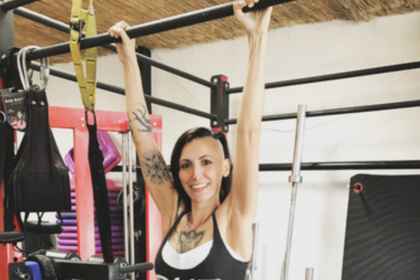
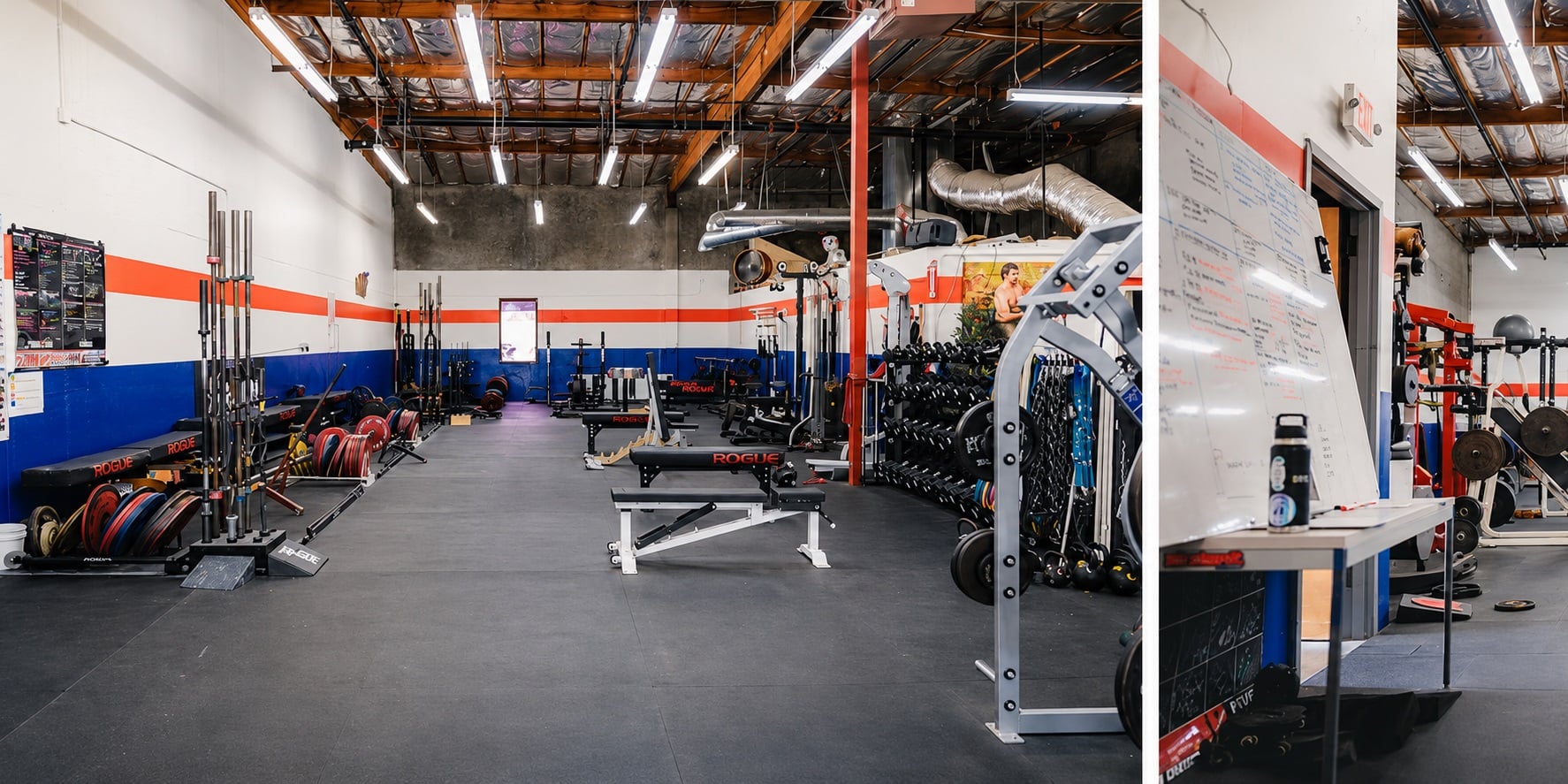
The first signal is the range of people sharing the room. Jesse described professional athletes, competitive powerlifters, school athletes, working adults, and members in their sixties training within the same culture. The equipment may look specialized, but the invitation is broader than the strongest person on the platform.
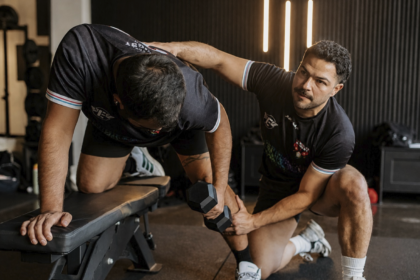
The second signal is that the room introduces itself. Jesse walks a new person through the facility, explains how it works, and connects them with members who remember what it felt like to be new. He said the largest lifters often become the quickest to reduce the intimidation with a greeting or a joke.
The deeper signal is that seriousness and enjoyment are not treated as opposites. Members are expected to listen, work, and learn, but the gym’s phrase—“lift hard, laugh harder”—sets an equally clear expectation that the work should become something they want to return to.
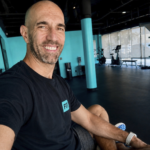
Jesse describes coaching as his life’s work rather than a side venture. He reads, revisits programming, answers his own phone, and measures success not only through records but through whether people become capable of training for themselves. That combination of technical attention and personal availability shapes the gym’s standard more directly than any slogan.
Inside Jesse Burdick’s Strength-First Model
Jesse’s membership ranges from experienced lifters and professional athletes to school athletes, working adults, and older members. The common denominator is not age, experience, or competitive ambition. It is a willingness to learn and improve inside a room where strength is treated as a broad capacity rather than one number on a bar.
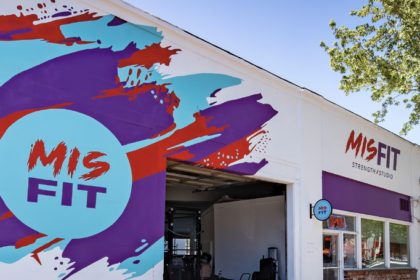
The Weight Room is a strength and conditioning gym in Pleasanton founded by Jesse Burdick, combining barbell training, conjugate programming, powerlifting, athletic development, personal coaching, and a deliberately communal gym culture.
The model is designed to serve different levels without abandoning a clear standard. Jesse changes effort method, volume, intensity, accessory work, and coaching format according to the person while preserving the larger expectation that training should build capability and become sustainable.
Jesse brings nearly twenty-five years of coaching to that model. His background moves from Division I baseball into competitive powerlifting, mentorship within prominent strength communities, movement-focused study, work alongside clinical practitioners, athlete development, seminar teaching, and the long daily practice of coaching people whose goals do not all look alike.
Strength, Simplicity, And A Third Place
The Weight Room becomes clearer when the method, the range of members, and the culture are considered as one operating system.
A coach formed in powerlifting applies a version of the conjugate system to varied goals without turning every member into the same kind of lifter.
Competitive lifters, school and collegiate athletes, working professionals, everyday adults, and members who want expert coaching without competing.
The gym’s social life is not treated as decoration. Jesse expects relationships, enjoyment, and shared standards to help people remain engaged in the work.
From Baseball To A Life In Strength
Jesse came to coaching through sport. He played Division I baseball and continued briefly at a semi-professional level. When his playing career ended, strength offered a new direction. He had watched World’s Strongest Man broadcasts growing up and wondered what it would feel like to become genuinely strong. During the later years of college, after completing several academic programs, he began studying strength and conditioning on his own.
A collegiate strength coach and powerlifter became his first important mentor, introducing him to people and ideas beyond the formal curriculum. Jesse later developed relationships within the Westside Barbell and elitefts orbit, including Louie Simmons, Dave Tate, and Jim Wendler. Those connections did not become a substitute for experience; they gave him a place to begin accumulating it.
The next education came on a commercial-club floor in San Francisco. Jesse said his manager, a chiropractor, typically hired physical and occupational therapists but needed a strength coach. Working beside practitioners with deeper movement backgrounds taught him how to watch bodies, ask better questions, and connect strength work with movement quality. He added certifications, attended massage-therapy school, studied Active Release Techniques, and continued coaching as he competed in powerlifting.
Pleasanton eventually became the permanent base. Jesse built powerlifting teams, helped stage major meets, traveled to teach powerlifting seminars, and said he totalled elite in five weight classes. He also described a record board that once held more than fifty all-time world records and a separate display recognizing dozens of young athletes who advanced to collegiate competition across multiple sports. The two walls reveal the full range of what he counts.
How Conjugate Programming Organizes The Work
Conjugate programming can sound more complicated than Jesse intends it to feel. At its simplest, the system allows different strength qualities to receive emphasis at different times. A maximal-effort day may ask for heavier work. A dynamic-effort day may prioritize speed. Repetition work can develop volume, muscle, and technical practice. One method moves forward while the others become quieter rather than disappearing forever.
That structure gives Jesse several variables to adjust. Volume can rise or fall. Intensity can change. Rest periods can tighten. Accessory movements can be selected according to goals, movement quality, and how the person is responding. The athlete or member does not need to manage the terminology. The useful part is that the program can change without becoming random.
The method also supports Jesse’s preference for basics. He is skeptical of small optimizations that consume attention before a person has built the habits that matter most. Show up. Move well. Work. Recover. Repeat. Details become more valuable after that foundation exists, not before it.
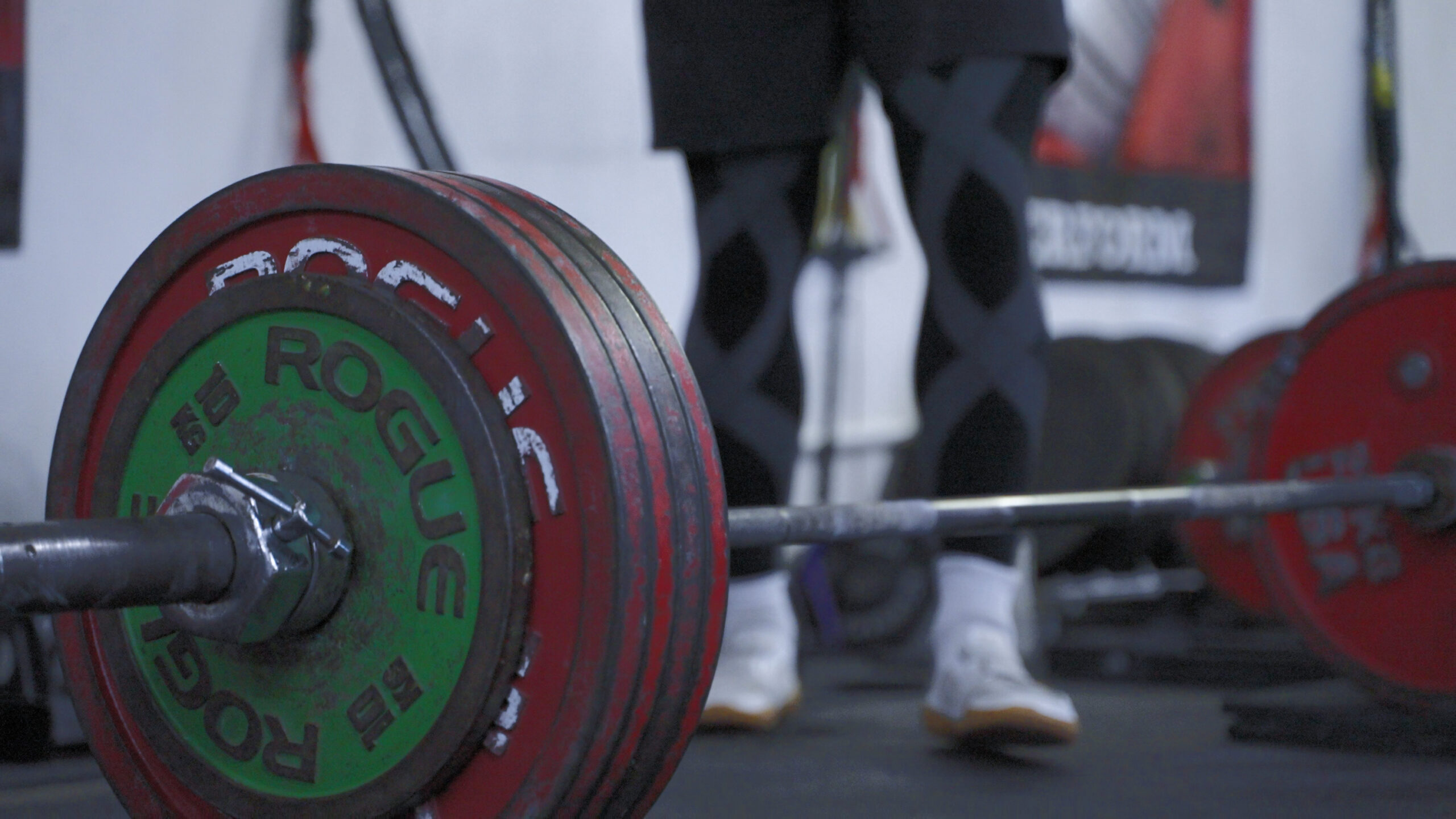
The Room Becomes Part Of The Practice
Jesse wants the first visit to replace uncertainty with orientation: meet the coach, see the equipment, understand the culture, and discover whether the room feels like somewhere the person can return.
Members help create that orientation. Jesse said established lifters frequently introduce themselves without being asked because they remember their own first day. The atmosphere does not remove the difficulty of training; it reduces the need to perform certainty before learning can begin.
What Consistency Actually Produces
Jesse’s answer begins with patience. Members may eventually see returns in strength and body composition, but he expects the process to move more slowly than most people would prefer. The first meaningful change can be a person discovering satisfaction in doing a movement correctly or in completing difficult work they once avoided.
He also watches time. A new member may initially compress a visit into forty-five minutes and leave as quickly as possible. Later, the same person stays for an hour, then longer—not because the required workout keeps expanding, but because conversation, familiarity, and the opportunity to help someone newer have changed the meaning of the visit.
That social change does not replace physical progress. Jesse described grandparents becoming more capable, parents bringing more energy into home life, and athletes advancing from the bench to competition or from one competitive level to the next. These are examples from his coaching account, not guaranteed outcomes. Their common foundation is repeated participation.
“Lift hard, laugh harder. We’re going to work hard, but we’re going to have a great time while we do it.”Jesse Burdick / On The Weight Room Culture
The Weight Room’s practical distinction is not that community makes training easy. It is that belonging can make serious work easier to sustain. The technical program gives each session direction; the room gives the accumulated sessions a social life.
What The Weight Room Offers
The service structure allows members to enter through independent access, direct coaching, team-based strength work, athlete development, professional wellness support, or distance programming.
Who This Strength-First Gym May Be A Good Fit For
Based on Jesse’s interview and the gym’s official service descriptions, The Weight Room may be especially relevant to readers who want serious coaching without a narrow definition of who belongs.
Someone interested in barbell progress, powerlifting, or technical refinement may value conjugate programming, experienced coaching, and a facility built around strength work.
School, collegiate, and professional athletes may appreciate training that integrates speed, strength, power, mobility, and recovery while adjusting the challenge to the athlete’s level.
Everyday adults and professionals who want individualized direction, accountability, and a gym they can know socially may value the third-place culture as much as the equipment.
“Being a part of the community that Jesse Burdick has provided has created an amazing transformation in my life as a lifter.”
This is one member’s account published by the featured business. It was not independently verified and is not a guarantee of a similar experience or result. Individual experiences vary.
Strength That Becomes Gym Literacy
Jesse’s proudest outcomes include records and athletic advancement, but he repeatedly returns to a quieter form of progress: gym literacy. A person learns how to warm up, choose a useful movement, understand effort, handle a hard session, and continue training when a coach is no longer beside them.
That knowledge can follow a member through relocation, a change in schedule, the end of a competitive season, or a shift in goals. Jesse said former clients still tell him about their training even when he is no longer coaching them. The lasting result, in his account, is not dependence on The Weight Room. It is the ability to keep a place for training in one’s life.
Why The Basics Matter Before The Details
Jesse is not opposed to information. His concern is sequence. Fitness media can make a small nutrition detail, recovery tactic, or exercise variation feel urgent while the larger work remains inconsistent. His image is a person tripping over pennies while walking toward a hundred-dollar bill.
The corrective is intentionally plain: show up, practice the movements, work with discipline, and repeat the process long enough to earn the usefulness of finer distinctions. Conjugate programming supplies variety inside that consistency. It changes the emphasis without requiring the member to chase novelty for its own sake.
A Family Milestone List Reached Under Difficult Circumstances
Jesse described working in a client’s home with an older man who had stage-four pancreatic cancer and wanted to remain able to participate in several important family moments.
The man identified specific goals: play nine holes of golf with his son, attend his daughter’s art opening, spend time around his grandchildren’s first day of preschool, and reach a wedding anniversary. Jesse said they made a plan, met three or four times a week, and kept the work connected to those priorities while the client remained under medical care.
According to Jesse, the man later completed the items on his list, and Jesse attended the anniversary gathering as a guest of honor. The achievement belongs first to the client, his family, and the medical care surrounding a serious illness. The story is included because it shows how Jesse translated training into the activities the person valued—not as evidence that exercise treated cancer or extended life.
A Strength Gym Built To Become A Third Place
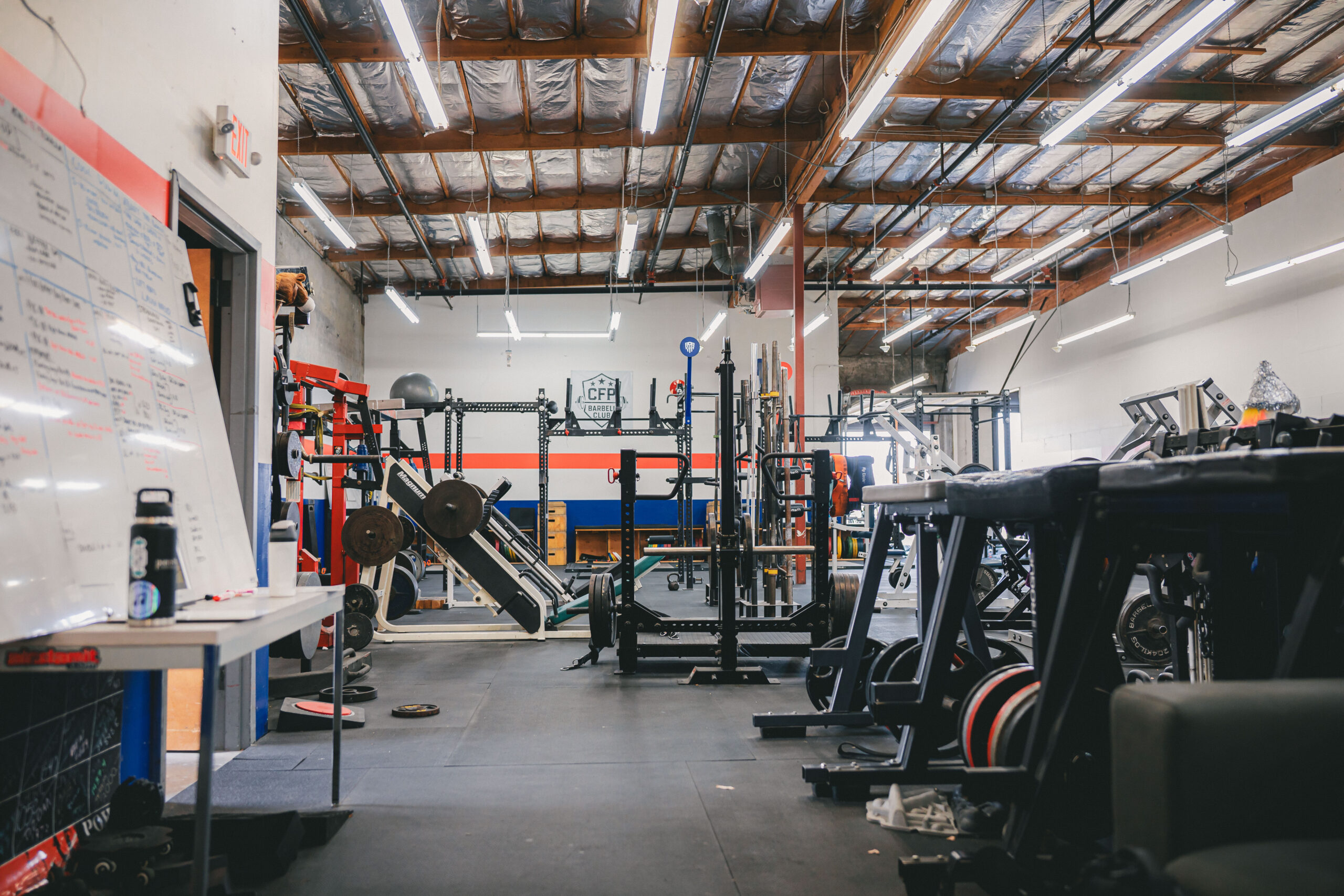
The Weight Room is easiest to understand through the coexistence Jesse describes: experienced lifters and newcomers, athletes and everyday adults, hard sessions and long conversations, individual goals and a shared room.
Why The Third-Place Environment Matters
Jesse uses “third place” to describe the room people seek beyond home and work. At The Weight Room, that idea becomes visible in relationships. He described members becoming friends, traveling together, forming couples and families, and bringing younger siblings or children back to train. Some relationships now extend across generations of athletes.
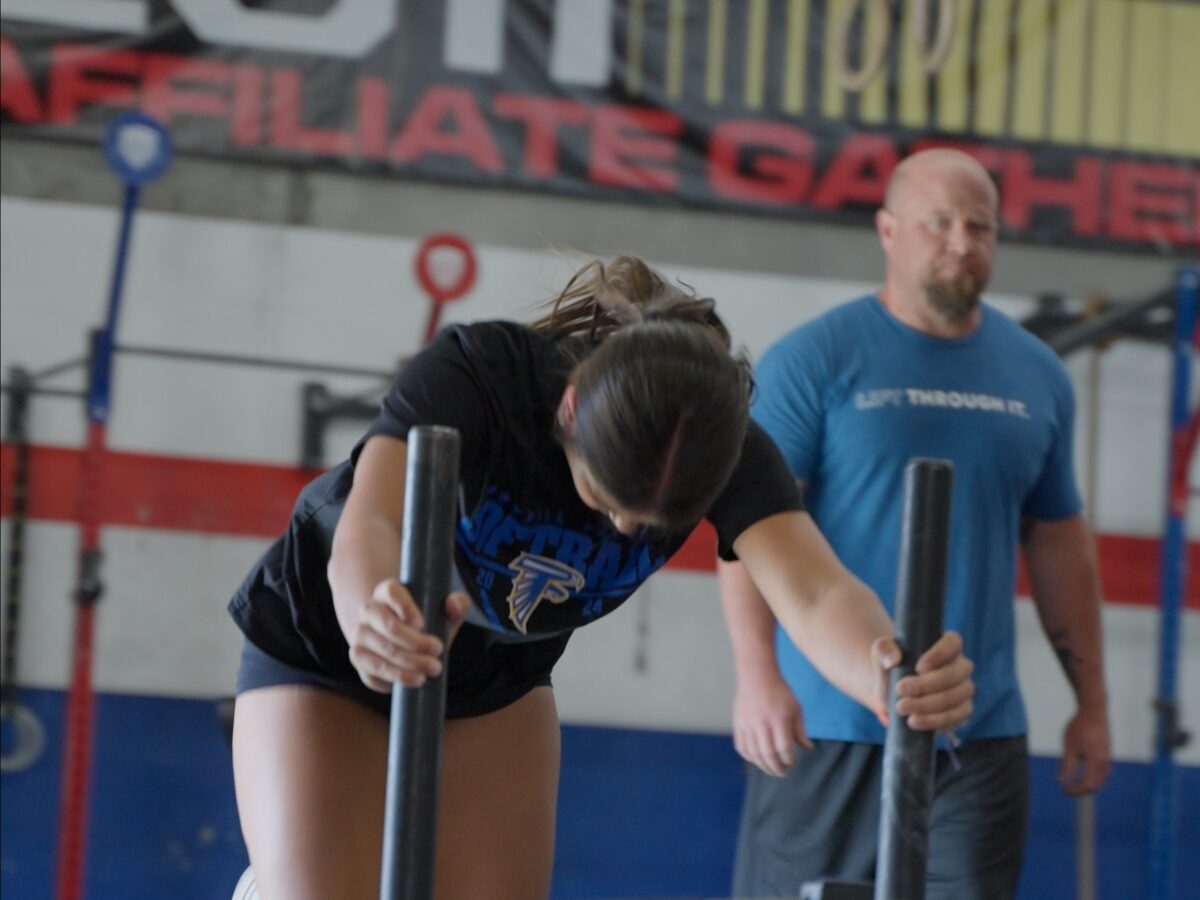
The social structure also changes how a new person enters. A large, experienced lifter can look intimidating from across the room, yet Jesse said those members often become informal guides because they remember being uncertain themselves. The established member’s role expands from participant to encourager, spotter, and occasional assistant coach.
None of that guarantees that every person will feel at home. Jesse is direct that the gym is not for everyone. His more useful distinction is that it is open to anyone who wants to be there, listen, work, and take part in the culture. Fit is discovered through contact and a visit rather than promised in advance.
Why This Matters In Pleasanton
Pleasanton and the wider Tri-Valley contain many ways to exercise. The Weight Room offers a specific proposition within that landscape: a facility where strength is the main language, technical coaching is available at several levels, and a powerlifting heritage does not exclude athletes, professionals, older adults, or people training for everyday capability.
The local distinction is also unusually personal. Jesse asks prospective members to call him directly at the number he has used for two decades. He sees the conversation as a way to understand goals, explain the gym, and decide whether an in-person visit makes sense. The first step is not a high-pressure enrollment mechanism; it is a fit conversation with the founder.
For a reader comparing Pleasanton strength gyms, the practical questions are therefore clear. Do you want barbell-centered training? Do you value coaching that can adapt a common method to different goals? Do you want a gym that expects both effort and participation in its community? The Weight Room is most legible when those questions are considered together.
Questions Readers Ask
Who Is Jesse Burdick From The Weight Room?
Jesse Burdick is the founder and head strength and conditioning coach of The Weight Room in Pleasanton. A former Division I baseball player and elite-level powerlifter across five weight classes, he has spent more than two decades coaching competitive lifters, athletes, and everyday members.
What Does The Weight Room Pleasanton Review Cover?
The Spotlight examines Jesse’s strength-first philosophy, conjugate programming, powerlifting background, athlete development, personal coaching, third-place gym culture, member experience, service structure, local relevance, and direct first-contact process.
What Is Conjugate Programming?
In Jesse’s description, conjugate programming rotates emphasis among maximal-effort, dynamic-effort, and repetition methods. Load, speed, volume, rest, and accessory work can change according to the person while the larger strength objective remains coherent.
Does The Weight Room Serve Only Powerlifters?
No. The source package describes powerlifting as an important part of the gym, but services also include one-on-one training, athlete development from middle school through professional levels, open gym access, professional wellness coaching, and online training.
Who May This Strength Gym Be A Good Fit For?
The model may appeal to lifters who want a coherent strength system, athletes who need multi-quality development, and adults or professionals who value experienced coaching and a social gym culture. Individual fit depends on goals, schedule, preferred environment, and coaching needs.
What Is The Best First Step For A New Member?
Jesse recommends a direct phone call. He uses the conversation to learn what the person wants, explain the gym, and arrange a visit or trial when appropriate so both sides can decide whether the environment and service are a reasonable fit.
Key Takeaways
Jesse treats strength as a broad capacity that can support performance, resilience, and everyday capability when defined around the person’s goal.
Conjugate methods allow effort, volume, intensity, speed, and accessory work to shift while the larger training system remains recognizable.
Showing up, learning sound movement, working consistently, and recovering come before chasing small optimizations or constant novelty.
The third-place culture gives members relationships and responsibilities around the work, helping training become part of life rather than an isolated task.
Conclusion
The Weight Room is uncompromising about strength without being narrow about who may pursue it. Powerlifting gives the gym a technical lineage. Conjugate programming gives Jesse a way to adapt that lineage. Open access, personal coaching, athlete development, professional wellness work, and distance programming give different people practical entry points.
The larger lesson is simpler than the method. Fitness information becomes useful only when it supports repeated work, and repeated work becomes easier to sustain when the gym means more than the hour on the program. Jesse has spent more than two decades building both parts in Pleasanton: a system that asks people to get stronger and a room they may come to regard as home.
Jesse Burdick
Jesse’s account describes a coaching life built through baseball, powerlifting, movement education, competitive strength, athlete development, and the belief that training should become a meaningful part of a person’s identity and community.
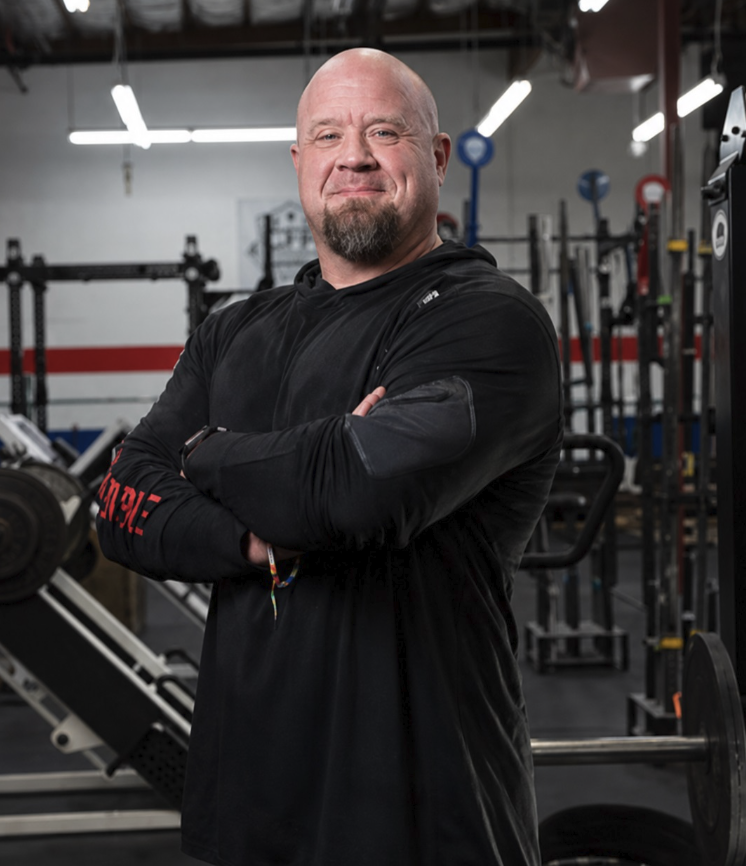
Jesse Burdick is a former Division I baseball player who moved into strength and conditioning after his playing career. Mentorship and relationships within powerlifting introduced him to the Westside Barbell and elitefts communities. He later worked beside clinicians in a San Francisco commercial gym, added movement and manual-therapy education, competed as an elite-level powerlifter across five weight classes, taught seminars, and coached athletes from developmental through professional levels. He has spent more than two decades in the field and leads The Weight Room in Pleasanton.
Make people stronger in ways that correspond with their lives and goals. Use a version of conjugate programming to organize the work, prioritize movement quality and fundamentals, and help training become something a person values rather than forces themselves to complete.
Strength and conditioning, powerlifting, conjugate programming, barbell technique, athlete development, speed and power, mobility and recovery, one-on-one coaching, online programming, direct communication, discipline, community, and long-term gym literacy.
About This Spotlight
Fitness Living Magazine™ selected this Spotlight for The Weight Room’s strength-first operating idea, Jesse Burdick’s long coaching and powerlifting background, the use of conjugate programming across levels, the gym’s broad service structure, its role in athlete development, and the way a serious strength room is deliberately built to function as a welcoming third place.
Fitness Living Magazine™ publishes these features to place local fitness leaders on the record about how their programs operate, what members experience, what standards guide the coaching, and what makes the business relevant to its local community.
Source material for this Spotlight consisted of Fitness Living Magazine™’s recorded July 30, 2026 interview with Jesse Burdick; the original The Weight Room Spotlight source package; the business photography supplied with the feature; The Weight Room’s official website and service pages; and a member testimonial published by the featured business.
This feature is editorial content and is not medical advice. Training descriptions, cancer-related context, injury or pain language, client stories, and reported outcomes reflect attributed source accounts; they do not establish medical efficacy, treatment, prevention, rehabilitation, survival benefit, or guaranteed results. Fitness coaching is not a substitute for diagnosis, cancer care, physical therapy, mental-health treatment, or other qualified healthcare. Readers with medical conditions, symptoms, pain, injuries, or treatment plans should consult appropriate healthcare professionals before beginning or changing exercise. Individual experiences vary.