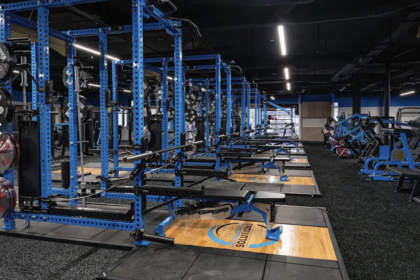
Recognized by Fitness Living Magazine™ For brain-based movement education, private coaching, pain-aware training, individualized progression, and a teaching-first approach to strength and confidence in Santa Monica.
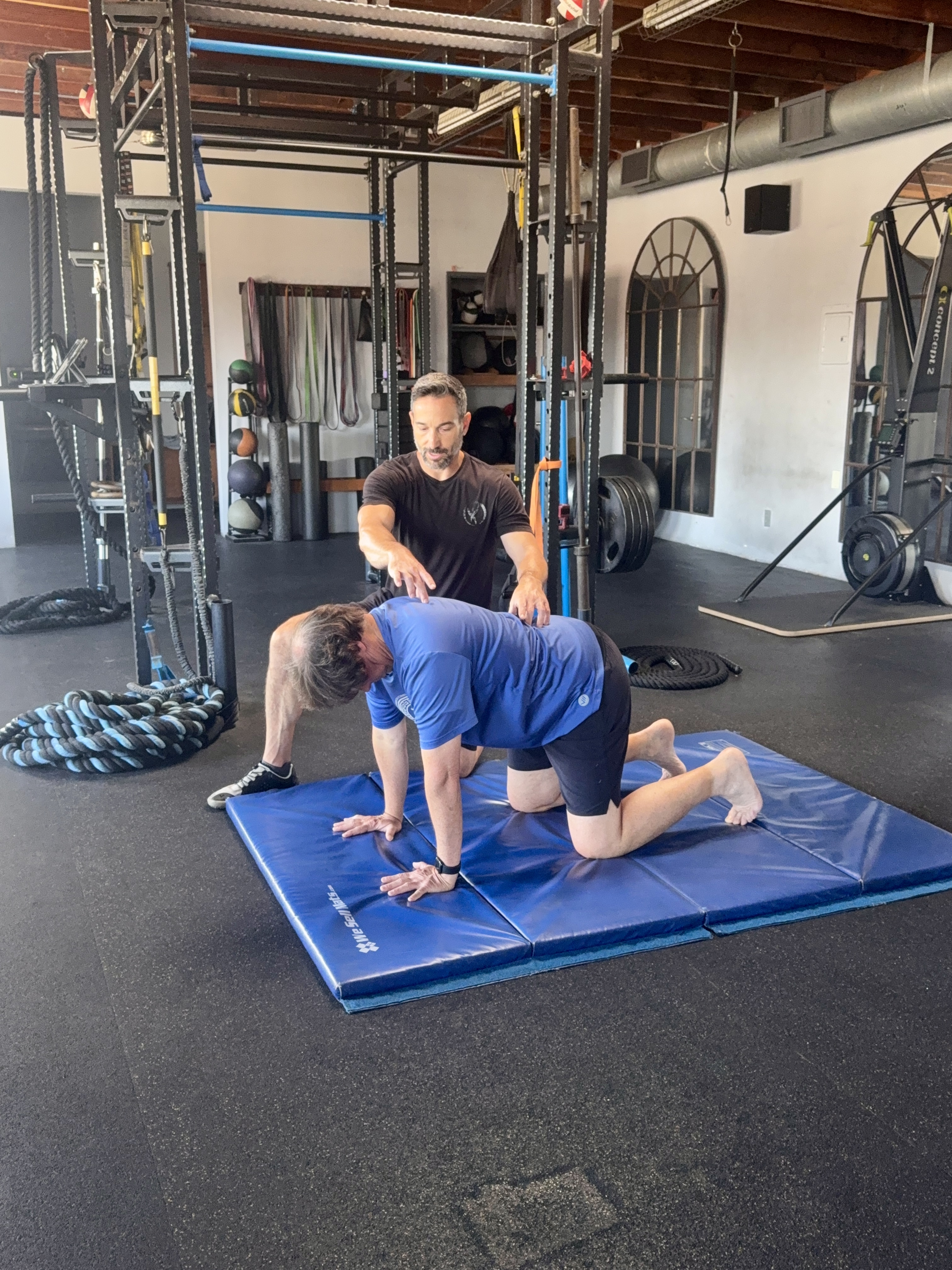
That evolution changed both the exercises he uses and the experience he wants a client to have. Aaron said the first job is to listen: understand the person’s history, goals, pain or injury background, confidence, and current state; assess movement and brain-based inputs; then build a progression that can be challenged without overwhelming the person. His shorthand for that standard is simple: stimulate, not annihilate.
“Our gym is a place for people who want to get out of pain, get stronger and live a more active, healthy lifestyle.”Aaron / Hybrid Fitness Training
The first signal is attention. Aaron described a process that begins with a real conversation, often 30 to 40 minutes or more, so he can understand what brought the client in, what has happened before, and what the person wants training to change.
The second signal is privacy. Hybrid Fitness Training operates inside a low-key private training gym rather than a traditional open membership club. Aaron said clients work directly with their trainer in a quieter environment where the emphasis is on individualized coaching rather than figuring out a crowded floor alone.
The deeper promise is education. Aaron wants clients to have some fun, learn something, and leave feeling better than when the session began. Over time, the goal is not only physical progress but more confidence, more useful knowledge, and a stronger sense of ownership over the body.
Aaron described a fitness career that began with an intensive six-month, roughly 500-hour personal-training education, continued through about seven years at Equinox, and developed into more than a decade running Hybrid Fitness Training. His leadership lens is deliberately humble: keep learning, listen closely, admit when something is outside his expertise, and treat the client’s goals, history, and current state seriously.
Inside Aaron’s Brain-Based Training Model
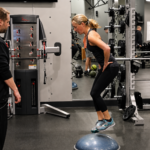
Aaron’s current work sits at the intersection of conventional strength training and a more specialized interest in the nervous system. He still uses familiar tools such as bodyweight movements, kettlebells, bands, isometrics, balance work, and progressive resistance, but he also looks at vision, vestibular input, coordination, proprioception, and the client’s day-to-day nervous-system state when deciding how to coach the session.
Hybrid Fitness Training is Aaron’s private training business in Santa Monica, combining individualized strength coaching with brain-based movement, nervous-system education, balance work, visual and vestibular drills, and pain-aware progression.
Aaron said the in-person experience begins with listening and assessment rather than a preset workout. Clients work directly with him, communicate how they are feeling that day, and progress according to their history, goals, readiness, and response to the work.
Hybrid Fitness Training’s current official online presence also offers remote coaching and app-based programs covering neuro priming, mobility, bodyweight training, kettlebell work, balance, and coordination.
Aaron grew up active in Prescott, Arizona, playing multiple sports and spending much of his childhood outdoors. After moving to Los Angeles in his early twenties, he decided that if he was going to become a trainer he wanted a serious educational foundation. He completed a six-month program he described as roughly 500 hours and based on NSCA principles, then joined Equinox around 2005–2006 and spent about seven years developing his craft there.
His approach changed more deeply after a difficult period in his own life roughly fourteen years before the interview. Aaron said physical, mental, and emotional health challenges pushed him to study the nervous system, neuroscience, breath work, meditation, and brain-body relationships. He came to see a gap between the end of formal rehabilitation and the everyday fitness setting where people still needed help rebuilding confidence, capacity, and a workable path forward.
A Private Training Model Built Around the Nervous System
This profile examines how Aaron combines a quiet private setting, individualized assessment, conventional strength work, and nervous-system-informed drills for clients who want a more measured path toward strength, balance, confidence, and better movement.
Aaron is not simply programming harder workouts. He uses client history, movement assessments, nervous-system inputs, communication, and coaching judgment to decide what kind of challenge belongs in the session.
The model may be especially relevant for adults with pain or injury history, people rebuilding confidence, clients who want balance and posture work, and athletes or older adults who need more individualized progression.
The working standard is “stimulate, not annihilate”: teach, assess, challenge safely, and build enough body awareness that the client understands why the work is being done.
A Career That Moved Toward the Nervous System
Aaron’s early career was rooted in traditional fitness: strength, athleticism, calisthenics, bodyweight work, kettlebells, and the practical challenge of helping people get stronger. Over time, the clients who changed his thinking were often the ones whose needs did not fit neatly inside conventional programming: people living with pain, prior injuries, concussions, balance issues, deconditioning, fear, or a long history of trying to figure things out on their own.
That experience led him toward what he calls brain-based training or movement neurology. The goal is not to turn every session into a neuroscience lecture. It is to use information from the nervous system—alongside movement, strength, and client feedback—to make better coaching decisions and to help the person feel more capable rather than more threatened by exercise.
The Brain-Based Difference
The most specialized part of Aaron’s method is the way he uses visual, vestibular, proprioceptive, cerebellar, balance, and coordination drills as part of the training picture. He described the visual and vestibular systems as especially useful sources of information because they influence how a person orients to the environment, balances, coordinates movement, and responds to challenge.
During the interview, Aaron said he may retest mobility, balance, posture, strength, or discomfort after a drill to see whether the client’s response changes. He also stressed that an immediate change is not the same as a permanent result. Instead, he treats the response as feedback: if a drill appears to help, it may become something the client practices consistently while the broader strength and movement plan continues.
The brain-based layer sits alongside familiar training tools. Aaron uses isometrics, bands, kettlebells, bodyweight work, balance practice, posture work, and progressive strength exercises. The method remains individual: some clients can move forward quickly, while others need a slower pace and gentler inputs before more demanding work makes sense.
Listen First, Then Train
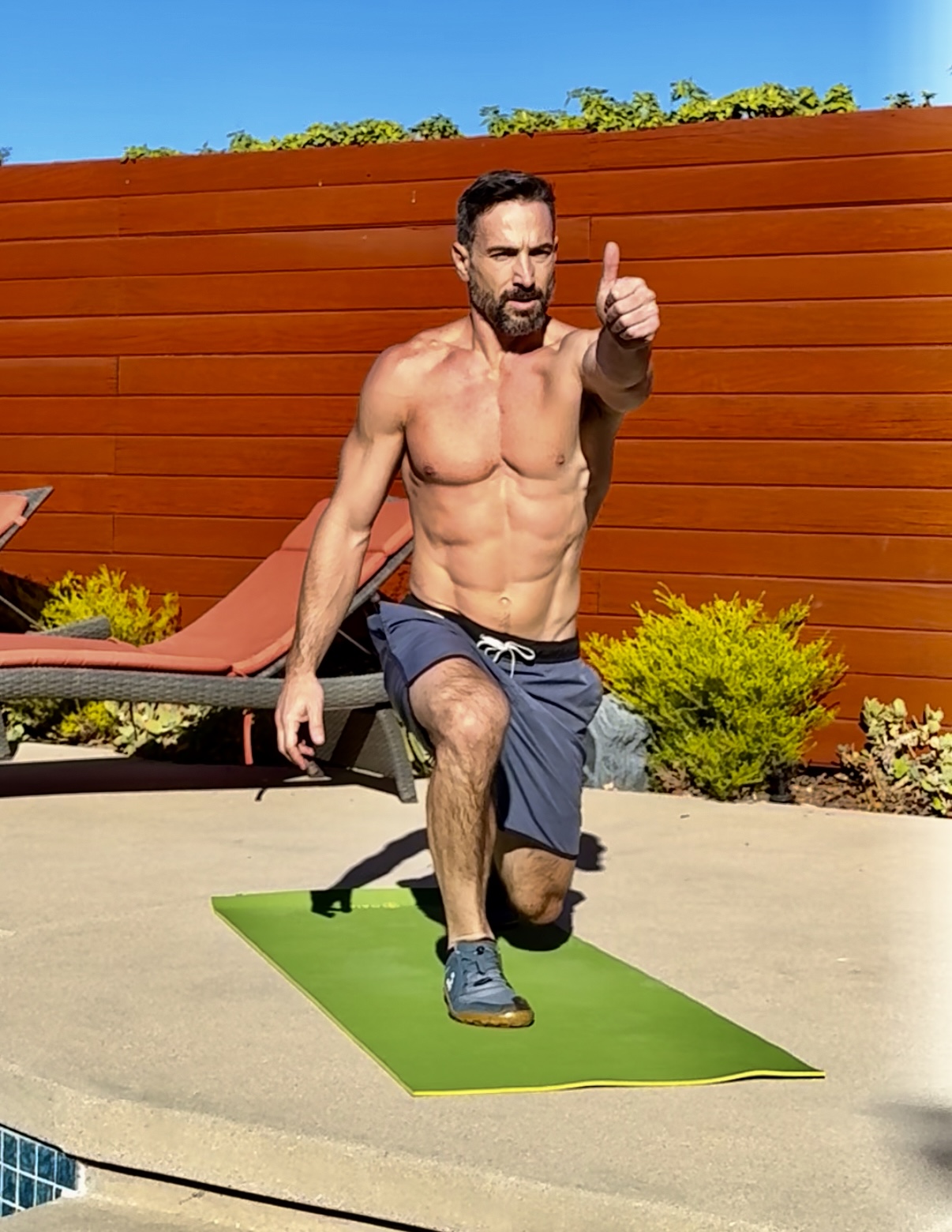
A new Hybrid Fitness Training client is meant to feel welcomed, safe, comfortable, heard, and understood. Aaron said his process begins with an in-depth conversation about history, goals, current challenges, and why the person decided to seek help now—not with an assumption that everyone needs the same workout.
He described consultations that may last 30 to 40 minutes or more, followed by movement assessments and brain-based assessments that help him build a clearer picture of the individual. Once training begins, he keeps communication active, asking how the client feels that day and adjusting the work when energy, stress, pain, or readiness has changed. His three session goals are deliberately human: have some fun, learn something, and feel better at the end than at the beginning.
Foundation, Confidence and Better Movement
When Aaron described the first 60 to 90 days, he did not frame the period as a quick-fix window. He compared it to remodeling a house: strip the process back to the foundation, teach the basics correctly, establish the method, and avoid skipping steps that may matter later. He said strength and conditioning can improve quickly, but the larger objective is to make the progress sustainable.
The early changes Aaron watches for include strength, balance, posture, movement quality, energy, confidence, and the client’s ability to tolerate challenge with less fear. He also described pain reduction as an outcome he sometimes observes in his practice, but individual responses vary and the training is not a substitute for medical diagnosis or treatment.
Hybrid Fitness Training’s distinction is not one neurological drill or one piece of equipment. It is the way privacy, communication, assessment, controlled loading, and education are combined to make training feel less like a test of toughness and more like a process of rebuilding capacity.
What Hybrid Fitness Training Offers
The service mix centers on individualized coaching and nervous-system-informed movement. Aaron’s interview described private training, pain-aware strength work, balance and coordination, injury-recovery support, online coaching, and app-based programs; the current official site also presents structured programs in neuro priming, mobility, bodyweight training, kettlebells, vestibular/balance work, and hand-eye coordination.
Who This Personal Training Approach May Be a Good Fit For
Aaron described his ideal client less by age or identity than by need: someone who wants to get stronger, move with more confidence, feel safe and heard in the process, and learn enough about their own body to become a more active participant in their health and training.
People who feel uncertain about returning to training may appreciate a private setting where Aaron starts with history, assessment, controlled progressions, and communication rather than immediately pushing intensity.
Midlife and older adults, or anyone concerned about balance, posture, confidence, and everyday capability, may value the combination of strength foundations, balance work, nervous-system education, and gradual challenge.
Clients who want to understand why an exercise is being used, how their body is responding, and what tools they can carry into daily life may be especially aligned with Aaron’s teaching-first approach to coaching.
“I’ve been using Aaron’s training sessions several times a week with great success. They’ve genuinely improved my body in every way, and I’m really grateful for that.”
Progress That Shows Up Beyond the Session
The client wins Aaron remembers most clearly are often practical. He described an older client with longstanding spinal-cord injuries who had difficulty with everyday tasks such as putting on socks, making a fist, turning his head, and driving comfortably. Aaron said that, after months of consistent work, the client began regaining some of those abilities and more independence in daily life.
He also recalled clients telling him that balance and fall-preparation work helped them catch themselves or respond better when they stumbled, a young athlete returning to water polo after a serious concussion, and former clients who still use drills months after formal training ends. These are Aaron’s reported experiences, not guarantees, but they explain why he measures success partly by what a client can do away from the gym.
Why Consistency Matters More Than Intensity
Aaron repeatedly returned to sustainability. He said the first two or three months are important because early strength, confidence, balance, and movement improvements can create momentum, but the larger goal is to build a foundation a client can keep using. His own example is instructive: after roughly twenty years in fitness, he said he still practices many of the rehabilitation and nervous-system drills he gives clients.
That makes consistency more important than a single punishing session. A client’s long-term progress depends on the repeated work: communicating honestly, practicing the useful drills, building strength progressively, recovering appropriately, and continuing to apply what has been learned outside the appointment.
The Client Who Regained Everyday Independence
One story stayed with Aaron because the meaningful progress was not a dramatic gym performance. It was the return of ordinary tasks a client had lost the ability or confidence to do.
Aaron described an older client with spinal-cord injuries who, when they began working together, had difficulty making a fist, turning his head comfortably, driving, and even putting on his own socks. The client was highly deconditioned and, according to Aaron, found the early training difficult enough that simply continuing to show up required commitment.
Aaron said that within roughly the first six months of a longer training relationship, the client was doing things he had not done in years, including putting on his own socks and driving with greater independence. Later, Aaron recalled receiving a message after the client tripped over a curb and fell; the client believed their balance and fall-preparation training helped him avoid a more serious injury.
What Aaron remembers most is the independence behind those moments. The story reflects his definition of success: not merely completing exercises, but helping a person build enough strength, balance, confidence, and practical skill to participate more fully in daily life.
Where Brain-Based Training Becomes Personal
Aaron’s method is most understandable when it is seen as a coaching relationship rather than a collection of unusual drills. The private setting gives him room to observe closely, communicate often, change the session when needed, and teach the client how movement, balance, vision, strength, and confidence interact.
Why the Private Training Environment Matters
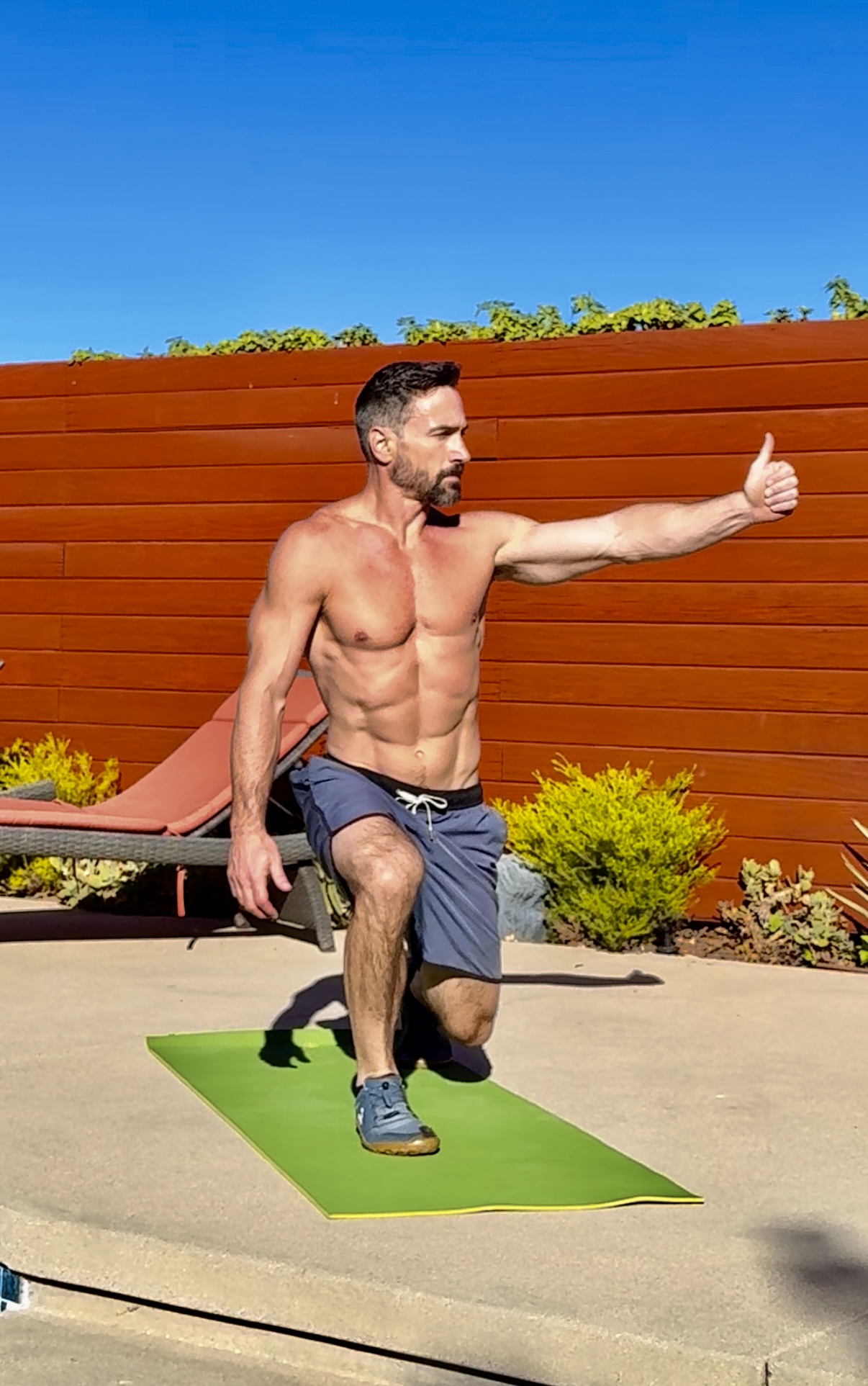
Aaron described the Santa Monica space as a private training gym rather than a conventional membership facility. The trainers work with their own clients, traffic is intentionally lower, and the roughly 2,500-square-foot second-floor space is designed around scheduled coaching rather than an open-floor crowd. For someone who already feels uncertain about fitness, that lower-key environment can remove a layer of social friction before the workout even begins.
The private feel also supports Aaron’s coaching process. He can spend more time on conversation, movement quality, assessment, and feedback without treating the session like a performance for the room. The tradeoff is important to note: Aaron said the space is upstairs and did not have elevator access at the time of the interview, which may make the in-person location unsuitable for some people with mobility limitations.
Why This Matters in Santa Monica
Santa Monica and the larger Los Angeles fitness market offer no shortage of trainers, studios, and workout options. Aaron’s challenge is therefore one of clarity: explain why his work is not simply general personal training. He has narrowed his niche around brain-based movement, nervous-system education, pain-aware progression, balance, injury history, and private one-on-one coaching.
Aaron said new clients find him through Google, Yelp, Instagram, referrals, and local search, while his online business has expanded through remote coaching and app-based programs. That gives Hybrid Fitness Training two distinct forms of access: a highly personal in-person experience for people who can train in Santa Monica and a digital option for people who cannot.
For a reader comparing personal-training options in Santa Monica, the distinction is concrete: this is a quiet private practice led by one coach who wants to know the client’s history, adjust the work to the day, build foundational strength, and use nervous-system-informed tools when they add value. The model is less about chasing the hardest possible session and more about making the next step appropriate enough to repeat.
Questions Readers Ask
Who Is Aaron From Hybrid Fitness Training?
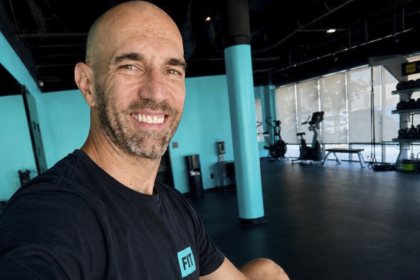
Aaron is the owner and trainer behind Hybrid Fitness Training in Santa Monica. In his June 2026 Fitness Living Magazine™ interview, he described roughly twenty years in fitness, an extensive early training education, about seven years at Equinox, and more than a decade building his own private training business.
What Does This Hybrid Fitness Training Santa Monica Review Highlight?
The Spotlight examines Aaron’s private personal training model, brain-based movement and nervous-system education, visual and vestibular drills, strength foundations, client experience, pain-aware progression, local Santa Monica setting, and the direct-conversation first step he recommends for prospective clients.
What Does Brain-Based Training Mean in Aaron’s Approach?
Aaron uses nervous-system information as part of coaching. Depending on the client, that can include visual, vestibular, proprioceptive, balance, coordination, posture, and movement drills alongside conventional strength training. He uses client response and retesting as feedback rather than presenting one universal drill for everyone.
What Does “Stimulate, Not Annihilate” Mean?
For Aaron, the phrase means a workout should challenge the person enough to create progress without treating exhaustion, pain, or being “crushed” as proof that the session worked. The amount of challenge changes according to the client’s history, current state, goals, and readiness.
Who May Hybrid Fitness Training Be a Good Fit For?
Based on Aaron’s interview, the approach may especially appeal to people rebuilding after pain or injury, adults who want a more controlled path toward strength and balance, and clients who value education, private coaching, communication, and learning how to become more confident in their own body.
What Is the Best First Step for a New Client?
Aaron said the process usually begins with direct contact by phone, text, email, social media, or his online presence. He prefers a short initial conversation or correspondence, followed by an in-person or online consultation if the fit makes sense, where history, goals, assessments, and a game plan can be discussed.
Key Takeaways
Aaron’s process begins with history, communication, and assessment before intensity. He wants the client to feel heard and understood before programming decisions are made.
Visual, vestibular, balance, coordination, and other brain-based inputs sit alongside strength work rather than replacing it.
“Stimulate, not annihilate” means challenge should be appropriate to the individual, with sustainable progress valued more than a punishing single session.
Aaron wants clients to leave with tools, confidence, and a better understanding of their own body so progress can carry into life outside the gym.
Conclusion
Hybrid Fitness Training’s story is not only about neuroscience or private personal training. The stronger idea is what those pieces are trying to solve: how to make exercise useful for people who may arrive with pain, injury history, fear, deconditioning, balance concerns, or simply the feeling that conventional fitness has asked too much too quickly.
Aaron’s answer is intentionally measured. Listen carefully. Teach the foundation. Challenge the client, but do not confuse punishment with progress. Use the nervous system as another source of information. Help the person leave with more confidence and knowledge than they had when they arrived. In Santa Monica, that creates a distinctive form of personal training: serious enough to be technical, but restrained enough to remain personal.
Aaron
Aaron’s interview describes a coaching career built around continued learning, private one-on-one attention, strength foundations, pain-aware progression, nervous-system education, and a belief that clients should be challenged intelligently rather than exhausted for its own sake.
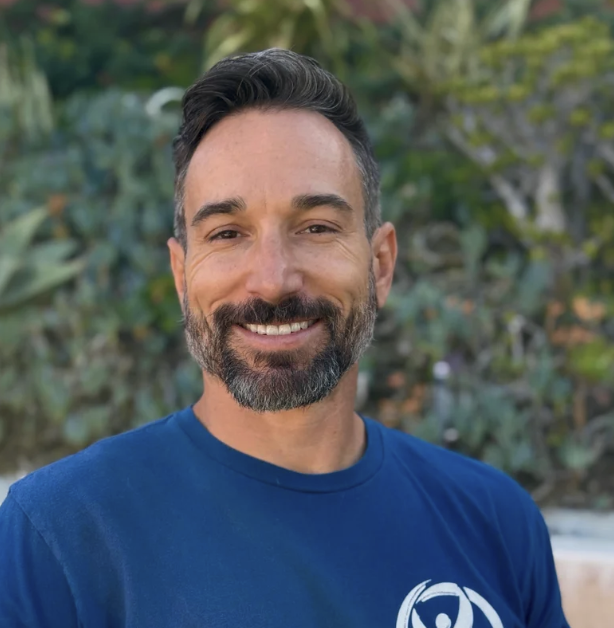
Aaron grew up in Prescott, Arizona, moved to Los Angeles in his early twenties, completed an extensive personal-training education, and spent about seven years at Equinox before building Hybrid Fitness Training. His current official profile describes him as an NSCA-certified personal trainer, Z-Health practitioner, and Applied Movement Neurology Practitioner with a long-running focus on strength, movement, neuroscience, pain, balance, and nervous-system-informed coaching.
Help clients feel safe, heard, valued, and progressively stronger. Build a foundation, regulate the amount of challenge, teach the reason behind the work, and use “stimulate, not annihilate” as a reminder that intensity should serve the person rather than dominate the session.
Private personal training, brain-based movement, movement neurology, visual and vestibular drills, balance, coordination, pain-aware strength work, injury-recovery support, kettlebells, bodyweight training, isometrics, mobility, posture, continued education, and client empowerment.
About This Spotlight
Fitness Living Magazine™ selected this Spotlight for Hybrid Fitness Training’s private coaching model, Aaron’s two-decade training background, his source-supported “stimulate, not annihilate” philosophy, the integration of strength work with brain-based movement and nervous-system education, the detailed client-experience process, and the way the approach is positioned for people who need more individual context than a generic workout provides.
Recognized by Fitness Living Magazine™ for brain-based movement education, private coaching, pain-aware training, individualized progression, and a teaching-first approach to strength and confidence in Santa Monica.
Fitness Living Magazine™ publishes these features to place local fitness leaders on the record about how their programs operate, what members experience, what standards guide the coaching, and what makes the business relevant to its local community.
Source material for this Spotlight consisted of Fitness Living Magazine™’s recorded June 17, 2026 interview with Aaron, the original Hybrid Fitness Training Spotlight source package including supplied training photography and client-review material, and Hybrid Fitness Training’s current official Playbook page, which was used to confirm Aaron’s current public profile and the present online program categories.
This feature is editorial content and is not medical advice. Training descriptions, neurological or pain-related terminology, client stories, and outcomes reflect Aaron’s account, supplied client material, and current public business information; they do not establish medical efficacy or guaranteed results. Hybrid Fitness Training is a fitness service, not a substitute for diagnosis, treatment, physical therapy, or other qualified healthcare. Individual experiences vary, and readers should consult appropriate healthcare professionals before beginning or changing an exercise program when relevant.