Recognized by Fitness Living Magazine™ For rhythm-based indoor cycling, judgment-free coaching, community leadership, beginner accessibility, and a studio culture built around mental wellness and belonging in Redding.
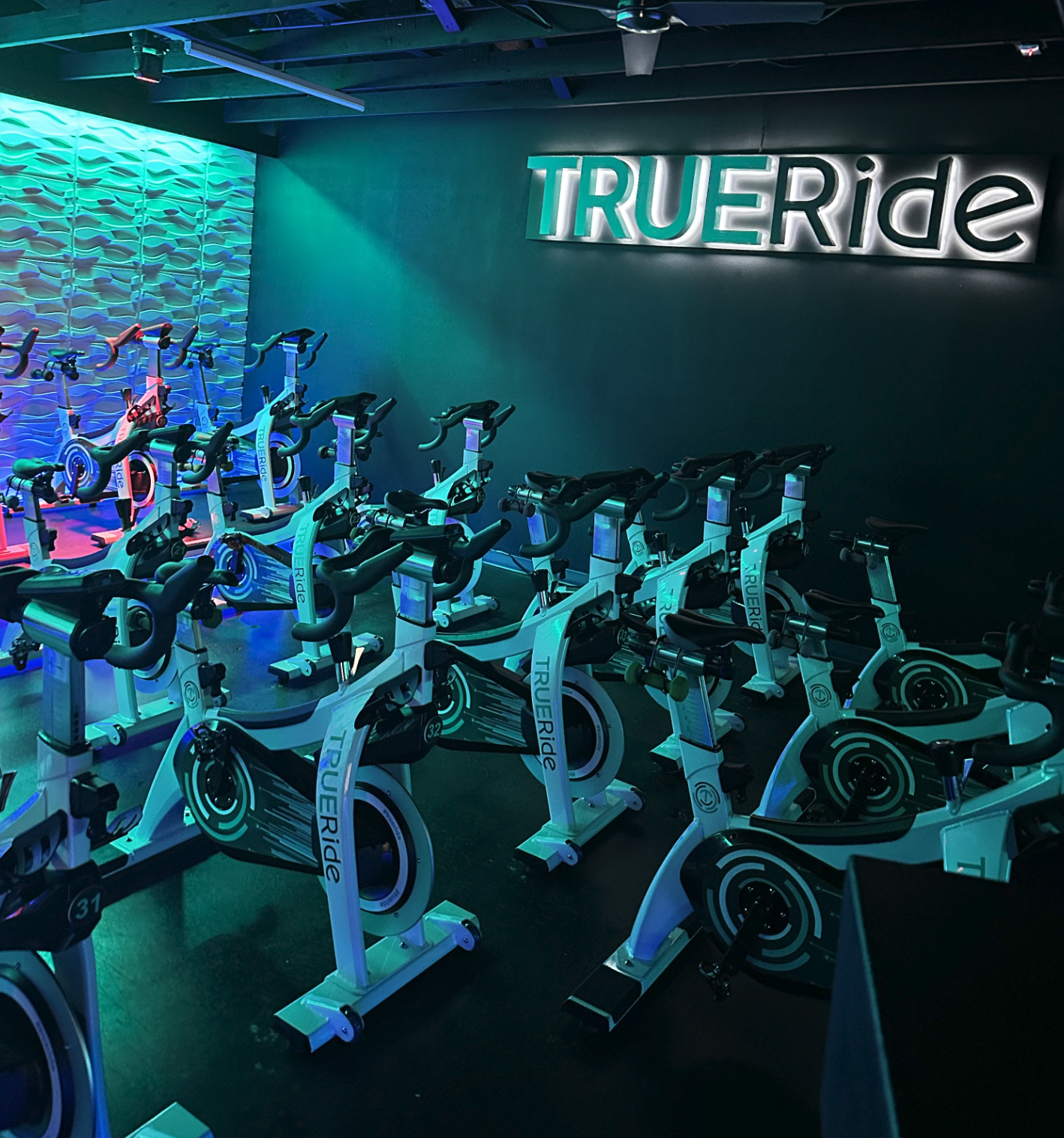
For Christina Prosperi, that separation is not theater for its own sake. She was a rider at TRUE Ride for years before becoming an owner, and she describes the room as a place where a busy mind can narrow its focus. Members are not asked to compete on a leaderboard or prove that they belong. They are asked to show up, work at the level they have that day, and leave with enough energy and perspective to return to the rest of life.
“Come fill your cup, come be a clearer human, come take a pause and reset, so you can go back out into your community and do better.”Christina Prosperi, Owner and Coach / TRUE Ride Studio
The welcome comes before the workout. Christina says staff make eye contact, greet riders by name, ask about their lives, and make space for a good day or a difficult one. New riders are not expected to know the choreography before they enter.
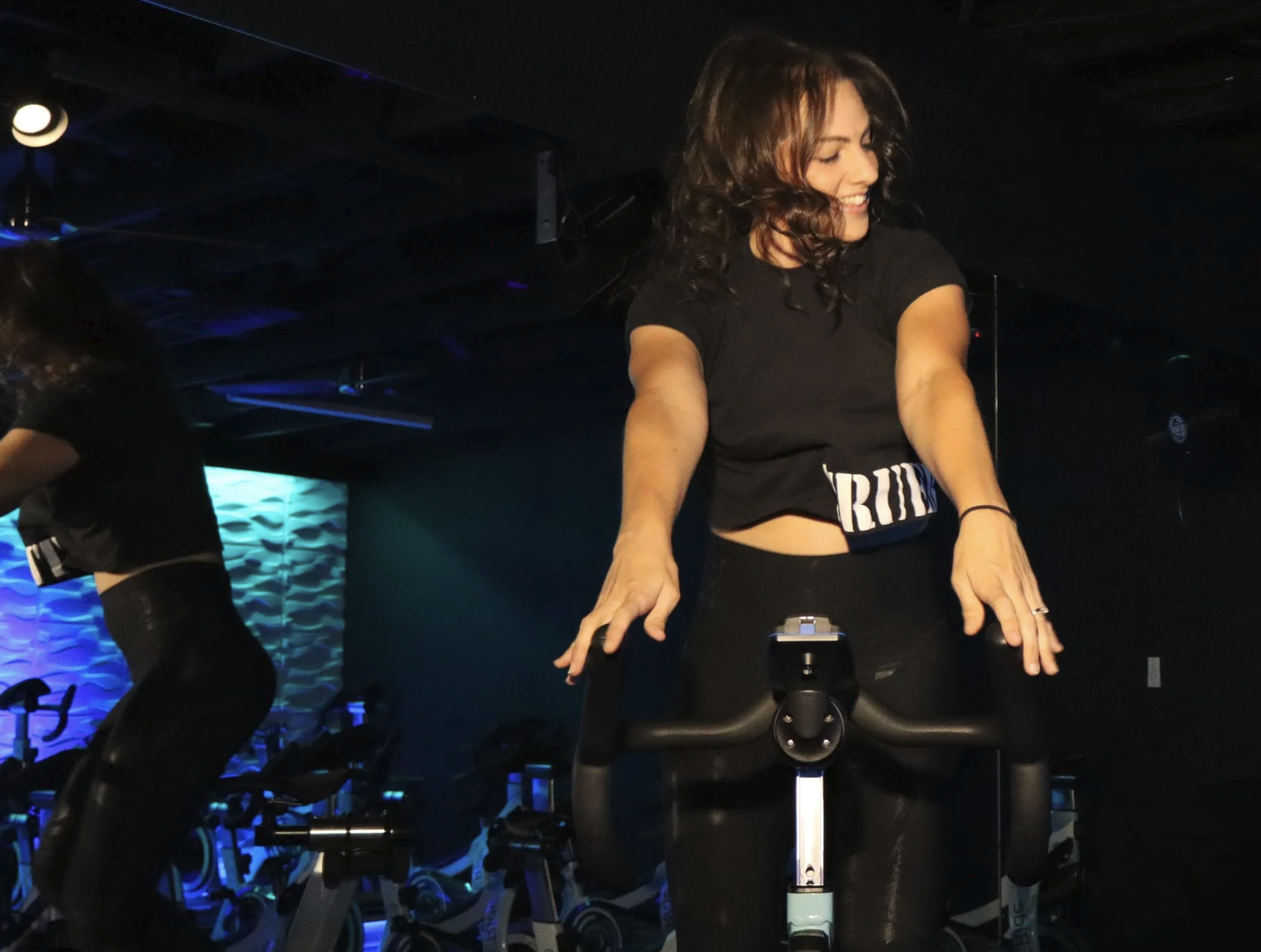
Once the class begins, the room becomes intentionally immersive. The lights go down, attention comes to center, and the coach guides the ride through music, rhythm, effort, and encouragement. Members can stay seated, change the intensity, or simply keep their legs moving if that is what they need.
The class closes with a softer stretch, a cold eucalyptus towel, and high fives on the way out. Christina’s standard is not that every rider finishes looking impressive. It is that each person can leave proud of having shown up.
Christina describes herself as a service-driven leader. Her work at TRUE Ride combines coaching, business ownership, and community involvement, while she repeatedly credits the studio’s coaches and support staff for carrying the same welcoming standard into each rider interaction.
Why the Room Goes Dark
Christina’s relationship with TRUE Ride started from the saddle. She had been riding there for four or five years when the previous owners decided to sell. The class gave her something she valued deeply: a structured 45 minutes in which a fast-moving brain had to become present. When she realized the studio might close or change, she and her husband decided to buy it despite having full-time jobs, three children, and no previous small-business ownership experience.
TRUE Ride Studio is a locally owned indoor cycling studio in Redding, California, led by Christina Prosperi and built around music, immersive lighting, encouragement, and a mental-wellness-first view of fitness.
Members can choose among foundational, rhythm-based, endurance-focused, and strength-forward ride formats. The studio’s current public class lineup includes TRUE Start, TRUE Ride, TRUE Performance, and POWER Ride.
New guests can claim a free ride through the studio’s current website, and the studio asks first-time riders to arrive early enough for help with setup before class begins.
Christina grew up in Redding and describes herself as third generation in the city. Her career before full-time studio ownership was public service, including work with Caltrans and leadership connected to Complete Streets. The through-line, in her telling, was always service: helping people move through their communities, supporting nonprofits, and using education and leadership to leave something better behind.
Inside the TRUE Ride Experience
This profile examines how TRUE Ride combines an immersive cycling room, low-pressure coaching, multiple class formats, strong member relationships, and local service into one recognizable studio experience.
The coaching emphasizes internal effort and resilience rather than rankings, shame, or public comparison.
Beginners, experienced riders, parents, youth riders who can fit the bike safely, and members who need different levels of intensity or lighting.
A clean boutique setting, a close-knit staff culture, community partnerships, and a free first ride keep the entry point welcoming and local.
From Rider to Owner
Buying the studio did not erase the role Christina valued most. She deliberately kept three relationships with TRUE Ride: rider, coach, and owner. She still takes other coaches’ classes, still leads rides herself, and still handles the strategic side of the business. That balance matters to her because she has seen how ownership can turn something a person loves into nothing but administration.
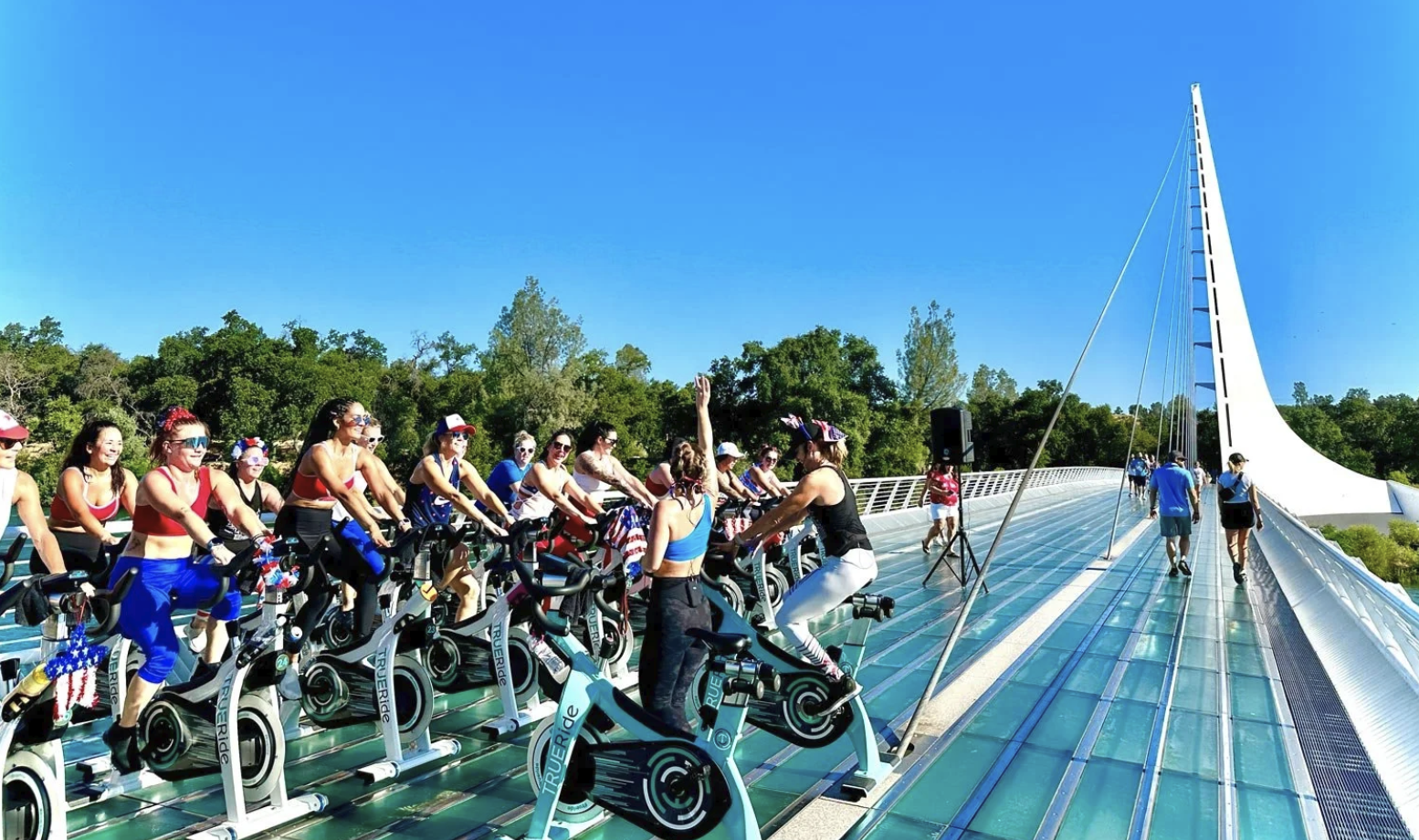
The studio also became a larger platform for the service work she was already drawn to. Christina described fundraisers, nonprofit partnerships, and local events as part of how TRUE Ride should operate. She prefers visibility that keeps attention and dollars close to Redding: supporting community causes, participating in local events, and meeting people directly rather than treating marketing as something separate from service.
Why Encouragement Comes Before Performance
Christina’s coaching logic begins with permission to try. She does not expect a new rider to know the choreography, stay out of the saddle for a full interval, or move at the same intensity as the person on the next bike. A coach may invite a rider to attempt 30 seconds of a 60-second effort, then treat the attempt itself as progress rather than evidence of failure.
That approach gives the member a different internal script. The coach can encourage, but Christina believes long-term consistency depends on the rider developing a stronger voice of their own: I can try this, I can ask a question, I can be new at something, and I do not have to tell myself no before I begin.
Known Before the Lights Go Down
TRUE Ride aims to make the emotional barrier to entry smaller before asking a member to do anything difficult.
Christina’s description of the front desk is unusually specific: names remembered, eye contact, smiles, questions about family, and a willingness to meet a hard day with compassion rather than pressure. A quieter member who does not want conversation still receives the same welcome. The idea is to make belonging visible enough that people know support is there if they need it.
Build Resilience You Can Carry Outside
Christina says TRUE Ride focuses less on physical results and more on mental ones. She frames fitness as mental health wrapped in something physical: the bike creates a place to practice staying with discomfort, trying again, adjusting expectations, and discovering that a difficult effort can be survived without shame.
Physical changes can follow consistency, but she does not want food, body size, or public scores to become the emotional center of the program. In her view, people often begin making healthier choices because they want to keep feeling capable in class, not because a coach has made those choices a condition of belonging.
“We focus less on physical results and more on mental ones. Fitness is really your mental health wrapped up in something physical.”Christina Prosperi, Owner and Coach / TRUE Ride Studio
The more distinctive part of TRUE Ride is not darkness, music, or choreography. It is the way the studio uses those elements to make trying feel safer than opting out.
That matters because the barrier Christina describes is often psychological before it is physical. The first win is not a speed, resistance number, or body-composition change. It is a member deciding they are allowed to enter the room before they feel fully ready.
What TRUE Ride Studio Offers
TRUE Ride’s current public lineup gives riders several ways to choose intensity and style without abandoning the studio’s community-centered identity.
“True Ride indoor cycling studio has exceeded all expectations I’ve ever had. I have become the healthiest and happiest since I’ve stayed going in January 2025.”
Designed for People Who Think They’re Not Ready
The message Christina says she repeats most often is simple: you do not have to be in shape before you come. You do not need to know the choreography. You do not have to earn your place by performing well on day one. A rider can sit in the corner, move their legs, and let that count.
That openness also shapes membership behavior. Christina described allowing people to pause when life changes rather than using guilt to pull them back into class. Parents have seasons, jobs change, school starts, older relatives need care, and summer can reorder a family schedule. TRUE Ride’s position is that members can go live that season and return when the studio fits again.
What Consistency Makes Visible
The transformations Christina values most often happen away from the bike. A member applies for a job they once would have talked themselves out of. Someone becomes more willing to ask questions, be new at something, or tolerate the embarrassment of not being good yet. In Christina’s language, trying replaces telling yourself no first.
Inside the studio, the same pattern can be smaller: staying out of the saddle a little longer, learning a combination that once felt impossible, or simply returning after a difficult week. The result she wants is not perfection. It is evidence that the member can keep showing up with curiosity and self-respect.
Morgan’s Return to Herself After Becoming a New Mom
Christina points to Morgan, a young mother who came to TRUE Ride after the birth of her first child, as an example of the kind of progress the studio values.
According to Christina, Morgan described feeling lost in the changes that followed pregnancy and early motherhood. TRUE Ride became a place where she could be supported without pretending everything was easy. She could ride, cry if she needed to, receive hugs and high fives, and begin reconnecting with the person she was becoming rather than trying to return to an older version of herself.
Christina says Morgan later described feeling stronger and more connected to herself, her husband, and her child. The importance of the story, in Christina’s telling, is not a guaranteed fitness outcome. It is what can happen when a person has a reliable place to move, be around other people, and work through a difficult season without being judged for it.
A Coaching Culture Built Around the Room, Not One Personality
Christina repeatedly credits the coaches, support staff, and riders who make TRUE Ride feel consistent from one class to the next. The culture is meant to be shared, not performed by one owner.

Why This Matters in Redding
Christina’s local strategy is unusually consistent with her coaching philosophy. Rather than separating community service from marketing, she treats them as the same opportunity. TRUE Ride has supported local causes through donation-based rides and community events, and Christina described preferring sponsorships and direct local participation to spending heavily on digital advertising.
The studio also fills a practical role in a city where intense summer heat and rainy seasons can make indoor movement appealing. For riders who want a boutique alternative to an open gym, TRUE Ride offers a specific environment: a dedicated cycling room, multiple class formats, a free new-guest ride, and a culture where the hardest first step may simply be walking through the door.
Questions Readers Ask
Who Is Christina Prosperi?
Christina Prosperi is an owner and coach at TRUE Ride Studio in Redding, California. A third-generation Redding native, she worked in public service before moving into full-time studio ownership. She had been a TRUE Ride member for years before she and her husband purchased the business.
What Does This TRUE Ride Studio Redding review Highlight?
It highlights TRUE Ride’s mental-wellness-first philosophy, its rhythm-based and endurance-focused indoor cycling formats, its no-ranking approach, Christina Prosperi’s service-driven leadership, the studio’s beginner support, and the role community plays in the member experience.
Is TRUE Ride Studio Beginner Friendly?
Yes. TRUE Start is designed for beginners and riders who want more guidance with bike setup and technique, and Christina repeatedly emphasizes that members do not need to know the choreography or be in shape before they begin.
Does TRUE Ride Use Leaderboards or Screens?
The studio’s current public description of TRUE Ride says there are no rankings or screens. Christina’s interview likewise emphasized self-directed effort rather than public comparison.
What Is the Best First Step for a New Rider?
TRUE Ride’s current website offers a free ride for new guests. First-time riders are asked to arrive at least 15 minutes early so the team can help with bike setup and preparation before class.
Key Takeaways
TRUE Ride treats the workout as a way to practice resilience, reset attention, and leave the room better prepared for ordinary life.
Members are greeted, supported, and given permission to work at the level they have that day without rankings or shame.
TRUE Start, TRUE Ride, TRUE Performance, and POWER Ride create different entry points for skill, rhythm, endurance, and strength.
Local partnerships, donation rides, high fives, and member relationships are treated as central to the studio rather than secondary to the workout.
Claim Your FreeNew-Guest Ride
TRUE Ride’s current website invites new guests to begin with a free ride. The studio’s low-pressure entry point fits Christina’s broader philosophy: experience the room first, learn how the bike and coaching work, and decide what type of riding fits your season of life.
First-time riders are encouraged to arrive at least 15 minutes early so the team can help with bike setup, shoes, and the room before class begins.
Once the ride starts, members can work at the level they have that day. The goal is not to know everything on day one; it is to participate, learn the experience, and leave proud they showed up.
Claim A Free RideConclusion
TRUE Ride Studio is not distinctive simply because the room is dark or the music is loud. The stronger idea is what Christina Prosperi asks the room to do: give people a place to try without shame, work hard without being ranked, belong without having to explain everything they are carrying, and leave proud that they showed up.
That philosophy is visible from the first greeting to the last high five. A new rider can start with a free guest ride, a longtime member can choose a more demanding format, and someone moving through a difficult season can use the same 45 minutes as a place to reset. The common thread is that the bike is a tool, but the intended result is a more resilient human.
Christina Prosperi
Christina Prosperi leads TRUE Ride from the perspective of a longtime rider, a coach, a business owner, and a community-minded public servant who believes fitness can strengthen the mind as much as the body.

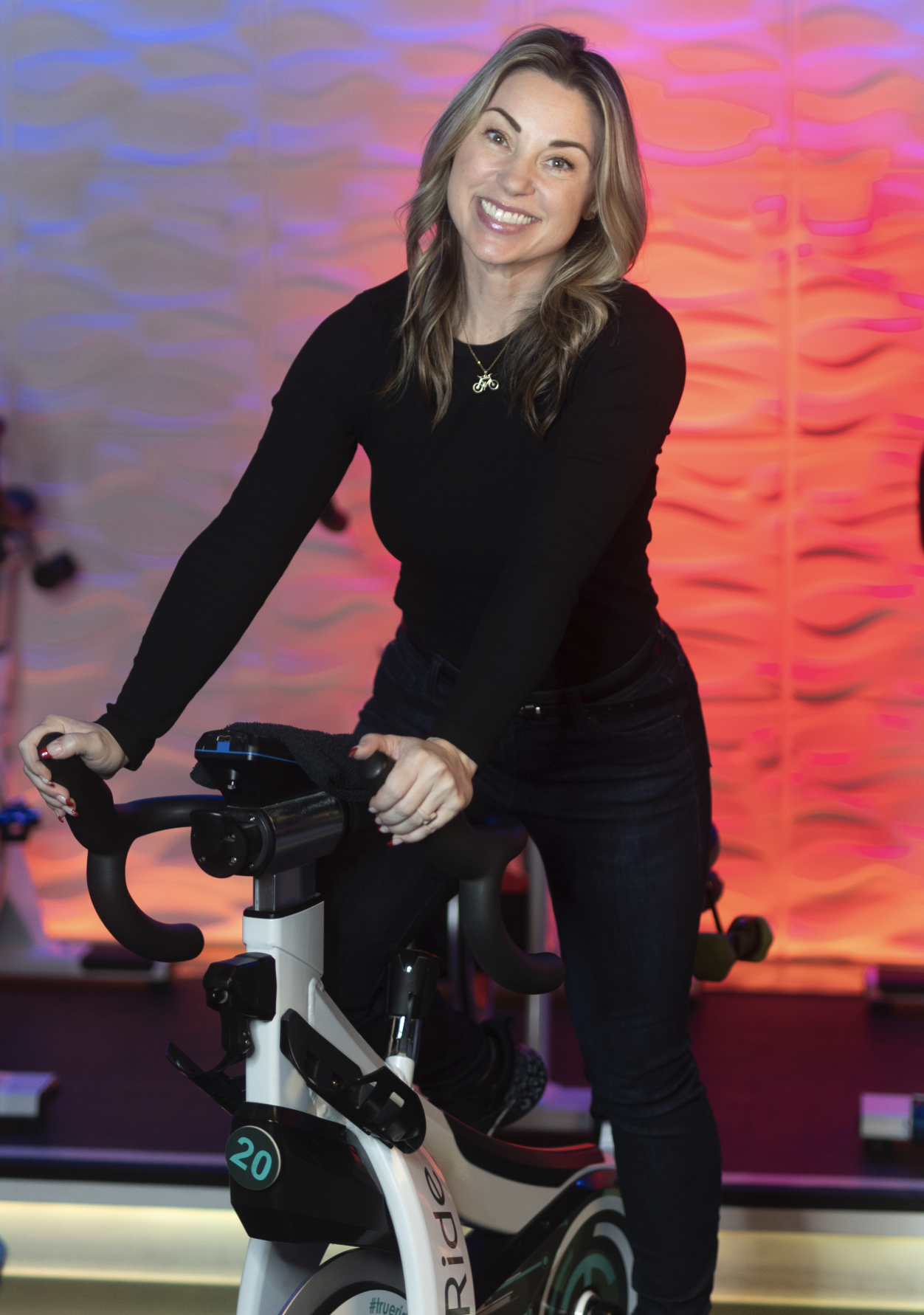
Christina Prosperi was born and raised in Redding and describes herself as a third-generation local. Before making TRUE Ride her full-time work, she built a career in public service, including transportation work with Caltrans. She had been a rider at TRUE Ride for years before she and her husband bought the studio, a decision driven by the fear that a space she valued might disappear or lose the culture that made it matter.
Create a place where people can pause, reset, try hard things without shame, and carry the resulting confidence back into their families, work, and community.
Indoor cycling, rhythm rides, beginner education, endurance-focused riding, strength-forward ride formats, inclusive coaching, mental wellness, member relationships, community service, and nonprofit partnerships.
About This Spotlight
Fitness Living Magazine™ selected this Spotlight for TRUE Ride Studio’s mental-wellness-first coaching philosophy, multiple indoor-cycling formats, beginner accessibility, source-supported member stories, service-driven leadership, and sustained local-community involvement.
Fitness Living Magazine™ publishes these features to place local fitness leaders on the record about how their programs operate, what members experience, what standards guide the coaching, and what makes the business relevant to its local community.
Source material for this Spotlight consisted of the recorded Fitness Living Magazine™ editorial interviews with Christina Prosperi, owner-approved TRUE Ride Studio photographs and caption assets, member feedback supplied for editorial use, and TRUE Ride Studio’s official website used to verify current class names, the new-guest offer, contact details, and first-visit guidance.
This feature is editorial content and is not medical advice. Training descriptions, methods, and outcomes reflect the featured leader’s account and individual experience, and results differ from person to person. Readers should consult a qualified healthcare professional before beginning any new exercise program.