This Holland Fitness and Performance San Ramon review looks at Robert Holland’s Speed for Your Sport system, physiological assessment, athlete development, strength and conditioning, and accountability-based coaching.
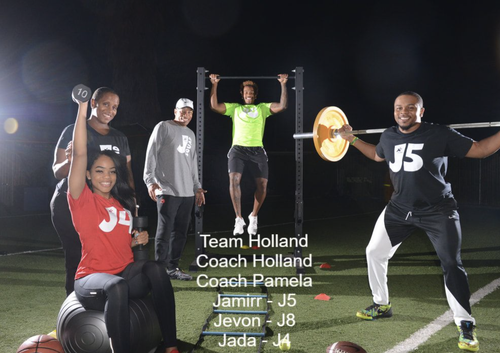
The business grew from a garage and a crowded cul-de-sac into Holland Fitness and Performance, where Robert said the goal is to understand the person physiologically and psychologically, identify the starting point, build a route toward the goal, and hold the athlete or client accountable to the work required to get there.
“Life is a sport. Train for it. Organize your life for the success that you’re looking for.”Coach Robert Holland / Holland Fitness And Performance
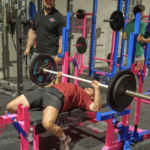
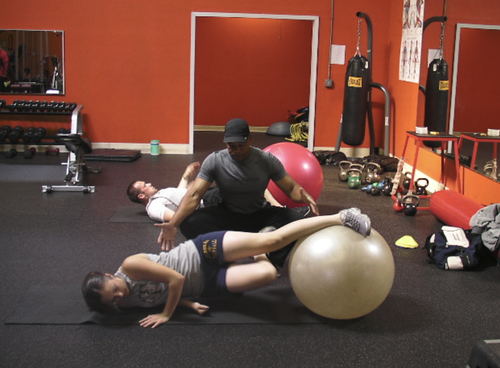
The first signal is that the facility was designed around movement. Robert described roughly 3,500 square feet with a 20-yard turf runway, rubber training space, a dedicated speed room with treadmills, and a back room used for jumping and plyometric work.
The second signal is evaluation. Robert said he wants new clients to understand that the gym is not a place where everyone receives the same routine. His goal is to learn how someone moves, what they want, how much time they can commit, and what kind of coaching pressure or accountability will help them grow.
The deeper promise is direction. Whether the client is a young athlete learning how to jump and land, a high-school player chasing a scholarship, or an adult working on fitness, Robert’s stated standard is to make the path specific enough that the person understands what they are working toward and why.
Robert described his business as both an expression of his life in sport and a form of community service. He traced that outlook to parents who taught, served, and helped people in their own community, and said the gym gives him a way to help athletes, parents, and fitness clients become stronger, healthier, more capable, and more disciplined.
Inside The Holland Fitness And Performance Model
Robert Holland’s coaching story spans backyard sport, junior college, a scholarship, professional football, strength and conditioning work in Canada, athletic-development leadership, corporate fitness management, and independent coaching. The through line is less about one exercise system than one belief: if training is real, the result should transfer into what the person actually needs to do.
Holland Fitness and Performance is a San Ramon performance gym led by Coach Robert Holland, whose interview describes a coaching model centered on Speed for Your Sport, full assessment, strength and conditioning, personal coaching, and custom planning for athletes and fitness clients.
Robert said the gym serves people across a wide age and performance range, from children learning basic athletic movement skills to high-school, college, and professional athletes, as well as adults seeking more structured fitness coaching.
His stated first step is a physiological assessment that helps establish the starting point before a custom plan is built around goals, movement, performance needs, and realistic time commitment.
Robert said he was the second-youngest of eleven children and grew up with sport as an everyday part of life. Older athletes and mentors helped him see what training could change, and he carried that experience from high school to junior college, a scholarship, professional football, and then a long stretch in Canada where he began learning from strength and conditioning professionals working across winter sports and traditional field sports.
After retiring from professional sport in 1999, he moved further into coaching. He described becoming director of athletic development at the Human Performance Center in Vancouver, programming for roughly 40 sports, then starting an independent class that grew quickly. Years later, after returning to California and learning the commercial fitness side at 24 Hour Fitness, he left the corporate setting, cleaned out his garage, and began building the business that became Holland Fitness and Performance.
Assessment Before Programming
This profile examines how Robert Holland uses assessment, sport-specific speed work, strength development, periodized planning, and accountability to create training paths for clients with very different starting points.
The coaching process begins with a broad physiological assessment instead of dropping a new athlete directly into a generic workout.
Robert described working with youth athletes, high-school and college athletes, professional players, adults, and fitness clients whose goals require different starting points.
Speed for Your Sport gives the gym a clear operating identity: movement, sprinting, jumping, change of direction, and strength are coached for practical transfer.
From Professional Athlete To Community Coach
The business did not begin as a polished facility. Robert described starting in his garage and training anyone willing to buy into his service. As more athletes and clients arrived, the cul-de-sac filled with parents and parked cars until the setup had clearly outgrown the neighborhood. The first dedicated location followed in Pleasanton, and the San Ramon gym opened later as the next stage of that growth.
Robert said the meaning of the work goes beyond performance metrics. He sees the gym as a form of giveback: a place where parents trust him with their children’s ambitions, adults ask for help with their health and fitness, and his own knowledge can be used in the community rather than kept as private expertise.
Speed For Your Sport: Training That Transfers
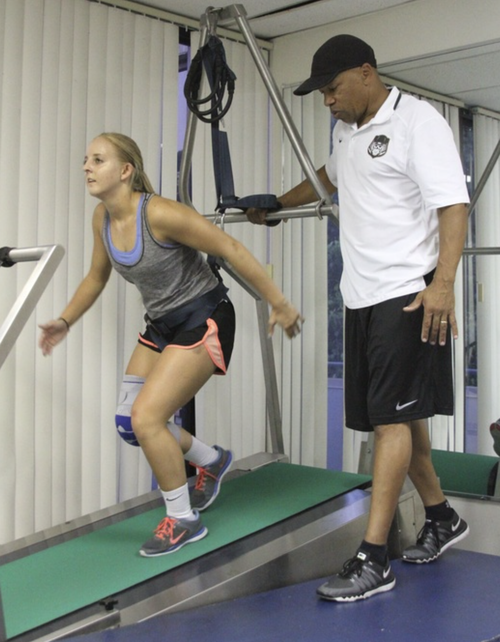
When Robert was asked what he is best known for, he returned to Speed for Your Sport. The phrase is deliberately literal. He teaches athletes how to run, sprint, change direction, jump, land, and improve the movement qualities that support their actual sport instead of treating speed as a separate performance showpiece.
That transfer standard also changes the way he looks at age and development. A six-year-old may need to learn high knees, a lateral shuffle, a broad jump, or how to land without falling forward. A high-school player may need enough sprint mechanics and speed development to compete for a scholarship. A college or professional athlete may need a more advanced layer of the same movement principles. The exercises change because the athlete changes.
Robert’s larger rule is that evidence matters. In his words, “if it’s real, then it should translate.” The training floor is therefore meant to connect technique, speed, strength, preparation, and accountability to what happens on the field, court, track, or in ordinary fitness life.
Designed To Make The Athlete Feel Seen And Challenged
Robert said he wants someone walking through the door to understand that the facility was designed for them, that the coach intends to learn who they are physically and psychologically, and that growth will sometimes require being pushed outside a comfortable range.
The operational side of that experience is just as specific: assessment before programming, a custom plan, direct coaching, homework outside the gym, and frequent conversations about whether the athlete or client is actually doing what the goal requires.
Discipline, Consistency And Athlete Development
Robert summarized his training philosophy as a “periodized, consistent plan.” He described changing training variables over time instead of repeating the same workout indefinitely, while keeping the athlete accountable to preparation outside the session: eating, sleeping, mental readiness, homework, and the discipline to keep working the plan.
The underlying idea is adaptation. Robert’s interview connected resistance, changing demands, movement variation, and repeated effort to the body’s ability to respond. Fitness Living Magazine™ treats the more technical physiology claims in the interview as Robert’s coaching perspective rather than independent medical or metabolic guidance.
Holland Fitness and Performance’s distinction is not intensity for its own sake. It is the attempt to connect assessment, movement mechanics, sport-specific speed, strength, preparation, and accountability into one visible route from starting point to performance goal.
What Holland Fitness And Performance Offers
The service mix centers on performance development and individualized coaching. Robert’s interview emphasized Speed for Your Sport, assessment, personal coaching, strength and conditioning, fitness training, and a broader ambition to support teams and organizations.
Who This Performance Gym May Be A Good Fit For
Based on Robert Holland’s interview and the way the business is structured, Holland Fitness and Performance may be especially relevant for people who want a defined performance goal, an assessed starting point, and coaching that expects follow-through.
Youth, high-school, college, and sport-focused athletes may value Robert’s emphasis on sprinting, jumping, change of direction, movement mechanics, and strength that is meant to show up in competition.
Adults and fitness clients who want a plan, regular accountability, and specific guidance around training habits may appreciate a coaching relationship that extends beyond the hour spent in the gym.
Clients who prefer to understand their starting point before committing to a program may find the full assessment and custom-plan process especially relevant.
“The Program transformed my son from an average athlete in Middle School to winning Athlete of the Year for his High School along with multiple All-league awards and playing at the collegiate level.”
Why Training Transfer Matters
Robert’s favorite progress stories are not all the same size. He described getting real satisfaction from a six-year-old learning how to jump and land, a high-school athlete improving sprint performance in pursuit of a scholarship, and a baseball player reaching professional baseball. The common thread is that the skill learned in training becomes useful in the person’s actual goal.
That is why he distinguishes between youth, high-school, college, professional, and adult fitness clients. The starting point, psychology, movement literacy, and training demands are not interchangeable. The program has to change with the person if transfer is the standard.
What Consistency Makes Visible
Robert said performance athletes who follow the plan may begin noticing changes within roughly 10 days to two weeks, while longer-term fitness transformation depends on sustainable habits and consistency. Fitness Living Magazine™ treats those timelines as Robert’s reported coaching experience, not as a universal promise.
His broader measure is whether the client is doing the work required by the goal. He described progress review as a daily and weekly process. If progress stalls, his instinct is not to assume the plan is working; it is to look at attendance, homework, preparation, sleep, nutrition, effort, and whether the athlete is actually meeting the commitment the program requires.
The Athlete Chasing A Football Scholarship
One story Robert highlighted involved a high-school rugby player who wanted to transition toward football and needed speed work to make that goal more realistic.
Robert said the athlete began training with him on speed and described an earlier 100-yard time of about 11.7 seconds. Over the course of the work, he said the athlete eventually broke 11 seconds and ran about 10.8.
Robert then connected that progress to the outcome the athlete had been pursuing: a scholarship offer. What mattered to him was not the number alone, but the way technical training, consistent practice, and the athlete’s own effort combined around a clear performance target.
The story fits Robert’s larger definition of coaching success. The athlete came in with a specific destination, trained toward it, improved the performance marker Robert was watching, and reached an opportunity that mattered to him.
Athlete Development From First Movement Skills To Higher Levels
Robert said his client base ranges from children learning basic movement skills to adults in their seventies, with high-school, college, and professional athletes in between. He described getting as much satisfaction from a young child finally sticking a landing as from an advanced athlete reaching a scholarship or professional milestone.
Why Assessment-Led Coaching Matters
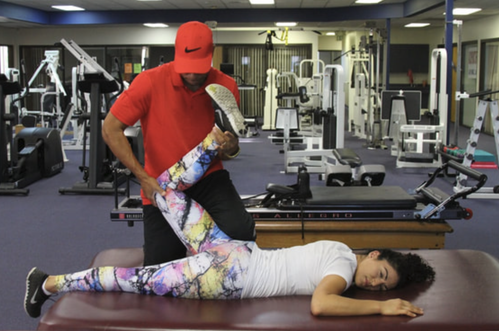
Robert compares the first assessment to using a map. Before a route can be built, the starting point has to be known. He said the process can take roughly an hour to an hour and a half and may include posture, flexibility, mobility, strength, movement patterns, cardio, explosiveness, power production, speed, and the amount of time the client can realistically commit.
That information is not only physical. Robert also uses the time to understand what the person wants, what they are willing to do, and what kind of accountability will be needed. The resulting plan is therefore meant to reflect both the body in front of him and the life around that body.
Why This Matters In San Ramon
Holland Fitness and Performance operates at 3120 Crow Canyon Rd., Suite C, in San Ramon. Robert said the business serves the surrounding community through direct reputation, online discovery, social media, and the visible results of athletes and clients who train there.
For a local reader comparing performance gyms, the distinction is concrete: a defined speed-development identity, a broad first assessment, custom planning, strength and conditioning, and a coaching philosophy that treats preparation and accountability as part of the training rather than as optional extras.
The local role may also extend beyond individual memberships. Robert said he is working to build relationships with teams, associations, and organizations, drawing on prior experience creating workplace fitness programming as well as his current work in strength and conditioning.
Questions Readers Ask
Who Is Coach Robert Holland?
Coach Robert Holland is the owner and coach behind Holland Fitness and Performance in San Ramon, California. In his interview, he described a background spanning professional football, strength and conditioning, athletic development, corporate fitness management, and independent coaching.
What Does This Holland Fitness and Performance San Ramon Review Highlight?
The Spotlight examines Robert’s Speed for Your Sport system, physiological assessment, athlete development, strength and conditioning, client experience, accountability-based coaching, and local role in San Ramon.
What Is Speed For Your Sport?
Speed for Your Sport is Robert Holland’s athlete-development program focused on running, sprinting, jumping, landing, change of direction, movement quality, and athletic skills intended to transfer into the client’s sport.
What Happens During The First Assessment?
Robert said the assessment can include height, weight, posture, flexibility, mobility, strength, movement patterns, core strength, cardio, explosiveness, power production, running speed, movement quality, and the client’s available time commitment.
Who Does Holland Fitness And Performance Serve?
Robert described working with clients from about age six to 76, including youth athletes, high-school and college athletes, professional players, adults, and fitness clients who want structure, coaching, speed development, strength work, or a custom plan.
What Is The Best First Step For A New Client?
Robert identified the physiological assessment as the starting point. It is designed to establish where the client is now, clarify the goal, understand available time and commitment, and give the coach enough information to build a custom route forward.
Key Takeaways
Robert begins by learning the athlete’s starting point instead of assuming one program should fit everyone.
Speed for Your Sport is built around movement qualities Robert wants athletes to use in real competition, not only in drills.
Preparation, consistency, homework, nutrition, sleep, and accountability are treated as part of the training process.
Robert described different starting points for young children, high-school players, college and professional athletes, and adult fitness clients.
Conclusion
Holland Fitness and Performance’s story is not only about teaching people to run faster. The stronger idea is Robert Holland’s insistence that performance should be organized: understand the athlete, assess the starting point, define the destination, build a plan, and then create enough discipline and accountability for the work to mean something outside the gym.
That philosophy connects the youngest athlete learning how to land, the high-school player chasing a scholarship, the adult fitness client building sustainable habits, and the experienced athlete refining performance. The goal changes, but Robert’s standard does not: if the training is real, it should translate.
Coach Robert Holland
Robert’s interview describes a coaching career shaped by professional sport, athlete development, strength and conditioning, assessment, disciplined planning, and a community mission built around helping people get better at the thing they came to improve.
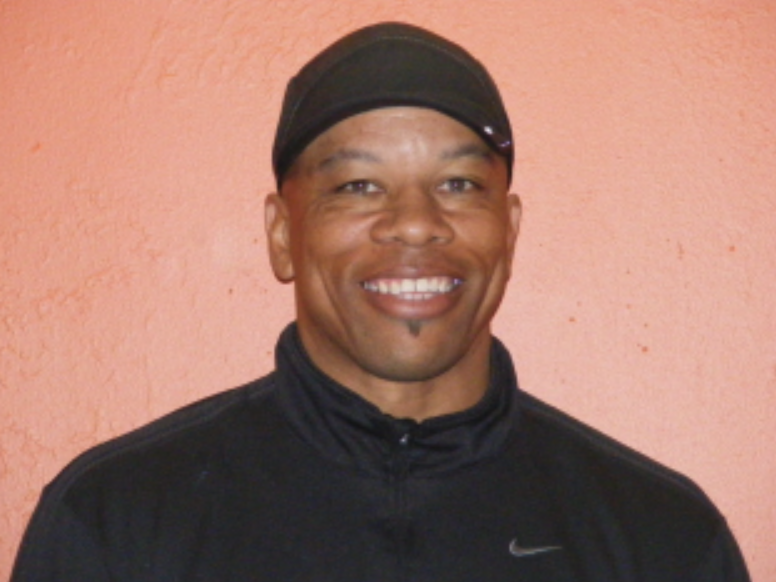
Robert described growing from a sports-driven childhood into professional football, then moving into strength and conditioning, athletic development, corporate fitness, and independent coaching. His original Spotlight source package also lists NASM Certified Personal Trainer, Performance Exercise Specialist, and Corrective Exercise Specialist credentials.
Make a plan, work the plan, stay consistent, and train in a way that creates useful adaptation. Robert’s broader message is that life itself is a sport and should be organized around the success a person is trying to create.
Speed for Your Sport, athlete development, physiological assessment, sprint mechanics, jumping and landing, strength and conditioning, personal coaching, fitness training, accountability, discipline, and community service.
About This Spotlight
Fitness Living Magazine™ selected this Spotlight for Coach Robert Holland’s assessment-led performance model, Speed for Your Sport identity, source-supported athlete-development examples, long coaching background, client-success reporting, and stated commitment to helping people in San Ramon train with greater structure, discipline, and purpose.
Fitness Living Magazine™ publishes these features to place local fitness leaders on the record about how their programs operate, what clients experience, what standards guide the coaching, and what makes the business relevant to its local community.
Source material for this Spotlight consisted of Fitness Living Magazine™’s recorded May 20, 2026 interview with Coach Robert Holland, credentials preserved in the original Spotlight source package, the customer review supplied for editorial use by Russell Sass, and Holland Fitness and Performance photography and logo assets preserved with the original feature materials.
This feature is editorial content and is not medical advice. Training descriptions, methods, performance timelines, athletic-development examples, weight-change references, and outcomes reflect the featured interviewee’s account and individual experiences, and results differ from person to person. Readers should consult qualified professionals when health, injury, nutrition, or medical considerations are relevant.