Recognized by Fitness Living Magazine™ For coordinated clinical care, a credentialed and supervised training floor, and a model that treats movement and nutrition as the first step in healthcare.
What happened next shaped the business he runs today. He grew up in Boonville, a small town in Mendocino County where the nearest orthopedic surgeon was seventy miles away. He was placed in a cast for a soft tissue injury. He waited roughly six months for an MRI, longer still for surgery, and lost most of the muscle in his right leg while he waited. Seventeen years later, that leg is still smaller than the other one.
“Movement and nutrition are thy medicine, and they should be the first step in healthcare.”Garrett Mezzanatto / Proprioceptive Solutions
Arrivals are triaged before they are toured. Staff ask what hurts, what has been diagnosed, what medications are in play, and what surgeries came before. Only then does the walkthrough begin, followed by an orthopedic evaluation and a consultation with a registered dietitian. Many people arrive expecting a membership desk and find an intake process instead.
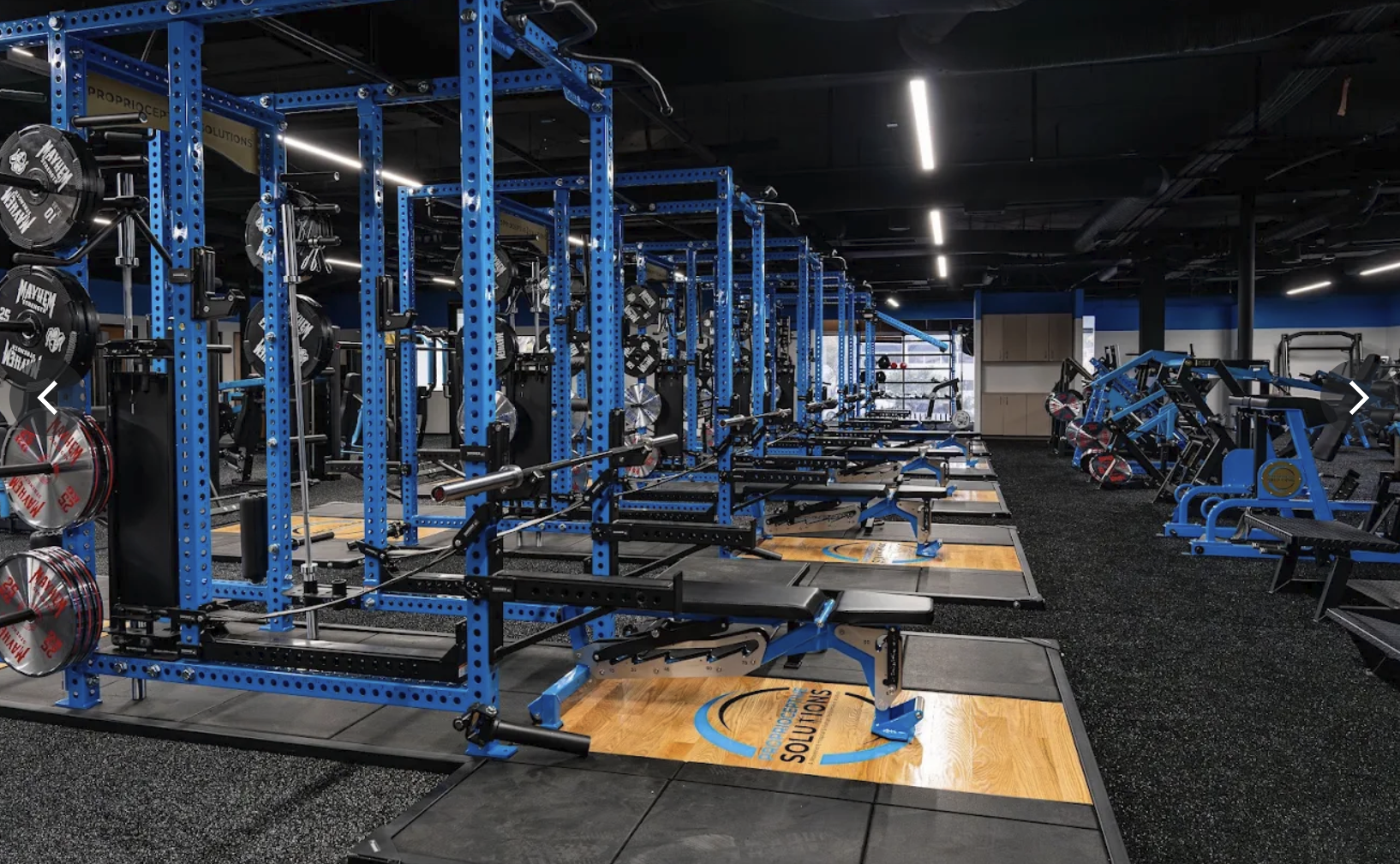
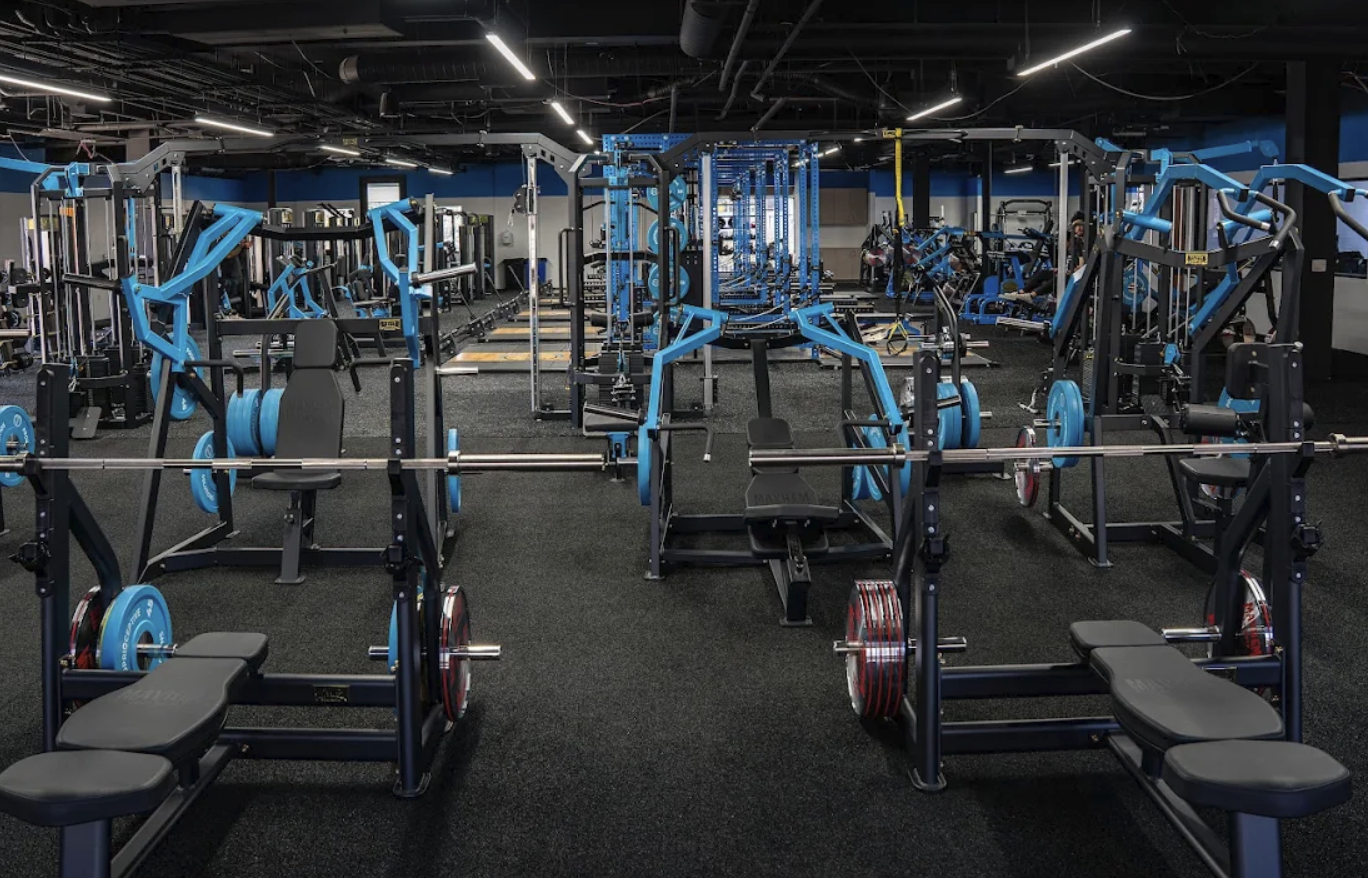
The second thing people notice is that nobody trains unattended. The performance floor is staffed by certified strength and conditioning specialists, applied kinesiologists, and performance coaches, and Garrett is direct about why. In most commercial gyms, he said, people move through unprogrammed sessions with poor mechanics, hurt themselves, and then begin a long circuit of urgent care visits and referrals. The supervision is there to prevent the injury rather than to sell the recovery.
The address itself makes the point before anyone says a word. Proprioceptive Solutions occupies a former UCSD internal medicine building on Villa La Jolla Drive, in a medical district across from the Veterans Affairs Medical Center, and the team uses the designations movement hospital and human performance institute in place of gym or fitness center. Someone can arrive expecting a workout and leave understanding they were evaluated, not just exercised.
Garrett Mezzanatto built Proprioceptive Solutions around one standard: no patient should have to act as their own care coordinator. That conviction gives the facility its clinical intake, its credentialed staffing, and its insistence on being called a movement hospital.
The Comprehensive Movement Hospital Model
The comprehensive model at Proprioceptive Solutions rests on an unglamorous observation: most people recovering from a musculoskeletal problem are handed a list of specialists and left to manage the schedule themselves. A physician suggests a chiropractor. Someone else suggests physical therapy. A third voice suggests massage. The patient becomes the project manager of their own recovery, and the pieces rarely talk to one another.
Proprioceptive Solutions is a movement hospital and human performance institute in La Jolla, San Diego, California, co-founded by Garrett Mezzanatto and opened on January 1, 2025.
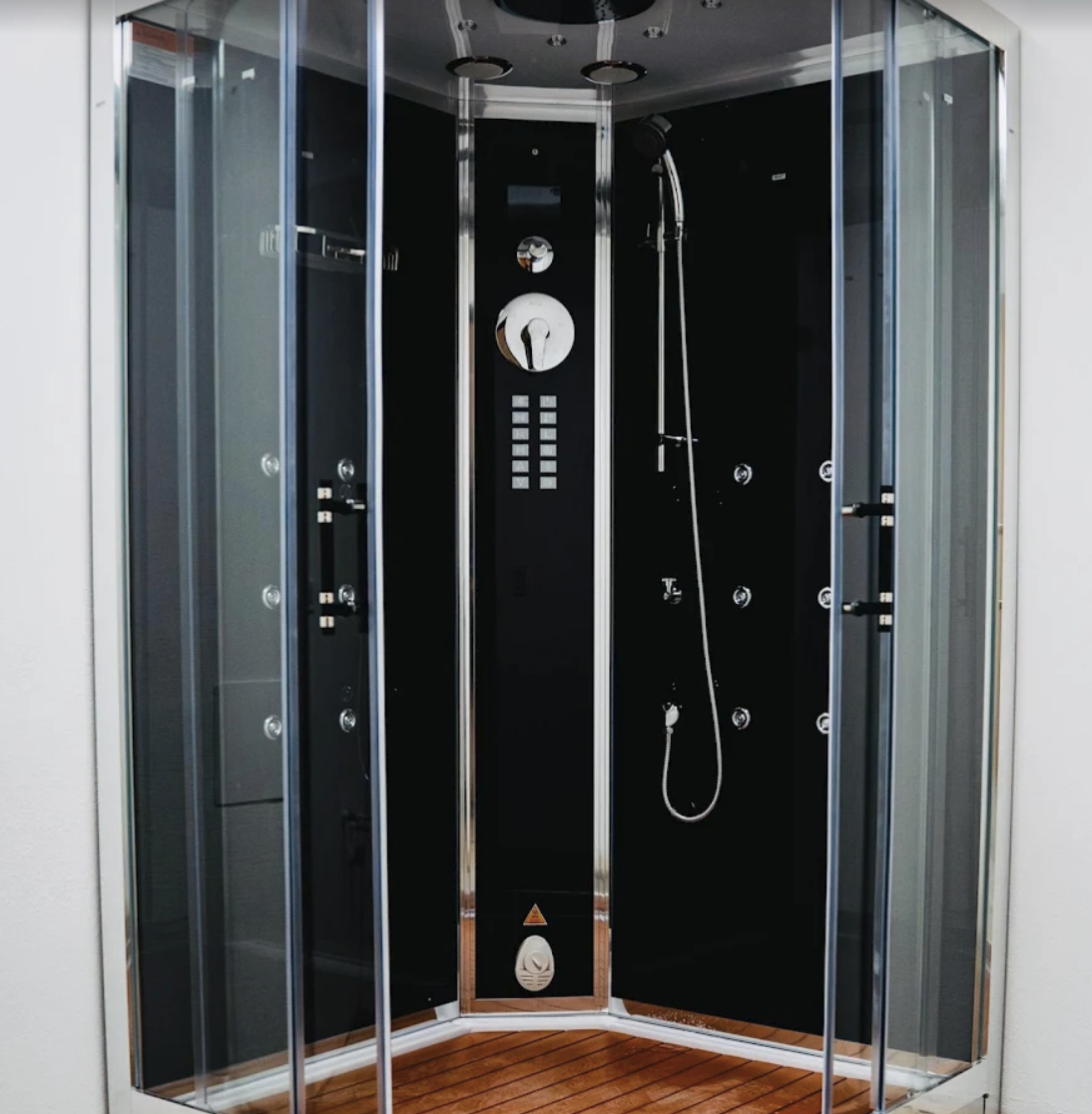
It combines chiropractic, physical and occupational therapy, soft tissue work, corrective exercise, registered dietitian nutrition counseling, advanced recovery amenities, and a performance floor supervised by certified strength and conditioning specialists, applied kinesiologists, and performance coaches under one roof.
Patients are triaged and evaluated before training, and the facility accepts insurance, HSA and FSA funds, and zero-interest healthcare financing.
Garrett has lived on both sides of that gap. Before co-founding Proprioceptive Solutions he studied kinesiology at San Jose State, left school for San Diego, took a personal training job at a national fitness chain, and climbed to district vice president overseeing multiple locations across Southern California. He describes that era candidly: a high-pressure sales environment where revenue targets, not patient outcomes, set the tone.
When the pandemic ended that chapter in 2020, he opened a small studio of his own instead, and began planning the coordinated model he had needed as a teenager and never found.
Inside the Proprioceptive Solutions Model
This profile examines how Proprioceptive Solutions assembles clinical care, nutrition, advanced recovery, and supervised training into a single coordinated pathway in La Jolla.
Evaluation, therapy, nutrition, and training are delivered by one team in one building rather than through a chain of outside referrals.
People carrying injuries or chronic pain, athletes at every level, and everyday San Diegans who want supervised training with clinical support nearby.
Credentialed staffing, a mandatory orthopedic evaluation, and insurance-and-financing access give the model a shape the local market has not seen before.
A Wedding Table, and a Business Neither Man Planned
The company exists because of a seating chart. Garrett ran into a former colleague from his fitness-industry years at a mutual friend’s wedding and found himself seated at the same table. His colleague had since moved toward clinical practice and was preparing something similar on a smaller scale. Garrett was preparing to open a chain of studios in Northern California, close to the valley he grew up in.
Neither signed their lease. They founded Proprioceptive Solutions in 2023 instead, secured funding and a building in late 2024, and opened on January 1, 2025. The location was deliberate. Rather than a warehouse or a fitness storefront, they took a former UCSD internal medicine space in a medical neighborhood on Villa La Jolla Drive, across from the Veterans Affairs Medical Center. If the ambition was to be treated as healthcare, Garrett reasoned, the address should say so first.
Reset, Reinforce, Reload
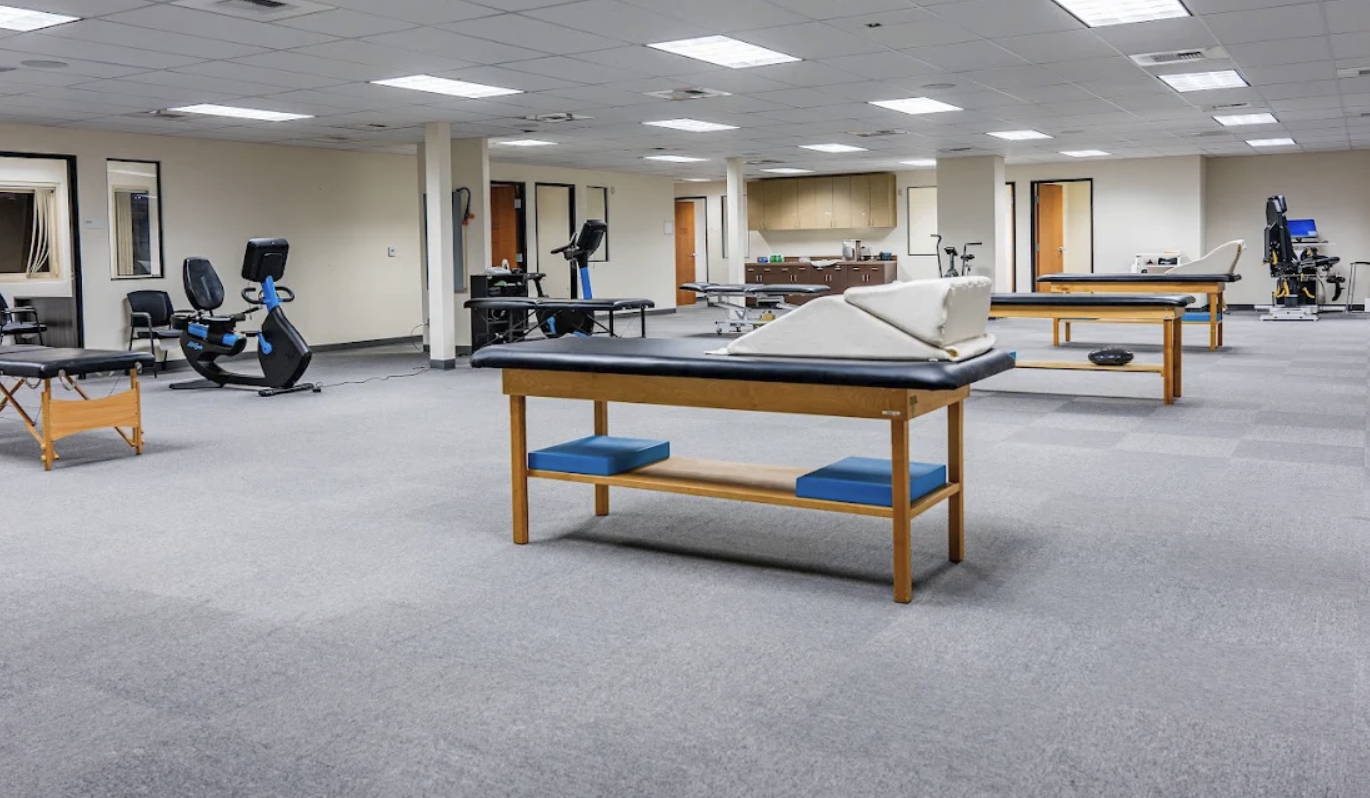
The clinical pathway runs in three phases, and the facility names them plainly. The reset phase addresses the neuromusculoskeletal system through chiropractic adjustment, soft tissue manipulation, and massage therapy, typically over one to two weeks. The reinforcement phase adds physical therapy, occupational therapy, neuromuscular work, and corrective exercise, beginning with passive facilitation in which a coach cues the muscle while the joint is guided through its ranges.
Active facilitation follows, with the patient driving the movement while the cueing continues. Once that becomes automatic, the work graduates to corrective exercise therapy, light and high-repetition, split between the clinic and the performance floor. The final phase is a mechanical reload: real loading, real weight, building the musculature that holds a joint in position so it does not slide back toward the pattern that caused the problem.
Evaluated First, Accounted for Throughout
A patient at Proprioceptive Solutions is meant to feel accounted for. The intake asks about diagnoses, medications, and prior surgeries before anyone tours the floor. The orthopedic evaluation and the dietitian consultation come next. From there, the plan is written once and carried by one team, and the patient is asked to do the work rather than to manage the logistics.
The name of the company points at the mechanism. Proprioception is the body’s sense of itself in space, and Garrett describes much of the work as restoring that sense after injury or long disuse has degraded it. Progress is tracked month to month. A typical patient stays six to twelve months, though he notes that the acute problem often resolves inside twelve to sixteen weeks. The remainder is the part most programs skip: keeping the gains.
The Staffing Decision Behind the Model
One of the sharpest observations Garrett brought out of the commercial fitness industry concerns hiring. Large chains, he said, do not pay well enough to retain people with real training in kinesiology, exercise science, or biomechanics, which pushes them toward hiring enthusiasts with online certifications. During his last years in that world he began deliberately recruiting people already studying the disciplines the job actually required.
That preference became a structural feature of Proprioceptive Solutions rather than an exception to it. The building is staffed by chiropractors, physical and occupational therapists, massage therapists, registered dietitians, applied kinesiologists, clinical physiologists, and credentialed performance coaches, with his co-founder—a clinical physiologist—anchoring the evaluation side. Garrett has also helped establish the American Movement Hospital Association, an effort to standardize the model so other operators can meet the same benchmarks without operating under the same brand.
Proprioceptive Solutions matters because it treats coordination as the product: one evaluation, one team, one plan, and a patient who is asked to recover rather than to manage the process of recovering.
What Proprioceptive Solutions Offers
Based on the interview and the official website, Proprioceptive Solutions is built for people who want clinical evaluation, hands-on therapy, nutrition guidance, advanced recovery, and supervised training delivered as one coordinated program.
Who Proprioceptive Solutions May Be a Good Fit For
Garrett says the facility welcomes anyone willing to be evaluated first, though it tends to attract people carrying injuries or chronic pain, athletes at every level, and locals who want supervised training with clinical support nearby.
People recovering from an injury, a surgery, or long-standing pain may appreciate the triage-first intake, the mandatory orthopedic evaluation, and a plan that coordinates therapy and training. Readers with diagnosed conditions should continue working with their own physician.
Youth, collegiate, and professional athletes train on a supervised performance floor with programming from credentialed strength and conditioning specialists, with clinical care a few steps away.
Readers who would rather train under the eye of certified coaches than guess their way through unprogrammed sessions may find the performance floor closely matches what they want.
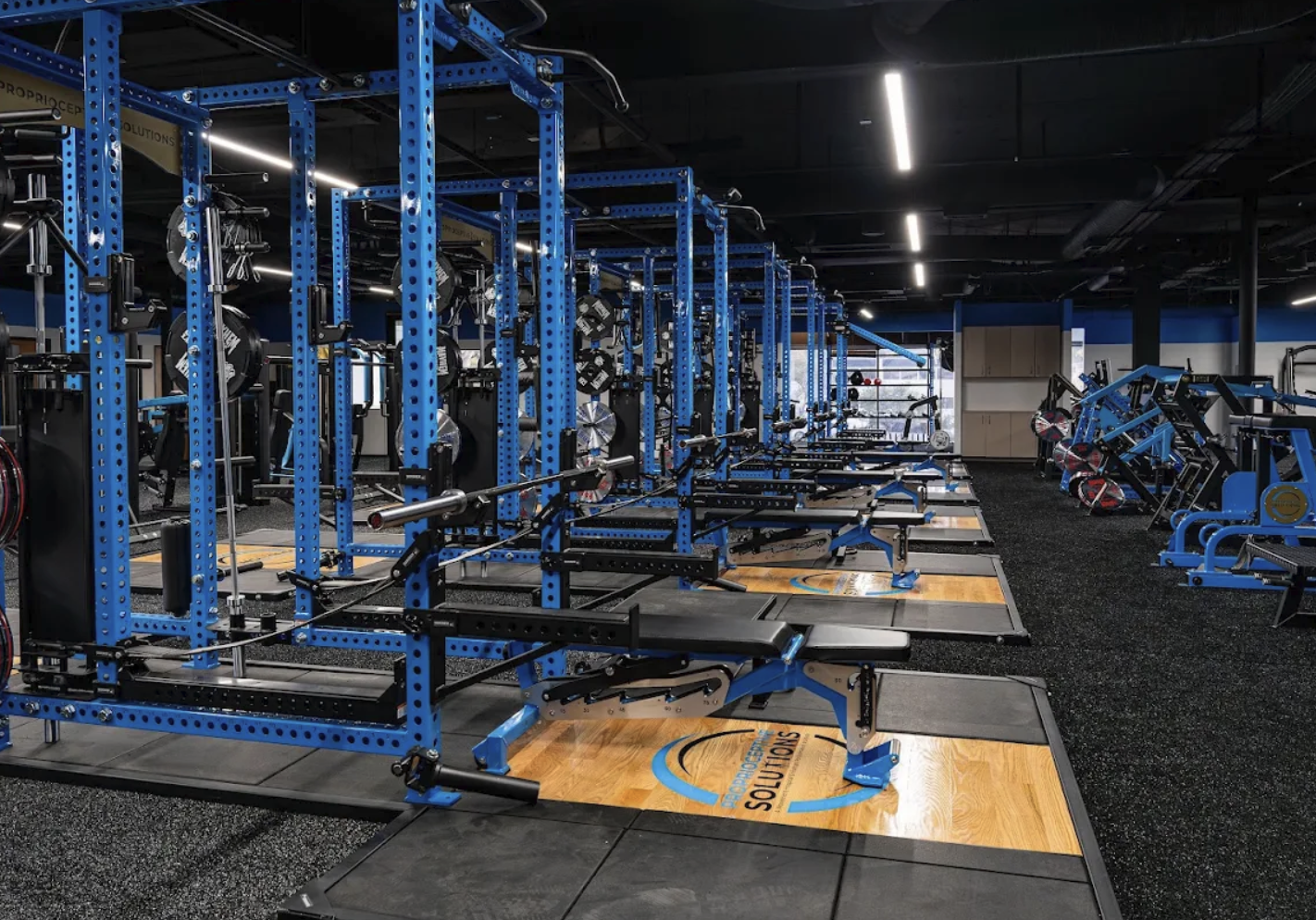
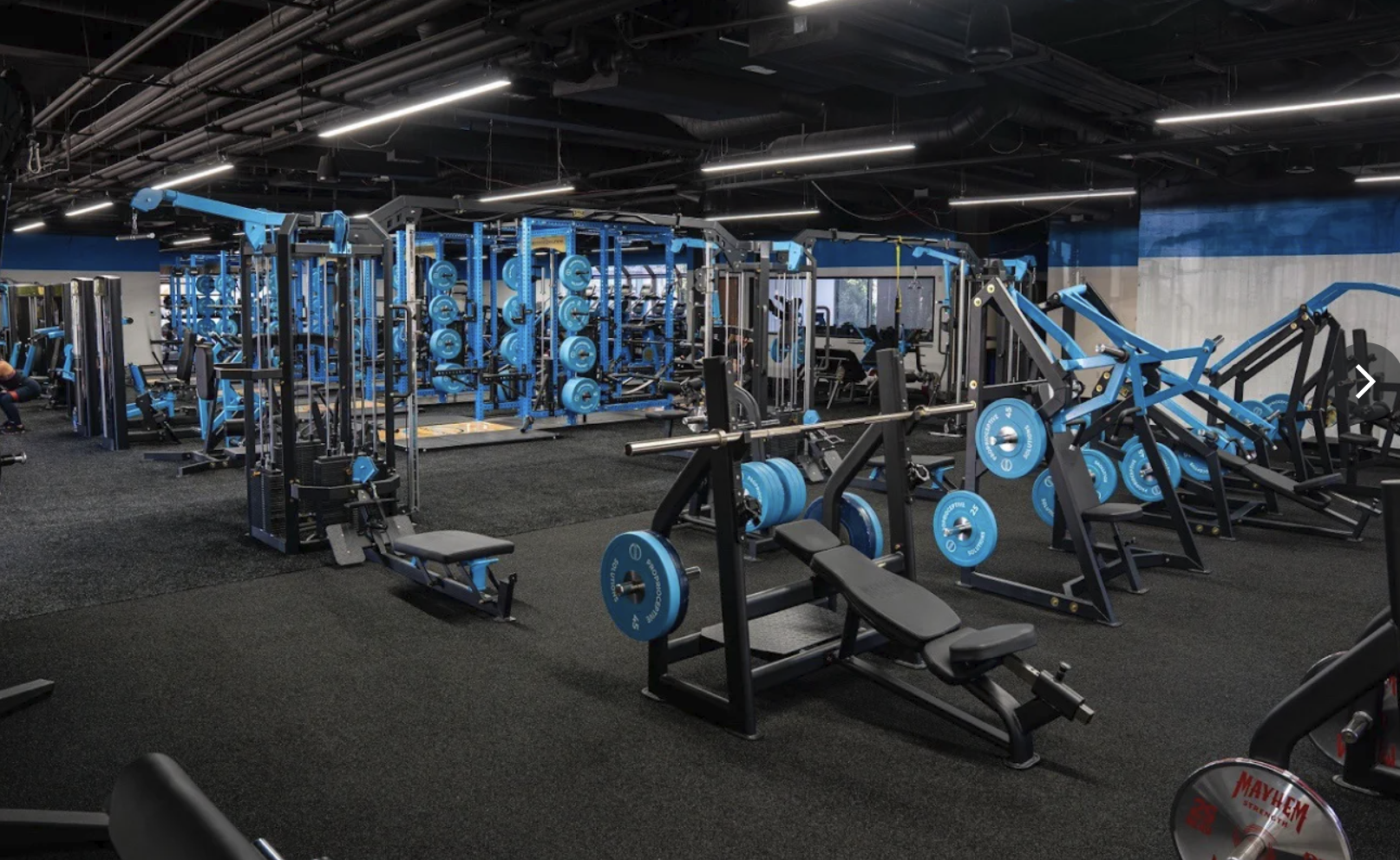
“By far the best gym I have ever been to! Just a heads up that you can get a day pass here for $25 and try the gym out for the day. Words cannot express just how amazing this gym is. Tons of squat racks, absolutely incredible equipment (the best workout equipment I’ve ever used), super friendly staff. The facility is very impressive with recovery options like sauna, cold plunge, oxygen chamber, etc. and the amazing medical services like physio, chiropractors, nutritionist, etc. This place is a gem and deserves all the stars and praise! Highly highly recommend this gym!”
The Patient Who Came for the Squat Racks
The story Garrett returns to is not a championship roster or a before-and-after photo. It is a pattern in the reviews: people arrive looking for a gym and discover coordinated care.
Asked about the hardest part of growing the business, Garrett does not name competition or cost. He names vocabulary. Nobody searches for a movement hospital, because until recently there was not one to search for. People search for a gym, a chiropractor, a physical therapist, or a nutritionist, and each of those searches finds only a fraction of what the building actually does.
There is a certain irony in the workaround. Patients keep describing the place as a gym in their online reviews, against the team’s own preference, and those reviews are precisely what surfaces the business in local search. Garrett has made peace with it. People arrive looking for squat racks, he said, and discover the rest once they are through the door. The supplied review from Jason Evans follows almost exactly that arc.
For Garrett, the mislabeling is tolerable because the outcome is right: a patient who walks in for a day pass can leave with an evaluation, a plan, and a team. What matters is not what they called it on the way in, but what they found.
Where the Care Team Takes Shape
Proprioceptive Solutions is easiest to understand through the people on the floor. Chiropractors, physical and occupational therapists, registered dietitians, applied kinesiologists, and performance coaches share one building, and the model holds because the plan does.
Why This Matters Locally
Garrett is candid that the choice of city was strategic rather than sentimental. San Diego, in his reading, contains an unusual concentration of people who already treat health, fitness, and longevity as serious commitments, and that gives an unfamiliar model a fair hearing. The company is also pursuing Joint Commission accreditation as a hospital outpatient department, a step that would give the term movement hospital a formal footing.
For people looking for coordinated care rather than another chain of referrals, Proprioceptive Solutions offers a clear local point of difference. Many arrive through the ordinary searches—gym, chiropractor, physical therapist, nutritionist—but Garrett believes what keeps them is simpler: one evaluation, one team, and one plan.
A Model Built to Travel
Garrett helped establish the American Movement Hospital Association so other operators can meet the same benchmarks, and he pictures eight to ten Southern California locations over the next decade, each shaped to its community rather than copied. On that point his ambition is unusually unpossessive—he is more interested in the standard spreading than in the name on the door.
Questions Readers Ask
Who Is Garrett Mezzanatto?
Garrett Mezzanatto is the co-founder and chief operating officer of Proprioceptive Solutions in La Jolla, San Diego, California. He studied kinesiology, spent several years leading personal training operations for a national fitness company, and co-founded Proprioceptive Solutions in 2023 after a serious high school knee injury shaped his view of how fragmented recovery care can be.
What Does This Proprioceptive Solutions La Jolla Review Highlight?
The Spotlight examines Garrett’s path from injured quarterback to co-founder, the triage-first intake, the reset-reinforce-reload care pathway, the credentialed team and supervised performance floor, the service lineup, the La Jolla setting, and the introductory offers available to new patients.
What Is a Movement Hospital?
Garrett Mezzanatto describes a movement hospital as a facility where neuromusculoskeletal care and human performance training sit under one roof. At Proprioceptive Solutions that includes chiropractic, physical therapy, occupational therapy, massage and soft tissue work, corrective exercise, registered dietitian nutrition counseling, advanced recovery amenities, and a performance floor supervised by certified strength and conditioning specialists, applied kinesiologists, and performance coaches.
What Happens on a First Visit to Proprioceptive Solutions?
New arrivals are triaged, toured, and oriented to the facility. From there the team schedules an orthopedic evaluation and a nutrition consultation with a registered dietitian before building a care plan. Garrett Mezzanatto said the first workout and the initial evaluation are complimentary for local visitors.
Is Proprioceptive Solutions a Gym?
Proprioceptive Solutions includes a full-service check-in performance floor, but Garrett Mezzanatto said the team does not describe the business as a gym or fitness center. Everyone training there is a patient or patient member, an orthopedic evaluation is required first, and the floor is supervised by certified strength and conditioning specialists, applied kinesiologists, and performance coaches.
What Is the Best First Step for a New Patient?
Garrett recommends starting with the facility’s website or a visit in person. At the time of the interview, local first-time visitors were offered a complimentary initial evaluation and first workout, a visitor pass program for guests who want to try the floor for a day, and healthcare tourism arrangements with nearby hotels for out-of-town patients.
Key Takeaways
Proprioceptive Solutions is a La Jolla movement hospital and human performance institute that opened on January 1, 2025.
Garrett Mezzanatto co-founded it after a high school knee injury and a slow, fragmented recovery in a rural county with little access to care.
Patients are triaged and evaluated before training, and clinical care, nutrition, recovery, and supervised strength work are delivered by one team.
Insurance, HSA and FSA funds, and zero-interest financing are accepted as part of an explicit effort to widen access to coordinated care.
Conclusion
Proprioceptive Solutions is not principally a story about equipment or amenities, though the supplied review makes clear that both leave an impression. It is a story about sequence: what gets looked at first, who does the looking, and whether the pieces of a recovery are handed to a patient as a list or assembled for them as a plan. Garrett Mezzanatto’s answer comes from having once been handed the list.
He is careful about where the model ends. Movement and nutrition are the first step in his framing, with allopathic physicians handling pharmaceutical and surgical intervention when it is called for. Readers with a diagnosed condition should continue to work with their own physician about treatment decisions. What Proprioceptive Solutions offers is the part of the picture that too often arrives last, and arrives alone.
Garrett Mezzanatto
Garrett’s background spans kinesiology, personal training leadership at a national fitness chain, and fitness operations at the district level, experience he now brings to running the movement hospital he once needed as a patient.

Garrett Mezzanatto is the co-founder and chief operating officer of Proprioceptive Solutions in La Jolla, San Diego, California. He grew up in Boonville, in rural Mendocino County, and commuted roughly forty miles round trip in high school to reach a gym. He studied kinesiology at San Jose State University, moved to San Diego to work as a trainer, and rose through personal training management to district vice president before leaving the commercial fitness industry to build a coordinated care model of his own.
Garrett believes movement and nutrition belong at the front of a care pathway rather than at the end of one, with pharmaceutical and surgical intervention handled by allopathic physicians when it is required. His stated mission is to improve patient outcomes while reducing the cost carried by whoever is paying, whether that is an insurer, a household, or a financing partner.
His values include coordinated rather than referred care, credentialed staffing, clinical evaluation before training, informed patients who ask questions of every provider, and access built through insurance, HSA and FSA funds, and zero-interest financing. His specialties span kinesiology, fitness operations leadership, supervised strength and conditioning, and the design of the movement hospital model he is now working to standardize.
About This Spotlight
Fitness Living Magazine™ selected this Spotlight for Garrett Mezzanatto’s injury-to-founder leadership story, a triage-first standard that puts evaluation before training, a care team built from credentialed clinical disciplines, the reset-reinforce-reload pathway, and a supervised floor Garrett compares to a professional team’s support staff more than a commercial gym.
This profile belongs to Fitness Living Magazine™’s Local Fitness Leadership Series, which documents independent studio owners and coaches through recorded interviews, reviewed drafts, and material supplied by the businesses themselves.
Garrett Mezzanatto’s recorded interview with Fitness Living Magazine™ is the foundation of this Spotlight. The draft reviewed during the technical sign-off process, a customer review supplied by Jason Evans for editorial context, facility photography and branding provided for publication, and the official Proprioceptive Solutions website supported service names, payment options, and first-visit details.
This feature is editorial content and is not medical advice. Service descriptions, customer comments, and experiences reflect Garrett Mezzanatto’s account, supplied review material, and current public business information; they do not establish guaranteed results. Individual experiences vary, and readers should consult appropriate healthcare professionals before beginning or changing an exercise or treatment program, especially if they are managing pain, injury, or a medical condition.