Overtime Athletic Club review examines the coaching approach, training environment, member experience, services, local relevance, and practical first step behind Overtime Athletic Club in Rock Hill, South Carolina.
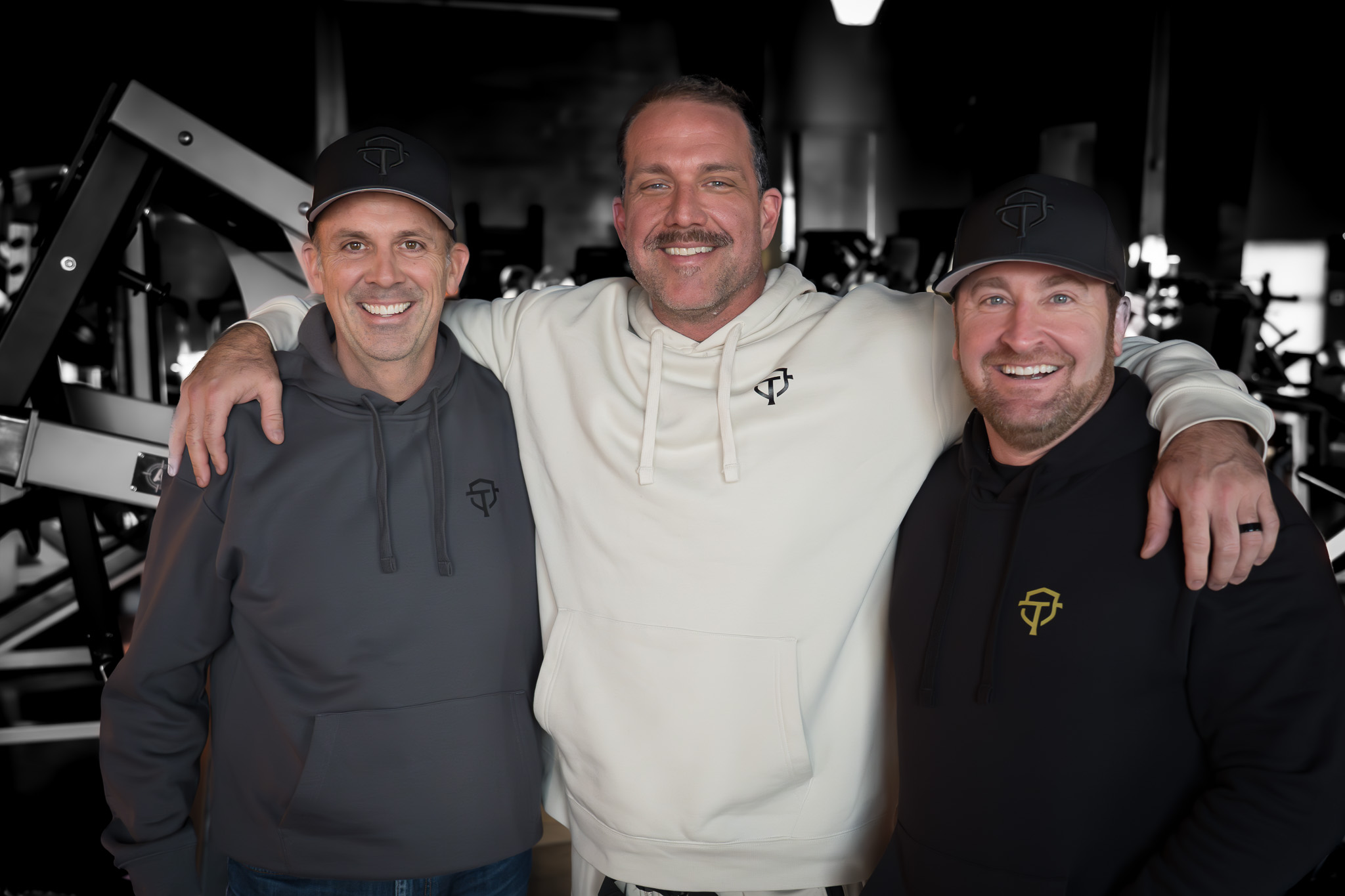
“You can come as a family and be healthy together. You can come by yourself and find a family to be healthy with.”John Schwarze, Ryan Corder, and Bryan Lively / Overtime Athletic Club
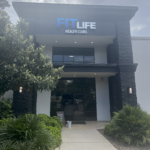
A polished, roughly 25,000-square-foot athletic-club environment includes about 9,000 square feet of turf.
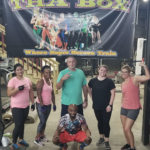
Families, beginners, youth athletes, serious lifters, and competitors use one connected environment.
A welcoming front desk, visible coaching, real conversation, and recovery services are integrated with training.
John Schwarze, Ryan Corder, and Bryan Lively founded Overtime Athletic Club from long-standing friendships shaped by family life, athletics, and business. Their shared idea is to create a place where different generations and different levels of athlete can train, recover, and belong without entering separate fitness worlds.
Creating a Holistic Athletic Club: Integrating Community, Recovery, and Performance
Their concept is easy to understand even if the operation is ambitious. A parent can train while a child learns movement fundamentals. An athlete can move from performance work into recovery. A new member can find support without feeling overwhelmed by the intensity often associated with larger strength facilities. In that sense, the club is trying to build not just a service, but a local training culture.
Overtime Athletic Club makes the case for a broader kind of gym: one where parents, children, beginners, serious lifters, and athletes can train, recover, and participate in the same community.
Setting: A large athletic club in Rock Hill built around training, family participation, and recovery.
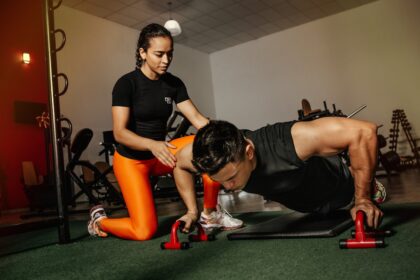
Training: Strength equipment, turf, personal training, group fitness, sports development, boxing, and youth programs.
Overtime Athletic Club combines strength training, turf-based performance work, youth development, personal training, and recovery services in one facility. The founders describe it as a community-centered club where members can train hard, recover well, and feel part of something more personal than a conventional membership model.
How Overtime Athletic Club Turns Its Philosophy Into Practice
This Spotlight examines how the business’s stated method, coaching standard, setting, and member experience work together—and what readers should compare before taking a first step.
Parents, children, and athletes can participate under one roof instead of treating fitness as separate schedules.
Families, beginners, youth athletes, serious lifters, and competitors who want multiple services in one environment.
Recognized for family participation, strength and performance training, youth development, recovery amenities, community building, and an ambitious all-under-one-roof model.
A Club Model Built Around More Than Workouts
John Schwarze’s own path into fitness began from a personal need to make better health decisions and set a stronger example for his children. That personal shift later connected with Ryan Corder’s fitness background and with a larger business conversation already taking shape among the founders. The result was not a basic training facility, but a broader club idea built around atmosphere, accountability, and family participation.
Bryan Lively adds another dimension to the concept. His background across franchising, consulting, multi-unit operations, and wellness gives the business a wider operating perspective, even as the founders work to keep the experience local and relationship-driven. That balance matters. The ambition is to build something durable without losing the warmth that makes members want to stay.
The founders repeatedly return to how people should feel when they enter the club. They talk less about transactions and more about tone: a welcoming front desk, real conversations, visible coaching, and an energy that feels active without becoming impersonal. That emotional texture may be one of the business’s most important differentiators.
Why the Facility Reads as an Athletic Club, Not a Box Gym
The physical setup helps explain the distinction. At roughly 25,000 square feet, including about 9,000 square feet of turf, the facility was designed to support more than conventional strength training. The club includes plate-loaded equipment for bodybuilders and powerlifters, while also serving athletes in baseball, softball, football, soccer, boxing, and golf. That range gives the business unusual breadth for a single location.
Recovery is treated as part of the same system rather than a separate category. Members can move from training into sauna, cold plunge, and red light sessions, while partner-supported services add modalities such as cupping, dry needling, scraping, neuro-stimulation work, and other physical therapy-oriented support. For many members, that means less fragmentation and a more complete weekly routine.
Just as important, the club is intentionally broad in who it serves. Professional athletes use the space, but so do children, parents, and adult members with very different goals. Programming begins with younger kids learning movement and play, then develops toward better technique, structure, and performance as they grow.
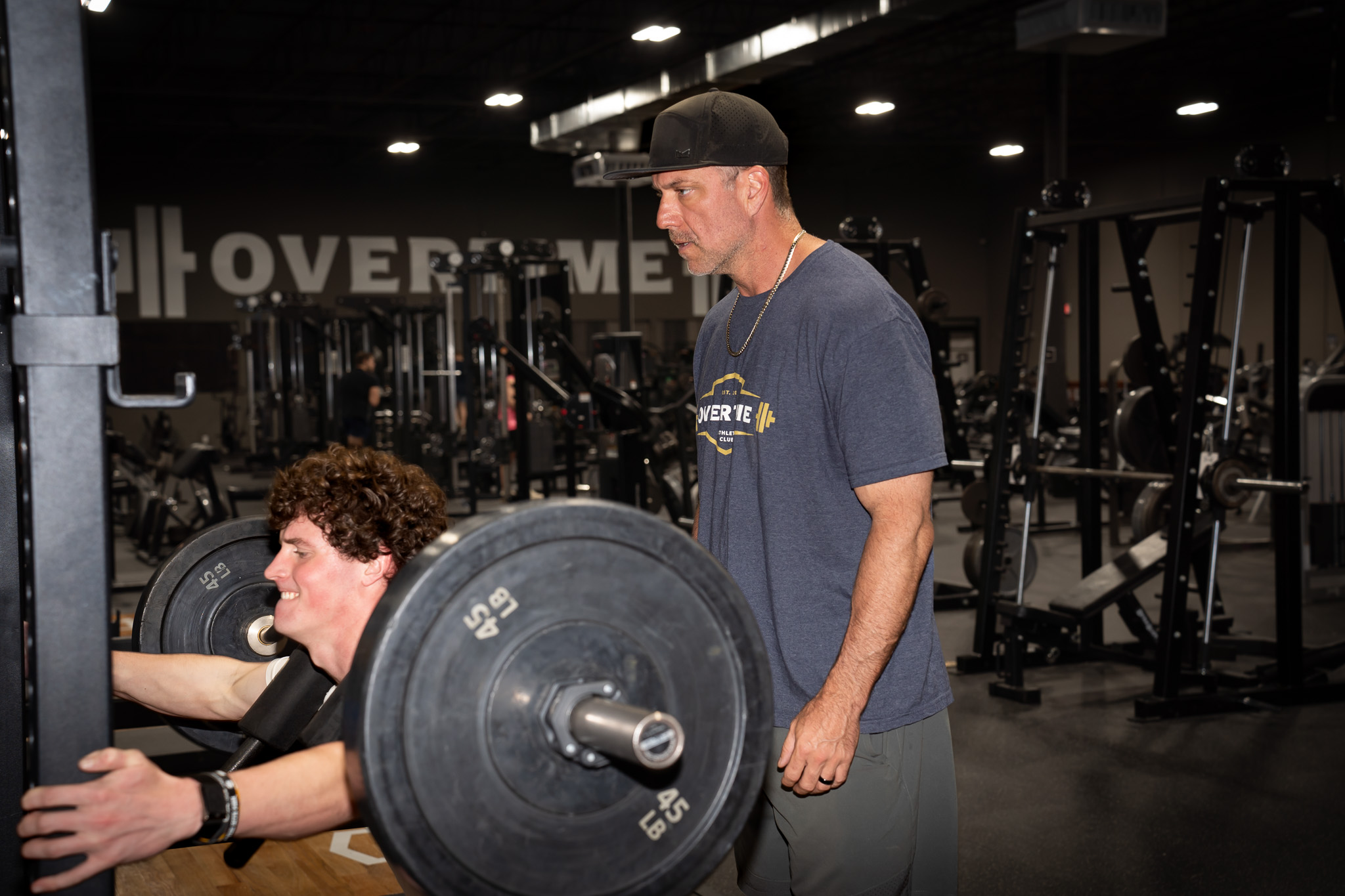
Serve The Family
Setting: A large athletic club in Rock Hill built around training, family participation, and recovery.
Training: Strength equipment, turf, personal training, group fitness, sports development, boxing, and youth programs. Recovery: Sauna, cold plunge, red-light therapy, and partner-supported services broaden the club beyond the workout floor.
Early Proof Arrives Through Member Experience
For a club that has only been open a short time, the founders already point to a revealing measure of success: how members describe change in their daily lives. Schwarze recalled one woman who had been working with a trainer for only a couple of months. Before joining, walking had been difficult for her. After a treadmill session, she told him the experience had changed her life.
That story captures the club’s wider philosophy. The founders speak about strength, athletic development, and performance, but they also return to mental state, confidence, consistency, and a sense of belonging. The transformation they care about is not limited to numbers on a machine or weight on a bar. It is also about whether members feel better, stronger, and more willing to come back.
Overtime’s breadth is credible when the services operate as one culture rather than a checklist of amenities. The stronger distinction is the connection between family access, coaching, performance, recovery, and belonging.
What Overtime Athletic Club Offers
Overtime Athletic Club makes the case for a broader kind of gym: one where parents, children, beginners, serious lifters, and athletes can train, recover, and participate in the same community.
Who This Overtime Athletic Club Experience May Be A Good Fit For
Families, beginners, youth athletes, serious lifters, and competitors who want multiple services in one environment.
Families, beginners, youth athletes, serious lifters, and competitors who want multiple services in one environment.
Parents, children, and athletes can participate under one roof instead of treating fitness as separate schedules.
Sauna, cold plunge, red-light therapy, and partner-supported services broaden the club beyond the workout floor.
“You can come as a family and be healthy together. You can come by yourself and find a family to be healthy with.”
Why Family Participation Changes The Club Experience
Overtime’s family model is not an accessory to the facility. It shapes how training, youth development, recovery, and community participation can coexist under one roof.
How Community Drives the Brand Before Traditional Advertising Does
The marketing story closely mirrors the business story. Rather than trying to flood the market immediately, the founders describe an early growth strategy built on grassroots visibility, local events, word of mouth, and social media. They wanted time to refine operations, understand member behavior, and make sure the experience matched the promise before scaling too aggressively.
That measured approach gave members room to become advocates. The founders credit the membership base for helping spread awareness online through tagged posts, photos, and organic support. In practical terms, the club is becoming known through participation first. That may be especially powerful in a local market where reputation still travels person to person.
Why Local Context Matters
For the Rock Hill and Fort Mill area, timing may be part of the opportunity. Ryan Corder, who came from Southern California, described the concept as something more common in larger, fitness-focused markets than in this part of South Carolina. As the region grows, the club is positioning itself as a destination for families, youth athletes, dedicated lifters, and members who want more than a basic membership experience.
That local relevance is strengthened by how the founders talk about the future. They have ambitions to expand around the Charlotte market and eventually franchise more broadly, but the current emphasis remains close to home: build the right culture locally, protect the member experience, and let growth follow from a model that works in real life.
For readers looking for a more complete training environment, that may be the clearest takeaway. Overtime Athletic Club is not trying to win attention by sounding louder than everyone else. It is trying to become memorable because of how the place feels once members walk through the door.
At its best, a fitness business does more than sell access to equipment. It creates rhythm, accountability, and an environment people trust enough to return to week after week. That is the standard Overtime Athletic Club appears to be pursuing: not just performance, but a fuller form of participation in health.
What already feels clear is the identity being shaped in the present. For members seeking strength, recovery, coaching, and a more connected training environment, the club has early credibility because it is being built around lived experience, long-standing relationships, and a vision of community that feels tangible rather than theoretical.
Readers interested in exploring Overtime Athletic Club’s training, recovery, and family-focused approach can visit the Rock Hill athletic club online.
The Member Who Found Walking Easier
A founder recalled a woman who had trained for only a couple of months and had previously found walking difficult.
He reported that she later told the team she could walk more easily. The account mattered because it reflected a practical change in daily life rather than a purely aesthetic result.
Where Overtime Athletic Club Becomes Personal
Setting: A large athletic club in Rock Hill built around training, family participation, and recovery. Training: Strength equipment, turf, personal training, group fitness, sports development, boxing, and youth programs. Recovery: Sauna, cold plunge, red-light therapy, and partner-supported services broaden the club beyond the workout floor.
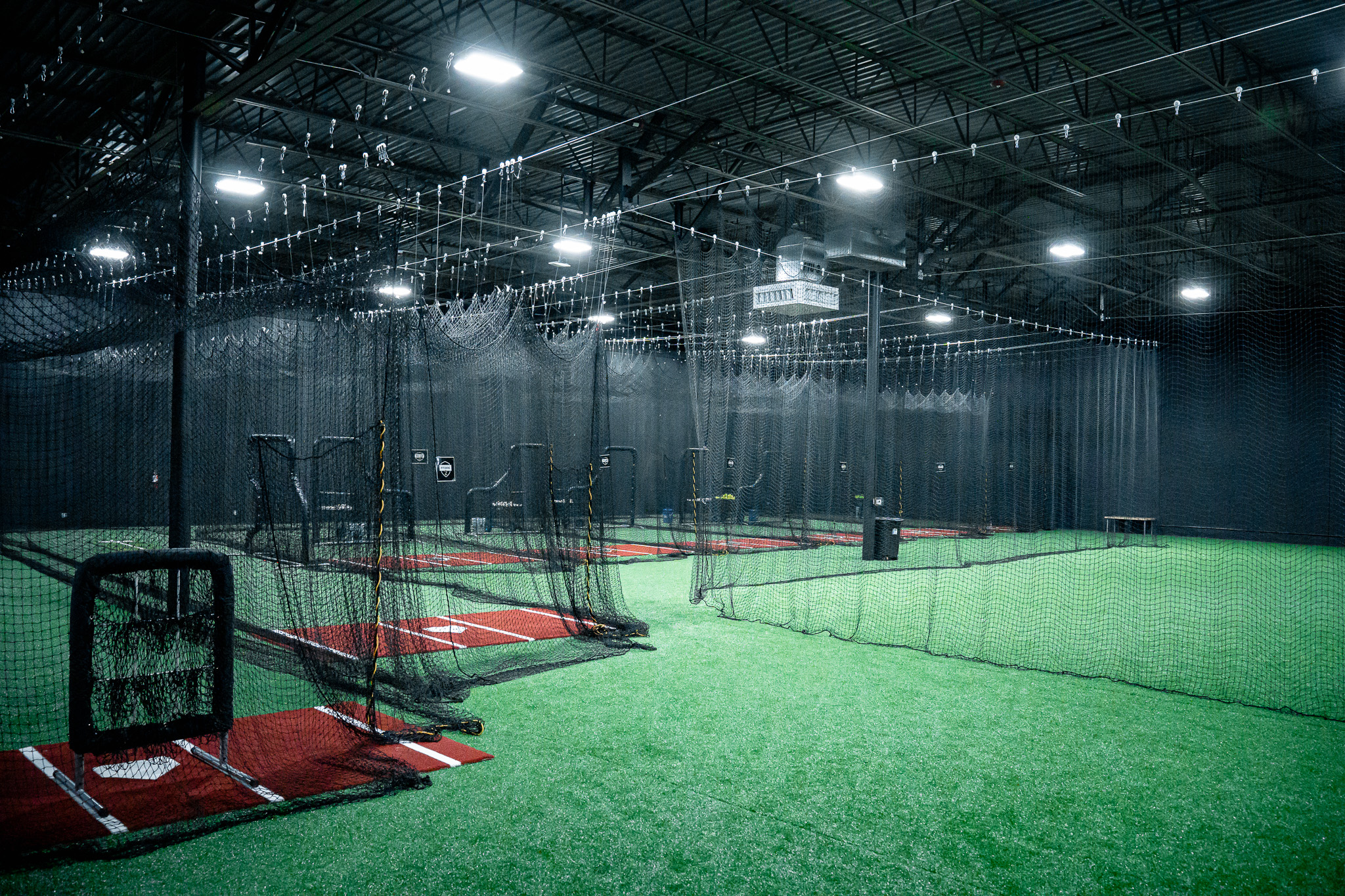
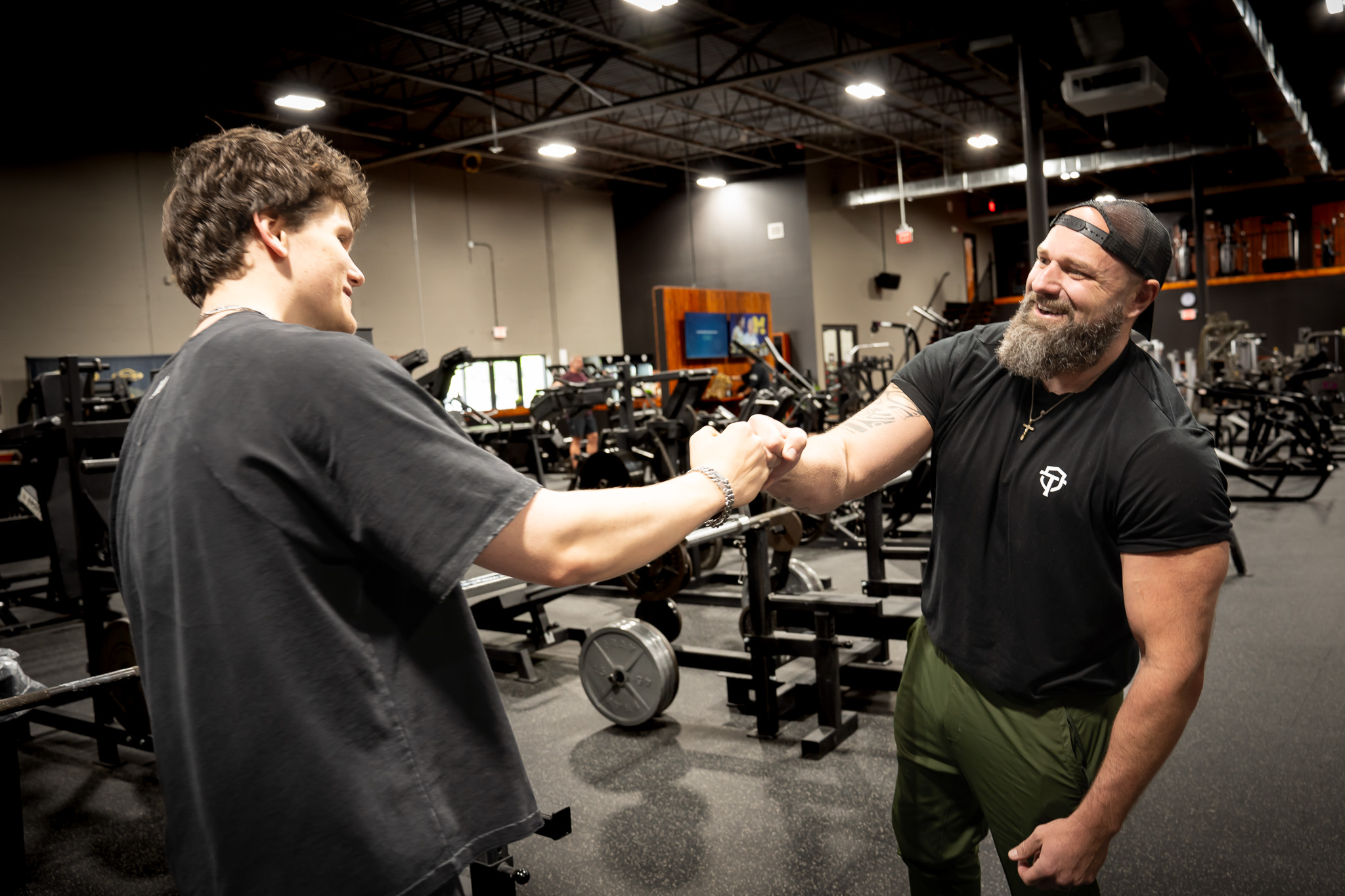
Why The Overtime Athletic Club Environment Matters
Training: Strength equipment, turf, personal training, group fitness, sports development, boxing, and youth programs.
Families, beginners, youth athletes, serious lifters, and competitors who want multiple services in one environment.
Why This Matters In Rock Hill
Overtime Athletic Club makes the case for a broader kind of gym: one where parents, children, beginners, serious lifters, and athletes can train, recover, and participate in the same community.
Explore related Fitness Living Magazine™ reporting in Gym & Studio Reviews.
Questions Readers Ask
What makes Overtime Athletic Club different from a traditional gym in Rock Hill?
Overtime Athletic Club was designed as a full athletic club rather than a conventional box gym. The facility combines a large strength floor, extensive turf space, recovery amenities, youth training, personal training, and a community-driven atmosphere so members can train, recover, and connect in one place.
Who is Overtime Athletic Club built for?
The club is built for a wide range of members, including beginners, parents, youth athletes, serious lifters, and high-level competitors. According to the founders, the goal is to create a place where families, individual members, and athletes at different stages can all feel welcome.
What kinds of training and recovery services are available?
The club offers strength training equipment, turf-based training, group fitness, personal training, sports-specific development, boxing, a golf simulator, and recovery features such as sauna, cold plunge, red light therapy, and partner-supported services that include physical therapy modalities like cupping and dry needling.
Does the club support youth athletes and families?
Yes. One of the central ideas behind the club is that families can come together and train under one roof. The founders describe programming that starts with younger children, introduces proper movement and technique as kids get older, and gives parents and athletes a shared fitness environment.
How are people in the Rock Hill area discovering the club?
The founders say early awareness has come largely through grassroots marketing, social media, local events, word of mouth, and strong support from members who share the club online. They also note that many nearby residents are still only beginning to discover that the facility is open.
Key Takeaways
Parents, children, and athletes can participate under one roof instead of treating fitness as separate schedules.
The facility is intended to welcome beginners while still giving serious lifters and competitors meaningful tools.
Recovery amenities and partner services make restoration part of the club’s operating concept.
Local events, word of mouth, social sharing, and member support shape awareness as the club establishes itself.
Conclusion
Overtime Athletic Club review returns to one practical question: does the documented model fit the reader’s goals, experience, and preferred training environment?
Overtime Athletic Club brings strength, turf-based performance, youth development, recovery amenities, and family participation together under one Rock Hill roof. The larger value of this review is the operating standard behind that promise: serve the family, train across levels, pair work with recovery, grow through community.
For readers comparing local fitness options, Overtime Athletic Club offers a distinct answer to the question posed in the headline. The answer is not a guarantee for every person; it is a documented model readers can evaluate against their own needs, preferences, and goals.
John Schwarze, Ryan Corder, and Bryan Lively
John Schwarze, Ryan Corder, and Bryan Lively founded Overtime Athletic Club from long-standing friendships shaped by family life, athletics, and business. Their shared idea is to create a place where different generations and different levels of athlete can train, recover, and belong without entering separate fitness worlds.
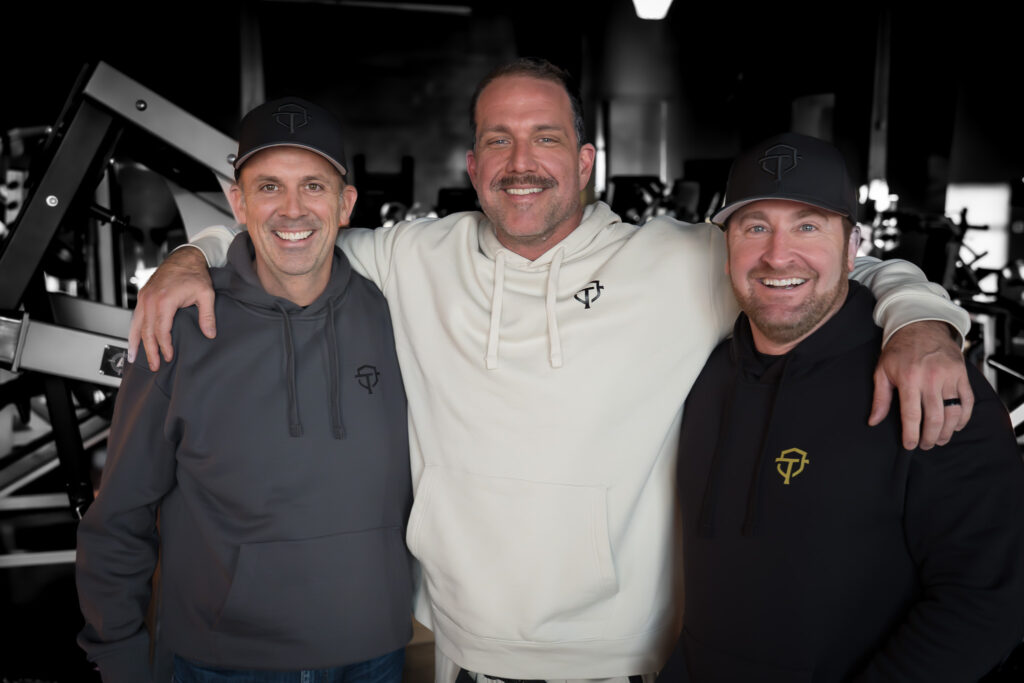
John Schwarze, Ryan Corder, and Bryan Lively founded Overtime Athletic Club from long-standing friendships shaped by family life, athletics, and business. Their shared idea is to create a place where different generations and different levels of athlete can train, recover, and belong without entering separate fitness worlds.
Parents, children, and athletes can participate under one roof instead of treating fitness as separate schedules. The facility is intended to welcome beginners while still giving serious lifters and competitors meaningful tools.
Recognized for family participation, strength and performance training, youth development, recovery amenities, community building, and an ambitious all-under-one-roof model.
About This Spotlight
Fitness Living Magazine™ selected this review for Overtime Athletic Club’s family-centered operating model, broad strength and performance offering, recovery integration, youth-development pathway, grassroots local growth, and contribution to Rock Hill’s fitness community.
Fitness Living Magazine™ publishes these features to place local fitness leaders on the record about how their programs operate, what members experience, what standards guide the coaching, and what makes the business relevant to its local community.
Source material for this Spotlight consisted of Fitness Living Magazine™’s March 27 interview with John Schwarze and Ryan Corder, the April 7 technical sign-off with John, Ryan, and Bryan Lively, the business transcript and editorial notes, supplied photography, the legacy article, and official business information.
This feature is editorial content and is not medical advice. Training descriptions, client experiences, and outcomes reflect source interviews, supplied material, and current public business information; they do not establish medical efficacy or guaranteed results. Individual experiences vary, and readers should consult appropriate healthcare professionals before beginning or changing an exercise program when relevant.