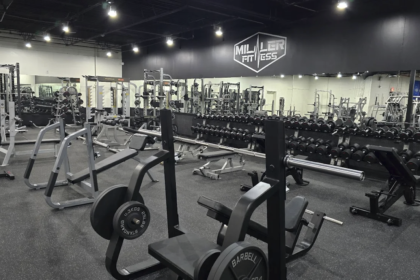
This My Fitness Identity Long Beach review examines Ricardo’s private one-on-one model, strength and mobility focus, client experience, coaching philosophy, and introductory meet-and-greet.
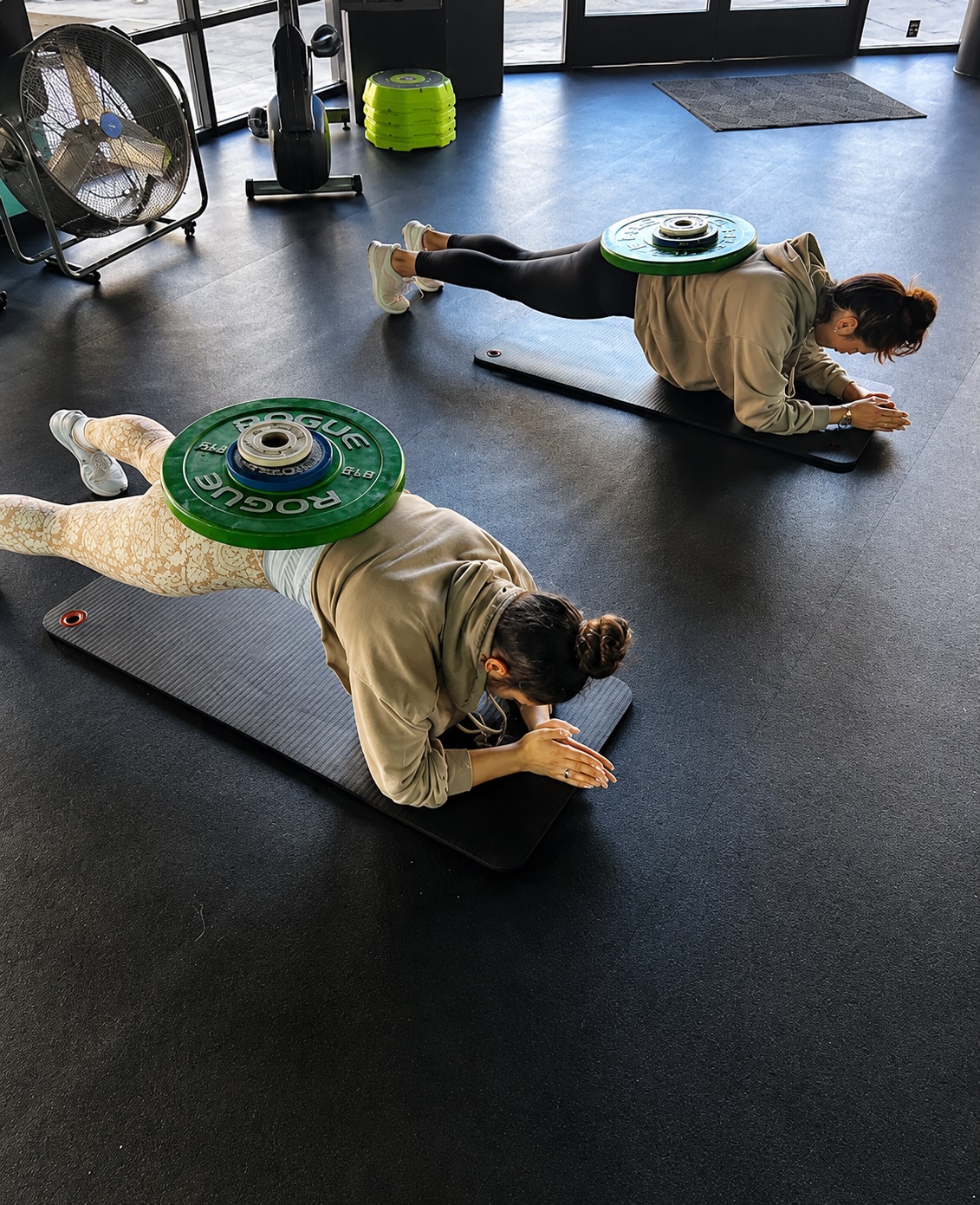
The studio came later, after Ricardo worked at a large commercial gym and then continued training clients through the pandemic in homes, parks, and online. Outdoor training was vulnerable to heat, rain, sand, and scheduling. A permanent room changed the arrangement: instead of Ricardo traveling from client to client, each person could come to a controlled space where the equipment, music, and full hour were prepared for them.
“Right off the bat, I want them to be comfortable and enjoy the experience.”Ricardo Goncalves / My Fitness Identity
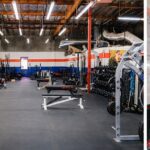
The first signal is privacy. Ricardo described a studio-sized room where no unrelated members are dropping weights, filming, speaking loudly, or waiting for equipment. During a one-on-one session, the room belongs to the trainer and the client.
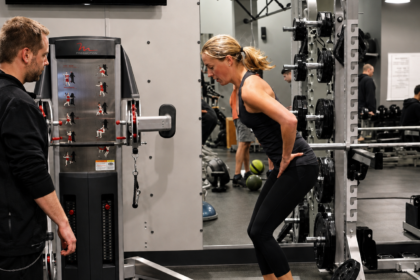
The second signal is control over the hour. Music can reflect the client’s preference, exercises can be adjusted without public pressure, and Ricardo can give one person his undivided attention. He wants the client to feel comfortable enough to ask questions and open up about the work.
The deeper signal is restraint. Ricardo does not treat severe next-day soreness as proof of quality. He meets clients at their present strength and conditioning level, applies enough work to make the session meaningful, and preserves their confidence that they can return.
Ricardo’s leadership is deliberately personal. He has kept the client base at roughly twenty, rarely cancels, and describes calmness, patience, and the ability to repeat an instruction without frustration as part of professional coaching. In a one-room practice, temperament is not separate from the service; it shapes whether a client trusts the process enough to keep returning.
Inside Ricardo’s Private Training Model
Ricardo’s practice is intentionally small: roughly twenty clients, one trainer, and appointments organized around one person at a time. Clients range from their mid-twenties to age seventy-five, which makes uniform programming impractical. The common structure is not a single routine; it is direct attention, an assessment of the starting point, and a progression adjusted to the person.
My Fitness Identity is Ricardo Goncalves’s private personal training studio in downtown Long Beach, centered on one-on-one weight training, muscle building, mobility, flexibility, and a deliberately comfortable path into consistent exercise.
The model differs from an open-membership gym because the client reserves both the room and the coach’s full hour. Ricardo uses the first appointment to discuss goals, schedule, training frequency, body mechanics, and current ability before deciding how the work should begin.
A One-Room Model Built Around Full Attention
The value of the model becomes clearer when privacy, programming, and pacing are considered as one operating system.
Only Ricardo and the scheduled client are present, removing the noise, filming, equipment competition, and public pressure he associates with a large gym floor.
Adults across a wide age range who want direct coaching in weight training, muscle building, mobility, and flexibility at their current level.
Comfort is treated as a condition for useful effort, not the absence of effort: enough challenge to progress, with enough restraint to come back.
From Caregiving To A Studio Of His Own
Before he was a trainer, Ricardo worked as a caregiver in hospitals and a skilled nursing facility. He remembered meeting people after illness had already changed the direction of their lives. The experience made him think about an earlier point of intervention: not medical treatment, but ordinary fitness work that could help people build strength and habits before their choices became narrower.
He shifted into personal training more than eight years ago and worked at 24 Hour Fitness. When pandemic closures emptied commercial gyms, some clients wanted to keep training. Ricardo traveled to homes, used parks, and coached online. The arrangement kept the work going, but weather, heat, rain, and beach sand made it difficult to imagine as a permanent model.
Finding a room reversed the travel. Ricardo told his clients that they would now come to him. Several remained with him after the move, and he said the studio had been operating for about six years at the time of the interview. Ownership was not originally a fixed ambition; it emerged from the practical need for a stable place to coach.
Privacy As A Coaching Method
Privacy is often described as an amenity. At My Fitness Identity, it functions more like part of the method. Without unrelated members in the room, a new client can learn an exercise without feeling watched, ask for a modification without broadcasting a limitation, and speak honestly about goals or uncertainty. Ricardo can observe one person instead of dividing attention across a floor.
The same structure makes each hour efficient. Equipment can be ready, music can be chosen, and the session can move according to the client’s plan. Ricardo’s calm, patient manner matters more in this context because there is no larger gym atmosphere to carry the experience. The relationship between trainer and client is the atmosphere.
The Hour Belongs To The Client
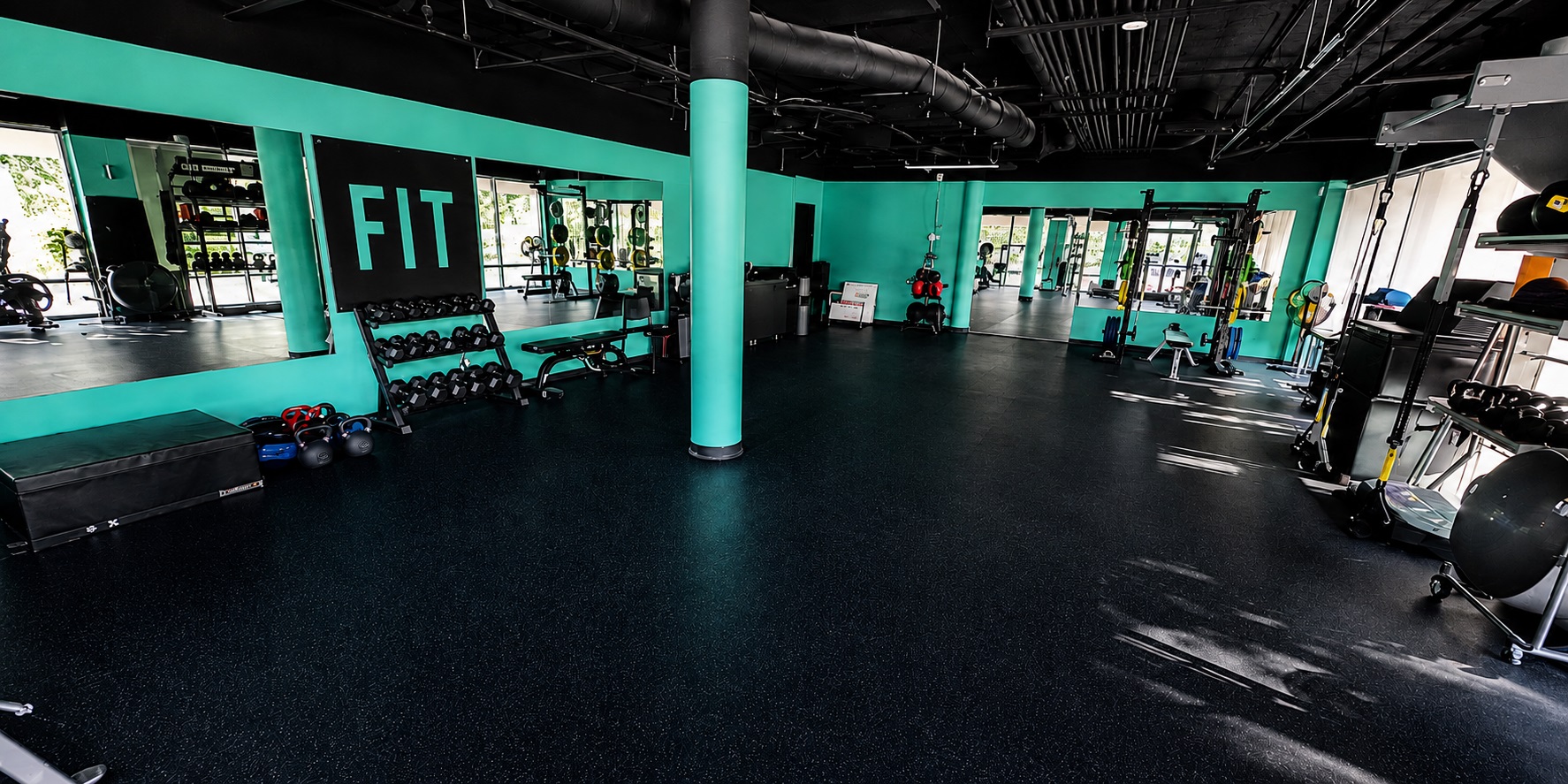
Ricardo wants the first session to lower pressure without lowering standards: a private room, direct attention, clear explanation, and training that starts at a level the person can manage.
He described wearing several hats as a personal trainer because clients often open up once they feel comfortable. That trust does not replace programming; it makes better programming possible. The more honestly someone can describe schedule, energy, hesitation, and goals, the more precisely the hour can be shaped.
Progress Without Punishment
Ricardo starts with strength and conditioning as they exist, not as the client wishes they existed. His youngest client was in their mid-twenties and his oldest was seventy-five, so the amount of work, exercise selection, and pace must change from person to person. He wants clients to feel that they trained, but not to leave in the kind of full-body pain that makes the next appointment feel unreasonable.
He also asks clients to expect a nonlinear pattern. A week or two may feel flat, followed by a noticeable jump, followed by another quieter stretch. That is why he calls progress a long marathon. A single session is not required to produce a visible result; it is required to contribute to a process the client can repeat.
“The one that they stick to it, whichever that is.”Ricardo Goncalves / On The Most Effective Program
Ricardo’s distinction between effort and punishment is the article’s practical center. The private room may attract attention, but the repeatable dose of training explains why the room matters: it gives him enough control to challenge one person without borrowing intensity standards from everyone else.
What My Fitness Identity Offers
The service is narrow by design: personal strength coaching, a private setting, and practical support for the habits that influence whether a client can stay consistent.
Who This Private Personal Training Model May Be A Good Fit For
Based on Ricardo’s interview and the supplied client material, the studio may appeal most to readers who value privacy, individualized pacing, and a direct relationship with one coach.
Someone who feels distracted or self-conscious on a crowded gym floor may appreciate training without unrelated members, filming, loud conversation, or equipment competition.
Clients interested in weight training, muscle building, mobility, and flexibility may value a program that starts at their current level and does not use excessive soreness as its benchmark.
A person who wants the same coach, a reserved hour, clear explanations, exercise modifications, and ongoing conversations about consistency may find the small practice especially relevant.
“I trained with Ricardo at 6 months after my C-section and postpartum weight gain. As a new mom with a baby at home, I really appreciated how flexible he was with timings. I did a 3-month package and saw great results—weight loss and improved strength. Ricardo explains exercises clearly, gives modifications when needed, balances workouts with recovery movements, and knows when to push you safely.”
This is one client’s account, supplied for editorial use. The reported experience was not independently verified and is not a guarantee of results. Individual experiences vary.
Strength That Becomes Visible
Ricardo described client progress in ordinary markers: muscle definition appearing where someone had not noticed it before, a belt tightening by another hole, weight moving in the intended direction, or the broad feeling of being better without a single number explaining why. He heard the belt example from a client during the week of the interview.
He also said some clients report less joint discomfort as they continue exercising. That is presented as Ricardo’s account, not as proof that training treats a medical condition. Fitness coaching cannot establish the cause of a health change, and readers with pain, injuries, postpartum considerations, or other medical concerns should seek appropriate professional guidance.
Why Consistency Matters More Than A Perfect Week
One client Ricardo highlighted was a fifty-seven-year-old man whose progress had continued to rise even when ordinary life interrupted training for a week. The important behavior was not perfection. He returned and resumed the process. Ricardo sees that willingness to come back across a client group he describes as unusually committed.
That pattern also explains why Ricardo pays attention to enjoyment. If the program demands so much soreness that the client dreads the next visit, technical quality is not enough to save it. A useful program has to fit real weeks, including work, family, sleep, and the occasional break.
A New Mother Who Needed Flexibility As Much As Strength
Six months after a C-section, Abhinethri Ramaiah began a three-month training package with Ricardo while also managing life with a baby at home.
In the review supplied for editorial use, Abhinethri said flexible scheduling made the arrangement workable. She described clear exercise explanations, modifications when needed, a balance between workouts and recovery movements, and a coach who knew when to increase the challenge.
She reported weight loss and improved strength during the three months and also remembered Ricardo checking in during holidays. The story supports a broader point about the studio’s model: results were not described apart from logistics, communication, and her own continued participation. Her effort remained central to the experience.
A Coach, A Room, And The Conditions To Keep Returning
My Fitness Identity is easiest to understand through the scale Ricardo chose: a small client roster, a private downtown room, and one coach responsible for both the program and the tone of the hour.
Why The Private Training Environment Matters
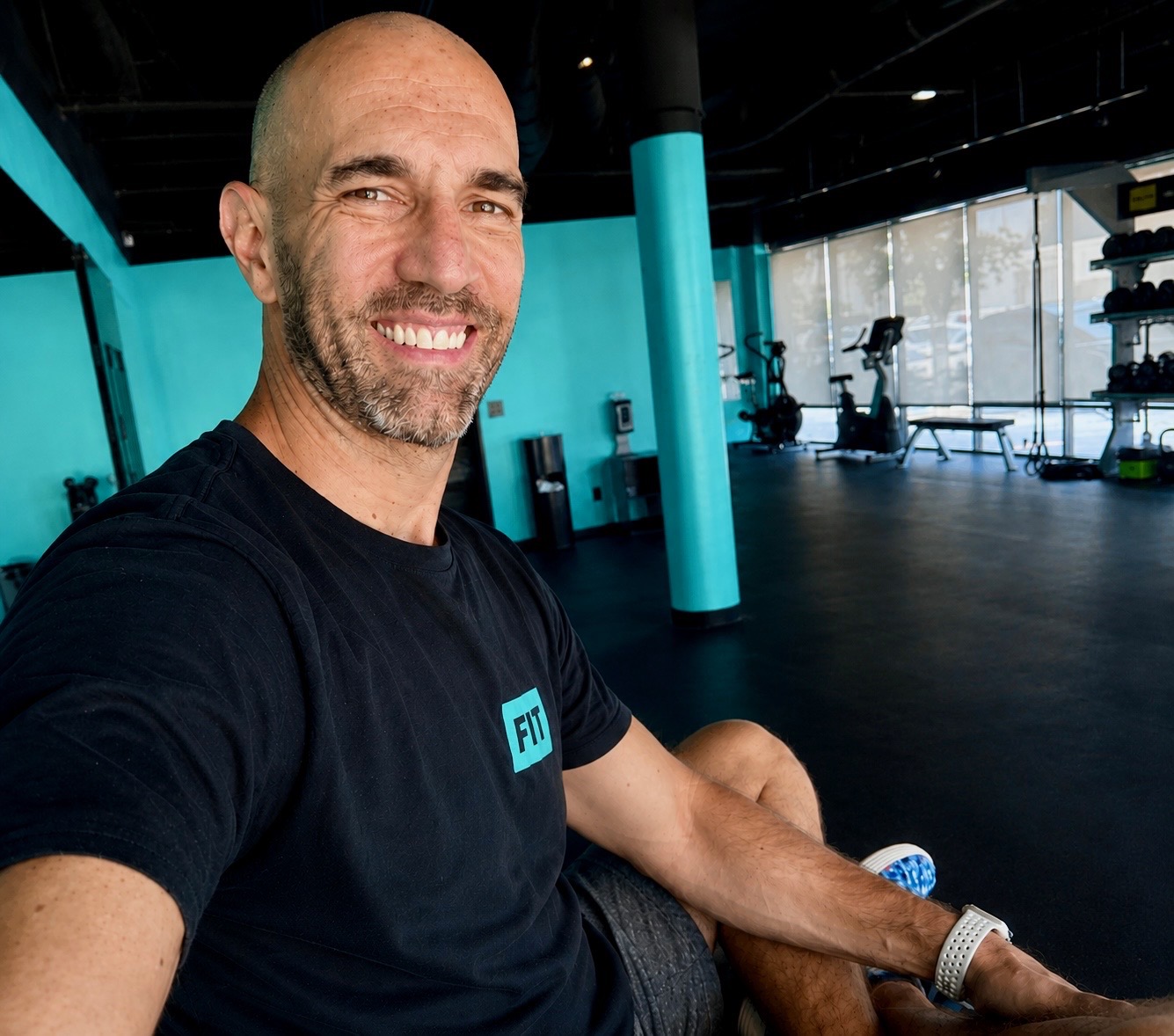
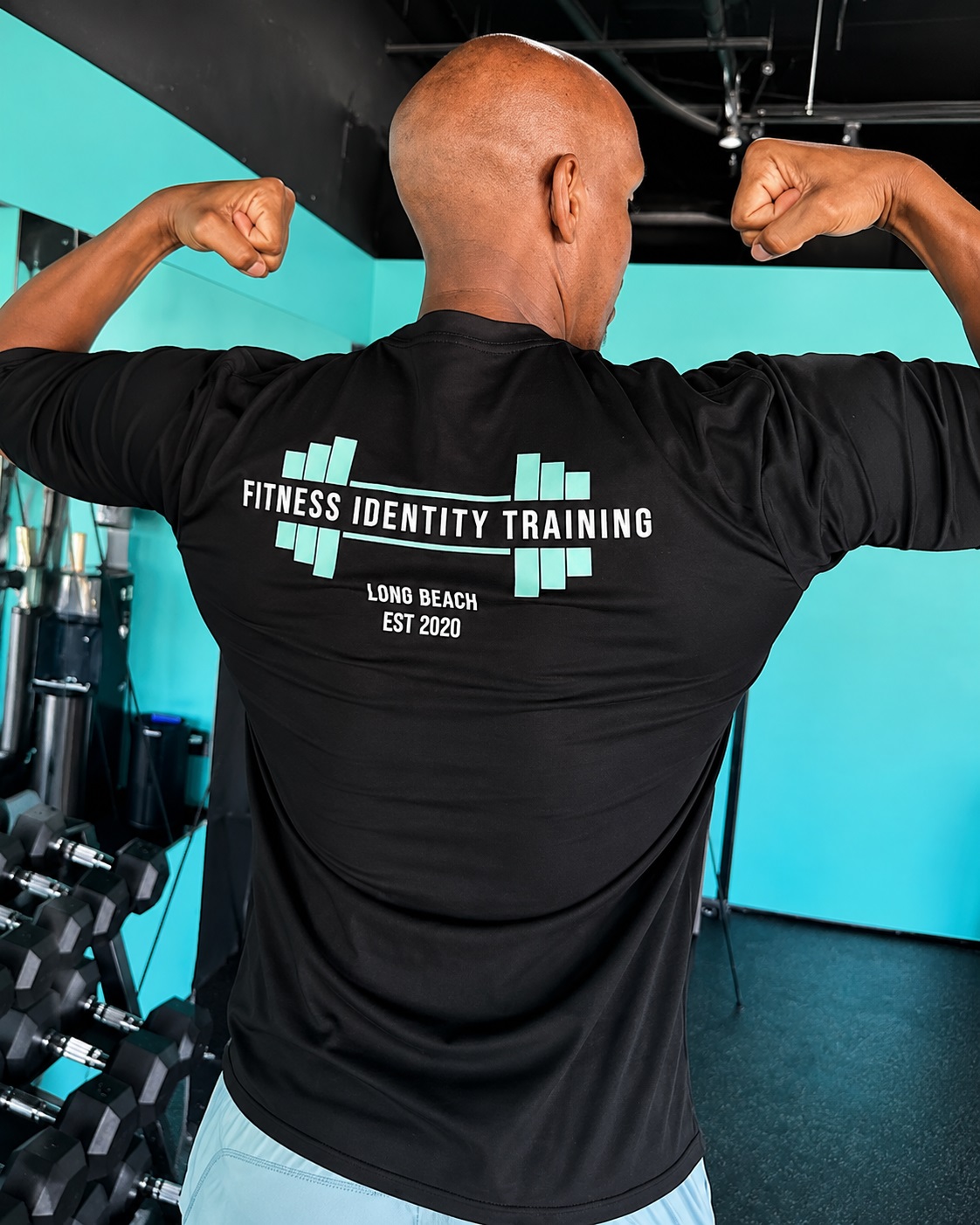
Ricardo contrasts his room with the parts of a large commercial gym that can make learning difficult: dropped weights, loud conversations, recording, waiting, and the feeling that other people are observing. At 256 Elm Avenue, appointments limit the room to Ricardo and the client, or to a small partner session. That changes both privacy and attention.
The environment also permits small decisions that would disappear in a bigger operation. Music can be chosen. Equipment can be set before the client arrives. The session can slow down for explanation or change direction without disrupting a class. For a person who has delayed exercise because the gym feels intimidating, those conditions may make the first visit more approachable.
Why This Matters In Long Beach
Downtown Long Beach gives residents many ways to be active, but access to exercise is not the same as comfort inside a gym. My Fitness Identity offers a specific alternative: a scheduled private room for people who want traditional weight training without the social and operational noise of an open membership floor.
Ricardo’s path into ownership also belongs to the local story. The studio grew out of clients he continued serving in homes and parks when commercial gyms closed. Establishing a permanent downtown location gave those relationships a stable address and allowed the coaching practice to remain intentionally small.
For a reader comparing personal-training options in Long Beach, the distinction is therefore concrete. This is not a group-class concept or a self-directed facility. It is an appointment-based relationship with one trainer whose stated priorities are comfort, weight-training progress, mobility, reliability, and a program the client can continue.
Questions Readers Ask
Who Is Ricardo Goncalves From My Fitness Identity?
Ricardo Goncalves is the owner and personal trainer behind My Fitness Identity in downtown Long Beach. Originally from Brazil, he moved from caregiving in hospitals and a skilled nursing facility into personal training more than eight years ago, later opening his own private studio.
What Does This My Fitness Identity Long Beach Review Highlight?
The Spotlight examines Ricardo’s private one-on-one setting, weight-training and muscle-building focus, mobility and flexibility work, measured approach to soreness and progression, client experience, Long Beach location, and first meet-and-greet.
What Kind Of Training Does My Fitness Identity Provide?
Ricardo centers the service on weight training and muscle building, with mobility and flexibility integrated according to the client. The main format is one-on-one personal training, with partner sessions also available.
Why Does Ricardo Emphasize Comfort?
Comfort allows a client to ask questions, learn without a crowd, and return consistently. Ricardo still expects meaningful work, but he does not want severe soreness or public pressure to become the measure of whether a session was effective.
Who May This Private Studio Be A Good Fit For?
Based on the supplied sources, the model may appeal to adults who value privacy, direct coaching, traditional resistance training, individualized pacing, clear explanations, and a relationship with one trainer. Fit and outcomes remain individual.
What Is The Best First Step For A New Client?
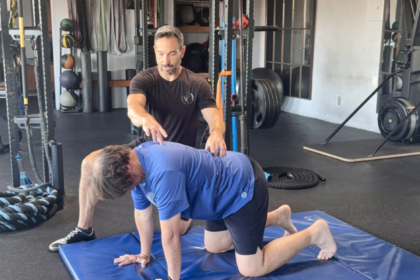
Ricardo recommends scheduling a one-on-one meet-and-greet. The hour includes conversation about goals, schedule, desired training frequency, and what the person wants from the gym, followed by enough exercise for him to observe mechanics and current level.
Key Takeaways
A room without unrelated members can reduce social pressure and give Ricardo space to observe, explain, and adapt.
Weight training and muscle building form the core service, supported by mobility, flexibility, and attention to body mechanics.
Ricardo prepares clients for flat stretches and later jumps instead of promising a visible result after every session.
Enjoyment, manageable soreness, scheduling, and consistent return are treated as part of program quality.
Conclusion
My Fitness Identity is a small operation by choice. Roughly twenty clients, one private room, one trainer, and appointments organized around the person who arrives. The arrangement gives Ricardo control over the details that are easy to lose in a larger facility: noise, music, equipment, pace, explanation, and the emotional temperature of learning something new.
The larger lesson is not that comfort removes difficulty. It is that difficulty becomes more useful when it is measured against the person. Ricardo’s long-marathon view makes room for flat weeks, interruptions, and return. In downtown Long Beach, that produces a form of personal training that is traditional in its tools—weights, muscle, mobility, repetition—but unusually deliberate about the conditions that keep someone participating.
Ricardo Goncalves
Ricardo’s interview describes a coaching practice built around private one-on-one attention, traditional weight training, mobility, patient progression, reliable scheduling, and the belief that the best program is one a client can continue.
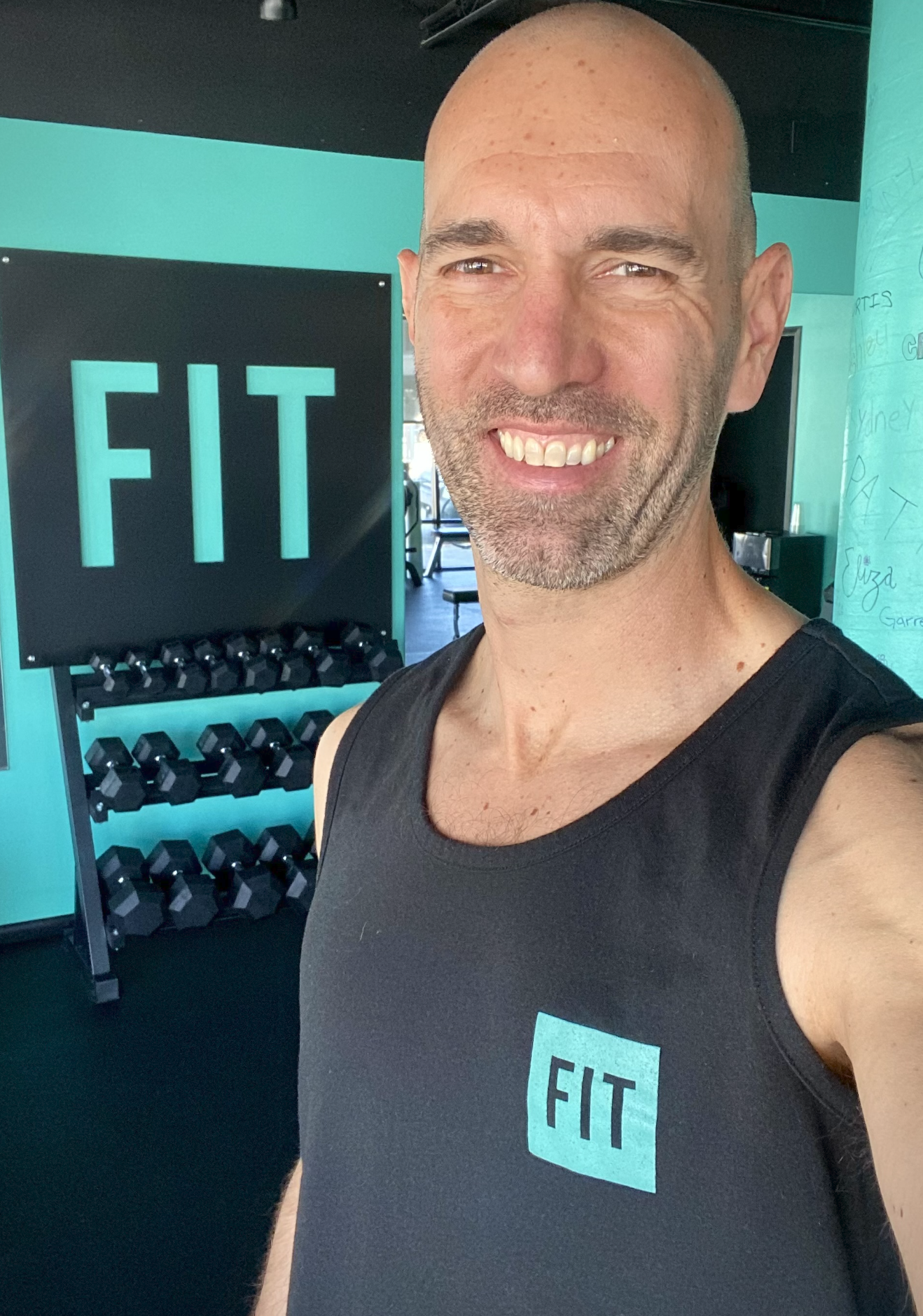
Originally from Brazil, Ricardo worked as a caregiver in hospitals and a skilled nursing facility before moving into personal training more than eight years ago. He trained at 24 Hour Fitness, continued coaching clients in homes, parks, and online during pandemic closures, and then established a permanent private studio at 256 Elm Avenue. At the time of the interview, he said the studio had been operating for about six years and served roughly twenty clients.
Meet each client at their present strength and conditioning level, progress without making severe soreness the goal, and help the person find a form of training they can enjoy and repeat. Ricardo’s message is to improve fitness, unlock an athletic identity, and keep going.
Private one-on-one and partner training, weight training, muscle building, mobility, flexibility, individualized pacing, clear exercise explanations, reliability, patience, practical scheduling, and regular attention to eating, sleep, and cardio habits outside the studio.
About This Spotlight
Fitness Living Magazine™ selected this Spotlight for My Fitness Identity’s deliberately private operating model, Ricardo Goncalves’s transition from caregiving to personal training, the full-hour one-on-one experience, his measured view of soreness and nonlinear progress, the studio’s traditional strength focus, and the practical way consistency is supported through privacy, scheduling, communication, mobility work, and attention to habits outside the gym.
Fitness Living Magazine™ publishes these features to place local fitness leaders on the record about how their programs operate, what clients experience, what standards guide the coaching, and what makes the business relevant to its local community.
Source material for this Spotlight consisted of Fitness Living Magazine™’s recorded July 31, 2026 interview with Ricardo Goncalves; the original My Fitness Identity Spotlight source package; a client review supplied by Abhinethri Ramaiah for editorial use; the business photography supplied with the feature; and the official My Fitness Identity website identified in the source package as the business destination.
This feature is editorial content and is not medical advice. Training descriptions, injury-related language, postpartum context, client stories, and reported outcomes reflect Ricardo’s account and supplied client material; they do not establish medical efficacy, treatment, prevention, rehabilitation, or guaranteed results. My Fitness Identity is a fitness service and is not a substitute for diagnosis, treatment, physical therapy, postpartum medical care, or other qualified healthcare. Individual experiences vary, and readers should consult appropriate healthcare professionals before beginning or changing an exercise program when relevant.