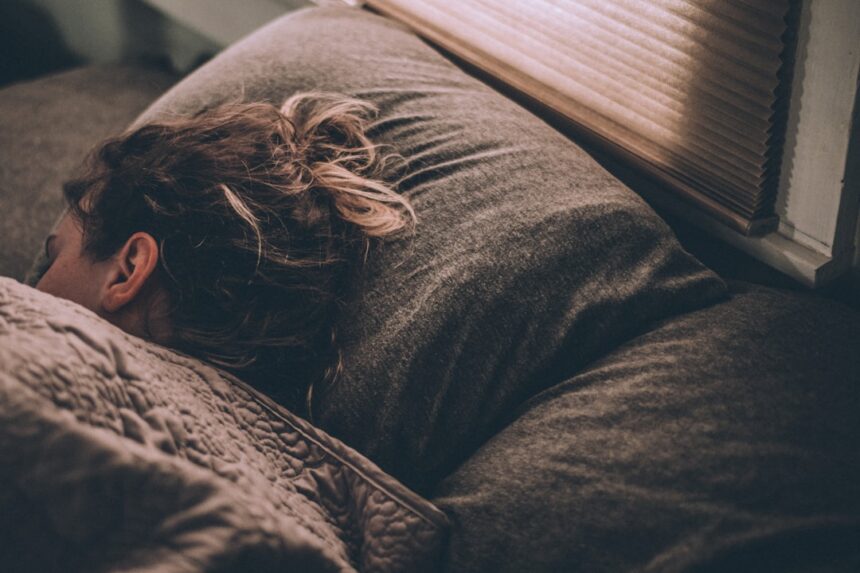
A new population study published today in Medicine & Science in Sports & Exercise found that starting and maintaining regular exercise were associated with a greater likelihood of feeling rested after sleep among adults who previously reported insufficient sleep restfulness.
Regular exercise and restful sleep appear to move together in one of the largest longitudinal analyses of the question to date. Researchers examined annual health-check data from 702,007 Japanese adults and found that beginning a regular exercise habit was associated with the strongest improvement in perceived sleep restfulness.
The analysis compared health-check responses from 2021 and 2022. Researchers excluded people with diagnosed sleep disorders and those who already reported sufficient sleep restfulness at baseline. They then examined whether participants started, maintained or stopped regular exercise and whether their perception of restful sleep improved the following year.
At a Glance
- The study analyzed 702,007 Japanese adults with insufficient sleep restfulness at baseline.
- Starting regular exercise was associated with 37% higher odds of improved sleep restfulness.
- Maintaining regular exercise was associated with 23% higher odds of improvement.
- Stopping regular exercise was associated with slightly lower odds of improved restfulness.
- The study was observational and relied on self-reported exercise and sleep perceptions, so it cannot prove cause and effect.
What the Regular Exercise and Restful Sleep Study Found
Adults who started regular exercise between the two health checks had an adjusted odds ratio of 1.37 for improved sleep restfulness compared with the reference group. In practical terms, that means their measured odds of reporting better restfulness were 37% higher after accounting for the factors included in the researchers’ statistical model.
People who maintained an existing exercise habit also had a favorable association, with an adjusted odds ratio of 1.23. By contrast, participants who discontinued regular exercise had an odds ratio of 0.94, indicating slightly lower odds of reporting improved restfulness.
The analysis used annual health-check data from more than seven hundred thousand adults, giving the researchers unusual statistical power to compare changes in exercise habits with changes in perceived sleep restfulness.
Why Starting Exercise Stood Out
The strongest association appeared among people who moved from not exercising regularly to establishing an exercise habit. That pattern is useful because it suggests the change in behavior—not simply the characteristics of people who have always exercised—may be relevant to how rested people feel.
Still, this was not a randomized exercise trial. People who begin exercising may simultaneously change other behaviors, including meal timing, alcohol use, stress management or bedtime routines. Statistical adjustment can reduce some of that confounding, but it cannot remove every possible difference.
Daily Activity Was Not the Same as Regular Exercise
An important detail is that researchers analyzed two activity categories separately: regular exercise and general daily physical activity. The results were more consistent for regular exercise. Daily activity showed a favorable association when people increased it, but maintaining daily activity was not clearly associated with improved sleep restfulness in the same way.
That distinction may reflect the stronger physiological stimulus created by purposeful exercise. Structured aerobic or resistance training can affect body temperature, circadian timing, mood, stress physiology and sleep pressure. Everyday movement still matters for health, but this study suggests it may not be interchangeable with a regular workout habit when the outcome is how rested someone feels after sleep.
What the Study Cannot Tell Us
Sleep restfulness is subjective. Participants answered standardized health-check questions rather than undergoing overnight sleep studies, wearable monitoring or laboratory measurement. The researchers therefore measured how restored people felt, not sleep architecture, apnea events, sleep stages or total sleep time.
The exercise measure was also self-reported. The paper does not establish an ideal workout type, intensity, duration or time of day. It cannot tell readers that morning cardio is better than evening strength training, or that a particular number of weekly sessions guarantees better sleep.
Persistent unrefreshing sleep can be associated with sleep apnea, insomnia, medication effects, depression, medical conditions and other causes that require evaluation. Exercise can support sleep health, but it should not delay medical attention for chronic or worsening sleep problems.
How to Use the Finding Practically
For someone who is inactive and sleeping poorly, the research supports a modest goal: establish a repeatable exercise routine rather than chasing an aggressive program. Brisk walking, cycling, swimming, resistance training or a combination can all provide a purposeful training stimulus when performed consistently.
Consistency matters more than perfection. A person who moves from zero structured sessions to three manageable weekly workouts has made the kind of behavioral transition that produced the strongest association in this study.
People already exercising should not interpret the results as a reason to train harder simply to sleep better. More intense exercise can create fatigue and, when poorly timed or inadequately recovered from, may temporarily disrupt sleep for some individuals. The study supports maintaining a habit, not escalating it without limit.
How This Fits With Broader Sleep Research
The findings are consistent with a broader evidence base linking physical activity with sleep quality. A recent meta-analysis of walking interventions reported meaningful improvements in subjective sleep quality, although the certainty of that evidence was rated very low. Together, the research suggests that movement can be useful while reminding readers that sleep is influenced by many factors beyond exercise alone.
Our recent report on evening exercise and memory after short sleep explored a different question: whether a single exercise session can influence performance after restricted sleep. The new study looks at the longer-term habit itself and whether people feel more rested over time.
Why This Is a Useful Fitness Story Today
The study appears in the September 1 issue of one of the field’s major exercise-science journals, making it especially relevant for readers trying to connect fitness habits with everyday recovery. Its size is impressive, but the practical value lies in a simple distinction: regular exercise was more consistently associated with restful sleep than general daily activity alone.
That does not diminish walking, chores or routine movement. It suggests that the body may benefit from both: a generally active day and a purposeful exercise habit.
The Fitness Living Takeaway
Starting and maintaining regular exercise were associated with better perceived sleep restfulness in more than 702,000 adults. Starting a habit showed the strongest association, while stopping exercise was linked with slightly lower odds of improvement. Because this was observational research based on questionnaires, it cannot prove that exercise caused better sleep—but it strengthens the case for regular training as one component of a healthy recovery routine.
Research & Sources
- Medicine & Science in Sports & Exercise / PubMed: population cohort study
- Frontiers in Public Health: walking and subjective sleep quality meta-analysis
- Image: Greg Pappas
This article reports on population research for general information and is not individualized medical advice.
The Fitness Living Weekly
New Fitness Living Spotlights, important fitness news, research and independent reporting, delivered directly to your inbox.
One considered edition each week.
Do You Lead a Fitness Business Worth Knowing?
Fitness Living Magazine features independent gym owners, fitness trainers, and Pilates studio owners strengthening their local communities.