
Nutrition & Performance · Evidence Explainer · November 19, 2026
A higher vitamin D reading and a stronger lift are different outcomes. Understanding that distinction helps put supplement claims in perspective.
What the training study found
A 2024 trial in Estonia followed 28 healthy men, averaging 59 years old, through 12 weeks of supervised resistance training. Participants received vitamin D or placebo under double-blind conditions. Assignment alternated between groups after sorting by body mass, making this quasi-randomized rather than fully randomized.
Vitamin D levels rose approximately 2.6-fold with supplementation. Both groups gained strength and lean mass; the researchers detected no additional improvement from vitamin D.
Why the boundaries matter
The small, male-only sample, short duration and incomplete dietary records limit interpretation. Most participants were below the researchers’ vitamin D sufficiency threshold, but three were sufficient. Thresholds also differ across authorities. These results cannot establish that supplementation never helps, or settle effects in women, trained athletes or people with severe deficiency.
The study used 8,000 IU daily. That experimental dose is not a personal supplement recommendation.
Keep health needs and performance claims separate
Vitamin D helps the body absorb calcium and supports bone health. The NIH Office of Dietary Supplements lists recommended daily intakes of 600 IU for adults through age 70 and 800 IU thereafter, counting food and supplements together. Those are population reference values, not individualized treatment plans.
The adult upper intake limit is 4,000 IU daily. More is not automatically better: excessive supplemental vitamin D can cause harmful calcium elevations. Treatment for diagnosed deficiency belongs with a clinician, rather than a training experiment.
Start with the foods already on your plate
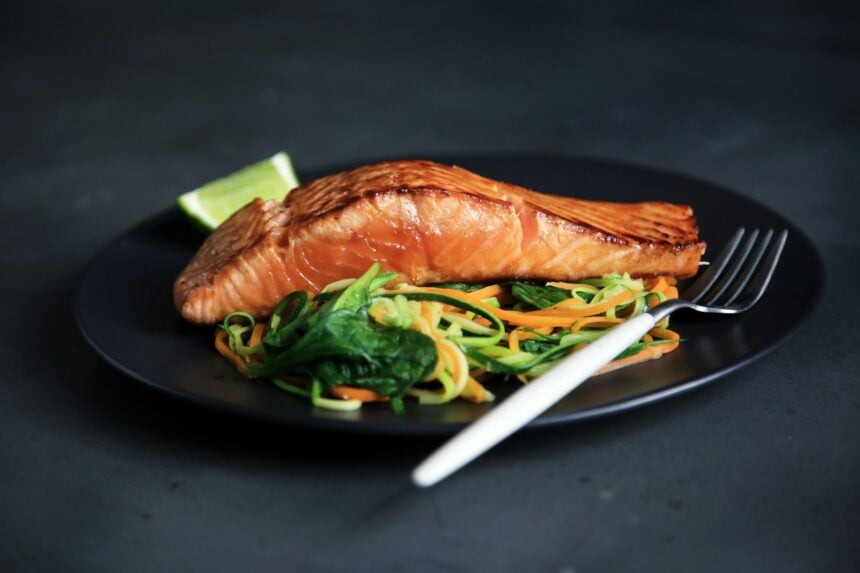
Salmon and trout naturally provide vitamin D. Fortified milk and some fortified plant drinks offer other options; check the label because products vary. Think of these as ways to support nutritional adequacy, not as foods proven by this trial to increase your lifting numbers.
A practical first step is to review the foods and supplements you already use before adding another product. If a multivitamin and a separate vitamin D supplement both appear in that inventory, count both when discussing intake with a health professional.
The question to ask: Is a supplement addressing a nutritional need, or promising a performance benefit? Those are different claims and deserve different evidence.
Sources and reporting scope: Savolainen and colleagues, Nutrients 16(19):3356, published October 2, 2024. Full text reviewed. Practical context: NIH vitamin D fact sheet for health professionals, accessed November 19, 2026. This is an evidence explainer, not a report of newly released research or an individualized treatment plan.