Nutrition & Performance · Evidence Explainer · November 22, 2026
The recovery aisle offers convenience. Your kitchen offers choices. Deciding between them starts with the job your next meal needs to do.
What the experiment tested
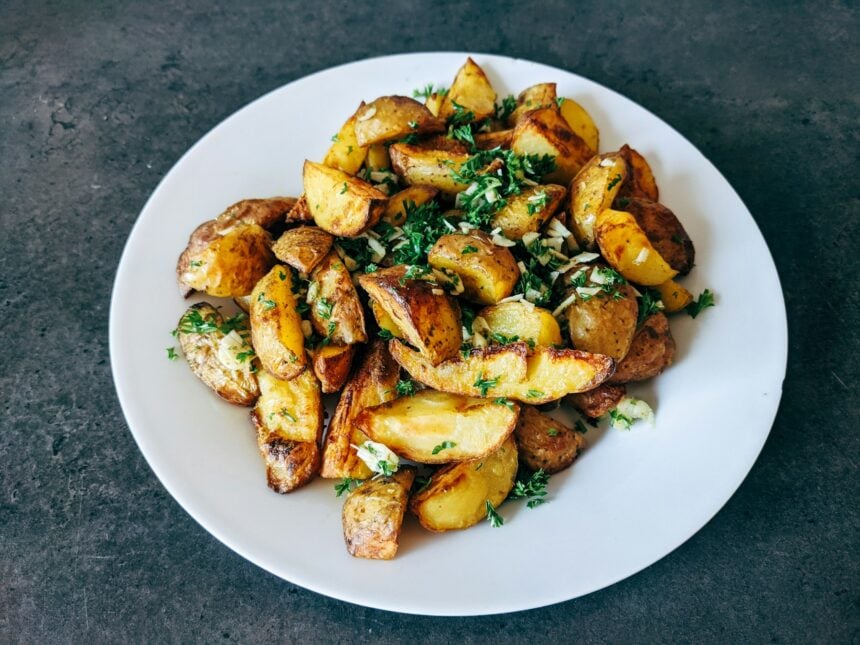
A crossover study published March 25, 2020, followed 16 recreationally active adults, eight men and eight women. Each completed both recovery conditions after a 90-minute cycling session: potato-based meals or sports products, with comparable carbohydrate, fat and protein. Feedings came immediately and two hours later.
Over four hours, muscle glycogen restoration did not differ significantly between diets. Neither did the subsequent 20-kilometer cycling time trial. This was a comparison of matched menus, not evidence that adding potatoes to any diet improves performance. Read the primary study.
Keep the conclusion proportionate
Sixteen people and one recovery period cannot establish universal equivalence. All female participants used hormonal contraception, further limiting generalization. The Alliance for Potato Research and Education funded the study. The results concern fuel restoration and cycling, not proof of less soreness or greater muscle growth.
Build the meal before choosing the product
The NIH Office of Dietary Supplements places adequate food intake and hydration at the foundation of performance. Carbohydrate helps replace muscle glycogen, the stored fuel used during exercise. Protein, fat, vitamins and minerals also belong in an adequate eating pattern. Supplements cannot substitute for that foundation.
Our editorial interpretation is to separate convenience from necessity. A packaged product might suit the trip home from training; a familiar meal might fit better when a kitchen is available. Neither choice needs to become a statement about how serious you are about fitness.
A useful planning question: What can you realistically eat between finishing this session and starting the next? Bring that schedule, your food preferences and any digestive difficulties to a sports dietitian. A laboratory feeding protocol is not your personal portion prescription.
For a broader look at recovery, explore our Nutrition & Performance collection.
Research & Sources
Flynn, Rosales, Hailes and Ruby. European Journal of Applied Physiology, 2020. 10.1007/s00421-020-04352-2. Reporting draws on the accessible full text, including methods, results and funding disclosures.
NIH Office of Dietary Supplements: Exercise and Athletic Performance, accessed November 22, 2026. This is an explainer of existing evidence, not a newly published study or individualized nutrition advice.