Nutrition & Performance · Research Explainer · November 27, 2026
Feeling less sore and performing more work are different outcomes. That distinction matters when judging a supplement marketed for recovery.
What the bench-press experiment found
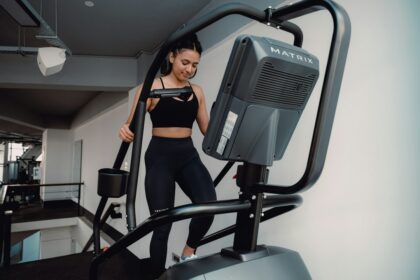
A small randomized, double-blind study tested magnesium against placebo in 22 college-aged adults: nine men and 13 women. Participants completed soreness-inducing bench-press sessions before and after ten days of supplementation, with performance testing 48 hours after each session.
The magnesium group reported lower soreness at 24, 36 and 48 hours compared with its baseline; the placebo group did not show a significant change. But a change within one group is not, by itself, proof of a difference between groups.
The abstract reports a between-group performance comparison of P=.06 for total repetitions to failure, above the study’s .05 threshold. That is uncertainty, not an established lifting benefit or proof of no effect. The small sample, short duration and specific exercise test limit what the findings can tell other exercisers. The study does not establish long-term training gains. Read the primary study abstract.
Start with nutritional adequacy
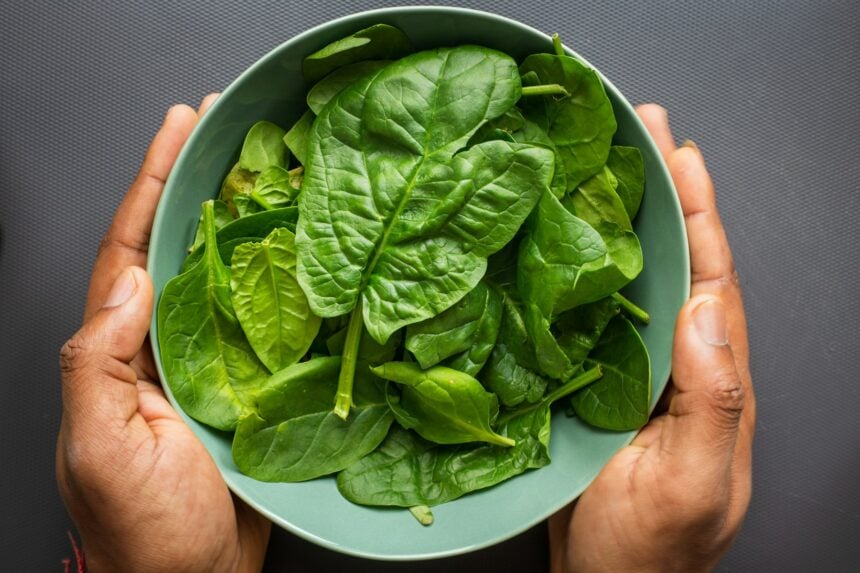
The NIH Office of Dietary Supplements explains that magnesium supports normal muscle and nerve function and energy production. Spinach, beans, nuts, seeds and whole grains are food sources. Those basic nutritional roles do not establish that an extra capsule improves a particular workout.
NIH also distinguishes magnesium needs from supplement limits. Its adult upper limit of 350 milligrams per day applies to supplements and medications, not magnesium naturally present in food. It is a safety limit, not a target for athletes. Supplemental magnesium can cause diarrhea, nausea and abdominal cramps. Kidney impairment increases toxicity risk, and magnesium can interact with some medicines.
Read the promise before the label
Our editorial interpretation is to separate three questions: Does your usual diet meet your needs? Is there a reason for a clinician to assess your magnesium status? And has the particular recovery benefit being advertised actually been demonstrated?
Those questions can lead to different decisions. A photograph of a nutritious ingredient does not validate a supplement claim. Likewise, a lower soreness rating cannot stand in for evidence of more repetitions, stronger muscles or better performance over an entire training season.
If you discuss a supplement with a dietitian or clinician, bring its label, your regular medications and an outline of your usual meals and training. Describe the outcome you want to change. This article does not prescribe a dose or recommend copying the research protocol.
Sources and reporting scope
Reno and colleagues, Journal of Strength and Conditioning Research. Published online October 1, 2020; August 2022 issue. DOI: 10.1519/JSC.0000000000003827. Reporting uses the PubMed abstract; full text was not accessible. This is an explainer of existing evidence, not a new-study announcement. NIH guidance reviewed November 27, 2026.
Explore more Nutrition & Performance articles.