Nutrition & Performance · Evidence Explainer · November 15, 2026
Both diets supported gains during training, but a trial could not establish comparable muscle outcomes for vegetarian participants.
What the trial tested
The IMPACT randomized trial followed 108 adults aged 55 or older through 12 weeks of strength training. Participants received counseling for a vegetarian diet allowing eggs and dairy or an omnivorous diet, then chose their own foods.
Both groups gained arm-and-leg muscle: 0.38 kilograms in the vegetarian group and 0.66 kilograms in the omnivorous group. Leg-press strength and chair-stand performance also improved.
Why the comparison remains unsettled
However, the study did not establish “noninferiority” for either primary outcome: protein intake or muscle mass. That means it could not rule out a disadvantage exceeding its predefined limits. It does not prove the vegetarian diet was inferior.
For muscle mass, the between-group estimate was −0.33 kilograms, with a 95% confidence interval from −0.69 to +0.03.
Protein intake differed, so this was not a protein-matched comparison. It also cannot settle questions about vegan diets, younger athletes or long-term results. Study intake targets should not become personal prescriptions.
Build a meal, then consider the pattern
For everyday planning, the NHS vegetarian-diet guide offers a useful starting point: include a variety of protein sources within a balanced diet. Beans, peas and lentils provide protein and fibre; tofu, tempeh and eggs offer other options. Milk and yogurt contribute protein, calcium and vitamin B12 for people who include dairy.
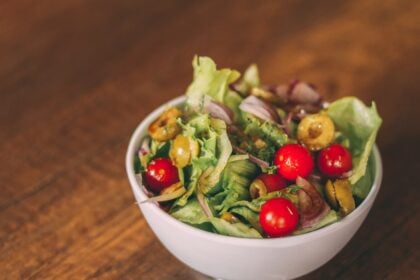
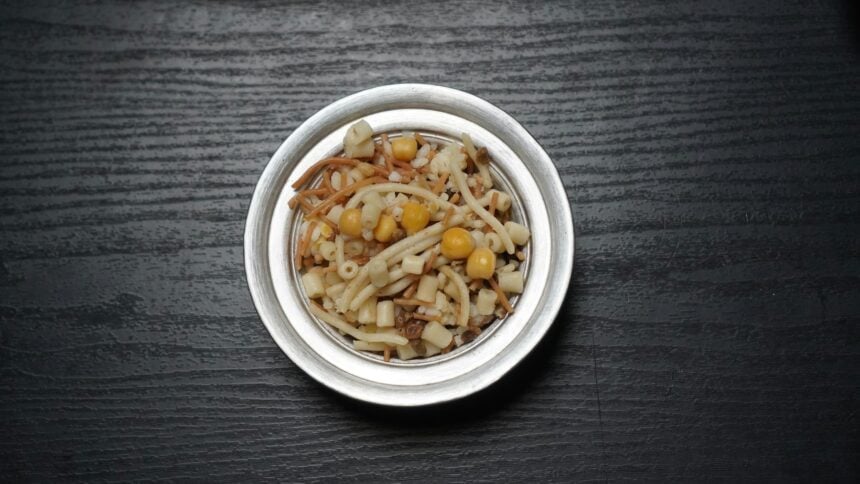
Think about what replaces meat on the plate. A bowl of rice and vegetables could include chickpeas or tofu; a breakfast could pair wholegrain toast with eggs. These are meal ideas, not menus tested in the trial or guarantees of a particular protein intake.
Starchy foods also provide energy. Keep fruit and vegetables in the picture, and plan for iron and B12 rather than focusing exclusively on protein. The NHS emphasizes balance across a day or week; every individual meal need not be perfect.
A useful planning question: Which protein foods will appear in the meals you already enjoy? Start with a realistic menu, rather than treating a diet label as a complete plan.
Sources and reporting scope: IMPACT randomized trial, The American Journal of Clinical Nutrition (2026). Study coverage is based on the published abstract; the full paper was not accessible for review. Practical context: NHS, The vegetarian diet, reviewed March 10, 2026. This article provides general information, not an individualized nutrition prescription.