Recognized by Fitness Living Magazine™ For a compassionate service model, lived-experience leadership, and a focus on accessible movement and routine in San Diego.
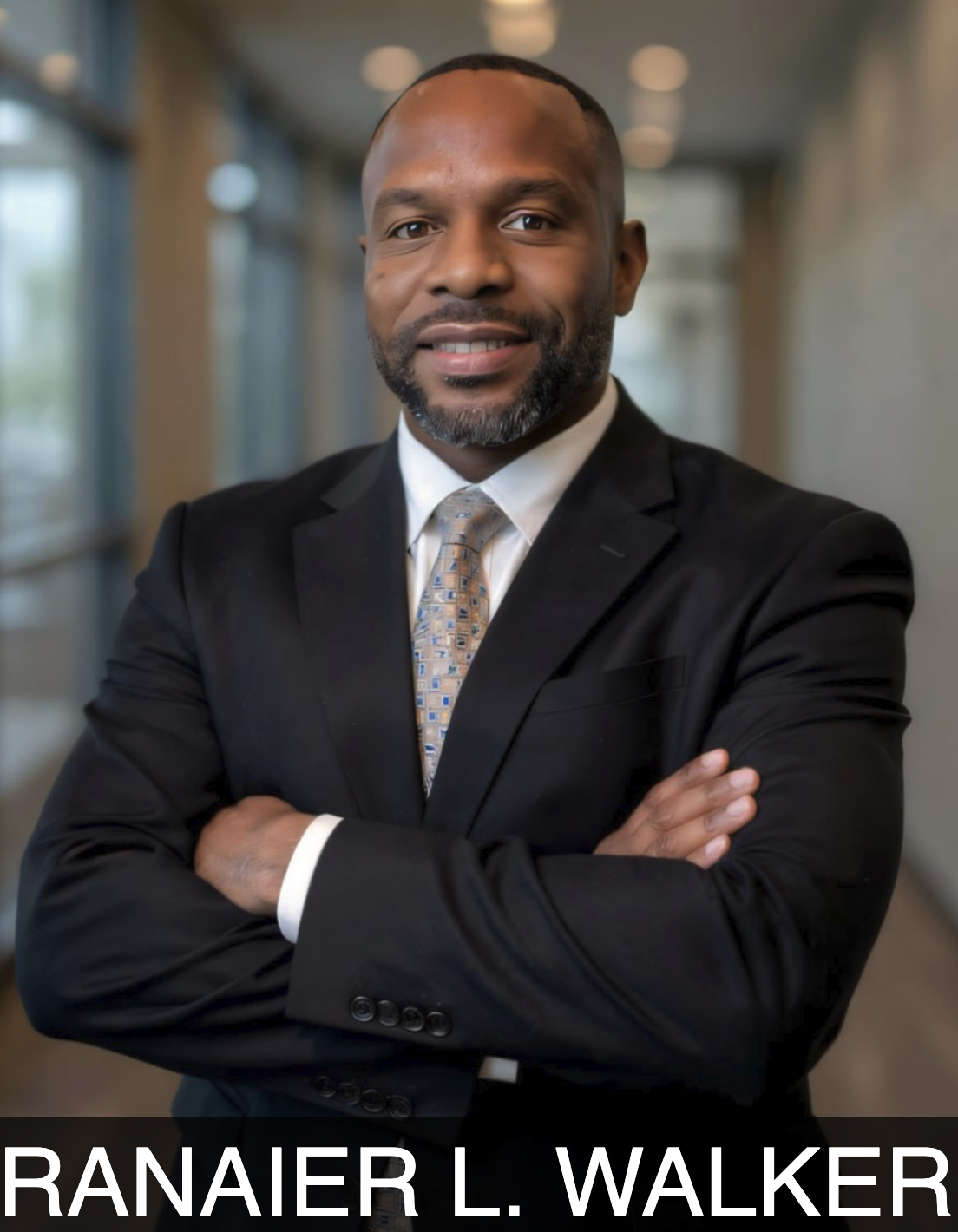
That belief sits at the center of Recovery Fitness Club in San Diego, California. Ray grew up around athletics, football, wrestling, and early weight training, but his deeper mission came from his own recovery journey and from seeing how structure, exercise, routine, and healthy habits helped him move forward after years of addiction.
“It’s okay to have a past, but it’s not okay to let that past dictate your future.”Ray Walker / Founder, Recovery Fitness Club
A warm tone, a non-judgmental environment, and a training approach that does not ask people to prove themselves before they are supported. Ray described wanting clients to feel welcomed, not judged, especially because many arrive with different fitness levels, different histories, and different emotional barriers.
Ray hopes clients find more than a workout: a manageable way to move, a weekly routine, and encouragement to keep participating. For people rebuilding confidence, he wants the experience to feel patient, respectful, and free of shame.
That is what gives the service its distinct feel. The first impression is not intimidation, pressure, or performance culture. It is a sense that the person is being met where they are, with movement used as a steady way to build trust, consistency, confidence, and a healthier relationship with the body.
Ray Walker has shaped Recovery Fitness Club around a clear conviction: people can have a difficult past and still build a healthier future. That founder-led tone gives the service its compassionate, disciplined, and recovery-centered identity.
Inside Recovery Fitness Club
Recovery Fitness Club begins with Ray Walker’s belief that the first step into fitness should feel possible. His service works with people in recovery who may need a patient introduction to movement, clear weekly goals, and encouragement to build a routine that fits their lives.
Recovery Fitness Club is a San Diego mobile fitness service founded by Ray Walker. In his interview, he described bringing bodyweight and resistance-band sessions to treatment settings, working with clients outdoors, and offering app-based workouts and food-planning support. The service is fitness support alongside recovery care, rather than clinical treatment.
A More Patient Starting Point for Movement
How Ray Walker’s lived recovery experience shaped a mobile fitness service.
How manageable movement, routines, and compassionate communication guide his work.
How to discuss suitability and coordinate fitness participation with existing recovery care.
A Fitness Service Built From Lived Recovery
Ray grew up around athletics, played football and wrestled, and began lifting weights at a young age. His later recovery journey changed the purpose of that lifelong interest. After working in treatment settings, he began looking for a way to combine fitness with practical support for the recovery community.
Ray does not position Recovery Fitness Club as a traditional gym. In his interview, he described it as a service that can come to treatment facilities, serve clients outdoors, and support people through structured movement when they may not be ready for a conventional fitness environment. At the time of the interview, he described serving around 15 clients, while also building relationships with treatment centers and people connected to the recovery community in San Diego.
The model grew from Ray’s own experience of using exercise, eating habits, rest, and structure while rebuilding his life. He described those routines as personally meaningful and wanted to share that sense of direction with others. Recovery Fitness Club became a way to contribute to the community through the part of his life that had always involved movement.
Movement, Regulation, and a Different Kind of Training Philosophy
Ray describes his approach as gentle and supportive rather than intensity-driven. His starting point is helping someone become active at a manageable level. If a client later wants a more demanding fitness goal, he says the plan can develop from there.
He described bodyweight exercises, resistance bands, breathing practice, small-group work, agility drills, and moderate conditioning. Ray uses the term nervous system regulation to explain the calm, deliberate intention behind some sessions. That is his description of the approach; the interview does not establish a clinical treatment effect.

A Patient Place to Begin Again
Ray wants clients to feel welcomed and supported at their current fitness level. The goal is a compassionate session in which a person can ask questions, practice movement, and build confidence without having to prove they are already fit.
Why Trust Matters in This Work
One of Ray’s biggest business challenges has been building trust with treatment centers. He understands why. The population is delicate, and some clients may be taking medication or need clearance from medical staff before physical activity. That reality requires care, communication, and a program that does not treat every person like a standard fitness lead.
Ray wants movement to have a place alongside a person’s existing recovery support. The service does not replace clinical treatment or prescribed medication. For clients in treatment, he described working within the facility’s clearance process before physical activity.
Recovery Fitness Club matters because it treats movement as part of rebuilding identity: clients are not reduced to their past, their weight, their anxiety, or their treatment history. They are coached toward routine, confidence, and a future they can participate in.
What Recovery Fitness Club Offers
These services reflect Ray’s interview description. Current availability and the right format for an individual or treatment facility should be confirmed directly.
Designed for People Who Need a Non-Judgmental Place to Begin
Ray returned repeatedly to warmth, compassion, and the absence of judgment. People may arrive with different histories, different comfort levels, and uncertainty about exercise. He wants the session to acknowledge those differences rather than expect everyone to respond to the same pace or coaching style.
His goal is to help a person build a workable routine and a more confident relationship with movement. The emphasis is on participation, patience, and support, rather than pressure to finish a demanding workout or reach a prescribed body size.
“I love this program! It helps me stick to my diet, control my weight, and stay motivated throughout the week. It gives me a positive outlook and sets weekly goals, helping me focus on becoming the best version of myself.”
A Client Story Built Around Pain, Change, and Momentum
Ray recalled a client who began with a basic workout plan, food tracking, and weekly structure, then continued practicing more independently. He described substantial personal progress, but the useful thread in the story is the support around it: a clear starting point, manageable steps, and a plan the client could keep using.
For Ray, that kind of momentum illustrates why the first conversation matters. He wants to understand what has become difficult in someone’s everyday life and build a practical fitness starting point around it. Individual experiences vary; a client story is not a promise of a particular amount or pace of change.
Why This Matters Locally
In San Diego, Recovery Fitness Club occupies a specific place in the local fitness and recovery landscape. It is not simply personal training, and it is not a standard gym membership. It is a bridge between recovery support and physical wellness, designed for treatment centers, people in recovery, and individuals who may need movement delivered with compassion and context.
Ray’s long-term vision is to see more treatment programs make room for appropriate physical activity, whether through his own service or another provider. In San Diego, he is building that work through conversations with treatment centers and relationships within the recovery community.
Questions Readers Ask
Who Is Ray Walker?
Ray Walker is the founder of Recovery Fitness Club in San Diego, California. In his interview, he described a life shaped by athletics, addiction recovery, work in treatment settings, and a desire to help people rebuild confidence and routine through fitness.
What Is Recovery Fitness Club Known For?
Ray described bodyweight and resistance-band workouts, breathing practice, group sessions, food-planning support, and app-based exercise. These are fitness services intended to support routine and participation alongside a person’s recovery care.
Is Recovery Fitness Club a Traditional Gym?
No. Based on Ray Walker’s interview, Recovery Fitness Club is a service rather than a traditional gym facility. Ray described bringing workouts to treatment facilities, working with clients outdoors, and supporting individuals through mobile app-based training outside treatment.
Who Does Recovery Fitness Club Serve?
Ray described serving people in recovery and treatment settings, along with individuals looking for a compassionate introduction to fitness. The appropriate format depends on the client’s needs and, where relevant, the treatment team’s guidance.
What Makes Recovery Fitness Club Different in San Diego?
Ray combines lived recovery experience with a mobile service and a patient coaching style. His focus is helping clients begin moving, establish routine, and feel supported at their own starting point.
Does Recovery Fitness Club Replace Treatment?
No. This is a fitness service intended to sit alongside recovery care. Ray described the need for clearance through treatment staff where appropriate; it is not presented here as a substitute for therapy, medical care, or prescribed medication.
Key Takeaways
Recovery Fitness Club brings fitness support to people and treatment settings in San Diego.
Ray’s approach is shaped by athletics, his own recovery journey, and his experience working in substance abuse treatment.
Movement, weekly structure, and patient coaching are central to Ray’s description.
Participation should fit the client’s needs and any treatment-team guidance.
Conclusion
Recovery Fitness Club is not only a story about workouts. It is a story about what happens when someone who has lived through addiction, recovery, discipline, and rebuilding turns that experience into a service for others. Ray Walker understands the emotional difficulty of starting again, and that gives his fitness model a level of empathy that cannot be manufactured.
The message he wants people to remember is clear: a negative past does not have to mean a negative present, and giving up is not the only option. For people in San Diego who are searching for recovery fitness, movement-based support, or a non-judgmental path back into physical wellness, that may be the real value of Recovery Fitness Club: movement that helps people believe in a future again.
Explore more studios and the people behind them in Fitness Living Magazine’s Local Fitness Leadership Series.
Ray Walker
Ray Walker founded Recovery Fitness Club in San Diego after finding personal value in fitness during his own recovery and working in treatment settings. He now describes a service centered on accessible movement, practical routines, and compassionate support for people who are starting again.
Help people see that their past does not have to decide their future. Ray’s approach begins with a manageable introduction to movement, patient coaching, and routines a client can practice consistently alongside their existing recovery support.
Non-judgmental coaching, bodyweight and resistance-band exercise, breathing practice, small-group sessions, app-based workouts, and attention to the client’s current starting point.
About This Spotlight
This Spotlight examines a compassionate service model, lived-experience leadership, and a focus on accessible movement and routine in San Diego.
This Spotlight draws on Fitness Living Magazine’s recorded interview with Ray Walker, the original WriteWave draft, and the photographs and client material supplied with that draft. Public business information was checked on September 30, 2026. The spreadsheet listed no website. The draft and the business’s public LinkedIn page identify recoveryfitnessclub.com, but that site could not be loaded during this review. Current business positioning was checked against the company’s public page; service details remain attributed to Ray’s interview. Clinical claims and specific client weight-loss figures were not adopted as established outcomes.
Experiences described here reflect interview and supplied client material; individual results vary. Confirm current services, availability, and pricing directly with the business.