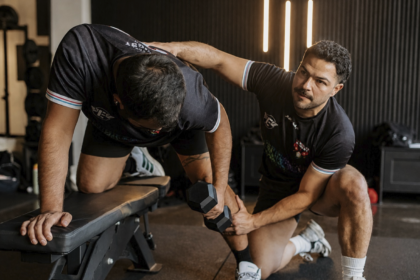
This Tru Fit Bootcamp Van Nuys review looks at Ditanyon Demps’ community-centered model, tiered classes, nutrition-first coaching, member accountability, and current two-week trial.
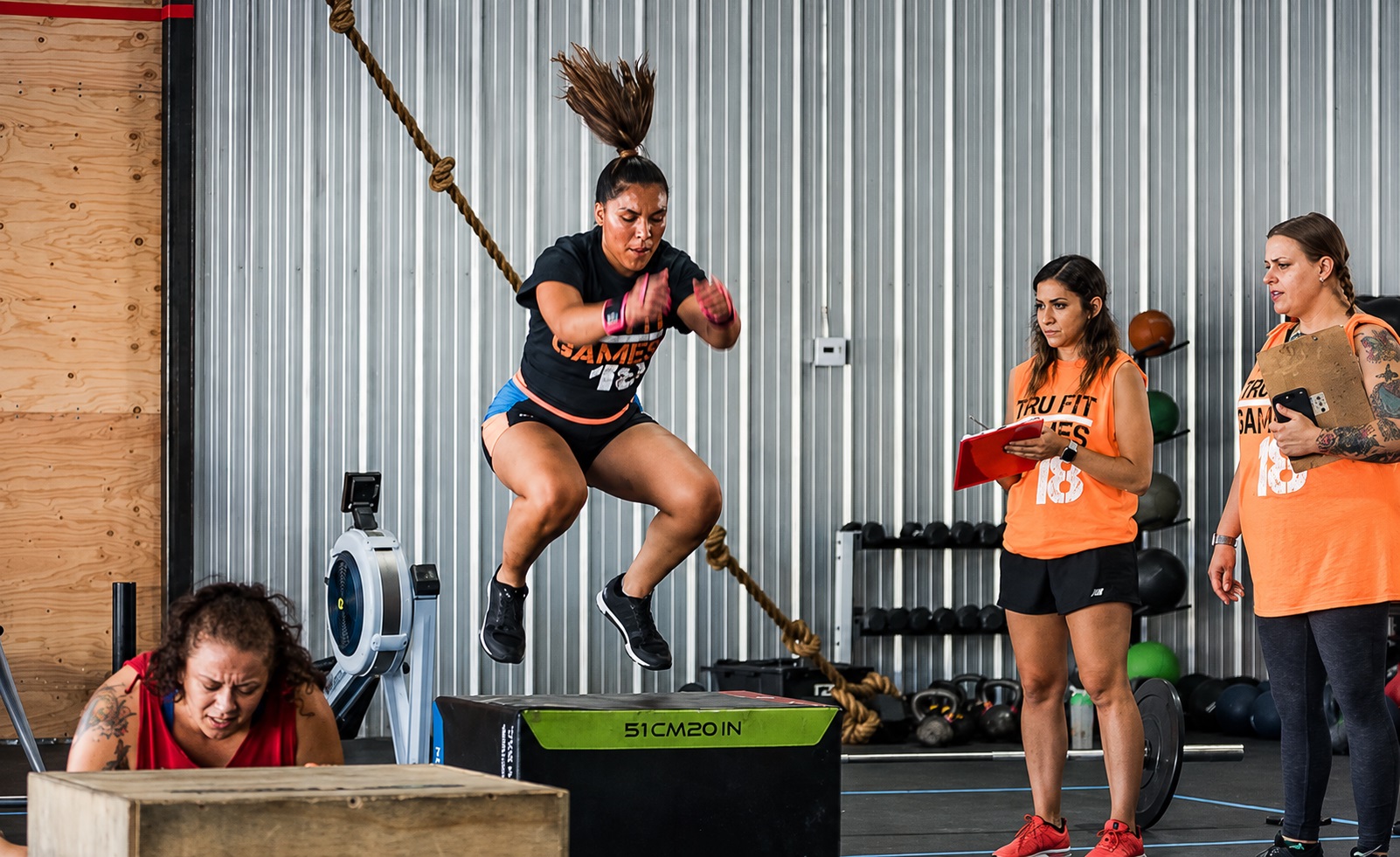
The moment that turned fitness from a personal habit into a vocation came later. A college roommate asked Demps to write a summer training and nutrition plan. When the roommate returned more than forty pounds lighter and, in Demps’ telling, changed in both body and personality, the experience gave him a sense of purpose he wanted to reproduce for other people.
“Wherever the mind goes, the body will follow.”Ditanyon Demps / Owner, Tru Fit Bootcamp
The first experience is structured rather than improvised. New members begin with an orientation: paperwork, a facility tour, a conversation about goals and what has not worked before, an introduction to the gym’s philosophy, and a coached workout so the staff can see where a person may need adjustments before entering a regular class.
The orientation is usually shared with three to five other newcomers. Demps said that matters because people hear that others have many of the same fears. Members who seem especially intimidated may be paired with a veteran member, while coaches and the client liaison continue outreach after the first class or first week.
The message underneath the process is simple: a member should feel known. Demps said the staff wants to know a person’s name, story, goal, and pace rather than treating onboarding as a transaction.
Demps’ leadership style is personal by design. He said he does not treat every client the same because different people need different kinds of support. His stated role is part coach, part listener, and part guide: meet someone where they are, understand what they need, then help pull them toward the goal at a pace they can sustain.
Inside The Tru Fit Community Model
Demps calls community the foundation of the business. His reasoning is practical: people may be surrounded by family and coworkers who care about them while still lacking anyone who shares the habits they are trying to build. A gym can become the place where those habits are normal rather than exceptional.
Tru Fit Bootcamp is a Van Nuys strength-and-conditioning gym led by Ditanyon Demps, with programming that spans introductory conditioning, barbell performance, and hybrid race preparation.
Demps’ interview describes a member experience built around orientation, nutrition education, coach outreach, heart-rate-informed training, and a family-style community intended to help new members feel known rather than processed.
The current official website presents a two-week trial for $59, including unlimited classes for 14 days, and also offers a free no-sweat intro for people who want a lower-commitment first conversation.
Demps’ interest in the mental side of fitness was sharpened by watching his father live with diabetes while continuing habits he knew were working against him. That contradiction led Demps to study brain-based psychology in addition to nutrition for health, wellness, and weight management.
He earned his first personal-training certification through ISSA in college, continued coaching out of other gyms, and eventually began considering ownership only after a client told him his approach was distinctive enough to deserve its own place. He opened his first gym in 2009.
A System Built To Meet Different Fitness Levels
This profile looks at how Tru Fit combines a guided first experience, tiered programming, nutrition-first coaching, and broad performance goals so a member can progress without being locked into one definition of fitness.
The training system changes as a member’s capacity grows, moving from general conditioning into heavier strength and hybrid performance rather than forcing one program to fit every stage.
Demps described people who are starting from scratch, members with intermediate goals, competitive hybrid athletes, and professionals whose schedules or travel require greater flexibility.
The technical progression is paired with orientation, coach outreach, community support, nutrition guidance, and a deliberate effort to make every member feel individually known.
From Personal Outlet To A Gym Of His Own
Demps did not describe gym ownership as an early ambition. Fitness first gave him confidence as a young person, then became a profession after he saw what a structured training and nutrition plan did for his college roommate. The later move into ownership came from a client who believed Demps’ coaching style was strong enough to stand on its own.
That origin still shapes the business’s tone. Demps’ stories repeatedly return to confidence, personality, and what happens when someone begins believing they are capable of more. The physical result matters, but he tends to describe it as evidence of a deeper shift rather than the whole point.
Nutrition First, Then Mind, Then Body
Asked what produces results, Demps did not name one exercise. He named an order. Nutrition comes first, because he does not believe a person can out-train the habits that created the problem. Next comes mindset: a willingness to change rituals and expectations. Then comes the physical work that gives those changes form.
The practical application changes by program. Burn & Build is the lower-entry point for general conditioning and foundational work. Power & Performance adds heavier strength and explosive work. Hybrid Training blends endurance and functional strength for goals that may include HYROX, DEKA, a 10K, a half marathon, or other performance challenges.
Demps also described using MyZone heart-rate tracking in many classes so members can train toward a target that reflects their own objective instead of simply copying the person beside them.
Known By Name Before The Real Work Begins
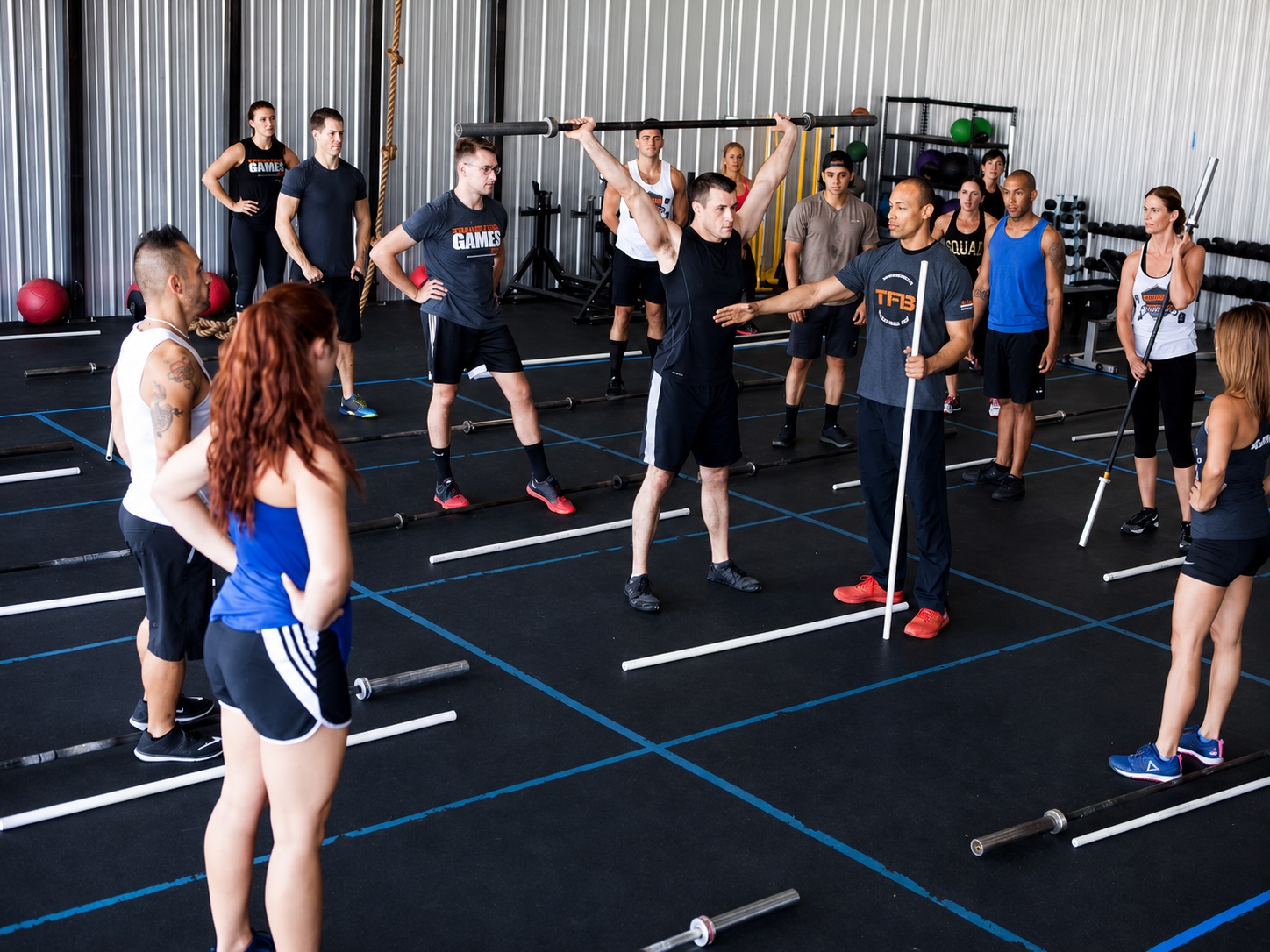
A new member is meant to feel that the gym has made room for a person, not merely a payment. Orientation creates the first relationship: staff learn the goal, the training history, what has failed before, and how the member responds to a coached workout before regular classes begin.
That attention continues after onboarding. Demps said coaches and staff reach out after the first class or first week, greet members by name, pair nervous newcomers with experienced members when helpful, and adjust the pace so someone is moving toward the goal they actually came for rather than the pace of the room.
Fit Enough For Whatever Life Throws At Them
Demps’ governing philosophy is balance. He wants members to be able to run and lift, handle bodyweight movements and heavier strength work, and carry that capacity into ordinary life. His examples are intentionally broad: a pickup basketball game, a round of tennis, climbing hills while traveling, or simply being ready when a weekend demands more than sitting still.
That makes specialization secondary to preparedness. The gym can support competition, but Demps’ wider goal is a member who is capable across more than one fitness quality and who does not have to choose between endurance and strength as competing identities.
“I don’t treat any client the same. I’m different with every single person because everybody needs different things.”Ditanyon Demps / Owner, Tru Fit Bootcamp
Tru Fit’s distinction is the way progression and relationship are made to reinforce each other. The programming changes as capacity rises, while the member keeps the same community, coaching culture, and expectation of being known personally.
What Tru Fit Bootcamp Offers
The current service mix combines introductory conditioning, strength and power work, hybrid competition preparation, coaching accountability, nutrition guidance, and a verified two-week trial.
Who This Gym May Be A Good Fit For
Based on Demps’ interview and the way Tru Fit is structured, the gym may be especially relevant for people who want a guided entry, a clear path to higher performance, or a community that stays involved between workouts.
People returning after time away or starting for the first time may value orientation, an initial coached workout, beginner-friendly Burn & Build programming, and the option to be paired with a veteran member when the gym feels intimidating.
Someone who does not want to outgrow the gym may appreciate a system that can move from general conditioning into barbell strength, higher-intensity performance, and hybrid race preparation as capacity changes.
Members who respond well to coach outreach, name-level familiarity, nutrition guidance, and support from other people on the same health journey may find the relationship-driven culture especially useful.
“They have a lot of different style classes, with great coaches.”
When Confidence Changes The Person
One of the achievements Demps described most proudly involved a woman who joined a functional-fitness competition after friends pushed her to participate. She performed far beyond what she expected, and he remembers that event as the moment her belief in herself began to change.
The result he emphasizes is not a competition placing. It is identity. A member who once faded toward the back became, in his description, one of the gym’s leaders and one of its fittest people. That is the kind of outcome Demps returns to most often: a physical challenge becomes proof that a person’s prior expectation was too small.
What Consistency Makes Visible
Demps reported that many members who follow the training and nutrition plan see early weight change, and he described larger losses during longer eight-week-to-90-day challenges. Fitness Living Magazine™ treats those figures as owner-reported experience rather than independently verified typical results or guarantees.
His larger point is the condition attached to every number: consistency. He repeatedly tied outcomes to training three to five days a week, following nutrition guidance, and being willing to change habits outside the gym. In his account, adding more workouts without changing the rest of the day is the pattern that fails.
The Young Man Who Stepped Out Of His Shell
One member story stayed with Demps because the visible weight loss was only the beginning of the change he remembers.
A mother brought her son to Demps years ago. He was overweight, withdrawn, and, in Demps’ description, living inside a shell. Demps said it took months for the young man to open up, but the relationship and training gradually changed both his physical condition and the way he presented himself.
Demps reported that the young man lost more than 65 pounds. He remembers the contrast between the baggy dark clothing the client wore when he first arrived and the graduation day when he crossed the stage in sunglasses, a hot-pink shirt, and white pants. For Demps, the important part was the personality that had become visible.
The change also spread outward. The young man’s mother began training after seeing the result, then her husband, followed by a neighbor they referred. Demps uses that sequence to explain why he sees fitness as a community act: one person changing can alter what people around them believe is possible.
A Family Feel Built Around Different Starting Points
Demps described a gym where members may arrive from very different walks of life but share the same goal of becoming healthier and treating themselves better. The community is meant to provide practical support when family, coworkers, or friends do not share the same habits.

Why Coaching And Accountability Matter
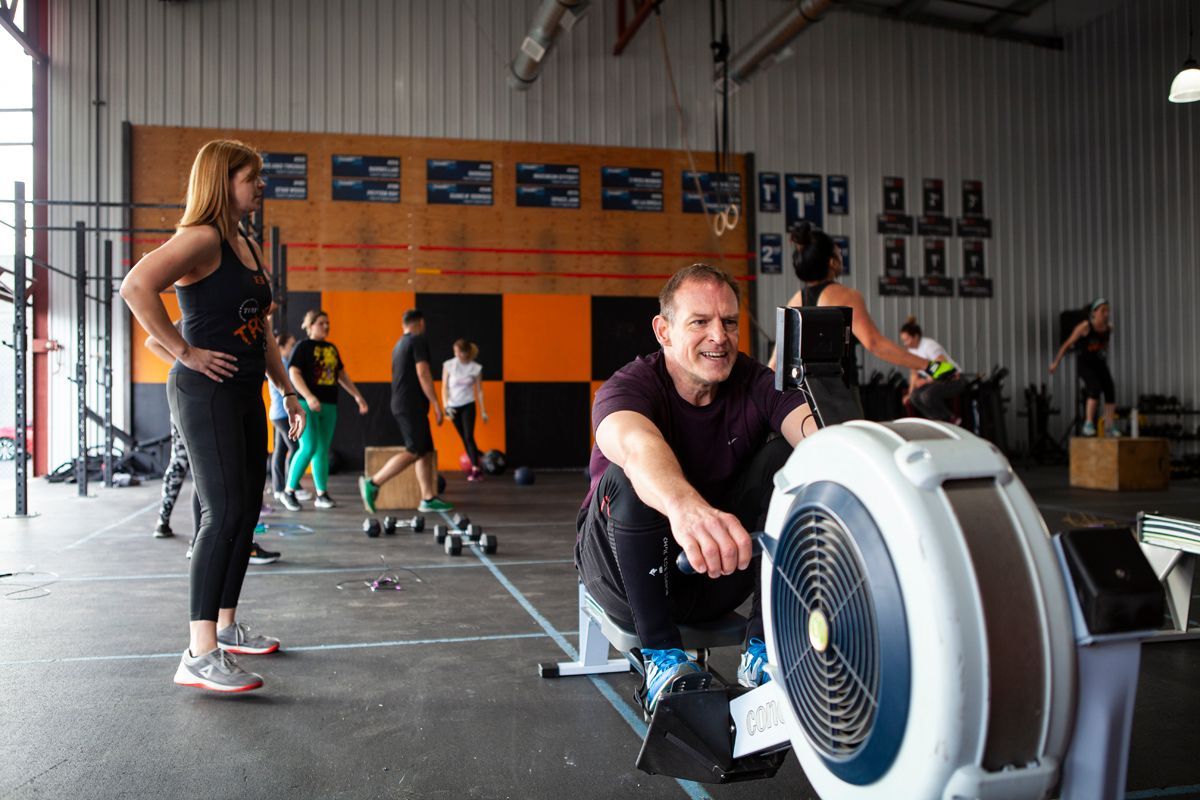
When Demps talks about differentiation, he does not stop at the program menu. He points to coaching detail: technique, mobility, points of performance, trust, confidence, and continuing contact with members between classes. The operational idea is that life outside the gym can interrupt training, so the coaching relationship should notice when that happens.
That attention also protects the tiered model from becoming a self-service menu. Members can choose among programs, but the staff still has a role in helping someone decide which level fits, how fast to progress, and what needs to change outside class for the training to matter.
Why This Matters In Van Nuys
Van Nuys and the wider San Fernando Valley offer no shortage of places to exercise. Tru Fit’s local argument is breadth inside one community: a person can begin with general conditioning, move into barbell work, and later prepare for hybrid events without having to rebuild relationships at a different facility.
The membership Demps described also reflects the practical realities of Los Angeles-area work. He mentioned traveling nurses and professionals whose jobs take them in and out of the city, which led the gym to create session-based packages alongside recurring memberships.
For a local reader, the decision is less about whether one program is universally better and more about whether this combination fits: guided onboarding, multiple training levels, nutrition and accountability, a community-centered atmosphere, and a facility in Van Nuys that is designed to carry a member beyond one short-term phase.
Questions Readers Ask
Who Is Ditanyon Demps?
Ditanyon Demps is the owner of Tru Fit Bootcamp in Van Nuys, California. He described beginning fitness as a young person in Flint, Michigan, earning his first ISSA personal-training certification in college, later studying nutrition and brain-based psychology, and opening his own gym in 2009.
What Does This Tru Fit Bootcamp Van Nuys Review Highlight?
The Spotlight examines Tru Fit’s guided onboarding, tiered conditioning and strength programs, hybrid training, nutrition-first coaching, community accountability, member-success stories, and current two-week trial.
Is Tru Fit Bootcamp Beginner-Friendly?
Demps described Burn & Build as a starting point for people who have not trained in a while or may never have trained, while the orientation process is designed to teach the facility, goals, philosophy, and first movements before a new member enters regular classes.
Does Tru Fit Bootcamp Offer HYROX Or DEKA Training?
Yes. The current official website presents Hybrid Training and HYROX & DEKA Competitive Training as part of the program mix, and Demps’ interview described hybrid classes for endurance and functional-fitness race preparation.
What Results Did Ditanyon Demps Describe?
He described changes in weight, strength, conditioning, confidence, and long-term self-belief. Numerical outcomes in this Spotlight are clearly attributed to his interview account and should not be treated as guaranteed or typical results.
What Is The Best First Step For A New Member?
The current official website offers a two-week trial for $59 with unlimited classes for 14 days. It also invites people who are still unsure to contact the gym for a free no-sweat intro.
Key Takeaways
Orientation, a coached first workout, name-level familiarity, and early outreach are used to reduce intimidation before regular training settles in.
Burn & Build, Power & Performance, and Hybrid Training give members room to progress from general fitness toward higher strength and endurance goals.
Demps’ coaching order starts outside the workout: change nutrition and daily habits, change the mind, then use training to build the body that follows.
The stories Demps remembers most are the ones where physical progress changes what a person believes they can do, both inside and outside the gym.
Conclusion
Tru Fit Bootcamp’s story begins with one person discovering that fitness could change how he felt about himself, then deciding to build a business around helping other people experience that same shift. The modern version of the gym is more complex than the first idea, but the through-line is consistent: personal attention, a community of people on the same journey, and a system that can keep changing as the member changes.
Demps’ phrase “wherever the mind goes, the body will follow” captures the editorial thesis. The programs matter. Nutrition matters. Strength and endurance matter. But the outcome he talks about most proudly is the moment someone begins acting like a different future is possible.
Ditanyon Demps
Demps’ interview describes a coaching career shaped by the mental, nutritional, and physical sides of fitness, with a current operating focus on tiered programming, personal accountability, and a community where members are expected to feel known.
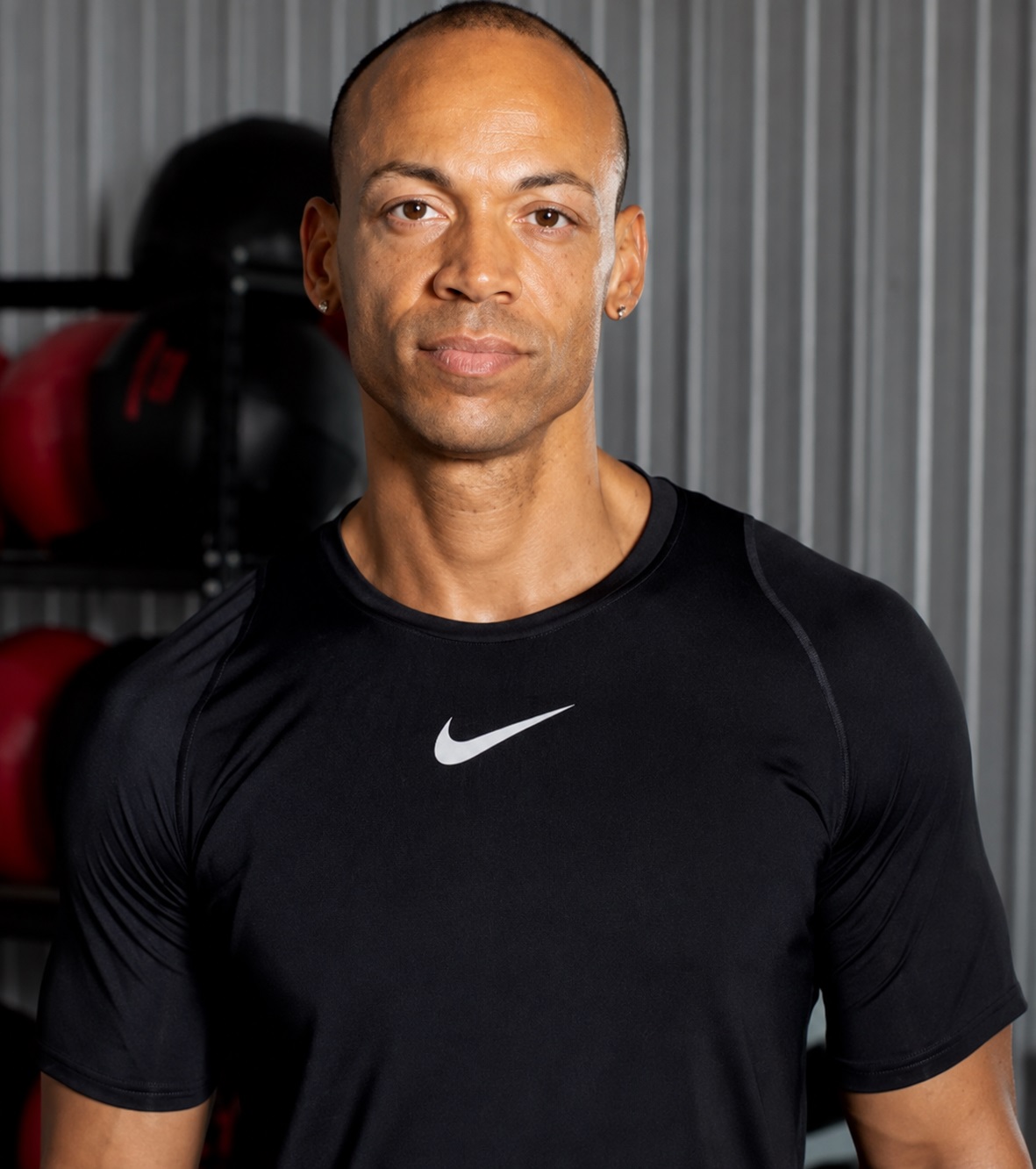
Demps began using fitness as a confidence-building outlet while growing up in Flint, Michigan. He earned his first ISSA personal-training certification in college, later studied nutrition for health, wellness, and weight management and brain-based psychology, and opened his own gym in 2009 after years of personal training and a client’s encouragement to build an independent business.
Build strong community, lead with nutrition and mindset, coach the individual rather than a stereotype, and develop strength and endurance that remain useful outside the gym.
Member onboarding, group strength and conditioning, barbell performance, hybrid race preparation, nutrition guidance, heart-rate-informed training, coach outreach, and confidence-building progression.
About This Spotlight
Fitness Living Magazine™ selected this Spotlight for Tru Fit Bootcamp’s guided onboarding, tiered programming, nutrition-first coaching philosophy, source-supported member stories, community model, and the way Demps described carrying members from beginner conditioning toward strength and hybrid performance without losing the personal coaching relationship.
Fitness Living Magazine™ publishes these features to place local fitness leaders on the record about how their programs operate, what members experience, what standards guide the coaching, and what makes the business relevant to its local community.
Source material for this Spotlight consisted of Fitness Living Magazine™’s recorded July 30, 2026 interview with Ditanyon Demps, the customer review supplied for editorial use, the original Tru Fit Bootcamp photography and logo assets supplied with the Spotlight source package, and Tru Fit Bootcamp’s current official website, used to confirm present program language, contact information, location, and the current two-week trial.
This feature is editorial content and is not medical advice. Training descriptions, weight-change accounts, and outcomes reflect the featured interviewee’s account or the business’s current official materials unless otherwise stated. Individual results vary. Readers should consult a qualified healthcare professional before beginning a new exercise or nutrition program when appropriate.