This Sweat Equity Fitness Los Angeles review looks at Glenn Burroughs’ multi-trainer system, private one-on-one setting, customized strength approach, client intake, and consistency-first coaching philosophy.
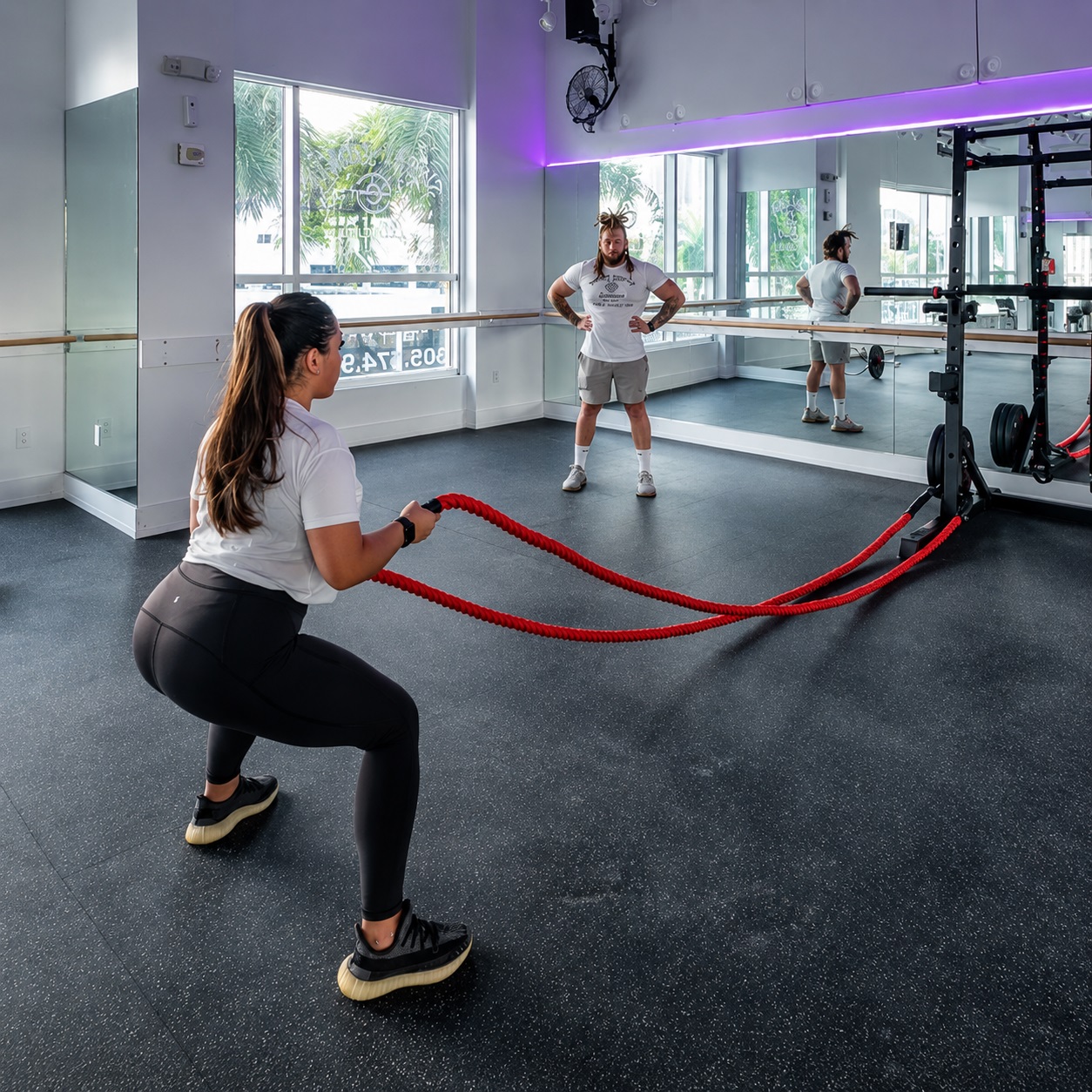
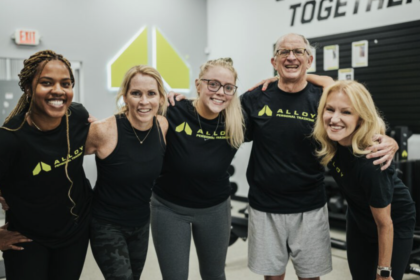
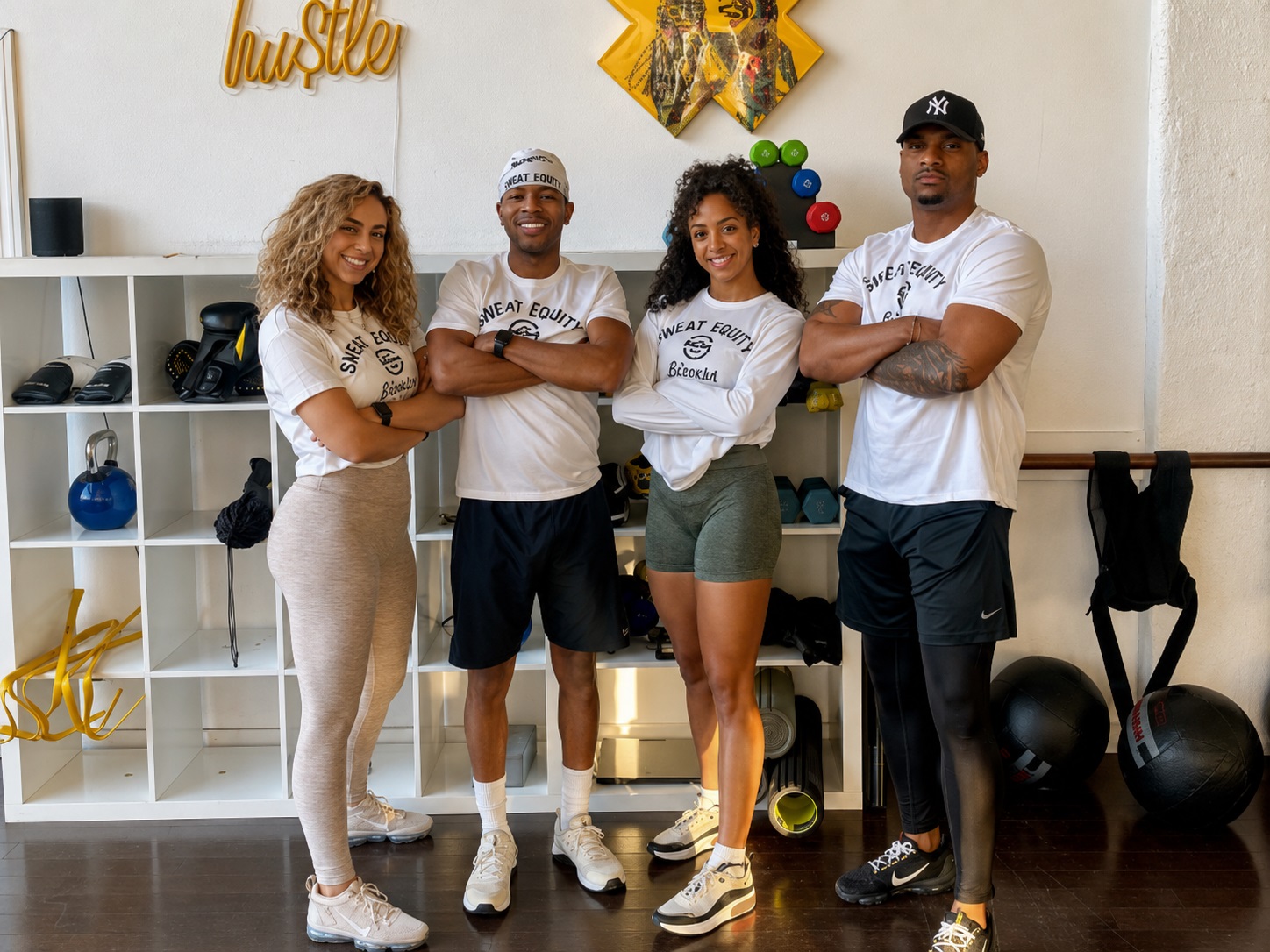
The Hollywood studio combines those lessons. The floor is private and appointment-based, but the coaching is collaborative. Glenn described a Los Angeles team of six trainers who build one program for each client, with clients typically training with two to three of those coaches during a week while remaining inside the same plan.
“By allowing yourself to have so many trainers, your training program never plateaus.”Glenn Burroughs / Owner, Sweat Equity Fitness
Before the first session, Glenn described a short call covering injuries or surgeries, relevant medical history or medication, and short- and long-term goals. Inside the studio, clients train privately rather than beside a general-membership floor. The coach may change during the week, but each trainer follows the same written plan.
Glenn’s operating idea comes directly from sport performance: expertise can be distributed across a staff. Sweat Equity Fitness applies that principle to private personal training by making the program shared while keeping the session personal.
Inside The Sweat Equity Fitness Training Model
Sweat Equity Fitness is a private one-on-one personal training studio in Hollywood. Glenn said six Los Angeles trainers collaborate on each client’s program, and clients commonly work with two to three of those trainers in a week.
Sessions are 30 or 60 minutes, programs are customized, and the studio’s intake begins before the first appointment.
Glenn Burroughs: From Athlete To Coach
Glenn said his fitness career began in sport. He played Division I college football, became interested in strength and conditioning, interned with sport-performance companies, earned a graduate degree in exercise physiology, and worked in commercial gyms including LA Fitness and Bally Total Fitness.
Inside The Sweat Equity Fitness Approach
The reporting centers on a team-based coaching model, a private training environment, and a belief that strength and consistency should guide long-term progress.
A six-trainer team shares responsibility for one program instead of assigning every client to a single coach.
Programming is adapted across goals and life stages, including older adults, prenatal and postpartum clients, strength-focused clients, and athletes.
Private sessions and a pre-session intake reduce the uncertainty of entering a crowded gym without a clear plan.
From Sport Performance To A Team Training Studio
Glenn said sport performance taught him to value collaboration. Later, commercial personal training showed him how isolated the trainer-client model could become. He also noticed that many clients came to the gym only when they had a booked session. Sweat Equity Fitness grew from both observations: build the value around the coached appointment, then let several trainers contribute to the program.
What The Multi-Trainer System Actually Looks Like
Glenn described six Los Angeles trainers working as one team. New programs are created collaboratively, and clients typically train with two to three different trainers in a week. Each coach follows the same plan while bringing a different specialty and point of view to the session.
Known Before The First Session
Glenn compares the intake to a hotel that knows something about a guest before arrival: goals and relevant history are discussed first so the team can begin with context.
He also described long coaching relationships that can run three, five, eight, or ten years. Seeing clients several times a week means the training relationship often extends through moves, marriages, children, setbacks, and other milestones.
Strength Training As The Governing Philosophy
Glenn is a strong proponent of strength training for men and women and said the studio generally works toward progressive increases in weight, repetition, or volume. Programs still change with the client: older adults may emphasize balance and mobility, while other clients may focus on prenatal, postpartum, lean-muscle, or sport-performance needs.
“Even if you don’t feel like coming, you’re going to feel better when you leave. Consistency wins.”Glenn Burroughs / Owner, Sweat Equity Fitness
Sweat Equity Fitness is most interesting when the two ideas are read together: distribute coaching knowledge across a team, then give the client enough consistency for that knowledge to compound rather than reset.
What Sweat Equity Fitness Offers
The Los Angeles studio is built around private personal training rather than classes or an open membership floor.
Who This Personal Training Studio May Be A Good Fit For
The clearest fit signals come from the studio’s privacy, collaborative coaching system, customized programming, and expectation of consistency.
People who feel uncomfortable learning in front of a busy gym may appreciate one-on-one appointments without a public workout floor.
Clients who like multiple perspectives may value training with several coaches while staying inside one shared program.
Glenn said the studio prioritizes clients willing to show up regularly and match the effort the trainers put into the program.
“Everyone is super receptive to my specific goals, and I’ve especially enjoyed that I get to work with multiple trainers.”
Strength, Confidence And Coordination
Asked what progress looks like, Glenn named body-composition change, improved coordination, and better balance, strength, and mobility in older clients. He also described confidence and energy as changes he notices when clients become more consistent. Those observations are his account, not a guarantee of outcomes.
Consistency As The Actual Method
Glenn did not name a branded workout protocol when asked what produces the best results. He named attendance. The studio’s coaching message is to keep coming, keep putting in effort, and allow progress to accumulate over time.
A Fifteen-Month Change That Became Visible In Hindsight
Glenn described a client named Sarah who began at roughly 290 pounds and, according to his account, lost about 107 pounds over approximately 15 months.
What stayed with Glenn was how gradual the change felt while seeing her week after week. The scale of the difference became clearer when he compared photographs from more than a year apart. He used the story to illustrate patience and consistency rather than a typical result.
A Coaching Relationship That Extends Beyond The Workout
Glenn described long-term client relationships as the center of the community: regular sessions create a setting where trainers witness milestones and become part of a client’s routine over many years.

Why The Private Setting Matters
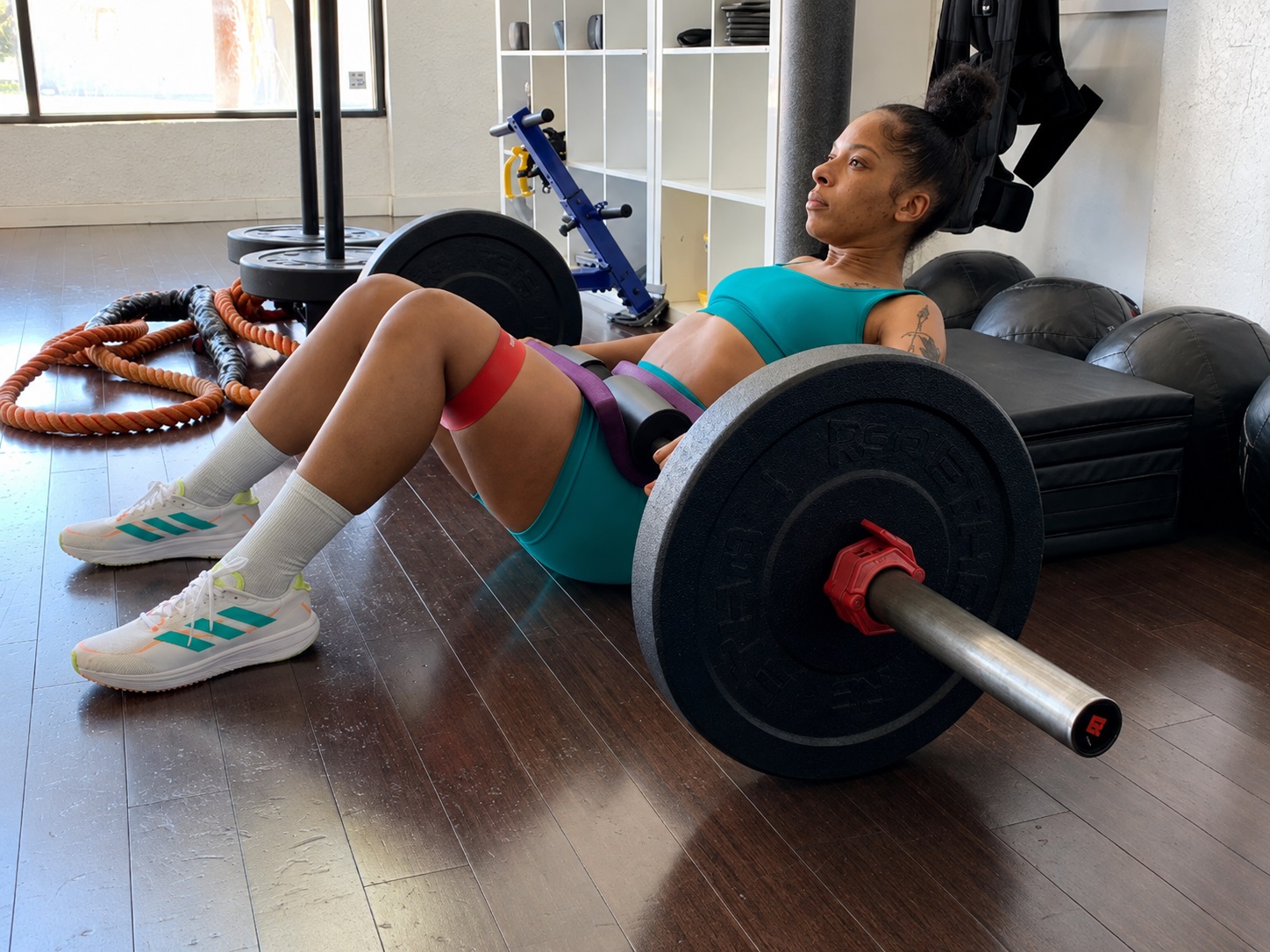
The private floor is not merely a premium amenity. Glenn described it as a practical way to reduce intimidation for new clients and eliminate competition for equipment during an appointment. That changes both the emotional and operational experience of a session.
Why This Matters In Hollywood
Los Angeles offers no shortage of gyms or fitness imagery. Glenn’s criticism of the industry centers on unrealistic expectations and heavily edited social-media images. A studio without a public floor and with programming built around the individual creates a deliberately different local experience.
Questions Readers Ask
What Does This Sweat Equity Fitness Los Angeles Review Highlight?
It highlights the six-trainer collaborative model, private one-on-one environment, customized programming, intake process, strength emphasis, and consistency-first coaching philosophy.
Is Sweat Equity Fitness Designed For Beginners?
Glenn said the private setting can reduce the pressure new clients feel because they are not learning in front of a general-membership floor.
What Types Of Training Are Available?
Glenn described customized programs spanning strength, lean muscle, balance and mobility, prenatal/postpartum work, experience with PCOS, and sport performance.
How Does The Multi-Trainer System Work?
A team of six Los Angeles trainers collaborates on the program, and clients commonly work with two to three trainers in a week while following the same plan.
What Is The First Step?
Prospective clients can use the studio website form or book online, then complete an introductory session covering goals, relevant history, and current training needs.
Key Takeaways
One client program can be carried by several coaches without losing continuity.
The studio avoids an open membership floor and reserves the training experience for scheduled clients.
Programming changes by goal and life stage while strength remains a common foundation.
Glenn’s strongest coaching message is to show up repeatedly rather than wait for perfect motivation.
Begin With The Introductory Session
Conclusion
Sweat Equity Fitness challenges the standard personal-training relationship in one specific way: one trainer does not have to be the only source of expertise. Glenn’s answer is a shared program carried by several coaches, inside a room where the client does not compete with a public gym floor for space or attention throughout the training process.
Glenn Burroughs
Glenn’s career reflects Division I football, sport performance, graduate study in exercise physiology, commercial personal training, and an operating belief that clients can benefit from several trainers working from one shared plan.
Glenn described a path from sport into strength and conditioning, sport-performance internships, graduate study in exercise physiology, and commercial personal training before founding Sweat Equity Fitness.
Use progressive strength training as a foundation, customize the program, and keep the relationship consistent enough for progress to compound.
Collaborative programming, private personal training, strength and conditioning, sport performance, client intake, and long-term coaching relationships.
About This Spotlight
This Spotlight centers on Sweat Equity Fitness’s collaborative multi-trainer model, private one-on-one environment, customized programming, structured intake, source-supported client story, and Glenn Burroughs’ emphasis on strength and consistency.
These features place local fitness leaders on the record about how their programs operate, what clients experience, and what standards guide the coaching.
Source material consisted of Fitness Living Magazine™’s recorded July 30, 2026 interview with Glenn Burroughs, the Adrian Vallens client review supplied for editorial use, provided Sweat Equity Fitness photo/logo assets, and the official Sweat Equity Fitness Los Angeles page used to confirm current service and introductory-session information and one supporting image.
This feature is editorial content and is not medical advice. Training descriptions, methods, weight-change accounts, and outcomes reflect the featured interviewee’s account and individual experiences. Results vary.