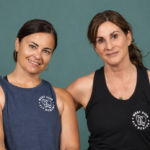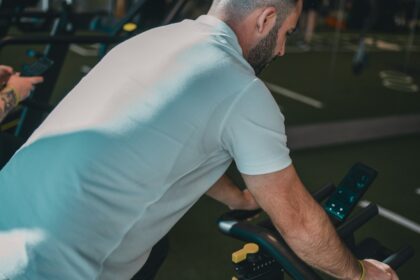
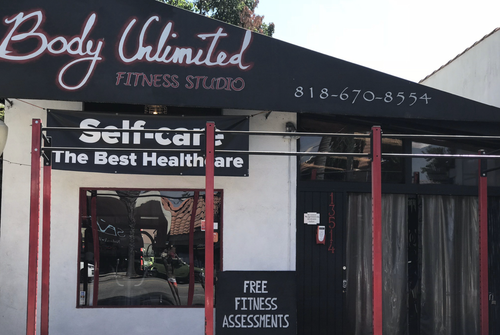
That sequence is the center of the two-location private training studio Natalie leads in Sherman Oaks, California, and Spokane Valley, Washington. Her approach grew from a life shaped by family illness, science, and the belief that physical health cannot be separated cleanly from mindset, habits, confidence, and the practical realities of daily life.
“When a new person walks in here, I want to learn what it is they care about, so that I can use my expertise to then fulfill that for them.”Natalie Joseph, Owner / Body Unlimited Fitness
The first impression, Natalie said, is care: a clean, organized, private studio where people are not treated like a number and where the room is designed to feel more personal than a large factory-style gym.
The next signal is attention. Natalie described active listening as part of the service itself. New clients are asked what they care about, what has been difficult, and what they can realistically commit to before the team decides what kind of plan or trainer makes sense.
The deeper difference is expectation-setting. Natalie said she maps the starting point, explains what the work is likely to require, and adjusts the plan when a technically ideal program would be too much change for the client to sustain.
Natalie’s leadership extends beyond her own client sessions. She described trainer development as one of her specialties and wants Body Unlimited Fitness to function as a team in which different coaches can contribute different strengths. In Spokane Valley, that standard is shared with business partner and co-owner Travis Marsh.
Why The Person Comes Before The Program
Natalie’s critique of generic fitness is straightforward: a workout can be technically sound and still be wrong for the person in front of the trainer. A client may want fat loss, toning, strength, or better health, but the program has to begin earlier, with enough information to understand what is realistic, what is missing, and what could keep the client from following through.
Body Unlimited Fitness is a private personal training and wellness business led by Natalie Joseph, with locations in Sherman Oaks, California, and Spokane Valley, Washington. Its coaching model begins with assessment and builds individualized training around the client’s goals, movement needs, schedule, habits, and current capacity.
The studio offers personal training, semi-private training, nutrition support, and assessment-driven program design. The Spokane Valley location also lists services including red light therapy, cold plunge, manual therapy, and InBody body-composition testing on the current official website.
Natalie described the first step as a conversation: understand what the person wants, decide whether the studio is a fit, then move into a fitness assessment before regular programming begins.
Natalie’s own route into this work began long before she owned a studio. She grew up with a nuclear physicist father and a hypnotherapist mother, both of whom dealt with significant illness. In her interview, she described seeing how physical pain can change confidence, joy, identity, and the ability to participate fully in life. That experience became part of her belief that fitness cannot be reduced to one leg of the table.
Inside The Body Unlimited Fitness Approach
This profile examines how Body Unlimited Fitness uses assessment, active listening, customized programming, trainer collaboration, and whole-person context to turn a private training session into a guided process rather than a generic workout.
The program begins with the person’s real circumstances and uses that information to decide what training should look like now, not what a standard template says should happen.
Natalie described working with people across a wide age range and with very different goals, experience levels, schedules, physical histories, and confidence around fitness.
The coaching model combines scientific program decisions with emotional awareness, clear expectations, team-based trainer matching, and a private studio environment.
A Fitness Philosophy Built From Real Life
Natalie does not describe fitness as a narrow profession. She describes it as a responsibility shaped by the contrast she saw growing up: a father with a deeply scientific mind, a mother interested in the inner world, and a household where illness made the condition of the body impossible to ignore.
That background led her to a broader definition of fitness. In her view, training has to account for physical condition, mental and emotional patterns, nutrition, stress, daily obligations, and the client’s own idea of a meaningful result. She also described supporting other trainers so the studio can match people with the coach whose strengths fit what they need.
Assessment Before Instruction
A new client assessment, Natalie said, starts with context. She wants to know what the person does for work, how much they sit or move, how they sleep, what they eat and drink, how much stress they are carrying, whether they have children or multiple jobs, what physical activity already exists, and how much time they can realistically devote to training.
That information changes the program. Natalie gave the example of noticing a meaningful strength or stability imbalance during an assessment. Even when the client’s stated goal is to get toned or feel stronger, the first programming priority may need to be balance, mobility, stability, or another prerequisite before heavier loading makes sense.
The same logic applies to consistency. Natalie described a client who knew a different program would be more effective but also knew that changing too much at once would make her stop showing up. The immediate goal became consistency first, with the more demanding program delayed until the client had built enough confidence and routine to sustain it.
Heard Before Being Trained
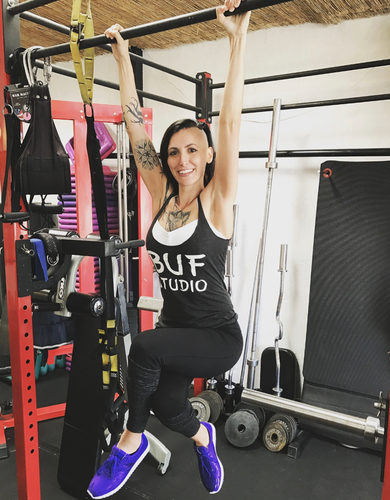
A Body Unlimited Fitness client is meant to feel heard before being trained. Natalie wants the first interaction to make clear that the coach is listening for what matters to the person rather than steering the conversation toward a prewritten plan or the trainer’s own idea of what the client should want.
Operationally, that can mean matching the client with another trainer on the team, modifying the pace of change, changing the exercise selection, or reshaping the week around what the person can realistically sustain. The goal is personal guidance without turning personalization into guesswork.
Health Is Bigger Than The Workout
Natalie’s governing philosophy is that physical fitness and health overlap, but they are not identical. A person can pursue a physique goal in ways that add unnecessary stress, just as someone can make generally healthy choices without building the strength or body composition they want. Her preferred path is the smaller overlap where the fitness goal and the health goal support each other.
That is why she resists shortcuts and one-dimensional plans. The workout matters, but so do the client’s recovery, nutrition, stress, habits, mindset, and ability to keep returning. For Natalie, a program earns its place when it helps the person move toward the body and life they want in a way they can actually live with.
Body Unlimited Fitness is most distinctive when its philosophy becomes operational: listening before prescribing, measuring before assuming, matching trainers and methods to the client, and treating consistency as part of program design rather than a character test.
What Body Unlimited Fitness Offers
The service mix centers on customized personal training and assessment, with different formats and wellness options intended to meet clients at different starting points. Natalie said both locations are built around flexibility, and the current website lists additional wellness services in Spokane Valley.
“Great local gym, everything you need, no frills, very private! Trainers are great and craft a very personalized routine. Perfect for our busy lives and I hate working out with an audience! Can’t recommend it enough!”
A Private Studio For People Who Need Direction
Natalie described both studios as intentionally private, clean, organized, and personal. The red, black, white, and metal identity gives the spaces a sharp visual character, but the deeper objective is psychological: enough calm and privacy that clients can focus on the work without feeling watched or lost in a crowded room.
The equipment mix is deliberately broad because the method is not tied to one training style. Natalie described machines, functional floor space, resistance bands, loop bands, medicine balls, barbell and cable attachments, and other tools that give trainers options when a client needs a different stimulus or a more appropriate route.
That flexibility matters because the business serves people with very different histories. Natalie described working with teenagers through older adults and emphasized that the coach’s job is to understand what the person can do now, what they are trying to improve, and what kind of support will help them keep moving forward.
What Progress Looks Like When The Plan Fits
Asked about the first 60 to 90 days, Natalie did not frame that window as a finish line. She said many clients begin to feel better, notice that progress is tipping in the right direction, and become more aware of the habits or obstacles that are helping or slowing them down. The discovery itself is part of the result.
For body-composition goals, Natalie also described using measurement rather than scale weight alone. At the Spokane Valley location, she said an InBody machine can help track body-fat percentage, lean tissue, and other metrics. She emphasized that results depend on the person, the plan, training frequency, nutrition, and consistency, and individual experiences vary.
From First-Time Training To Taking Ownership
Natalie described one longtime client who came to her in his mid-forties after beginning to lose weight through running but with little previous strength-training experience. What stayed with her was not a single number. It was the change in how he saw himself.
The client, a writer who described himself as awkward and uncomfortable standing out in a room, began training with Natalie and discovered that he enjoyed the challenge. She said the repeated experience of facing something difficult in the gym and working through it gave him a different kind of confidence.
Over time, Natalie saw that confidence carry beyond training. She described him making more deliberate decisions about the life he wanted, building his own business, and eventually developing enough self-motivation and skill to work out on his own rather than depending on her for every session.
Natalie still hears from him and sometimes receives photos or videos of his workouts. For her, that independence is the point: the client learned enough to keep taking ownership after years of coaching, and the relationship became close enough that they still refer to each other like family.
Two Locations, One Standard Of Care
Body Unlimited Fitness is not built around Natalie working alone. She described the studio as a team environment where trainers support one another and clients can be matched with the person whose expertise best fits the need. In Spokane Valley, she built the newer location alongside business partner and co-owner Travis Marsh.
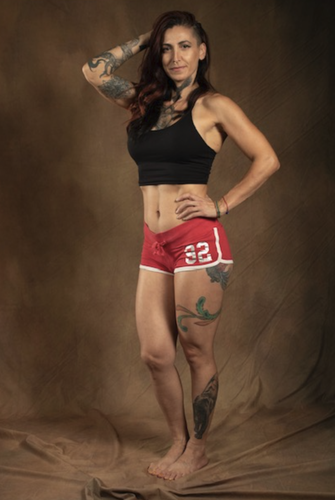
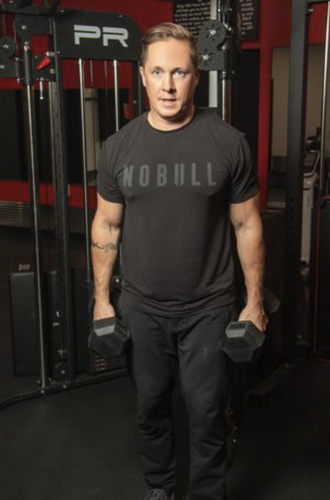
Why This Matters In Sherman Oaks And Spokane Valley
Body Unlimited Fitness operates in two very different stages of local trust. Sherman Oaks is Natalie’s original, long-established location, while Spokane Valley was built more recently with Travis Marsh. Natalie said that contrast has made one business lesson especially clear: visibility may help people notice a studio, but trust is what makes them believe the help is real.
Both locations sit on major streets and use a red-and-black identity that is easy to recognize, but Natalie said word of mouth has mattered more than paid marketing. Clients tell friends, family, and coworkers when they feel understood and supported, and that reputation has been the primary engine of growth.
For someone comparing personal training in Sherman Oaks or Spokane Valley, the practical distinction is the intake. The studio is designed for people who do not already know exactly what to do and want a professional to listen, assess, explain the route, and stay involved while the plan changes.
FAQ
Who Is Natalie Joseph?
Natalie Joseph is the owner of Body Unlimited Fitness, a private training and wellness business with locations in Sherman Oaks, California, and Spokane Valley, Washington. In her interview, she described more than two decades in fitness and a coaching philosophy shaped by personal training, nutrition, trainer development, science, and whole-person health.
What Is Body Unlimited Fitness Known For?
Body Unlimited Fitness is known for individualized personal training, semi-private training, assessment and goal mapping, nutrition support, a private studio environment, and coaching that considers the client’s physical starting point, schedule, habits, stress, and confidence alongside the workout.
Where Are The Body Unlimited Fitness Locations?
The current official website lists Body Unlimited Fitness at 13514 Ventura Blvd in Sherman Oaks, California, and 11924 E Sprague Ave in Spokane Valley, Washington.
What Happens During The Initial Assessment?
Natalie described the assessment as a comprehensive conversation and physical baseline used to understand goals, work and activity patterns, training availability, nutrition, stress, movement needs, and the client’s current fitness level before regular programming begins.
What Results Can Clients Expect?
Natalie does not describe one universal timeline. She said clients often begin to feel better and see progress moving in the right direction within the first 60 to 90 days, while the exact physical, consistency, confidence, or body-composition changes depend on the person and the plan. Individual experiences vary.
What Is The Best First Step For A New Client?
Natalie said the first step is to reach out by phone or through the website and have a conversation about what the person wants and needs. If moving forward makes sense, the next step is typically a fitness assessment.
Key Takeaways
Body Unlimited Fitness uses intake and assessment to decide what the person needs before regular programming begins.
Schedule, stress, nutrition, movement history, confidence, consistency, and goals can all change how training is structured.
The studios use multiple training tools and formats so the program can change with the client rather than forcing every client into the same system.
Natalie wants clients to build enough awareness, confidence, and skill to make healthier decisions beyond the hour they spend with a trainer.
Conclusion
Body Unlimited Fitness is not distinctive because it promises one perfect workout. Its stronger idea is that the workout should be the consequence of understanding the person. Assessment, listening, trainer judgment, lifestyle context, and realistic consistency all come before the program is treated as final.
Natalie’s closing message is about possibility and ownership. She wants people who do not know where to start to have someone walk with them step by step, then gradually become more capable of making decisions that serve the life they are trying to build.
Natalie Joseph
Natalie Joseph built Body Unlimited Fitness around a whole-person premise: listen first, assess the real starting point, use science and coaching judgment to build the plan, and give clients enough support to move from uncertainty toward greater ownership of their health.
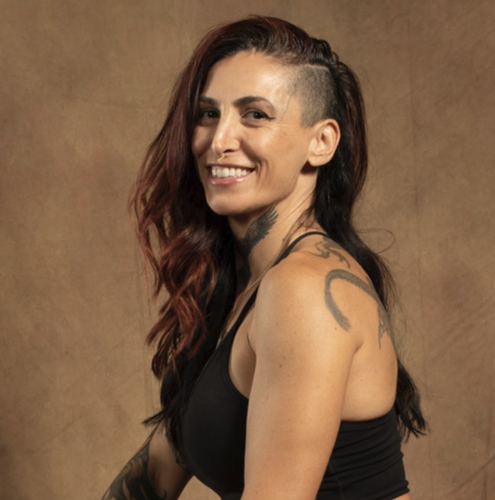
Natalie grew up in a household shaped by science and illness. Her father was a nuclear physicist, her mother became a hypnotherapist, and both parents dealt with serious health problems during her childhood. She said those experiences taught her early that physical condition affects confidence, joy, identity, and the ability to participate fully in life. After more than two decades in fitness, she now describes her strongest skills as assessment, customized program direction, weight-loss and toning support, nutrition, and trainer development.
Help people understand what they need, build a plan that respects their real starting point, combine physical training with wider health and lifestyle awareness, and teach enough self-awareness that the client can make stronger decisions beyond the studio.
Assessment and goal mapping, individualized personal training, semi-private coaching, weight-loss and toning support, nutrition guidance, trainer development, body-composition tracking, flexible program design, and whole-person client care.
About This Spotlight
Fitness Living Magazine™ selected this Spotlight for Body Unlimited Fitness’s assessment-first coaching model, whole-person approach, private studio environment, team-based trainer matching, source-supported client success story, and Natalie Joseph’s stated focus on helping people who need clear guidance and accountability.
Fitness Living Magazine™ publishes these features to place local fitness leaders on the record about how their programs operate, what clients experience, what standards guide the coaching, and what makes the business relevant to its local community.
Source material for this Spotlight consisted of the recorded Fitness Living Magazine™ editorial interview with Natalie Joseph, approved Body Unlimited Fitness photo and caption assets, and the official Body Unlimited Fitness website used to confirm current locations, phone numbers, service pages, contact and booking paths, and the Bryan Oh client review quoted above.
This feature is editorial content and is not medical advice. Training descriptions, methods, and outcomes reflect the featured expert’s account and individual experience, and results differ from person to person. Readers should consult a qualified healthcare professional before beginning any new exercise program.