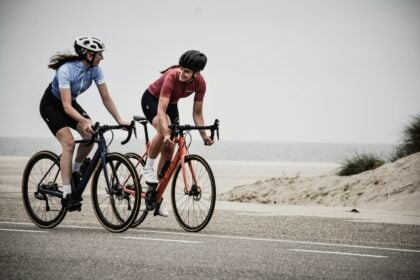
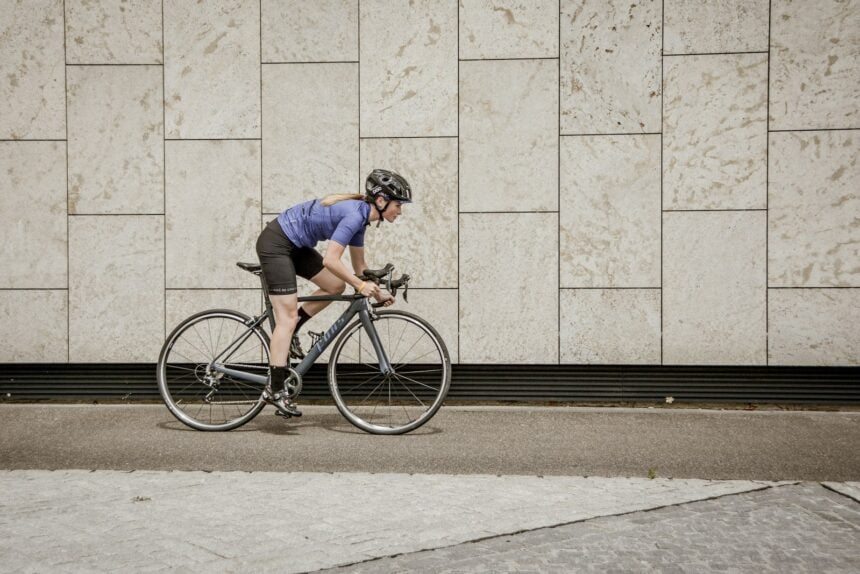
A trial in cyclists found that carbohydrate oxidation from drinks taken during exercise dropped sharply once the air temperature reached 40C. Nine days of heat acclimation made the riders cope far better with the conditions, yet it did nothing to restore carbohydrate oxidation.
Carbohydrate oxidation from sports drinks falls when athletes ride in severe heat, and a study in The Journal of Physiology, announced by the University of Birmingham on November 11, 2026, reports that getting used to the heat does not bring it back.
The work came from the University of Birmingham and the University of Exeter. Tim Podlogar of Exeter was the lead author, and Gareth Wallis, who heads Birmingham’s School of Sport, Exercise and Rehabilitation Sciences, was the senior author. The U.S. Army Medical Research and Development Command funded the study.
Seventeen cyclists each completed a 90-minute submaximal ride on a stationary bike under three conditions. Two of the rides were run at 40C and 20% humidity. The third was a control ride at a comfortable 20C. A nine-day heat acclimation block came before the second hot ride.
Across the hot rides, the cyclists used roughly 27% less of the carbohydrate they drank than they did in the cool trial. Acclimation left carbohydrate oxidation essentially untouched, a result the researchers described as contrary to what they had expected.
At a Glance
- Announced November 11, 2026; published in The Journal of Physiology, DOI 10.1113/JP289304.
- Seventeen cyclists, each completing a 90-minute submaximal ride on a stationary bike.
- Three conditions: 40C at 20% humidity, the same heat after acclimation, and a 20C control.
- Carbohydrate oxidation from ingested drinks fell by about 27% in the heat.
- Nine days of acclimation lowered core temperature, expanded plasma volume, cut heart rates and eased perceived exertion.
- Acclimation did not restore carbohydrate oxidation to cool-weather levels.
- Main caveat: 17 participants, no randomized control group described in the release, and the mechanism is still unidentified.
What the Riders Actually Did
Each cyclist rode for 90 minutes at a steady submaximal effort, the kind of pace a trained rider holds through a long session. During the rides they took in glucose, and the team tracked where it ended up using stable-isotope tracers alongside blood sampling and muscle biopsies.
That combination is what gives the result its weight. Tracers let researchers separate the fuel a rider swallowed from the fuel already stored in muscle and liver, so the drop in carbohydrate oxidation can be tied to the ingested drink rather than inferred from whole-body measurements.
Why Carbohydrate Oxidation Decides Hot-Weather Pace
Endurance athletes fuel during long efforts because stored muscle glycogen runs down. Carbohydrate taken in mid-session is meant to top up the supply and spare what remains. Carbohydrate oxidation is simply the rate at which the body burns that incoming fuel for energy.
When carbohydrate oxidation falls, a rider is carrying fuel that is not reaching the working muscle at the expected rate. The practical consequence is a faster drain on stored glycogen, which is the familiar route to the late-session fade most endurance athletes know well.
The same logic applies well beyond cycling. Any sustained effort in heat, from a long trail run to a summer century ride, depends on the same fueling arithmetic, and the same arithmetic appears to shift when the temperature climbs. Aerobic work of this kind also carries the deepest clinical evidence base of any training type, as our report on a 48-study review of exercise type and chronic disease sets out.
Acclimation Worked, But Not on Fuel
The nine-day heat block did what heat acclimation is supposed to do. The riders showed a lower core temperature at rest and during exercise, an expanded plasma volume, lower heart rates, and less perceived exertion and discomfort in the same brutal conditions.
What it did not change was the fuel problem. Carbohydrate oxidation stayed suppressed by roughly the same margin after acclimation as before it, and the team reported no difference in glucose availability once the riders had adapted.
That split is the interesting part. It suggests that tolerating heat and sustaining carbohydrate oxidation are governed by different mechanisms, and that adapting one does not automatically drag the other along behind it.
The Bottleneck Is Not the Gut
The obvious suspect for depressed carbohydrate oxidation in heat is the stomach. Blood is diverted to the skin for cooling, digestion slows, and athletes routinely report gut distress on hot days. The tracer data pointed somewhere else entirely.
According to the researchers, the shortfall sits at the point where glucose leaves the bloodstream and is taken up and used by tissue, not at the step where it crosses from the gut into the blood. Wallis described the finding as heat creating a barrier, observed for the first time in this work.
Lower carbohydrate oxidation from the drinks they took in, measured in cyclists riding at 40C against the same ride at 20C.
What Lower Carbohydrate Oxidation Means for Your Training
The first thing this study does not say is that fueling stops working in heat. Carbohydrate oxidation fell by roughly a quarter; it did not fall to zero. Fuel taken in during a hot session is still reaching the muscle, just less of it than the same drink would deliver on a cool day.
The second thing it does not say is that athletes should drink less. That was the explicit message from the research team, and it runs against a common instinct to cut back on carbohydrate when the stomach feels unsettled in heat. If you are building a hot-weather plan, our review of how heat and cold change team sport performance covers the wider picture.
What it does suggest is that a fueling plan rehearsed only in mild weather may quietly underperform on a hot race day. That is an argument for practicing race nutrition in the conditions you expect, a theme we have covered in our reporting on carbohydrate fueling in cycling trials.
How to Fuel When It Is Hot
The guidance below is general, and it is not a substitute for advice from a qualified coach, physician or sports dietitian who knows your history. Athletes with medical conditions affected by heat should speak to a clinician before training in extreme temperatures.
- Keep taking carbohydrate in the heat rather than cutting back, which was the researchers’ stated message.
- Drink enough fluid to keep sweating and cooling, since sweat loss is what makes cooling possible.
- Rehearse your fueling in conditions close to the ones you will race in, not only in mild weather.
- Treat hot-session pace and power as conditional, and expect numbers to sit below cool-weather equivalents.
- Build heat exposure gradually, because acclimation still delivers real benefits to comfort and cardiovascular strain.
Acclimation remains worth doing. The riders in this study were measurably better off in the heat after nine days, with lower core temperatures and easier effort. It simply turns out that the benefit does not extend to carbohydrate oxidation, which is a separate problem. Riders whose stomachs rebel on hot days may also want our notes on training your gut before race day, which is a separate skill from getting the dose right.
What the Study Cannot Settle
With 17 participants and no described randomized control arm, this is an early mechanistic finding rather than a settled rule. The 27% figure is an average across a small group, and individual responses to heat vary widely enough that some riders will sit well away from that number.
The mechanism also remains open. The team has located the problem downstream of the gut, which is genuinely new, but has not identified what blocks glucose from leaving the blood and entering tissue. Until that is pinned down, practical advice stays conservative: keep fueling, keep cooling, and expect hot days to cost you something.
The Fitness Living Takeaway
Cyclists used about 27% less of the carbohydrate they drank when riding at 40C, and nine days of heat acclimation did not recover the loss.
Acclimation still improved core temperature, heart rate and perceived effort, so the adaptation is worth having. But this was a small study of 17 riders with no described control arm, and the mechanism behind the carbohydrate oxidation shortfall has not yet been identified. The sensible reading for now is to keep fueling in the heat rather than cutting back, and to rehearse that plan in the conditions you expect to compete in.
Research & Sources
- EurekAlert: Extreme heat creates hurdle for athletes getting carbohydrates into muscles
- University of Birmingham: research announcement and researcher comments
- News-Medical: Extreme heat stops athletes from fully using carbohydrates for fuel
- Study: Podlogar T, et al. Heat acclimation does not alleviate the reduction in exogenous glucose oxidation that occurs when exercising in hot conditions. The Journal of Physiology. DOI 10.1113/JP289304.
- Images: Coen van de Broek / Unsplash; Brent Olson / Unsplash
This article summarizes peer-reviewed research for general information and is not individualized medical or exercise advice.