Nutrition & Performance · Explainer · November 7, 2026
Before reorganizing breakfast around a workout, separate three questions: how much iron your diet provides, whether your stores are low, and what timing research actually measured.
Why iron belongs in the training conversation
Iron helps hemoglobin carry oxygen and supports muscle metabolism through myoglobin. Yet an essential nutrient is not automatically a performance supplement. The NIH Office of Dietary Supplements explains that iron stores can decline before anemia develops. Ferritin helps assess those stores, but inflammation can raise it; clinicians often interpret several measurements together.
That makes a single number an incomplete training plan. If you are concerned about iron status, discuss your diet, symptoms, and relevant blood tests with a qualified clinician rather than choosing a supplement from a workout headline.
What one timing experiment found
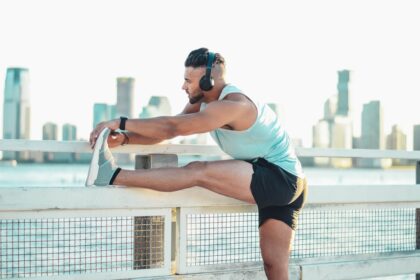
A study in the January 2024 issue of Medicine & Science in Sports & Exercise, first published online August 30, 2023, tested 18 highly trained male runners. In randomized order, they ate isotope-labeled test meals 30 minutes before or after a 60-minute treadmill run at near sea level. Researchers measured iron incorporation into red blood cells 14 days later.
Estimated absorption was 7.3% before exercise and 6.2% afterward. The difference was not statistically significant (P=0.058), which does not establish that the timings are identical. A later comparison after seven days at roughly 1,800 meters found greater pre-exercise absorption, with 17 runners included. Read the published abstract.
These were short-term absorption measurements, not evidence of faster racing or improved strength. The small, male, highly trained sample and specific meals limit application to other exercisers. Our interpretation: this experiment does not justify a universal rule to eat iron before every workout.
Build meals before chasing minutes
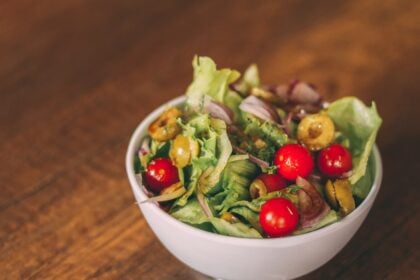
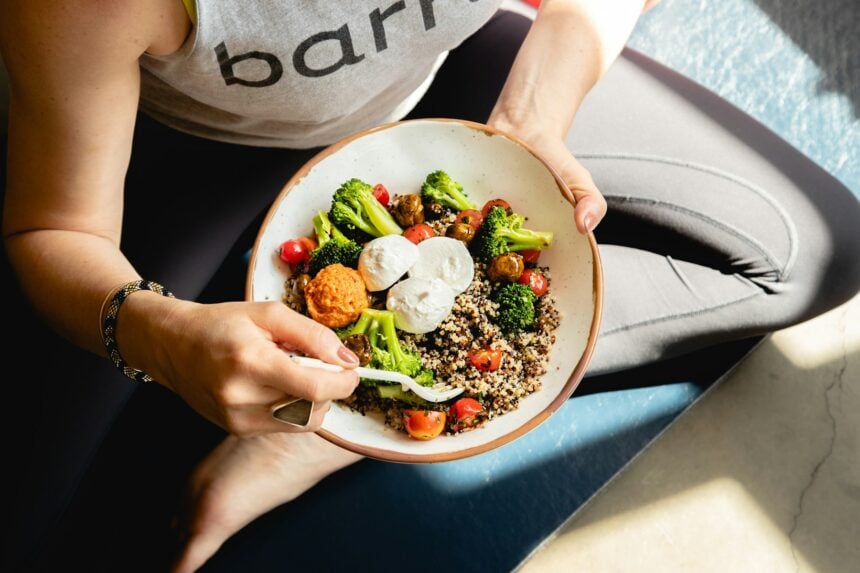
NIH guidance identifies meat and seafood as sources of readily absorbed heme iron. Beans, nuts, vegetables, and fortified grains provide nonheme iron. Vitamin C improves nonheme absorption. A practical food pairing is beans with peppers or tomatoes; it is a meal idea, not a treatment for diagnosed deficiency.
Iron requirements vary with age, sex, and life stage. High-dose supplements can cause gastrointestinal problems, including constipation and nausea. A clinician should guide treatment when deficiency is suspected or confirmed.
A useful next step: bring a record of your usual meals and training schedule to a dietitian or clinician. Ask whether the priority is food intake, testing, or treatment before focusing on the clock.
Explore more Nutrition & Performance reporting.
Evidence & Sources
McKay and colleagues, 2024. DOI: 10.1249/MSS.0000000000003272. Study reporting is limited to the published abstract; full text was not accessible for this report.
NIH iron fact sheet, accessed November 7, 2026. This is an educational explainer using established evidence, not a report of a newly published trial or individualized nutrition advice.