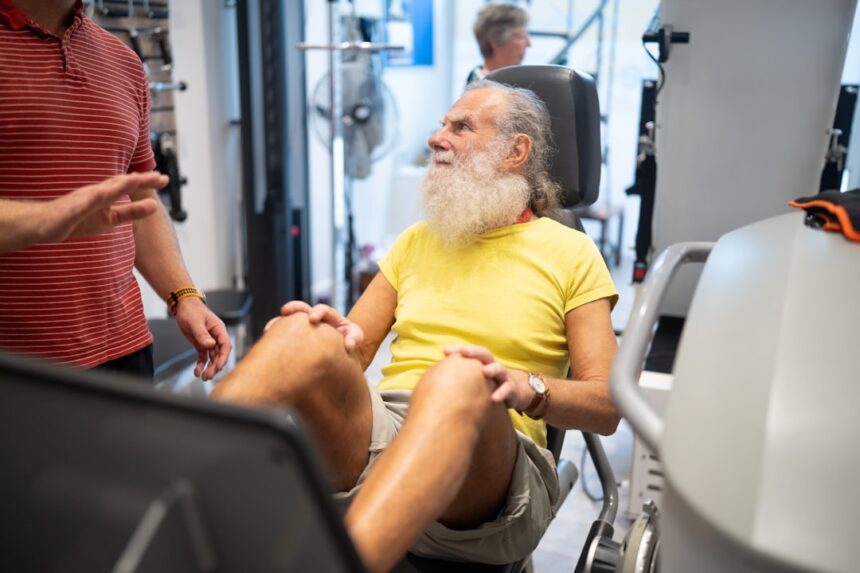
A newly published 700-man randomized trial found that an exercise-led lifestyle program embedded into prostate cancer care improved disease-specific quality of life and fatigue after 12 months compared with optimized usual care.
Prostate cancer exercise is already recommended for many men receiving androgen deprivation therapy, but access to supervised programs remains uneven. The new STAMINA trial, published online September 4 in The Lancet Oncology, tested what happens when supervised aerobic and resistance training is built directly into the cancer-care pathway rather than left as general advice.
The multicenter trial enrolled 700 men receiving androgen deprivation therapy, or ADT, at 15 National Health Service trusts in England. Participants were randomly assigned in a 5:4 ratio to either the 12-month STAMINA lifestyle intervention or Optimised Usual Care. The STAMINA program combined supervised aerobic and resistance exercise with dietary advice, behavioral support and complimentary gym membership.
At 12 months, the intervention group scored higher on both of the trial’s primary outcomes: prostate-cancer-specific quality of life and fatigue. The adjusted mean difference was 4.5 points on the FACT-P prostate cancer quality-of-life scale and 1.9 points on the FACIT-F fatigue scale.
At a Glance
- 700 men receiving androgen deprivation therapy were randomized across 15 NHS trusts in England.
- 389 participants were assigned to the STAMINA lifestyle program and 311 to optimized usual care.
- The intervention lasted 12 months and included supervised aerobic and resistance exercise, dietary advice, behavioral support and gym access.
- STAMINA produced statistically significant improvements in both prostate-cancer-specific quality of life and fatigue.
- Three intervention-related serious adverse events occurred; all participants recovered, and there were no treatment-related deaths.
Why This Prostate Cancer Exercise Trial Matters
Androgen deprivation therapy can be an important part of prostate cancer treatment, but lowering androgen activity can also bring substantial side effects. Fatigue, loss of muscle mass and strength, changes in body composition, reduced physical function and declines in quality of life can all make it harder to stay active.
That is why exercise has moved from a general wellness recommendation toward a specific component of supportive cancer care. NICE guidance in the United Kingdom recommends supervised resistance and aerobic exercise at least twice weekly for 12 weeks for men starting or receiving androgen deprivation therapy, with the goal of reducing fatigue and improving quality of life.
The STAMINA trial extends that evidence by testing a program that was not merely handed to patients as a brochure. It was embedded into routine cancer care and connected men to trained exercise professionals in community fitness facilities.
Men receiving androgen deprivation therapy were randomized in the STAMINA trial, making it substantially larger than many earlier exercise studies in this setting.
What Improved After 12 Months
The primary cancer-specific quality-of-life measure was FACT-P. After adjustment, STAMINA participants scored 4.5 points higher than those receiving optimized usual care. Fatigue, measured with the FACIT-F subscale, was also better in the intervention group by an adjusted 1.9 points.
Those improvements should be read in context. The trial did not test a gym program in isolation. Participants received a package that included exercise, dietary advice and behavioral support, so the study cannot determine how much of the benefit came from training alone.
Still, the exercise component was substantial. The intervention included supervised aerobic and resistance sessions and a pathway designed to help participants continue being active over a full year. That makes the trial especially relevant to the real-world question of whether structured exercise can be delivered as part of ordinary cancer care.
The Trial Also Included Important Safety Data
Three intervention-related serious adverse events were reported in the STAMINA group: transient loss of consciousness, leg pain or weakness, and back pain. All three participants recovered. No treatment-related deaths occurred.
That does not make every exercise program automatically safe for every person receiving cancer treatment. Medical status, bone health, cardiovascular risk, treatment-related anemia, neuropathy and other complications can affect what type of training is appropriate. The trial used safety-to-exercise checks and supervised delivery rather than asking participants to independently copy a generic routine.
People receiving cancer treatment should discuss new exercise plans with their oncology team, particularly when treatment affects bone density, blood counts, cardiovascular health or balance. The STAMINA findings support supervised exercise as supportive care, not as a substitute for cancer therapy.
What the Findings Do Not Show
The study population was not especially diverse: 680 of the 700 participants, or 97%, were White. The median age was 71.6 years, so the results are most directly applicable to older men receiving ADT in a UK care setting.
Participants knew which group they were assigned to, which is unavoidable for a lifestyle intervention but can influence self-reported outcomes. Primary outcome data were available for 89% of the intervention group and 81% of the usual-care group, leaving some missing follow-up data.
Most importantly, the intervention was multifactorial. It combined exercise with diet and behavior-change support. The trial therefore supports the whole care model rather than proving that one particular resistance exercise, cardio dose or nutrition strategy produced the observed difference.
How This Fits With Broader Fitness Research
The result reinforces a theme appearing across exercise science: structured programs are often most useful when they are sustainable and integrated into a person’s real life. Fitness Living recently covered a pragmatic trial in older adults where exercise plus nutrition counseling lowered fasting glucose, another example of combined lifestyle support producing a measurable health effect.
For readers interested in the training side, our report on resistance training and muscle hypertrophy looks more closely at how skeletal muscle adapts to loading. Cancer care is a different context, but preserving strength and physical function can become especially important when treatment itself promotes deconditioning.
What Fitness Enthusiasts Can Take From It
For healthy readers, this trial is not a reason to copy a cancer rehabilitation program. Its broader value is the reminder that exercise can be clinically meaningful far beyond performance, appearance or calorie burn.
Aerobic and resistance training are increasingly being studied as components of care for chronic disease, aging and treatment recovery. The key distinction is that medically complex populations often need individualized exercise prescription, screening and supervision.
The Fitness Living Takeaway
The STAMINA trial found that a 12-month exercise-led lifestyle program improved prostate-cancer-specific quality of life and fatigue in men receiving androgen deprivation therapy compared with optimized usual care.
The trial was large and randomized, but the intervention also included dietary and behavioral support, the population was 97% White, and the findings do not mean unsupervised exercise is appropriate for every patient. The practical message is stronger and more specific: structured, supervised exercise can be integrated into cancer care rather than treated as an optional afterthought.
Research & Sources
- PubMed: STAMINA multicenter randomized trial
- The Lancet Oncology: STAMINA trial DOI
- NICE guideline: prostate cancer diagnosis and management
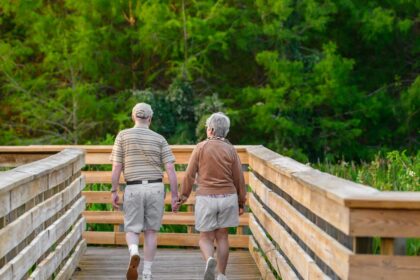
- Image: Centre for Ageing Better / Unsplash
This article reports on peer-reviewed clinical research for general information and is not individualized medical advice.
The Fitness Living Weekly
New Fitness Living Spotlights, important fitness news, research and independent reporting, delivered directly to your inbox.
One considered edition each week.
Do You Lead a Fitness Business Worth Knowing?
Fitness Living Magazine features independent gym owners, fitness trainers, and Pilates studio owners strengthening their local communities.