This Wine Country CrossFit Napa review looks at Beth Rypins’ functional-fitness philosophy, six-week transformation program, Longevity Fitness, nutrition support, scalable coaching, and community role in Napa.
That history gives Wine Country CrossFit an unusually personal center. Beth’s work in Napa is not framed around chasing intensity for its own sake. She described a gym where people learn to move well, build strength, improve nutrition habits, train around limitations, and find enough confidence and community to keep showing up.
“I remember what it’s like every day to be paralyzed. Now I help people move, get strong, and build health and vitality through strength and nutrition.”Beth Rypins / Wine Country CrossFit
The first signal is welcome. Beth said she wants people to feel safe when they walk through the door, especially when they are uncomfortable with their body, unfamiliar with CrossFit, or unsure whether a gym will feel like a place for them.
The second signal is coaching before intensity. Wine Country CrossFit does not use mirrors, and Beth said the focus is not on going as hard as possible. Proper technique comes before load. Movements are scaled around injuries, limitations, and current ability so the work can meet the person where they are.
The deeper experience is hope. Beth said members often talk about having more energy, more confidence, and a stronger sense that daily life is opening back up, whether that means keeping up with children, playing with grandchildren, or simply feeling more capable in their own body.
Beth’s leadership lens was shaped by recovery and by decades in demanding outdoor sport. She described 25 years of rafting, kayaking, and leading expeditions around the world, including three whitewater world championship titles. Today, she applies that experience to a different kind of challenge: helping ordinary people build strength, healthier routines, and the confidence to keep moving.
Inside The Wine Country CrossFit Approach
Beth’s story makes the gym’s operating philosophy easier to understand. She knows what it means to lose physical capacity and fight to regain it. That memory sits behind a coaching model that treats movement as something worth protecting, strength as something worth building, and confidence as something that can be restored one repeated action at a time.
Wine Country CrossFit is a Napa fitness community led by Beth Rypins, with a training model centered on functional movement, strength, scalable coaching, nutrition support, community, and long-term physical capability.
Beth said the gym’s priority is not to push everyone toward maximal intensity. Coaches teach movement patterns first, adjust around limitations, and add load as people build the range of motion, form, and control needed to progress safely.
The official gym site currently presents functional-fitness classes, specialty programming, nutrition support, and a free introductory path for new people who want to experience the facility and coaching environment before deciding what comes next.
Beth’s path into this work began long before she owned a gym. After recovering from the childhood stroke she described in the interview, she found running, kayaking, and whitewater sport as a teenager. Over the years, that became a life of expeditions, leadership, competition, and repeated exposure to what the body can learn when movement becomes a practice rather than an occasional event.
The athletic accomplishments are significant, but the more revealing detail is how Beth interprets them. Sport gave her direction and a way to build a life around capability. Wine Country CrossFit is the local expression of that same idea: give people a place to move, learn, get stronger, change habits, and keep enough hope in the process to continue.
A Napa Gym Built Around Strength For Real Life
This profile examines how Wine Country CrossFit connects functional movement, nutrition, safety-first progression, community, and longevity inside one Napa training environment.
Beth’s life story gives the gym a concrete reason for emphasizing movement quality, strength, and physical independence rather than intensity for its own sake.
The source material describes beginners, returning exercisers, experienced athletes, adults 60 and better, and people training around injuries or limitations.
The coaching model combines scalable functional fitness with nutrition support, habit building, community, and a specific longevity program for older adults.
A Fitness Mission Shaped By Recovery And Rivers
Beth described her work as coming full circle. The child who remembers paralysis became the athlete who spent decades on rivers and the coach who now helps other people rebuild movement, strength, and confidence. The business is personal because the underlying question is personal: what becomes possible when someone begins trusting their body again?
That question also explains why Wine Country CrossFit is not organized only around competitive performance. Beth acknowledged that advanced athletes train there, but she said the focus of ordinary classes is not to see who can push hardest. The goal is to move well, build health, and create an environment where a beginner can train beside someone more experienced without needing the same load, range of motion, or pace.
Functional Fitness With Safety Before Intensity
Beth describes the method as functional fitness: using movements from real life to strengthen and condition the body. Members squat, push, pull, hinge, lift, row, bike, run, jump, and practice whole-body patterns that transfer beyond the gym rather than isolating every muscle on a machine.
The progression is deliberately simple. Coaches can begin with a PVC pipe or an unloaded movement so a member understands position and control. As range of motion, form, and stability improve, load can increase. Beth named the principle directly in the interview: progressive overload, applied only after the body can maintain the movement under greater demand.
Scaling is part of the method rather than an exception to it. Beth said members continue training around injuries and limitations because coaches can modify movements, change implements, adjust impact, or substitute rowing and biking when running is not appropriate.

Welcome First, Then Confidence
A new member is meant to feel that the room has made space for them before anyone asks them to prove what they can do. Beth described welcome, safety, community, and clear coaching as the foundation of the early experience.
The absence of mirrors matters to Beth because it can reduce self-consciousness for people who are uncomfortable with their bodies. Coaches can then redirect attention toward the movement itself: where the body is, what the next step is, and how to complete the work with enough control to build confidence rather than fear.
Consistency, Strength And Hope
When asked about her training philosophy, Beth returned to consistency. She said the gym often begins with three days a week and uses whole-body strength work and functional movement as the base. The routine requires effort, but the value comes from repeating it long enough that strength, range of motion, skill, and confidence can accumulate.
That is also why Beth talks about hope so often. In her telling, fitness becomes meaningful when a person begins to believe change is possible again. The early shift may be more energy. It may be fitting clothes differently, learning to prepare food, moving with less hesitation, or simply discovering that the gym is no longer a place they avoid.
Wine Country CrossFit’s local distinction is not a single workout format. It is the way Beth connects technique, scalable strength, nutrition, community, and longevity to one larger promise: help people become more capable in ordinary life.
What Wine Country CrossFit Offers
Based on Beth’s interview and current official business information, Wine Country CrossFit combines coached functional fitness with programs that support different ages, experience levels, and starting points.
Who This Gym May Be A Good Fit For
Based on Beth’s interview and the way Wine Country CrossFit is structured, the gym may be especially relevant for people who want coached strength without a one-size-fits-all definition of intensity.
People who feel intimidated by gyms may appreciate the emphasis on welcome, no mirrors, technique before load, and scaling around current ability rather than being expected to keep up immediately.
Adults who care about balance, coordination, stability, agility, and long-term independence may find Beth’s longevity-focused strength philosophy especially relevant.
People who want movement and nutrition support together may value the six-week transformation model Beth described, which combines training with food preparation, habit building, and follow-through.
“The coach welcomed us immediately after we arrived... Members were very friendly and made sure we were included.”
When Strength Starts Showing Up In Daily Life
Beth said members often describe changes that are easy to understand because they show up outside formal exercise. They have more energy, more confidence, and a better sense of what their body can do. Some can get down on the floor with grandchildren more comfortably. Others can keep up with children at the park or return to activities they had begun avoiding.
Those examples matter because they keep the definition of progress practical. A stronger squat or heavier lift can be useful evidence, but Beth’s larger goal is capability: enough strength, movement quality, and confidence that everyday life begins to feel less physically limiting.
What Consistency Makes Visible
Beth said the process begins with regular attendance and the basics. Coaches work on range of motion when joints have become tight, teach movement patterns to people who have been sedentary, and add load only after form remains stable. The method is progressive, but the pace is meant to follow the person rather than a prewritten timeline.
Nutrition is part of that same consistency equation. In the six-week transformation program, Beth described teaching members to prepare food, bring meals to work, and make decisions that support the training. Fitness Living Magazine™ treats reported timelines and body-composition outcomes as individual experiences, not as promises of what another member will achieve.
The Man Who Changed The Routine Around His Health
One member story stayed with Beth because the visible result came from changing ordinary habits as much as completing workouts.
She described a man who arrived without a sports background and wanted a healthier life than the inactive pattern he had grown up around. He joined the gym’s six-week transformation program and began learning functional movement, food preparation, and practical ways to make healthier choices during the workday.
Beth said he began taking prepared food to work instead of relying on fast food, stopped a nightly pattern of heavy beer consumption, and followed the program consistently. According to her interview, he lost 27 pounds over the six weeks and left with habits she believed had changed the direction of his life.
The weight change is one part of the story, not the whole story. Beth emphasized that the larger transformation was the return of hope: he had a new routine, a different relationship with health, and evidence that consistent choices could produce a different outcome than the one he had expected.
A Room Built To Make People Feel Included
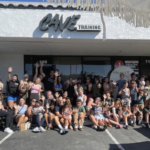
Beth repeatedly described Wine Country CrossFit as community-based fitness. The point is not simply that people train in the same room. It is that coaches know how to adapt the work, members see one another returning, and a person who arrives uncertain can begin to feel less anonymous over time.
Why Longevity Fitness Matters
Beth’s longevity work also comes from personal loss. She shared that her husband experienced a serious cardiac health crisis and later died on Christmas in 2024. After that experience, she said she felt a stronger responsibility to create a program for people who are 60 or better and want to preserve strength as they age.
That program became Longevity Fitness. Beth described simple strength-building movements aimed at the qualities that often decline with age: coordination, strength, balance, stability, and agility. Her language is direct because the goal is direct: help people keep doing more for themselves for as long as possible.
The emphasis is not anti-aging rhetoric. It is capacity. Strength can support standing up, carrying, reaching, recovering balance, and staying engaged in the ordinary activities that make independence meaningful. In Beth’s framework, muscle is useful because life keeps asking the body to do real work.
Why This Matters In Napa
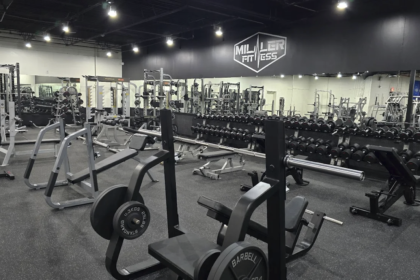
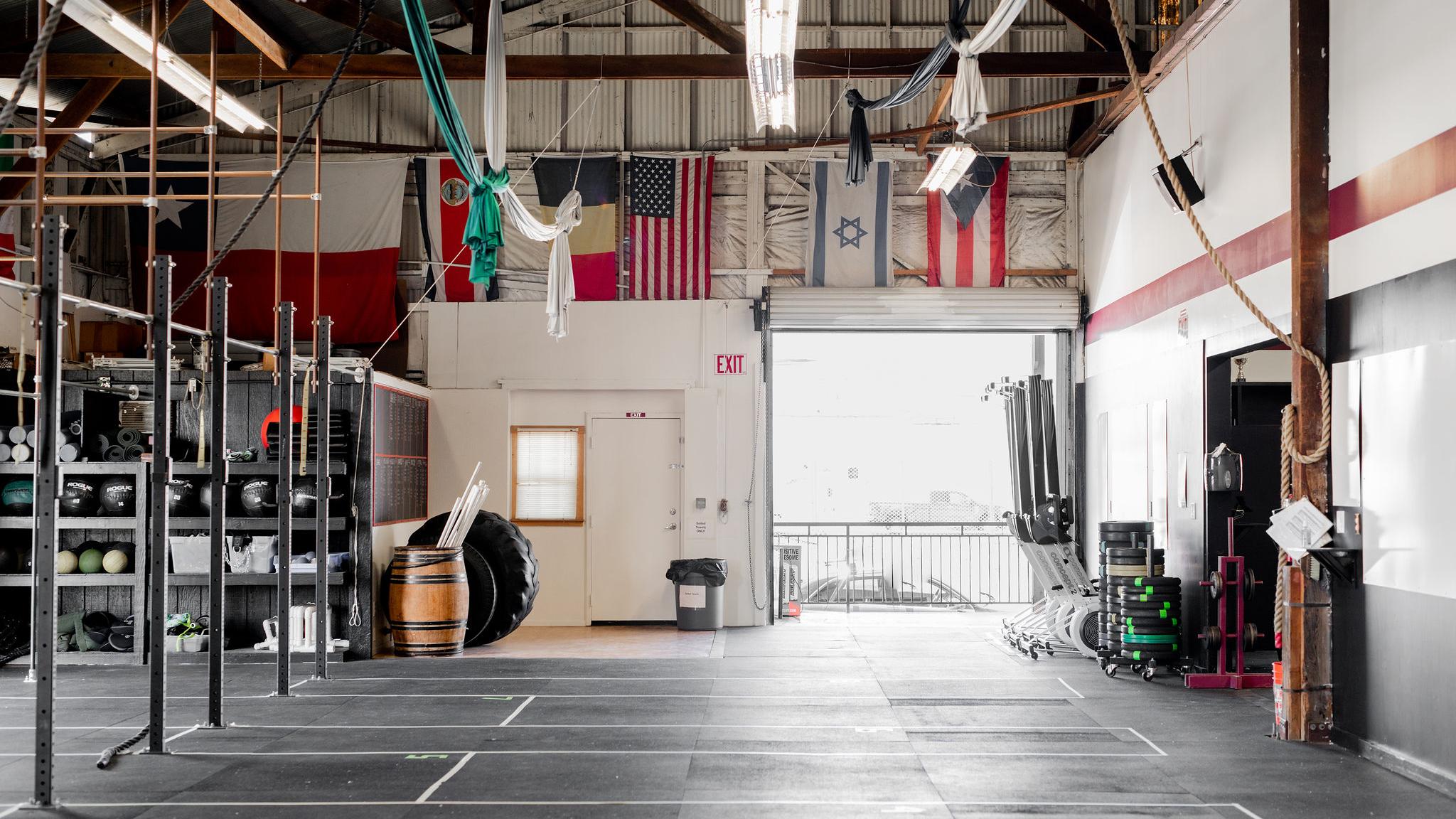
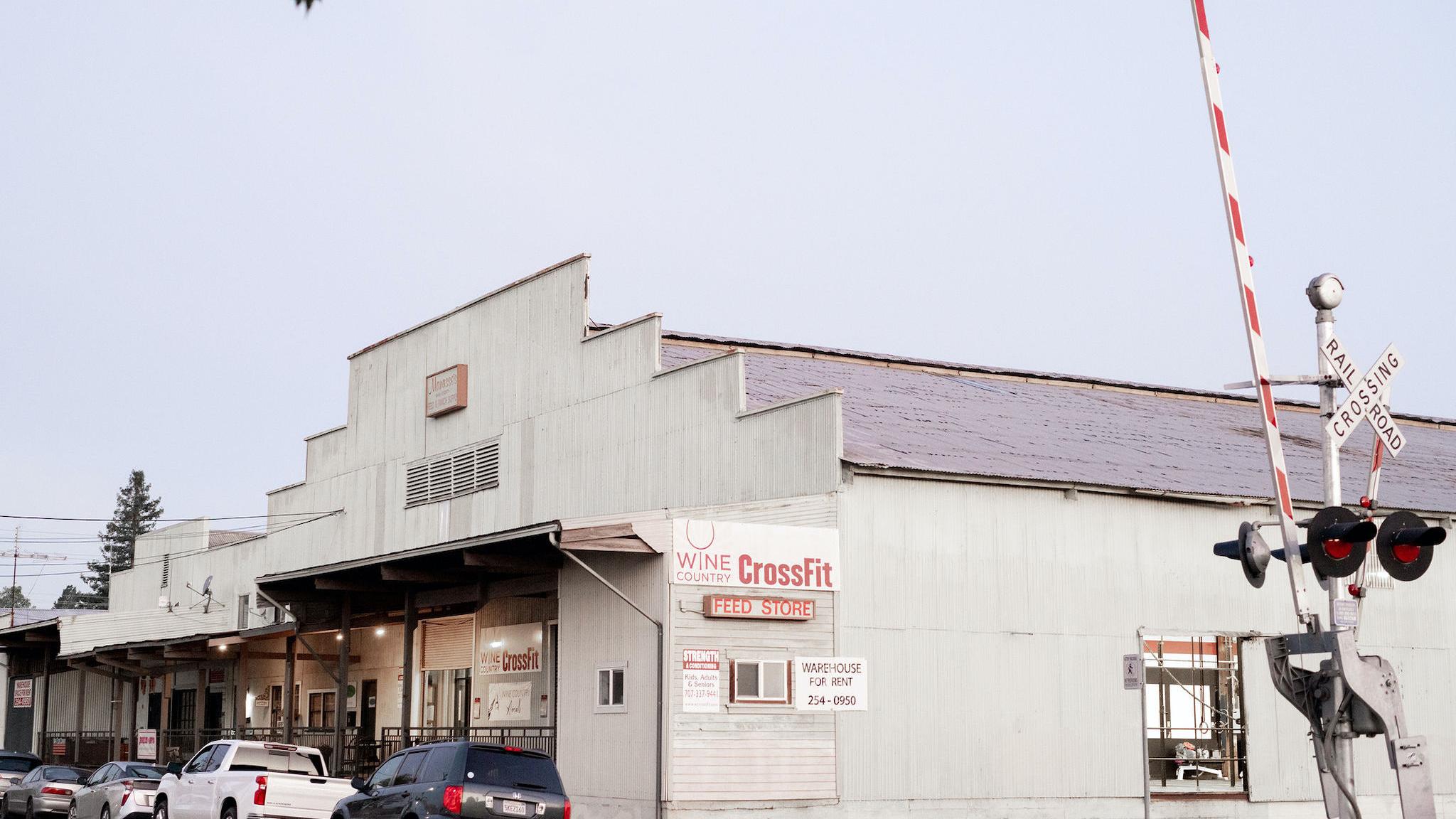
Wine Country CrossFit occupies a specific local role in Napa: a 5,500-square-foot warehouse-district gym where functional fitness, specialty programming, nutrition support, youth options, and community all sit under one roof. The official site continues to invite both newcomers and experienced CrossFitters to begin with a free introductory path.
For a reader comparing CrossFit gyms in Napa, the distinction is not simply the size of the facility or the number of class formats. Beth’s interview points to a more particular culture: no mirrors, movement quality before load, scaling around limitations, practical nutrition support, and an explicit belief that strength should remain useful as people age.
That makes the gym relevant to more than competitive CrossFit athletes. It may appeal to someone who wants a serious training environment without needing elite performance to be the organizing purpose, or someone who wants community and coaching to make consistent movement easier to sustain.
Questions Readers Ask
Who Is Beth Rypins?
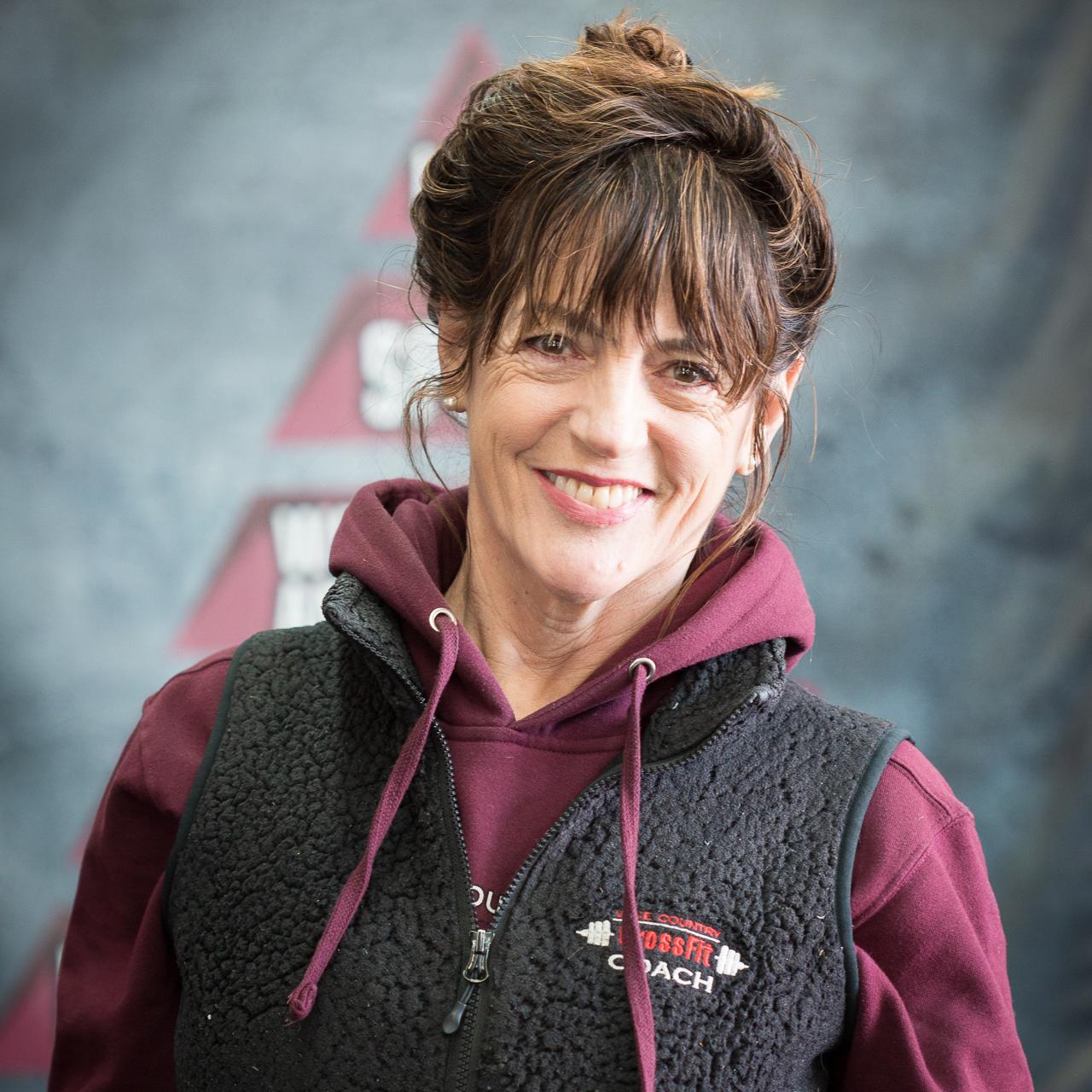
Beth Rypins is the founder of Wine Country CrossFit in Napa, California. In her Fitness Living Magazine™ interview, she described surviving a childhood stroke, recovering from paralysis, becoming a three-time whitewater world champion, and later building a fitness business around strength, nutrition, movement, community, and vitality.
What Does This Wine Country CrossFit Napa Review Highlight?
The Spotlight examines Beth Rypins’ functional-fitness philosophy, safety-first progression, six-week transformation program, Longevity Fitness, nutrition support, member experience, and the gym’s role in the Napa fitness community.
Is Wine Country CrossFit Beginner-Friendly?
Based on Beth’s interview and the supplied customer review, the gym is designed to help people feel welcome and safe. Beth said coaches prioritize proper technique, scale around limitations, and do not make maximal intensity the central goal of ordinary classes.
What Is Wine Country CrossFit Known For?
The source package identifies functional fitness, CrossFit training, nutrition support, scalable coaching, a six-week transformation program, community-based training, and Longevity Fitness as central parts of the gym’s model.
What Is Longevity Fitness?
Beth described Longevity Fitness as a program for adults 60 and better that uses simple strength work to support coordination, balance, stability, agility, and practical independence as people age.
What Is The Best First Step For A New Member?
Wine Country CrossFit’s current official site invites prospective members to try the gym free. Its free-intro language describes a chance to see the facility, meet the team, review training options, and begin with an assessment of the person’s current starting point.
Key Takeaways
Beth’s coaching standard starts with proper movement and scales load or impact to the person in front of the coach.
The article’s central idea is capability: energy, confidence, balance, independence, and strength that remain useful beyond a workout.
The six-week transformation model combines training with food preparation, practical nutrition choices, and follow-through rather than treating exercise as the whole answer.
Beth’s program for adults 60 and better makes strength, balance, stability, coordination, and agility explicit long-term priorities.
Conclusion
Wine Country CrossFit is not only a story about CrossFit classes. It is a story about what happens when strength is treated as a way to restore possibility. Beth Rypins’ life has moved from childhood paralysis to world-class whitewater sport to coaching people through the ordinary work of becoming more capable.
Her message is consistent across the interview: move, learn, build strength, improve the habits around the training, and make the process supportive enough that people can keep going. For readers in Napa who want a coaching environment that values safety, community, nutrition, and long-term physical capability, that is the clearest way to understand the Wine Country CrossFit approach.
Beth Rypins
Beth’s leadership combines the perspective of a childhood stroke survivor, three-time whitewater world champion, expedition leader, and fitness coach with a practical philosophy: movement should help people build strength, confidence, health habits, and the physical capacity to keep living independently.
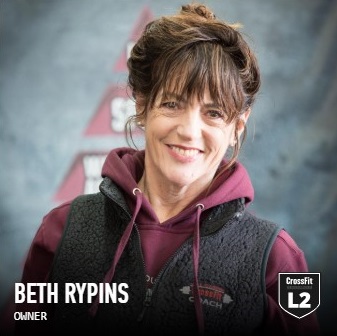
Beth Rypins is the founder of Wine Country CrossFit in Napa, California. Her background includes childhood stroke recovery, decades in whitewater rafting and kayaking, three world championship titles in whitewater rafting, and a coaching career centered on helping people move, get stronger, and build health through consistent training and nutrition.
Start with consistent movement, teach whole-body functional patterns, prioritize proper technique, add load progressively, and pair training with nutrition and habits that support long-term health and vitality.
Functional fitness, CrossFit coaching, scalable movement, mobility, nutrition support, transformation coaching, strength for aging, member confidence, community, and coaching around injuries or limitations.
About This Spotlight
Fitness Living Magazine™ selected this Spotlight for Beth Rypins’ source-supported leadership story, Wine Country CrossFit’s movement-first coaching philosophy, scalable functional-fitness model, nutrition and transformation support, longevity-focused programming, specific member-success account, and community-centered approach in Napa.
Fitness Living Magazine™ publishes these features to place local fitness leaders on the record about how their programs operate, what members experience, what standards guide the coaching, and what makes the business relevant to its local community.
Source material for this Spotlight consisted of Fitness Living Magazine™’s recorded May 22 interview with Beth Rypins, the customer review supplied for editorial use, and the Wine Country CrossFit photography and logo assets preserved from the original Spotlight source package. The feature’s reporting, member-experience details, coaching philosophy, transformation account, longevity-program context, and founder background are drawn from those supplied editorial materials.
This feature is editorial content and is not medical advice. Training descriptions, nutrition practices, weight-change accounts, and outcomes reflect the featured interviewee’s account and individual experiences. Results differ from person to person. Readers should consult a qualified healthcare professional before beginning a new exercise or nutrition program when appropriate.