
Across Fitness Living Magazine™ interviews with independent gym and studio owners, a different model of fitness is taking shape: smaller, more specific spaces where coaching, belonging and accountability are inseparable.
The most consequential change in local fitness may not be a new machine, training method or membership app. It may be a change in what the room itself is expected to do.
For decades, the conventional gym sold access. The member paid for equipment, square footage and the freedom to use both. Coaching was available, but often separate. Community happened, but it was rarely the central operating system.
Many independent gyms are now reversing that order. The equipment still matters. Programming still matters. Results still matter. But the deeper product is increasingly a structured relationship: someone knows the member, understands the plan, notices an absence and creates a reason to return.
This is not merely friendlier customer service. It is a different theory of what makes fitness sustainable.
A quiet shift in what members are buying
In Fitness Living Magazine™ reporting, the strongest independent operators rarely describe their businesses as rooms filled with exercise options. They describe a sequence of human decisions.
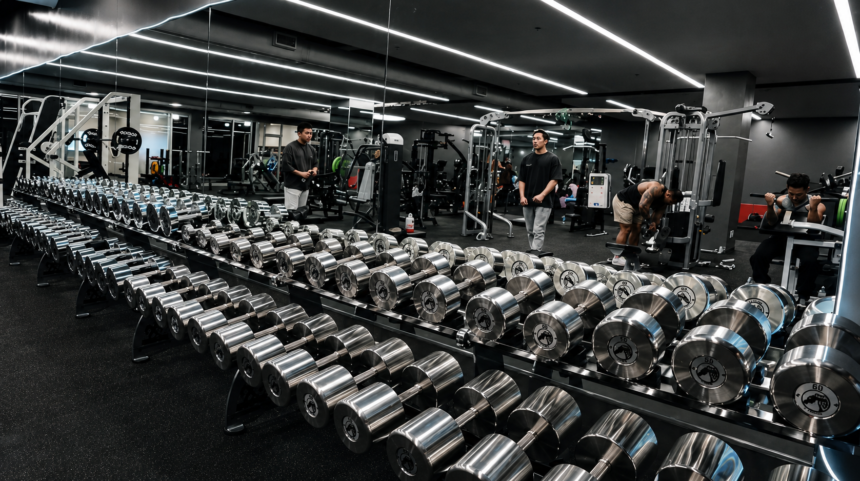
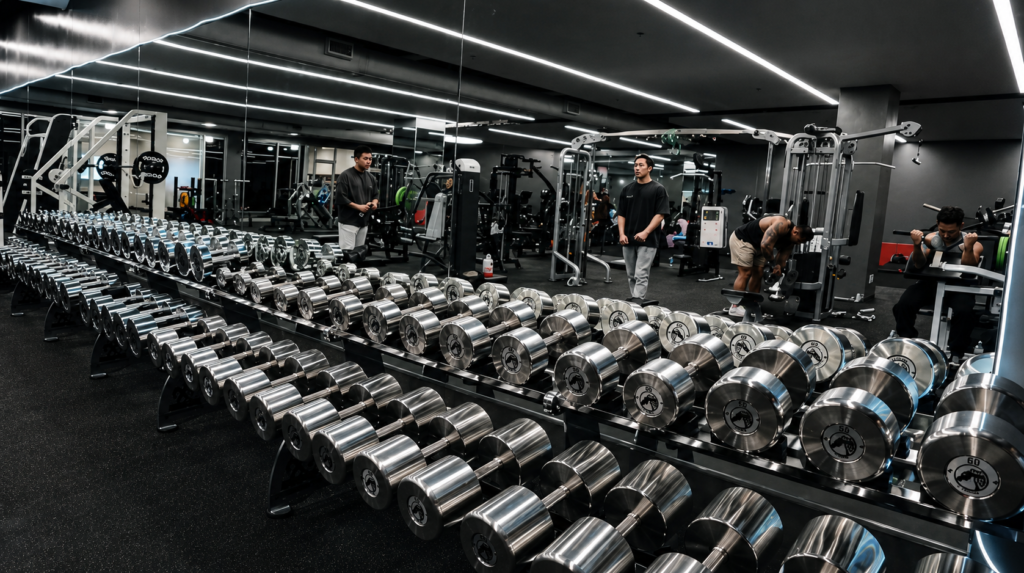
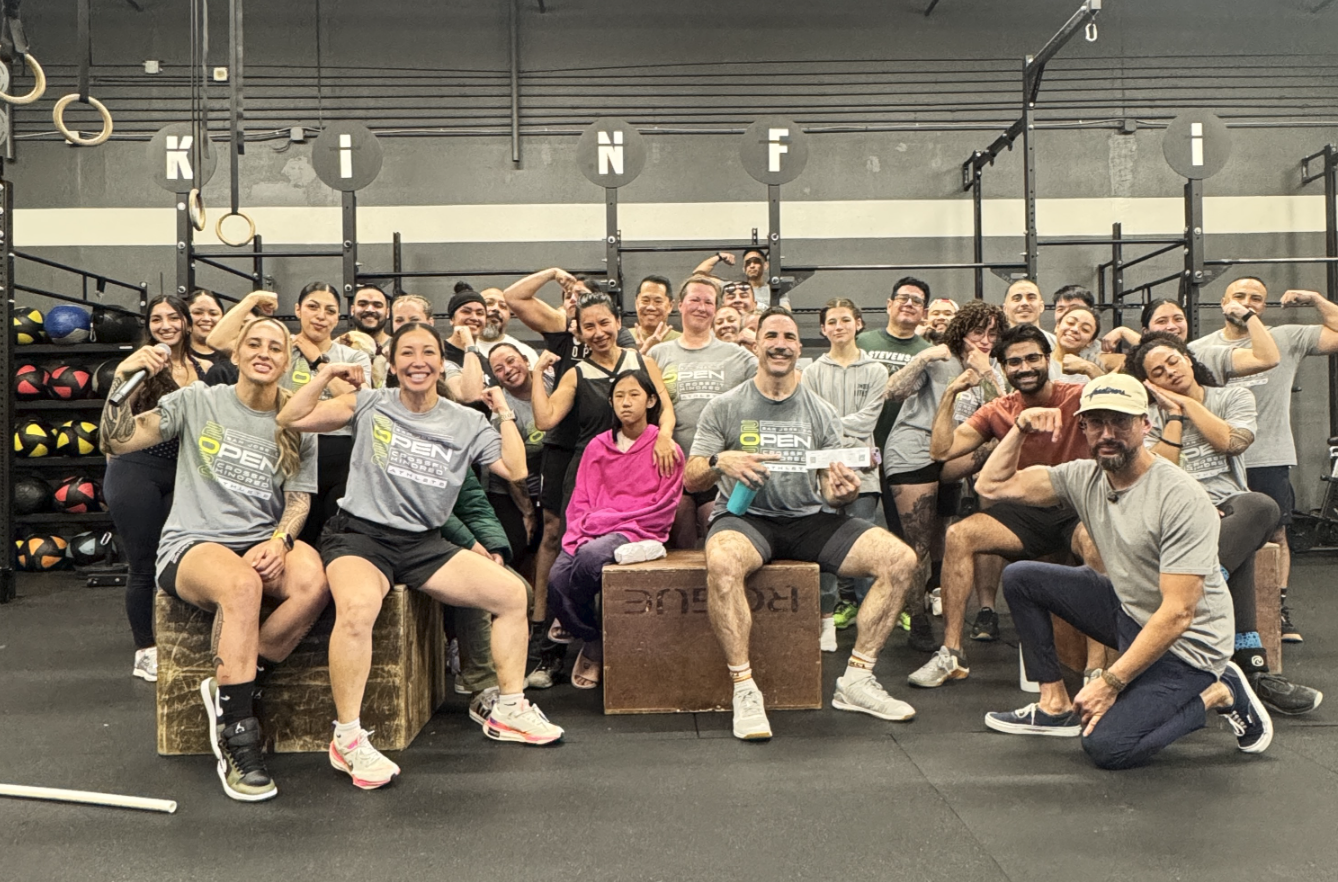
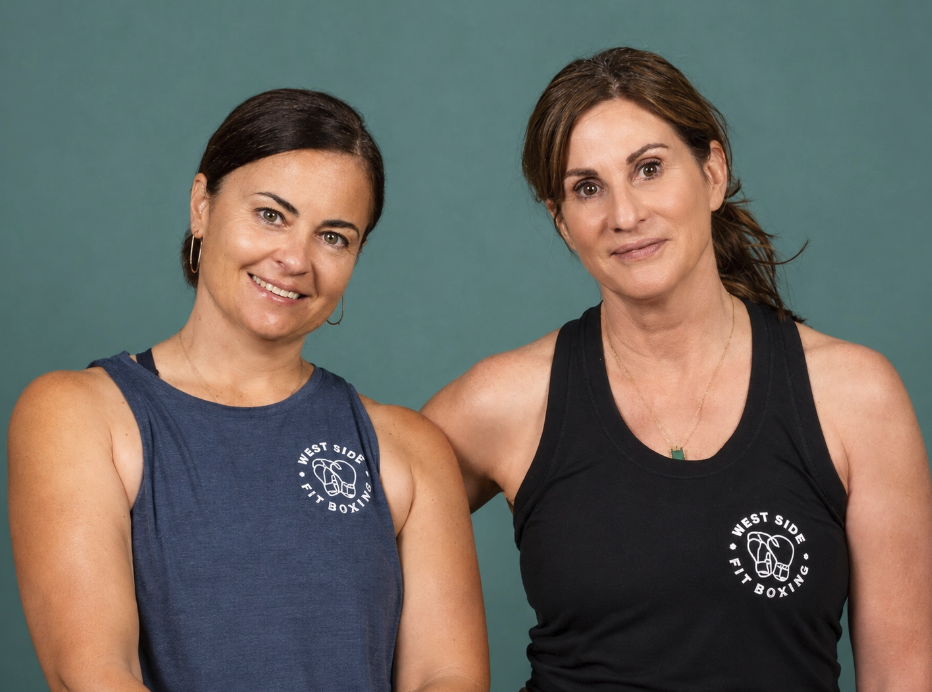
At One Step Fitness in Irvine, private access, carefully selected equipment and a diverse trainer roster create an intentionally controlled member experience. At CrossFit Kindred in San Jose, a gym that once struggled grew by emphasizing beginner fundamentals, consistency and community. At Westside Fitboxing in Santa Cruz, class size, personal space and modifications are built into the room before a new client has to request them.
These businesses do not look identical. Their training methods, markets and physical environments differ. Yet the underlying promise is remarkably similar: the member will not be anonymous.
Community is not decoration
Fitness businesses often speak about community as if it were an atmosphere. In the strongest operations, it is closer to infrastructure.
Community appears in how a new member enters the room, how a coach explains an unfamiliar movement, how quickly someone is noticed when they disappear and whether progress is understood only as weight lost or strength gained. It also appears in less visible decisions: class caps, assessment systems, appointment rhythms, follow-up habits and the permission to modify an exercise without embarrassment.
At IBFit, strength training is paired with accountability and habit coaching. At TRUE Ride Studio in Redding, indoor cycling is framed not only as exertion, but as a place to reset. At Body Unlimited Fitness, the process begins with assessment and listening before a program is constructed.
The common thread is not a particular exercise philosophy. It is a refusal to treat the member as interchangeable.
Why specificity creates trust
The independent fitness businesses with the clearest identities are rarely trying to serve every possible customer in every possible way. They know who the room is for, what the coaching is meant to accomplish and how the experience should feel.
Specificity can look limiting from a distance. In practice, it often produces trust. A member can understand the promise. A coach can deliver it consistently. The business can build systems around a defined standard instead of stretching across an endless menu of services.
This is especially important in fitness because the buyer is often entering with uncertainty. A person may be returning after years away, managing pain, aging into a different relationship with movement or carrying a history of feeling out of place in conventional gyms. A highly specific independent studio can turn that uncertainty into a clear first step.
The business case for being known
Large fitness brands can offer scale, convenience and extensive equipment. Independent operators usually cannot win by imitating those advantages. Their durable advantage lies elsewhere.
They can know the member’s history. They can change the plan quickly. They can build a culture around the owner’s standards. They can make the experience coherent from the first conversation through the hundredth session.
That intimacy is difficult to mass-produce. It is also demanding. A community-centered model requires operational discipline. Warmth without standards becomes inconsistency. Personalization without systems becomes exhaustion. A charismatic owner cannot remain the only person capable of delivering the promise.
The strongest independent gyms therefore translate care into repeatable practices. They define how people are welcomed, assessed, coached, followed up with and recognized. What feels personal to the member is often supported by considerable structure behind the scenes.
- The room has a clear point of view.
Members understand what the business believes about training, coaching and progress.
- Beginners are expected, not merely tolerated.
Entry systems remove uncertainty before it becomes intimidation.
- Coaching extends beyond the exercise.
Accountability, context and adaptation are part of the service rather than informal extras.
- Absence is visible.
The relationship is strong enough that someone notices when a member stops showing up.
- Culture survives the owner’s presence.
Standards are clear enough to be delivered by a team and repeated over time.
What serious local fitness leadership looks like
The phrase “community institution” should not be used lightly. It implies responsibility as well as affection. An institution earns trust by remaining useful, recognizable and accountable over time.
For an independent gym, that may mean helping a teenager learn how to train safely, giving an older adult a place to rebuild confidence, offering a new parent a manageable route back to movement or creating a room where a person who never felt athletic can finally participate without apology.
None of those outcomes requires abandoning performance. In many cases, the opposite is true. People can train harder when they understand the purpose, trust the coach and believe the environment was designed with them in mind.
The result is a more serious definition of fitness leadership. It is not simply visibility, personality or a collection of credentials. It is the ability to build a place where standards and belonging reinforce one another.
The Long View
Independent gyms will continue to compete with national brands, home technology and an expanding universe of digital programs. Their strongest answer may not be more variety. It may be greater meaning.
The businesses most likely to matter locally are the ones that make training specific, relationships durable and progress visible. They do more than provide access to exercise. They give a community a place to practice consistency together.
Reported Across Our Coverage
- Designing a High-End Private Gym: Creating a Private Member Experience
- CrossFit Kindred Turns a Struggling San Jose Gym Into a 120-Member Fitness Community
- How Westside Fitboxing Built a Boxing Room Without Intimidation
- How IBFit Combines Strength Training, Accountability and Habit Coaching
- How TRUE Ride Studio Turns Indoor Cycling Into a Place to Reset
- Natalie Joseph Puts the Person Before the Program at Body Unlimited Fitness