Recognized by Fitness Living Magazine™ For welcoming coaching, beginner-friendly fundamentals, scalable functional fitness, measurable member progress, and local fitness leadership in San Jose.
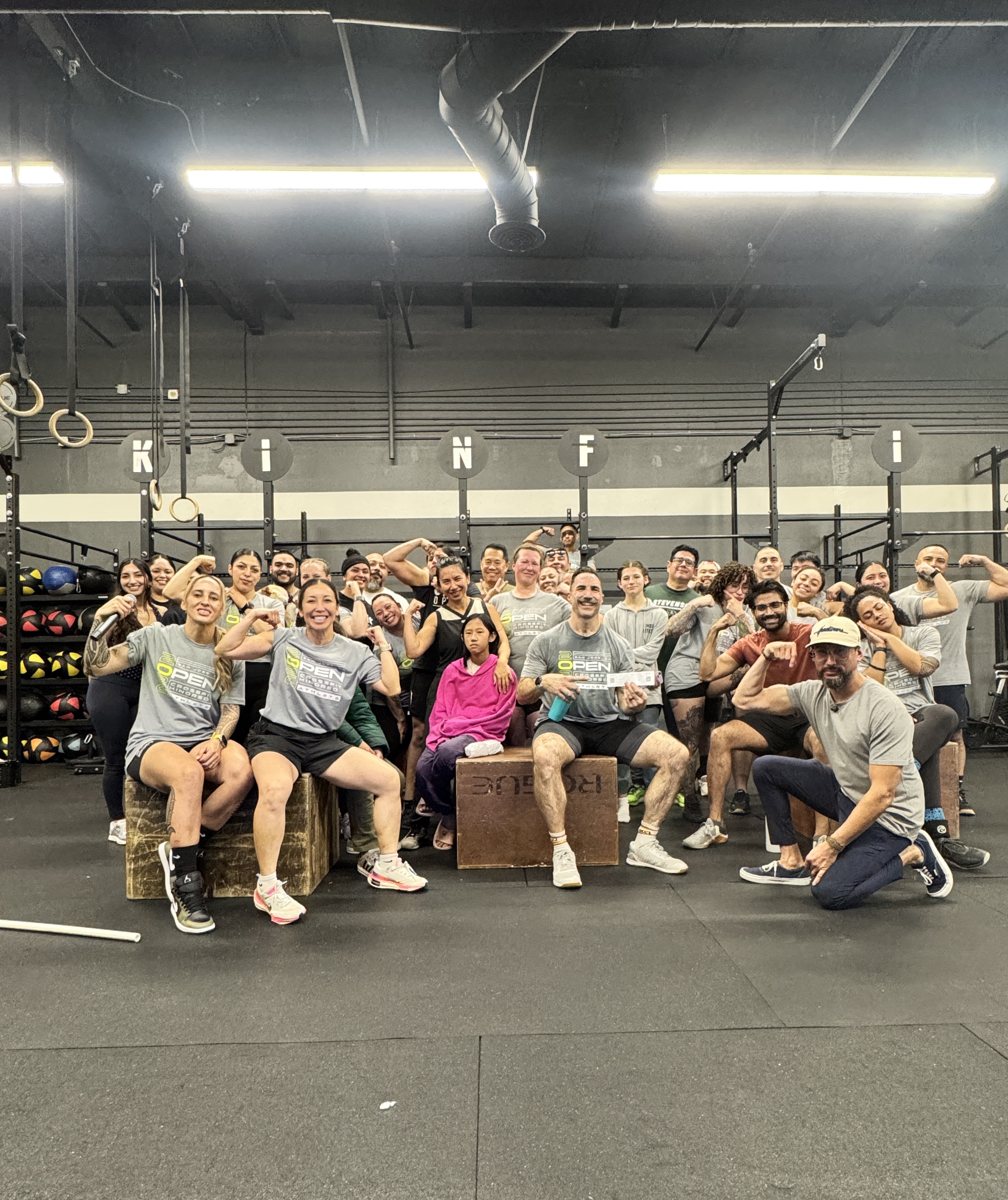
That standard grew from Vanna’s own experience. Before she became a gym owner, she said she was an overworked finance professional who did not see herself as athletic and did not initially believe she belonged in CrossFit. When she and Leonie Solia took over a struggling boutique gym in May 2017, the business had roughly twenty members. Vanna said that by the June 2026 interview, the gym had grown to about 120 members after a turnaround, a pandemic-era move, and years of rebuilding around coaching and community.
“I want them to feel welcomed. I want them to feel seen, and I want them to go and be empowered.”Vanna Truong, Co-Owner and Finance Director / CrossFit Kindred
The first signal is warmth. Vanna said new people are not meant to stand at the edge of the room wondering who to ask or whether they belong. Coaches are told when someone new is coming, introductions happen before the workout, and names become part of the culture quickly.
The second signal is instruction. Before a beginner is expected to move through a larger class with confidence, coaches work on fundamentals, watch movement, adjust load, and scale the workout to the person’s current level. The goal is not to prove how hard CrossFit can be. It is to make the next step understandable.
The deeper impression is belonging. Vanna described friendships, couples who met through the gym, celebrations, baby showers, and even weddings connected to the community. Those stories explain why she sees the gym as a safe place for people to gather, get healthier, and become better versions of themselves.
CrossFit Kindred is run as a partnership with distinct roles. The current website lists Leonie Solia as Fitness Director and Vanna Truong as Finance Director. In the interview, Vanna described Leonie as the more visible coaching presence while Vanna focuses heavily on the business backbone, operations, and the decisions required to keep a small fitness company evolving.
Why Belonging Comes Before Intensity
Vanna’s route into CrossFit started with resistance to the idea itself. She said she was working long hours in finance, neglecting exercise and nutrition, and eventually reached a point where she felt physically and mentally depleted. CrossFit looked intimidating because the public image she associated with it was highly athletic. She did not see herself in that image.
CrossFit Kindred is a functional fitness gym in San Jose led by co-owners Vanna Truong and Leonie Solia, with a coaching culture built around welcome, scalable CrossFit, beginner fundamentals, measurable progress, and a strong sense of community.
The gym’s current website describes CrossFit as constantly varied functional movement performed at high intensity relative to the member’s level, with movements scaled and coached for proper form and technique.
For a new local prospect, the current website promotes a free No Sweat Intro and free trial options, including a Beginner’s Intro Class for people who are new to CrossFit.
That memory became a leadership filter. Vanna said that when she first tried CrossFit, she did not feel like she fit. When the opportunity came to buy the gym where Leonie had been training Vanna and friends, the two women chose to build the kind of place Vanna wished she had encountered from the beginning: one where the person who feels least athletic is not treated like an outsider.
Inside the CrossFit Kindred Approach
This profile examines how CrossFit Kindred combines a welcoming culture, structured class coaching, beginner fundamentals, scalable functional fitness, measurable progress, and an owner philosophy that treats habit formation as part of the training.
The gym deliberately treats warmth and belonging as part of the coaching experience, not as a social extra added after the workout.
Vanna repeatedly described overworked professionals, beginners, self-described couch potatoes, and people who have never touched a barbell as central to the audience she wants to reach.
Members receive structure, scaling, coach feedback, progress tracking, and a community that notices when they show up and when they disappear.
A Turnaround Built Through Reinvention
Vanna and Leonie did not start with a polished operation. They bought the trade name and business assets of a struggling boutique gym in 2017, then had to rebuild demand, culture, and profitability. When the pandemic arrived, the business faced another reset: outdoor classes, distancing rules, a lease decision, and the pressure of finding a new home while keeping members engaged.
Vanna described the disruption as painful but clarifying. She ran the numbers on the old lease, found a larger space for roughly the same cost, and helped design and build out the new facility while Leonie kept classes running. The lesson she took from the period was not that a gym can find one winning formula and protect it forever. It was that a boutique fitness business has to keep evolving without losing the culture that made people care in the first place.
Why Fundamentals Come Before Load
CrossFit Kindred’s beginner logic is straightforward: people do not have to become fit before they are allowed to start. Vanna said the gym’s niche includes people who may have never touched a barbell and may arrive worried that CrossFit will move too fast. The answer is not to remove challenge. It is to teach movement first and scale the challenge to the person.
Before a new member is expected to navigate bigger classes with confidence, coaches work through fundamentals and give feedback on how the person moves. Vanna described watching load carefully and increasing it according to fitness level rather than letting a beginner chase a number simply because someone else in the room can lift it.
The same principle appears on the current website. CrossFit Kindred describes its CrossFit classes as scalable, and its Beginners Bootcamp as a place to learn foundational movements in a supportive environment. The mechanism is less about making CrossFit easier than making progression legible.
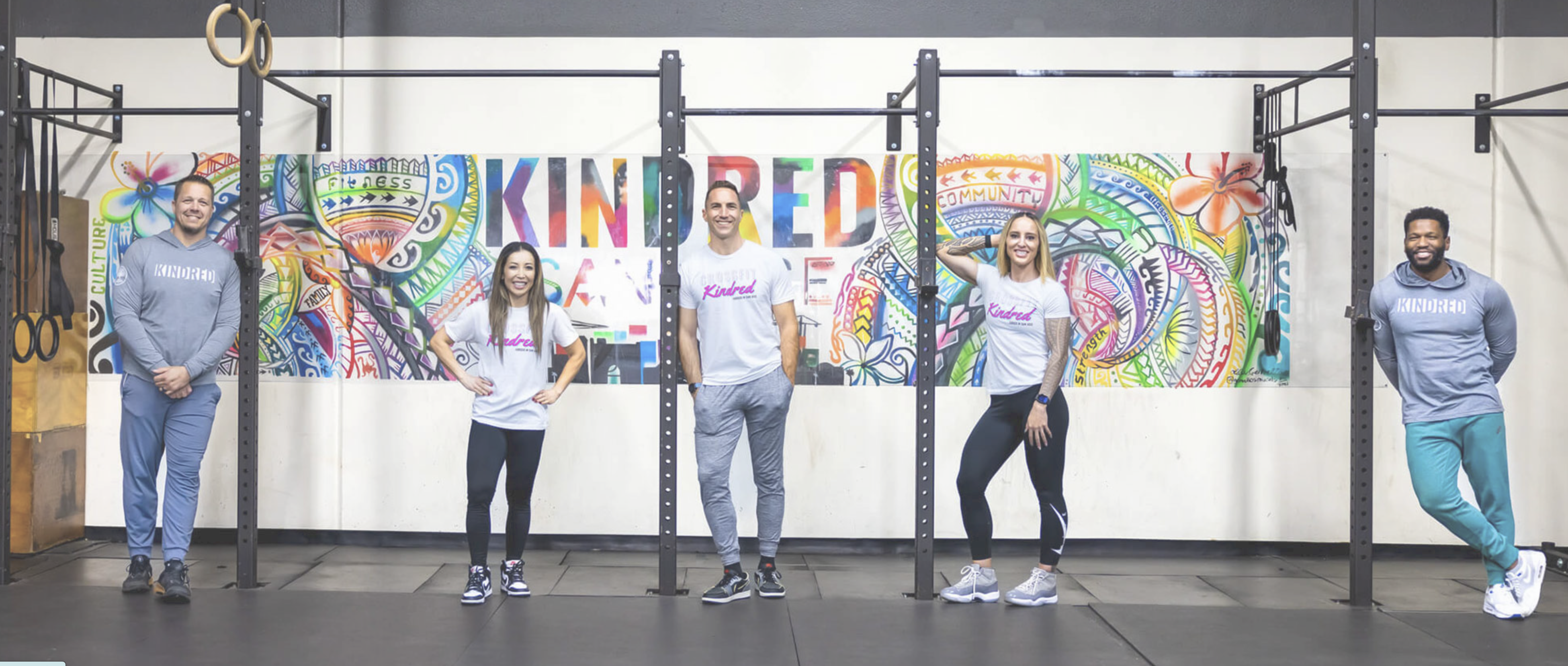
Welcomed Before the Workout Begins
A CrossFit Kindred member is meant to feel noticed before being evaluated. Vanna said coaches are expected to know when someone new is coming, greet the person, introduce themselves, and create enough warmth that asking a beginner question does not feel like an interruption.
Operationally, the gym pairs that welcome with structure. Coaches teach fundamentals, scale movements, track progress, and follow up when early attendance drops. Emotionally, the goal is to turn a room that once looked intimidating into a place the member recognizes as part of the week.
The Best Hour of the Day
Vanna described the one-hour class as the core delivery system. The training follows the CrossFit methodology, combining strength work with conditioning and a mix of modalities that can include weightlifting, gymnastics-style movement, calisthenics, compound exercises, rowing, biking, and other functional work. The point is not to dedicate separate days to isolated body parts. It is to develop broad physical capacity inside a coached hour.
The class structure also removes decision fatigue. Members come in knowing the workout is already planned, the coach will explain it, and the movement can be adjusted to fit ability. Vanna’s larger philosophy is that the method only matters when attendance becomes consistent. She said the early goal is to build the habit of coming four or five days when life allows, with four still representing a meaningful target for people balancing work and family.
CrossFit Kindred’s distinction is not one secret workout. It is the operating sequence around the workout: welcome the person, teach the fundamentals, scale the challenge, remove guesswork, record progress, and keep enough human contact in the system that consistency has social support as well as personal discipline.
What CrossFit Kindred Offers
The current service mix extends beyond standard group CrossFit. CrossFit Kindred’s website lists several ways to train, with beginner onboarding and coaching support positioned as the entry point rather than an afterthought.
“Love absolutely everything about this gym, from the community to the coaches. Everyone is incredibly welcoming and helpful, regardless of your skill level.”
The Habit Comes Before the Transformation
When Vanna was asked what she hopes to see in the first sixty to ninety days, she did not begin with a dramatic before-and-after promise. She began with attendance. If someone buys a membership and rarely comes, she said, the program cannot do much. The controllable first win is learning to show up often enough for training to become part of the week.
She applies the same gradualism to nutrition. Rather than asking a new member to rebuild every habit overnight, Vanna described small changes such as reducing processed sugar and replacing one poor food choice at a time. The logic is behavioral: make the change specific enough to practice, then stack another useful decision on top of it.
What Consistency Makes Visible
CrossFit Kindred tracks more than how a workout felt. Vanna described using Wodify to record attendance, lifts, benchmark workouts, and personal records. A member can look back at an earlier front squat, deadlift, running benchmark, or other result and compare it with what the person can do now.
That measurement changes the language of progress. Strength is not only a feeling, and improvement does not have to depend on appearance. Vanna described coaches celebrating personal records in class, including ringing a PR bell when a member reaches a new mark. The visible result might be a first pull-up, a box jump, a heavier lift, better conditioning, or simply enough consistency that the member now sees training as part of normal life.
Vanna also reported that members who combine consistent attendance with nutrition changes can see body-composition and weight changes. Fitness Living Magazine™ treats those as owner-reported observations rather than promised or typical outcomes. Individual results vary with starting point, attendance, nutrition, recovery, health status, and many other factors.
Two Owners, One East San Jose Standard
The business partnership is visible in the division of roles. Leonie leads from the coaching side as Fitness Director, while Vanna helps carry the business, finance, and operating side. The current CrossFit Kindred website identifies both women as East San Jose natives, and the interview makes clear that the gym’s community identity is personal, not imported branding.
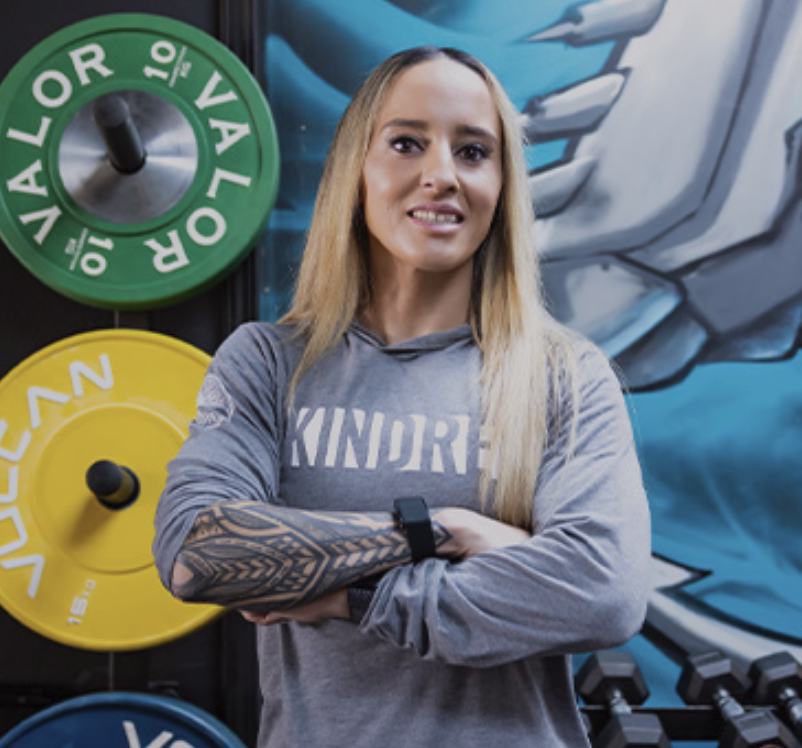

Why This Matters in East San Jose
CrossFit Kindred’s local relevance is unusually specific. The current website lists the gym at 2282 Quimby Road in San Jose, while its owner biographies identify both Vanna and Leonie with East San Jose. Vanna described growing up where the gym is located and building the business for people who may feel overworked, intimidated by fitness, or unconvinced that they belong in a CrossFit room.
The current site’s mission is to create a caring community that inspires real people to rekindle their passion for fitness and life. That language matches the interview closely. Kindred is not positioning community as a generic slogan. The owners describe it as a practical retention system built from introductions, positive reinforcement, coach feedback, shared effort, and the social connection that makes another week of training easier to imagine.
For someone comparing gyms in San Jose, the proposition is easy to test in person: begin with the gym’s free introductory pathway, see how the coaching team handles a newcomer, and decide whether the combination of structure, scaling, and community feels like a place where consistency can last.
Questions Readers Ask
Who Are Vanna Truong and Leonie Solia?
Vanna Truong and Leonie Solia are the co-owners of CrossFit Kindred in San Jose. The current business website lists Vanna as Finance Director and Leonie as Fitness Director. In the interview, Vanna described their partnership as a combination of business leadership and coaching leadership shaped by years of rebuilding the gym together.
What Does This CrossFit Kindred San Jose Review Highlight?
The Spotlight focuses on the gym’s community-first coaching culture, beginner fundamentals, scalable CrossFit methodology, structured one-hour training, progress tracking, current service mix, and the owners’ East San Jose connection.
Is CrossFit Kindred Beginner Friendly?
The owners describe beginners as central to the gym’s mission, and the current website promotes both a Beginner’s Intro Class and Beginners Bootcamp. Movements are described as scalable to fitness level, with coaches teaching form and technique rather than expecting a new member to arrive already fit.
What Programs Does CrossFit Kindred Offer?
The current website lists CrossFit, Beginners Bootcamp, Barbell Club, personal training, nutrition coaching, and 24/7 open gym access. The exact schedule and membership access can change, so readers should use the business’s current site for the latest availability.
How Does CrossFit Kindred Track Progress?
Vanna said the gym uses Wodify to record attendance, strength numbers, benchmark workouts, and personal records. Members can review prior results and compare them with current performance rather than relying only on memory or appearance.
What Is the Best First Step for a New Member?
CrossFit Kindred’s current website promotes a free No Sweat Intro. Its Get Started page also describes a free Beginner’s Intro Class for people who are new to CrossFit and a free CrossFit class for experienced athletes who meet the site’s local-address requirement.
Key Takeaways
CrossFit Kindred treats names, introductions, warmth, and community as part of the training environment rather than as decoration around the workout.
Beginners are taught movement basics, receive feedback, and use scalable workouts instead of being expected to arrive ready for advanced loading.
Attendance, lifts, benchmarks, and personal records give members evidence of progress and give coaches a reason to follow up when early attendance disappears.
The current website promotes a free introductory pathway so a prospective member can experience the gym before deciding how to continue.
Conclusion
CrossFit Kindred’s story is not distinctive merely because two owners turned around a struggling gym. The stronger idea is what they chose to build after the turnaround: a place where a beginner can be known by name, taught before being tested, scaled before being overloaded, and shown evidence that small improvements are accumulating.
Vanna’s message is practical. People do not have to be fit enough for CrossFit before they begin. They have to begin at a level they can actually train, then keep returning long enough for skill, strength, conditioning, and confidence to change. In East San Jose, Kindred’s community is part of that return loop. Belonging does not replace the work. It helps make the work easier to keep doing.
Vanna Truong and Leonie Solia
Vanna Truong and Leonie Solia rebuilt CrossFit Kindred around a shared standard: make beginners feel welcome, coach fundamentals carefully, scale the work to the individual, and create enough community that consistency has a place to take root.
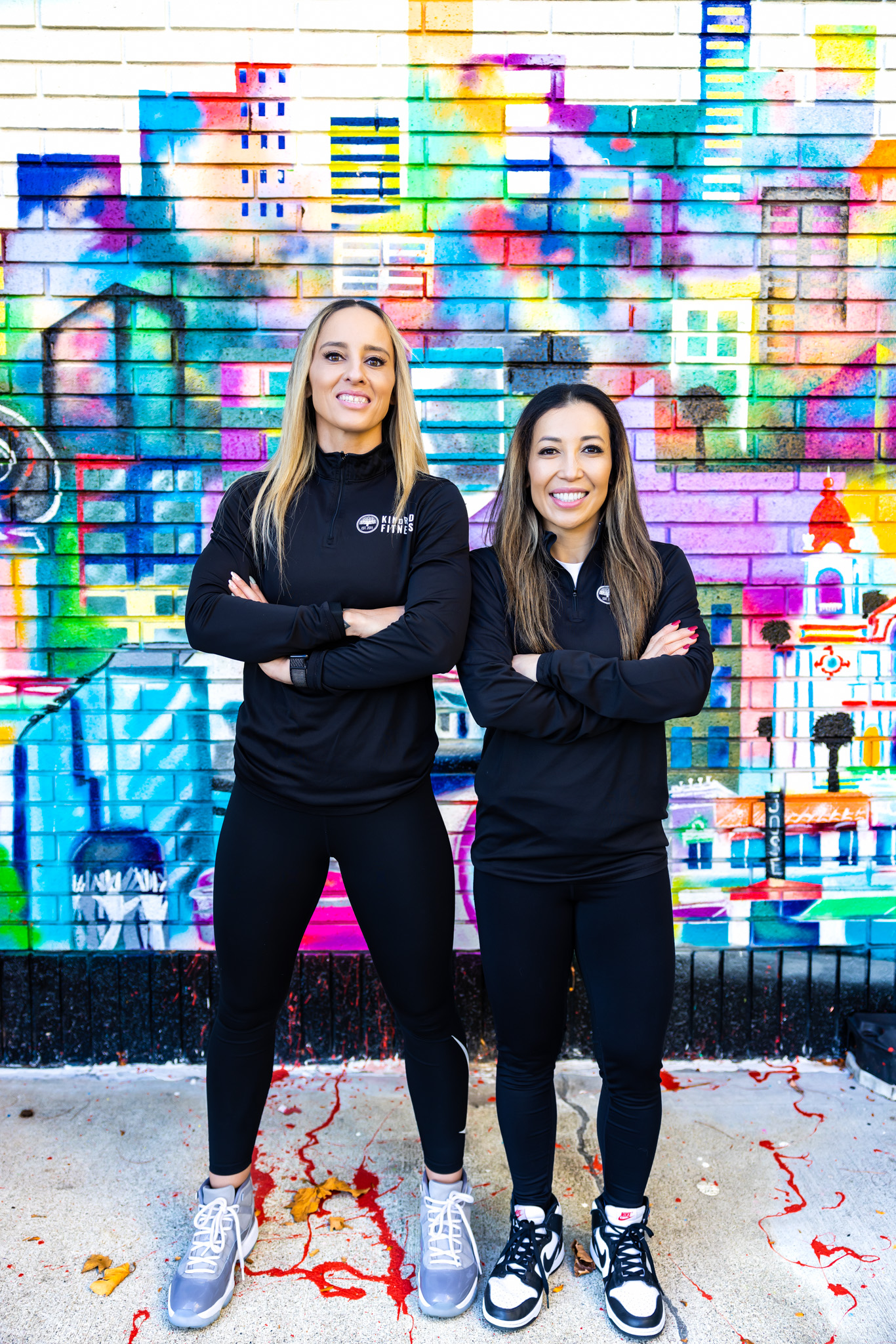
Vanna and Leonie bought CrossFit Kindred in 2017 after Leonie had been training Vanna and friends at home and the pair initially looked for more space. The opportunity became a business turnaround instead. Their current website lists Leonie as Fitness Director and Vanna as Finance Director. In Vanna’s interview account, Leonie is the stronger day-to-day coaching presence while Vanna brings a finance and business background to the operating side of the gym.
Create a caring community where ordinary people can start from their current level, learn the fundamentals, build useful fitness, and become better, healthier, and happier through habits that extend beyond the gym.
Welcoming and inclusive culture, scalable CrossFit, beginner development, strength and conditioning, barbell training, personal training, accountability, measurable progress, positive reinforcement, and long-term community connection.
About This Spotlight
Fitness Living Magazine™ selected this Spotlight for CrossFit Kindred’s owner-led turnaround story, beginner-friendly coaching philosophy, source-supported emphasis on welcome and accountability, measurable progress system, broad current service mix, and deep East San Jose community identity.
Fitness Living Magazine™ publishes these features to place local fitness leaders on the record about how their programs operate, what members experience, what standards guide the coaching, and what makes the business relevant to its local community.
Source material for this Spotlight consisted of the recorded Fitness Living Magazine™ editorial interview with Vanna Truong, with Leonie Solia participating in the conversation; the client perspective supplied for editorial use by Saba Mahdavi; CrossFit Kindred photo assets supplied for editorial use; and CrossFit Kindred’s current official website used to confirm present address, leadership roles, current programs, mission language, and introductory options.
This feature is editorial content and is not medical advice. Training descriptions, methods, and outcomes reflect the featured owners’ account, the business’s current public materials, and individual member perspective. Results differ from person to person. Readers should consult a qualified healthcare professional before beginning or changing an exercise program, particularly when managing an injury, illness, pregnancy, disability, medication, or other medical concern.