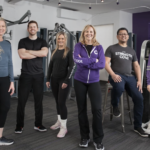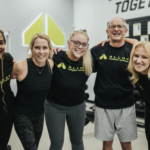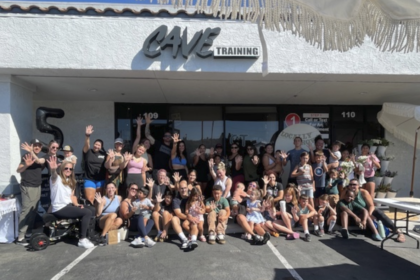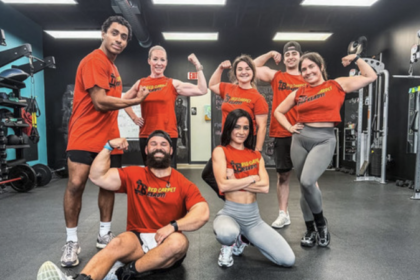
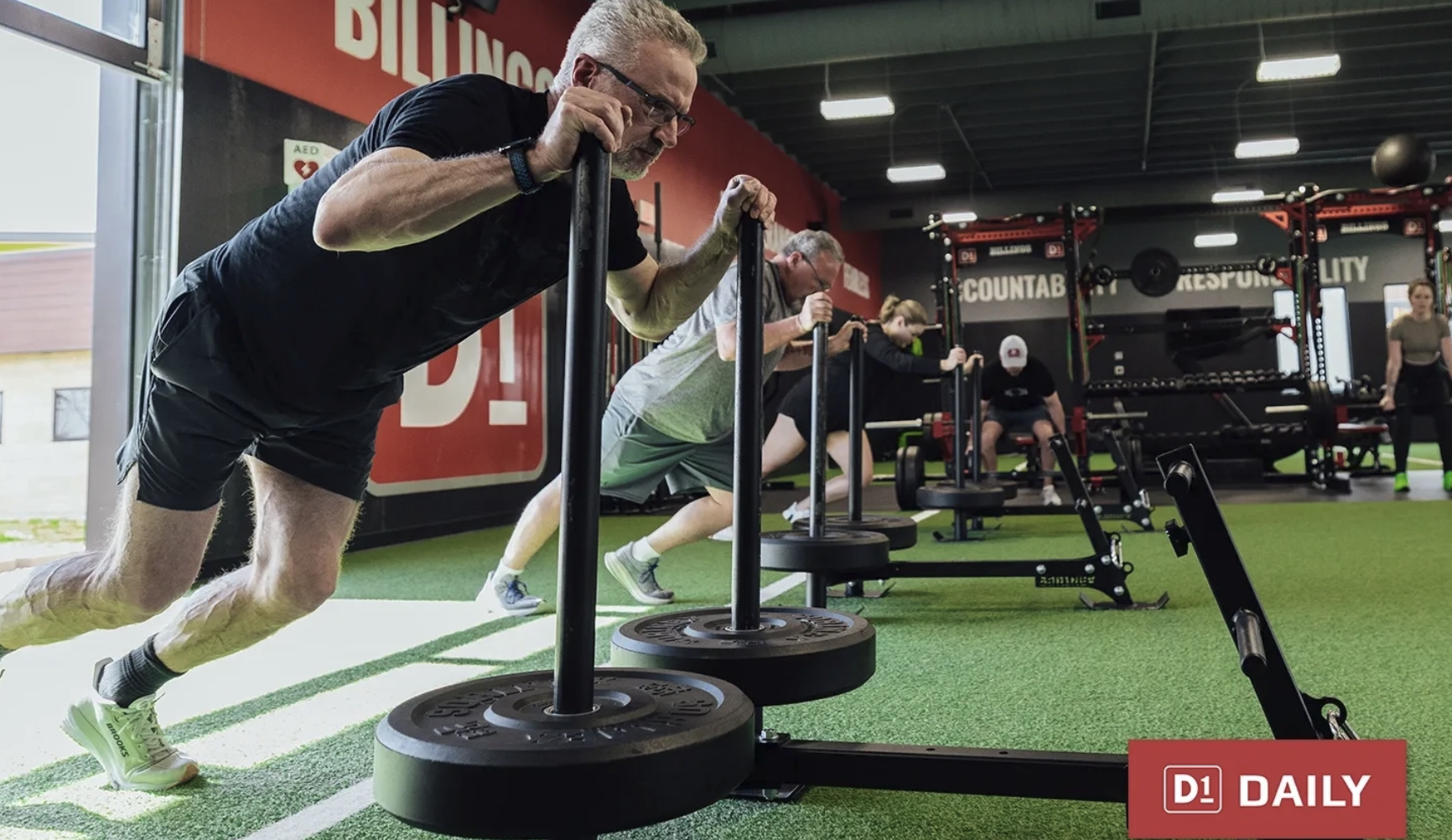
That philosophy shapes D1 Training Huntington Beach from the first visit forward. Glenn, the facility’s general manager, begins with a complimentary movement assessment, documents what he sees, and hands a plan to a coaching staff whose backgrounds include Division I strength and conditioning programs. The goal is not simply to make an athlete tired. It is to know what the athlete is working toward, why each step belongs in the plan, and what will be measured next.
“From day zero, I’m mapping out what we’re doing on day 30, 60, 90, day 180, day 365.”Richard Glenn, General Manager / D1 Training Huntington Beach
A new athlete is not sent straight onto the turf. Glenn first sits with the athlete and family, asks about goals, sport history, prior training, and the reason they came in, then moves into the assessment that will shape the program.
The assessment looks at movement in detail: how the athlete loads a jump, what the knees, hips, and ankles do, what takeoff and landing look like, and what shows up in sprint mechanics. The notes are meant to become instructions, not observations that disappear after the first visit.
The other first impression is relational. Glenn wants new families to meet both him and head strength and conditioning coach Alonzo Davis, feel that the facility’s leaders know why they are there, and understand that the plan will be coached rather than improvised.
Glenn’s operating focus is personalization with accountability. He wants the athlete’s day-zero assessment to shape the program, the coaching staff to communicate why the work matters, and the next goal to be set as soon as the current one is reached.
The operating premise is not that young athletes need more intensity. It is that intensity should come after the staff understands how the athlete moves and what the athlete is trying to become.
That sequence turns personalization from a sales phrase into a workflow: assess, program, coach, test, revise.
Why The Program Follows The Assessment
Personalized training transforms youth athletes’ performance only when personalization changes what actually happens on the floor. Glenn’s model begins by observing movement, turns those observations into a written plan, and then retests performance so the athlete’s next phase is built from evidence rather than assumption.
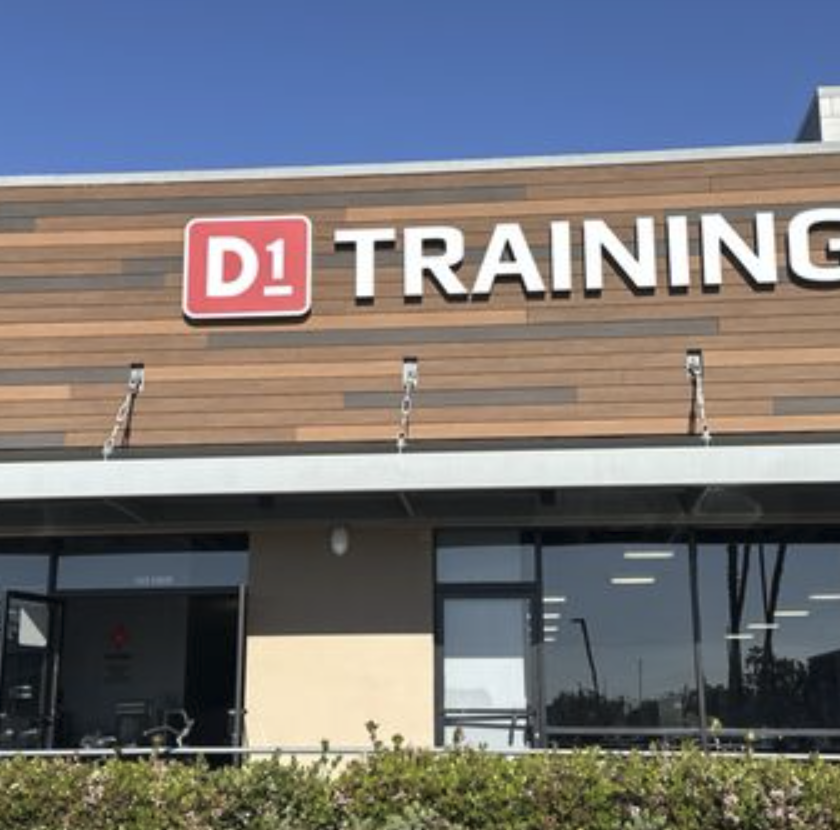
D1 Training Huntington Beach is an athletic training facility in Huntington Beach, California, led by General Manager Richard Glenn and built around individualized programming for youth and adult athletes.
Every new athlete begins with a complimentary movement assessment. Glenn documents technical patterns, discusses goals and training history, and uses that information to guide a program that the coaching staff can progress over time.
The facility serves athletes beginning at age seven as well as adults, with one-on-one, semi-private, hybrid, and team training options supported by recurring testing and documented athlete records.
Glenn’s own path helps explain the seriousness he brings to development. He grew up in the Chicago area as an athlete, played at the collegiate level, briefly worked in sports broadcasting, then began personal training as a side pursuit and realized he was more drawn to coaching than to his full-time job. He has worked across the fitness business, including front desk, cleaning, sales, training, and general management, and has also competed professionally as a bodybuilder.
Inside The D1 Training Huntington Beach Approach
This profile examines how D1 Training Huntington Beach combines assessment, individualized programming, Division I coaching experience, communication, and 30-day testing inside a youth-focused athletic environment.
The program begins with the athlete’s movement and goals, then maps progression forward instead of asking every athlete to fit the same template.
Youth athletes beginning at age seven, high-school competitors, teams, and adults who want structured coaching and a clearer starting point.
Experienced coaches, planned testing cycles, detailed communication, and a culture that tries to make each athlete feel known give the facility a more deliberate rhythm than open-gym training.
A Facility Rebuilt, Then Reintroduced
The Adams Avenue facility has been a D1 location since 2023, but the operation Glenn described is newer. The facility shut down, was revamped, and reopened under new ownership, new management, and an entirely new coaching staff. Glenn said the current ownership has been in place for about a year, and he began his role in November 2025.
That history created a local challenge the staff is still correcting: some Huntington Beach residents continue to believe the location is closed. Glenn sees community outreach as the next growth step, alongside partnerships with local Little League organizations, basketball academies, teams, and families who refer one another.
Why The Movement Assessment Comes First
Ask Glenn about training philosophy and he begins before the weight room. He wants to know what happens when an athlete loads a jump, where the knees and hips travel, what the ankles do, how the athlete takes off and lands, and what appears in sprint mechanics. Those details are recorded because they are supposed to influence the program.
The sequence that follows is deliberately conservative. Glenn tells families that an athlete should first be able to reach, hold, and exit the positions a movement requires with body weight. Mobility and stability come before external load. Strength is added after the athlete can own the position instead of using load to hide a movement problem.
That is also why Glenn pushes back on the idea that an athlete who wants more speed only needs a sprint cue. A visible running fault may start somewhere else in the chain. The coaching task is to trace the problem back, address what is producing it, and then build the athlete forward again.
Known Before They Are Pushed
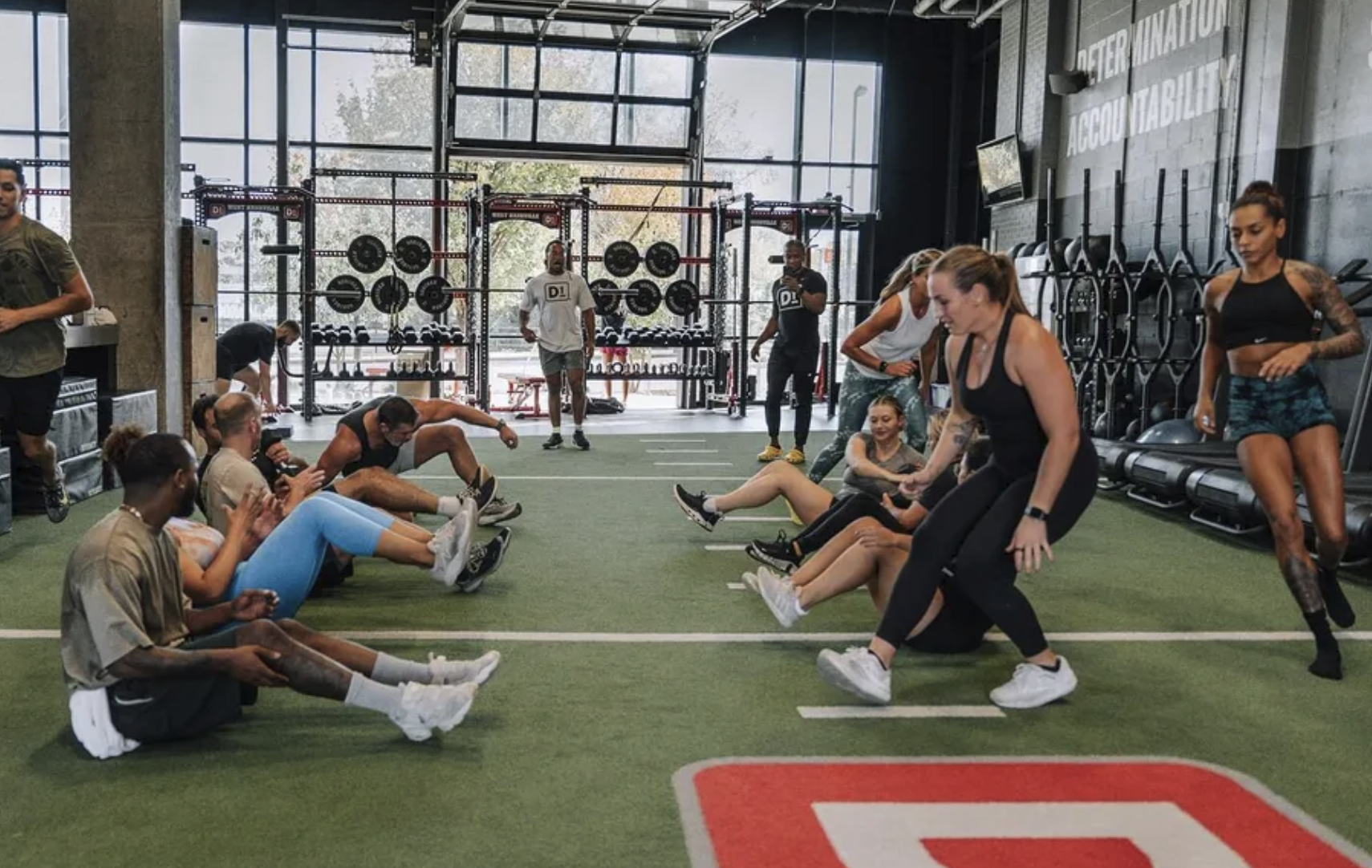
Glenn wants a new athlete to feel that the staff knows why they came in and what matters to their family. The first visit includes conversation, assessment, and introductions to the people who will carry the plan onto the floor. His standard is not simply that the athlete receives attention; it is that the facility’s leaders remain accessible after the first day.
That matters most for nervous or insecure athletes. Glenn described adjusting his communication to the person: some athletes respond to more energy, while others need quieter music, a softer tone, and a smaller first goal. Confidence is built through achievable wins that can be repeated and expanded.
Movement Before Load
The governing training philosophy at D1 Training Huntington Beach is that movement dictates the program. An athlete’s sport may shape the goal, but the staff still begins with what the athlete can control today. If a position is unstable, the program goes backward far enough to rebuild it before loading it heavily.
Glenn acknowledges that this can challenge an experienced teenager who takes pride in a heavy squat or another established lift. His answer is not to dismiss that history. It is to explain why a regression belongs in a longer plan and how the athlete will progress back toward heavier work with better positions underneath it.
The distinction is not anti-strength. It is sequencing. D1 Training Huntington Beach treats load as something an athlete earns through position, control, and progression rather than as the first proof that training is serious.
What D1 Training Huntington Beach Offers
The service mix is built around individualized athlete development, with multiple formats that can be combined around age, sport, schedule, and goal.
“My 10 year old has been going since they first opened in December. The coaches do a great job keeping him engaged and switching up the activities to keep things interesting and working on different areas of fitness. I like that it’s so flexible and we can come as many or as few times as work with the schedule each week.”
Built For Athletes With Big Goals And No Clear Starting Point
Asked to finish the sentence “we’re the right fit for people who,” Glenn answered: people who have big goals and do not know where to start. That idea reaches beyond sport. A young athlete may arrive shy, unsure, or discouraged. A parent may arrive with a deadline tied to a season. The staff’s job is to make the first target small enough to execute and the larger target clear enough to keep working toward.
Glenn described one high-school athlete who came in with a varsity football goal and a short runway before summer practices. The family committed to frequent training, the athlete became a favorite presence in the gym, and the staff tracked improvements in testing while the entire facility rallied around the goal. The useful part of the story is not a promised outcome. It is the way a specific goal created a plan, and the plan created something the athlete could keep showing up for.
His approach to intimidation follows the same logic. Start with a goal small enough to win, coach it clearly, acknowledge the win, and then move to the next target. For one athlete that first goal might be a single well-coached push-up. The point is not that the goal is impressive on its own; it is that success gives the athlete evidence that the next step is possible.
What Thirty Days Makes Visible
D1 Training’s group curriculum runs in monthly cycles, with testing at the end of the cycle. Glenn described measuring changes in jumping, sprinting, strength, push-ups, and other performance markers, then using the results to decide what should come next.
That testing is more than a scorecard. It gives young athletes a before-and-after reference that can reinforce confidence. An athlete who could not complete a movement on day zero can later see not only that the movement is now possible, but that the time, load, or repetition count has changed as well.
Glenn’s larger outcome is continuity between goals. When an athlete reaches one target, the staff sets the next one. Progress is treated as an ongoing sequence rather than a single result that ends the relationship.
A Training Community Built Around Athletes And Families
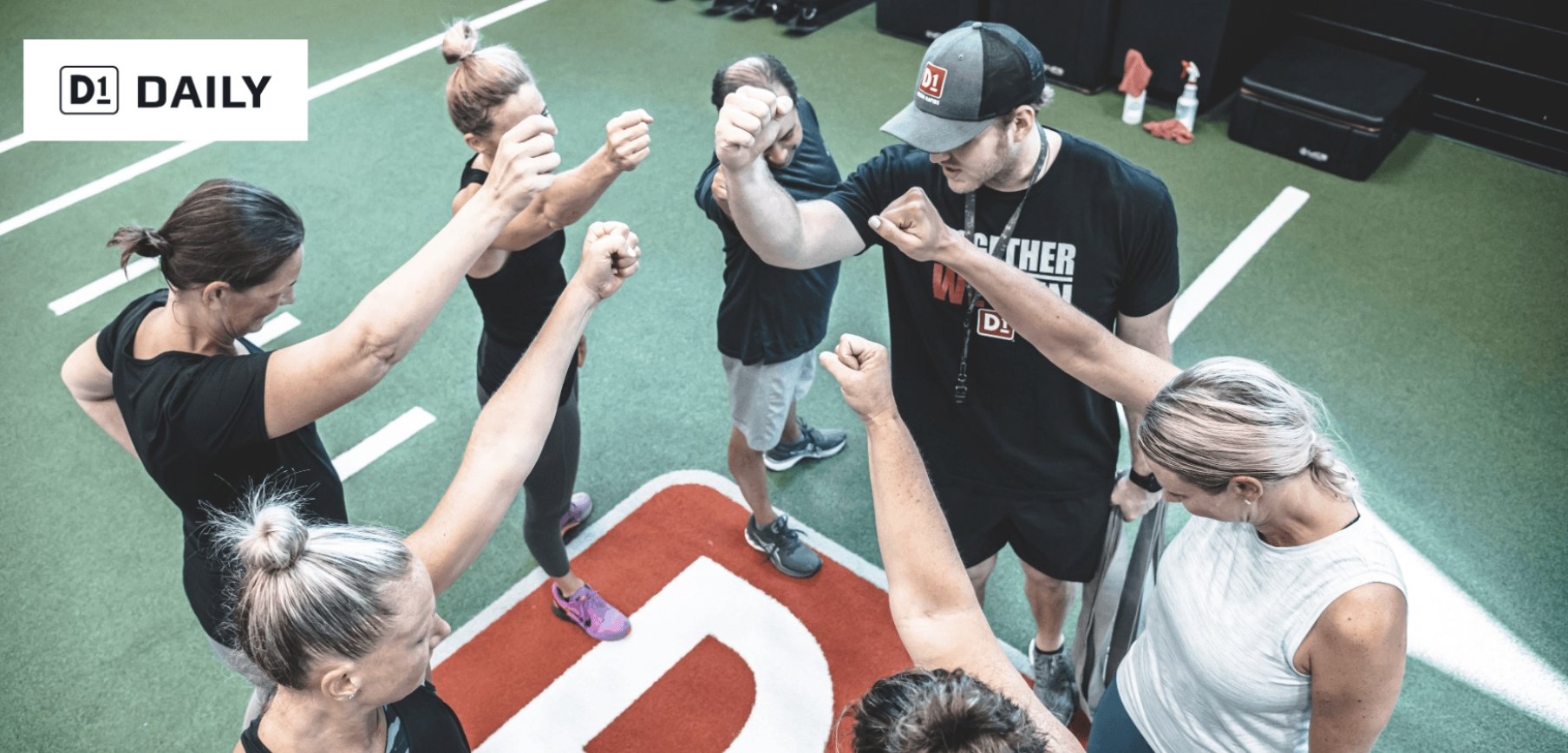
The human context at D1 Training Huntington Beach is the relationship among athletes, parents, and coaches. Glenn described parents staying through sessions, teammates training together, names being called when familiar athletes walk through the door, and community partnerships becoming part of how the facility grows.
Why This Matters In Huntington Beach
Most new families reach D1 Training Huntington Beach in one of two ways: social media or a community referral. Glenn said he routinely asks new families how they found the facility, and the answer is usually an Instagram ad or a recommendation from someone they know.
That pattern makes local trust part of the operating model. Partnerships with Little League organizations, basketball academies, teams, and other community connections put the facility closer to the places where youth athletes and their parents already spend time.
For families comparing youth athletic training in Huntington Beach, the practical distinction is specific: a complimentary assessment before the program, coaches who can explain why the athlete is doing the work, and recurring tests that make progression easier to see.
FAQ
Who Is Richard Glenn?
Richard Glenn is the General Manager of D1 Training Huntington Beach in Huntington Beach, California. He described a background as a collegiate athlete, certified personal trainer, professional bodybuilding competitor, and fitness operator who has worked across training, sales, front desk, and facility leadership roles.
What Is D1 Training Huntington Beach Known For?
The facility is known for individualized athlete programming built from a movement assessment, private and semi-private training, team programs, age-segmented groups, and a coaching staff with Division I collegiate strength and conditioning experience.
Is D1 Training Huntington Beach Beginner Friendly?
Yes, based on Glenn’s interview. New athletes begin with a complimentary movement assessment, and Glenn described adapting communication, goal size, music, pace, and coaching style for people who arrive nervous, shy, or unsure where to start.
Do Athletes Need Prior Training Experience?
No. The facility begins youth programming at age seven, and Glenn’s movement-first approach is specifically designed to identify the positions and skills an athlete can control before adding more load or complexity.
What Makes D1 Training Huntington Beach Different?
Glenn points to the combination of assessment, individualized programming, a staff that operates from a shared system, long-range goal mapping, Division I coaching experience, and recurring testing rather than a trainer-by-trainer approach with no common progression model.
What Programs And Services Does D1 Training Huntington Beach Offer?
The interview describes D1-on-1 private training, Rookie groups for ages 7–11, Devo groups for ages 12–14, Prep groups for ages 15–18, adult semi-private training, hybrid private-and-group packages, two- and three-athlete training, and team training.
What Is The Best First Step For A New Athlete?
Glenn recommends reaching out by phone at 714-908-9038 or by Instagram, then scheduling the complimentary movement assessment. The assessment can also be reserved through the D1 Training Huntington Beach website.
Key Takeaways
Every new athlete starts with a movement assessment so the plan can respond to actual mechanics, sport demands, and goals instead of a generic template.
Glenn wants athletes to control positions with body weight before heavier resistance is added, using mobility and stability as foundations rather than afterthoughts.
Credentials matter, but Glenn’s coaching standard is whether knowledge can be explained clearly enough for athletes to understand what they are doing and why.
Thirty-day testing cycles turn speed, jumping, strength, and repetition changes into visible evidence that can guide the next phase of training.
Conclusion
There is a simple version of the D1 Training Huntington Beach story: experienced coaches help athletes run faster, jump higher, and get stronger. It is accurate, but it misses the system that gives those outcomes meaning. Glenn’s stronger idea is that the work should start with a question: what does this athlete need, specifically, and what will show us whether the plan is working?
That is why the testing sheet on the desk matters. The numbers keep the program honest. But when Glenn was asked what he hopes an athlete remembers, he did not choose a number. He chose the coach and the feeling of crushing goals together. At this Huntington Beach facility, measurement proves the work is moving. Relationship is what gives an athlete a reason to keep moving with it.
Richard Glenn
Richard Glenn leads D1 Training Huntington Beach with a movement-first approach: assess the athlete, build the plan, communicate the purpose, measure the result, and set the next goal.
Richard Glenn is the General Manager of D1 Training Huntington Beach. He grew up in the Chicago area, competed as a collegiate athlete, moved through sports broadcasting into personal training, and later competed professionally as a bodybuilder. His fitness career has included front-desk work, cleaning, training, sales, direction, and general management, giving him an unusually broad view of how a facility operates.
Start with the athlete’s movement, make the first goals achievable, communicate the plan clearly, and keep building from measurable wins. Glenn wants the athlete to feel cared for by both the coaching staff and the facility leadership.
Movement assessment, individualized athlete programming, youth athletic development, strength and conditioning, speed and agility development, semi-private training, team training, recurring testing, and goal-based progression.
About This Spotlight
Fitness Living Magazine™ selected this Spotlight for D1 Training Huntington Beach’s assessment-first programming, individualized athlete plans, Division I coaching experience, recurring performance testing, youth-development focus, and clearly articulated effort to make athletes feel known rather than processed through a generic workout.
Fitness Living Magazine™ publishes these features to place local fitness leaders on the record about how their programs operate, what new members experience, what standards guide the coaching, and what makes the business relevant to its local community.
Source material for this migration consisted of the recorded Fitness Living Magazine™ editorial interview with Richard Glenn, the existing published D1 Training Huntington Beach Spotlight and its supplied photo and client-review material, the current Fitness Living Magazine™ article URL, and The Strength Code Spotlight supplied as the approved WordPress design and architecture model. The rebuilt article preserves source-supported business facts while removing duplicate legacy schema and theme-owned header elements from the Custom HTML body.
This feature is editorial content and is not medical advice. Training descriptions, methods, and outcomes reflect the featured expert’s account and individual experience, and results differ from person to person. Readers should consult a qualified healthcare professional before beginning any new exercise program.