Nutrition & Performance · Evidence Explainer · November 10, 2026
The post-workout social ritual deserves the same attention as the workout. Start by separating what an experiment measured from what a headline promises.
What the experiment actually tested
In a randomized crossover trial published February 12, 2014, in PLOS ONE, eight physically active young men completed resistance exercise and cycling under three recovery conditions: protein alone, alcohol with protein, and alcohol with carbohydrate. The alcohol dose was high: 1.5 grams per kilogram of body mass, consumed over three hours starting one hour after exercise.
Muscle protein synthesis between two and eight hours after exercise was 24% lower with alcohol plus protein than with protein alone; alcohol plus carbohydrate was 37% lower. Both differences were statistically significant. Synthesis nevertheless rose above resting levels in every condition. Protein did not fully prevent the reduction associated with alcohol. Read the original study.
Why the percentages need boundaries
This small, male-only experiment measured a short-term biological response, not months of muscle growth, injury recovery, or next-day race performance. It cannot establish the effect of one drink, a safe waiting period, or responses in women and older adults. The carbohydrate comparison also changed the accompanying nutrient; it was not an isolated alcohol comparison. These are reasons to keep the conclusion narrow.
Recovery includes the following morning
The National Institute on Alcohol Abuse and Alcoholism describes fragmented sleep and earlier waking after drinking, even when falling asleep initially seems easier. Alcohol can also increase fluid loss and irritate the stomach. Those effects matter when the next morning includes a planned session.
A sports drink is not a proven hangover treatment. NIAAA reports that research has not established that added electrolytes reduce hangover severity. Coffee and a shower do not accelerate the brain’s recovery from alcohol, either. Replacing fluids and allowing time to recover should not be confused with making someone ready to train or drive.
Plan the occasion, not a workaround
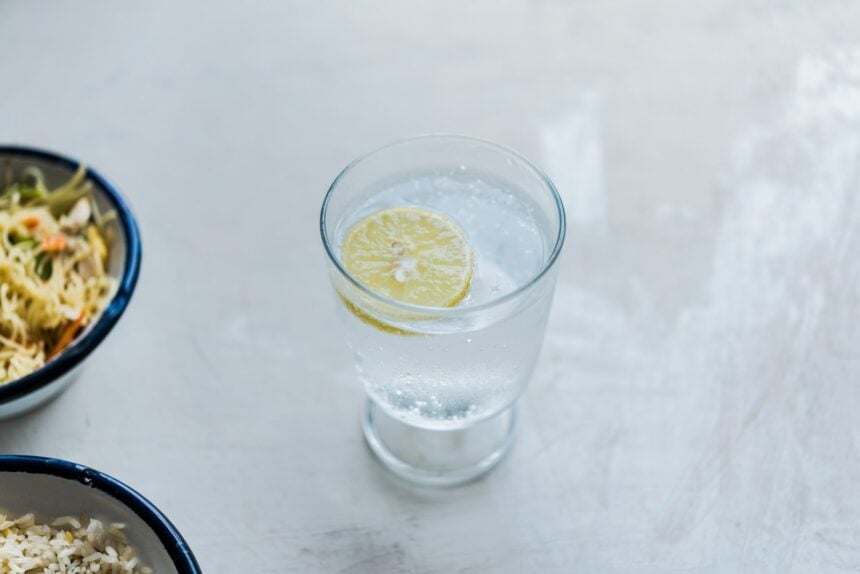
Our practical editorial suggestion is to decide on an alcohol-free option before the post-training gathering begins. Keep the social time; choose a drink you enjoy without treating it as a recovery product. The useful question is whether the evening supports tomorrow’s plans, rather than which supplement might compensate for it.
NIAAA’s broader guidance advises drinking less for better health and does not recommend that nondrinkers start. Some people should avoid alcohol entirely, including those taking interacting medicines, people who are pregnant, and those unable to control their drinking. Individual health circumstances take priority over a training schedule.
A useful takeaway: make an intentional plan for the whole evening. Neither a protein shake nor an electrolyte label should be treated as permission to drink heavily after exercise.
Explore more Nutrition & Performance reporting.
Research & Sources
Parr and colleagues, PLOS ONE, 2014. DOI: 10.1371/journal.pone.0088384. Reporting reviewed the full primary paper. This is an explainer about existing evidence, not a new study announcement.
NIAAA: Hangovers; The Basics: Defining How Much Alcohol Is Too Much. Guidance accessed November 10, 2026. General educational information, not individualized medical or nutrition advice.