Recognized by Fitness Living Magazine™ For patient, detail-first strength teaching, classes that serve adults, seniors, and young athletes under one roof, and a student community that helps run the gym.
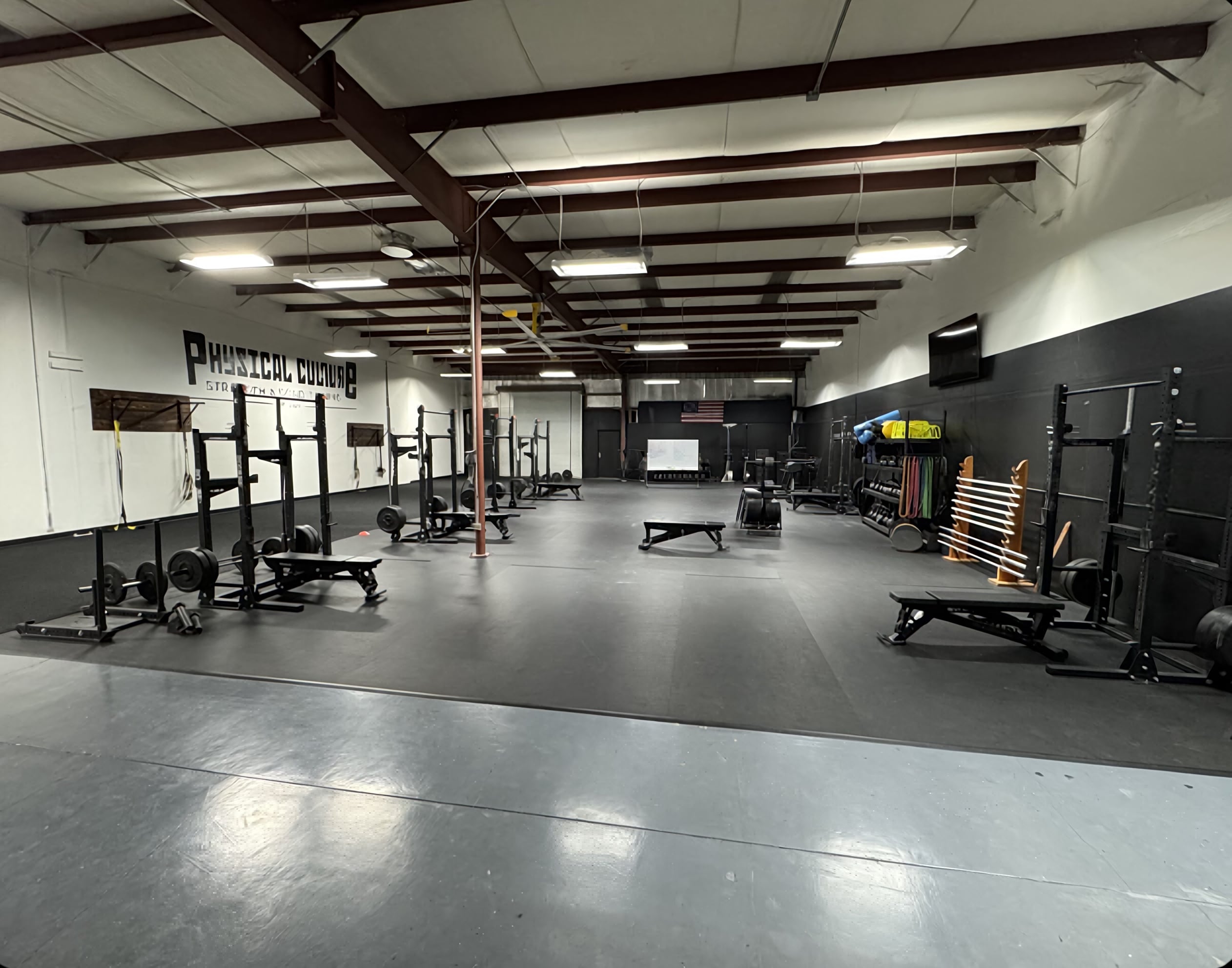
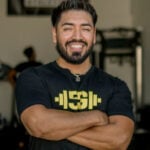
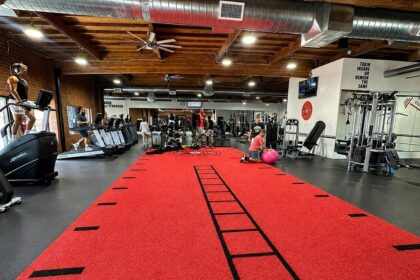
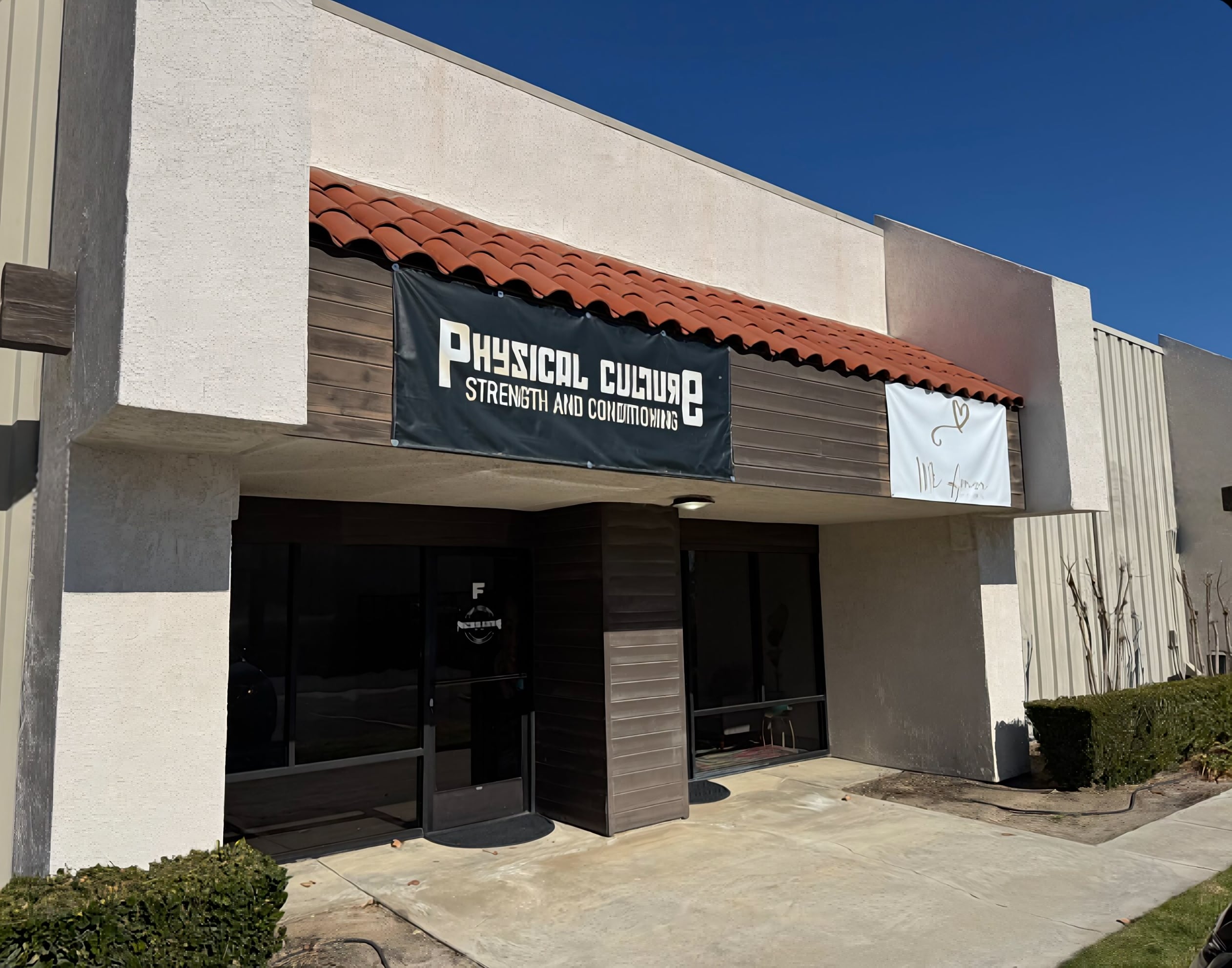
That patience is deliberate. Jeremy spent years coaching college athletes at San Jose State, the Academy of Art, and the University of Colorado Boulder before coming home to Paso Robles. The gym he built now fills a 5,000-square-foot facility on Union Road, where most of the training follows StrongFirst, the strength education organization for which he serves as a Master Instructor. Everyone who trains there is called a student, and nobody is meant to sit back and simply be trained.
“I try to tell my students that no one is a passive participant here. Your job is to learn.”Jeremy Layport / Physical Culture
The welcome is simple: a smile, a handshake, and shoes off before stepping onto the turf. After a little foam rolling, the class moves through controlled articular rotations, or CARs, which Jeremy describes as something like joint circles taken through every range a joint has. If a shoulder or hip is restricted or irritated, he wants the student to know before the lifting begins.
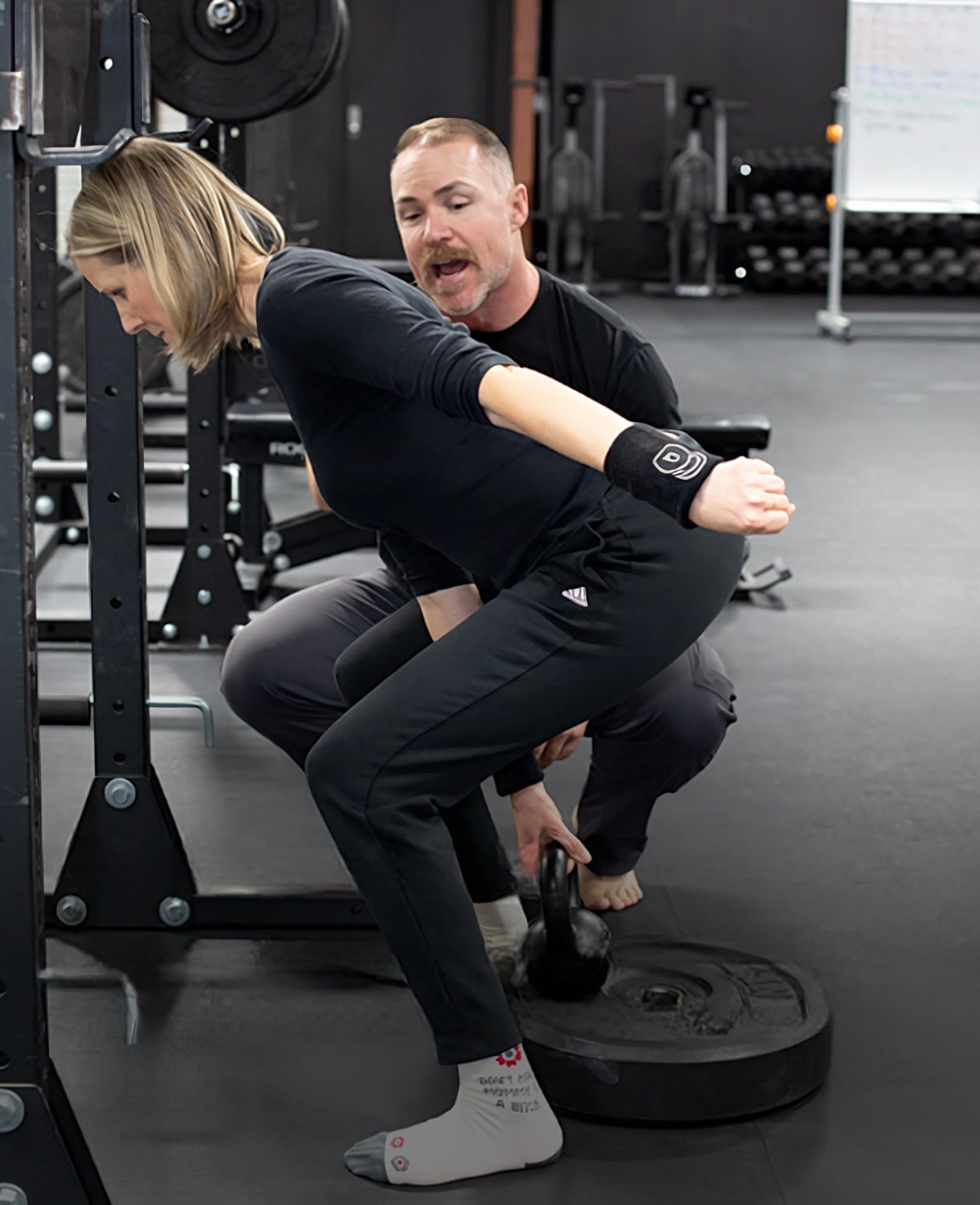
The free first class is part lesson and part introduction. Once the group is working, Jeremy teaches the newcomer the kettlebell deadlift: how to set the feet and root into the floor, the hip hinge itself, then bracing and breathing before the bell ever leaves the ground. Experienced lifters may reach kettlebell swings that day; for beginners, the hinge can fill the hour.
The tone surprises some visitors. Jeremy makes a point of a personal interaction with every student at some point in the day, and each class time slot has developed its own small group and its own vibe. Nobody, he says, is uber competitive. What he asks in return is attention: he will hold a hand for a while, but he wants students who are motivated to learn and remember what they are taught.
Jeremy Layport leads as a teacher first. A self-described good coach but no businessman, he keeps every session detailed and patient, makes a point of talking with each student, and has learned to lean on the people around him for marketing, books, and numbers.
Why Strength Has a Greater Purpose at Physical Culture
Physical Culture makes an unusual case for itself: it is slow on purpose. Jeremy Layport would rather spend an hour teaching a newcomer to hinge than watch that person sweat through a workout they do not understand. Strength has a greater purpose, he says, borrowing a line from StrongFirst, and that purpose is getting people stronger, moving better, and, when they are in pain, trying to get them out of it.
Physical Culture is a strength training gym in Paso Robles, California, owned and led by Jeremy Layport, a StrongFirst Master Instructor and former college strength coach.
By his estimate, about 80 percent of the training follows StrongFirst principles with the barbell, the kettlebell, and bodyweight, and the rest is mobility and joint work from Functional Range Conditioning, which he found around 2015 while working through his own shoulder, hip, and back trouble.
It offers adult strength and conditioning, a senior strength class, youth athletic development, and one-on-one personal training, and every new student begins with a free first class.
His general class skews roughly 35 to 55 years old and about 60 percent female, so most training stays low impact, though students with the requisite mobility still do explosive work and Olympic lifting variations. A senior strength class serves adults generally 55 and older, and a youth class serves athletes from about age 12 through college.
Jeremy’s credentials reach beyond his own gym. According to the official website, he is one of 13 StrongFirst Master Instructors in the world, a USA Weightlifting coach, an FRC Mobility Specialist, and certified in Kinstretch, with more than 14 years of collegiate strength and conditioning experience. He also certifies other personal trainers for StrongFirst.
Why Physical Culture Teaches Strength Like a Skill
Jeremy’s approach rests on one idea: strength lasts when people understand it. Students learn a few universal movement and strength principles in detail, practice them patiently, and leave able to use them in the gym and in daily life.
Everyone is a student. Training rests on a handful of universal movement and strength principles, taught in detail and practiced rather than rushed.
Adults roughly 35 to 55, seniors 55 and older in a dedicated strength class, and young athletes from about age 12 through college.
A hometown owner who coached college strength in California and Colorado and now certifies other trainers as a StrongFirst Master Instructor.
A 5-Foot-8 Athlete Who Found His Edge in The Weight Room
Jeremy grew up in Paso Robles playing sports, including football and track. At 5-foot-8, he looked for a competitive edge and found it in strength and conditioning. He spent a lot of time in the weight room, maybe a little too much, he admits, when a few more sprints might have helped. But for his build, sports demanded high force output, and what he built under the bar carried straight onto the field.
That carryover took him into collegiate athletics as a Division III football player and then into coaching. At San Jose State, where he earned his master’s degree, he worked as a graduate assistant and assistant strength coach. He went on to the Academy of Art, a small Division II school in the Bay Area, and finally to the University of Colorado Boulder, where he worked primarily with football. By 2017, the hours and the grind of always having to be the disciplinarian had worn him down, and he wanted something new.
From One Basic Class to a 5,000-Square-Foot Gym
Back in Paso Robles, among friends and family, Jeremy started teaching a small group fitness class and kept it very basic. Four or five people showed up at first, and on a big day as many as 30 came. That response told him people liked what he was doing and that it was working.
When COVID closed gyms, he spent the time between Zoom teaching sessions building out a 450-square-foot room, bought some equipment, and started small group training of his own. Physical Culture really began there in 2020. The little room soon capped how much the gym could grow, and when a 5,000-square-foot facility became available, he moved. Physical Culture has been in that space for more than five years, and today all training happens in person.
Taught, Not Just Trained
A student at Physical Culture is expected to understand what they are doing and why. Jeremy explains each movement in enough detail that a student could explain it back, and he wants them to leave able to lift something heavy outside the gym, like a bag of concrete, and stay safe doing it.
That expectation is balanced by patience. Every day starts with joint work that doubles as a personal check-in, and when a joint is cranky or a day goes sideways, the plan changes. During a newcomer’s free trial, Jeremy also watches for limitations that need more one-on-one attention than a group allows. In that case he may recommend a few personal training sessions first, or physical therapy if a need falls beyond his scope of practice.
A Good Coach Who Learned to Ask for Help
Ask Jeremy about the hardest part of building Physical Culture and he does not talk about training. He talks about everything else: the marketing, the books, the numbers. He has always worked a little solo, he says, and that approach simply was not working. He hated doing the books but recognized them as a necessity, and he had to humble himself and learn to ask for help.
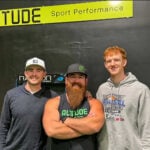
Help came from inside the gym. Students now handle his marketing, others do his books, and some sit down with him from time to time to look at the numbers and bounce ideas around. Jeremy calls those relationships the biggest impact on the business, both for how much they have helped him and for how much they have forced him to grow in an area where he had no knowledge base and felt deeply uncomfortable.
Physical Culture matters because it measures a good session less by how hard it felt than by whether the student leaves understanding the work, moving well, and ready to come back for years.
What Physical Culture Offers
Based on the interview and the official website, Physical Culture offers group strength classes for adults and seniors, a youth athletic development class, and one-on-one personal training, with every new student starting from a free first class.
Who Physical Culture May Be a Good Fit For
Jeremy says the gym suits people willing to follow a process, and he is candid that someone who wants to be on a clock, moving and sweating right now, may be happier elsewhere.
Adults in the busy middle of life, most often 35 to 55, who want to understand how to train safely and keep training for years, not just get through a workout.
Adults generally 55 and older who want to keep doing the physical things they enjoy, in a senior strength class focused on strength, movement, and comfort.
Athletes from about age 12 through college who want speed, change-of-direction work, and general strength from a coach with a college strength background.
“I have had a long athletic career, rock climbing, mountaineering, Ironman Tri and competitive cycling, and worked with many trainers in 3 different states. Jeremy and Physical Culture is by far the best I have ever experienced. His knowledge of strength training and how the body works is superior to anything I had experienced before. I am in my mid 70’s and keep making progress under his direction.”
A Lighter Back and a Heavy Cutting Board
The stories Jeremy values most are small ones: students who notice that something in everyday life has quietly become easier.
Jan and her husband, Dan, are among the newest students in his senior strength class. They came in describing themselves as very active, always building and doing things, and Jan had been to a doctor who recommended strength training. When Jeremy started working with her, she was constantly bending over to stretch her low back.
He explained that her abs were not firing the way they needed to, so they spent time learning to brace well and added work to strengthen her feet. Now, Jeremy says, Jan tells him about once a week how much better her back feels, and she recently got through a stretch of wheelbarrow work that would normally have forced her to stop, rest, and stretch.
Bailey, a student in his regular class, had her own moment in the kitchen. Her husband’s cutting board weighs something like 30 to 40 pounds, and washing it had always been a struggle. The other night, she told Jeremy, she grabbed it and moved it around with no problem at all. Stories like those, he says, are about people getting out of pain and functioning at a slightly higher level.
The Instructor and the Practice
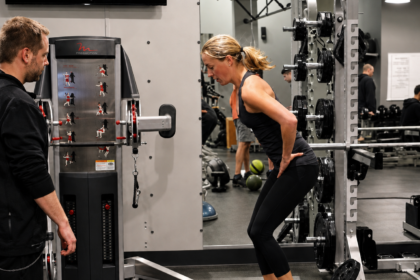
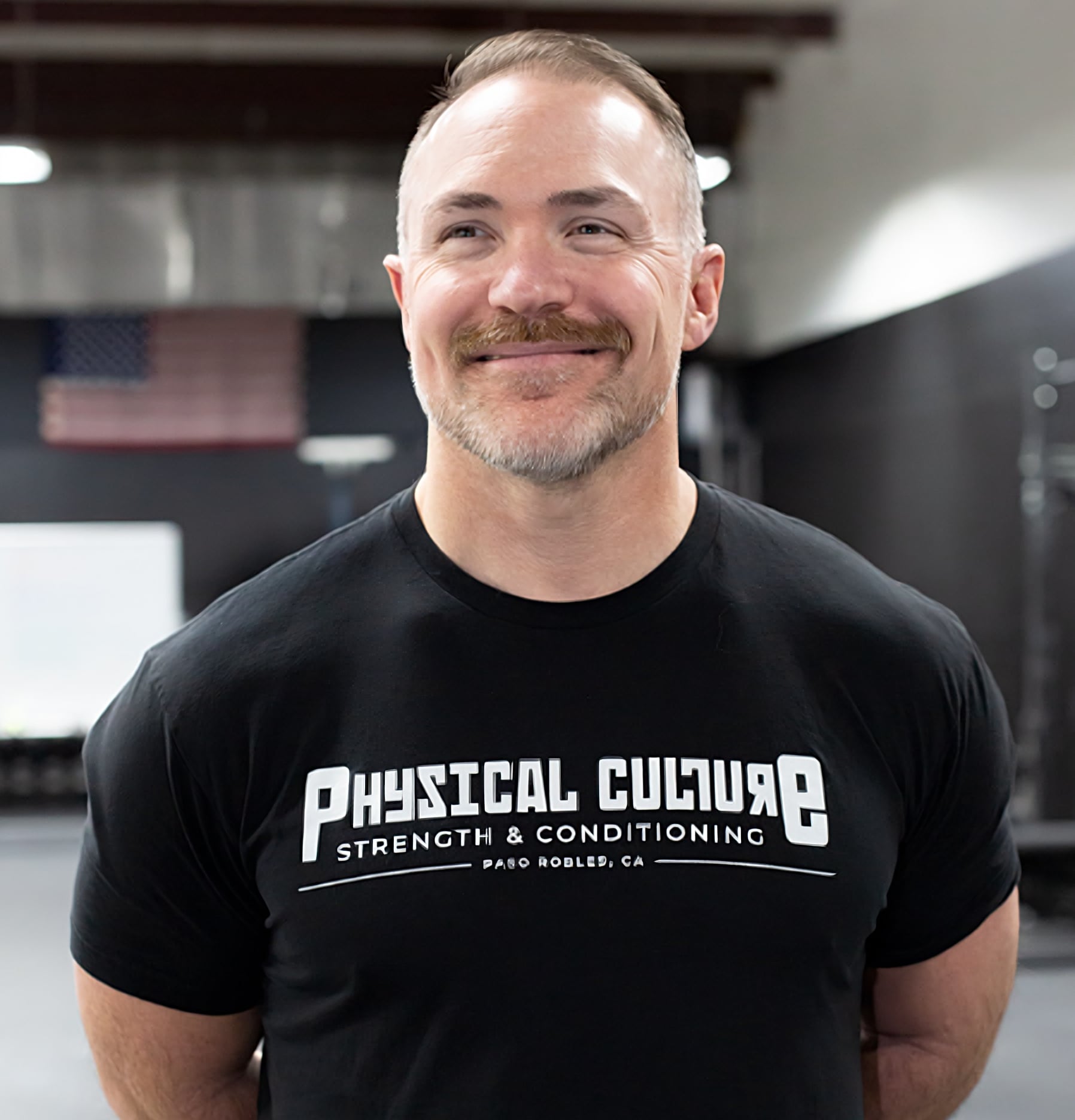
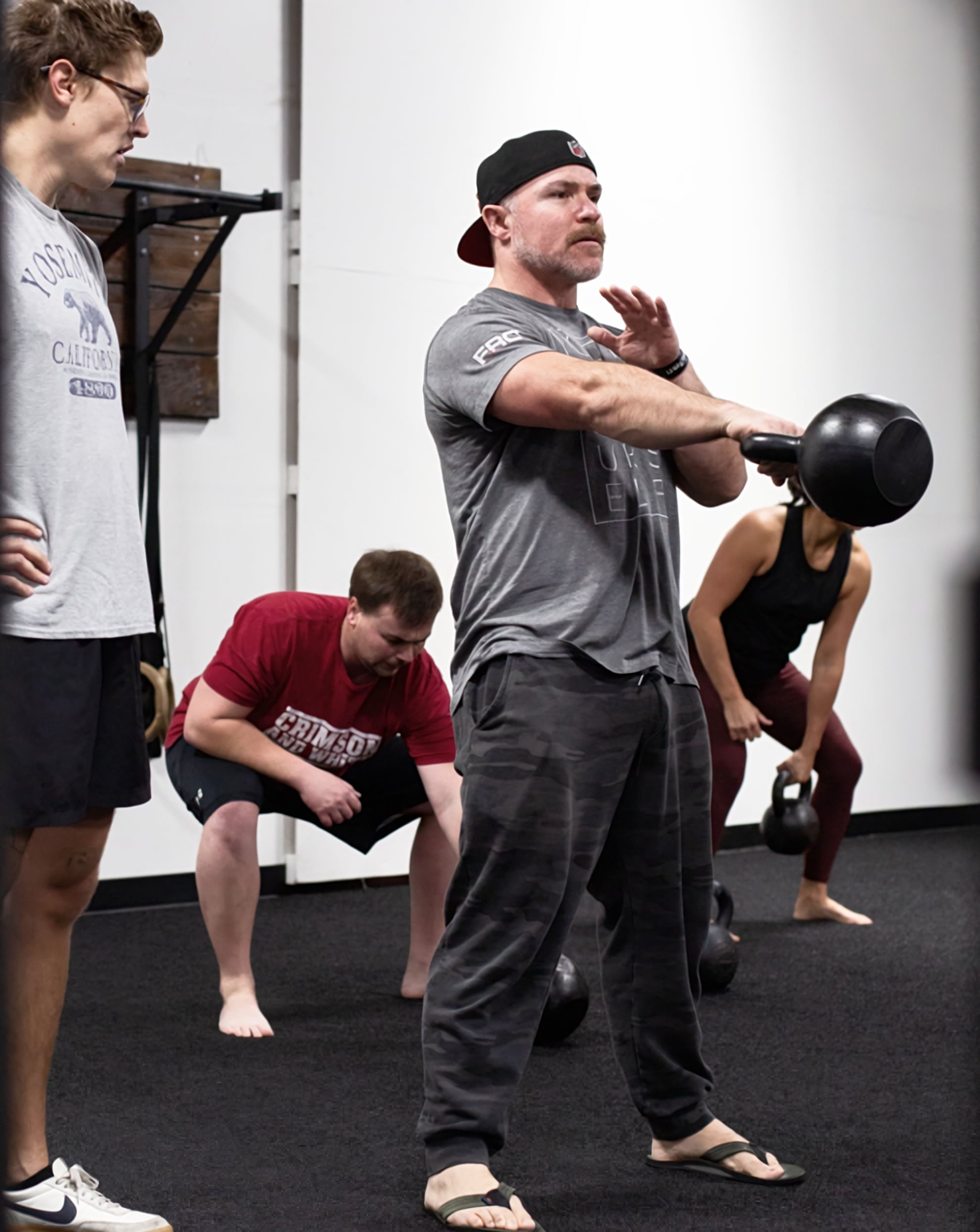
Physical Culture is easiest to understand through the way Jeremy teaches. He coaches the classes himself, pulls newcomers aside for one-on-one time, and builds each session around the fundamentals he wants students to remember.
Why This Matters Locally
For residents looking for strength training in Paso Robles, a strength class for seniors, or athletic development for young athletes in the area, Physical Culture brings collegiate strength and conditioning experience and a StrongFirst Master Instructor to a gym run by someone who grew up in town and came home to build it.
The local value lies in the range of people it serves under one roof: adults in the busy middle of life, seniors who want to keep doing the physical things they enjoy, and young athletes learning speed, change of direction, and general strength. For each group, the approach is the same: learn the fundamentals, train safely, and keep showing up.
Where Each Class Finds Its Own Rhythm
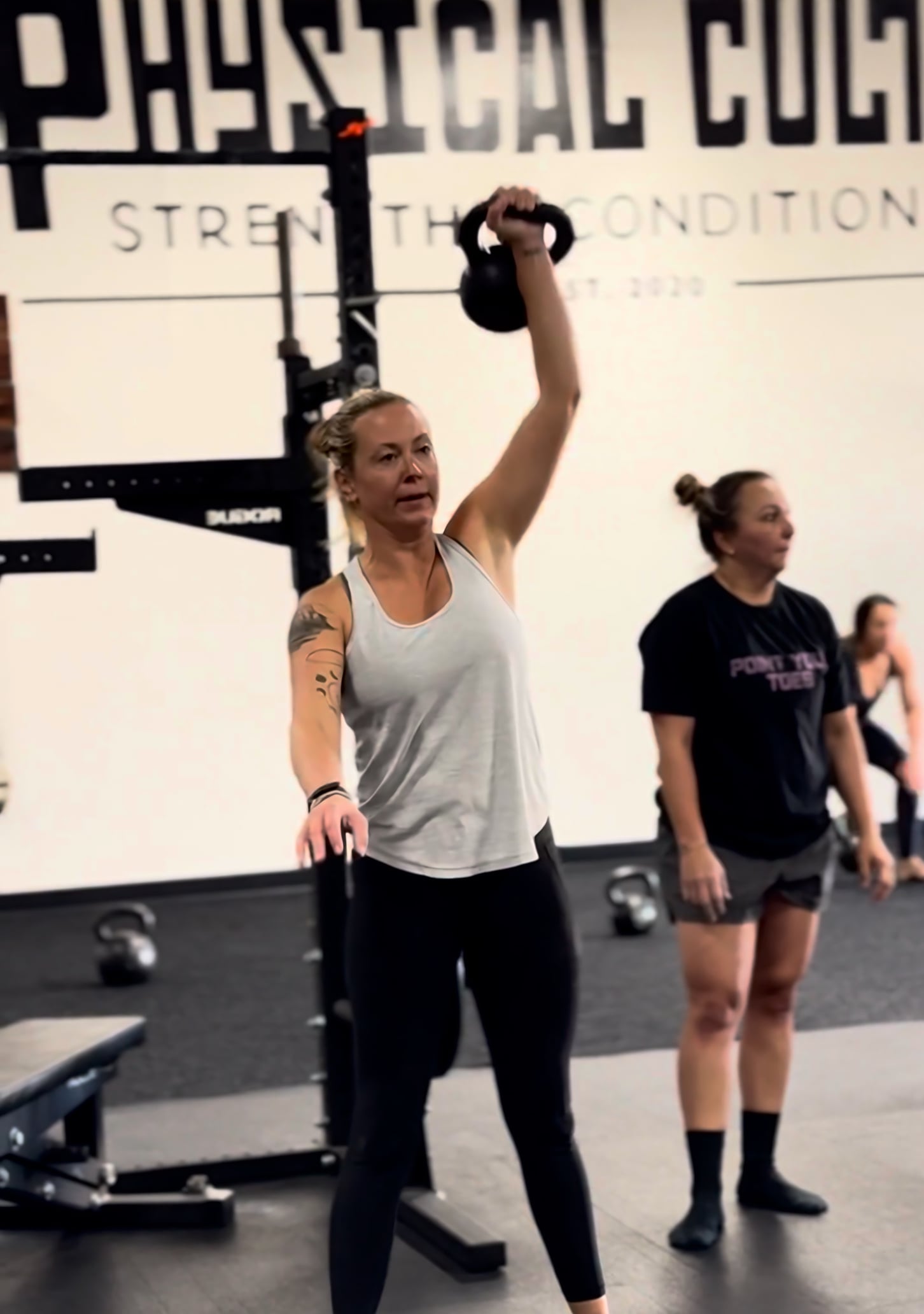
Each class time slot at Physical Culture has developed its own small group and its own vibe. Students are like-minded about training without being uber competitive, and one of them is now organizing the gym’s first Christmas party.
Questions Readers Ask
Who Is Jeremy Layport?
Jeremy Layport is the head instructor and owner of Physical Culture in Paso Robles, California. A StrongFirst Master Instructor who certifies other trainers, he coached college strength and conditioning at San Jose State, the Academy of Art, and the University of Colorado Boulder before returning to his hometown and opening the gym in 2020.
What Does This Physical Culture Paso Robles Review Highlight?
The Spotlight examines Jeremy’s path from college weight rooms to a gym of his own, why he calls everyone a student, the classes for adults, seniors, and young athletes, the students who help run the business, the gym’s place in Paso Robles, and how the free first class works.
Why Does Physical Culture Call Members Students?
Jeremy sees clients as passive participants who want things spoon-fed. At Physical Culture, the student’s job is to learn and his job is to instruct, coach, and guide, so students are expected to remember the principles they are taught.
Does Physical Culture Offer a Strength Class for Seniors?
Yes. A senior strength class meets three times a week and is generally for adults 55 and older. Jeremy says it has grown to the point that he may pause new memberships.
Does Physical Culture Train Young Athletes?
Yes. A youth athletic development class meets five days a week for 90 minutes, mostly for athletes from about 12 through college age, combining speed and change-of-direction work with general strength training.
What Is the Best First Step for a New Client?
Jeremy recommends starting with the Physical Culture website and, if the gym sounds like a fit, booking a free first class. The class introduces the hinge, includes one-on-one time with Jeremy, and shows how a session runs.
Key Takeaways
Physical Culture is a 5,000-square-foot strength gym in Paso Robles, California, owned and led by Jeremy Layport.
Training follows StrongFirst principles with the barbell, kettlebell, and bodyweight, plus mobility work from Functional Range Conditioning.
Jeremy teaches in detail and expects students to learn the principles behind every movement, with safety first.
Adults, seniors 55 and older, and young athletes each have dedicated classes, and new students begin with a free first class.
Conclusion
Physical Culture grew from one basic group class and a 450-square-foot room into a gym where Paso Robles residents learn strength the way students learn any serious subject: one principle at a time, with a teacher who checks their work. Jeremy Layport brought the structure of college strength and conditioning home, keeping the detail and leaving behind the role of constant disciplinarian.
What he offers in its place is patience, honesty about fit, and a community of students who help the gym run. For adults, seniors, and young athletes willing to learn, that may be the greater purpose strength was meant to serve.
Jeremy Layport
Jeremy’s background spans Division III football, a master’s degree and assistant strength coaching at San Jose State, and college strength roles at the Academy of Art and the University of Colorado Boulder, experience he now brings home to Paso Robles.
Jeremy Layport is the head instructor and owner of Physical Culture in Paso Robles, California, the town where he grew up. A former Division III football player, he earned his master’s degree at San Jose State while working as a graduate assistant and assistant strength coach, then coached at the Academy of Art and the University of Colorado Boulder, primarily with football. After leaving college coaching in 2017, he returned home, built a following with a basic group class, and opened Physical Culture in 2020. According to the official website, he is one of 13 StrongFirst Master Instructors in the world, a USA Weightlifting coach, an FRC Mobility Specialist, and certified in Kinstretch.
Jeremy’s philosophy begins with the StrongFirst idea that strength has a greater purpose: getting people stronger, moving better, and out of pain when possible. At Physical Culture, the mission is to teach that strength patiently and safely, so students can keep training, and keep living actively, for years.
His values include detailed instruction, students who take an active role in their own learning, honest referrals when a need falls beyond his scope, and the relationships that help the gym run. Those values show up in the free first class, the personal word with every student, and a community that helps with everything from marketing to the books.
About This Spotlight
Fitness Living Magazine™ selected this Spotlight for Jeremy Layport’s path from college strength and conditioning to a hometown gym, a teaching standard that treats every member as a student, classes that serve adults, seniors, and young athletes under one roof, and a business built with help from the students themselves.
This profile belongs to Fitness Living Magazine™’s Local Fitness Leadership Series, which documents independent studio owners and coaches through recorded interviews, reviewed drafts, and material supplied by the businesses themselves.
Jeremy Layport’s recorded November 3, 2026 interview with Fitness Living Magazine™ is the foundation of this Spotlight. The draft prepared for his technical sign-off review, a student review supplied for editorial context, gym photography and branding provided for publication, and the official Physical Culture website supported class, facility, location, and credential details.
This feature is editorial content and is not medical advice. Class descriptions, student comments, and experiences reflect Jeremy Layport’s account, a supplied review, and current public business information; they do not establish guaranteed results. Individual experiences vary, and readers should consult appropriate healthcare professionals before beginning or changing an exercise program, especially if they are managing pain, injury, bone health, or a medical condition.