The Long Read · Personal Training
In-depth stories about the people and decisions shaping local fitness.
At three California personal training practices, listening, assessment, and an ongoing coaching relationship shape what happens next.
Signature Report · Week of November 2–8, 2026
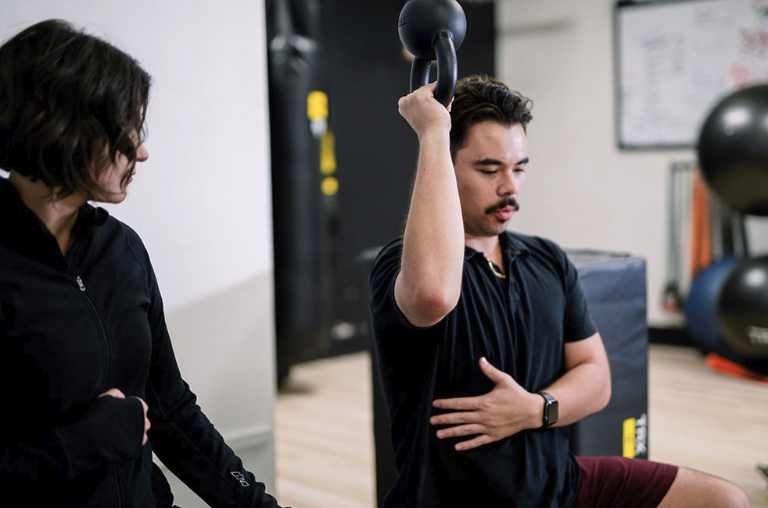
Dannielle Wood had a workout ready. The client who walked through the door needed something else.
In her Fitness Living Magazine interview, the Solid Core Fitness co-owner recalled a woman saying she was fine while her posture suggested otherwise. Wood changed the session. They went outside and walked.
It is an unshowy story about personal training. No new piece of equipment enters the scene. No dramatic transformation follows in the telling. Its significance is the decision itself: the coach noticed something, asked enough to understand it, and allowed that information to alter the work.
That is a useful place to begin when considering what personal attention actually means. It is easy to promise a custom program. The more revealing question is what happens after the program has been written, when a client arrives tired, uncertain, distracted, or ready for more.
Three published profiles offer different answers. Wood’s Solid Core Fitness in Murrieta, Ian Johnson’s Top Tyr Training in Torrance, and Farid Hashemi’s e-Motion Training in Woodland Hills all center their businesses on personal coaching. Their methods and session structures differ. What makes them worth reading together is how each describes the decisions made for the individual in front of the trainer.
The conversation is part of the session
At Solid Core Fitness, Wood describes listening as the beginning of the training process. She pays attention to what clients say, how they move, and what their expression or body language might communicate. The walk outside is one example from her account, not a routine prescribed for everyone.
Other choices are less conspicuous. Clients are asked about music. One prefers silence, and the sound goes off when he arrives. Programs are written individually. Wood describes a room where people can say they are having a difficult day without feeling that they have failed the appointment before it starts.
The practical structure supports that intention. The studio offers private and semi-private training, with no more than three clients training at once. Three identically equipped stations are intended to reduce waiting and keep the session from being reorganized around someone else’s turn.
Those details matter because attention needs somewhere to go. A trainer can hear that a person is uncomfortable; a workable session must leave room to respond. Wood’s account connects the two. The environment, the program, and the conversation are adjustable parts of the same service.
“The best training approach for my clients is to listen. Listening is the first step to the training approach.”
Dannielle Wood · Solid Core Fitness
Her thirty-minute format is another deliberate choice. Wood believes a shorter appointment is easier for some clients to keep. That is her reasoning for the schedule, not evidence that one session length is best for everyone. It makes her approach concrete: the program has to be usable by the person expected to return for it.
For a prospective client, the distinction is between a friendly introduction and an ongoing practice of paying attention. The first can happen once. The second has to survive the next appointment, and the one after that.
An assessment should change a decision
At Top Tyr Training, Ian Johnson gives personal attention a more technical expression. His published profile describes an initial consultation lasting approximately seventy-five to ninety minutes, with training history, limitations, goals, and a first experience of the studio’s equipment all part of the conversation.
Johnson’s interest in adaptive resistance began with a client’s question in 2017. He did not know the machine the client was asking about, so they went to try it. He describes several years of research before opening the Torrance studio with his wife, Jenna, in 2021.
The equipment remains part of the story, but it is not the whole explanation. Johnson describes assessing movement before adding load and recording output so a client can compare an effort with their own previous work. His stated standard concerns both the exercise selected and the way it is performed.
That turns assessment into something more useful than an introductory ritual. It should influence what the trainer chooses, what is postponed, and what is explained. A list of measurements means little to a client unless the coach can connect it to the session they are about to do.
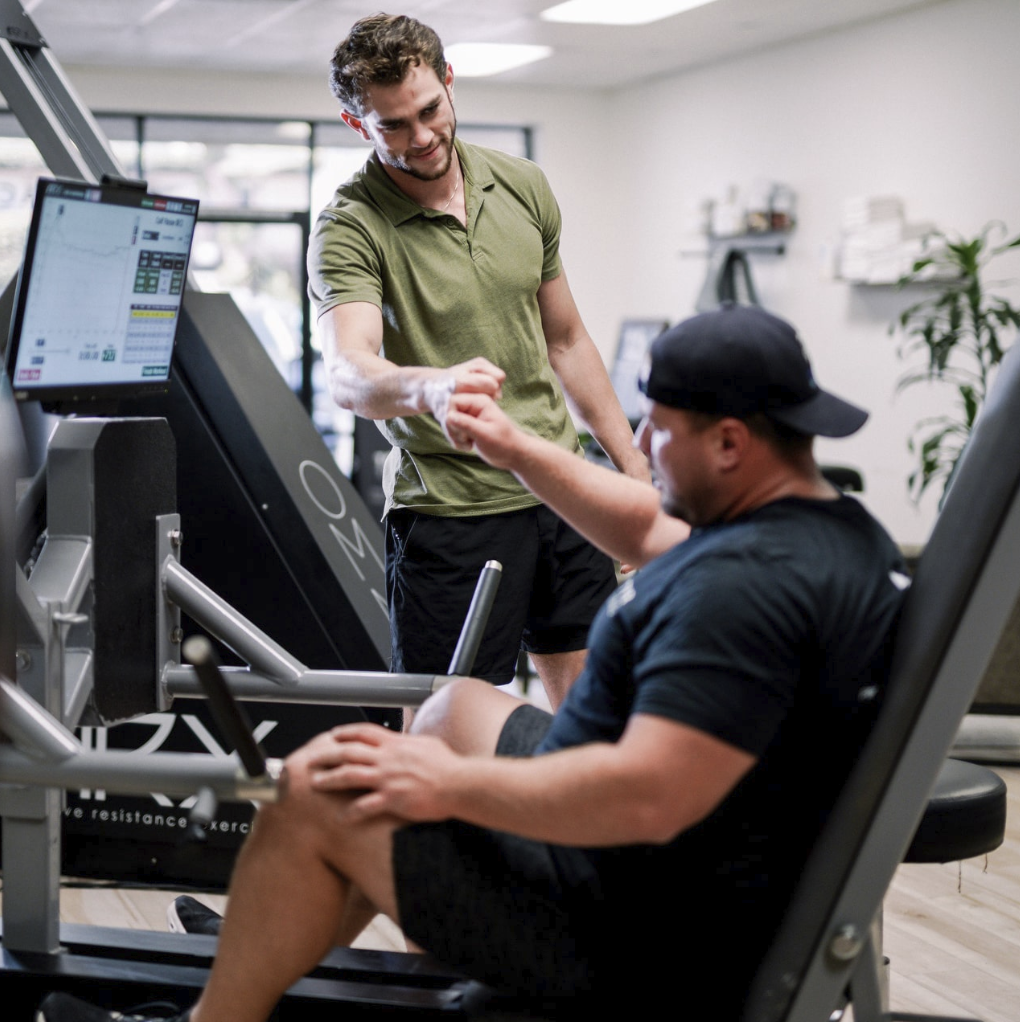
Johnson also returns to a less technical concern: whether people want to come back. In the profile, he describes conversation, explanation, and enjoyment as part of the training environment. The challenge is meant to be understandable, rather than simply impressive to someone watching.
His account does not establish that a particular machine or schedule delivers superior results. It does reveal how he wants a coaching relationship to work. The client should know what they are doing, why they are doing it, and what the next appointment is meant to build on.
The person who returns is not always the same
Farid Hashemi’s account of e-Motion Training begins with an admission. Early in his career, he says, he was handing out workouts he could not fully explain. Further study and his own experiences led him toward a practice organized around assessment before exercise selection.
His first appointment can take ninety minutes or more. The profile describes discussion of the client’s goals alongside observation of breathing, mobility, and movement. He also questions the goal itself. What does the person hope a stronger body will let them do? Why does that particular change matter now?
That inquiry continues after the first visit. Hashemi describes adjusting sessions to a client’s energy and stress, sometimes devoting more of the appointment to breathing or lower-intensity work. These are accounts of his coaching practice, not a recommendation that every difficult day should lead to the same response.
He also describes a deliberately limited client roster and several relationships lasting more than eight years at the time of the interview. A roster is different from the number of people sharing a session. The useful point here is continuity: repeated appointments give a trainer opportunities to learn what is usual for a person and notice when something has changed.
That familiarity is valuable only if it remains attentive. Knowing someone for years can make a conversation easier; it can also make assumptions easier. Hashemi’s emphasis on asking what the person needs that day is a reminder that a long relationship still requires fresh information.
What personal attention asks of a trainer
Across these three personal training practices, attention takes different forms. Wood describes a conversation that can change the day’s plan. Johnson describes assessment and recorded effort that help explain the work. Hashemi describes a continuing relationship in which goals and session demands are revisited.
None of those descriptions is a universal formula. The profiles are based on the magazine’s published reporting, and this feature does not test the methods or compare client outcomes. Their value is more immediate: they make an often vague promise visible enough for a reader to examine.
A prospective client can ask what happens during the first appointment, how the program is adjusted, and who will notice if the work stops fitting. The answers should describe a process. They should also leave room for an honest conversation about the trainer’s experience, availability, and scope.
The walk Wood recalled is memorable because it makes that process easy to see. A plan existed. The person arrived. The coach paid attention. The work changed.
Personal training earns the word personal in decisions like that.
Sources and editorial approach
This feature synthesizes three published personal training profiles from Fitness Living Magazine’s Spotlight archive. Owner accounts are attributed to those profiles; the connections between them are editorial interpretation. No new interviews, visits, or outcome testing were conducted for this report. The feature was revised on November 2, 2026 to focus exclusively on personal training.
- Personal Training That Starts by Listening: Solid Core Fitness ReviewPublished 2026-10-03 · reviewed November 2, 2026
- One Focused Hour a Week of Corrective Strength Training: Top Tyr Training ReviewPublished 2026-10-02 · reviewed November 2, 2026
- Private Coaching That Fits the Day in Front of You: e-Motion Training ReviewPublished 2026-09-30 · reviewed November 2, 2026
Photographs are drawn from the magazine’s published Spotlight material. Editorial standards