That design principle is tied to a practical theory. Swain said he invests heavily in the spaces because when people feel inspired, they are more likely to show up, use the gym, and build consistency. The clubs still center on training, including one-on-one personal training, strength equipment, data-driven coaching, and recovery, but the room is not treated as decoration.
“If I can create an environment that's truly different, motivating, and inspirational, people will want to be there more. If they're there more, they'll use it more. And if they use it more, they'll see a better result.”Glen Swain, Owner And Founder / Henry’s Gymnasium
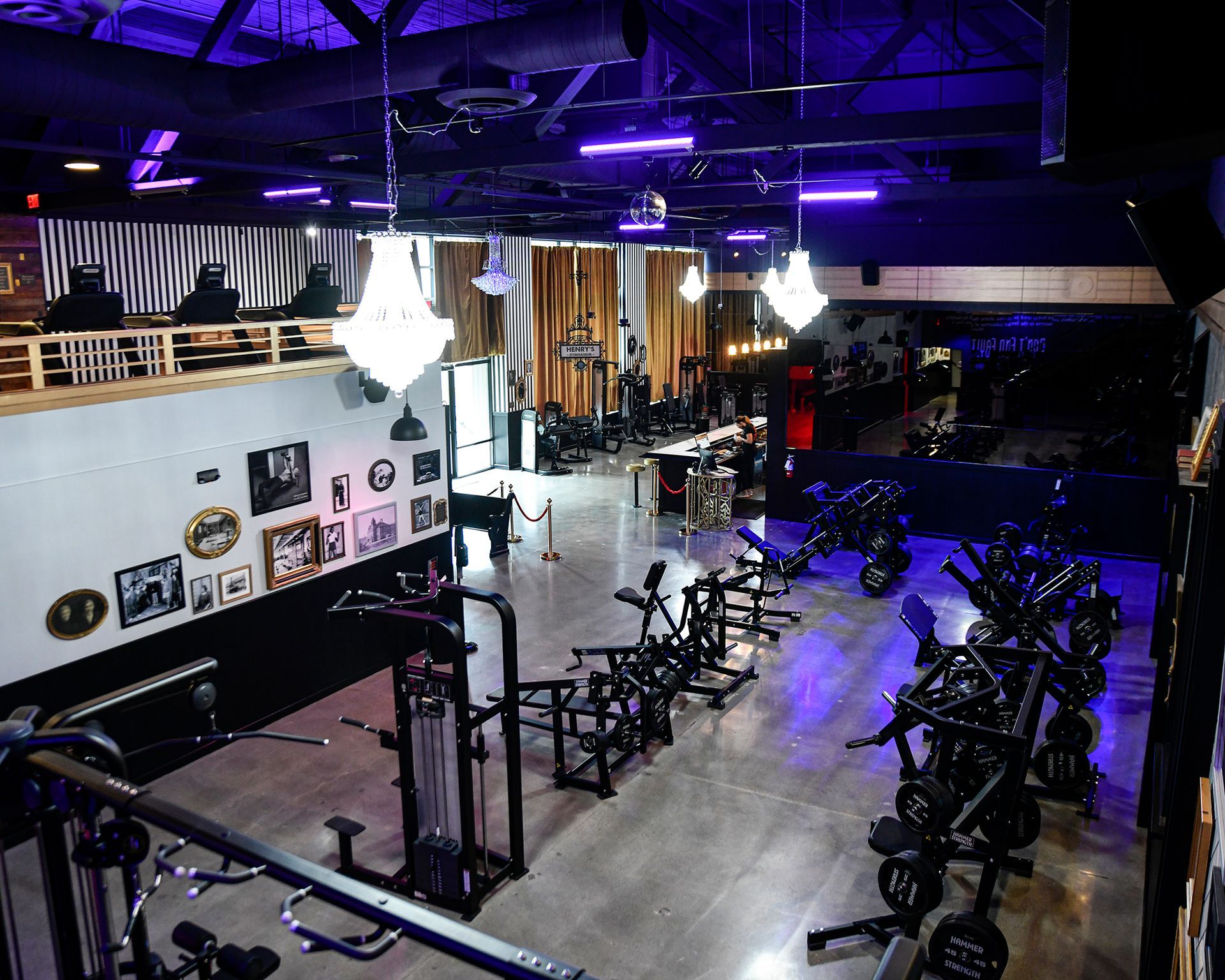
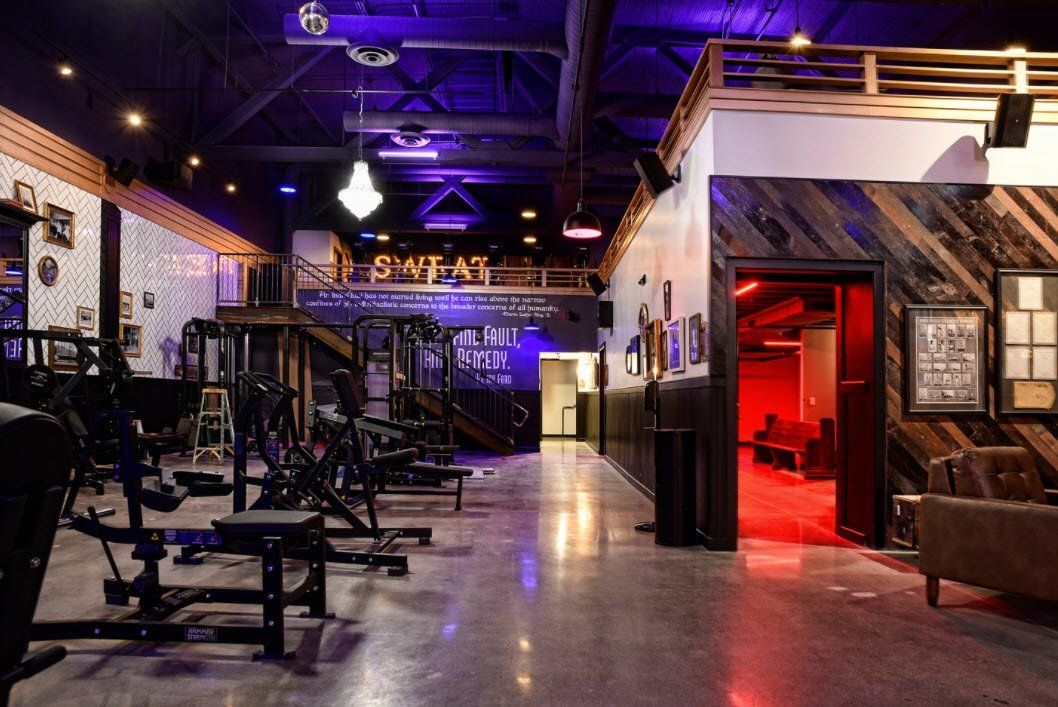
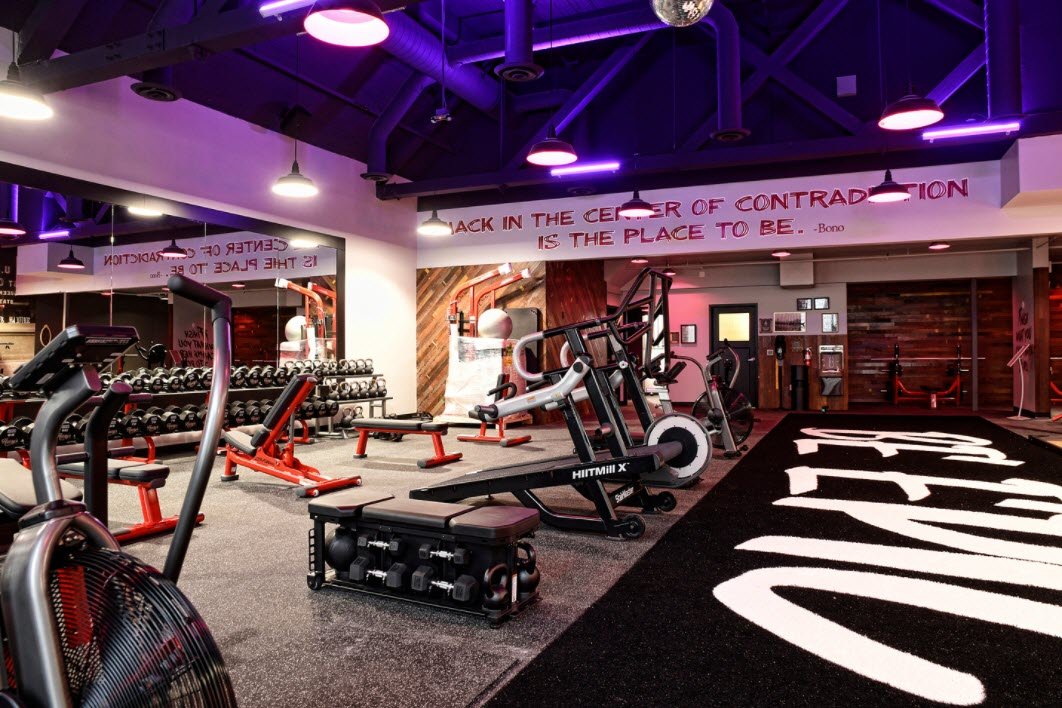
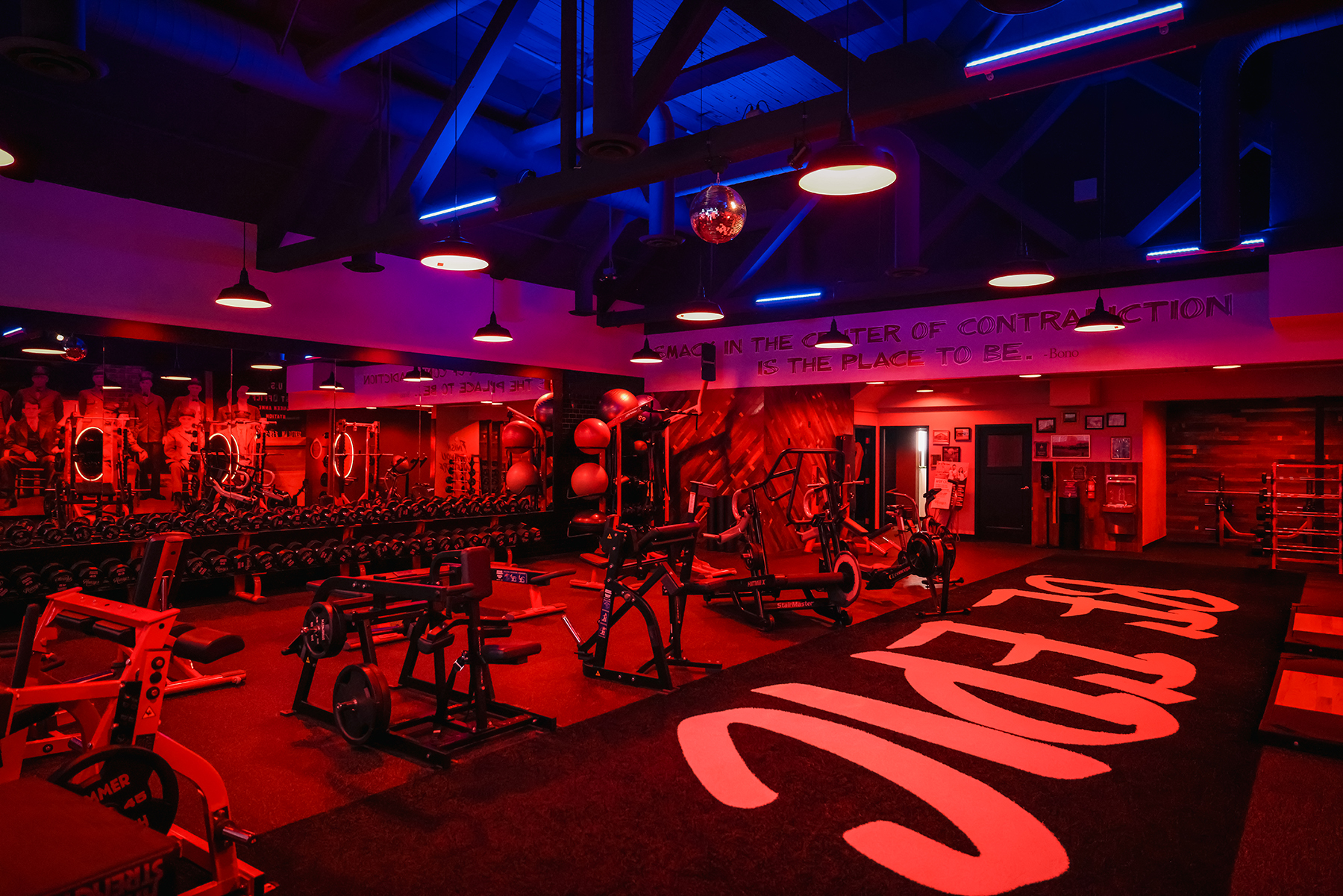
The first impression is atmosphere. Swain described a mix of fitness club, museum, and nightclub: curated art, dramatic lighting, music, preserved historic details, and equipment selected to make the room feel intentionally different from a conventional gym.
The next signal is service. Swain said managers personally conduct tours, frontline staff stay engaged with members, and cleanliness is treated as a daily operating standard. He prefers a soft leadership role so the staff and the member experience remain front and center.
The final signal is that the photographs only tell part of the story. Swain said visitors frequently tell the team that the clubs feel more distinctive in person than they appear online, which is why he would rather a prospective member come in, look around, and decide whether the environment fits.
Swain is active in the business every day, but he prefers a reserved leadership role. He told Fitness Living Magazine™ that he wants the staff and the member experience to be the face of Henry’s, while his job is to keep investing in the environment, the service standard, and the systems that help the clubs earn repeat use.
Why The Room Becomes Part Of The Training
Swain’s approach grew out of 35 years in fitness, including a decade working for large chains before 25 years as a gym owner. He credits those early years with teaching him what to do and what not to do. The concept he ultimately built in Seattle rejects the idea that a gym should be a generic concrete box with rubber floors and mirrors. Instead, the building, art, lighting, sound, equipment, cleanliness, and service are treated as one connected experience.
Henry’s Gymnasium is a Seattle fitness club founded by Glen Swain, with current locations in Queen Anne and Capitol Hill and a model built around distinctive design, personal training, strength equipment, recovery services, and a deliberately high-touch member experience.
Swain describes the clubs as a blend of fitness club, museum, and nightclub. In his interview, he tied the atmosphere directly to motivation: if members enjoy being in the room, they are more likely to return often enough for training to become consistent.
The current Henry’s website invites local residents to begin with a free VIP tour, giving prospective members a chance to see the clubs, discuss what they want from training, and decide whether the environment is the right fit.
Swain’s route into fitness began as an athlete and self-described gym rat. He studied psychology in college with an early intention of working with children, then found that fitness became the natural place to combine his interest in people, performance, and helping others improve their lives. He has remained in the industry ever since.
Inside The Henry’s Gymnasium Approach
This profile examines how Henry’s combines historic architecture, design, strength-focused training, data-driven personal coaching, recovery services, and community investment into a boutique member experience that Swain believes helps people keep showing up.
The room itself is part of the operating model: historic buildings, curated art, lighting, music, cleanliness, and equipment are deliberately used to make the clubs feel unlike a standard gym box.
Members who want a boutique environment, personal training, strength-focused programming, recovery options, and a staff experience that feels more personal than a large commercial facility.
Swain pairs the visual environment with structured training, monthly progress data, community giving, and a willingness to recommend another facility when Henry’s is not the right fit.
A Fitness Career Shaped By Big-Box Lessons
For the first decade of his career, Swain worked for large fitness chains. He said the experience taught him both what successful clubs do well and what he never wanted to reproduce as an owner. When he eventually began building his own gyms, the goal was not simply to create a smaller version of a big box. It was to create something more personal, more deliberate, and visibly different.
That difference also shaped his leadership style. Swain remains hands-on in both clubs, but he told Fitness Living Magazine™ that he prefers to stay behind the scenes. He wants managers, trainers, frontline staff, and the member experience to carry the brand rather than turning the business into a personality vehicle for the owner.
Why The Environment Comes Before The Sales Pitch
Swain’s sales logic begins before a membership conversation. The facility itself is intended to make the case. He described the lighting, art, sound, historic architecture, and imported equipment as an investment in motivation, not as decoration added after the training product was finished.
In the interview, Swain estimated that Henry’s invests three to four times more in its spaces than a typical gym owner might. His reasoning is behavioral: an environment that feels distinctive can make people want to spend more time there, and more frequent use can support better consistency. He also emphasized cleanliness as part of that same standard, describing it as a daily focus for both janitorial and frontline staff.
The approach is intentionally experiential. Swain said people often arrive after seeing Henry’s online and then tell the team the photographs do not fully communicate the atmosphere. That is why the tour matters. The goal is to let a prospective member encounter the room, the staff, and the service model before deciding whether to join.
A Club Designed To Be Worth Returning To
A Henry’s member is meant to feel that the environment has been considered from the moment they walk through the door. Swain wants the space, the staff, the equipment, the music, and the cleanliness to create a reason to return that reaches beyond obligation.
Operationally, that experience is paired with personal training, recovery services, structured follow-up, and staff who stay engaged. Emotionally, the objective is motivation without intimidation: a club that feels special enough to enjoy, but serious enough to support real training.
Build A Place People Want To Use
Swain’s governing philosophy is simple: retention begins with value that members can feel. He is not arguing that atmosphere replaces programming. Henry’s remains strength-focused, and its personal training model is built around regular coached sessions, independent homework, and progress data. The environment is meant to make those habits easier to repeat.
That is why the business invests in details that many gyms would treat as secondary. Historic timber, art, sound, lighting, recovery amenities, service, and cleanliness all support the same practical end point: make the club somewhere a member wants to be, then use that willingness to support the frequency that results require.
Henry’s distinction is not simply that the clubs are visually memorable. It is the operating logic behind the design: make the environment rewarding enough to increase return visits, pair that atmosphere with structured coaching and recovery, and let consistency become the bridge between experience and outcome.
What Henry’s Gymnasium Offers
The service mix centers on a boutique Seattle gym experience that combines personal training, strength-focused equipment, recovery and wellness amenities, progress data, and a free VIP tour for local residents considering the clubs.
“The staff is friendly and engaging, the vibes musically and aesthetically are great, but most important to me, it has the best equipment for working out in this area. Everything is clean and organized, everything works, and the community is dope.”
The Case For A Boutique Gym That Feels Different
Swain does not try to make Henry’s universally appealing. He wants the clubs to serve people who value a distinctive environment, serious equipment, attentive staff, and a sense of community. In a saturated fitness market, he sees sameness as the bigger risk for a boutique operator.
The business leans into that position openly. Visitors encounter historic architecture, art, nightclub-style lighting, recovery amenities, and social spaces alongside traditional strength and cardio training. The point is not novelty for novelty’s sake. Swain believes a boutique club has to deliver a more memorable experience than a big-box competitor if it expects members to choose it and stay.
He also connects that differentiation to care. Swain repeatedly returned to the idea that the staff should know members, keep the facility clean, help people use unfamiliar offerings, and be willing to recommend another gym when Henry’s is not the right match.
What Consistency Looks Like At Henry’s
For personal training clients, Swain described consistency as a minimum rhythm rather than a motivational slogan. The model aims for at least two coached sessions each week plus at least two independent training sessions, keeping the client actively engaged four days a week.
He pairs that structure with data. Monthly 3D scans can give clients feedback on weight, lean body mass, and circumference measurements, while trainers use ongoing contact and accountability to keep the plan from becoming passive. Swain did not promise a universal timeline, and individual results depend on starting point, attendance, recovery, nutrition, and other personal factors.
From Intimidated By Fitness To Carrying Herself Differently
Swain points to the spouse of a longtime male member as one of the stories that stayed with him most. He had known the member for roughly four or five years, and the man’s spouse was deeply intimidated by fitness spaces. Swain said it took a couple of years before she felt ready to come in.
According to Swain’s interview account, the physical changes mattered, but they were not what he remembered most. The more meaningful shift was confidence. He described seeing a person who had been fearful of the gym begin to carry herself differently and speak differently after she became more comfortable in the environment.
Swain estimated that within about six months the change in self-esteem was especially noticeable. He framed the story not as proof of a guaranteed program result, but as an example of why helping someone move from fear to participation can be more rewarding than any single metric.
The story also reflects the standard he wants the team to protect: people should feel helped, not processed. When a member becomes more willing to show up, ask questions, and take ownership of the process, Swain sees that as a meaningful form of success in its own right.
A Club Culture Built Beyond The Workout Floor
Swain describes community as something that has to show up in operations, not only in branding. Henry’s combines social spaces inside the clubs with recurring financial support for local organizations, including the guest-fee donations he described for Lambert House at the Capitol Hill location.
Why This Matters In Seattle
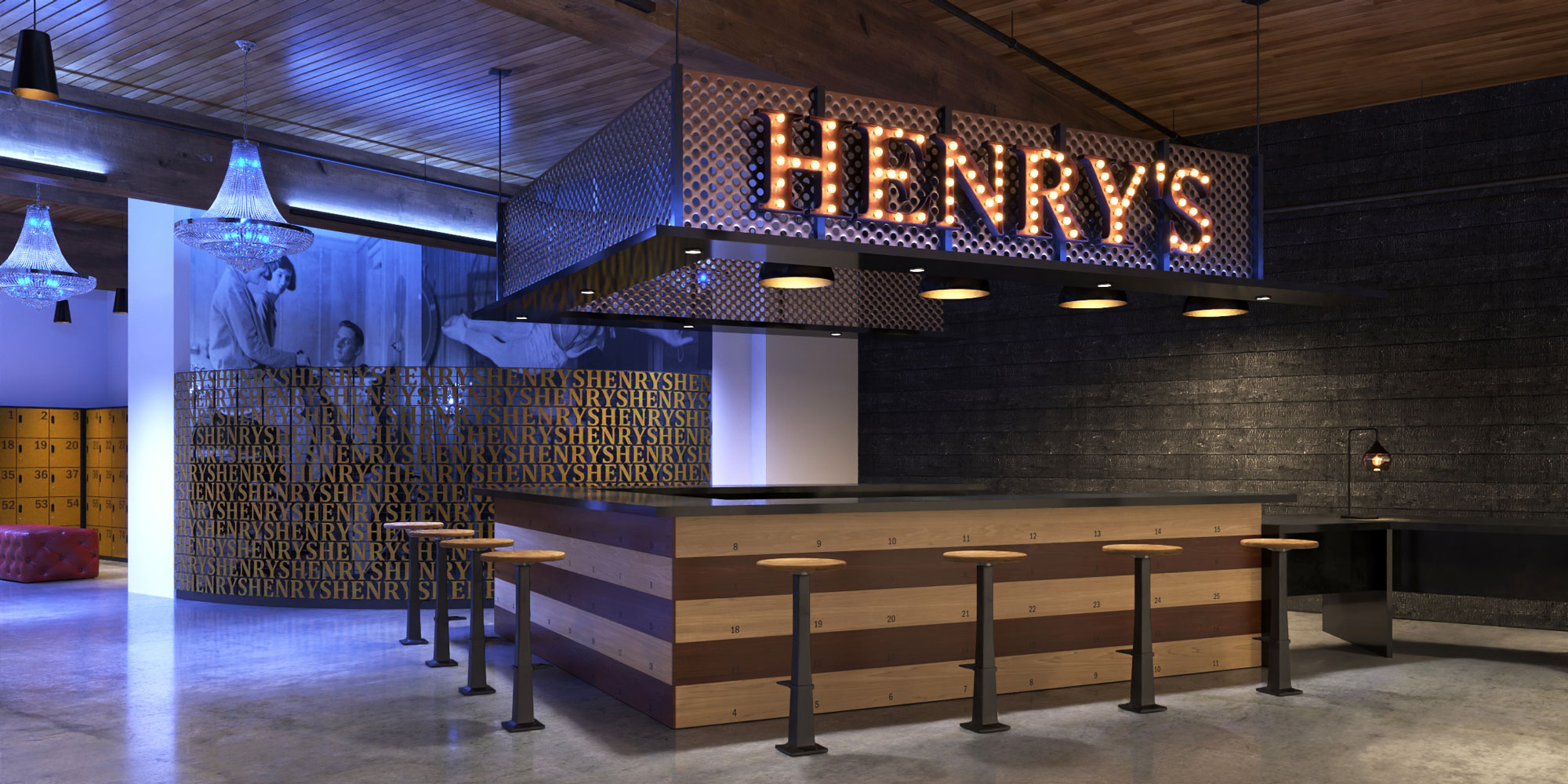
Henry’s now operates in Queen Anne and Capitol Hill, two neighborhoods with distinct identities and a dense field of fitness choices. The business responds by making the physical space unmistakably local: historic architecture, neighborhood-focused art, preserved building details, and a club atmosphere that is intentionally more expressive than a standard chain.
Swain said social media is a major discovery channel because the clubs photograph well and attract visitors who want to create content. But he also argues that the online version is incomplete. For a local reader comparing gyms in Seattle, the real test is whether the room, the staff, the training options, and the recovery experience feel different enough in person to justify the choice.
The current public entry point makes that comparison straightforward. Henry’s offers a free VIP tour for local residents at Queen Anne or Capitol Hill, while the interview makes clear that the conversation is meant to focus on fit rather than pressure. Swain said there are times the team recommends another facility when it believes that is the better answer.
FAQ
Who Is Glen Swain?
Glen Swain is the owner and founder of Henry’s Gymnasium. He has worked in fitness for 35 years, spent the first decade of his career with large chains, and has owned gyms for roughly 25 years. He describes himself as hands-on but intentionally reserved, preferring the staff and member experience to remain front and center.
What Is Henry’s Gymnasium Known For?
Henry’s Gymnasium is known for boutique Seattle fitness spaces that combine historic architecture, curated art, nightclub-style lighting, strength and cardio equipment, personal training, recovery amenities, and a strong emphasis on cleanliness and service.
Where Are Henry’s Gymnasium Locations?
The current Henry’s website lists two active Seattle locations: Queen Anne at 14 Mercer Street and Capitol Hill at 1617 Boylston Street.
How Does Personal Training Work At Henry’s?
Swain described a consistency-first personal training model built around at least two coached sessions per week, additional independent homework, trainer accountability, and recurring progress data such as 3D body scans.
What Recovery Services Does Henry’s Offer?
The interview and current website describe a recovery and wellness emphasis with location-specific options that include sauna, red-light, hydromassage, vibration, and other recovery therapies. Availability can vary by club.
What Is The Best First Step For A New Member?
Henry’s current website invites local residents to book a free VIP tour. Swain described a typical tour as an unhurried conversation about the person’s goals, training history, what they want now, and whether Henry’s is the right fit.
Key Takeaways
Henry’s uses historic architecture, art, lighting, music, cleanliness, and hospitality as deliberate parts of the member experience rather than treating design as decoration.
Personal training is built around recurring coached sessions, independent work, and progress data so clients stay engaged often enough for training to accumulate.
Swain keeps himself behind the scenes and expects managers, trainers, and frontline staff to carry a high-touch service standard that can compete with larger operators.
Swain described community giving as a recurring financial responsibility, while the clubs themselves include social spaces intended to make membership feel larger than the workout.
Conclusion
Henry’s Gymnasium is not distinctive merely because the lighting is dramatic or the buildings have history. The stronger idea is what Swain asks those details to accomplish. He wants the room to increase motivation, the staff to make the experience personal, the coaching to create structure, and the recovery options to make the club useful beyond a single workout.
His core message is equally straightforward: care has to be operational. For Henry’s, that means investing in the space, keeping it clean, staying engaged with members, measuring progress, supporting the community, and being willing to tell someone when another gym may be the better fit. In a crowded Seattle market, Swain is betting that a club people genuinely want to return to has a better chance of helping them stay consistent.
Glen Swain
Glen Swain built Henry’s around a behavioral premise: create a gym environment people genuinely want to return to, then support that motivation with serious training, recovery options, cleanliness, personal service, and enough structure to turn repeat visits into consistency.
Glen Swain has worked in fitness for 35 years. He studied psychology in college, competed as an athlete, spent the first decade of his fitness career inside large chains, and has owned gyms for roughly 25 years. Today he remains active in the business while deliberately keeping a lower public profile, preferring managers, trainers, frontline staff, and the member experience to represent Henry’s day to day.
Create fitness environments that make people want to return, then pair that atmosphere with personal training, structured accountability, recovery options, measurable feedback, and staff who genuinely care about helping members succeed.
Boutique gym design, strength-focused training, one-on-one personal training, progress tracking, recovery and wellness services, exceptional cleanliness, community giving, member retention, and service standards designed to compete with larger fitness operators.
About This Spotlight
Fitness Living Magazine™ selected this Spotlight for Glen Swain’s design-led approach to member consistency, Henry’s combination of historic spaces and training infrastructure, the personal-training and recovery model described in his interview, the source-supported member success story, and the recurring community-giving standard he described.
Fitness Living Magazine™ publishes these features to place local fitness leaders on the record about how their programs operate, what clients experience, what standards guide the coaching, and what makes the business relevant to its local community.
Source material for this Spotlight consisted of the recorded Fitness Living Magazine™ editorial interview with Glen Swain, the existing Henry’s Gymnasium Spotlight and its legacy image/caption assets, the current Fitness Living Magazine™ migration URL, and Henry’s Gymnasium’s official website used to verify the present Seattle locations, public tour language, training positioning, design history, and current recovery/amenity descriptions.
This feature is editorial content and is not medical advice. Training, recovery, and outcome descriptions reflect source material and individual experience, and results differ from person to person. Readers should consult a qualified healthcare professional before beginning a new exercise or recovery program.