The sequence reflects the choice Eish made when he left large-format group fitness for a much smaller room. At Alloy Rosewood, sessions hold one to six people, the studio works toward a deliberate ceiling of roughly 130 to 150 members, and Eish personally handles intake, monthly check-ins, and much of the accountability follow-up. The promise is not anonymity with better equipment. It is to be known well enough that someone notices what changed, what hurts, what improved, and when you stopped showing up.
“They’re going to remember how much I cared about them.”Aaron Eish, Studio Director / Alloy Personal Training Rosewood
Eish wants the first impression to feel welcoming before it feels demanding. He described fitness studios as potentially intimidating for people who are already unhappy with where they are, so his first job is to listen, learn the goal, and understand the injuries or limitations that may shape training.
The formal entry point is the Starting Point Session. Eish described roughly an hour that includes goals, injury history, nutrition discussion, an InBody 570 body-composition scan, a functional movement screen, a short sample workout, and a review of the results before he recommends how often the member should train.
The other early signal is accountability. Eish said he follows up when someone misses sessions, keeps injury updates current, and checks body composition again every 30 days. The member is meant to feel expected, not merely enrolled.
Eish’s operating focus is care made visible through structure. He wants to know why a member came in, keep the room small enough to recognize when that member disappears from the schedule, and use recurring check-ins to keep goals from becoming something discussed only on day one.
Why The Room Stays Small Enough To Notice
Eish’s version of personalized training is built around capacity. He left environments where he had responsibility for roughly 1,500 clients and chose a studio that works toward a ceiling of about 130 to 150 members. The smaller scale allows the first phone call, the intake, the check-in, the injury update, and the accountability message to remain connected to the same relationship.
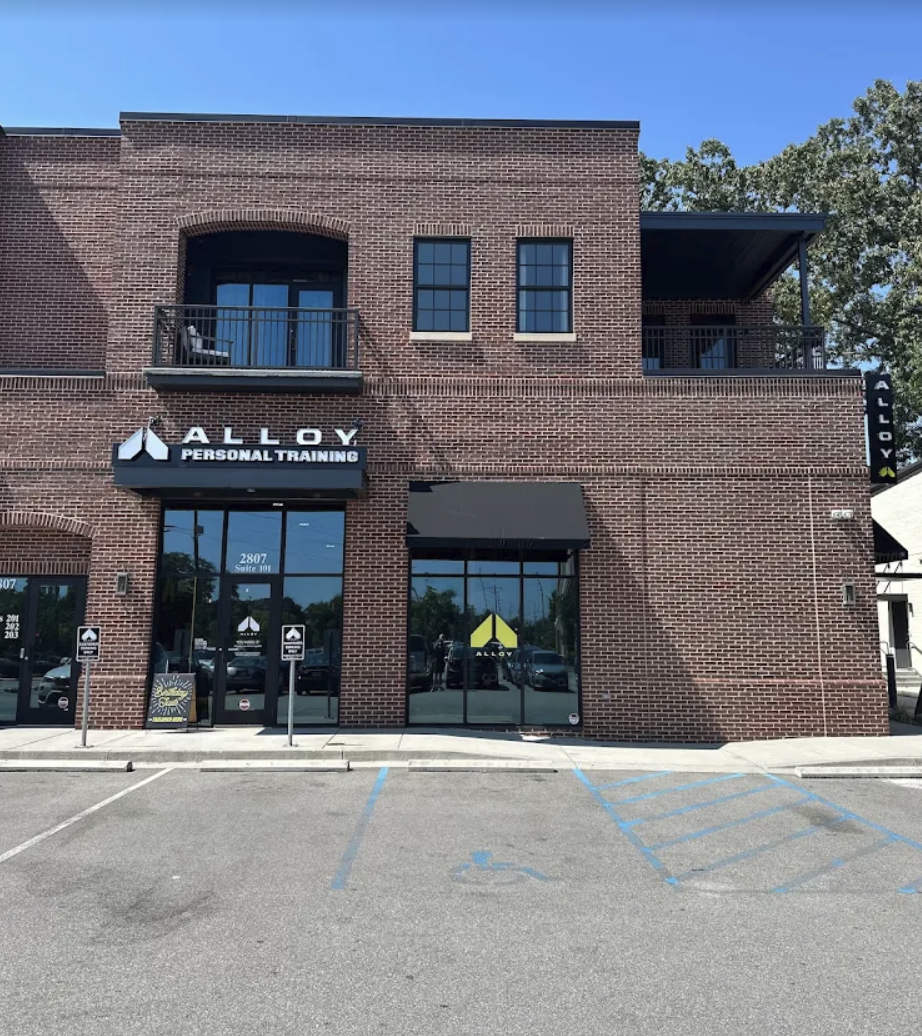
Alloy Personal Training Rosewood is a small-group personal training studio in Columbia, South Carolina, directed by Aaron Eish and built around full-body functional strength training in sessions of one to six people.
New members begin with a Starting Point Session that covers goals, injuries, nutrition, an InBody 570 body-composition scan, a functional movement screen, and a sample workout. Eish then recommends a realistic training frequency and adjusts the program around the member’s current capabilities.
The ongoing system includes 30-day body-composition rescans, accountability calls and texts, general nutrition guidance, access to Alloy’s training app, and small-group coaching designed to keep each member visible inside the schedule.
Eish’s own path explains why scale matters to him. He grew up in competitive swimming and soccer, later coached at OrangeTheory Fitness, became a head coach, oversaw two studios and roughly 1,500 clients, and moved into studio leadership and sales. He joined Alloy because the room was smaller, the coaching could be more personal, and the role aligned with his long-term goal of eventually owning the business he leads. He also described his work as rooted in faith and in a desire to help other people care for their health.
Inside The Alloy Rosewood Approach
This profile examines how Alloy Rosewood combines small-group strength training, structured intake, recurring measurement, direct accountability, and local relationship-building inside a deliberately limited member base.
Personalization begins before the first regular workout and continues through 30-day rescans, injury updates, program modifications, and direct follow-up when attendance slips.
The studio’s average member is roughly 40 to 50, while Eish described working with people from age 12 through 80, including beginners, people returning after long breaks, and members training around pain points.
One-to-six sessions, a deliberate member ceiling, a Starting Point Session, and a director who handles intake and check-ins himself make accountability part of the operating model rather than a slogan.
A Director Who Chose The Smaller Room
Eish has been active since childhood, beginning with competitive swimming and soccer and later swimming at a semi-national level in high school. After a period away from fitness, he described returning to self-care through his faith and discovering that coaching gave him a way to pour into other people. That purpose moved him into group fitness, coaching development, studio leadership, and eventually Alloy Rosewood.
The decisive change was scale. In larger-format fitness, Eish had responsibility for an enormous member population and less opportunity for personal connection. At Alloy, one-to-six sessions create more room for form corrections, modifications, motivation, and conversation. He also came to Rosewood with a stated long-term goal of eventually owning the business, which makes the studio’s relationships and local reputation personal to him.
Why The Starting Point Session Comes First
Eish describes the Starting Point Session as the studio’s real front door. The process begins with a short phone conversation, usually 10 to 15 minutes, in which he tries to understand who is calling, why they reached out, and what they hope training will change. The in-person session then reserves roughly an hour to turn that context into a practical starting point.
Goals, injury history, and nutrition come first. Then Eish uses the InBody 570 to review measures such as muscle mass, lean body mass, body fat mass, water, and visceral fat. A functional movement screen follows, using movements such as a squat, shoulder mobility pattern, hip hinge, and ankle mobility check to identify pain, limited range, or areas that may need modification.
The final piece is a short sample workout built around the same station and superset flow used in regular sessions. Eish can see how the member responds to coaching, make adjustments in real time, then return to the scan and recommend a realistic training frequency. For many members he suggests two to three sessions per week, but he emphasized that the right plan depends on the person’s schedule, goals, budget, and life.
Expected, Not Anonymous
A member at Alloy Rosewood is meant to feel expected. Eish makes the first contact personal, runs the intake, keeps injury updates current, and checks progress again after training has become routine. If someone starts disappearing from the schedule, the relationship is supposed to produce a call or text rather than silence.
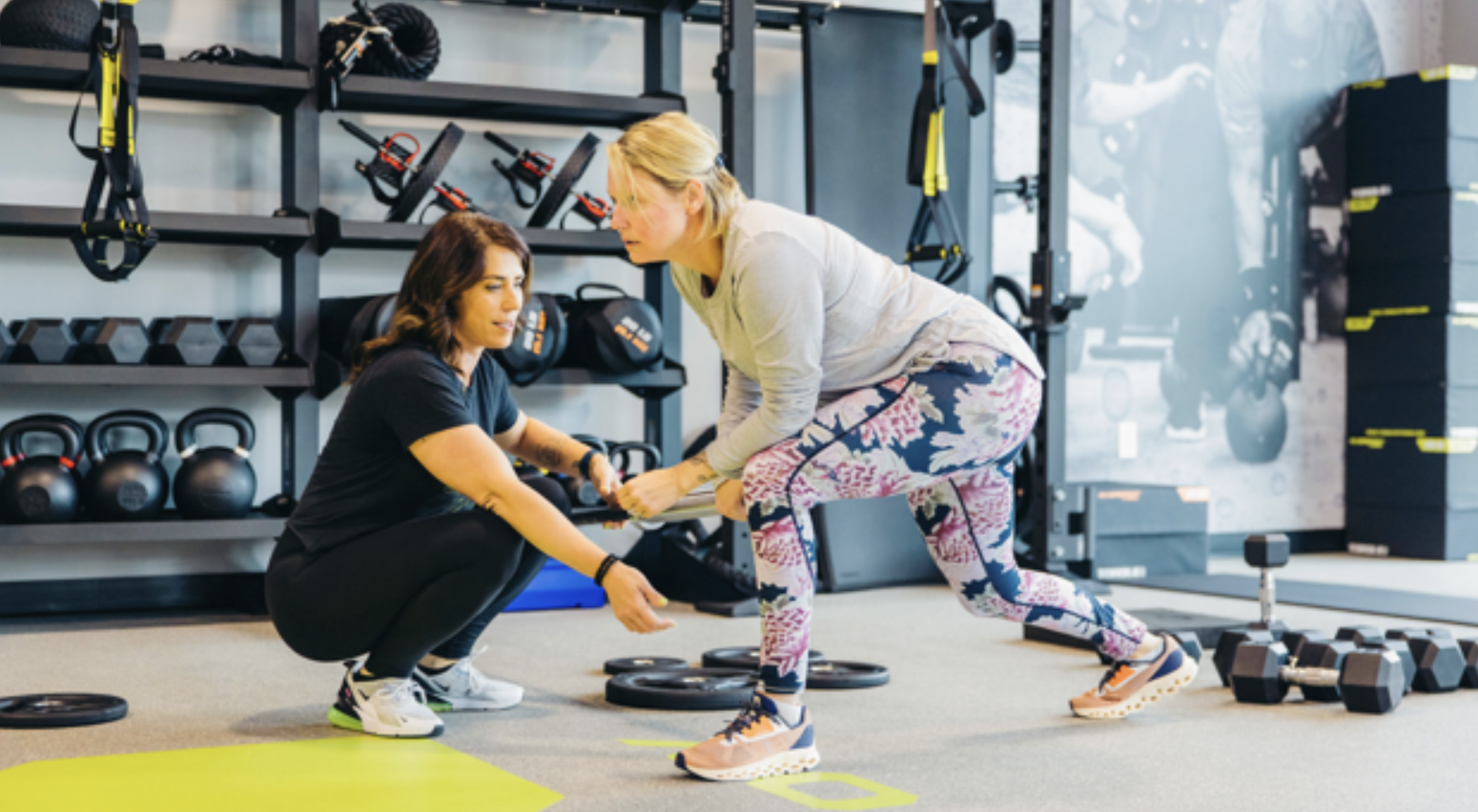
Operationally, the small-group format gives the coach room to adjust form, change an exercise around pain, add challenge where appropriate, and keep the member moving through the planned stations. Emotionally, the goal is a sense of family and safety. Eish said the relationship matters because people are more likely to trust the process when they feel heard and can tell the coaches care.
Meet The Member Where They Are
Eish’s governing training philosophy is straightforward: meet the member where they are and load the muscles appropriately from there. The exercise may use body weight, dumbbells, kettlebells, or another form of resistance, but the challenge should fit the member’s injuries, comfort, experience, and current ability rather than forcing everyone through the same version of the movement.
The workouts are full-body, typically blending upper body, lower body, and core patterns, and the variables change over time through different exercises, reps, tempos, and sets. Eish connects that work to ordinary function as much as appearance: getting up and down, climbing stairs, reaching overhead, carrying a suitcase, and maintaining the strength needed for daily life as people age.
The distinction is not that Alloy Rosewood has discovered a new form of strength training. It is that the studio organizes familiar training around a tighter relationship: understand the member first, coach at a manageable scale, measure what changes, and intervene when consistency begins to disappear.
What Alloy Personal Training Rosewood Offers
The service mix centers on coached functional strength training, with intake, accountability, nutrition guidance, and app-based support woven around the in-studio sessions.
“Alloy Fitness is amazing! The workouts are designed to push you, and the staff truly care about helping you reach your goals. They don’t just motivate you, they follow up and check in to keep you accountable.”
The Case Against Complicated Fitness
Asked what the fitness industry makes unnecessarily complicated, Eish pointed to the volume of online tips and tricks. His objection was not that every exercise idea on social media is wrong. It was that the sheer quantity can overwhelm someone who does not yet know which advice fits their body, goal, schedule, or injury history.
His alternative is deliberately plain: keep the plan understandable, make the goals realistic, and build enough accountability to repeat the right behaviors. One member’s realistic plan might be three sessions a week plus walking. Another person, perhaps a single parent with a crowded schedule, may need one coached session plus bodyweight work at home. Eish’s standard is not sameness. It is a plan the person can actually sustain.
That philosophy also changes what counts as a meaningful achievement. Eish described a member whose goal was simply to stop buying candy at the grocery checkout. When the member returned to the next accountability call and reported that he had followed through, Eish treated the behavior change with the same seriousness he gives a strength or body-composition goal. The win mattered because it was specific, tracked, and owned by the member.
What Consistency Makes Visible
When Eish is asked what produces the best results, his answer is one word: consistency. The studio supports that through recurring appointments, direct accountability, and 30-day InBody scans that let members compare changes in body composition over time rather than relying on scale weight alone.
The broader outcome Eish looks for is less dramatic and more repeatable: more skeletal muscle, lower body-fat percentage where appropriate, greater functional strength, better confidence, and eventually a level of maintenance a person can live with. His goal is to move the member from chasing a short burst of change toward an active routine that can hold up over time.
Roger White’s Progress: A Year of Consistent Training
Eish points to member Roger White as the clearest illustration of what consistency can look like when training, nutrition habits, measurement, and accountability stay connected over time.
White arrived a little over a year before Eish’s interview after inquiring through a social media ad. Eish said White had fallen out of an exercise routine after the gym he had been using closed during COVID and never returned after it reopened. He began training three mornings a week with Patrick, one of the studio’s trainers, while also changing his nutrition habits.
According to Eish’s account of the studio’s InBody scan history, White lost more than 50 pounds of body fat while gaining an estimated 10 to 20 pounds of muscle. Eish attributed the change to White’s consistency in training and nutrition rather than to anything exotic. By the time of the interview, he said White had moved into a maintenance phase, with the studio’s role shifting from driving change to helping protect the habits that produced it.
Eish is careful to credit the member, not the method. What stayed with him most was not simply the number on the report, but White’s demeanor: a man who arrived discouraged and, in Eish’s telling, came to carry himself with substantially more confidence and positivity.
A Studio Community Built Beyond The Workout
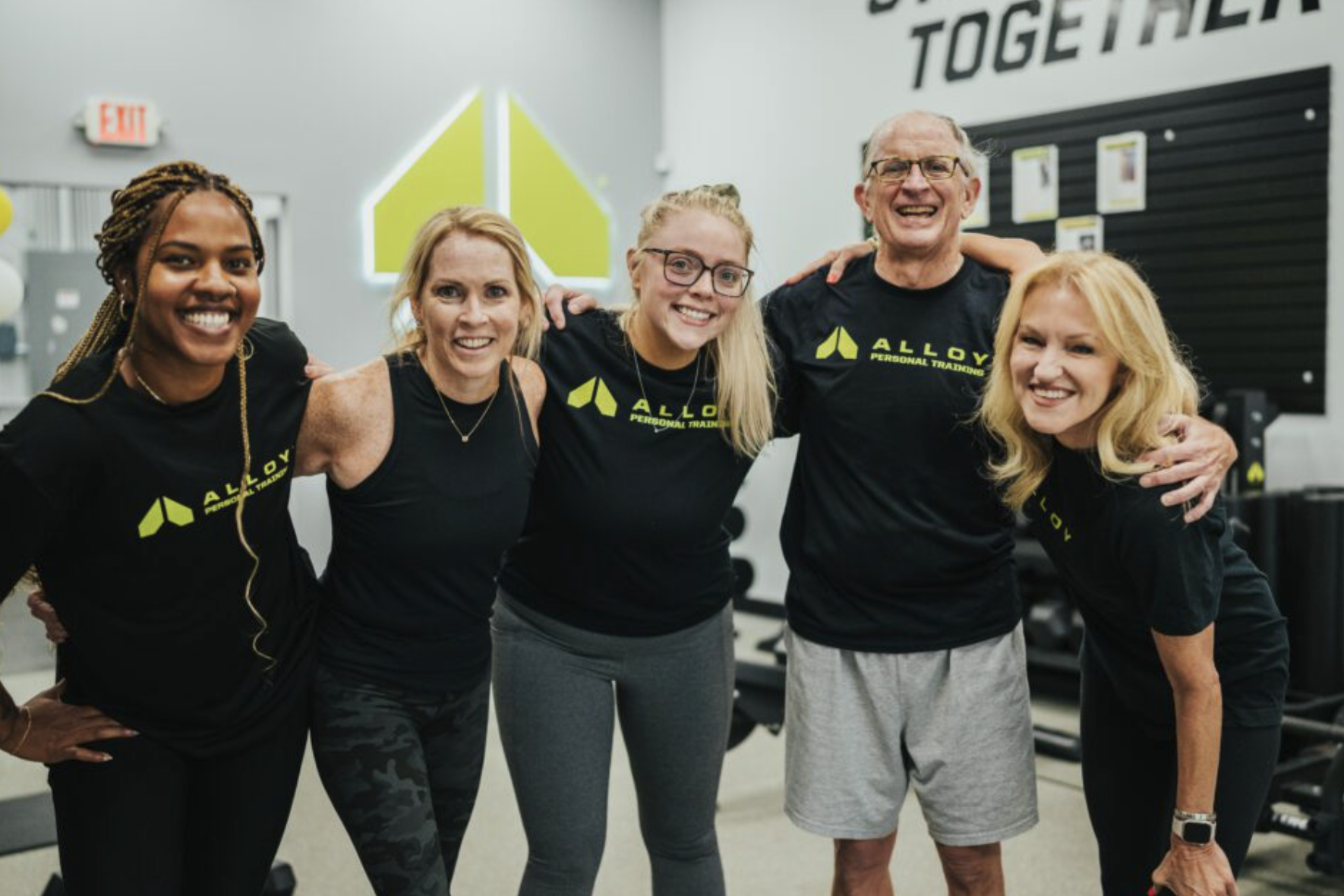
Eish talks about Alloy Rosewood as a relationship network as much as a training room. He described monthly member events, local business partnerships, and friendships that continue outside the studio, including former clients he still stays in touch with after training ends.
Why This Matters In Columbia
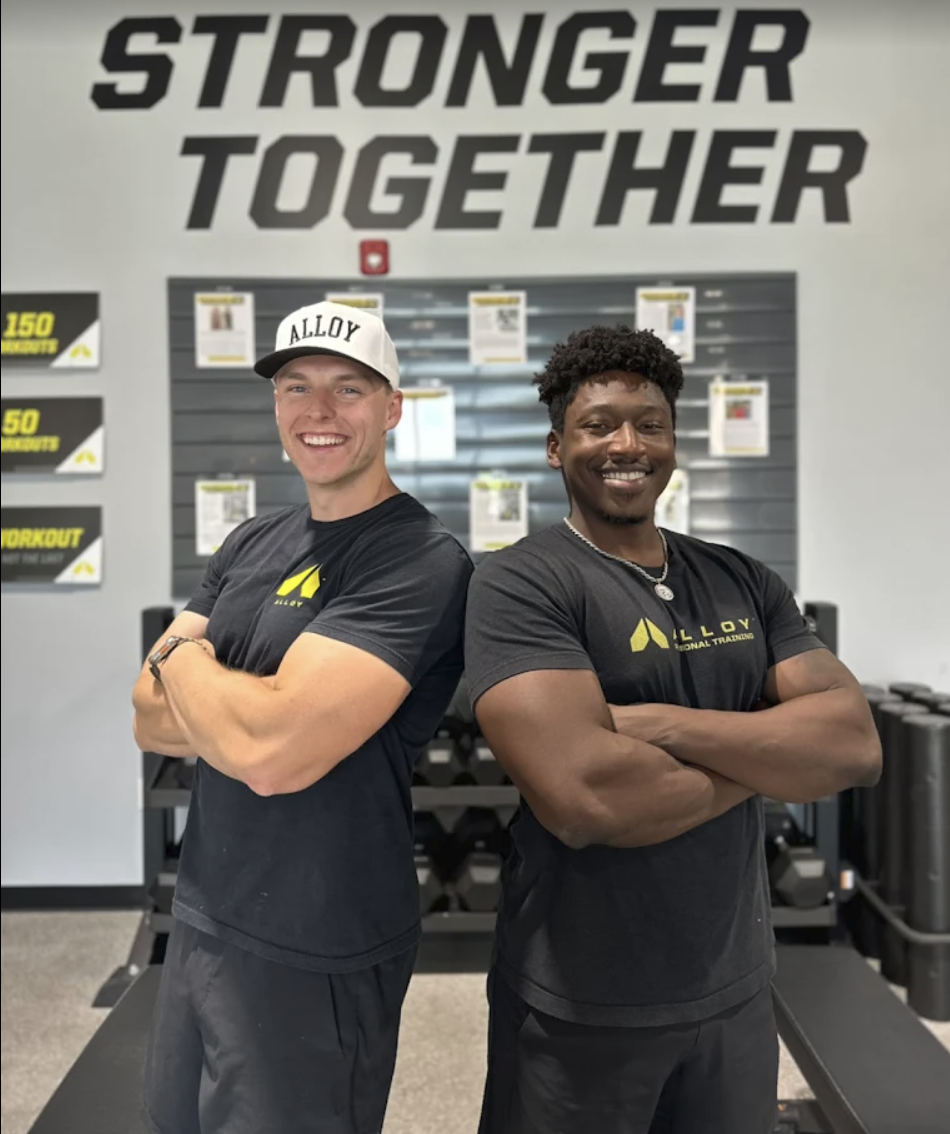
Eish’s stated goal extends beyond keeping current members active. He said one of Alloy Rosewood’s priorities is helping build a healthier sense of community in Columbia, and he described local partnerships with a massage therapist, an esthetician, chiropractors, and Strictly Running.
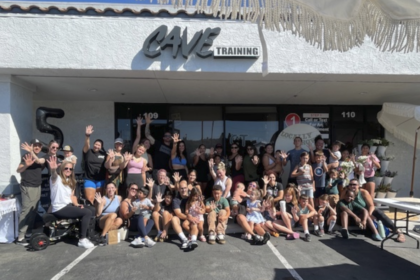
The studio also uses member events to make the relationship less transactional. Eish described a recent brewery gathering where roughly 25 to 30 members sat together outside the gym, as well as anniversary events that have brought local vendors, food, raffles, and other community partners into the space.
For someone comparing personal training in Columbia, the practical local distinction is easy to identify: a Starting Point Session before regular training, one-to-six coaching, recurring body-composition measurement, and a director who treats missed sessions as a reason to reach out rather than a reason to let a member quietly disappear.
FAQ
Who Is Aaron Eish?
Aaron Eish is the Studio Director of Alloy Personal Training Rosewood in Columbia, South Carolina. In his interview, he described a background in competitive swimming and soccer, coaching and leadership roles in large-format group fitness, and a move to Alloy for a smaller coaching environment and a long-term goal of eventually owning the business he leads.
What Is Alloy Personal Training Rosewood Known For?
The Rosewood location centers on small-group personal training in sessions of one to six, full-body functional strength work, a structured Starting Point Session, 30-day InBody scans, direct accountability follow-up, and program modifications around each member’s goals and limitations.
What Happens During A Starting Point Session?
Eish described roughly an hour that includes goals, injuries, nutrition discussion, an InBody 570 body-composition scan, a functional movement screen, a short sample workout, and a review of the results before he recommends an appropriate training frequency.
Is Alloy Rosewood Suitable For Beginners Or Older Adults?
Based on Eish’s interview, yes. He said the average member is around 40 to 50 years old, the oldest client he has worked with was 80, and the youngest was 12. He described modifying exercises around injuries, pain points, experience level, and current capability.
What Makes Alloy Rosewood Different In Columbia?
Eish points to scale and relationship. Sessions hold one to six people, the studio works toward a ceiling of roughly 130 to 150 members, body composition is rescanned every 30 days, and missed sessions can prompt a direct call or text.
What Programs And Services Does Alloy Rosewood Offer?
The interview describes small-group functional strength training, the Starting Point Session, recurring InBody body-composition tracking, general nutrition guidance, access to Dietitian Live through the membership, and app-based workouts that can be programmed for travel or home training.
What Is The Best First Step For A New Member?
Eish recommends using the Alloy Rosewood location page or contacting the studio directly. He said he follows up personally, usually with a 10- to 15-minute phone call, and then invites the prospective member into a Starting Point Session.
Key Takeaways
New members begin with a structured intake that combines goals, injuries, body-composition measurement, movement screening, and a sample workout before regular sessions begin.
One-to-six sessions and a deliberate 130-to-150 member ceiling are meant to preserve form feedback, modifications, relationship, and accountability.
InBody scans repeat every 30 days, giving Eish and the member a recurring point to discuss body composition, habits, injuries, and what needs to change next.
The studio’s differentiator is not only the workout. Eish describes calls after missed sessions, monthly check-ins, community events, and an effort to keep members from becoming anonymous.
Conclusion
Alloy Personal Training Rosewood is not distinctive because functional strength training is new. Eish’s stronger idea is that personalization has to survive the operating system around the workout. The room stays small. The first visit is structured. The member is measured again. The coach adjusts around real limitations. And when attendance starts to disappear, someone is expected to notice.
That is why Eish’s answer about what members remember matters. He did not choose a scan, a rep scheme, or a piece of equipment. He chose care. At Rosewood, care becomes credible when it leaves evidence: the first phone call, the intake hour, the 30-day scan, the modification, the text after a missed session, and the relationships that continue outside the gym.
Aaron Eish
Aaron Eish leads Alloy Personal Training Rosewood around a relationship-first operating standard: understand the member, keep the coaching scale manageable, adjust the work to the person, measure progress, and follow up when consistency slips.
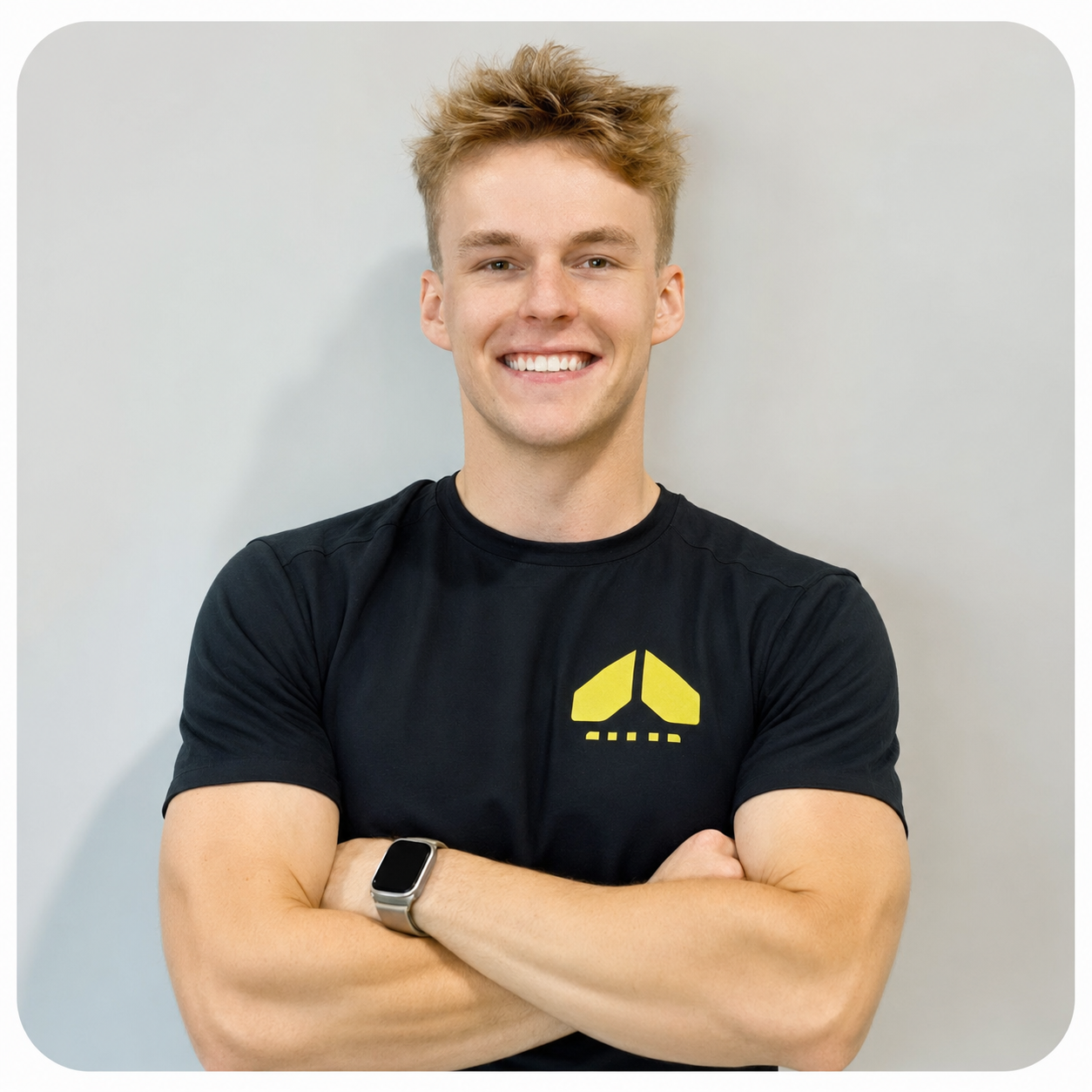
Aaron Eish is the Studio Director of Alloy Personal Training on Rosewood Drive in Columbia, South Carolina. He has been active since childhood through competitive swimming and soccer, later moving into the fitness profession through group training. At OrangeTheory Fitness he advanced from coach to head coach, oversaw two studios and roughly 1,500 clients, and later moved into studio leadership and sales. He joined Alloy for a smaller room, a closer coaching model, and a long-term goal of eventually owning the business he leads.
Meet the member where they are, load the body appropriately, keep the plan realistic enough to be consistent, and make care visible through attention, accountability, and follow-up. Eish also described his work as rooted in faith and in a desire to serve other people through health and fitness.
Small-group personal training, functional strength training, Starting Point intake, InBody 570 body-composition tracking, functional movement screening, injury-aware modification, accountability check-ins, general nutrition guidance, app-based programming, community events, and local partnerships.
About This Spotlight
Fitness Living Magazine™ selected this Spotlight for Alloy Personal Training Rosewood’s one-to-six personal training model, structured Starting Point Session, recurring body-composition measurement, direct accountability follow-up, deliberate member ceiling, and clearly articulated effort to make members feel known rather than processed through a generic workout.
Fitness Living Magazine™ publishes these features to place local fitness leaders on the record about how their programs operate, what new members experience, what standards guide the coaching, and what makes the business relevant to its local community.
Source material for this Spotlight consisted of the recorded Fitness Living Magazine™ editorial interview with Aaron Eish, the existing published Alloy Personal Training Rosewood Spotlight, supplied photo and caption assets, the customer review provided for editorial use, the current Fitness Living Magazine™ article URL, and the current official Alloy Personal Training Rosewood location page used to confirm current contact and Starting Point Session language.
This feature is editorial content and is not medical advice. Training descriptions, methods, and outcomes reflect the featured expert’s account and individual experience, and results differ from person to person. Readers should consult a qualified healthcare professional before beginning any new exercise program.