
This is a custom HTML / JavaScript Element
In order To See Your Custom HTML/JavaScript Code in Action You Must Click On The Preview Page Button, Your Code is NOT going to be active in the edit mode
|
Local Fitness Leadership Series
Editorial Spotlight / Toluca Lake, California
|
By Mark D.R. Ford
Managing Editor
|
The Quiet Studio WhereSlow Repetitions BuildEveryday Strength
|
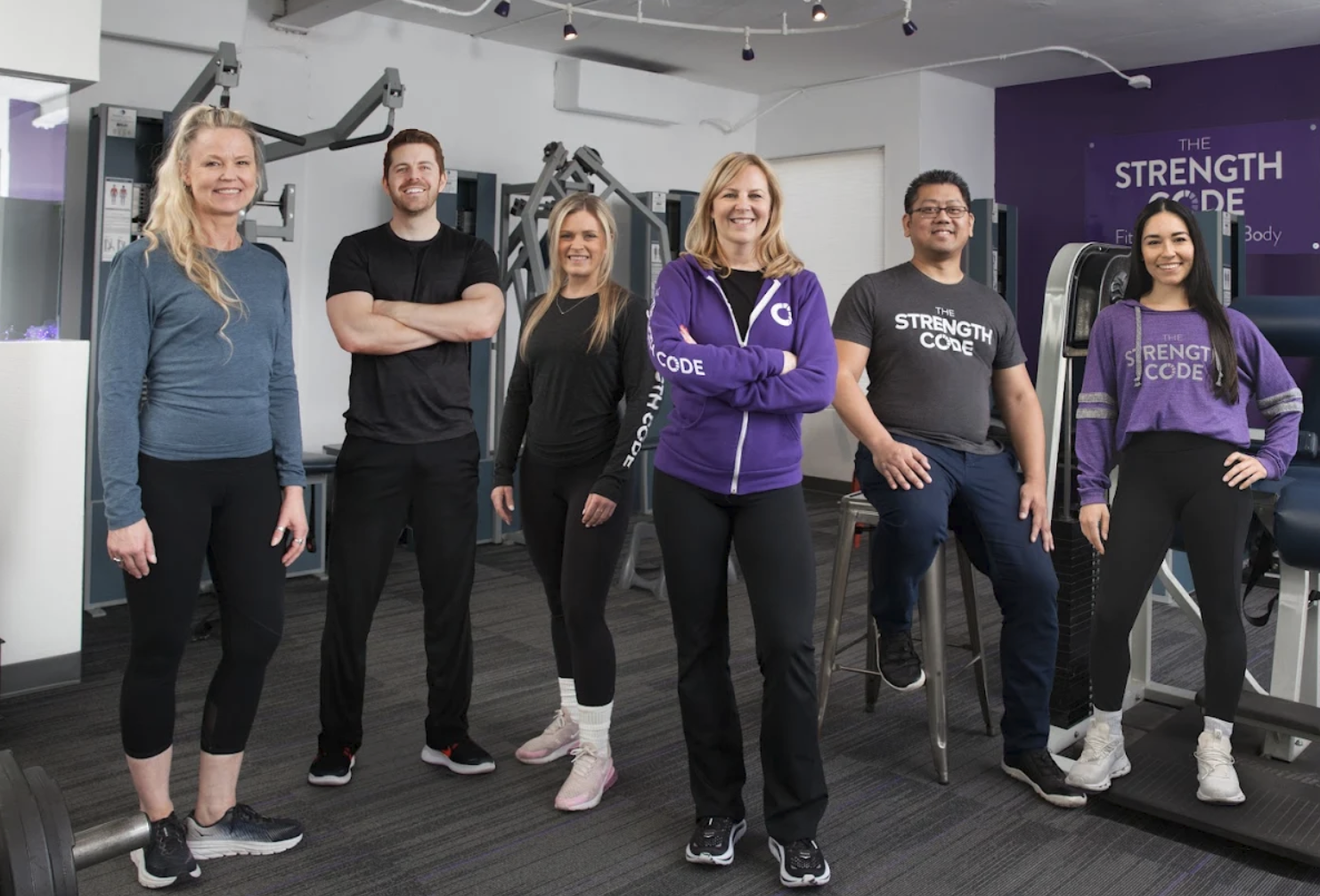
Sheila Melody understands why many adults hesitate before strength training. They picture a noisy gym, complicated equipment, or an hour they cannot spare. At The Strength Code, the scene is different: one trainer, one client, and deliberate movements that make the muscles work without spectacle. The room stays quiet, but the effort is unmistakable.
The Toluca Lake studio grew from Sheila's own experience, not from a franchise formula. After years in entertainment and a lifelong commitment to fitness, she discovered the slow-motion method roughly two decades ago and eventually took over the studio in 2012. What began as personal conviction became a close-knit practice serving adults across generations, including clients and trainers who have remained part of the studio for years.
“We make it quick, we make it safe, and we make it count. In that thirty minutes, we make it the most meaningful thirty minutes of your week.”
Sheila Melody, Owner / The Strength Code
What Clients Notice First
The first thing clients notice is the absence of confusion. They enter a calm, appointment-based studio where the equipment is ready and the trainer already knows the plan. An introductory visit starts with conversation about goals, injuries, current habits, and what the client wants daily life to feel like. The body composition scan then provides a baseline before the first working set begins.
The second surprise is how concentrated the workout feels. Movements are slower than expected, yet the targeted muscles reach fatigue quickly. There is no rushing between stations or guessing what comes next. Clients finish with the sense that thirty focused minutes accomplished something specific, rather than simply leaving them tired.
|
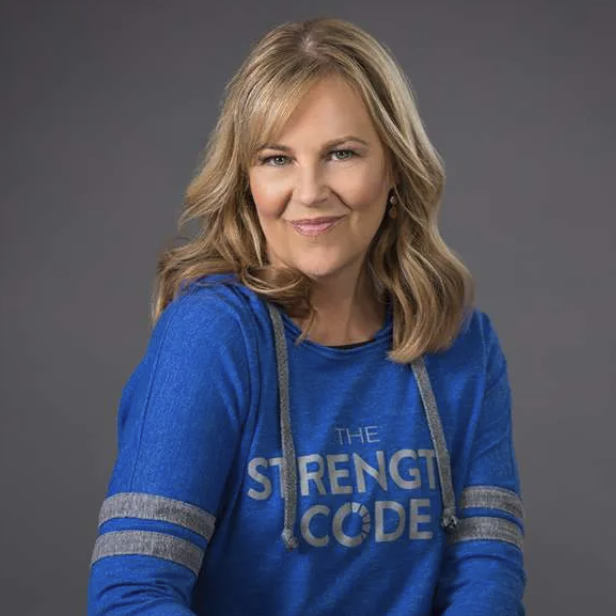
SHEILA MELODY: Her leadership combines personal experience with an attentive, highly organized coaching environment.
At A Glance
LocationToluca Lake, in the Burbank area of Los Angeles.
MethodSlow-motion, high intensity resistance training.
SessionThirty minutes, one trainer, one client, by appointment.
LeadershipOwner-led since 2012, with three trainers from the early years.
Owner Focus
Sheila's influence is most visible in the studio's tone: attentive without being intimidating, and disciplined without becoming severe. She wants clients to be known by name, coached with patience, and encouraged to recognize each completed session as evidence of what their body can still do.
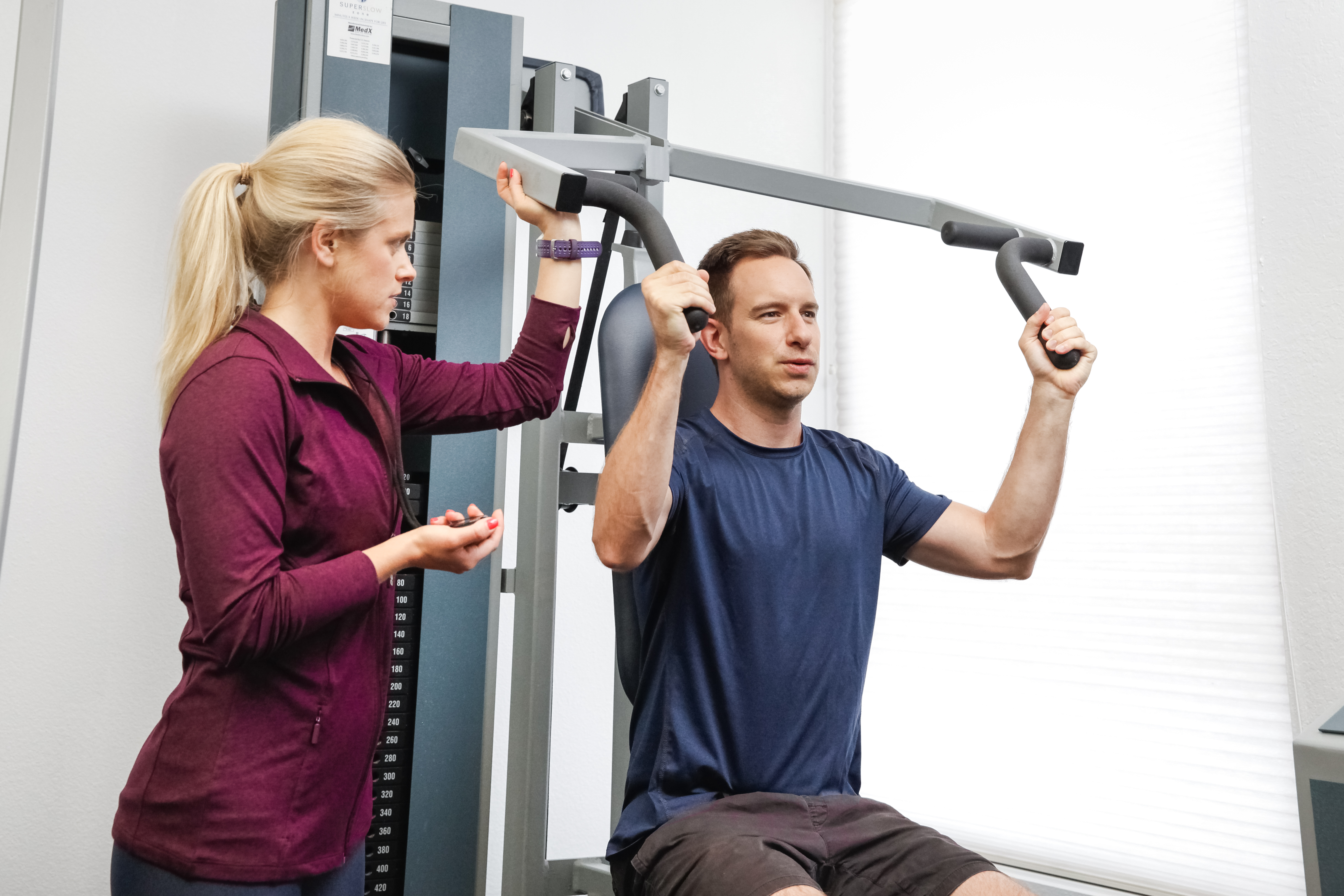
At The Studio: Sessions run by appointment, with the plan written and the equipment set before the client arrives.
The Strength Code Standard
Make It CountEvery exercise earns its place in the session; timing and resistance records guide what changes next.
Concierge CoachingThe trainer prepares the plan and equipment before the client begins, creating a focused, low-friction experience.
Safe By DesignSupported machines, deliberate cadence, and continuous observation limit momentum and keep technique consistent.
Measured ProgressExercise records reveal strength progression, while SECA scans provide a separate view of body-composition change.
|
The case here is practical. A half hour that is planned, timed, and written down tends to be kept, while an hour the client has to invent usually is not. Nearly every other decision in the studio, from the equipment to the appointment book, exists to protect that half hour.
Sheila Melody used this method as a client for years before she ran the place. What follows is an account of how a long personal habit turned into an operating standard: equipment set before the client sits down, sets timed rather than counted, and a written record carried from one appointment to the next.
The central promise at The Strength Code is not that exercise becomes effortless. It is that the effort becomes focused. Clients are asked to work deeply, but they are not asked to navigate a gym, design a program, or wonder whether their form is correct. The structure surrounding the workout removes distractions so the training itself can matter.
The Strength Code is an appointment-based strength studio in Toluca Lake where trainers guide clients through thirty-minute resistance sessions using slow, controlled repetitions on specialized equipment. The studio also offers body composition testing, several membership frequencies, a CAROL Bike, and a limited small-group circuit.
Sheila's own path shaped that view. Fitness has been part of her life since she was a high school cheerleader growing up in Illinois, and she taught classes at a small women's fitness studio and at Chicago Health & Racquet Club long before certification was standard. After moving to Los Angeles in her early twenties, she spent years working in the music industry and location-based entertainment while training regularly, including at-home video-based workouts as a young mother. Around two decades ago, a friend introduced her to a boutique training method called super slow, and she was struck by how impactful the training felt. When the chance came to take over one of those studios in 2012, she said yes out of passion, not a business plan, and never looked back.
This profile follows the ideas behind the business: why Sheila trusted the method enough to build around it, how a session is coached, how progress is documented, and why the studio has earned long-term loyalty in Toluca Lake and Burbank.
|
Why It Is Different
The method removes momentum from each repetition, asking the target muscles to do the work while the trainer controls variables that are often left to chance. |
Who It Serves
Its clients range from busy professionals and parents to active retirees, including people who have never felt comfortable in a conventional fitness environment. |
Why It Stands Out
The studio's continuity is unusual: long-tenured trainers, established client relationships, and an owner who has personally used the method for roughly twenty years. |
Sheila often describes herself as the studio's own typical client. She has used the method for roughly twenty years, and the pandemic closure made that personal connection especially clear. After several weeks without the equipment, returning to training changed how she felt physically and mentally. The experience reinforced a standard she still applies to business decisions: the studio should offer the kind of practice she would choose and depend on herself.
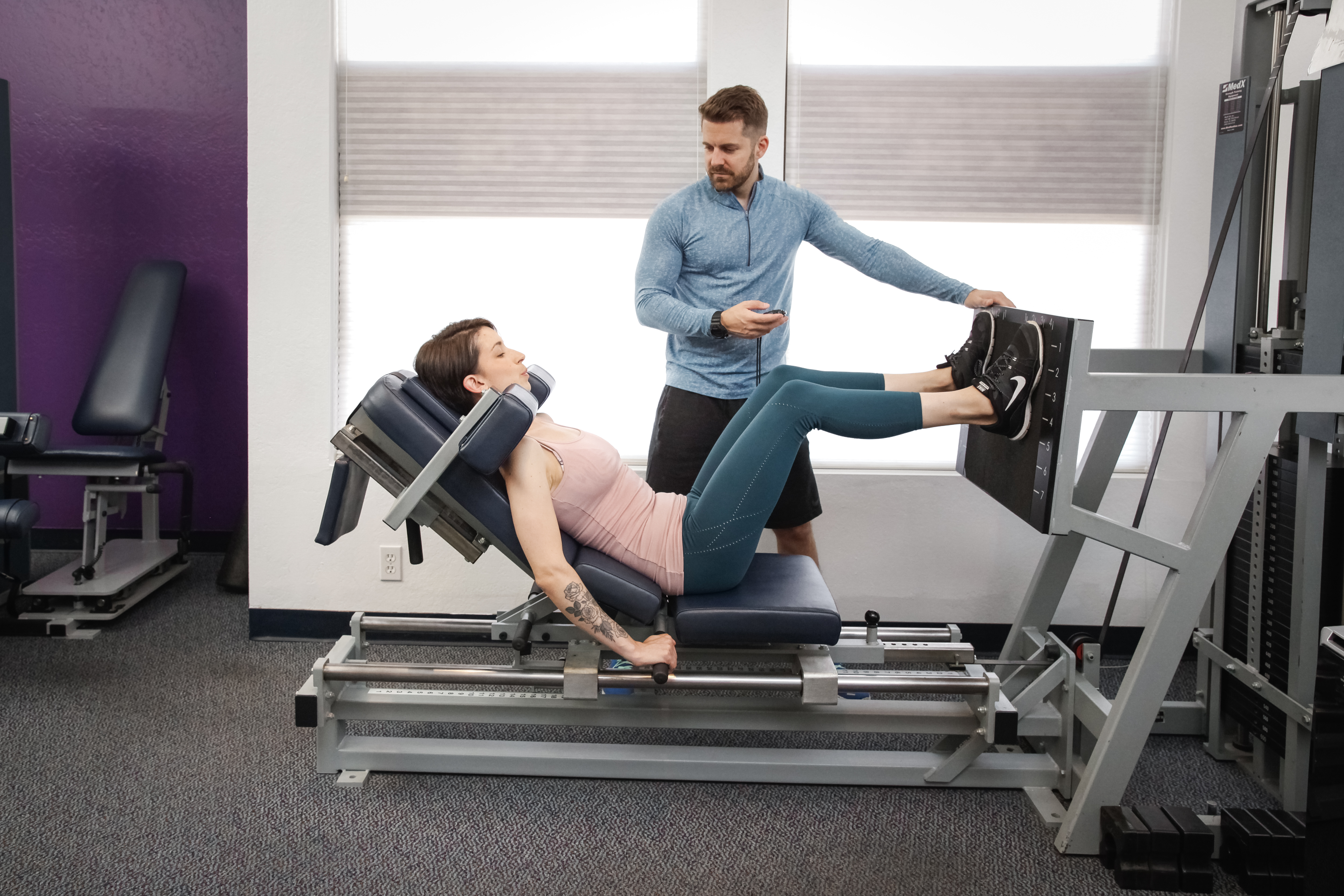
The method's foundation is the super slow protocol developed in the early 1980s by Ken Hutchins, refined through study into a precise way of reaching temporary muscle failure, safely and efficiently, providing a deep, effective stimulus. All Strength Code trainers are certified in the method and are also nationally certified personal trainers. In practice, that means stripping away guesswork and volume-for-its-own-sake in favor of value: lifting heavier than most people expect, very slowly and without momentum, so the muscles reach a deep point of effort within roughly two minutes on each supported machine.
A first appointment is structured to replace uncertainty with information. The trainer reviews the client's goals and limitations, completes the initial scan, explains the equipment, and introduces the movement pattern one step at a time. The client does not need to remember a routine or choose a weight. By the end, the unfamiliar setting has become a clear sequence they can repeat and build upon.
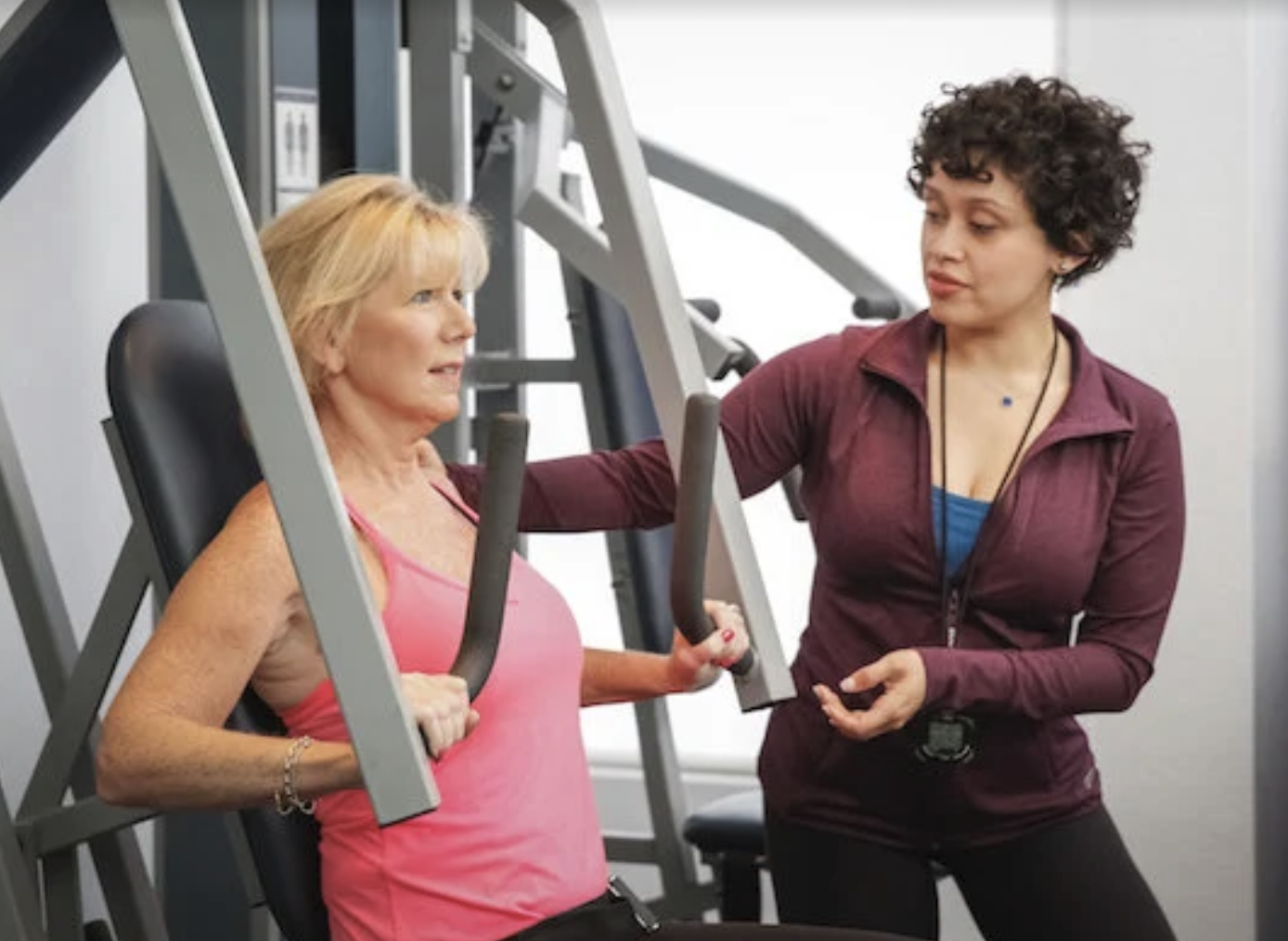
The one-on-one model changes the information available during a workout. A trainer can see the exact moment form begins to drift, hear a change in breathing, remember an old injury, and adjust resistance or range before the next repetition. The coach also knows when a client is capable of more than they think. That ongoing interpretation is difficult to reproduce in an open-floor workout or a large class.
The studio serves roughly 200 clients across about 1,100 sessions each month. Three trainers have been there since the studio's early years, an uncommon level of continuity in Los Angeles. Clients can keep a familiar coach who understands their history, preferred appointment time, and progression. Couples compare notes, relatives come in for introductions, and the most established time slots can remain reserved months ahead, giving the studio the rhythm of a private community.
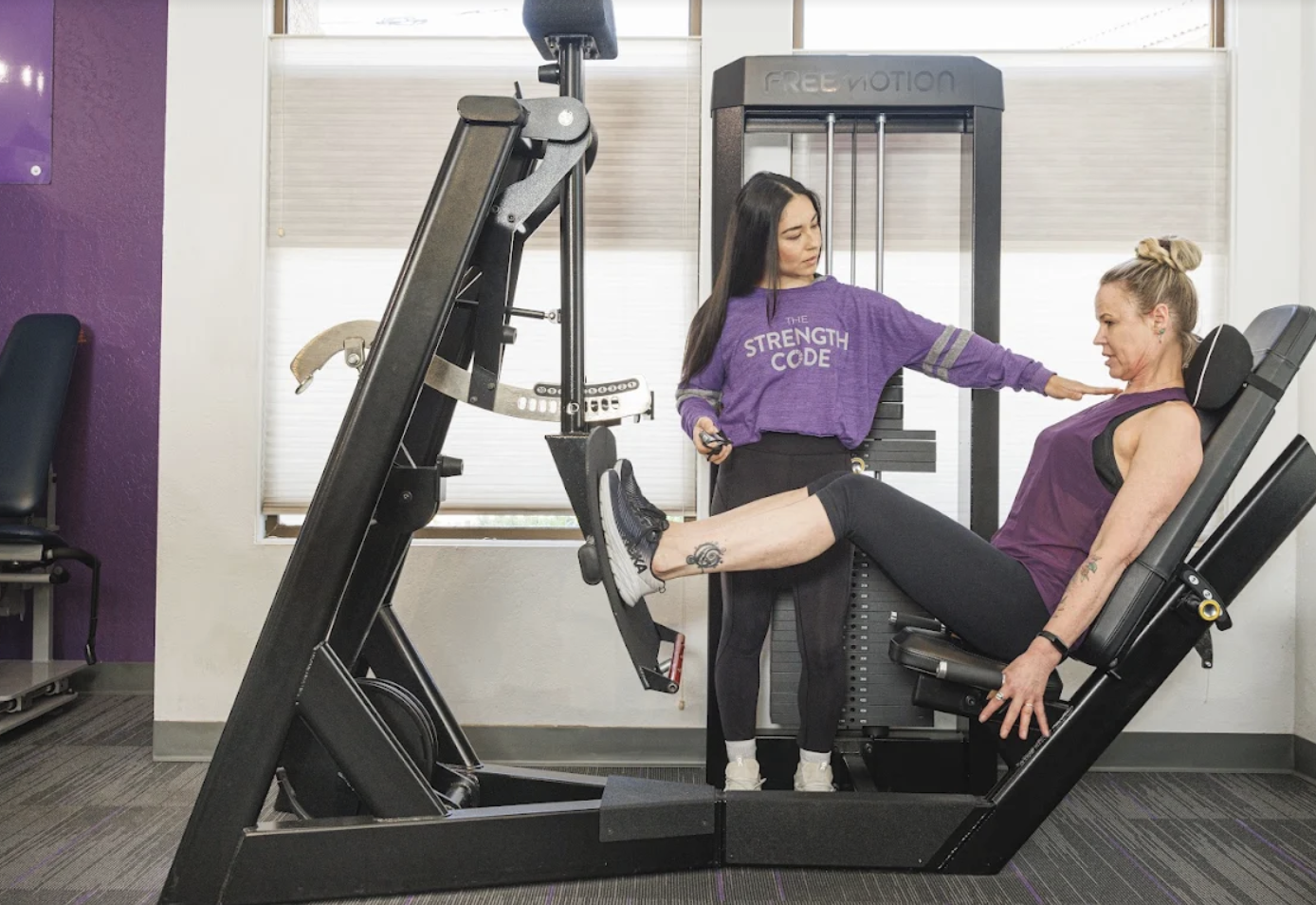
Progress is documented on two separate tracks. Exercise charts record resistance, duration, and the point at which the working muscles reach fatigue. Those records help trainers decide whether the next adjustment should be a small increase in weight, a change in range, or simply better control. Monthly SECA scans then measure muscle, fat, and hydration, giving members a broader view than body weight alone.
The first signs of change are not always numbers. Sheila hears about better-fitting clothes, more energy, and tasks that suddenly feel ordinary again. One client caught herself on a banister instead of falling. Another lifted a grandchild with new confidence. Someone else finally moved a heavy tote that had been a recurring struggle, while a traveler discovered she could out-walk the rest of her group. Those moments translate recorded progress into capability.
The most persuasive part of The Strength Code is the connection between records and real life. A number on a chart matters because it can become a steadier step, an easier suitcase, or more confidence getting up from the floor.
The service menu is deliberately focused. Structured strength appointments remain at the center, while measurement, flexible training frequencies, and a few complementary options support the core experience.
Fear often arrives before the first appointment. Some prospective clients assume they are too weak, too old, too inexperienced, or too far behind to begin. Sheila does not answer that fear with pressure. Trainers start conservatively, explain what the client is feeling, and let confidence develop from completed repetitions. The early win is not a dramatic transformation. It is the realization that the client belongs in the room and can participate successfully.
Sheila deliberately avoids the visual and social cues that can make people feel watched or behind. The studio is clean, easy to enter, and simple to navigate, with convenient parking and no open floor to cross before asking for help. For someone who has previously joined a gym and then avoided using it, a reserved appointment creates a clearer commitment: arrive, meet the trainer, complete the plan, and leave knowing the session is finished.
When the conversation turns to philosophy, Sheila returns to the phrase consistency over intensity. She does not want clients treating exercise as an occasional punishment. The aim is to establish a repeatable practice and progress it gradually. That matters more with age, as preserving muscle, bone support, grip strength, and balance becomes closely connected to opening jars, carrying groceries, rising from a chair, and moving through the day without unnecessary strain.
The slow-motion foundation remains consistent, but the programming is not rigid. Trainers may add cables, dumbbells, hip thrusts, or resistance bands to address smaller muscle groups, recovery needs, or individual goals. More experienced clients can be challenged with techniques such as drop sets when appropriate. The method provides the framework; the person determines how that framework is applied.
The Strength Code has operated in the Toluca Lake and greater Burbank area for 14 years, with particularly strong growth during the last three. Sheila connects that momentum to a broader change in how adults think about aging, metabolism, and maintaining physical ability. The business participates in both the Toluca Lake and Burbank chambers and is preparing for a franchise launch, a step intended to carry the operating model beyond its original location.
Its local presence is visible less through size than through continuity. Referrals bring friends and relatives into the studio, established clients hold recurring appointments, and the coaching team has remained unusually stable. As the business considers its next stage, that combination of community trust and operational consistency may be the most important part of what it carries forward.
Sheila Melody is the owner of The Strength Code. Her background spans early fitness instruction in Illinois, a career in music and entertainment in Los Angeles, and decades of personal training experience. She discovered the slow-motion method through a friend and assumed leadership of the Toluca Lake studio in 2012.
The studio is best known for highly structured appointments. The program is prepared in advance, equipment settings are handled for the client, repetitions are timed, and performance is recorded so each visit can build logically on the one before it.
Yes. The introductory process begins with goals, injuries, and baseline information. Trainers start conservatively, explain each movement, and adjust resistance, range, and pace according to the client's response. No previous gym experience is required.
Results vary by person, but Sheila described clients noticing more energy, changes in how clothing fits, and greater ease with ordinary tasks. Progress is evaluated through exercise records, body composition data, and practical improvements such as lifting, walking, balance, and stamina.
The Toluca Lake studio combines an unusually stable coaching team, long client relationships, convenient appointment continuity, easy parking, chamber involvement, and a quiet environment designed for people who do not identify with conventional gym culture.
- The business grew from Sheila Melody's own long-term use of the method, giving its philosophy a personal rather than purely promotional foundation.
- Clients are not left to plan or troubleshoot their sessions; coaching includes preparation, observation, and adjustment from start to finish.
- Progress is documented through exercise records and body composition data, then judged by how strength appears in ordinary life.
- The studio's strongest evidence is continuity: veteran trainers, loyal clients, and a local practice that has grown steadily since 2012.
The Strength Code succeeds by making strength training feel specific. The client knows who is coaching them, what the day's session is meant to accomplish, and how the next appointment will build on it. That clarity may explain why people who once avoided gyms are able to return week after week, and why so many relationships at the studio have lasted for years.
For Sheila, the larger goal is autonomy. She wants clients to trust their bodies enough to travel, carry, climb, recover their balance, and remain involved in the lives they have built. The workout is only the scheduled half hour. Its value is revealed during all the unscheduled hours that follow.
Sheila Melody is the owner of The Strength Code in Toluca Lake, California. Her path began with cheerleading and early fitness instruction in Illinois, then continued alongside a career in music and location-based entertainment in Los Angeles. After discovering the slow-motion method through a friend, she took over the studio in 2012 and developed it into an established local practice with long-tenured trainers and clients across several generations.
Sheila summarizes her philosophy with three phrases: make it quick, make it safe, and make it count. Beneath that language is a practical mission to remove unnecessary barriers, replace intimidation with guidance, and help clients preserve the physical autonomy that supports a full life.
Her work centers on slow-motion, high intensity resistance training, individualized programming, exercise tracking, body composition analysis, and progressive overload. The studio's values appear in its precision, trainer continuity, respect for each client's starting point, and belief that a well-coached session should leave the person feeling capable rather than judged.


Write A Comment