
This is a custom HTML / JavaScript Element
In order To See Your Custom HTML/JavaScript Code in Action You Must Click On The Preview Page Button, Your Code is NOT going to be active in the edit mode
|
Local Fitness Leadership Series
Editorial Spotlight / Columbia, South Carolina
|
By Mark D.R. Ford
Managing Editor
|
Creating a Personalizedand Community-FocusedFitness Experience
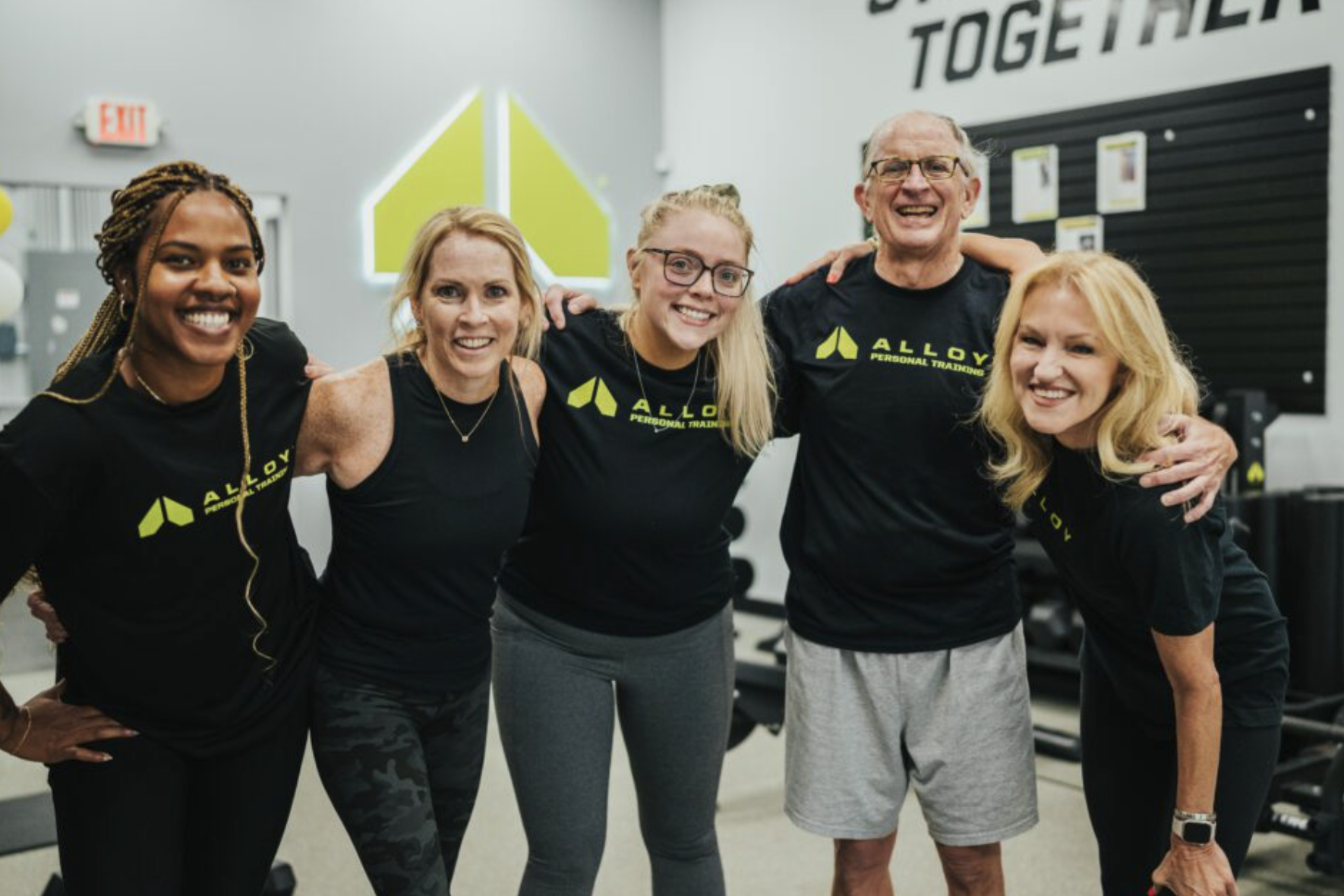
|
Aaron Eish once had roughly 1,500 clients on his roster. Two studios, a director’s title, and a room that never stopped moving. What stayed with him was not the size of the operation. It was what the size cost him: at that scale, he could not have told you what most of those people were training for.
The studio he directs now is built to hold a fraction of that. Alloy Personal Training on Rosewood Drive in Columbia, South Carolina works toward a ceiling of roughly 130 to 150 clients, and Eish describes that number as the entire point: the level at which he can still run every intake himself, notice who has gone quiet, and pick up the phone about it.
“They’re going to remember how much I cared about them.”
Aaron Eish, Studio Director / Alloy Personal Training Rosewood
What Members Notice First
Nobody trains here before sitting down with Eish first. He calls it the Starting Point Session, and it runs about an hour: goals, injury history, and nutrition, then an InBody 570 body composition scan, then a functional movement screen across ankles, knees, hips, and shoulders, then a short sample workout so the format stops being a mystery before anyone commits to it.
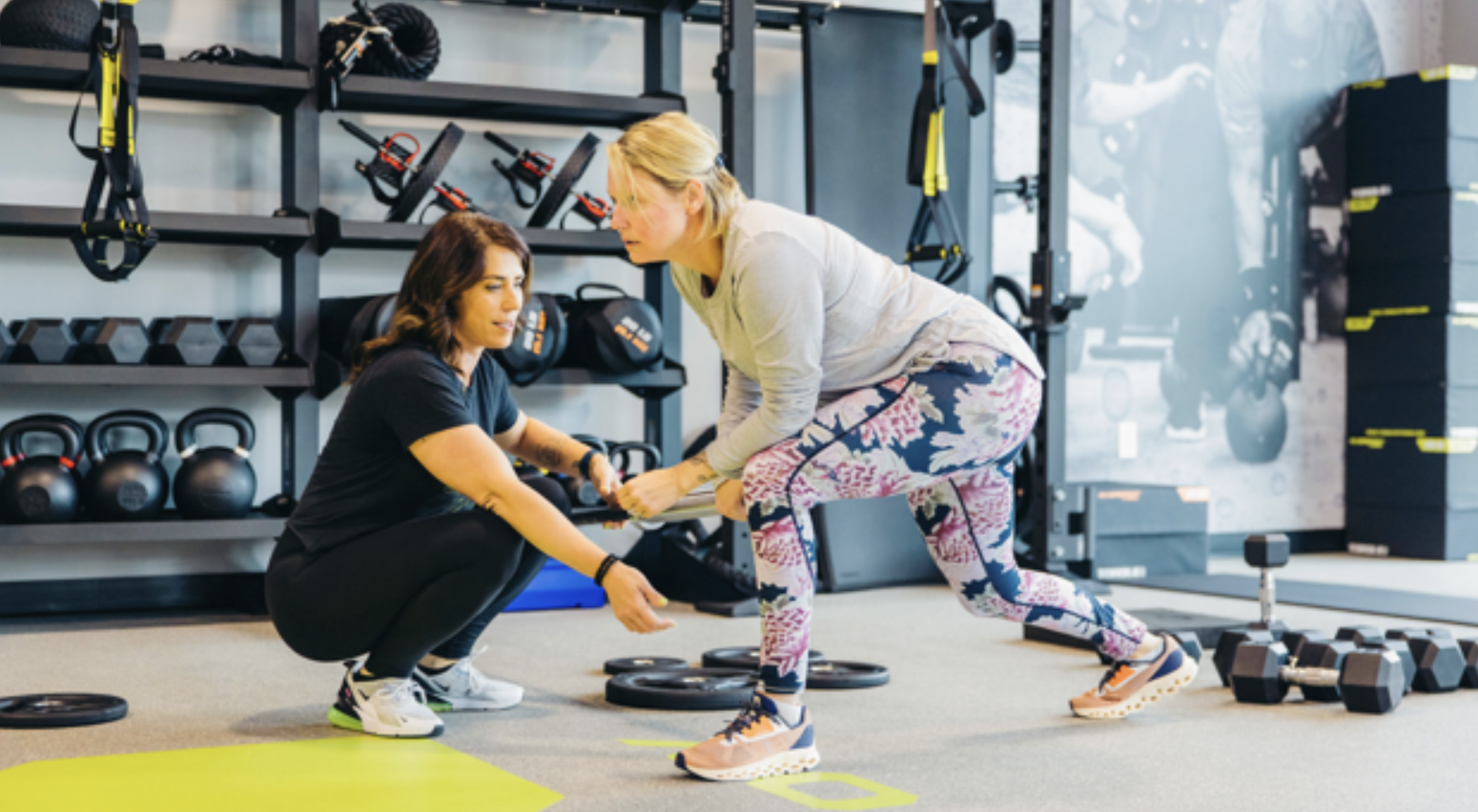
The room itself is small by design. Sessions hold one to six people moving through three stations in superset pairs before a short metabolic finisher. The programming arrives from Alloy’s franchise team in Atlanta and is then adjusted client by client: around a shoulder that will not tolerate pressing, a knee returning from surgery, a body that has not trained in a decade.
What members describe afterward is rarely the workout. Eish said a fitness studio can be an intimidating place to walk into, particularly for someone arriving unhappy with where they are, and that meeting a person at that door matters more than anything on the whiteboard. The average client at Rosewood is between 40 and 50. The oldest he has coached was 80. The youngest was 12.
|
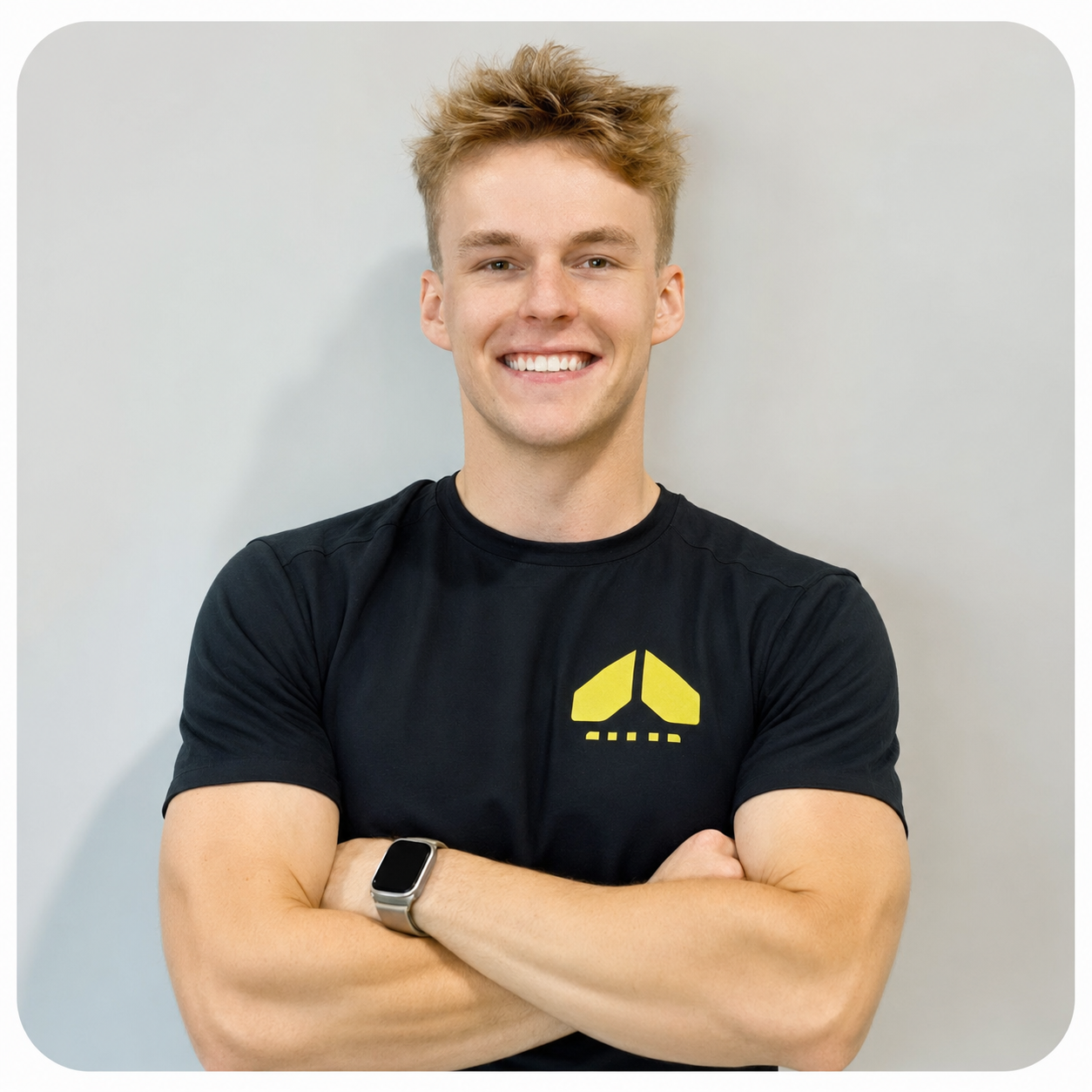
AARON EISH: The studio director of Alloy Personal Training’s Rosewood location, who handles client intake, retention, and monthly check-ins himself.
At A Glance
LocationColumbia, South Carolina, at 2807 Rosewood Drive.
MethodFunctional strength training, built from each member’s own program.
Group SizeSmall-group personal training, one to six clients per coach.
Member CeilingRoughly 130 to 150 clients, kept deliberately small.
Director Focus
Aaron Eish holds the studio to one standard: keep it small enough to run every intake, read every scan, and notice when a member goes quiet. He is not chasing volume. He wants a room where no one becomes anonymous.
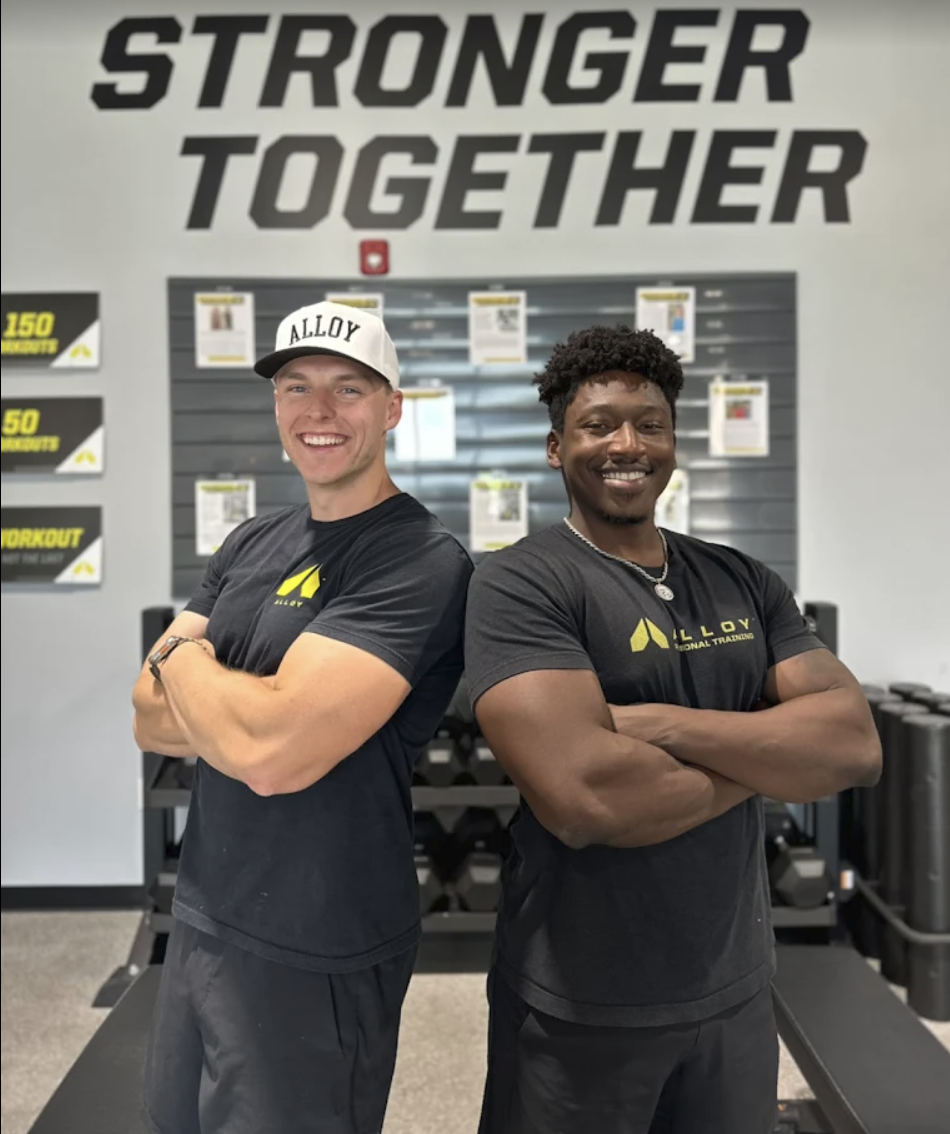
On Rosewood Drive: Alloy Personal Training’s Rosewood location sits at 2807 Rosewood Drive in Columbia, South Carolina.
Alloy Rosewood Standard
Starting PointMembership begins with an hour covering goals, injuries, a body composition scan, a movement screen, and a sample workout.
Small By DesignSessions hold one to six people, close enough for form corrections, honest modifications, and conversation during the work.
Measured ProgressBody composition is rescanned every thirty days, separating fat loss from lean mass instead of reading scale weight alone.
Shared TableMembers meet up at monthly events outside the studio, and Alloy Rosewood partners with local massage, chiropractic, and skin-care businesses in Columbia.
|
Alloy Rosewood makes its case on the floor rather than in the marketing: the intake hour, the thirty-day scan, and the phone call after a missed session are treated as the product, not the extras. What follows from that is a studio deliberately capped so its director can keep every one of those promises himself.
This profile traces how a director who once managed roughly 1,500 clients chose a room a fraction of that size, and how a capped roster, an hour-long intake, and measurement every thirty days shape what members experience at a Columbia studio.
A personalized fitness experience is easy to advertise and difficult to structure. At Alloy Personal Training’s Rosewood location, the structure comes first: a capped roster, a small room, an intake process that happens before anyone signs anything, and a director whose primary responsibility is not programming workouts but keeping relationships with the people doing them.
Alloy Personal Training’s Rosewood location is a small-group personal training studio in Columbia, South Carolina, directed by Aaron Eish. Sessions hold one to six clients and focus on full-body functional strength training. Membership begins with a Starting Point Session (goals, injuries, an InBody body composition scan, a functional movement screen, and a sample workout) and continues with thirty-day rescans, accountability check-ins, and general nutrition guidance. The studio works toward a member ceiling of roughly 130 to 150 clients.
Eish is direct about why the ceiling exists. Alloy Rosewood can handle somewhere between 130 and 150 clients, he said, and that figure is the sweet number: high enough to run a business, low enough that every client who walks in has a personal connection to the person who signed them up. Everything else in the studio follows from that arithmetic.
What follows is drawn from Aaron Eish’s account of how the studio trains, who walks through its door, and why he treats intake, measurement, and follow-up as part of the program.
|
The Method
Small-group functional strength training of one to six people, programmed by Alloy’s Atlanta team and adjusted client by client around goals and injuries. |
The Audience
Members averaging 40 to 50, including people returning after long breaks or training around injuries, each on a program written for them. |
The Distinction
An hour-long intake before anyone begins, thirty-day rescans, and a phone call when someone disappears from the schedule. |
Eish has been active since he was four years old: competitive swimming first, then soccer, then swimming at a semi-national level through high school. He stepped away for a period he describes as a season of growth and challenge, and returning to training was, in his account, less a decision than a conviction. He is candid that his faith is the reason he came back to fitness and the reason he stayed in it.
The professional path ran through large-format group fitness. He coached at Orange Theory Fitness, became a head coach developing other coaches, then oversaw two studios and roughly 1,500 clients, then moved into a studio director role that added sales to the job. Between that and Alloy came a purely transactional sales position, a job he describes flatly as the thing that clarified what he actually wanted.
What appealed to him at Alloy was twofold. The first was ownership: he came to Rosewood with the stated goal of eventually owning the business he runs. The second was the room. In sessions of one to six, he said, there is space for form adjustments, real challenge, and motivation delivered to a person rather than broadcast at a crowd. The difference between that and a floor of forty is not philosophical. It is a matter of how many people a coach can actually see.
That attention continues after the first session. Eish keeps injury updates current, reviews body composition scans every thirty days, and reaches out directly when someone has missed several sessions. The purpose is to make sure no member becomes anonymous inside the schedule and that the program changes as the person’s body, confidence, and circumstances change. Monthly gatherings and partnerships with local wellness businesses extend the same relationship beyond the workout, reinforcing the family-like environment he wants people to feel from the moment they walk through the door.
A member at Alloy Rosewood is meant to feel expected. Eish makes the first call himself, runs the intake, and keeps the check-ins going afterward. When a client misses several sessions, the phone rings. When a client reaches a thirty-day scan, the numbers are read together. He describes the relationships as outlasting the memberships: some clients from previous studios followed him here, some who have left still keep in touch, and several are attending his wedding next February.
The Starting Point Session is the studio’s front door, and Eish runs all of them. It begins earlier than the appointment does: a ten- to fifteen-minute phone call in which he tries to learn who is calling and why, before anyone drives to Rosewood Drive. The session itself takes about an hour and is deliberately sequential.
Goals and injury history come first, then nutrition. Then the InBody 570 scan, which reports muscle mass, lean body mass, body fat mass, intracellular and extracellular water, and visceral fat. Then a functional movement screen (roughly ten minutes across a squat, a shoulder mobility movement, a hip hinge, and an ankle mobility test) to find pain and restricted range before a program is built on top of them. Then a short sample workout: two exercises at a station, alternating, then the next station, then a metabolic finisher, so the person understands what a set, a rep, and a coached correction actually feel like.
Only then does the conversation return to the scan. Eish translates the numbers into daily protein, sugar awareness, and water intake (he noted how many people are dehydrated without knowing it) and makes a recommendation about frequency. For most clients, that is two to three sessions per week. The sign-up, if it happens, comes last.
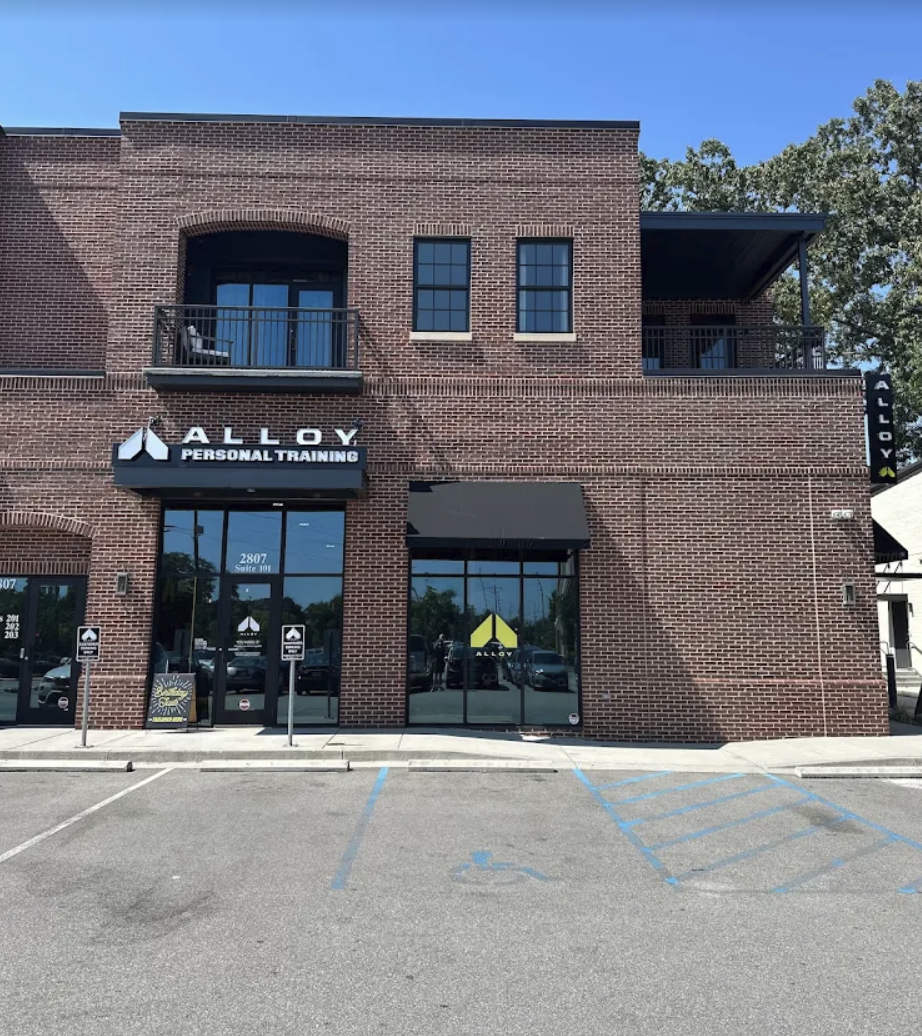
Every client rescans every thirty days. Eish is uninterested in scale weight as a standalone figure; what he wants to know is what the lost mass was made of, and whether the lean mass held. The InBody prints a running line graph at the bottom of the report, which means a client can watch the composition of their own body change over a year rather than guess at it.
Alloy Rosewood matters because it treats scale as a standard rather than a limitation: a capped roster, an intake hour before training begins, and measurement every thirty days that turns effort into evidence.
Based on the interview, Alloy Rosewood is built for people who want coached small-group strength training, structure, measurement, and someone who notices when they stop showing up.
“Alloy Fitness is amazing! The workouts are designed to push you, and the staff truly care about helping you reach your goals. They don’t just motivate you, they follow up and check in to keep you accountable.”
Eish points to a member named Roger White as the clearest illustration. White arrived a little over a year ago after inquiring through a social media ad, unhappy with where he was and inactive since COVID closed the gym he had been using. He never went back after it reopened. He now trains three mornings a week with Patrick, one of the studio’s trainers. Between his first scan and his most recent, Eish said, White has lost more than fifty pounds of fat specifically while gaining an estimated ten to twenty pounds of muscle: the result, in Eish’s telling, of consistent training and changed nutritional habits rather than anything exotic. He has since settled into maintenance, and the studio’s job has shifted from driving change to protecting it.
Eish is careful to credit the member, not the method. What he described noticing most was not the number on the report. It was the demeanor: a man who came in discouraged and now carries himself, in Eish’s words, like a completely different person. Individual experiences vary.
Asked what the industry makes unnecessarily complicated, Eish answered without hesitation: social media. Not because the information is wrong (he is careful to say much of it is not) but because the volume of it is unusable for someone without a background in training. A person trying to start cannot tell which of a thousand competing tips applies to their body, their injuries, or their week.
His alternative is unglamorous. Keep it simple. Be consistent. Be mindful of what you eat. He returns to consistency as the single variable that predicts results, and to the arithmetic behind it: a client sees him for one to three hours a week, which leaves more than 160 hours in which the rest of their life happens. The check-in call exists because of those other hours, not the ones inside the studio.
Consistency, in his account, is also personal rather than prescriptive. Three sessions a week plus daily walking may be realistic for one client. For a single parent with three children and school on top of it, once a week plus bodyweight work at home may be the honest answer, and Eish says he will program that, because a plan the person can actually keep is the only kind that compounds.
The goals he is proudest of reflect the same logic. He described a member whose target had nothing to do with a barbell: cutting out the Reese’s he had been grabbing in the grocery checkout line, often finishing them before he reached the car. Eish put it on the accountability call for the following month. He did not get to ask. The member volunteered it, a month clean, and, in Eish’s framing, that was self-discipline the man built himself.
Eish’s stated goal for the studio is larger than the studio: building a healthier sense of community in Columbia. That shows up in partnerships rather than promotions. Alloy Rosewood works with a local massage therapist, an esthetician, and chiropractors, and partners with Strictly Running, a shop up the street, on local running events. The studio hosts a member event most months: last month, roughly twenty-five to thirty clients at a brewery up the road, seated at one long table. In August, the location marks its second anniversary, and the plan resembles last year’s: vendors in the studio, food, and the local partners who have become part of how the place operates.
There is a private reason underneath the public one. Eish had three grandparents die before the age of 70, in circumstances he attributes substantially to health and inactivity. He does not describe that as a marketing story. He describes it as the thing that makes a room full of 40- and 50-year-olds building muscle mass feel urgent, because functional strength training is, in his view, one of the few reliable levers on how long a body stays capable, and how good those years are.
For people searching for a personal trainer in Columbia, small-group strength training near Rosewood Drive, or a studio that will work around an injury rather than ignore it, Alloy Rosewood offers a clear local point of difference: a room that is trying to stay small enough to know you.
Aaron Eish is the studio director of Alloy Personal Training on Rosewood Drive in Columbia, South Carolina. In his interview, he described a background in competitive swimming and soccer, several years coaching and directing large-format group fitness studios, and a move to Alloy for a smaller room where he could run every client intake, track progress personally, and eventually own the business.
The Rosewood location is known for small-group personal training sessions of one to six people built around full-body functional strength training, with programming customized to each client’s goals, injuries, and current fitness level.
Aaron Eish described the Starting Point Session as roughly an hour: a conversation about goals, injuries, and nutrition, an InBody 570 body composition scan, a functional movement screen covering ankles, knees, hips, and shoulders, a short sample workout, and a review of the scan results with practical protein and water guidance.
Based on Aaron Eish’s interview, the average client at the studio is between 40 and 50 years old. He said the oldest client he has worked with was 80 and the youngest was 12, and that workouts are modified around injuries, pain points, and experience level so people can train safely.
Aaron Eish pointed to scale and relationship. The studio works toward a ceiling of roughly 130 to 150 clients, sessions hold one to six people, body composition is rescanned every thirty days, and missed sessions are followed by a call or text rather than left unnoticed.
- Alloy Personal Training’s Rosewood location is a Columbia, South Carolina small-group personal training studio directed by Aaron Eish, working toward a member ceiling of roughly 130 to 150 clients.
- Membership begins with a Starting Point Session: goals and injuries, an InBody 570 body composition scan, a functional movement screen, a sample workout, and a frequency recommendation.
- Training is full-body functional strength work in groups of one to six, programmed by Alloy’s Atlanta team and customized around each client’s injuries and capability.
- Progress is rescanned every thirty days, accountability is delivered by direct calls and texts, and community is built through monthly member events and local partnerships.
Alloy Rosewood is not a story about a training method. Functional strength training is well established, and the workouts arrive from a franchise team a state away. The story is about what a studio chooses to keep in-house: the first phone call, the intake hour, the scan every thirty days, the text when someone disappears from their four o’clock. Those are the parts that do not scale, which is precisely why Aaron Eish built the roster around them rather than the other way around.
He said members will forget most of the workouts: they will have been out of breath for a good portion of them. What he believes they will remember is whether anyone was paying attention. For people in Columbia who have tried the alternative and found it easy to disappear inside, that may be the whole proposition: care, applied often enough to become consistency.
Aaron Eish is the studio director of Alloy Personal Training on Rosewood Drive in Columbia, South Carolina. He has been active since the age of four, competing in swimming and soccer and swimming at a semi-national level in high school. He entered the fitness profession through group training, coaching at Orange Theory Fitness before advancing to head coach, then overseeing two studios and roughly 1,500 clients, then studio director. He joined Alloy for a smaller room, a closer coaching model, and a long-term goal of one day owning the studio he directs. His work at Rosewood centers on client intake, retention, accountability, and program customization.
Eish’s philosophy begins with meeting each client where they are: loading the muscles appropriately, varying the stimulus so the body does not plateau, and adjusting around injuries and comfort rather than pretending they are not there. He describes his purpose in plain terms: that the work is faith-driven, and that helping people stay healthy and capable is how he understands his role. Underneath the method is a family history he does not hide from: three grandparents lost before 70, and a conviction that no one else should lose those years.
His specialties include client intake and assessment, functional strength programming, body composition tracking with the InBody 570, functional movement screening, injury-aware modification, and general nutrition guidance. His values show up as accountability calls, thirty-day rescans, sessions capped at six people, member events across Columbia, and relationships that continue long after a membership does.


Write A Comment