 Add Row
  Add
Add 

As 2026 approaches, the fitness industry is experiencing a profound shift. The convergence of holistic coaching, advanced technology, and focused inclusivity is fundamentally changing how gyms operate, trainers instruct, and participants achieve their goals. From AI-powered feedback to group classes designed for all ages, the new landscape defines not only what it means to be fit, but also who feels welcome in fitness spaces. This article explores the key drivers behind these trends — and how trainers are leading the way with approaches that prioritize long-term well-being over fleeting results.
What You’ll Learn
- What ‘fitness trends 2026’ truly means for gyms, trainers, and participants
- Why these trends are gaining momentum in the fitness industry
- How to adopt new fitness approaches in your training or gym setting
- Common missteps and misconceptions when adapting to new fitness trends
Industry Landscape: The Shifting Fitness Trends 2026
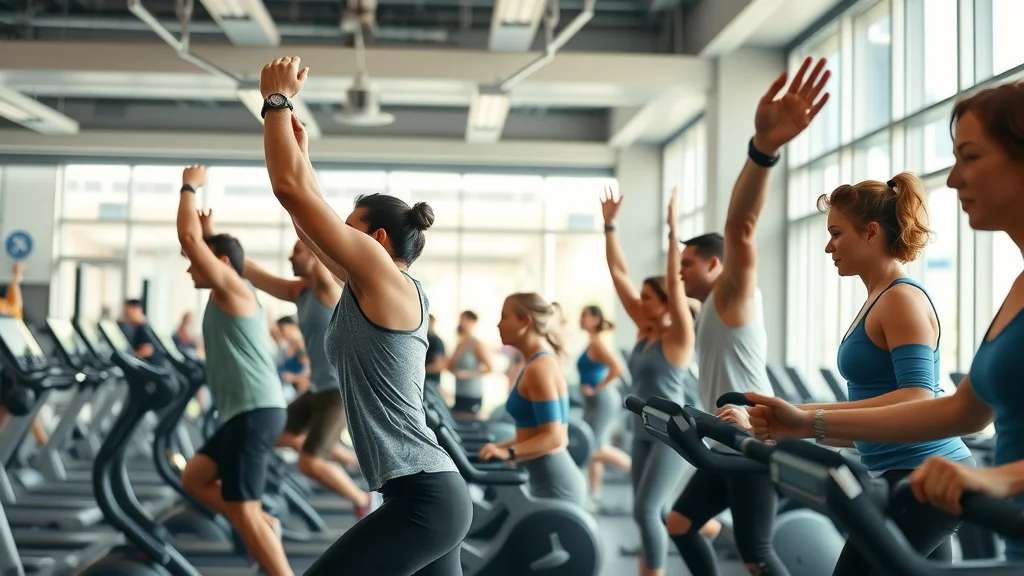
Fitness Industry Evolution: Observing The Major Changes
The fitness industry in 2026 bears little resemblance to its past counterparts. In recent years, fitness trends have broadened beyond aesthetics and performance, centering more on holistic health and community engagement. Top gyms now seamlessly integrate digital fitness equipment with traditional weights, while trainers regularly use real time data from wearable technology to adjust routines, monitor heart rate variability, and track client progress. This evolution is not simply about adopting the latest gadgets; rather, it signals a culture shift. The new fitness trends 2026 align gym programming with the needs of a wider demographic — especially older adults, who are increasingly prioritized in training spaces. Key roles are played by trainers who skillfully blend evidence-based methodologies with empathy, creating spaces that are as much about connection and support as about sets and reps.
Critically, the fitness industry is moving toward a more sustainable model. Instead of quick-fix programs, there’s a growing demand for routines that improve posture, promote heart health, and preserve muscle mass over the long term. This outlook, once considered niche, is now mainstream — as reflected by new training certifications and the redesigned layout of many modern fitness centers. Many gyms have reshaped their environment, introducing functional zones, biometric screening stations, and recovery suites. The result is a dynamic, resilient industry that offers something for every fitness level while remaining grounded in safety and inclusion.
How Fitness Trends 2026 Are Redefining Standard Practices
The impact of fitness trends 2026 on day-to-day practices is substantial. Trainers are increasingly relying on digital platforms and AI-powered fitness apps that deliver real time feedback, helping clients enhance joint stability, monitor heart rate, and minimize injury risk. This shift also supports mental health by reducing the intimidation factor of traditional gym environments, fostering broader participation — particularly among older adults and newcomers. Training programs now often include functional movement screens and personalized progression models tailored for each fitness level, welcoming those previously overlooked by the fitness industry.
A notable aspect of these updated approaches is the focus on inclusivity and accessibility. Group classes are being redesigned to emphasize community, mobility, and lifelong strength, rather than competition or speed. Everyone from high-performance athletes to million Americans over the age of sixty are encouraged to participate. Ultimately, this comprehensive overhaul demonstrates how fitness trends 2026 are redefining what it means to “stay active” and why these shifts matter for the health and fitness sector at large.
New Fitness Trends 2026: Defining the Conversation
Context: What’s Driving Change in the Fitness Industry
Several forces are behind the emergence of the latest fitness trends 2026. Chief among them is shifting population demographics — with a substantial rise in older adults actively seeking to remain engaged, preserve muscle, and foster heart health. As longevity and quality of life become central goals, both gyms and trainers now recognize the importance of adapting to these evolving needs. The proliferation of wearable technology provides a foundation for this transition, allowing for the collection and analysis of real time biometric data such as heart rate and rate variability.
Digital integration is another driving force, making it easier for participants to access training programs, track progress, and adjust plans according to their unique fitness levels. This reflects a broader innovation movement within the fitness industry. As technology enables a higher degree of customization and feedback, trainers and gyms are empowered to offer solutions to a wider range of clients. A final but essential factor is cultural: the growing societal recognition that health and fitness are lifelong pursuits, not short-term projects, plays a key role in shaping how people train and why they participate.
Spotlight on Fitness Trend Adaptation Among Top Trainers
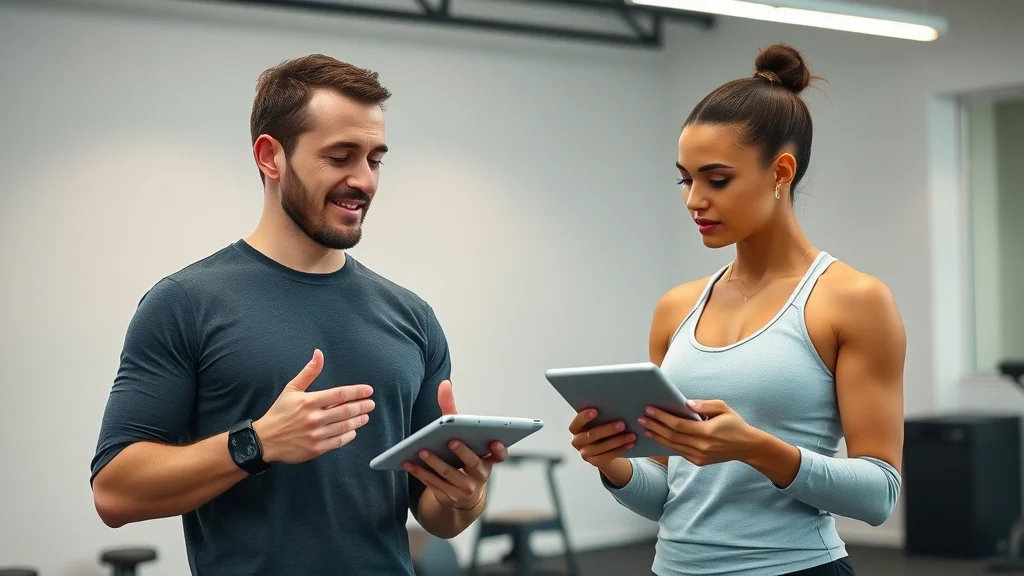
In leading gyms and studios, adaptation is taking many creative forms. Top trainers now incorporate a combination of resistance training, functional strength circuits, and balance drills, all supported by artificial intelligence platforms that provide ongoing, real time feedback on movement patterns and performance. Trainers are also integrating mental health components — such as guided mindfulness, stress management, and active recovery protocols — into weekly programming. The most significant change, however, may be their focus on designing sessions suitable for participants of all ages. Instead of separating older adults from the general gym population, trainers now blend group classes, ensuring that modifications and safety considerations are woven into every aspect of the session.
This approach, observed at official websites and major fitness facilities, demonstrates the growing importance of professional adaptability. Trainers are increasingly required to stay current with industry certifications, advanced programming frameworks, and emerging technology. Above all, they prioritize careful progression and joint stability to minimize injury risk and extend the fitness lifespan of every client. This practical shift is reverberating across the health and fitness sector — a development likely to shape the broader trajectory of the fitness industry well beyond 2026.
Expert Framing: Approaches in the Fitness Industry for 2026
How Many Coaches and Trainers Are Rethinking Techniques
Many coaches are beginning to overhaul their methods in response to these shifts. For instance, a significant number are prioritizing longevity and holistic wellness, moving away from routines focused solely on aesthetics or maximal strength. This adjustment allows them to accommodate a wider range of fitness levels, placing particular emphasis on joint stability, improving balance, and heart rate variability as measures of progress.
"A growing number of trainers are shifting towards holistic and longevity-focused routines, as observed in leading facilities this year."
Trainers are also exploring how structured progression and feedback systems, supported by wearable technology and real time data, can increase engagement and safety. In practice, this means that training programs are no longer “one size fits all. ” Individual goals, injury histories, and daily fluctuations in heart rate or stress levels are acknowledged — allowing for adaptive workouts that help preserve muscle, mental health, and overall resilience. As a result, clients of all backgrounds and abilities are able to access high-quality, personalized instruction.
Embrace of Technology and Personalized Programming
Technology now plays a key role in the modern fitness industry. Personalized fitness apps, AI coaching platforms, and smart wearables are prevalent across gyms, empowering trainers to craft ultra-customized routines. Features like heart health monitoring, exercise video feedback, and real time workout adjustments ensure participants stay within safe and productive training zones. This tech-driven approach not only enhances outcomes for experienced athletes but also lowers the barrier for older adults or those just beginning their fitness journeys.
In addition, digital programming allows for instant modifications based on rate variability, fatigue levels, and other internal cues. Artificial intelligence-driven coaching adapts plans session-to-session, ensuring ongoing appropriateness for each user’s needs. As this trend accelerates, both trainers and clients gain access to insights that were previously confined to elite sports science settings, helping the entire fitness industry make informed, sustainable choices in pursuit of better health.
The Rise of AI and Digital Solutions in Fitness Trends 2026
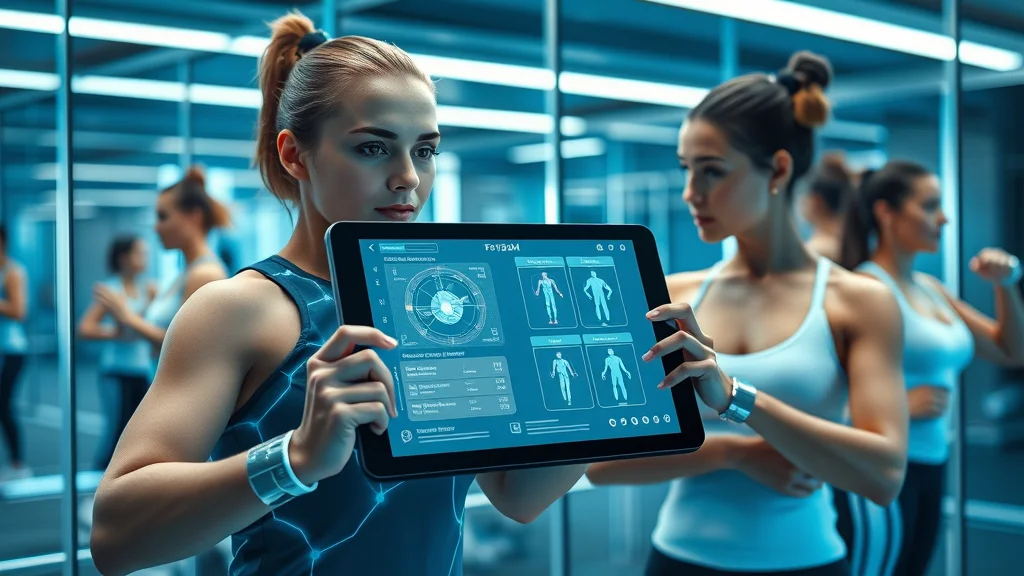
Artificial intelligence has become one of the most influential drivers of fitness trends 2026. In many gyms, AI-powered smart mirrors, interactive screens, and biometric sensors are now standard. These systems provide immediate, actionable feedback — monitoring user form, heart rate, range of motion, and even rate variability during sessions. Trainers leverage this data to refine their programming and tailor individual or group workouts. The benefits extend as well to injury prevention and long-term progression, helping ensure that clients preserve muscle, stay motivated, and improve posture through safe progression.
For older adults, the impact is especially meaningful. Wearable technology platforms can flag early signs of overtraining or decline in joint stability, allowing modifications to be made proactively. In this way, digital innovation is not just a fitness trend; it is a fundamental shift, leveling the playing field for everyone in the health and fitness community and driving sustainable, high-quality results.
Practical Application: Bringing Fitness Trends 2026 Into Training
Translating Fitness Trends 2026 Into Weekly Routines
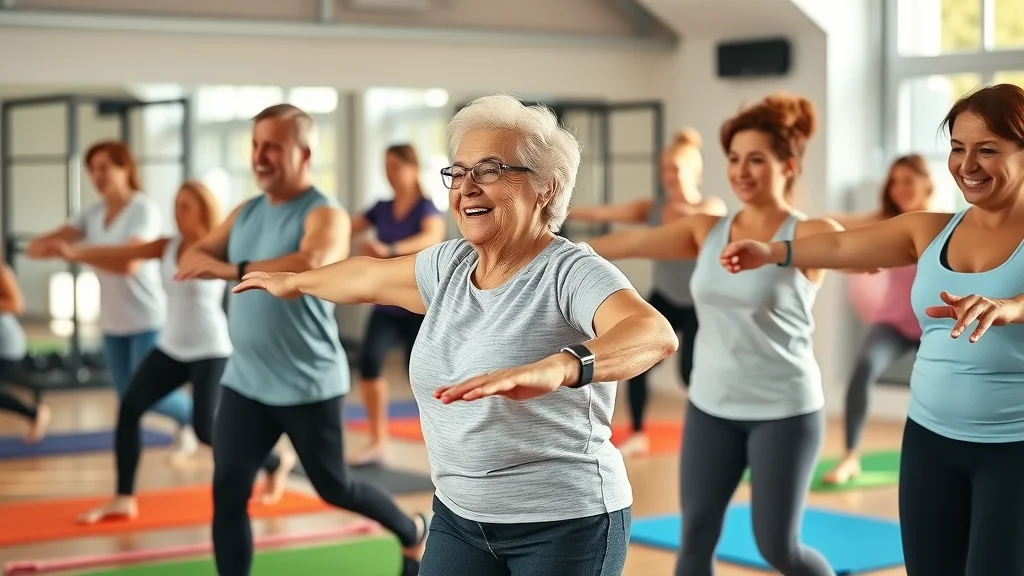
Integrating fitness trends 2026 into weekly routines requires a thoughtful, evidence-based approach. Leading trainers and facilities start by balancing foundational strength training with mobility, balance, and recovery elements. Typical weekly schedules might blend group cardio intervals, AI-guided circuit training, and dedicated recovery or mindfulness blocks. Older adult participants enjoy tailored progression options — from simple bodyweight movements to controlled resistance training that improves posture and joint stability.
Fitness apps play a key role here, allowing clients to track progress, measure heart rate variability, and receive daily reminders for movement and mindset work. This framework offers structure but leaves room for individualization; weekly routines are designed to scale up or down based on real time feedback and client readiness. The value is clear: by blending tradition and innovation, gyms can support lasting engagement, safety, and results at every fitness level.
Exercise Selection and Programming for All Ages—Especially Older Adults
- Adapting progression for older adult clientele
- Functional mobility and strength enhancements
- Blending traditional and current programming frameworks
In 2026, the emphasis on exercise selection for all ages — especially older adults — is reshaping programming norms. Trainers carefully adapt progressions, ensuring each client moves forward at a comfortable and safe pace. This includes prioritizing functional mobility (enhancing basic movement skills), resistance training (to preserve muscle mass), and balance or gait drills (critical for older adults and injury prevention). The blending of traditional methods, such as free weight resistance and bodyweight exercises, with current trends (like wearable technology feedback or group balance circuits) creates a well-rounded, robust approach to staying active.
Attention is also paid to the psychological dimensions of training. By integrating mindfulness activities and promoting positive group dynamics, gyms are better able to support the mental health and social needs of older adults and other specialized groups. Ultimately, this approach reflects a holistic vision of fitness — one that acknowledges the full spectrum of physical and emotional health for all involved.
Considerations for Group Versus Individual Training
Group sessions are gaining traction thanks to their motivational power, social benefits, and ability to create community. However, individual training remains valuable, particularly for clients with unique fitness needs or rehabilitation goals. In either setting, trainers use real time data — from wearable technology, fitness level assessments, and subjective readiness scores — to ensure safety and effectiveness.
Properly structured group classes offer modifications for every fitness trend demographic, encouraging inclusive participation and reducing injury risk. Individual sessions, meanwhile, can be highly strategic, adapting in the moment to recovery needs, joint issues, or performance aspirations. By respecting the nuances of both models, trainers are well-positioned to unlock the full benefits of fitness trends 2026 for their clients.
| Traditional Fitness Methods | Fitness Trends 2026 |
|---|---|
| Emphasis on aesthetics and maximum strength | Holistic routines targeting longevity, mobility, and heart health |
| “One size fits all” programming | Personalization with AI, fitness apps, and wearable technology |
| Separate groupings by age or ability | Inclusive classes for all fitness levels, emphasizing older adults |
| Manual tracking and subjective feedback | Real time data analysis for progression, injury risk, and mental health support |
| Focus on isolated strength exercises | Integration of functional movement, balance, and mobility |
Real-World Impact: Case Studies of Fitness Trends 2026
Gym Programming Adjustments—A Closer Look
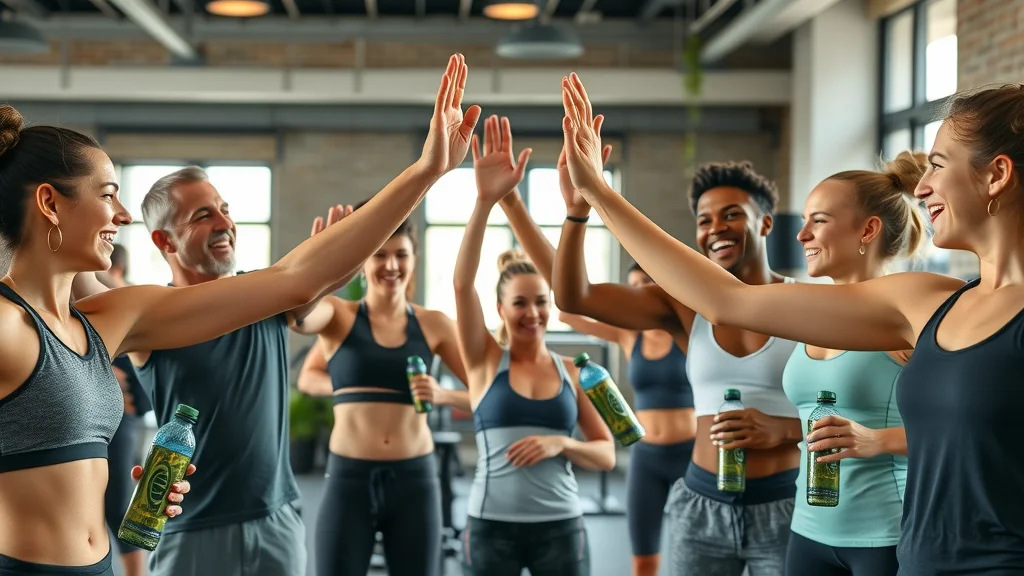
Gym owners and managers have responded quickly to fitness trends 2026. Functional training zones, AI-powered feedback stations, and flexible group schedules are now common. Official websites highlight facilities that feature adaptive programming — classes that accommodate different abilities, utilize digital progress tracking, and prioritize recovery as much as exertion. In such environments, trainers can monitor heart rate, rate variability, and subjective well-being in real time — ensuring each client stays within ideal intensity ranges and feels supported.
Many facilities also implement “community-first” policies that encourage socialization inside and outside of class, fostering mental health and long-term client retention. The fitness industry as a whole is witnessing a marked reduction in injury risk due to better coaching, progressive overload, and the proactive use of wearable technology. All of this represents a significant evolution from earlier era’s more rigid models.
Older Adults Thriving in the New Fitness Landscape
Perhaps the most striking evidence of these shifts can be seen in the improved outcomes for older adults. Accounts from trainers and client testimonials suggest that with tailored exercise selection — emphasizing joint stability, balance, and preserving muscle — older clients are enjoying better mobility, greater confidence, and fewer injury risks. The inclusive design of new group programs ensures that everyone is challenged appropriately, while the use of digital feedback can help flag recovery or mobility concerns early.
As more million Americans over fifty continue to join fitness centers, their needs are increasingly at the center of program design. This reflects a broader societal commitment to accessible health and fitness, with the fitness industry acknowledging the vital role older adults play in shaping inclusive, resilient communities.
Community-Building Through Modern Fitness Trends
Strong community ties are one of the enduring successes of current fitness trends. Training no longer happens in isolation; instead, group achievements are celebrated and individual successes highlighted in communal forums. These changes benefit both physical results and mental health, as connection plays a key role in keeping participants engaged. Trainers report increased attendance and retention, especially in multi-generational classes, showing that the new era of fitness extends benefits far beyond traditional measures of progress.
By designing programs that value collaboration, empathy, and long-term support, fitness spaces in 2026 are setting a new industry standard — one that places people, not just performance, at the core of every session.
People Also Ask: Addressing Top Questions on Fitness Trends 2026
What is the trend in exercise in 2026?
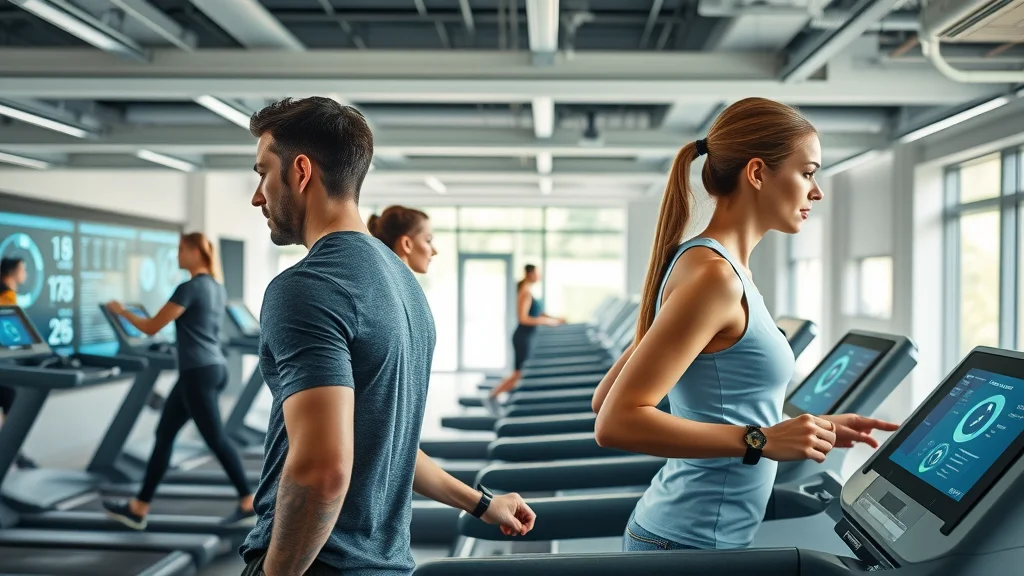
The dominant trend in exercise for 2026 is the integration of functional fitness activities, digital tools, and inclusive programming geared toward a broader audience. Gyms now prioritize mobility, heart health, and long-term engagement equally for older adults and the general population. Wearable technology, group classes, and AI-guided routines are reshaping how people train, offering sustainable approaches suitable for every fitness level.
What is the 3-3-3 rule for fitness?
The 3-3-3 rule is becoming central in fitness trends 2026. It encourages balancing training across three key areas — such as strength, mobility, and cardiovascular work — three days each week, over three-week cycles. This approach helps minimize injury risk and ensures progress remains consistent. The rule can be easily adjusted to client needs, fitting seamlessly into both group and personalized training programs.
What are the upcoming wellness trends in 2026?
Wellness trends in 2026 go beyond exercise to include recovery, mental health, and social connection. Recovery protocols — such as mobility classes, mindfulness sessions, and active rest — are more visible in gym schedules. Programs for older adults continue to expand, reflecting a broader understanding that lifelong health requires holistic support, not just physical exertion.
What are the new sports trends in 2026?
New sports trends this year include hybrid group classes — blending digital competition, real time feedback, and age-inclusive participation. Technology-assisted team events (using heart rate monitors and live progress dashboards) are rising in popularity, making fitness more interactive and accessible. These changes are opening doors for participants of all skill levels, especially those previously hesitant to join traditional sports teams.
Key Takeaways: Fitness Trends 2026
- Fitness trends 2026 are reshaping the industry’s approach to inclusivity, sustainability, and technology.
- Greater emphasis on programming for older adults and specialized groups is evident.
- Adoption of digital tools and data-driven personalization is accelerating.
- The evolving fitness industry provides new pathways for both trainers and clients to achieve sustainable, long-term results.
FAQs: Navigating Fitness Trends 2026
- How can gyms adapt to fitness trends 2026? Gyms can invest in digital equipment, prioritize inclusive programming, and train staff on wearable technology and holistic routines.
- Why are older adults a focus in upcoming fitness trends? As demographics shift, the fitness industry recognizes that programming for older adults supports longevity, community health, and market growth.
- What role does technology play in the evolving fitness industry? Technology offers real time feedback, personalized training, and safer progression, benefiting all clients across fitness levels.
- How can trainers stay current with fitness trends 2026? By pursuing continued education, adapting techniques based on new research, and leveraging AI-driven tools for personalization.
Editorial Insight: Looking Forward in the Fitness Industry
As the fitness industry advances, integrating fitness trends 2026, the focus will remain on enduring, thoughtful, and community-driven programming—shaping a more resilient culture for both trainers and participants.
Conclusion: As the industry continues to evolve, the core value is clear: holistic, tech-enhanced, and inclusive approaches offer the smartest path to long-term results for every participant.
Sources
- ACE Fitness – https://www.acefitness.org/education-and-resources/professional/expert-articles/7740/the-future-of-fitness-2026-predictions/
- IDEA Health & Fitness Association – https://www.ideafit.com/fitness-library/2026-fitness-trends/
- CDC – https://www.cdc.gov/aging/data/index.html
- Club Industry – https://www.clubindustry.com/industry-news/health-clubs-fitness-trends-2026
The fitness landscape in 2026 is undergoing significant transformations, with top trainers integrating advanced technology, promoting inclusivity, and adopting holistic approaches to cater to diverse populations. To delve deeper into these evolving trends, consider exploring the following resources: The American College of Sports Medicine’s (ACSM) annual Worldwide Fitness Trends forecast for 2026 highlights the prominence of wearable technology, emphasizing its role in personalized training and real-time feedback. (acsm. org) Men’s Journal discusses the top fitness trends for 2026, including the integration of wearable tech, exercise programs tailored for older adults, and the rise of mobile fitness applications, reflecting a shift towards data-driven and inclusive fitness practices. (mensjournal. com) These resources provide valuable insights into how the fitness industry is evolving to meet the needs of a broader demographic through technological advancements and inclusive programming.



Write A Comment