 Add Row
  Add
Add 

In recent years, a visible shift has taken place on gym floors and in group classes across the fitness world: athletic training workouts—once reserved for elite athletes—are now redefining what it means to work out at every age group and fitness level. Instead of chasing bigger muscle size or merely counting reps, more people are seeking the movement patterns, agility, and real-world performance once associated exclusively with sports training. This approach is quietly transforming strength train routines and inviting everyday individuals to feel strong, move well, and promote long-term health and performance.
What You’ll Learn About Athletic Training Workouts
- What the concept of athletic training workouts encompasses
- Why athletic training workouts are gaining traction outside of competitive sports
- How to incorporate athletic training workouts into your routine at any fitness level
- Common mistakes and misunderstandings about athletic training workouts

Athletic Training Workouts: A Broad Shift in Fitness Culture
How Athletic Training Is Redefining Everyday Workouts
Where classic gym routines once focused almost exclusively on strength training—primarily targeting muscle groups with resistance training—today’s athletic training workouts encourage a broader, more dynamic approach. The current trend is to blend body weight, kettlebell, and other strength train modalities with drills designed to build agility, rotation, and whole-body coordination. Hybrid routines are on the rise, often featuring elements like kettlebell swings merged with agility ladders or resistance exercises synced with plyometric moves. This shift reflects both evolving health science and a growing desire among healthy adults to build muscle and stay strong for functional, real-life demands.
What stands out in these updated guidelines is a move beyond muscle mass for its own sake. Athletic training, increasingly visible in systematic reviews of fitness research, is seen as a bridge between traditional resistance training and true all-around athleticism. It’s not just about looking fit, but being able to adapt, move well, and perform effectively across a variety of tasks. This trend is rapidly gaining ground in group fitness, personal training, and even the recommendations of major professional society organizations in health and performance.

The Growing Focus on Movement Quality and Longevity
One of the primary reasons athletic training workouts are gaining momentum is their emphasis on movement quality—a shift marking a departure from an era dominated by simply building muscle or adding weight. While resistance training and strength training remain fundamental for muscle growth and injury prevention, the new focus is on moving well for many years, not just maximizing short-term gains.
Movement patterns are now programmed for mobility work and joint resilience. Coaches are seeking ways to help people maintain durability and adaptability as they age, using scientific position stand insights to guide the balance between increasing muscle size and long-term health. This nuanced focus responds to systematic reviews showing the benefits of well-rounded activity and is increasingly seen as a key takeaway for anyone who wants an active lifestyle beyond the gym.
Context: Why Athletic Training Workouts Matter Now
The Changing Definition of Fitness Level in Modern Training
In today’s evolving fitness landscape, “fitness level” is no longer about simply lifting heavier weights or running farther. Rather, it reflects a person’s ability to demonstrate a wide span of athletic qualities—such as agility, power, mobility, and real-world strength. This emphasis on all-around capability is reflected in the way everyday gym-goers aspire to train not just like bodybuilders, but like athletes, regardless of actual age group or athletic background.
Mainstream interest in athletic training workouts is partly driven by influences from professional sports. Techniques once reserved for elite athletes are now seen as beneficial to everyone—from healthy adults to those looking to maintain functional independence over the long term. This shift, observed across health sci discussions and professional society statements, has encouraged fitness professionals to balance resistance training recommendations with agility, plyometrics, and core stability work.
Expert Framing: How Coaches Are Applying Athletic Training Workouts
A growing number of coaches are now programming exercise sessions around movement patterns—rotation, agility, balance—not just isolated muscle groups. This approach is designed to prepare gym-goers of every age group to move better in everyday life, rather than focusing exclusively on building muscle mass or maximizing muscle size.
- Many coaches are now programming for movement patterns, not just muscle groups
- Strength train principles are blending with athletic training methodology
- In practice, sessions now often target dynamic movement, speed, and adaptability
“What I see now is a much greater appreciation for training like an athlete, regardless of your end goal. It’s about moving better for longer.”
In practice, this shift results in sessions that blend resistance training, mobility work, and speed drills. Rather than viewing strength training, core work, and agility as separate silos, these workouts aim to create synergy—ensuring healthy adults are better prepared for the unpredictable demands of daily life. This practical integration of athletic principles, grounded in updated guidelines and health science research, is being echoed in modern exercise program design from commercial gyms to boutique studios.
Practical Application: Integrating Athletic Training Workouts at Any Fitness Level
Key Principles of Athletic Training Workouts
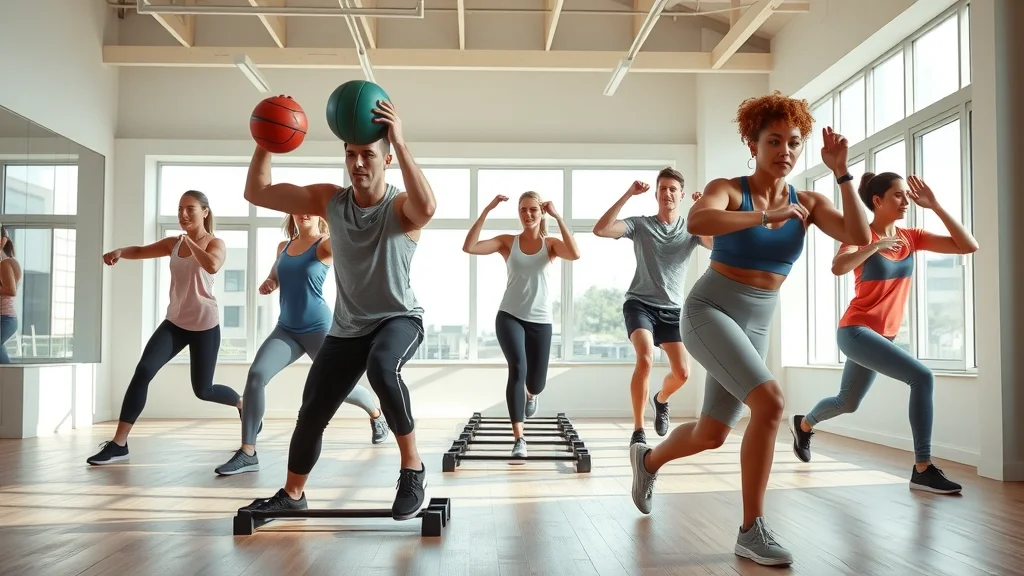
- Movement variety: rotation, agility, and multi-planar strength
- Blending resistance training with mobility and coordination
- Programming sessions for both power and resilience
Regardless of fitness level, the foundation of athletic training workouts is movement variety and quality. Sessions typically feature combination drills—such as rotational medicine ball throws, multi-directional lunges, or ladder agility patterns—that challenge coordination and balance, not just muscle strength. Resistance training is woven together with exercises targeting mobility work and dynamic stabilization, ensuring the resulting routines are expansive but grounded in health science.
For healthy adults and beginners alike, this means sessions are designed with a focus on functional movement and injury prevention, not just muscle mass or aesthetics. The approach also adapts seamlessly as fitness level increases: more complex plyometric or Olympic lifting moves can be layered in for advanced participants, while basics like body weight circuits, carries, and low-impact agility drills suit those just starting out.
Sample Weekly Structure Integrating Strength and Athletic Training
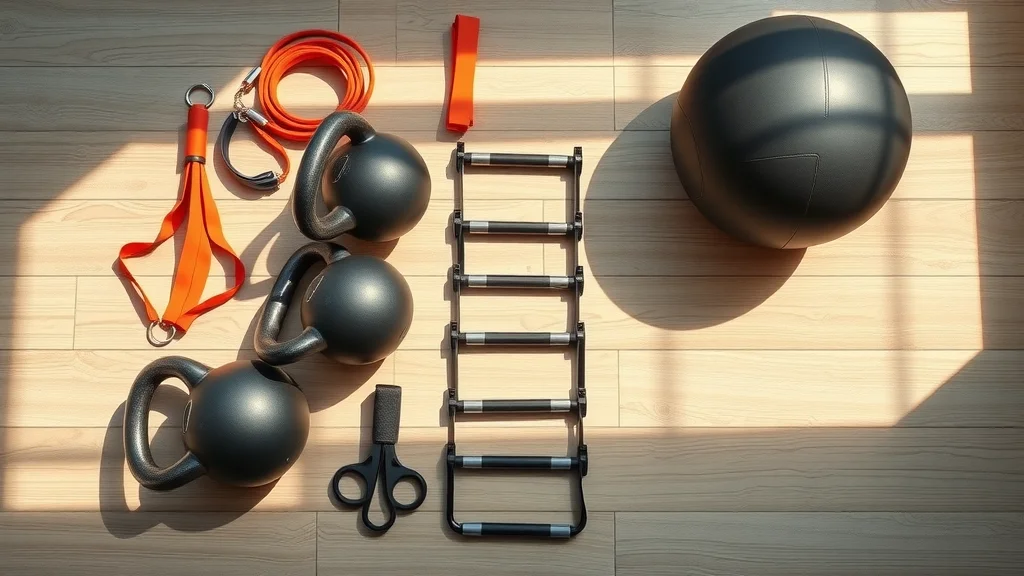
| Day | Focus | Sample Movements |
|---|---|---|
| Monday | Full-body Resistance & Core | Squats, Pull-ups, Planks, Medicine Ball Slams |
| Tuesday | Agility & Mobility | Agility Ladder Drills, Dynamic Stretches, Side Lunges |
| Wednesday | Power & Plyometrics | Box Jumps, Jump Lunges, Rotational Throws |
| Thursday | Strength & Loaded Carries | Deadlifts, Farmer’s Carries, Overhead Presses |
| Friday | Hybrid Athletic Circuit | Kettlebell Swings, Bear Crawls, Sled Pushes |
This sample training program illustrates how strength train and athletic training methods can coexist throughout the week. A blend of resistance training, agility drills, and plyometric work supports both short- and long-term health and performance—regardless of age group or prior experience. Adaptive, practical routines like this enable healthy adults to progress at a pace that supports muscle growth, mobility work, and whole-body resilience.
From Theory to Practice: Real-World Translation of Athletic Training Workouts
Exercise Selection for General Fitness
- Rotational slams, lateral lunges, sled pushes, plyometric moves
- Maintaining core strength while enhancing agility
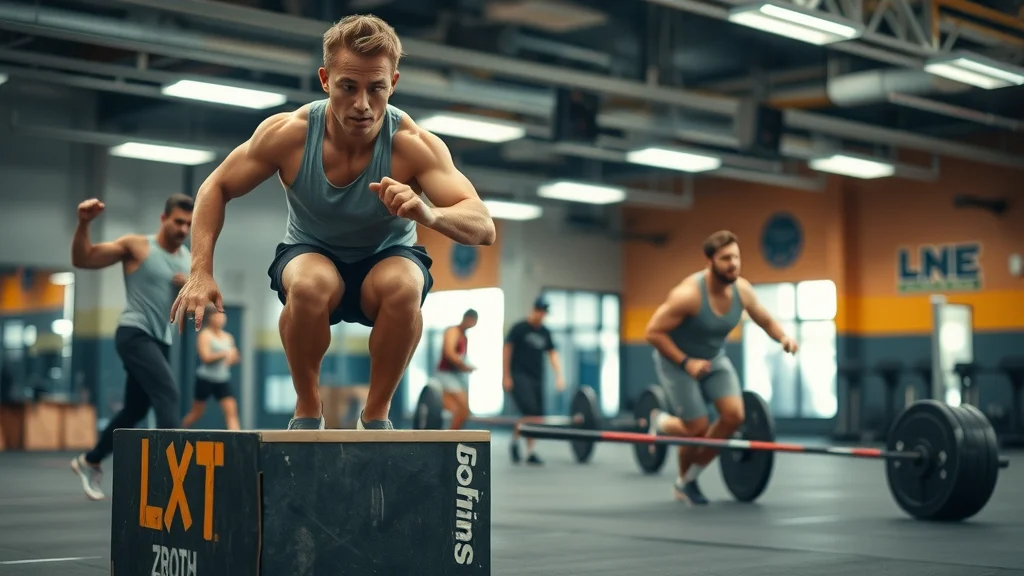
The bridge between athletic ideals and everyday fitness begins with smart exercise selection. Rotational slams, lateral lunges, sled pushes, and plyometric moves are becoming staples in updated training recommendations. These choices help build muscle, boost core strength, and enhance coordination, benefitting every fitness level—from beginners seeking basic movement proficiency to advanced individuals chasing higher performance.
Maintaining core stability is foundational: exercises like medicine ball throws or controlled planks lay the groundwork for more dynamic patterns down the line. Prioritizing these skills early in any exercise program increases potential for long-term performance gains, not just muscle mass. This balancing act between movement quality and load progression reflects the most recent systematic review findings and is trending throughout health and performance communities.
Programming Tips for Different Fitness Levels
- Beginners: Bodyweight core drills and mobility work
- Intermediate: Introduction to loaded carries, med ball movements
- Advanced: Olympic lifts, explosive power programming

A strength train routine that incorporates athletic training workouts should adapt with a person’s fitness level. For beginners, the focus is on safe introduction—using body weight drills, basic core exercises, and gentle mobility work. This builds the movement literacy crucial for tackling more complex drills.
Intermediate participants add resistance by introducing loaded carries, medicine ball circuits, and foundational plyometrics. These exercises improve general strength, prepare the body for more diverse challenges, and reinforce endurance. For the advanced, exercise program content may include clean and press lifts, explosive plyometrics, and power circuits that mirror elite athletic training while maintaining an emphasis on movement mechanics and joint safety.
Common Mistakes and Misconceptions in Athletic Training Workouts
- Assuming athletic training workouts are only for athletes
- Neglecting foundational strength or movement quality
- Overcomplicating routines with unnecessary plyometrics

One of the most persistent misconceptions is that athletic training workouts are appropriate only for those with a sports background or advanced fitness level. In reality, the core principles—movement quality, adaptability, and strength—are relevant for every age group and background. Coaches and updated guidelines stress that these benefits are accessible to all with appropriate progression.
“It’s not about copying athletes—it’s about adopting principles that support longevity and whole-body performance.”
Another common pitfall is skipping foundational resistance training or mobility work, attempting advanced drills before mastering basic movement patterns. This can hinder progress and compromise injury prevention—a key takeaway from both professional society position stand summaries and systematic review literature. Finally, many overcomplicate their routines with unnecessary high-impact plyometrics, overlooking the value of deliberate, measured progression and simple, well-structured exercise programming.
FAQs About Athletic Training Workouts
-
Are athletic training workouts suitable for all ages?
- Most can benefit, provided programming matches the individual’s fitness level and needs.
-
How do athletic training workouts differ from basic resistance training?
- Athletic training emphasizes dynamic movement, coordination, and broad athletic qualities, not just muscle strength.
-
Can I build muscle with athletic training workouts?
- While not as targeted as hypertrophy training, muscle can still be developed with well-designed athletic sessions.
-
Do I need special equipment for athletic training workouts?
- Many movements can be performed with minimal gear; some benefit from tools like medicine balls, sleds, or kettlebells.
People Also Ask
- What is the main focus of athletic training compared to traditional gym workouts?
- Athletic training focuses on versatile movement, agility, power, and coordination beyond just building muscle or strength.

- Can beginners successfully start with athletic training workouts?
- Beginners can start with foundational athletic exercises like bodyweight movement, gradually progressing to more complex routines.
- How do athletic training workouts support longevity and injury prevention?
- By emphasizing balanced movement patterns, joint health, and resilience, athletic training helps maintain functional fitness over time.
Key Takeaways: What’s Next for Athletic Training Workouts
- Athletic training workouts are transitioning into mainstream fitness
- Movement quality is increasingly prioritized for all fitness levels
- Practical application is essential for long-term benefits beyond aesthetics
- Expect continued blending of resistance, strength, and athletic training approaches
Editorial Insight and Forward Look
- As training continues to evolve, there is a discernible shift toward movement quality, sustainability, and holistic athleticism over single-mode intensity.
Sources
- ACSM’s Position Stand: Progression Models in Resistance Training – https://journals.lww.com/acsm-healthfitness/Fulltext/2019/09000/Position_Stand__Progression_Models_in_Resistance.2.aspx
- Systematic Review: Health Benefits of Physical Activity and Training – https://www.ncbi.nlm.nih.gov/pmc/articles/PMC5820639/
- Verywell Fit: Types of Strength Training – https://www.verywellfit.com/types-of-strength-training-4157184
- Healthline: What Is Functional Training? – https://www.healthline.com/health/fitness/functional-training
- Examine.com: Strength Training – https://examine.com/topics/strength-training/
To further enhance your understanding and application of athletic training workouts, consider exploring the following resources: “A Trainer Says These Four Kettlebell Moves Build Strength, Stability and Power” (fitandwell. com) This article introduces a dynamic kettlebell workout designed to build full-body strength, stability, and power through four compound movements that engage multiple muscle groups. “Athletic Workouts for Athletes | SpeedPro Coaching” (speedpro. training) This resource offers a series of 10-minute at-home workouts focusing on power, strength, core stability, and movement, designed to enhance athletic performance. If you’re serious about integrating athletic training into your fitness regimen, these resources will provide valuable insights and practical routines to help you achieve your goals.




Write A Comment