

Startling Statistic: Despite making up more than half of the fitness market, women remain underrepresented in industry leadership roles. This fact isn't just a headline; it’s the gap Jen Hendershott is working tirelessly to close. In a health and fitness world thriving on evolution, why do women still face stubborn barriers at the top? If you’re a fitness enthusiast, exercise professional, or industry leader, understanding — and acting on — the state of women’s fitness leadership is not only relevant, it’s necessary for progress. This article will equip you with clear definitions, key trends, actionable steps, and real-world insight to empower your own journey or organization to bridge this gap effectively.
Breaking Barriers: A Startling Look at Women’s Fitness Leadership Today
Women’s fitness leadership stands at the forefront of change, yet the path to true parity remains complex. According to the National Fitness Report 2023, women make up more than half of all gym memberships and wellness purchases in the United States. However, leadership within the fitness industry doesn’t reflect this demographic strength: Women hold less than 30% of executive roles and are sorely underrepresented as policymakers, gym owners, and lead instructors of flagship training programs. This disconnect restricts not only professional growth but also innovation and inclusivity in fitness spaces, directly impacting what trends take hold and whose voices inform them.
Research shows that group fitness and fitness trend development benefit when leadership is more diverse. A lack of female mentors, implicit biases, and outdated perceptions reinforce these systemic barriers. Jen Hendershott, a celebrated fitness leader and coach, is pioneering a change, elevating the status and visibility of female fitness professionals and crafting pathways for future leaders. Her proactive approach does more than just spotlight women; it reshapes the definition of leadership, opening doors for creative, community-driven, and more inclusive fitness regimens that reflect the real needs of today’s market.

Startling Statistic: The Gender Gap in Fitness Industry Leadership
The gender gap in fitness leadership isn’t just anecdotal; it’s well documented. Studies reveal that although women account for more than half of health club memberships, fewer than a third occupy decision-making positions. This underrepresentation translates into fewer female voices shaping the direction of fitness trends and training program innovations.
"Despite making up more than half of the fitness market, women remain underrepresented in industry leadership roles." – National Fitness Report 2023
Without female perspectives at the helm, exercise professionals, gym members, and the broader community groups lose out on diverse, holistic programming that is proven to enhance mental health, drive participation, and foster a stronger sense of belonging. The fitness industry’s continued growth and the year ahead depend on resolving this disparity — a mission Jen Hendershott brings to the center of national attention, challenging traditional norms and fostering true leadership development in fitness.
What You’ll Learn About Women’s Fitness Leadership, Trends, and Change
What defines women’s fitness leadership in today’s context
The current state and evolving fitness trend landscape
Key coaching and best practice cues for future leaders
Common mistakes holding women back in the fitness industry
Benefits and opportunities in modern women’s fitness
Who benefits most from emerging leadership pathways
Realistic progressions for women aspiring to leadership roles
Answers to trending industry and leadership questions
Understanding Women’s Fitness Leadership in the Fitness Industry
Defining women’s fitness leadership means more than recognizing women in gym or club management. It is fundamentally about visibility, mentorship, advocacy, and creative control at all levels — from directing innovative group fitness classes to shaping major training program policies. As the fitness industry continues to evolve in major urban centers and small community groups alike, the opportunity for women to influence every aspect of programming, trend decisions, and organizational culture is greater than ever.
The rise of technology in the fitness space — such as fitness technology platforms, digital coaching, and care integration — brings new opportunities and challenges. Women who step into leadership roles are uniquely positioned to address issues such as mental health, inclusivity, and holistic wellness, designing fitness regimens that support not only physical activity but also stress relief, mental resilience, and social connection. Jen Hendershott exemplifies this, leveraging her experience to guide others and bridge the gender gap through practical mentorship and evidence-based leadership development.
Definition: What Is Women’s Fitness Leadership?
At its foundation, women’s fitness leadership is the act of women setting direction, making decisions, and facilitating transformation within the fitness industry. This role encompasses a spectrum of activities described by the American College of Sports Medicine: leading group fitness classes, designing training programs that enhance functional strength, managing facility teams, and influencing fitness trends at local and national levels. Most importantly, it means advocating for and modeling health and fitness principles that resonate with all communities — not just the privileged few.
The best women’s fitness leaders are more than instructors; they are visionaries, connectors, and change agents. They prioritize education, inclusivity, and community-driven approaches. By doing so, they challenge the status quo, support exercise professionals in their networks, and ensure core control, mental health, and physical activity are central to every program. Their involvement ensures training programs remain relevant and effective for the demographics they serve, especially as fitness trends shift rapidly in the year ahead.
The Unique Role of Women in the Modern Fitness Industry
Women leaders offer perspective and empathy that can transform the fitness industry’s approach to group fitness, mental health, and member engagement. Historically overlooked in policymaking, female professionals now guide the latest training program innovations and user-centric experiences, embracing digital and social channels to foster genuine connection and support. These contributions foster a sense of belonging, bridging not only the gender gap but also age, background, and cultural divides within health and fitness spaces.
As fitness trends increasingly reflect community input and holistic health principles, having women — especially those with diverse backgrounds — at the helm ensures programming remains accessible, adaptive, and inclusive. Leaders like Jen Hendershott are setting the standard for evidence-based, participant-first approaches that inspire others and drive exponential growth in both careers and community groups.
Major Fitness Trends Shaping 2026 and Beyond
Looking toward 2026 and beyond, industry reports and research show a surge in holistic health, digital group fitness, and women-driven training program designs. The fitness trend landscape is no longer limited to strength training or cardio; instead, there is increasing care integration: mental health, stress relief, and the promotion of shared experience through social connection.
Fitness technology plays a key role, with virtual coaching sessions, adaptive exercise professionals, and digital feedback loops reshaping how members track progress. As more women move into leadership, expect to see trends that emphasize flexible programming, evidence-based physical activity, and a focus on mental well-being for both clients and professionals — all feeding the next wave of inclusive health and fitness solutions.
Comparison of Male vs. Female Representation in Fitness Industry Leadership (2020–2024) | ||
Year |
Male Leaders (%) |
Female Leaders (%) |
|---|---|---|
2020 |
74 |
26 |
2022 |
71 |
29 |
2024 |
68 |
32 |
Why Women’s Fitness Leadership Matters for the Fitness Industry and Beyond
Why is it crucial to cultivate robust women’s fitness leadership? For one, group fitness participation and the success of training programs heavily rely on relatable, empathetic, and innovative leadership. Research indicates that when women hold key positions, fitness spaces become more responsive to diverse member needs, creating an environment where every participant sees themselves reflected in both programming and values.
Moreover, leaders who prioritize mental health, inclusivity, and collaboration encourage broader participation and innovation throughout the fitness industry. These features are especially important as new generations demand holistic wellness and a sense of belonging — a shift that’s driving the next major fitness trend. Jen Hendershott’s leadership model connects these dots, illustrating how industry transformation begins with inclusive, well-supported female leadership at every level.
Impact of Women’s Leadership on Group Fitness and Training Programs
The influence of women in leadership roles is particularly felt in the design and delivery of group fitness classes. Female leaders are more likely to introduce innovative class formats, prioritize emotional well-being and social connection, and create training programs that welcome all skill levels and backgrounds. This has a direct impact on exercise professionals, members, and the broader fitness and wellness client population.
Research shows that group fitness led by women not only increases participation but also retention, resulting in stronger community groups and financially healthier organizations. The trend reflects a long-overdue shift in how the year ahead in the fitness industry is shaping up — with greater emphasis placed on empathy-driven, client-oriented fitness solutions. Jen’s signature programs model this, emphasizing the importance of collaboration and mentorship as cornerstones of sustainable leadership development.
Connection Between Mental Health and Women’s Fitness Leadership
Today’s most prominent fitness trends embrace the close connection between physical activity, regular exercise, and mental health. Leaders who recognize the importance of stress relief, sense of belonging, and social support create environments where both clients and fellow professionals feel psychologically safe and motivated.
Jen Hendershott’s training programs routinely incorporate evidence-based mental health support — from peer mentoring to mindfulness sessions. This positions women’s fitness leadership at the center of a new movement: one that understands care integration isn’t just a buzzword but a necessity for client retention, professional satisfaction, and overall well-being in every fitness space.
"Women in leadership drive innovation and inclusion in all facets of fitness, from group training to program design." – Jen Hendershott
Step-by-Step: How Jen Hendershott Elevates Women’s Fitness Leadership
Building a successful pathway for women’s fitness leadership isn’t accidental; it’s strategic and evidence-based. Jen Hendershott’s practical approach unfolds in clear steps that any professional or organization can follow. Each step is tailored to address pain points and optimize opportunity, ensuring lasting change in both group fitness spaces and broader fitness industry organizations.
Let’s break down her four-step process and highlight actionable strategies for aspiring leaders and those supporting them in the year ahead.
Step 1: Identifying Gaps in Leadership and Fitness Trends
The first step Jen takes is a candid audit: identifying where women are missing in leadership pipelines, training programs, and policy-making circles. She leverages data from fitness trend reports, industry benchmarking, and feedback from exercise professionals at all levels. This enables her to target specific barriers and tailor interventions for maximal impact — whether that means developing new mentorship programs or rethinking recruitment strategies to be more inclusive.
This rigorous, evidence-based approach ensures that every group fitness opportunity, training program, and leadership track reflects both current and emerging needs—from improved mental health strategies to adaptive, inclusive fitness regimens for every ability.
Step 2: Building Training Programs Geared for Female Empowerment
With barriers identified, Jen develops client-centered training programs that empower women at different career stages. Her programs focus on real-world skills: leadership development, effective group fitness strategies, and the application of technology to measure progress and adapt to new trends. She ensures programming blends core physical activity, mental health, and innovation — putting women in control of their professional journeys and the emerging fitness trend landscape.
Each program incorporates mentorship, hands-on learning, and transparent pathways for advancement, guaranteeing that every participant has a clear route from learning to leadership. This model isn’t limited to the elite few; by designing entry-level to advanced pathways, Jen supports a broader range of exercise professionals and newcomers — creating systemic, not just symbolic, change in fitness industry leadership.
Step 3: Fostering Collaboration through Group Fitness and Mentorship
Jen’s leadership style prioritizes collaboration over competition. She cultivates networks for group fitness instructors and exercise professionals where shared experience and support is valued. This helps foster psychological safety, professional growth, and community-focused innovation — amplifying the collective impact of women’s fitness leadership at every level.
Mentorship, regular networking, and peer feedback are integral to her process. By actively connecting rising leaders with established experts, she builds communities of practice and accelerates women’s advancement in the fitness space. This approach is a driving force behind modern health and fitness trends, turning traditionally siloed environments into engines for change and inclusion.
Step 4: Tracking Results and Progress in the Fitness Industry
No plan is complete without robust measurement. Jen emphasizes the importance of evaluating both qualitative and quantitative outcomes — from participant feedback to organizational performance to the diversity of leadership pipelines over time. She uses digital tools and one-on-one check-ins to assess growth in mental health, skill acquisition, and sense of belonging among participants.
This systematic evaluation helps refine future programs, scale what works, and ensure every group fitness and leadership initiative becomes a learning resource for the next wave of women’s fitness leadership. As fitness trends and industry needs evolve, so too must leadership strategies — a commitment to adaptation and lifelong growth that sets Jen’s approach apart.
Key Coaching Cues for Future Fitness Industry Leaders
Prioritize mentorship and visible role models: Guidance from experienced leaders shapes sustainable growth and supports confidence.
Stay educated on emerging fitness trends and technologies: Ongoing learning ensures relevance in a competitive, digital-first landscape.
Promote mental health as part of all training programs: Emotional resilience and well-being are central to motivation and retention.
Model inclusivity in group fitness environments: Encourage participation across gender, age, and background for a thriving community.
Advocate for transparent career pathways within the industry: Provide clear advancement tracks so every exercise professional can see their potential trajectory.
Common Mistakes in Pursuing Women’s Fitness Leadership – And How to Fix Them
Even with the best intentions, aspiring leaders and their organizations can fall prey to common errors that slow or stall progress. Recognizing — and correcting — these missteps is essential for real, lasting impact in women’s fitness leadership.
Below are two of the most frequent mistakes and evidence-based solutions you can implement right away, whether you’re building a personal career or supporting colleagues and community groups.
Mistake: Overlooking Opportunities in Group Fitness and Training Programs
It’s a pervasive myth that leadership starts at the executive level. In reality, most women begin their journey via entry-level group fitness roles or participation in new training programs. Overlooking these points of entrance means missing out on mentorship, practical experience, and the social connection that fosters ambition and growth.
To counteract this, actively seek or advocate for leadership opportunities in community-facing roles. Leading group fitness not only hones your skills but also places you at the center of fitness trends and innovation — building your reputation, confidence, and impact from the ground up.
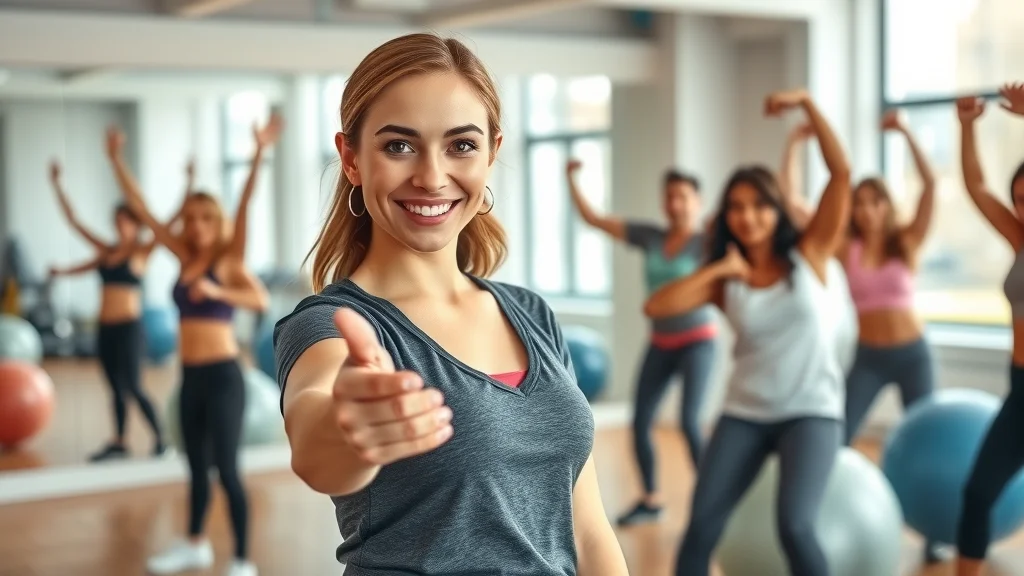
Fix: Step Into Emerging Leadership Tracks and Collaborate Broader
If you feel stuck or overlooked, broaden your horizons: volunteer to coordinate fitness events, lead special projects, or join emerging teams early in their development. These tracks, though sometimes less visible, quickly accelerate your understanding of the fitness industry and expose you to valuable feedback, mentorship, and the early adoption of new fitness trends. Don’t be afraid to reach across organizational boundaries — collaboration is a critical muscle for future leaders.
Mistake: Underestimating the Value of Industry Networking
Contrary to common belief, professional growth in fitness isn’t just about technical skill — it’s about connection. Women who underestimate the power of industry networking often miss out on hidden job opportunities, feedback, and the kind of peer mentorship that supports sustainable leadership development.
Regularly attending wellness conferences, digital networking events, or joining a local running club or real estate fitness workshop can open doors in surprising ways, whether through career advice, partnership, or new project opportunities. The sense of shared experience and community groups you develop in these spaces can be just as valuable as any credential or training program.
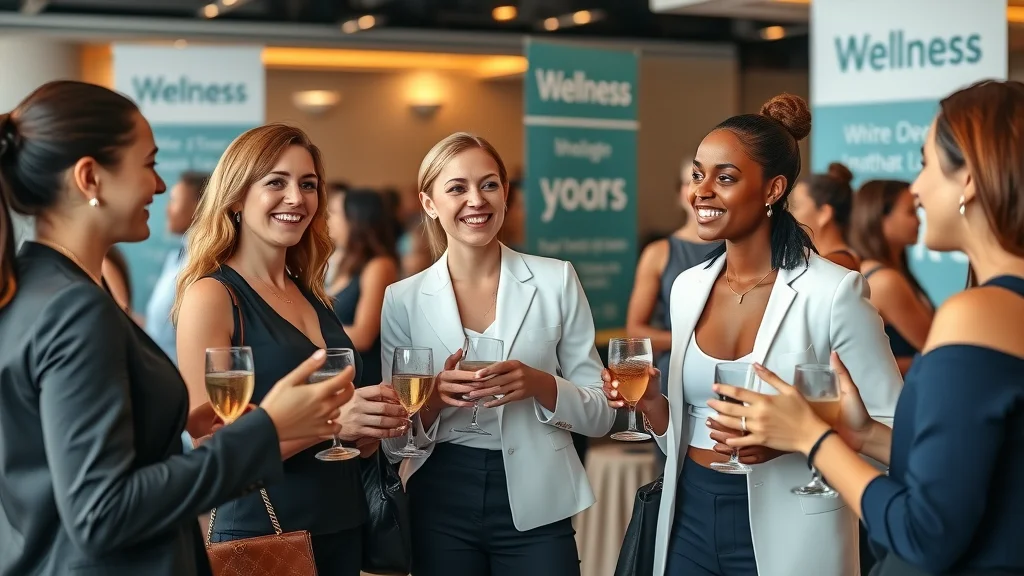
Fix: Join Industry Groups and Seek Out Mentorship
Commit to joining at least one industry association, online group, or peer learning circle this year. Actively seek mentors — whether they are inside your organization or leaders you admire from afar. Do not hesitate to reach out, as most successful exercise professionals cite mentorship as a key factor in their career and leadership development. Building and maintaining this network is your safety net and your launchpad in the ever-changing fitness industry.
"True change requires courage to challenge old fitness industry norms and trends."
The Lasting Benefits of Pursuing Women’s Fitness Leadership
Enhanced career growth in a booming fitness industry: Women leaders experience quicker advancement and broader opportunities as demand for diverse expertise grows.
Greater inclusivity and support for diverse populations: Representation leads to programming that better serves all community members.
Improved mental health outcomes for leaders and clients: Holistic focus ensures better stress relief, motivation, and satisfaction for all involved.
More innovative group fitness and training program designs: Women bring fresh ideas that shape the future of health and fitness regimens.
Increased visibility for women-led fitness trends: Empowered leaders set new industry standards, becoming models for others to follow.
Who Benefits Most from Women’s Fitness Leadership?
Women’s fitness leadership isn’t just about individual advancement; it transforms organizations, clients, and communities. Emerging and aspiring female leaders get the mentorship and opportunities they need to advance. Fitness businesses see greater innovation, diversity, and member satisfaction as a result of inclusive policies and leadership development. Community groups thrive through group fitness programming tailored by empathetic, visionary exercise professionals.
Emerging and Aspiring Female Leaders
For those just starting out or considering a career change, increased visibility and support from established leaders provide vital stepping stones. Training programs and group fitness classes designed by — and for — women ensure every professional can see herself reflected in the fitness industry and understand the pathways available for advancement.
Fitness Businesses Embracing New Trends
Organizations that invest in inclusive leadership experience stronger retention, innovation, and market relevance. Businesses leveraging women’s fitness leadership respond more quickly to the latest fitness trend and member demand, giving them a competitive edge and ensuring sustainability.
Communities Participating in Group Fitness
Whether in urban centers or rural areas, group fitness programs led by women boost participation, foster social connection, and support community health. Members report stronger sense of belonging, motivation, and mental health outcomes — changes that ripple outward to improve physical activity rates and care integration across the broader population.
Modifications and Progressions: Creating Opportunities for All in Women’s Fitness Leadership
Entry-level programs for newcomers: Introductory courses and workshops help those new to the industry develop foundational skills and confidence.
Advanced training for established professionals: Specialized leadership development, business strategy, and innovative group fitness certifications prepare leaders for bigger roles and impact.
Flexible leadership pathways for career changers: Customizable tracks allow those from other industries (like real estate, wellness, or education) to transition smoothly and contribute meaningfully to fitness and wellness organizations.
People Also Ask: Women’s Fitness Leadership and the Future
What is the fitness trend in 2026?
Evidence-based trends predict a strong rise in holistic health, digital group fitness, and women-driven training program designs in 2026. This paradigm shifts physical activity beyond simple exercise routines to programs centered on mental health, personalized feedback, and inclusive leadership. Fitness technology will further empower both members and exercise professionals, making care integration routine in every leading fitness space.
What industry is going to boom in 2026?
Experts forecast the fitness industry will experience exponential growth, especially in segments focused on women-led wellness, technology-integrated training, and innovative group fitness models. Companies prioritizing mental health, social connection, and continuous professional development are set to thrive, reflecting a shift toward holistic health and fitness for all.
What's trending in fitness right now?
Current trends in the fitness industry reveal increased demand for mental health support, female-led group fitness, and tailored training programs that address diverse needs and promote long-term engagement. Fitness spacés adopting digital tools, flexible schedules, and community-based programming are outperforming traditional, one-size-fits-all models. These shifts point to a more inclusive, member-centered landscape for the year ahead.
What is the future of the fitness industry?
The future is bright and bold. The fitness industry is projected to become more inclusive, tech-forward, and shaped by women’s fitness leadership at all levels. Innovations in programming, digital delivery, and leadership development will ensure a sustained, positive impact for professionals and members alike. Jen Hendershott’s vision — empowering the next generation of female leaders — is at the heart of this transformation.
Frequently Asked Questions: Navigating Women’s Fitness Leadership
How can I start my path in the fitness industry as a woman? Begin by joining entry-level group fitness classes, volunteering, and connecting with mentors. Seek out women-led training programs and network within your community to identify growth opportunities.
What unique challenges do women face in fitness leadership? Common obstacles include implicit biases, lack of visible mentors, and limited advancement pathways. Overcoming these requires persistence, active networking, and continuous skill development.
Which fitness trends favor female leaders? Trends that prioritize mental health, social connection, flexible programming, and digital wellness platforms are especially supportive of women’s leadership and advancement.
How important is mental health for women in fitness? Extremely important. Supporting emotional resilience, stress relief, and psychological well-being is key to professional and personal growth, making mental health an integral part of all credible fitness leadership programs.
Where are the best group fitness training programs for leadership? Top programs are often found at national associations (such as the American College of Sports Medicine), forward-thinking gyms, and digital platforms specializing in evidence-based leadership development. Seek programs that offer ongoing mentorship and career planning.
Key Takeaways: Women’s Fitness Leadership for a New Era
Women’s fitness leadership is crucial for industry evolution
Group fitness and training programs open new growth avenues
Mentorship, mental health, and innovation lead to inclusion
Jen Hendershott’s model bridges persistent gender gaps
Continue Your Leadership Journey: Explore New Training Programs and Mentorship Opportunities
Women’s fitness leadership is no longer a niche — it’s the new blueprint for sustainable, inclusive industry growth. Learn, connect, and advance by seeking out dynamic training programs, community support, and the mentorship you need to lead the next fitness trend.
Actionable Takeaway: Empower your fitness journey — and the next generation — by applying best practices, advocating for inclusivity, and becoming the leader your community needs.
Sources
To further explore the impact of women in fitness leadership, consider attending the Women’s Leadership Forum hosted by SCW Fitness Education. This full-day event brings together top entrepreneurs and experts to share insights on social media advancements, management techniques, and leadership strategies in the fitness industry. Additionally, the Women’s Leadership Workshop offered by the American Management Association provides a comprehensive day of skill-building and networking, focusing on adapting communication skills, building powerful networks, and enhancing resilience for women leaders. Engaging with these resources can provide valuable strategies and connections to support your journey in women’s fitness leadership.


Write A Comment