

This is a custom HTML / JavaScript Element
In order To See Your Custom HTML/JavaScript Code in Action You Must Click On The Preview Page Button, Your Code is NOT going to be active in the edit mode
Expert Insights: Why Movement Quality Should Come Before Strength Training
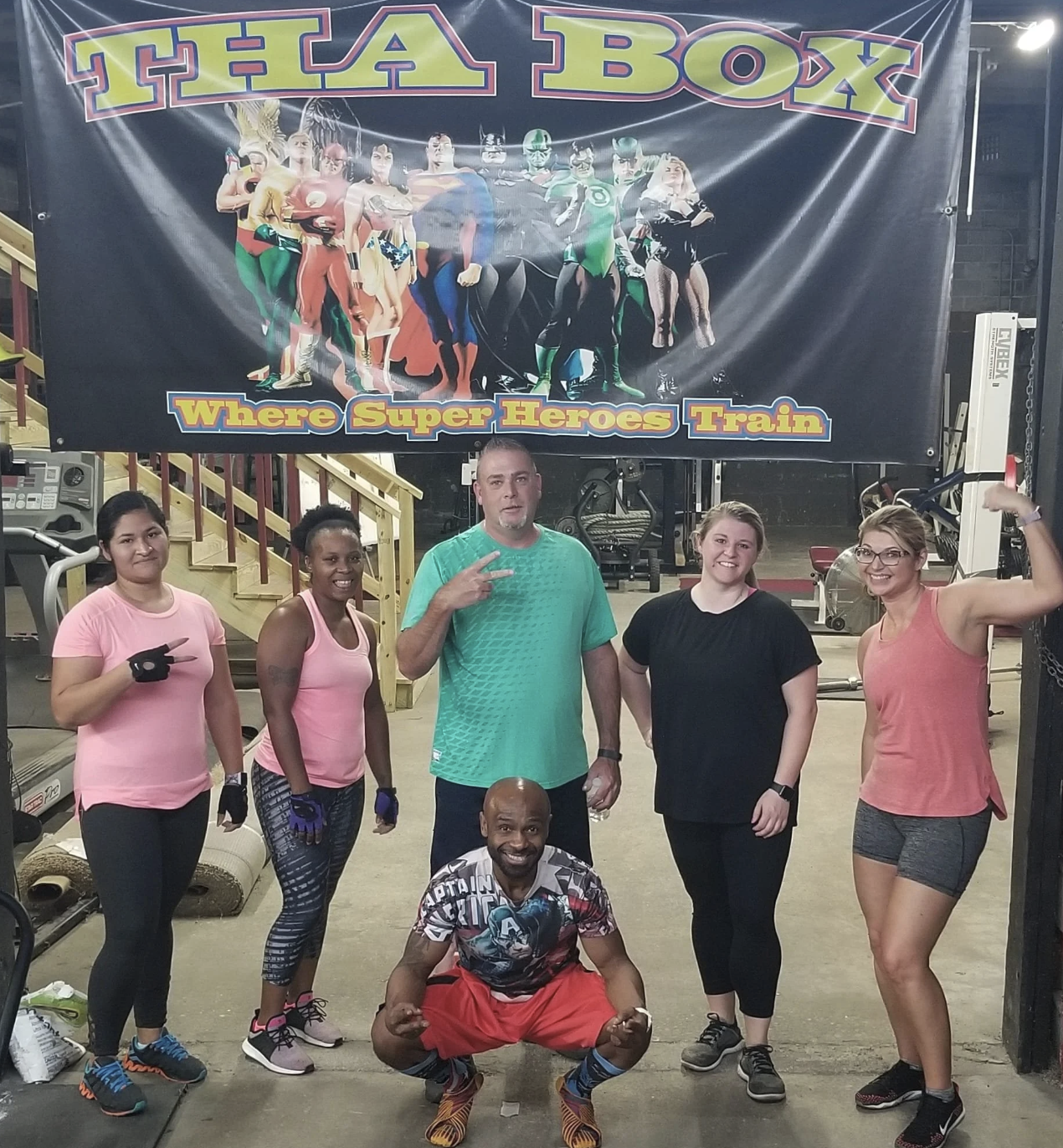
For many gyms, strength comes first and technique gets cleaned up later. David Deberry takes the opposite view. When a new member walks into ThaBox, the first priority is to see how the body moves, where the limits are, and what needs to be corrected before training gets more demanding. That idea shapes the entire coaching philosophy behind his gym: assess first, correct what matters, then build strength on top of a better foundation.
That approach is not abstract. It shows up in the way David talks about weak glutes, tight hip flexors, limited ankle mobility, and the daily habits that quietly shape how a body performs. It also shows up in the tone of the gym itself. The official site describes ThaBox as an unpretentious, results-oriented community built around member goals rather than posturing.
Why Movement Quality Comes First
David’s thinking is straightforward. If a member is sitting for long hours, that member may arrive with weak glutes, tight hip flexors, and other small imbalances that do not feel dramatic in daily life but become a bigger issue once training gets more intense. For him, movement quality before strength training is not a slogan. It is the first layer of responsible coaching.
His sequence is clear: move well first, then move well under load, then move well fast. That matters most in youth athletics, where he sees recurring ankle, knee, and hip problems tied to overuse and poor mechanics. In a travel-ball culture with very little downtime, that kind of early screening can be the difference between steady development and preventable setbacks.
A Gym Built Around Assessment, Not Guesswork
When a new member comes in, David does not start by chasing fatigue for its own sake. He wants to know what the body can actually do. He talks about using an overhead squat assessment to spot movement problems and prescribing corrective exercise for four to six weeks before re-evaluating. He also uses ankle mobility checks, because limited dorsiflexion can change how a member cuts, lands, squats, and absorbs force.
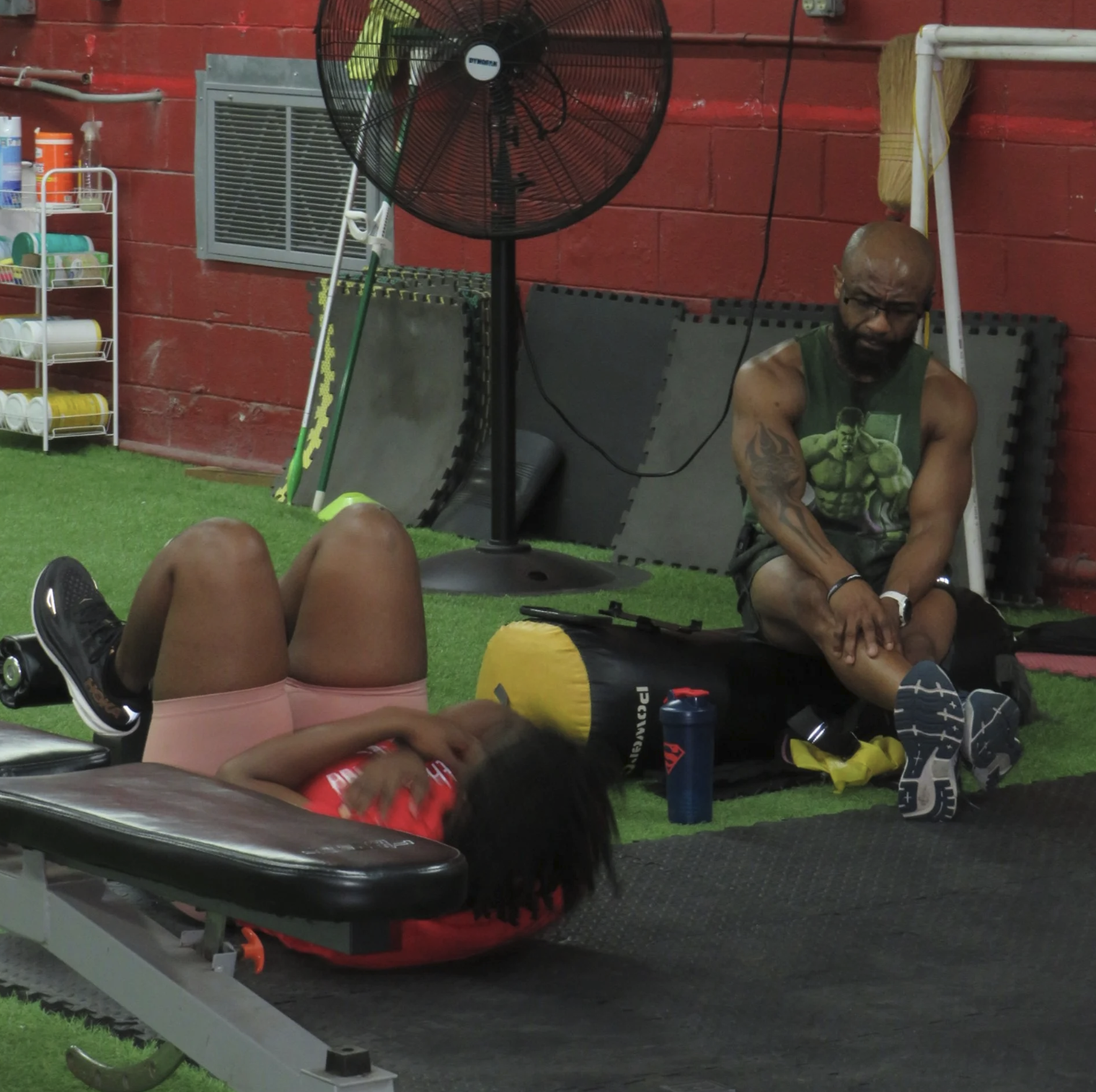
That is one reason his coaching feels more personal than generic programming. He says one of the biggest things he does better than many gyms is simply knowing his people. Sometimes a member wants fat loss or muscle gain. Sometimes a member mainly wants exercise without the burden of planning. Sometimes a member needs daily accountability. David adjusts around that reality rather than forcing every person into the same script.
Making Hard Work Scalable
One of the smartest parts of David’s approach is that he does not confuse intensity with coaching quality. He wants members to have a challenging experience, but not a defeating one. His timer-based sessions can begin with shorter work periods and longer rest, then progress as a member proves ready. That keeps the workout demanding without making a beginner feel wiped out on day one.
He is especially clear on one point: everything is scalable. In his view, there is nothing he does with an elite athlete that cannot be adjusted for a novice member. That matters in a local market where some people may be intimidated by a rugged gym environment or by David’s high-energy coaching style. The message underneath all of it is more welcoming than the first impression might suggest.
The Member Story That Explains The Mission
The clearest example of David’s work may be the story he shared about Sheena Jackson, a client who once relied on a wheelchair. He described helping her stand with support, then gradually reducing that support until she could stand on her own. Months later, Sheena was back doing demanding circuit work that included movements far removed from the limitations that first brought her in.

That story says more about the gym than any slogan could. David is not chasing performative hardship. He is trying to create a sense of accomplishment. In his words, the deeper point is helping people discover they can do more than they thought they could. For Sheena, that progress deserves recognition. For David, it reflects the larger mission of the gym: meeting people where they are, coaching them with patience, and helping them build evidence that their next step is possible.
Why This Approach Connects In The Local Market
David is candid about the local challenge. In and around Dillon County, he knows some members are drawn to brighter, prettier gyms that feel better suited for social content and casual hanging out. ThaBox has traditionally leaned the other way. It comes across as an old-school place built for work first. That difference has shaped both its identity and its growth challenge.
Yet that same contrast may also be the reason the gym stands out. Word of mouth remains his strongest channel, and that usually happens when members feel they are getting something specific enough to talk about. In this case, that “something” is not just a workout. It is careful coaching, progress tracking, accountability, and a training experience that can be adjusted for a serious athlete or a true beginner without losing its standards.
FAQ About ThaBox And Movement-First Training
Why Does Movement Quality Matter Before Strength Training?
Because poor movement can make strength work less effective and can increase the chance of compensation-based pain. David’s view is to build the pattern first, then add load, then add speed and power.
What Does ThaBox Assess Before A New Member Starts Training?
ThaBox begins with movement assessment work, including an overhead squat review and, when needed, other checks such as ankle mobility testing. The point is to find what needs attention before training gets more advanced.
Is ThaBox Only For Advanced Athletes?
No. David repeatedly says the work is scalable. A member who is just starting can train in the same gym and within the same coaching system as an experienced athlete, but at the right level.
Who Does David Deberry Most Enjoy Helping?
He speaks most strongly about two groups: student athletes who want better performance and older adults who want a better quality of life, more movement, and the ability to stay active with family.
Does ThaBox Offer Small Group Training?
Yes. The facility website lists small group training with 30-minute sessions, initial body composition metrics, monthly re-evaluation, dietary and calorie guidance, and access to a group chat for motivation.
Key Takeaways
- Movement quality in training is the core idea behind David Deberry’s coaching approach.
- ThaBox begins with assessment and correction, not random intensity.
- The gym serves student athletes, older adults, and everyday members who need training that can be scaled.
- Sheena Jackson’s progress story shows how David’s coaching can help clients build confidence, independence, and a renewed sense of what is possible.
- In a market full of polished alternatives, ThaBox stands out by staying focused on coaching substance and member results.
Conclusion
The strongest idea in David Deberry’s philosophy is also the simplest: strength means more when the body is ready for it. That belief runs through his work with student athletes, older adults, and everyday members who want something more personal than a generic program. In a fitness culture that often rewards speed, appearance, and spectacle, his approach feels grounded. Start with movement. Build from there. Let the result be confidence that lasts.



Write A Comment