
This is a custom HTML / JavaScript Element
In order To See Your Custom HTML/JavaScript Code in Action You Must Click On The Preview Page Button, Your Code is NOT going to be active in the edit mode
|
Local Fitness Leadership Series
Editorial Spotlight / Roseville, California
|
By Mark D.R. Ford
Managing Editor
|
The Science BehindA Group Program BuiltOne Member At A Time
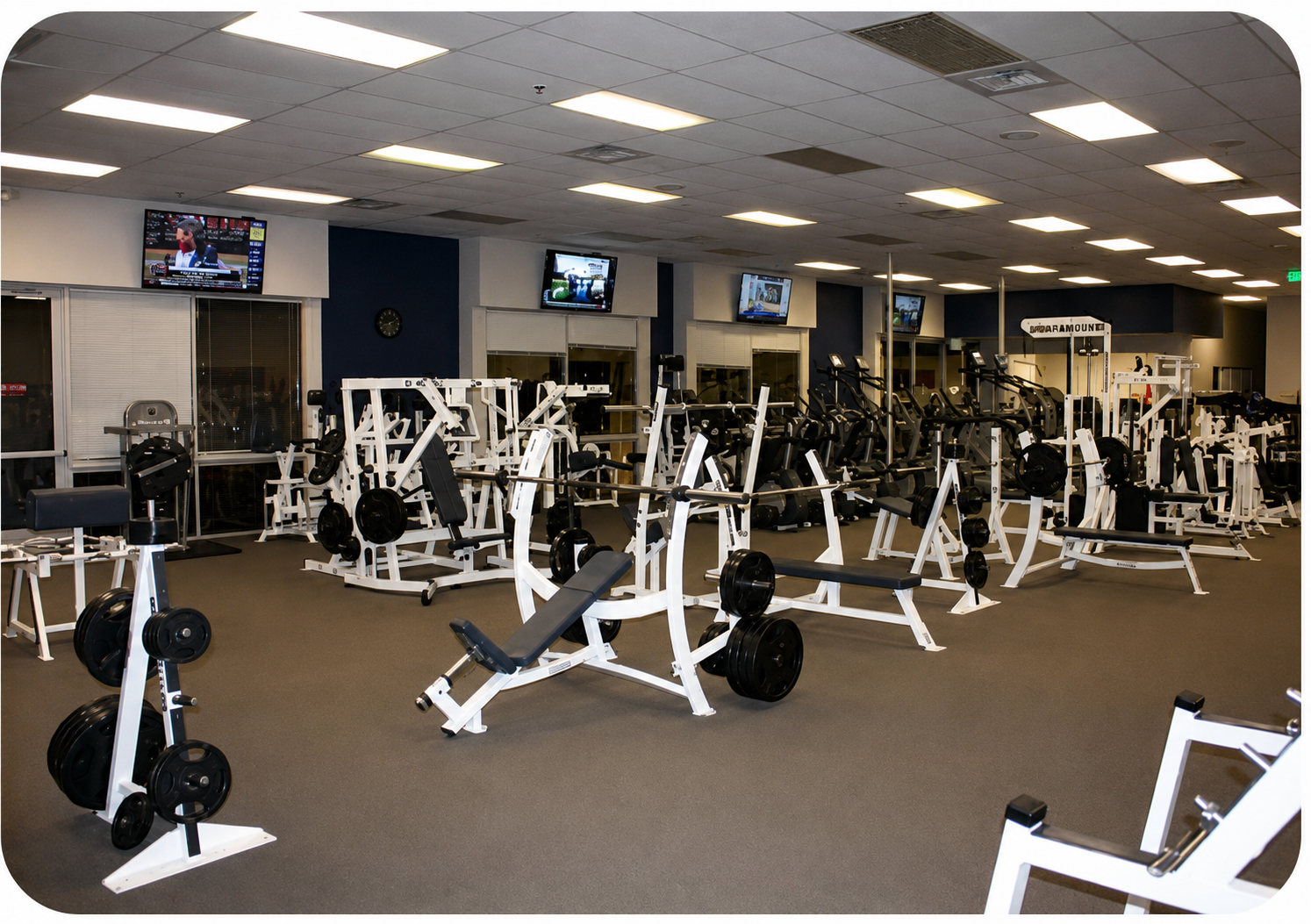
|
Twenty years into running Fitness MD, David Kawahata still cannot give a short answer to a simple question: what do you actually do here? It is not for lack of expertise. He holds a doctorate in health and human performance, has published research on his own members' results, and has coached in Roseville since before the studio was incorporated in 2007. The difficulty is structural. The honest answer is that no two members are doing the same thing.
That is the point of the program he built. Here, group training is not a single class everyone completes in lockstep. In a room of fifteen people, one group may be doing one variation of a movement, another a second, and another a third, each version chosen for a member's fitness level, goals, and injury history. The result is something David describes plainly: a customized program, delivered in a group, at a fraction of the cost of one-on-one training.
“It's a customized program. It's basically whatever you need, along with what you want.”
David Kawahata, Owner And Head Trainer / Fitness MD
What Members Notice First
The first thing new members encounter is not a workout. It is an assessment. Before anyone joins a class, the studio walks them through body-composition and circumference measurements and a full movement screen that identifies where mobility or stability is limited.
Inside the group sessions, members notice that everyone is not doing the same thing. Within a single session, coaches run several variations at once, scaling a movement up, holding it steady, or adjusting around an injury depending on who is in front of them. It feels coached, not herded.
The other thing members notice is that the gym feels like a family. David's wife runs the administration while he leads the training floor, and members' children have grown up here and returned years later as members themselves.
|
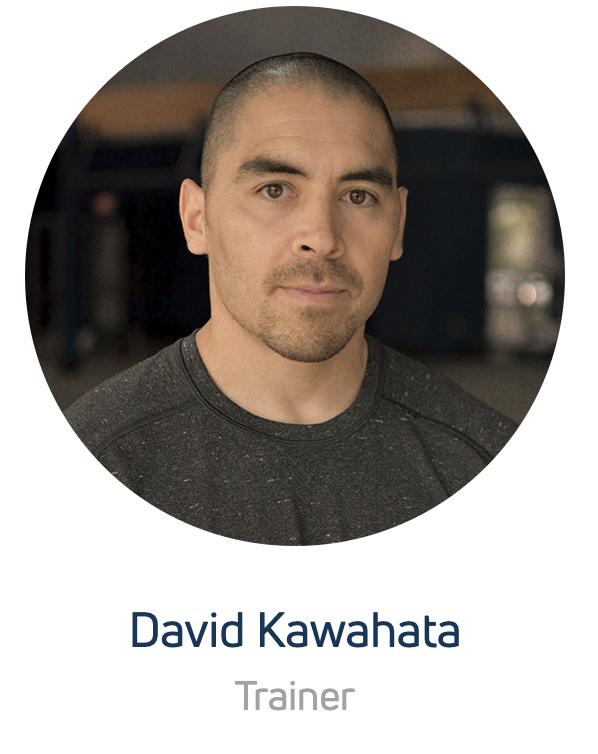
DAVID KAWAHATA: The owner and head trainer, who brings a doctorate in health and human performance and two decades of coaching to the customized group model.
At A Glance
LocationRoseville, California, in a facility of roughly 22,000 square feet.
MethodIndividual plans, built from an assessment, run inside group sessions.
MembershipsCoached Fit Club training, plus open-access gym membership.
LeadershipOwner-led, with a doctorate in health and human performance.
Owner Focus
Measure first, prescribe second. David Kawahata built the studio on that order of operations: find out what a member's body actually needs, weigh it against what they walked in wanting, and let the plan follow from both rather than from a template.
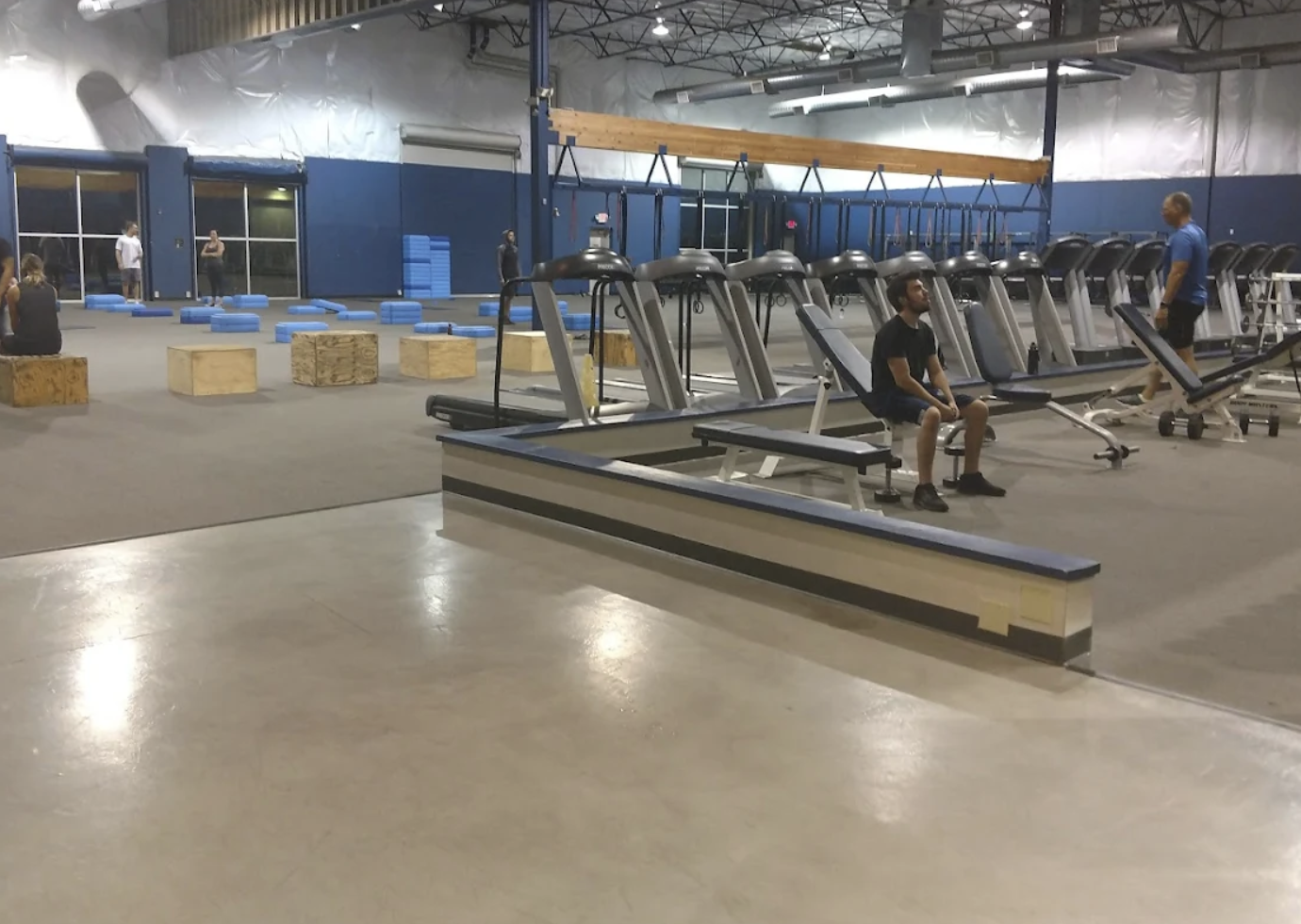
The Floor: Structured group sessions run throughout the day here, on a schedule set a month in advance.
Fitness MD Standard
Custom ProgrammingEvery member's plan is built from what they need and what they want, so a shared class still fits their level, goals, and injuries.
Movement ScreenIntake includes a full movement assessment that flags mobility and stability gaps and helps head off injuries before they start.
Group ValueThe Fit Club model brings the benefits of one-on-one coaching into a group setting, lowering cost without lowering attention.
Proven ResultsPublished research documents measurable fat loss and gains in discipline and exercise identity across structured training blocks.
|
A studio that has run for two decades on a claim most group programs cannot make: that fifteen people in one room can each be doing something different, and each be doing the right thing. The measuring comes before the prescribing, and the plan is what the measurements say it should be.
This profile follows a kinesiology student who kept studying long after he began coaching, and a handful of people training together before 2007 who now fill 22,000 square feet. What holds the two ends of that story together is a refusal to hand anyone a workout before measuring how they move.
The science and philosophy behind customized group fitness at Fitness MD begin with one conviction: a group class does not have to mean a generic workout. David Kawahata has spent two decades proving that a room full of people can each be doing something different, coached toward their own goals, without losing the energy and affordability that make group training work in the first place.
Fitness MD is a group-training studio in Roseville, California, where owner David Kawahata pairs a full movement assessment with customized programming so members train together while following plans built for their own level, goals, and injury history. Backed by a doctorate in health and human performance and published research, the studio's Fit Club model aims to deliver the benefits of one-on-one coaching at group-training cost.
David's own path shaped that view. He grew up in the area, played youth and high-school sports, and drifted toward training on his own before it became a field of study. What he saw over time was a familiar gap: many people needed guidance, one-on-one training delivered real results, and yet the cost of that attention put it out of reach for most. The studio, and its signature Fit Club program, became his answer to that gap.
This profile looks at how the studio combines assessment-based intake, customized programming, diverse weekly training, and a science-minded coaching philosophy inside a Roseville group-training environment.
|
Why It Is Different
Customized, individually scaled programming inside a group setting, guided by assessment and movement science. |
Who It Serves
Roseville members who want coached, personalized training, plus those who prefer open-access gym time on their own schedule. |
Why It Stands Out
A doctorate-level coaching background, published member research, and diverse weekly programming set the studio apart locally. |
Ask David to describe a typical workout here and he hesitates, not because he is unsure, but because the honest answer resists a single description. The Fit Club program is a customized program, he explains: whatever a member needs, meshed with what they want, and with what they should be doing. Two members in the same class at the same hour may leave having trained in noticeably different ways.
That is by design. In practice, a coach may take a group of fifteen and split the room into several versions of the same session: different loads, different progressions, different modifications around an old injury. The structure is planned and consistent; the execution is individual. It is the closest thing David has found to giving each member the attention of a personal trainer without the personal-trainer price tag.
A member here is meant to feel assessed, known, and guided. David describes a studio where the plan is built around the individual, coaches adjust in real time, and the community runs deep enough that members' children grow up in the gym and return years later as members themselves.
David completed a kinesiology degree at Sacramento State, a master's through A.T. Still University, and doctoral work in health and human performance that he finished several years ago. He has published research, continues to run studies, and is compiling a book in his spare time. He also serves as an adjunct professor, teaching the program-design principles he applies on the floor.
The gym grew the way the training does: gradually, and from a small base. It began as a handful of people working out together while David coached them as a group. Nearly two decades later, that group has become a roughly 22,000-square-foot facility serving about a thousand Fit Club members and a comparable number of gym members. The scale changed; the premise did not.
The assessment that opens a membership here is more than a formality. Alongside standard body-composition and circumference measurements, David runs a battery of movement tests that reveal deficiencies in mobility and stability, the kind of limitations that, left unaddressed, tend to become injuries. His most recent research is built around this screening work.
From there, the plan writes itself around the individual. David is careful to separate what a member wants from what they need. Nearly everyone, he notes, wants to look and feel better; part of his job is showing them why mobility, stability, and long-term quality of life belong on the list too. The program is the meeting point between those two.

Ask David what actually produces results, and his answer is direct: the hardest things, done safely. An easy hour with light weights may feel virtuous, he says, but it rarely changes the behaviors that matter outside the gym. A genuinely demanding session (heart rate high, real effort, honest fatigue) tends to pull the rest of a person's habits along with it: better sleep, better recovery, more water, a food plan actually followed.
The changes he sees follow a pattern. The first weeks are hard, and members are often sore and tired. Then something shifts. People report feeling better; David says he can often see it in skin tone and the way someone carries themselves within a few weeks. His published studies documented meaningful fat loss over eight-week blocks, along with measurable gains in exercise-habit strength, self-discipline, and what behavior researchers call exercise identity, the shift toward seeing oneself as a person who trains.
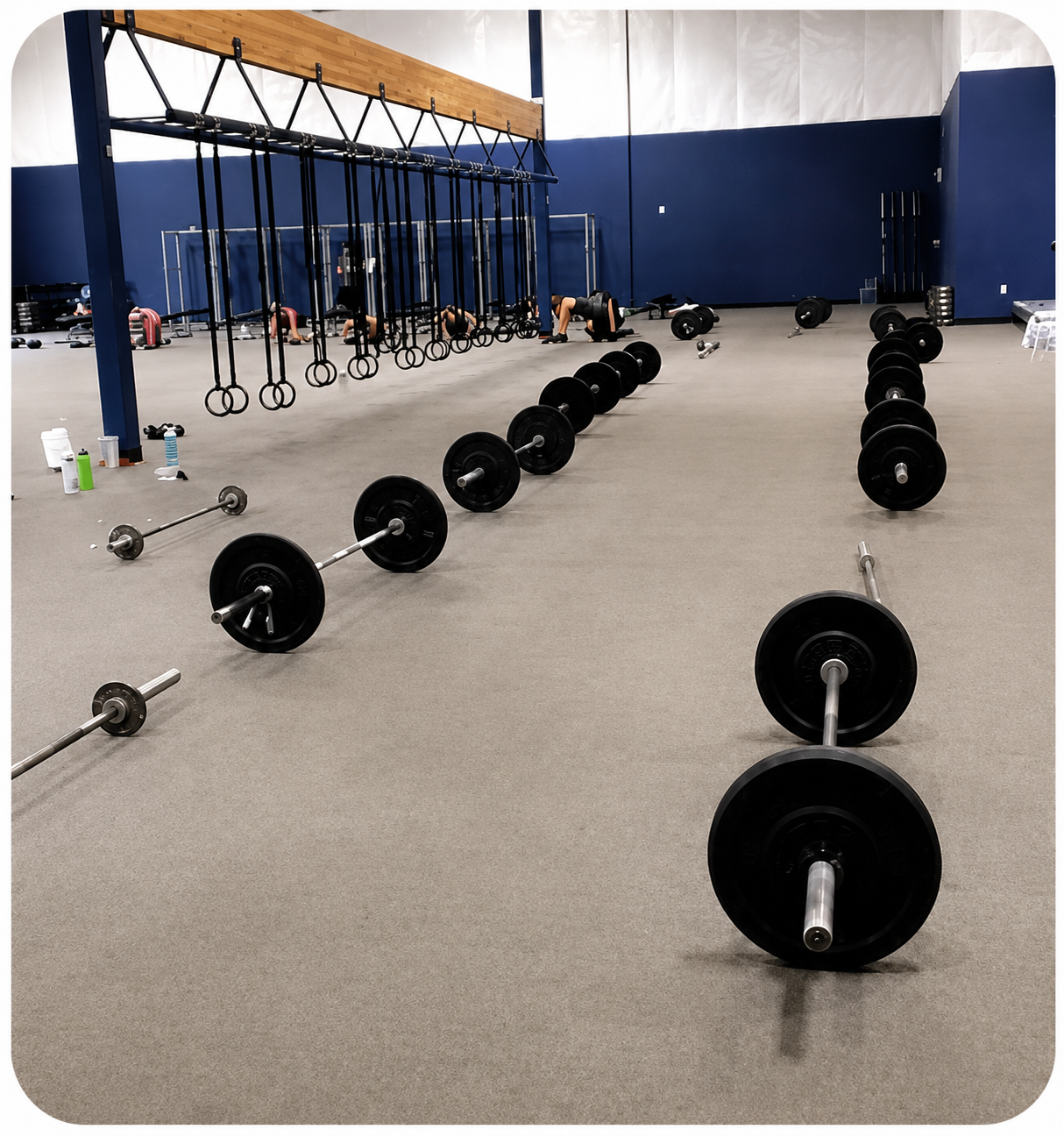
Fitness MD matters because it treats customization as a science, not a slogan: each member is assessed, coached, and progressed individually, even inside a shared group session.
Based on the interview, the studio is built for members who want assessment-driven, customized group training, along with those who prefer independent gym access on their own schedule.
“There is no other gym like it. I have been going to FMD for 3 years now and I love it. The trainers and the classes are amazing. A little over a year ago I had back surgery and was out for a bit. David, not only checked on me, but when I came back he ensured I was doing things correctly. He modifies exercises and helps correct me. I am thankful for FMD! I even moved out of the area and continue to come.”
David sees the studio sitting between two familiar options. On one side is the standard gym, where members pay a monthly fee, use the equipment, and train alone. On the other is one-on-one personal training, which delivers attention but at a price many people cannot sustain. The studio offers both memberships (an open-access gym membership and its signature Fit Club program), but it is best known for the second.
The Fit Club model is where the customization lives. Each member is tagged to a trainer responsible for their assessment, their plan, and their progress, and the monthly schedule is built in advance: two strength days, a power, plyometrics, and agility day, a core day, and endurance days across a single week. David describes the intent as bringing the benefits of one-on-one training into a group: the same result, he argues, sometimes better, at a fraction of the cost.
For someone with a research background, David is notably skeptical of complexity. He believes the fitness industry over-complicates most things, nutrition especially. Most people, in his view, would do well by understanding two ideas: eating an appropriate number of calories for weight management and enough protein to maintain lean mass. The finer detail of vitamins and micronutrients, he says, can wait until the basics are in place.
The same philosophy applies to training. The best program, he argues, is not the most sophisticated one: it is the one a person will actually do consistently. His broader standard is simpler still: there is always something to work on, so work on it, check the box, and move to the next thing. He calls it constant betterment, and it is the through-line of everything the studio does.
In Roseville, a fitness studio has to offer more than convenience to keep members for years. The answer here is a combination local competitors do not often pair: a coaching staff led by someone with a doctorate in health and human performance, a program customized to each member, and a community close enough that people keep coming back after they have moved away.
That combination is what the studio puts in front of anyone weighing where to train. It is a place where members are assessed before they are pushed, coached individually inside a group, and encouraged toward the kind of consistency that, in David's experience, changes almost everything.
David Kawahata is the owner and head trainer of Fitness MD in Roseville, California. He holds a doctorate in health and human performance, along with a kinesiology degree from Sacramento State and a master's from A.T. Still University, and has published research on the results his own members achieve.
The studio is known for its Fit Club program, a customized group-training model in which each member is assessed, tagged to a trainer, and given a plan built around their own level, goals, and injury history, all inside a structured group setting.
Every member begins with body-composition measurements and a full movement screen. From those findings, David Kawahata builds a plan that meshes what a member needs with what they want, and coaches run several movement variations at once within a single group session.
David Kawahata's published studies documented meaningful fat loss over eight-week blocks, along with gains in exercise-habit strength, self-discipline, and exercise identity. He notes that members who train consistently tend to feel better within weeks and improve across strength, endurance, mobility, and quality of life. Individual experiences vary.
It pairs a doctorate-level coaching background with customized programming, a diverse weekly training schedule, and a family-like community. Members are assessed before they are pushed, coached individually inside a group, and supported toward long-term consistency.
- Fitness MD is a Roseville, California group-training studio built around assessment, customized programming, and a philosophy of constant improvement.
- Owner David Kawahata holds a doctorate in health and human performance and has published research on his own members' results.
- The Fit Club model delivers individualized, scalable training inside a group session, aiming for one-on-one benefits at group-training cost.
- A diverse weekly schedule, a family-like community, and a focus on consistency give the studio a clear local identity.
Fitness MD is, in the end, a study in a single idea carried out with unusual rigor: that group training can be genuinely individual. David Kawahata has spent two decades and a doctorate proving the point: assessing each member, writing plans around real needs, and building a community that members grieve to leave.
The thing he most wants people to remember is not a method or a metric. It is that the studio, and the people in it, care about members being healthy, capable, and motivated. For anyone in Roseville who wants more than a room full of equipment, that may be the real value here: a customized program, a coached community, and a standard of constant betterment.

David Kawahata is the owner and head trainer of Fitness MD in Roseville, California. He holds a doctorate in health and human performance, along with a kinesiology degree from Sacramento State and a master's from A.T. Still University, and has published research on the results his own members achieve. He founded the studio from a small group-training practice and has grown it into a roughly 22,000-square-foot facility over nearly two decades.
David's philosophy centers on customization and constant improvement. He believes training should be assessed before it is prescribed, that the best program is the one a member will do consistently, and that most of fitness can be made simpler than the industry tends to make it.
His specialties include movement screening, individualized program design, group-based coaching, and applying exercise science to everyday members. Those values show up in detailed assessments, customized group programming, diverse weekly training, and a family-like community that keeps members returning for years.


Write A Comment