

Creating an environment where athletes feel valued and supported is a critical foundation for fostering long-term success in sport. Athlete community building is more than just a trendy phrase, it is a strategic approach that enhances motivation, commitment, and development by cultivating a family-like atmosphere within training facilities. This article delves into the core principles of athlete community building and how it transforms athletic training into a holistic, empowering experience, drawing on the expert insights of Coach Eugene Dougherty, owner of Blue Chip Athletic Performance Enhancement LLC.

Introduction: The Importance of Athlete Community Building in Athletic Training
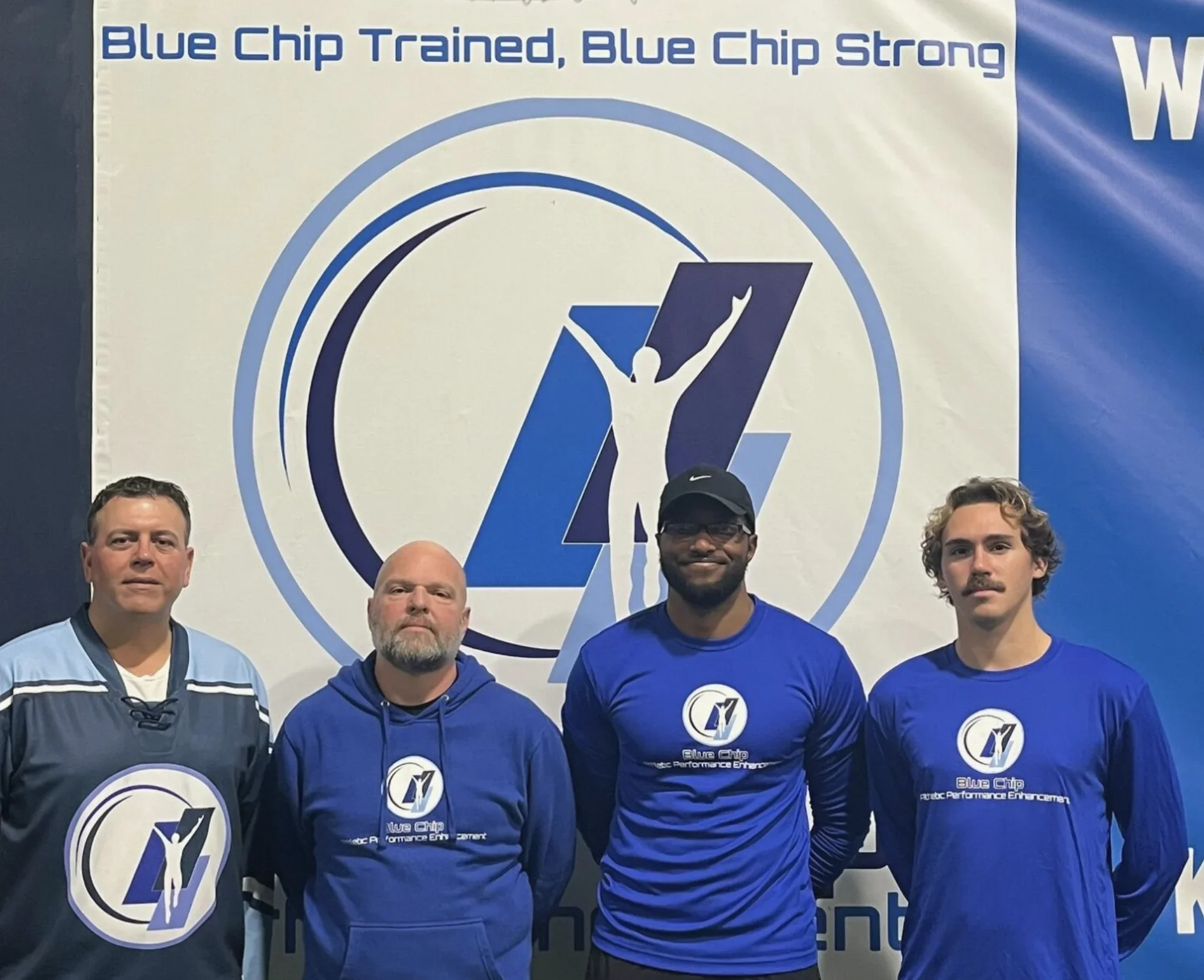
At the heart of every successful athletic program lies a supportive community. Athlete community building establishes a shared space where athletes don't just come to train, they come to grow alongside trusted mentors and peers. This sense of belonging fosters motivation that outlasts fleeting achievements. Eugene Dougherty, a seasoned coach with over 30 years of experience, embodies this philosophy. Blue Chip Performance Center uniquely prioritizes fostering a family atmosphere that supports athletes emotionally and physically, recognizing that lasting development depends on trust and connection.
Coach Gene Dougherty’s Background and Philosophy on Athlete Community Building
Gene Dougherty, of Blue Chip Athletic Performance Enhancement LLC, explains, "I want athletes to feel a sense of family when they walk into Blue Chip Performance Center. We’re there for them, creating a safe environment where trust and mentorship thrive."
Over 30 years of coaching experience across multiple sports including soccer, football, and hockey.
Transitioned from coaching to opening a specialized athletic training facility to serve youth athletes.
Focus on personalized coaching tailored to individual athlete development.
Coach Gene Dougherty’s journey reflects a lifelong dedication to athlete growth. Recognizing early on that coaching was his true calling, he gathered extensive experience across a variety of sports and levels. His passion eventually led to the creation of his own training facility designed to provide tailored development opportunities grounded in mentorship. This background enables the coaching team to create an environment that values individual progress within a communal family structure.

Creating a Family Atmosphere: Core Elements of Athlete Community Building
Mentorship and trust as pillars of the community.
Commitment to athlete growth as a shared journey.
Encouraging open communication and support among athletes and coaches.
Balancing competitive training with emotional support.
Coach Gene emphasizes, "Becoming an elite athlete takes commitment. We instill this from the moment athletes walk in the door, fostering a community that supports that dedication."
Creating a family atmosphere requires more than physical training; it demands building strong relationships rooted in trust and mentorship. Blue Chip Performance Center is designed to be a safe haven where athletes feel supported, challenged, and understood. He stresses the importance of commitment not just as an individual goal but as a shared journey between coaches, athletes, and families. Open communication is encouraged to ensure athletes feel heard and motivated while balancing the struggles of competitive development with compassionate emotional support.
This family-like community sets the stage for sustained motivation. Rather than expecting overnight transformations, the coaching staff underscores that athletic success is a continuous process that requires dedication and perseverance from day one. This culture helps athletes embrace the challenge fully, knowing that they are surrounded by a steadfast support network.
Blue Chip Performance Center Overview: How Athlete Community Building Shapes the Training Environment
Flexible drop-in class model tailored to athletes’ seasonal schedules.
Programs focused on soccer and multi-sport athlete development.
Collaborations with specialized coaches to provide personalized training.
Use of social media and word-of-mouth to build a connected athlete network.
Blue Chip Performance Center operates unlike a typical gym. Recognizing the unique schedules of youth athletes balancing academics, sports seasons, and family time, the gym offers a flexible “come-as-you-can” model rather than fixed memberships. This approach fosters consistent engagement by accommodating athletes’ needs without pressure.
The gym is well-known for its popular soccer program and has seen rapid growth in lacrosse training, driven by strategic collaborations with expert coaches. This multi-sport focus strengthens the community by welcoming athletes from diverse backgrounds and disciplines, enhancing mutual support and networking.
Word-of-mouth remains the gym’s most effective marketing tool. “If you know someone benefiting from our programs, you want to try it too,” Gene remarks, highlighting how powerful authentic recommendations are in building a trusting community. Social media presence complements this, maintaining visibility and open communication channels with potential athletes and their families.
Challenges in Athlete Community Building and How to Overcome Them
Balancing business operations with maintaining a supportive community.
Overcoming marketing hurdles to reach and grow the athlete base.
Managing seasonal athlete participation and retention.
Delegating responsibilities to focus on coaching and community engagement.
Coach Gene shares, "The hardest part is separating the business side from the experience. I want to keep the joy of coaching alive while growing the community."
While athlete community building is rewarding, Gene candidly shares the challenges of managing the business side alongside creating a nurturing environment. Wearing “all the hats” from bookkeeping, facility maintenance, coaching, to marketing can dilute focus and threaten the personal touch that defines the gym.
Marketing beyond the initial network is another significant hurdle. Coaches’ inclination to “keep everything in-house” makes outreach difficult, so building strong relationships with local coaches and leveraging social proof is vital. Seasonal participation fluctuations also require adaptable program structures and communication to maintain retention.
Coach Gene mentions his goal to delegate operational tasks to trusted staff so he can concentrate more on coaching and developing deeper community bonds. This balance is essential for sustainable growth without sacrificing the intimate family atmosphere.
Vision for the Future: Expanding Athlete Community Building Efforts
Plans for a full-size indoor facility with multi-sport capabilities.
Incorporating nutrition and holistic athlete development programs.
Hosting in-house events and leagues to strengthen community ties.
Supporting athletes through college and professional recruitment processes.
Looking ahead, Gene envisions a much larger facility that can house state-of-the-art resources: full indoor fields for soccer, lacrosse, and football, advanced weight and cross-training rooms, and dedicated spaces for nutrition education. This integrated approach aims to support holistic athlete development from beginner stages to elite college and professional levels.
Hosting in-house leagues and events is a key part of strengthening community bonds and enhancing athlete engagement. Moreover, providing guidance through collegiate recruiting and professional drafts reflects the gym’s commitment to every aspect of an athlete’s journey, further cementing the family-like culture.
Actionable Tips for Building a Strong Athlete Community
Foster a welcoming and family-like atmosphere from day one.
Encourage consistent commitment and communicate realistic expectations.
Engage specialized coaches to provide personalized athlete development.
Leverage word-of-mouth and social media to build trust and visibility.
Balance business management with maintaining authentic athlete relationships.
Common Misconceptions About Athlete Community Building
It’s not just about winning or performance; it’s about holistic growth.
Community building requires ongoing effort, not a one-time event.
Athlete commitment is a process, not an instant transformation.
Marketing is essential to grow the community beyond initial networks.
People Also Ask
What is athlete community building and why is it important?
How can athletic training facilities create a family-like environment?
What are the benefits of personalized coaching in athlete development?
How do you maintain athlete commitment over time?
What challenges do gym owners face in building athlete communities?
Key Takeaways
Athlete community building fosters trust, commitment, and holistic development.
Creating a family atmosphere enhances athlete motivation and retention.
Personalized coaching and flexible programs meet diverse athlete needs.
Balancing business and community focus is critical for sustainable growth.
Visionary expansion plans elevate athlete experience and community impact.
Conclusion: The Lasting Impact of Athlete Community Building
Coach Gene Dougherty concludes, "Our goal is to help athletes not just improve their skills but to feel part of a family that supports their dreams and growth every step of the way."
Athlete community building is a powerful strategy for athletic training success.
Facilities that prioritize family and mentorship stand out in competitive markets.
Investing in community leads to loyal athletes and long-term growth.
Building a genuine athlete community requires dedication, strategic planning, and heart. By prioritizing a family-like environment where commitment and mentorship thrive, athletic facilities can inspire athletes to reach their potential and foster lifelong loyalty.
Sources
Building a strong athlete community is essential for fostering trust, motivation, and long-term commitment within training facilities. The article “Building a Sense of Family in Athletic Training Facilities: The Power of Athlete Community Building” explores this concept in depth. For further insights into creating inclusive and supportive athletic environments, consider exploring the following resources: “3 Tips to Build a Strong and Inclusive Affiliate Gym Community”: This article offers practical strategies for gym owners to foster a welcoming and inclusive community, emphasizing the importance of social tools and engagement. (zenplanner. com) “Athlete Ally”: An organization dedicated to making athletic communities more inclusive and less discriminatory, providing resources and education to support LGBTQ athletes. (en. wikipedia. org) If you’re serious about enhancing the sense of family and inclusivity in your athletic training facility, these resources will provide valuable strategies and insights to support your efforts.


Write A Comment