

Did you know over 70% of your immune cells live in your gut? Despite the central role our digestive system plays in immunity and overall wellness, many people walk around with gut inflammation—and have no idea. This silent disruptor can gradually undermine your energy, mood, and long-term health, even if obvious symptoms are slow to emerge.
Whether you’re struggling with persistent bloating, unexplained fatigue, or simply serious about prevention, understanding gut inflammation can empower you to make informed changes. In this in-depth editorial, you’ll learn not only what gut inflammation is, but why it could be affecting you, how to spot the warning signs, what steps to take, and the science behind making your gut stronger and healthier—one choice at a time.
"Over 70% of your immune cells are housed in your gut — yet most people have no idea when gut inflammation silently takes hold."
An Alarming Reality: Why Gut Inflammation Deserves Your Attention
For many, gut inflammation remains a largely invisible problem until it progresses into serious digestive issues or diseases. Yet, the latest medical research from worldwide biomedical research centers, including the University of Birmingham, shows that low-level inflammation often sits at the root of major health conditions: from colorectal cancer and inflammatory bowel disease (IBD) like ulcerative colitis, to autoimmune issues and even mental health disturbances.
Studies led by acclaimed research centers such as the NIHR Birmingham Biomedical Research Centre and the collaborative teams at the University of Lancashire have demonstrated that inflammation in the gut doesn’t just affect digestion. It can fuel an inflammatory response throughout the body, influence your immune cells, and quietly increase long-term risk of disease. The findings suggest that targets for treatment are evolving beyond symptom management, focusing on prevention and gut microbiome balance. Addressing gut inflammation isn’t just for those diagnosed with a bowel disease—it’s vital for anyone wanting to protect their present and future health.
What You’ll Learn in This Guide to Gut Inflammation
What gut inflammation is and why it matters for everyone
Critical connections between gut inflammation, colorectal cancer, and inflammatory bowel diseases
Recognizable symptoms — and the silent signs most people miss
Step-by-step routine for healthier gut function
Key mistakes to avoid with your gut health
Defining Gut Inflammation: What Is It, Really?
Understanding Gut Inflammation and Its Effects
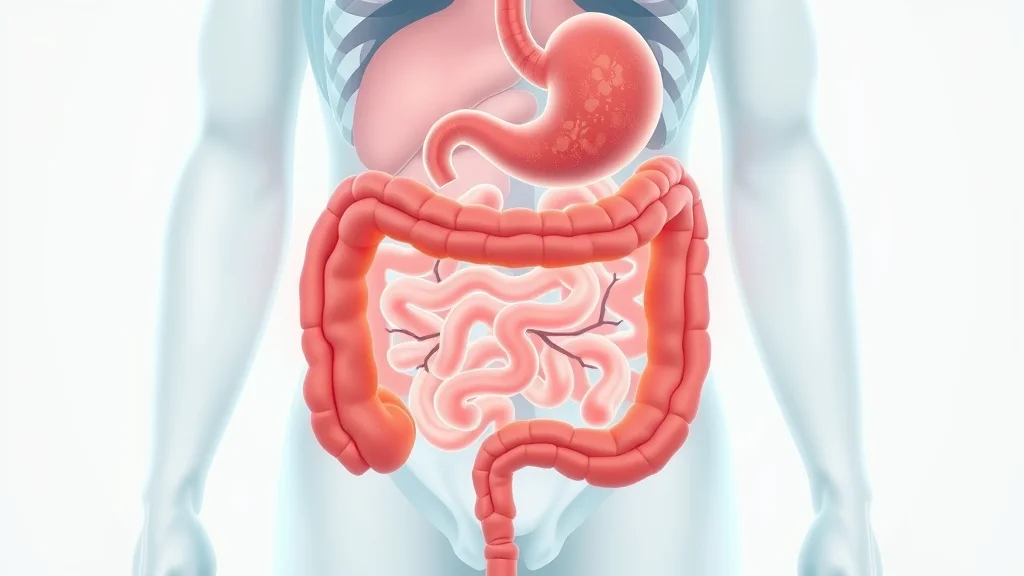
Gut inflammation arises when the lining of your digestive tract becomes irritated or damaged. This triggers an inflammatory response as your immune cells flood the area, aiming to repair and defend. While a short burst of inflammation is a normal part of healing, ongoing (chronic) inflammation disrupts the balance of your gut microbiome and can lead to more serious problems like bowel disease and colorectal cancer. The University of Birmingham and birmingham biomedical research centre are at the forefront of research demonstrating that persistent inflammation may encourage harmful bacteria to thrive, aggravating the problem.
If left unchecked, gut inflammation can gradually erode the integrity of your intestinal lining, making it more permeable—a phenomenon sometimes called “leaky gut. ” When this barrier weakens, toxins and partially digested substances can slip into the bloodstream, further taxing the immune system and potentially triggering symptoms in other areas of the body. According to medical research studies and evidence synthesis from leading biomedical research groups, this is tightly linked to chronic fatigue, mood swings, increased food sensitivities, and risk for inflammatory bowel disease—including ulcerative colitis—and some cancers.
How Gut Bacteria Play a Role in Gut Inflammation
The community of microorganisms living in your gut—known as the gut microbiome—is deeply involved in both digestive function and the modulation of inflammation. Healthy gut bacteria help break down fiber, protect against pathogens, and even produce compounds that calm inflammation. But when the balance of gut bacteria is disturbed (by poor diet, stress, overuse of antibiotics, or chronic illness), it can set the stage for inflammation to take root and flourish.
Seminal medical research from the NIHR Birmingham Biomedical Research Centre and University of Lancashire has shown that changes in the microbiome can influence your immune response, potentially aggravating or alleviating inflammation. The evolving field of biomedical research continues to discover which specific bacteria help protect against bowel disease and which might encourage it. Authors of major evidence synthesis studies suggest that restoring a healthy microbiome could be key to future treatment of chronic gut issues and even reduce risk of colorectal cancer.
Comparison of Healthy vs. Inflamed Gut Characteristics | ||
Aspect |
Healthy Gut |
Inflamed Gut |
|---|---|---|
Gut Lining |
Thick, intact barrier; minimal permeability |
Thinned, damaged barrier; increased permeability (“leaky gut”) |
Gut Microbiome |
Diverse, balanced bacteria; rich in beneficial strains |
Reduced diversity, more harmful bacteria, fewer beneficial strains |
Symptoms |
Regular digestion; high energy; stable mood |
Bloating, discomfort, fatigue, mood swings, food sensitivities |
Long-Term Effects |
Low disease risk; robust immunity |
Higher risk of bowel disease, IBD, and colorectal cancer |
Why Gut Inflammation Matters More Than You Think
Links Between Gut Inflammation, Colorectal Cancer, and Inflammatory Bowel Disease
Leading evidence synthesis and medical research strongly affirm that gut inflammation is a crucial risk factor for chronic illnesses, particularly inflammatory bowel disease—which includes ulcerative colitis—and colorectal cancer. Research led by the Birmingham Biomedical Research Centre and studies authored by teams at both the University of Birmingham and the University of Lancashire reveal that chronic inflammation can escalate cellular changes in the gut lining, eventually leading to precancerous lesions or full-blown cancer.
Moreover, people with inflammatory bowel disease are at a significantly higher lifetime risk of developing colorectal cancer. These findings highlight the importance of addressing even mild symptoms early and not waiting for a formal bowel disease diagnosis. Regular screenings, lifestyle changes, and microbiome-friendly choices can all play a role in prevention, and new targets for treatment continue to emerge from collaborative research conducted at top biomedical research centers.
The Impact of Gut Inflammation on Overall Wellness
The effects of gut inflammation extend far beyond your digestive system. Because your gut microbiome interacts deeply with the immune system and nervous system, chronic inflammation has been linked to fatigue, sleep disturbances, anxiety, and even cognitive “brain fog. ” Biomedical research from the NIHR Birmingham Biomedical Research Centre suggests that restoring and maintaining gut health can increase energy, enhance immunity, and contribute to overall wellbeing. When gut function is compromised, you are more vulnerable to infection, autoimmunity, and long-term illness—including diseases unrelated to the digestive tract.
Ignoring gut inflammation often means missing out on proactive strategies that could make a real difference, especially as age or family risk factors increase. The consensus among clinicians and researchers is that supporting gut health is one of the most effective—yet often overlooked—ways to protect both body and mind over time.

Step-by-Step Guide: Managing and Improving Gut Inflammation
Identifying the Symptoms of Gut Inflammation
Digestive discomfort and alterations in bowel habits
Subtle signs: fatigue, brain fog, skin issues
When to seek professional advice
Gut inflammation rarely arrives with a clear diagnosis. For many, symptoms appear subtly: you may notice bloating, gas, or alternating bouts of constipation and diarrhea. These digestive changes are sometimes accompanied by less obvious clues—persistent fatigue even after a full night’s rest, periods of mental sluggishness (“brain fog”), unexplained skin issues, or even mild joint aches. According to medical practitioners at leading biomedical research centres, these signs should not be ignored, especially alongside a family history of bowel disease or colorectal cancer.
If these symptoms persist for more than a few weeks, or if they are accompanied by weight loss, blood in stools, or severe abdominal pain, it’s crucial to seek out a specialist for evaluation. Early detection and intervention—often involving gut microbiome assessments and targeted lifestyle changes—can prevent escalation to more serious disease, a point echoed by senior authors of landmark studies at the Birmingham Biomedical Research Centre.
Everyday Habits That Reduce Gut Inflammation
Transforming your gut health doesn’t require extreme diets or complicated regimens. Simple, sustainable habits—like eating a wide range of plant-based foods, staying hydrated, getting regular physical activity, and prioritizing stress management—lay the groundwork for a healthier gut lining and a balanced gut microbiome. According to authors of the study from the University of Birmingham, these everyday habits have shown measurable benefits in large-scale cohorts.
Minimizing processed foods, avoiding excessive antibiotic use, and reducing unnecessary food restrictions are equally important. Evidence synthesis from the biomedical research centre community supports the idea that gradual, consistent changes yield more reliable gut healing than quick fixes or fad diets. Incorporate relaxation or mindfulness techniques to reduce the load of chronic stress, which is a major—but often overlooked—driver of gut inflammation.

Nutrition and Gut Inflammation: Foods to Favor and Avoid
The science consistently underscores the connection between nutrition and gut inflammation. Diets rich in diverse fibers—like those found in beans, lentils, whole grains, nuts, and a wide variety of colorful vegetables—fuel beneficial gut bacteria. Fermented foods, such as yogurt and kimchi, can also support microbiome diversity. Meanwhile, excessive intake of processed meats, added sugars, refined grains, and saturated fats is associated with increased gut irritation and a higher risk of colorectal cancer, especially in people genetically predisposed to inflammatory bowel diseases.
Be wary of “all-or-nothing” approaches: eliminating entire food groups for long stretches without medical guidance can backfire by reducing microbiome diversity. Aim instead for balanced, varied nutrition and tune into your body’s responses over time, making small adjustments as needed for best results.
Best and Worst Foods for Gut Inflammation | |
Favor |
Avoid |
|---|---|
Leafy greens, cruciferous vegetables, berries |
Processed meats, fried foods, sugary snacks |
Beans, lentils, whole grains, seeds |
Refined grains, white bread, pastries |
Fermented foods (yogurt, kefir, kimchi, sauerkraut) |
High-fat dairy, saturated/trans fats |
Olive oil, fatty fish, nuts |
Excessive red meat, artificial additives/preservatives |
Key Tips and Coaching Cues for Gut Inflammation Management
Prioritize fiber-rich, plant-based foods for healthy gut bacteria
Avoid overusing antibiotics
Manage stress with proven techniques
Stay consistent — gut healing is gradual

Common Mistakes With Gut Inflammation (And How to Fix Them)
Ignoring chronic digestive symptoms: Pay attention to subtle, recurring discomfort even if it seems minor; don’t wait for a formal diagnosis.
Relying solely on supplements: Supplements cannot replace a diverse, whole-food-based diet or healthy lifestyle.
Skipping routine screenings: Routine check-ups, colonoscopies, or microbiome assessments are key for those at risk of bowel disease or colorectal cancer.
Incomplete elimination diets: Eliminating foods without professional guidance can reduce gut microbiome diversity and worsen issues.
The Benefits of Healing Gut Inflammation
Improved Digestive Health and Reduced Risk of Colorectal Cancer
Healing gut inflammation provides a host of long-term benefits. Regular digestion, fewer flare-ups, and reduced discomfort are just the beginning. Perhaps most critically, lowering inflammation dramatically cuts the risk of developing inflammatory bowel disease, ulcerative colitis, and colorectal cancer. For populations tracked by the University of Birmingham and similar biomedical research centers, improved diet and early screening have proven to slow or even halt disease progression.
Greater Energy, Immunity, and Cognitive Wellbeing
A resilient gut is associated with increased vitality, a stronger immune response, and steadier mood. As the majority of your immune cells reside in the digestive tract, minimizing inflammation means less energy diverted to chronic immune activation and more available for day-to-day activities. This extends beyond the digestive system, influencing everything from sleep quality to focus and mental wellbeing, as confirmed by medical studies and evidence synthesis conducted by top university research teams.
Who Should Pay Special Attention to Gut Inflammation?
Individuals with family history of inflammatory bowel disease or colorectal cancer
Those with chronic gut symptoms
Anyone experiencing unexplained fatigue or immune issues
Proactive gut care is especially important for individuals with a family tendency towards bowel diseases or colorectal cancer. However, anyone experiencing persistent digestive irregularity, ongoing tiredness, or frequent infections should consider gut health a top health priority. Early and ongoing intervention—even without a clear diagnosis—offers the best chance for sustained wellbeing, per recommendations from leading medical research organizations.
Modifying Your Approach: Adapting Gut Inflammation Strategies
Tailoring Interventions for Ulcerative Colitis and Other Specific Bowel Diseases
For those already diagnosed with inflammatory bowel disease or ulcerative colitis, a standard gut-friendly approach may need modification. These individuals benefit most from close collaboration with a specialist who can tailor diets, medications, and microbiome therapies to unique needs. Biomedical research centres like those in the NIHR Birmingham Biomedical Research Centre have documented exciting progress in matched treatment strategies based on microbiome profiles, symptom tracking, and personalized nutrition.
It’s important not to attempt drastic dietary changes or supplementation for complex bowel diseases without medical partnership. Instead, focus on small, manageable adjustments validated by clinical research, building on your progress step by step towards durable change and possible remission.
Progressions: What to Do as Your Gut Health Improves
Reintroducing diverse foods safely
Adjusting lifestyle habits with professional support
As inflammation eases and your gut heals, aim to reintroduce new foods gradually under guidance—maximizing nutrient intake and microbial diversity. Progression may also mean scaling up physical activity, reducing medication use as advised, or adding new stress management strategies. The support of a registered dietitian or gastroenterologist is invaluable for these transitions, helping avoid relapse and ensuring sustainable improvement.

People Also Ask: Gut Inflammation Deep Dive
What are the most common signs of gut inflammation?
The most frequent signs include bloating, abdominal discomfort, changes in bowel habits (alternating diarrhea and constipation), as well as less obvious symptoms like fatigue, headaches, and skin problems. Persistent symptoms that do not improve with minor diet or lifestyle changes may indicate ongoing gut inflammation and warrant professional evaluation, especially for individuals with a family history of inflammatory bowel disease or colorectal cancer.
Can gut inflammation be reversed naturally?
In many cases, mild to moderate gut inflammation can be improved significantly through evidence-based, natural interventions. These include increasing dietary fiber, minimizing processed foods, managing stress, getting regular exercise, and, when appropriate, using probiotics. However, severe or persistent inflammation—especially in diagnosed bowel disease—often requires medical therapy in addition to lifestyle changes.
Is there a link between gut inflammation and mental health?
Absolutely. Current medical research highlights a strong relationship between gut inflammation and mood disturbances, including anxiety and depression. The gut-brain axis means changes in your microbiome and immune activity can directly affect how you feel. Reducing gut inflammation is often associated with improvements in energy, clarity, and emotional stability.
How does gut bacteria influence inflammation?
Your gut bacteria act as primary regulators of inflammation: beneficial strains help keep inflammation in check, while imbalances allow pathogenic bacteria to trigger or worsen immune responses. Promoting microbiome diversity through balanced nutrition and stress management is central to managing gut inflammation both for disease prevention and longevity.
Expert Perspectives: What Science and Clinicians Say About Gut Inflammation
"Ongoing gut inflammation is a major risk factor for not only digestive diseases like ulcerative colitis but also colorectal cancer." — Gastroenterologist, Dr. Lisa Nguyen
Short explainer animation: 'How Gut Inflammation Develops and Why It Matters'
FAQs About Gut Inflammation and Gut Health
What causes chronic gut inflammation?
Chronic gut inflammation is often caused by ongoing irritation from an imbalanced diet (especially low in fiber and high in processed foods), repeated infections, chronic stress, overuse of antibiotics, or genetic predispositions. In some, underlying inflammatory bowel diseases like ulcerative colitis play a role.Do probiotics help?
Probiotics can be beneficial for some people, particularly when restoring gut microbiome balance after antibiotics or illness. However, effectiveness varies, and it’s best to consult a healthcare provider for tailored advice rather than self-prescribing supplements.When should I see a doctor about my digestive symptoms?
Seek medical advice if symptoms persist for more than a few weeks, worsen over time, interfere with daily life, or are accompanied by alarming features like unexplained weight loss, fever, or blood in the stool.Are food sensitivities a sign of gut inflammation?
They can be; chronic inflammation weakens the gut barrier and may increase reactivity to certain foods. However, many food sensitivities have unrelated causes, so evaluation by a professional is essential for an accurate diagnosis.
Key Takeaways from This Guide to Gut Inflammation
Gut inflammation is common, often unrecognized, and linked to serious health risks
Simple lifestyle changes make an enormous difference over time
Screening and professional advice are essential for persistent symptoms
Reclaim Your Health: Steps Forward on Your Gut Inflammation Journey
"Practical, evidence-guided choices today lay the foundation for a healthier gut and a stronger, more resilient future."
Conclusion
Gut inflammation deserves more attention: equipped with these practical steps and scientific insights, you can take charge of your digestive health and protect your future—starting now.
Sources:
NIHR Birmingham Biomedical Research Centre – https://www.birminghambrc.nihr.ac.uk/
Lancaster University Health and Medicine – https://www.lancaster.ac.uk/health-and-medicine/
National Cancer Institute: Colorectal Cancer – https://www.cancer.gov/types/colorectal
NHS: Ulcerative Colitis – https://www.nhs.uk/conditions/ulcerative-colitis/
To deepen your understanding of gut inflammation and its impact on health, consider exploring the following resources: Inflammatory Bowel Disease (IBD) | Johns Hopkins Medicine provides comprehensive information on conditions like Crohn’s disease and ulcerative colitis, detailing their symptoms, causes, and treatment options. Inflammatory bowel disease (IBD) - Symptoms and causes - Mayo Clinic offers an in-depth look at the symptoms and causes of IBD, emphasizing the importance of early detection and management. These resources offer valuable insights into recognizing, managing, and preventing gut inflammation, empowering you to take proactive steps toward better digestive health.


Write A Comment