Add Row
Add Element
Fitness Living Magazine Logo
UPDATE
Add Element
  • Home
  • Categories
    • Fitness Headlines
    • South Carolina
    • Top Picks
    • Gym Growth
    • Nutrition + Performance
    • Recipes + Meal Prep
    • About the Magazine
    • Featured Fitness Leader
    • California
  • About The Magazine
The Media Platform for Fitness Leaders & Owners.
February 13.2026
1 Minute Read

Why Your Fitness Journey Stalls - And How to Fix It Now

Did you know that over 80% of people abandon their fitness goals within the first three months? In an industry obsessed with transformation and “before-and-after” stories, many individuals silently struggle with stalled progress. If you’ve ever wondered why your fitness journey seems to falter just when you gain momentum, you’re not alone. The good news? There are evidence-based strategies and new industry perspectives that can help you break through the plateau for lasting—and healthy—success.

The Startling Truth Behind Fitness Failure Rates

Statistics consistently reveal a sobering reality: more than 80% of people give up on their fitness goals within three months of starting. This isn’t just a number—it's a reflection of deep-rooted challenges in the way most approach fitness. Whether it’s a new year’s resolution, a trending “hot girl” fitness challenge, or a renewed commitment after reading a motivating blog post, most start strong but quickly lose steam. Understanding why these goals fade is key to building a routine that lasts. Many in the United States, for instance, wrestle with balancing work, family, and self-care, which can lead to an all-or-nothing mentality about fitness and wellness. Without realistic expectations, proper goal-setting, and consistent behavior change, even the most ambitious plans will likely stall. By identifying what causes these setbacks—like misinformation, overtraining, or chasing perfection—we lay the groundwork for a smarter, more resilient approach in the fitness industry.
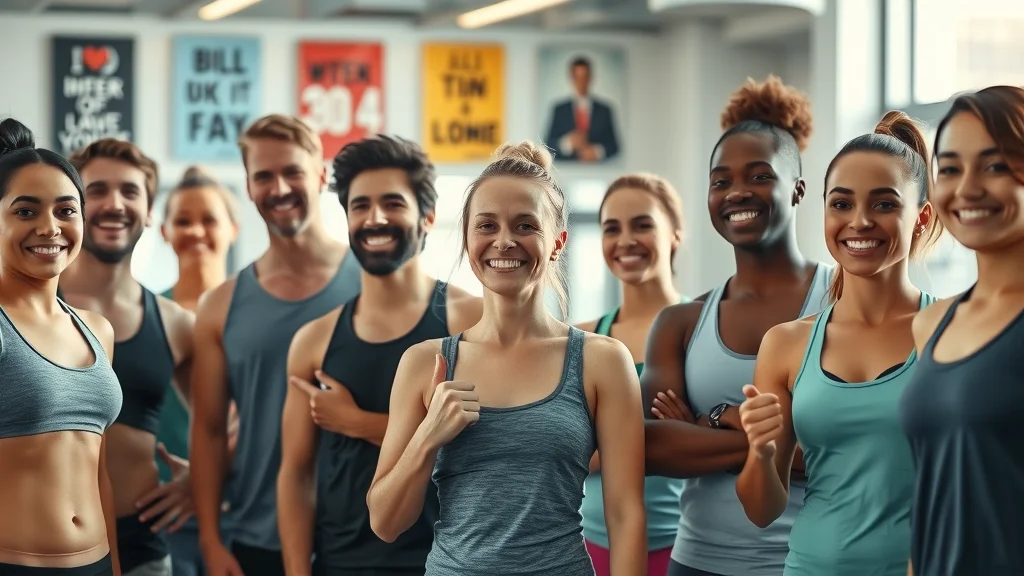
Motivated diverse group of individuals in athletic wear gathered in a bright gym, featuring motivational fitness posters and exercise equipment, showcasing fitness and healthy life.

What You'll Learn About Revitalizing Your Fitness (fitness)

  • The leading reasons fitness journeys stall
  • Actionable solutions for each roadblock
  • How fitness industry trends impact your progress
  • Expert tips for motivation and consistency
  • Future outlook on the fitness industry (fitness industry)

Understanding Why Your Fitness Journey Stalls (fitness, fitness industry)

Common Pitfalls in Fitness Programs

  • Lack of clear goals
  • Overtraining and burnout
  • Impatience with slow progress
  • Relying on fitness myths

One of the most common pitfalls is setting vague or unrealistic fitness goals. Many start with the intention to simply “get fit,” skipping the critical step of defining measurable milestones. Without precise targets, motivation fizzles and progress becomes difficult to track. Overtraining is another major issue—newly inspired individuals push themselves too hard, leading to injuries, burnout, or even chronic fatigue, especially when they mirror routines designed for seasoned athletes or so-called “hot girl” influencers. With the bombardment of quick fixes in the fitness industry—such as miracle vertical leg press routines or the latest pendulum squat craze—people fall prey to myths that don’t serve their unique needs. Impatience only magnifies the problem; if the needle doesn’t move quickly enough, enthusiasm turns to frustration. The reality, reinforced by countless health and fitness professionals, is that sustainable results require gradual progress, tailored to your experience level, body type, and lifestyle.

Frustrated young adult in a modern home studio with fitness equipment, contemplating fitness goals and challenges on a workout journal, representing fitness journey struggles.

The Role of the Fitness Industry in Shaping Expectations

The fitness industry thrives on transformation stories, often promoting rapid change and dramatic results. This culture of instant gratification shapes public perception—creating an environment where slow, sustainable progress is undervalued. Promises of “30 days to a new you,” or the latest trend in lateral raise workouts, may hook newcomers, but rarely acknowledge the time and consistency true transformation demands. These exaggerated claims not only set unrealistic expectations but also undermine people’s confidence when inevitable progress plateaus occur. In the United States, where fitness marketing saturates every medium, it’s easy to ignore the value of patience, evidence-based routine design, and personalized fitness plans. Relying on social media “hot girl” trends, rather than understanding personal goals, leads many to burn out or give up. The rise of corporate wellness programs and fitness technology has expanded the definition of fitness, yet also added pressure to perform and share perfect results. Real, sustainable fitness requires a mental shift to value process over perfection and results over speed.

"The culture around fitness is obsessed with instant gratification. Real, sustainable progress takes patience and personal tailoring." – Leading industry expert

Week in Fitness: Evaluating Your Progress (week in fitness, fitness)

Self-Assessment Tools for Fitness Tracking

  1. Keep a workout and nutrition journal
  2. Set weekly goals based on past progress
  3. Monitor energy and recovery rates

Tracking your fitness journey is critical to understanding what works and what needs adjustment. By keeping a detailed workout and nutrition journal, you gain insight into your routines, dietary habits, and emotional triggers. This practice, recommended by personal trainers and health professionals, allows you to pinpoint what drives motivation and where setbacks originate. Setting realistic weekly goals, informed by the previous week’s progress, is essential. Instead of overhauling everything at once, incremental changes in your week in fitness will promote steady improvement. Monitoring energy and recovery, especially after intense sessions like reloaded vertical leg press or hot yoga classes, provides honest feedback on how your body is adapting. Not only does this help prevent overtraining, but it also teaches the principle of listening to your own body—crucial for both older adults and those pursuing lifelong fitness and wellness. The best self-assessment tools clarify progress without judgment and set the stage for positive behavior change.
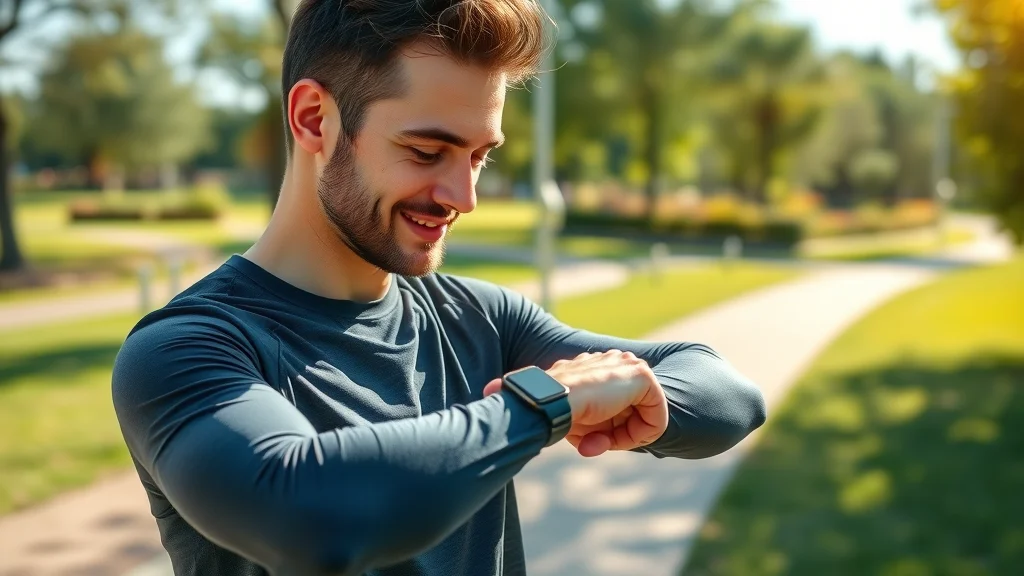
Athletic person checking health stats on smartwatch in a sunny outdoor park, exemplifying week in fitness tracking and progress monitoring with fitness technology

How to Take Stock and Set Realistic Fitness Milestones

Instead of viewing progress as all or nothing, focus on small, measurable wins. Research shows that incremental milestones—such as increasing your standing lateral raise reps or adding distance to your jog—build confidence, protect motivation, and foster sustainability. Chasing perfection often backfires, leading to demotivation and abandonment. Setting realistic, personal goals means adapting your expectations based on your experience level and schedule. This may involve redefining success to include improved mental health, blood pressure regulation, or simply more consistent activity rather than dramatic weight loss. Reflect on your journey each week, considering not just physical achievements, but how your fitness habits support your overall healthy life. Over time, these building blocks form a reliable foundation—something the best in the fitness industry acknowledge as more valuable than fleeting “success” stories.

Common Stalls Actionable Fixes
Plateau in strength or weight loss Adjust workout routine, increase rest
Loss of motivation Join a community, reward yourself
Injury or fatigue Focus on recovery, seek professional guidance

Top Fixes: How to Get Your Fitness Back on Track (fitness, fitness industry)

Adapting to New Fitness Trends for 2026 (fitness trend in 2026, week in fitness)

  • Embracing holistic wellness
  • Integrating technology into workouts
  • Participating in group fitness events

The future of fitness in 2026 is all about adaptability and holistic wellness. Rather than chasing single-discipline programs or mimicking social media “hot girl” routines, the best results stem from integrating diverse practices: strength training, mindfulness, mobility, and cardiovascular health. Technological innovation, especially in fitness tracking and AI-powered platforms, is changing how people engage with health and fitness, making personalization easier than ever. Community events, whether within a virtual class or live week in fitness challenge, drive accountability and foster enduring motivation. The smartest fitness enthusiasts in 2026 will blend old wisdom—listening to their bodies and adjusting recovery—with new trends, like wearable fitness technology and AI-guided training.
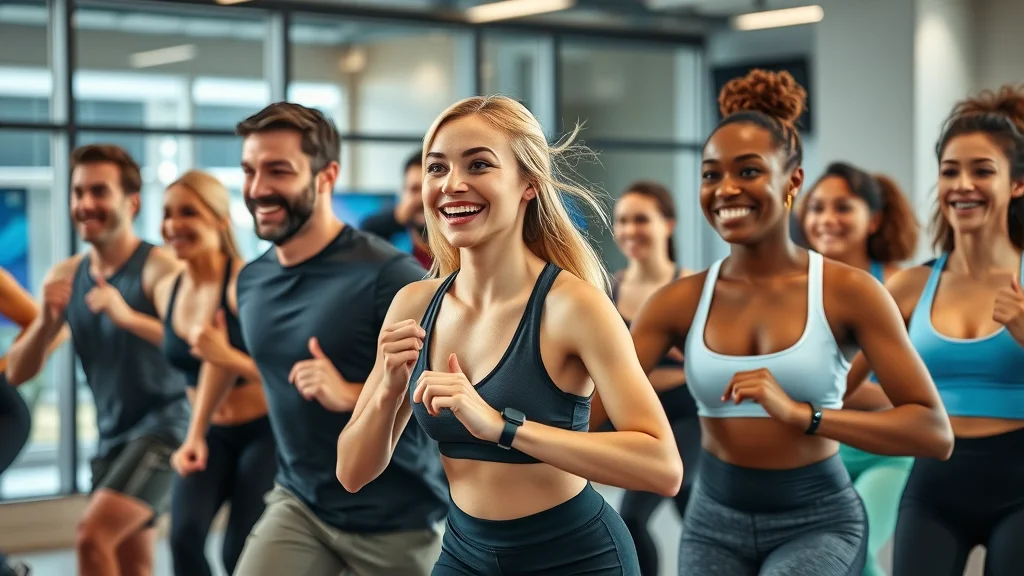
High-energy group fitness class in a modern studio, participants following instructor, demonstrating the evolution of group and tech-driven fitness industry trends in 2026

Building New Habits for Lasting Fitness Success (fitness, fitness industry)

  1. Daily movement routines
  2. Accountability partnerships
  3. Incorporating rest and mindfulness

Building lasting fitness success depends less on dramatic overhauls and more on consistent, manageable habit formation. Moving daily—whether with mindful walks, brief hot yoga flows, or focused lateral raise sets—creates a routine that’s easy to maintain, even during an unexpected ice storm or demanding work week. An accountability partner transforms isolated effort into a supportive, feedback-driven process, as seen in many successful corporate wellness initiatives. Prioritizing rest and mindfulness doesn’t just stave off injury; it improves mental health, resilience, and adaptability. In the evolving fitness industry, those who succeed long-term are those who treat recovery and self-awareness as critical parts of fitness, not afterthoughts.

"The next big thing in the fitness industry isn’t a product or app—it’s a deeper understanding of what makes individual success sustainable." – Thought leader in fitness

Watch as leading trainers and industry experts weigh in on common challenges and the most effective solutions in fitness today.

People Also Ask: Your Top Fitness Questions Answered (fitness, fitness industry)

What major events are in February 2026?

February 2026 will feature several high-profile fitness expos, including international fitness competitions and new product launches in the fitness industry. Expect large gatherings of both seasoned professionals and enthusiasts eager to experience the latest in fitness technology, group fitness, and preventative health programming.

What is the fitness trend in 2026?

Emerging fitness trends in 2026 include immersive virtual workouts, wearable health technology, and personalized wellness plans that adapt to each person’s individual needs. From AI-powered reloaded vertical leg press routines to advanced data analytics for mental health and recovery, fitness and wellness are being rapidly transformed for the digital age.
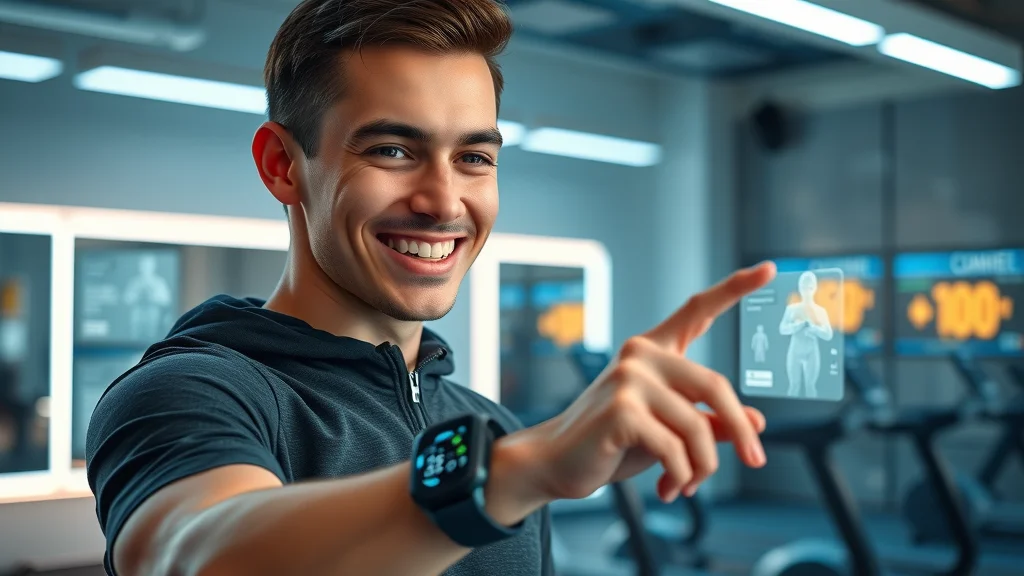
Tech-savvy young adult using wearable fitness tracker and engaging with a virtual fitness interface in a smart home gym, highlighting fitness technology trends of 2026

Is Feb 2026 special?

Yes. Beyond the usual global sporting events, February 2026 is poised to see a surge in health and wellness awareness campaigns—driven by key organizations within the fitness industry and popular influencers. This means more accessible challenges, digital content, and innovative programming for all levels of fitness and wellness.

What is the next big thing in the fitness industry?

The next big thing is the integration of AI-driven personal coaching and data analytics to create hyper-personalized workout and nutrition plans. These advancements will support all ages and experience levels, from those just starting a fitness journey to older adults seeking preventative health interventions.

Watch authentic testimonials of individuals overcoming setbacks in their fitness journeys, featuring diverse stories from the community.
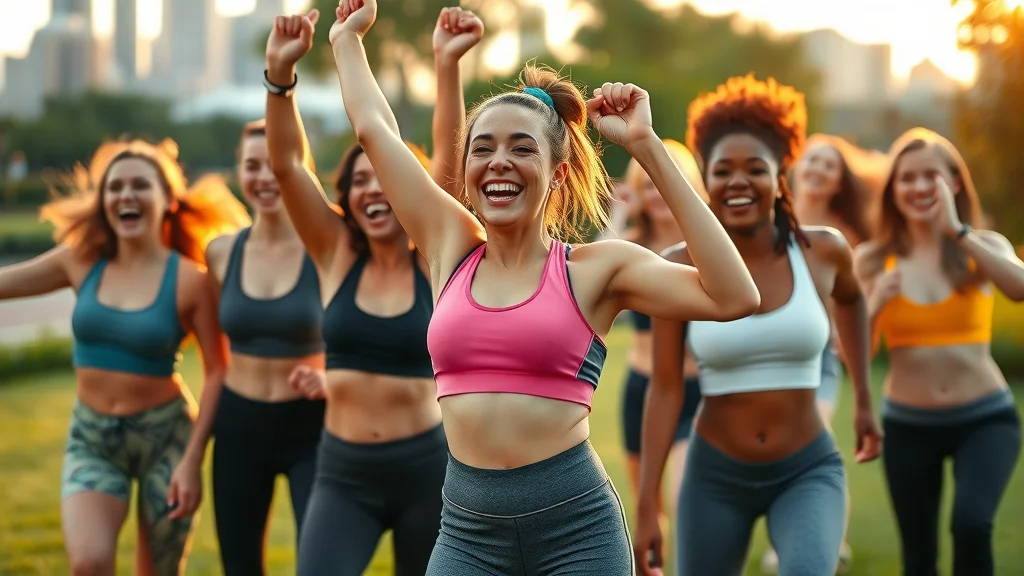
Radiant fit woman and friends from diverse backgrounds celebrating fitness success outdoors in a city park, exemplifying hot girl fitness journey and community support

Frequently Asked Questions – Fitness Journey Challenges (fitness, fitness industry, week in fitness)

  • How can I break through a long-term plateau in fitness? Focus on small, progressive changes in your routine, prioritize rest, and consult with a personal trainer if needed. Join community challenges or week in fitness events to reignite motivation.
  • What mistakes should I avoid early in my fitness journey? Avoid setting vague goals, overtraining before your body is ready, and chasing trends that don’t align with your personal goals or experience level. Consistency and patience matter more than quick fixes.
  • How is the fitness industry evolving in 2026? The fitness industry is embracing holistic health, incorporating technology, and prioritizing personalized wellness. This shift is making it easier for more people to find tailored support and motivation.
  • What role do “hot girl” trends play in current fitness culture? “Hot girl” wellness movements can provide inspiration and community, but it’s important to adapt mainstream trends to your own body, goals, and mental health needs.

Key Takeaways from Your Fitness Journey (fitness, fitness industry, week in fitness)

  1. Stalling is normal – course correction is essential.
  2. The fitness industry sets trends, but personal adaptation wins.
  3. Tracking, assessment, and community support are vital to fitness success.

In Summary: Achieving Long-Term Fitness Success (fitness, fitness industry)

By understanding why your fitness journey may stall and leveraging both time-tested and emerging solutions, you can reignite your motivation and stay ahead of industry trends long-term.

Start Your Fitness Comeback Today (fitness, fitness industry)

Ready to break through your plateau? Subscribe for weekly expert fitness advice and join a vibrant community that supports your success.

Sources

  • CDC – https://www.cdc.gov/physicalactivity/data/inactivity-prevalence-maps/index.html
  • IDEA Health & Fitness Association – https://www.ideafit.com/
  • ACE Fitness Blog – https://www.acefitness.org/education-and-resources/lifestyle/blog/
  • IBISWorld – https://www.ibisworld.com/global/market-research-reports/global-fitness-industry-market/
  • Mental Health Foundation – https://www.mentalhealth.org.uk/explore-mental-health/statistics/mental-health-statistics-physical-health-and-mental-health

To further enhance your fitness journey and overcome common obstacles, consider exploring the following resources: The Mayo Clinic’s article, “Fitness program: 5 steps to get started,” offers a structured approach to initiating a fitness regimen, emphasizing goal setting and progress tracking. The American Heart Association’s “Fitness” page provides insights into incorporating physical activity into daily life, highlighting the importance of movement for overall health. By integrating these expert recommendations, you can develop a sustainable and effective fitness plan tailored to your needs.

Fitness Headlines

0 Comments

Write A Comment

*
*
Related Posts All Posts
03.01.2026

Unlocking Arm Strength: The Ultimate Arm Workout for Maximum Muscle

Update The Ultimate Arm Workout: 7 Exercises for Maximum Gains When it comes to building impressive arm strength and size, not all exercise regimens are created equal. Drawing from the insights shared in the video titled Ultimate Arm Workout | 7 Exercises for Maximum Muscle, this article delves into the essentials of arm training, tailored specifically for fitness enthusiasts and gym owners eager to boost their workout offerings.In Ultimate Arm Workout | 7 Exercises for Maximum Muscle, the discussion dives into effective arm training techniques, exploring insights that sparked deeper analysis on our end. Understanding the Anatomy of Arm Workouts Before diving into specific exercises, it’s crucial to understand the different muscle groups that make up the arms. The bicep comprises the front of the upper arm, while the tricep is located at the back. A well-rounded arm training program should address both muscle groups for optimal aesthetics and performance. This balance prevents muscular imbalances, promotes joint health, and enhances overall strength. Seven Essential Exercises for Arm Development The workout presented in the video features seven targeted exercises. For gym owners, adding these to your routine may help attract customers seeking effective arm training. Here are the highlighted exercises: Dumbbell Bicep Curls: A classic move that isolates the bicep for growth. Skull Crushers: Perfect for hitting the triceps, ensuring balance in arm development. Hammer Curls: Engages both the biceps and forearms for robust results. Close-Grip Bench Press: A compound movement that works the triceps effectively. Tricep Dips: Utilizing bodyweight, this exercise is excellent for enhancing tricep strength. Preacher Curls: Focuses on the bicep peak, critical for those seeking definition. Overhead Tricep Extensions: This exercise targets the long head of the tricep for balanced muscle growth. Common Misconceptions in Arm Training A prevalent myth in fitness is that higher volume equals better results. However, it's not just about how many sets or reps you perform; form, technique, and rest periods are critical components of any effective workout. Additionally, many beginners mistakenly focus solely on biceps. A comprehensive workout that includes triceps is essential for symmetry and strength. Cultivating a Community Around Arm Workouts For gym owners, understanding your clientele's motivations can lead to a more engaged community. Many members may desire to enhance their physical appearance or athletic performance. Hosting a workshop on arm development, using these seven exercises as a foundation, could foster participation and community spirit. Future Trends in Arm Training The trend towards specialized workout routines has seen traditional exercises paired with modern fitness technology. Wearable fitness trackers and apps that log your progress can complement these arm workouts, offering users a comprehensive view of their performance. Expect to see more of these tools integrated into training programs, particularly for muscle-specific workouts. Challenges in Achieving Maximum Muscle Development One challenge many face is overcoming workout plateaus. Using a range of these exercises, along with varying rep schemes and intensities, can prevent stagnation. Moreover, hydration, nutrition, and adequate rest all play significant roles in recovery and growth. Gym owners should educate their clients on these essential factors to enhance their arm training routine. Actionable Tips for Success Here are practical insights you can apply: Rotate exercises regularly to keep the routine fresh. Incorporate progressive overload to challenge muscles effectively. Encourage customers to track their progress for motivation. If you're looking to elevate your arm workout routines based on the insightful discussions in Ultimate Arm Workout | 7 Exercises for Maximum Muscle, now's the time to integrate these approaches into your regimen. Embrace variation and community, and see how your arm training offerings can foster engagement among gym members. Remember, a strong marketing strategy can also enhance the packages you offer, bringing in new clientele eager to build impressive arms. Start enhancing your workout offerings today!

03.01.2026

The Critical Impact of Recovery: Preventing Overtraining in Fitness

Update Understanding Overtraining: A Hidden Danger in Fitness Overtraining syndrome (OTS) is a serious but often overlooked issue among fitness enthusiasts and gym owners. While the drive to push harder and achieve better results is commendable, it's crucial to understand that training intensity should be balanced with recovery. The video Overtraining Takes Weeks to Develop | Here's Why Recovery Matters effectively highlights the importance of recognizing overtraining, which can develop gradually and lead to long-term setbacks.In Overtraining Takes Weeks to Develop | Here's Why Recovery Matters, the discussion dives into overtraining, exploring key insights that sparked deeper analysis on our end. The Symptoms of Overtraining and How to Identify Them Knowing the symptoms of overtraining is vital for athletes and trainers alike. Signs can vary from physical symptoms like persistent fatigue and muscle soreness to psychological aspects such as mood swings or increased anxiety. This comprehensive understanding can empower gym owners to monitor their clients' wellness more closely and implement strategies to prevent overtraining. Historical Context: The Evolution of Training and Recovery Historically, the landscape of fitness training has shifted dramatically. In the early days of bodybuilding and athletics, many believed that more was always better. This mindset led to numerous athletes suffering from overtraining without knowing it. Today, the understanding of recovery and its significance has evolved, with well-established recovery protocols becoming a standard part of fitness regimens. The Importance of Recovery: Building Blocks of Athletic Performance Recovery is not a luxury but a necessity. The muscle recovery process allows the body to repair itself and adapt to new stresses. Gym owners and trainers are encouraged to focus not only on the training aspect but also on the recovery strategies implemented within their programs. This could include active recovery days, nutritional support, and sleep optimization. Counterarguments: The Controversy Around Training Intensity While many experts advocate for higher intensity training as a means to achieve superiority in performance, some argue that this approach can lead to overtraining. This highlights a paradox; how to balance intensity with recovery to maximize performance. Addressing this controversy in fitness programming can help gym owners tailor their offerings to meet both client goals and health needs. Actionable Insights: Strategies to Prevent Overtraining The prevention of overtraining syndrome is not only practical but essential in upholding the health and wellness of clients. Gym owners can introduce specific training programs that prioritize recovery, implement feedback systems to monitor client wellness, and promote educational workshops focusing on the importance of recovery. Regular check-ins can help trainers adjust intensity levels based on clients' feedback on how they feel both physically and mentally. Social Connection: Creating a Culture of Recovery Encouraging a culture of recovery fosters community among gym members. It's essential for fitness enthusiasts to share their experiences and understand that recovery shouldn't be viewed as a sign of weakness. Making recovery a group discussion can increase acceptance and support within the gym environment. Future Insights: Trends in Recovery and Wellness Within Fitness Looking forward, the fitness industry is likely to see an increase in recovery-focused services. Technologies such as wearable devices that monitor fatigue levels and recovery times are emerging, allowing for a more data-driven approach to training and wellness. Implementing these tools can give gym owners a competitive edge and create tailored experiences for their clients. Conclusion: Embrace Recovery for Long-Term Success In the rush to achieve fitness goals, understanding and prioritizing recovery is more crucial than ever. As discussed in the video Overtraining Takes Weeks to Develop | Here's Why Recovery Matters, ensuring balanced training with recovery will not only help maintain optimal performance but sustain an athlete's longevity in the sport. Remember, creeping fatigue may seem innocuous at first but can lead to substantial consequences if not addressed. For gym owners and fitness enthusiasts alike, taking a proactive stance on recovery can lead to significant results over time. Let's commit to fostering an environment where every workout is balanced with sufficient recovery, allowing everyone to achieve their goals safely and effectively.

03.01.2026

The Sober-Curious Movement: How Fitness is Reshaping Drinking Culture

Update The Sober-Curious Movement: A Growing Trend Among Fitness Enthusiasts As the cultural landscape around drinking evolves, the fitness community finds itself at the forefront of a transformative trend known as the sober-curious movement. This movement isn't merely a rejection of alcohol; instead, it's an invitation to rethink the complex relationship individuals have with drinking. In a world increasingly focused on health, wellness, and optimization, more people across generations—especially millennials and Gen Z—are interested in exploring life with less alcohol. From Nightlife to Daylife: A Shift in Social Rituals The traditional nightlife norm, characterized by weekend parties and after-hour bars, is fading, replaced by a focus on wellness-oriented daytime activities. In cities known for their fitness culture, like Los Angeles and West Palm Beach, fitness-based social events—even during weeknights—are trending. Jason Ashton, founder of Last Rep, notes that the community is moving toward health-centric connections: “We’re seeing organized fitness events in both the mornings and evenings, which emphasizes a shift from escapism to optimization.” This change reflects a growing desire for social connections that enhance rather than hinder personal wellness. The Psychology Behind Sober Curiosity What drives this change? According to Dr. Toby Sanchez, a clinical psychologist, the sober-curious movement stems from a heightened awareness of alcohol’s impact on mental and physical health. As people become more attuned to their body and mood changes, they often seek alternatives. The societal stigma around choosing not to drink is diminishing, allowing individuals to feel more empowered in their decisions. Today, it’s entirely acceptable to attend gatherings without consuming alcohol, thanks to the growing availability of non-alcoholic options and socially conscious venues. Meeting the Demand: The Rise of Alternative Beverages Coined "alt-bevs," today's alternatives include mocktails, THC-infused seltzers, and adaptogenic drinks promising health benefits. This boom presents a new market valued at $500 billion, paired with the 90-year low in U.S. alcohol consumption. As noted in various industry reports, the traditional $15 spent on cocktails is now being redirected toward beverages that promote overall vitality and energy. For fitness enthusiasts, these drinks are not merely about taste but also about representing a lifestyle of balance and self-care. Tara Oporto, CEO of Enchantra, muses, “People want connection that adds to their life, not connection that requires recovery.” Consumer Behavior: Prioritizing Health and Identity As consumers become more educated about their lifestyle choices, the drinking habits they adopt are influenced both by health consciousness and the identity they wish to portray. Returning to the essence of social connection, innovative options like low-alcohol wines and functional beverages cater to this desire while reflecting what individuals value: performance, clarity, and community health. Users often join movements like Dry January, where initial curiosity lends itself to an ongoing health consciousness. Actionable Tips to Embrace a Sober-Curious Lifestyle If you find yourself intrigued by the sober-curious movement, consider these strategies: Set Intentions: Write down your reasons for wanting to cut back on alcohol. Reflect on how a shift could enhance your life. Start Small: Test the waters by attempting an alcohol-free evening or participating in events centered on well-being. Explore Alternatives: Experiment with non-alcoholic options available at restaurants and social gatherings, feeling empowered by making informed choices. Gather Support: Seek communities centered around fitness or healthy activities where alcohol isn’t the main focus. Surrounding yourself with like-minded individuals can foster encouragement. Engaging with the sober-curious movement is not about completely eliminating social enjoyment but rather evolving it to embrace health, connection, and longevity. Conclusion: Redefining Social Connections The sober-curious movement is reshaping the way we experience community, facilitating connections centered around fitness, health, and wellness. The emergence of alternative beverages and changing social norms signals that thriving doesn't require inebriation; it demands clarity and purpose. This evolution in drinking culture gifts individuals the power to prioritize their health while nourishing fulfilling relationships. Whether you're a gym owner or a fitness enthusiast, acknowledging this shift can profoundly influence your personal and professional network.

Terms of Service

Privacy Policy

Core Modal Title

Sorry, no results found

You Might Find These Articles Interesting

T
Please Check Your Email
We Will Be Following Up Shortly
*
*
*