Add Row
Add Element
Fitness Living Magazine Logo
UPDATE
Add Element
  • Home
  • Categories
    • Fitness Headlines
    • South Carolina
    • Top Picks
    • Gym Growth
    • Nutrition + Performance
    • Recipes + Meal Prep
    • About the Magazine
    • Featured Fitness Leader
    • California
    • Local News
  • About The Magazine
The Media Platform for Fitness Leaders & Owners.
April 06.2026
4 Minutes Read

Transform Your Time in the Gym: Discover the Hidden Link Between Sleep Quality and Morning Workouts

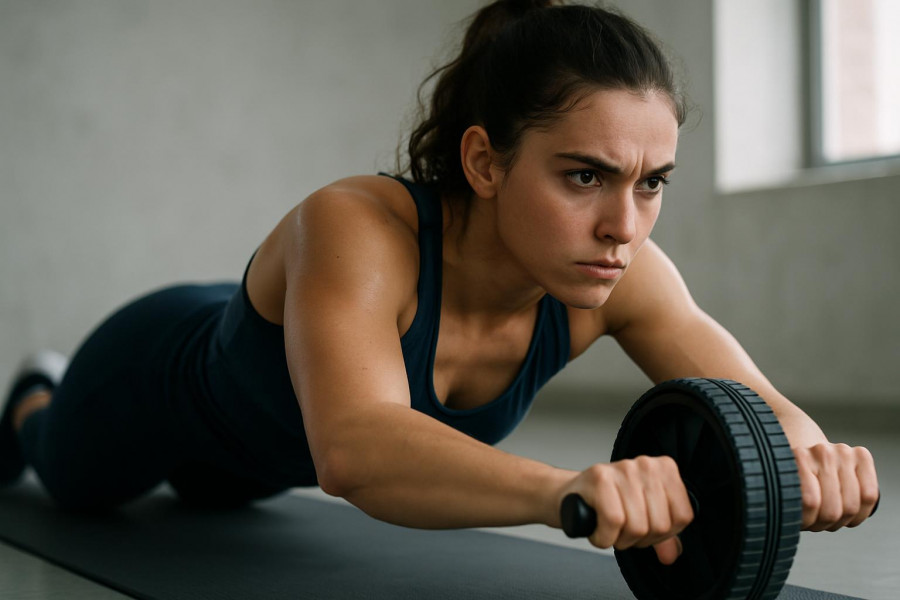
Energetic woman smiling after exercise, highlighting how exercise affects sleep and recovery.

Unlocking the Power of Sleep and Exercise

In the quest for optimal fitness and well-being, a critical but often overlooked element is the connection between sleep quality and morning workouts. Understanding this relationship can transform how gym owners and fitness enthusiasts approach their training as well as their recovery routines.

The Science Behind Sleep and Exercise

Research supports the idea that sleep is essential for effective workouts. A well-rested body has the right hormonal balance and restored energy, crucial for tackling those early morning sessions. Sleep affects not just physical performance but also mental focus, making it vital for achieving fitness goals.

According to studies, quality sleep enhances physical performance by increasing the time spent in deep sleep stages. This stage of sleep is where the body experiences vital restoration, paving the way for better workouts. The implications for gym owners are clear - fostering an environment that promotes good sleep hygiene can maximize training results.

Monitoring Sleep Quality for Enhanced Performance

For both athletes and casual fitness buffs, assessing sleep quality is integral to tailoring workouts. Tools such as heart rate variability monitors have revolutionized how people express and measure their recovery status. This technology allows individuals to determine if they are ready for high-intensity workouts or if they should opt for lighter activity based on their recovery signals.

Gym owners can implement systems that track both sleep and training metrics, enabling members to understand their readiness levels better. This could involve classes or workshops on the importance of sleep and how to monitor recovery effectively.

Why Sleep Quality Shapes Morning Performance

Every individual’s body is unique, and how one responds to sleep deprivation can vary. Generally, when sleep is disrupted, even the most determined gym-goer may find themselves lacking motivation or energy to perform exercises optimally. This can lead to frustrations and potentially a decline in gym attendance.

Using Data for Smarter Training Decisions

Integrating daily health metrics into training regimens allows for smarter decision-making. For example, individuals tracking their resting heart rate will notice trends that suggest when to push harder or scale back on the intensity. This awareness can prevent overtraining and enhance long-term results.

The incorporation of sports analytics technology means that advice and feedback on performance are no longer the privilege of elite teams. Now, everyday users can access real-time data, turning complex information into actionable insights that directly contribute to their fitness achievements.

Heart Rate as a Simple Recovery Indicator

One of the simplest yet effective methods to gauge recovery is to measure heart rate upon waking. An elevated heart rate can indicate insufficient rest or stress, signaling that today might not be the best day for an intense workout. By tracking patterns over several days, gym-goers can better manage their training loads.

Building a Morning Routine that Emphasizes Sleep

Creating morning workouts that respond to sleep quality can significantly affect performance. Waking at the right time during the sleep cycle contributes to a smoother start and a more energized workout session.

Moreover, evening habits matter. Limiting screen time, eating lighter meals, and incorporating relaxation techniques like meditation can support better sleep quality. Such changes will not only help gym enthusiasts wake up ready for a workout but can attract more clients to gyms that advocate these holistic health methods.

Nourishment: Fueling Recovery and Performance

Nutrition plays a pivotal role in this equation. What one eats before bedtime significantly impacts both sleep quality and workout performance. Light, protein-rich snacks tend to support a better night’s sleep while ensuring the body is fueled for a morning workout. Tracking these dietary behaviors provides additional feedback on how nutrition and performance influence one another.

Harnessing Technology to Support Recovery Awareness

The rise of wearable technology has shifted the landscape of fitness and recovery monitoring. Devices now available can connect sleep data with exercise patterns, allowing individuals to make informed decisions that integrate their lifestyle with their fitness aspirations. Gym owners should consider offering personalized guidance in the use of these technologies.

Preventing Burnout Through Consistent Monitoring

Being proactive by regularly tracking data can help athletes and fitness enthusiasts identify signs of overtraining before they manifest as injuries or burnout. This knowledge fosters a more sustainable approach to training, ensuring that workout frequencies and intensities match recovery levels.

Conclusion: Taking Action for a Better Tomorrow

Understanding and prioritizing the link between sleep and morning workouts can yield immediate benefits for fitness enthusiasts and gym owners alike. By promoting a culture that recognizes the significance of sleep, along with supportive technologies and strategies, the fitness community can enhance its overall performance.
Take time to review your own routines and encourage those around you to do the same. Embrace a more thoughtful approach to recovery and training, and watch how these changes transform performance outcomes and overall health.

Fitness Headlines

0 Comments

Write A Comment

*
*
Please complete the captcha to submit your comment.
Related Posts All Posts
04.06.2026

How Fit Are You Really? Discover Your True Fitness Level with Simple Tests

Update How Fit Are You Really? Discover Your True Fitness Level The modern fitness landscape often leads us to believe we're in peak condition simply by adhering to daily routines or trendy workouts. However, the reality might shock you. Motivated by the insightful video titled How Fit Are You REALLY? (7 "Simple" Tests), we delve into a fascinating array of fitness assessments designed to reveal weaknesses we might not know we have. Are you ready to measure yourself against standard testing and uncover the truth behind your fitness levels?In How Fit Are You REALLY? (7 "Simple" Tests), the discussion dives into effective fitness assessments, exploring key insights that sparked deeper analysis on our end. Understanding the Hidden Challenges of Fitness It's easy to assume that we are fit until it’s time to prove it. The video offers an engaging demonstration, featuring individuals across various age groups, from a vibrant 30-year-old to a dynamic 72-year-old. By showcasing their unique fitness capabilities, it prompts viewers to consider where they might stand. Tests that seem simple often expose critical physical weaknesses—be they related to strength, mobility, or endurance. Innovative Assessments to Gauge Your Fitness One of the defining features of these tests lies within their ability to pinpoint specific weaknesses often overlooked in traditional workout routines. For instance, the **Single Leg Wall Sit** not only evaluates strength but also hip stability and endurance. Falling short of the 30-second mark could signal underlying issues that might hinder athletic performance—but fear not; these are often trainable and fixable! How Mobility Impacts Functional Fitness The theme of mobility continues through various tests, each assessing different facets of physical health. The **Wall Splat Test** brings into question overall balance and mobility, necessary for not just athletic endeavors but everyday activities as well. If one could conquer these hurdles, it indicates a greater range of motion and improved functional fitness—a method of assessing real-world movement capabilities. The Importance of Strength and Endurance Tests Transitioning from lower body tests to upper strength, the **Push-Up Test** challenges core stability, muscular endurance, and upper body strength. The numbers reveal a rather stark truth: as age progresses, so too does the decline in strength and endurance across the board. While younger individuals might push closer to 50 reps, older adults might find the numbers considerably lower, marking an opportunity for growth and improvement. Key Insights to Enhance Your Fitness Journey What stands out from this collection of assessments is not merely the results, but the insight gleaned from them. The **Dead Arm Hang** requires not just grip strength but also stability and mobility. Aiming for that elusive two-minute target offers a tangible benchmark that ties directly to your overall fitness journey. While many people might feel intimidated by the prospect of a **Pull-Up**, it serves as a benchmark for assessing upper body strength. There's no room for shortcuts here—clean reps matter, and these tests directly relate to overall functionality and performance. Gauging Your Fitness Level as a Starting Point The video and subsequent analysis guide viewers in understanding their fitness level without bias or judgment. This isn’t just about measuring; it’s about an opportunity for self-improvement. Building on these insights allows everyone to ascertain where they currently stand and identify areas requiring attention. If you encounter limitations in some of the basic movements, it can act as a wake-up call, urging you to find ways to adapt and grow. The Bigger Picture: Fitness and Quality of Life These assessments are ultimately tailored to promote well-being beyond the gym. A robust foundation of physical wellness leads to improved daily functionality, encompassing physical, mental, and emotional health. Knowing where improvements can be made not only boosts physical fitness but also enhances overall quality of life. As the video encourages viewers to embrace these tests as a starting point, it invites a broader understanding of the holistic nature of fitness—whether through strength training, mobility exercises, or cardiovascular endurance. In the grand scheme, fitness isn't just a destination; it’s an ongoing journey of self-discovery. If you’re seeking a structured plan to build on these insights, consider following a carefully curated regimen that integrates all these aspects, available at theext.com. By investing time and effort into understanding your unique benchmarks, you’ll be empowered to elevate your fitness journey further than you ever anticipated. Success doesn’t stem from perfection; it grows from progress. So, approach these tests not with fear but with optimism, knowing that every measure is an opportunity for growth. Are you ready to test yourself? Click to discover how you can push your fitness boundaries and embrace a healthier lifestyle today!

04.06.2026

The Essential Guide to Strengthening Your Pelvic Floor in Every Decade

Update Understanding the Pelvic Floor: A Critical Component of Women's HealthThe pelvic floor, often overlooked, plays a vital role in supporting various bodily functions, from urination to sexual health. This intricate network of muscles stretches from the pubic bone to the tailbone, providing essential support to the bladder, bowel, and reproductive organs. Many women don't realize the importance of maintaining a strong pelvic floor until they experience issues such as incontinence or discomfort during physical activities.Common Myths Surrounding Pelvic Floor HealthOne prevalent misconception is that pelvic floor training is unnecessary for young, fit women. However, women of all ages, including elite athletes, can suffer from pelvic floor dysfunction. Factors like pregnancy, childbirth, hormonal changes, and aging can weaken these muscles, making education on this topic essential.Decade by Decade: Training Your Pelvic FloorThe journey of strengthening your pelvic floor evolves as you age. In your 30s, focus on prevention and posture. During this decade, many women experience lifestyle changes that can impact pelvic floor health, such as pregnancy and extended hours sitting at a desk. It's crucial to learn correct muscle activation and retrain the body after injuries.In your 40s, start to address signs of hormonal shifts that can lead to early pelvic floor issues. Women may face heavier periods and increased bladder urgency, indicating a need for dedicated pelvic floor exercises. Your body requires consistent practice to maintain strength and coordination.Finally, as you reach your 50s and beyond, the emphasis shifts to managing symptoms and optimizing function. Regular pelvic floor exercises, including Kegels and relaxation techniques, can improve quality of life significantly.The Importance and Technique of KegelsKegel exercises are well-known yet often misunderstood. The key to effective Kegels lies not just in frequent practice but in using proper technique. Proper execution involves tightening the pelvic floor muscles without activating the abdomen or thighs. This requires conscious effort and practice, often guided by a pelvic health physiotherapist.For example, to perform a Kegel, imagine you've just paused the flow of urine. Gradually tighten and lift the pelvic floor muscles, holding the contraction for a few seconds before releasing. Focus on your breathing during this exercise—avoid holding your breath, as it can create additional tension in the pelvic area.Signs of Pelvic Floor DysfunctionFor many, recognizing pelvic issues can be challenging. Signs of dysfunction may include leakage during physical activity, pain during intercourse, or a sense of heaviness in the pelvic area. Awareness is vital; identifying symptoms early can lead to timely intervention and treatment.Transformative Benefits of a Healthy Pelvic FloorMaintaining a strong pelvic floor contributes not only to physical stability but also to emotional well-being. Improvements in pelvic health can boost confidence and enhance mobility, enabling women to engage fully in various activities—from exercise to simply enjoying life without worry. Incorporating pelvic exercises into daily routines, coupled with awareness of body mechanics, enhances overall health and quality of life.Create a Sustainable RoutineFor gym owners and fitness enthusiasts, incorporating pelvic floor fitness into programs can enhance member offerings. Consider hosting workshops or fitness classes focusing on pelvic health. Resources and expert guidance on practical exercises can transform the perspective on pelvic training, fostering a community of awareness and proactive health management.In conclusion, understanding and strengthening the pelvic floor is crucial for sustaining health and wellness throughout life. It's never too late to start; women can benefit from engaging in pelvic exercises, no matter their age or previous experience. Let's champion this under-discussed aspect of health and empower every woman to take charge of her pelvic health.

04.06.2026

Why Grip Strength is Vital for Health: The Key to Longevity and Well-being

Discover how grip strength can serve as a crucial health indicator, revealing insights about longevity and fitness through simple exercises.

Terms of Service

Privacy Policy

Core Modal Title

Sorry, no results found

You Might Find These Articles Interesting

T
Please Check Your Email
We Will Be Following Up Shortly
*
*
*