 Add Row
  Add
Add 

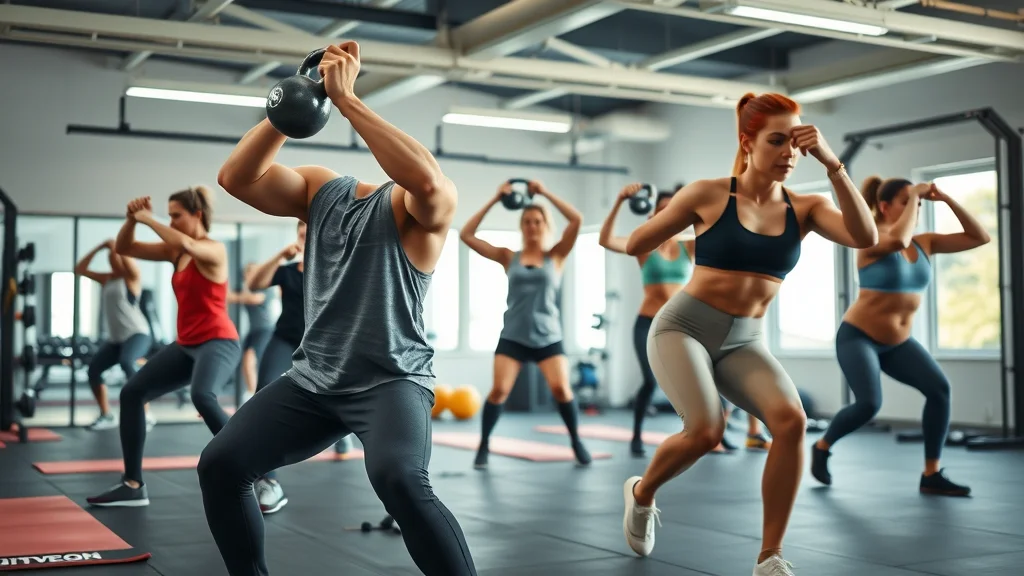
In gyms across the globe, there’s a visible transformation underway: training floors once dominated by weight machines and rigid routines now hum with the activity of individuals performing kettlebell swings, squats, and balance-driven drills. This isn’t just a fleeting fitness trend—functional fitness is reshaping how we define and pursue strength, mobility, and real-world capability.
Opening Observations: The Rise of Functional Fitness in Modern Training
Functional fitness commands attention as more training spaces adapt their approach to mirror how we move—and live. Rather than focusing solely on isolated muscle groups with traditional strength training, today’s most progressive gyms emphasize functional movement patterns: squatting, hinging, carrying, rotating, and pressing in ways that align with the body’s natural demands. This evolution reflects a broader shift away from compartmentalized routines and toward a holistic take on physical activity.
The momentum behind functional fitness is not limited to athletes or advanced users. From the urban gym to the home fitness nook, diverse populations—across age and ability—are gravitating toward hybrid workouts that prioritize functional training principles. Notably, the hybrid fitness mat has become a staple on gym floors and in home setups, underscoring just how much fitness equipment is evolving to meet modern needs. This rise signals a nuanced transformation: today, whether you’re reaching for a fitness mat or chalking up for deadlifts, the conversation is shifting to training that serves not just aesthetic goals but daily function.
From Traditional Strength Training to Functional Fitness: A Nuanced Evolution
Historically, strength training meant repeating targeted lifts—deadlifts, bicep curls, and bench presses—on machines or with free weights. While undeniably effective for muscle growth, these methods don’t always translate seamlessly into improved performance outside the gym. Enter functional fitness: a methodology that prioritizes movements inspired by real-world activities. Instead of isolating a single muscle group, you might integrate kettlebell swings, rotational lunges, or plyometric push-ups, using tools like a fitness mat for both support and feedback.
The shift is about more than tools; it's a reimagining of training’s purpose. Many gym-goers now recognize the value of workflow training that mirrors life’s unpredictability—helping you lift groceries, move furniture, or climb stairs. Hybrid approaches blend these functional elements with elements of traditional resistance training for a comprehensive fitness experience. This nuanced shift is what makes functional training more than just another fitness trend—it’s a philosophical evolution within the broader world of wellness.
Hybrid Fitness Approaches and the Modern Fitness Mat Era
The introduction of the hybrid fitness mat marks a pivotal point for gyms and home setups alike. Unlike legacy yoga mats or premium yoga mats, hybrid mats are engineered to support high-impact strength training, dynamic mobility work, and classic yoga flows within a single durable surface. In the world of hybrid fitness, athletes transition seamlessly between plyometric push-ups, squats, resistance band circuits, and cooldown stretches—all on one versatile mat designed for grip, shock absorption, and multidirectional movements.
This evolution in equipment mirrors the shifting needs of the broader fitness training community. Modern athletes—regardless of fitness level—are searching for gear that enables variety, safety, and longevity in their progression. As a result, the hybrid fitness mat has earned a position as a central feature in the reimagined training spaces that favor both function and comfort. The fitness industry’s broader embrace of hybrid solutions signifies a commitment to purposeful, practical fitness.
What You’ll Learn
- What functional fitness encompasses and how it differentiates from classic strength training
- Why hybrid fitness concepts are taking center stage in gym programming
- How to incorporate functional fitness principles using reliable equipment like the hybrid fitness mat
- Common misconceptions about functional training and practical tips to avoid them
Context and Trend: Why Functional Fitness Matters Now
The context for functional fitness’s popularity is found in both industry trends and societal shifts. As the nature of physical activity evolves, fitness enthusiasts and professionals alike are rethinking their approach to wellness. Data from the broader world of fitness indicates a convergence: individuals are prioritizing exercises that improve mobility, coordination, and strength in everyday contexts. With people spending more time working from home or leading sedentary lives, the ability to train in a way that supports real-world demands has become more relevant than ever.
This trend is evident in product launches, programming changes, and the design of modern gyms. The rise of the hybrid fitness mat, for example, captures this ethos—encouraging users to move dynamically and with intention. Whether using a yoga mat or advanced hybrid mat, the direction is clear: training is moving beyond aesthetics to embrace versatility and real-life readiness, reflecting current fitness trends and what’s next for the industry.
Market Shifts Driving the Surge in Functional Training
Several market forces have accelerated the adoption of functional training. First, the fitness community has witnessed a re-prioritization: instead of chasing isolated strength metrics alone, people seek measurable improvements in how they move, recover, and perform routine activities. Fitness brands—including global leaders in premium yoga mats and accessories—are broadening their portfolios to meet the growing interest in hybrid fitness products.
Gyms are responding by overhauling training spaces to make room for dynamic movement, mat-based circuits, and multi-use zones. For many, this transition means swapping out rows of machines for open areas equipped with resistance bands, medicine balls, and hybrid fitness mats. The trend also reflects the growing awareness around longevity and injury prevention—pillars that functional fitness naturally addresses. As a result, more individuals are gravitating toward programming that rewards both strength and adaptability.
The Hybrid Fitness Movement: Where Function Meets Strength
The hybrid fitness movement seamlessly fuses the best aspects of strength training with the specificity and adaptability of functional training. Today’s leading coaches and trainers increasingly design sessions that blend compound lifts with movement patterns like carries, lunges, and anti-rotation drills, often performed on a fitness mat or hybrid fitness mat for stability and challenge. This synthesis is part response to market demand and part philosophical shift; it recognizes that life’s challenges rarely require just one muscle group or isolated burst of effort.
“Many coaches are beginning to prioritize movements that mimic daily activities and aim to make training more relevant to real life challenges.”
This hybrid approach continues to gain traction for its balance of efficiency and purpose. Rather than discarding traditional strength models, forward-thinking trainers rotate foundational lifts with highly functional circuits. The result: a fitness strategy with both immediate and long-term payoff—improving not just muscle mass, but daily performance and resilience.
Expert Framing: How Coaches and Trainers Are Adapting
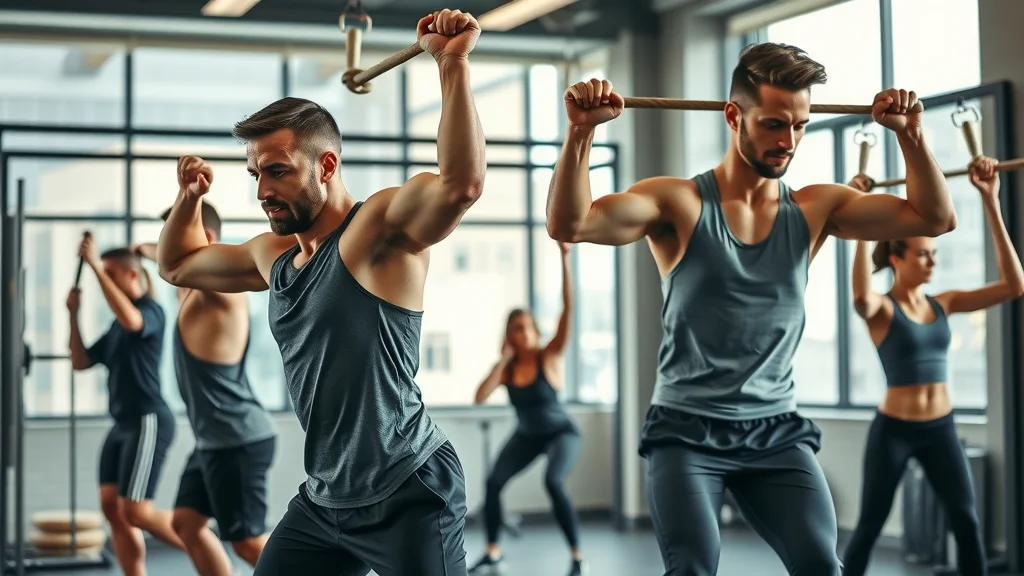
As functional training matures into a core tenet of modern programming, fitness professionals are learning to incorporate these principles without losing sight of foundational strength work. Many coaches advocate for sessions that begin with joint mobility and movement preparation (often utilizing a hybrid fitness mat), followed by compound strength exercises, and concluding with functional or circuit-based patterns that mimic the unpredictability of daily life. This blend establishes a training flow that builds baseline strength while reinforcing real-world mobility and balance.
Gyms are also redesigning space and class structures to reflect these new priorities. Where once a neat row of yoga mats might have marked a studio, now there’s a busy field of hybrid fitness mats—hosting diverse activities in succession. Facility leaders are keenly aware that their members expect more than just “working out”—they’re seeking purpose-driven, results-oriented movement experiences anchored in function.
Functional Fitness Principles in Today’s Programming
The backbone of modern programming is efficiency—movements that build muscle, train balance, and condition the cardiovascular system simultaneously. Functional training encourages multi-planar exercises that recruit several muscle groups at once, calling for coordination and stability. Whether performed on a traditional yoga mat or the more robust hybrid fitness mat, the aim is the same: train the body to move better in real life.
Coaches have noted that introducing functional patterns early in a session (post warm-up) keeps energy high and helps set the tone for purposeful training. Examples include integrating dynamic warm-ups, rotational lunges, or stability drills between classic resistance training sets. These methods do not replace the essential principles of strength training; rather, they augment them—reflecting a broader trend toward holistic, adaptable programming.
A Growing Role for the Hybrid Fitness Mat in Facility Design
Facility design is also evolving under the influence of functional fitness. The hybrid fitness mat increasingly occupies prime real estate—central spaces in group exercise rooms, circuits, or open gyms. The appeal lies in versatility: one can transition from mobility training to high-impact plyometrics, or even a restorative yoga and fitness sequence, all without leaving the same mat.
“In practice, this approach blends the foundational elements of strength training with the specificity of functional movement patterns.”
For gym operators and home fitness planners, the hybrid mat reduces clutter and maximizes usable space, which is crucial as hybrid fitness continues to shape training environments. The rise of these mats signifies more than a preference for high-quality equipment—it marks a broader demand for training solutions that support real-world applications, not just aesthetic outcomes.
Practical Application: Bringing Functional Fitness Into Your Training
The practical integration of functional fitness can begin with simple adjustments: choose a fitness mat designed for multi-use, dedicate time in each session to dynamic movement, and balance traditional lifts with skill-based drills. Start with realistic expectations—mastering the basics and focusing on quality movement patterns sets the stage for sustainable progress, regardless of where you are in your fitness journey.
A sample week might blend traditional strength days with functional circuits, showing just how complementary these disciplines can be. Importantly, the hybrid fitness mat allows users to flow from mobility drills to resistance training and back without skipping a beat, promoting consistency and reducing barriers to effective home or gym workouts.
Sample Weekly Routine Integrating Functional Training
Designing a balanced week can start with identifying key patterns: incorporating push, pull, squat, and hinge movements throughout the schedule. For example, a Monday session might begin with squats on a hybrid fitness mat, followed by classic presses and a core stability circuit. Mid-week, a mix of carries, rotational lunges (using resistance bands or light free weights), and plank variations can reinforce overall mobility and coordination.
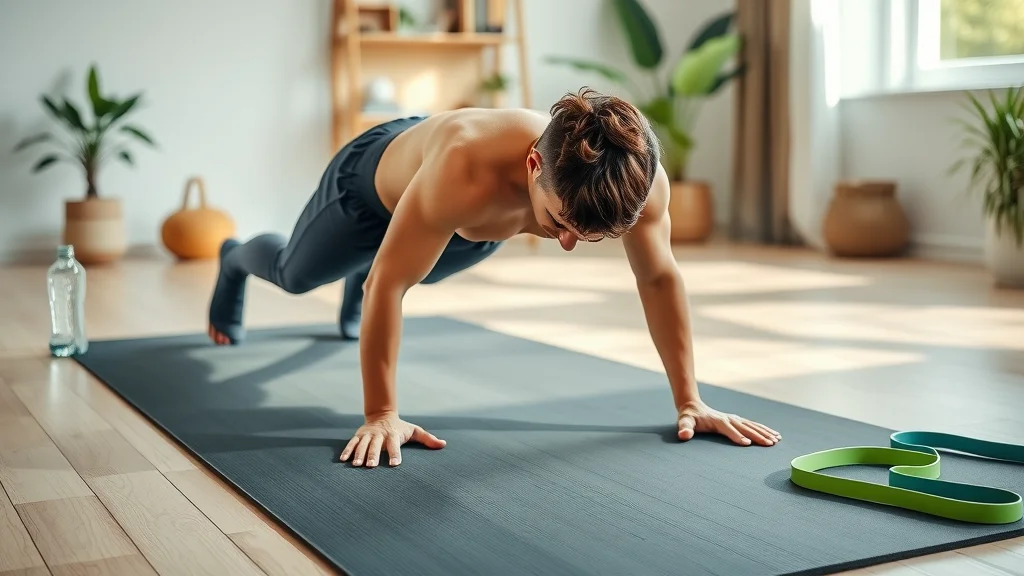
By alternating between compound lifts and balance-driven movements, every muscle group is challenged, and the intensity can be adjusted for any fitness level. The flexibility offered by the hybrid fitness mat—combined with a focus on functional movement—makes this approach scalable for both beginners and seasoned athletes alike. Ultimately, this routine reflects a new era in training: one that values variety, function, and authenticity in every session.
Essential Equipment: Choosing the Right Fitness Mat and Hybrid Fitness Solutions
Not all mats are created equal: the demands of functional fitness have inspired the development of hybrid fitness mats that outperform standard yoga mats or even premium yoga mats in supporting varied movement. When choosing a mat, consider grip, thickness, shock absorption, and durability, especially if you plan to perform everything from mobility flows to plyometric drills. Quality mats and accessories can minimize injury risk and support the rigorous transitions found in today’s hybrid fitness sessions.
The best fitness mat for functional training is one that doesn’t force a choice between comfort and performance. Look for features like reinforced surfaces, anti-slip backing, and ease of cleaning—especially for shared spaces or home workouts. Investing in the right hybrid fitness mat can transform the way you train by providing confidence and stability in both strength exercises and dynamic movement drills.
| Training Element | Functional Fitness Example | Traditional Strength Example |
|---|---|---|
| Core Stability | Plank Variations | Crunches |
| Total Body Integration | Farmer’s Carries | Bicep Curls |
| Mobility | Lunge Matrix | Leg Press |
“A growing number of trainers recommend rotating hybrid workouts alongside foundational strength sessions for balanced results.”
Translating Theory to Practice: Real-World Functional Fitness Workouts
The translation from theory to practice is where functional fitness becomes accessible and rewarding. By programming hybrid sessions— alternating classic lifts with functional movement circuits—both novice and experienced athletes build resilience and prevent stagnation. A functional routine might start with deadlifts, transition to a circuit of plank variations and balance drills (performed on a hybrid fitness mat), then finish with cardio intervals or recovery stretches.
This blend respects the strengths of both disciplines, helping develop coordinated power and real-life capability. Whether your goal is to increase heart rate variability, improve joint stability, or simply bring more purpose to each session, the world of hybrid fitness provides structure without rigidity. The right balance of movement ensures ongoing adaptation and motivation.
Programming Hybrid Sessions: Combining Traditional and Functional Approaches
A successful hybrid session weaves together classic resistance training and functional drills in alternating sets or supersets. For example, after a round of bench press or rows, proceed directly to quad-dominant lunges or lateral step-overs on a fitness mat. This approach challenges the body in multiple ways—targeting large muscle groups, reinforcing stability, and keeping the heart rate elevated for overall conditioning.
By intentionally blending training modalities, participants can target different energy systems and avoid repetitive strain on any single muscle group. The natural synergy between strength training and functional patterns inspires a more dynamic experience, keeping sessions challenging and mentally engaging. This variety is what positions hybrid fitness as a sustainable approach in today’s broader world of evolving physical activity.
Movement Selection: From Mobility to Strength Training on the Hybrid Fitness Mat
Selecting the right movements is crucial for long-term progress and injury prevention. Incorporate foundational patterns—push, pull, hinge, squat—into each session for a comprehensive approach. On the hybrid fitness mat, try plyometric hops, single-leg balance drills, or rotations that require both strength and control. The mat’s enhanced grip and shock absorption support dynamic actions while cushioning points of impact.
- Incorporate push, pull, hinge and squat patterns into every session
- Use a hybrid fitness mat for plyometric and balance drills
- Alternate functional circuits with strength-focused sets

When training on a hybrid fitness mat, focus on quality of movement and smooth transitions. Alternating high-intensity intervals with recovery allows you to train at your own fitness level while maintaining form. The aim is continuous improvement—not just in aesthetics or numbers, but in total functional capacity.
Common Pitfalls: Mistakes to Avoid with Functional Fitness
Despite its benefits, functional training can be misunderstood or misapplied. One common mistake is equating complexity with effectiveness; excessive use of unstable surfaces or novel exercises doesn’t guarantee better results and may actually increase risk of injury. Another error is neglecting the core principles of strength—functional workouts should supplement, not replace, foundational strength training unless specifically indicated.
Neglecting fitness mats and accessories built for hybrid use can also limit progress or lead to equipment failure. Choose gear that matches the rigor of your session and replace mats or bands as needed for safety. Ultimately, awareness and gradual progression yield more sustainable improvements than chasing every emerging fitness trend.
Misunderstandings in Hybrid Fitness and Functional Training
There is a growing misconception that functional fitness and hybrid workouts must always be more intense or exotic than classic strength routines. In reality, functional training is about moving with intention and serving daily life—not creating complex or flashy circuits for their own sake. Misunderstandings in movement form, equipment selection, and programming frequency can all stall progress.
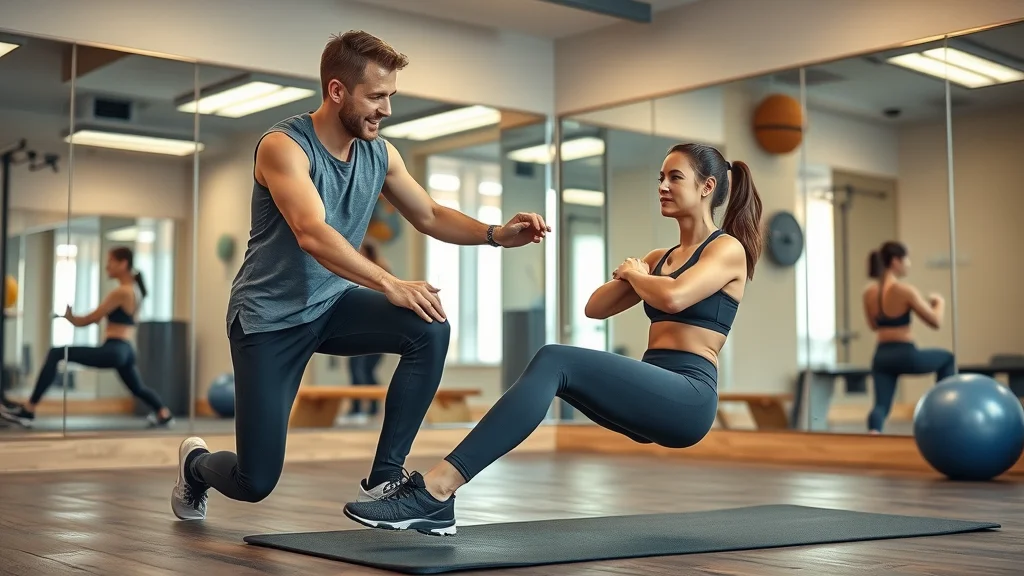
Coaches advise starting with familiar movements, such as squats and planks, and gradually layering in more advanced patterns. This guards against injury and builds confidence in new modes of training. As in all modalities, context and consistency remain paramount.
Finding the Right Balance with Strength Training
“Functional fitness is not only about complex movements—it’s about purposeful training that serves everyday life.”
Striking the right balance between strength and function is essential to harnessing the full benefits of hybrid fitness. Some trainees abandon resistance training altogether in favor of novelty or speed, only to realize their base strength and mobility are insufficient for real-world tasks. By maintaining regular exposure to both traditional lifts and dynamic circuits—especially on a fitness mat tailored to hybrid needs—you can develop a truly well-rounded fitness practice. The goal is not to follow every trend, but to build a resilient, adaptable foundation.
Programs that rotate foundational lifts (deadlifts, presses, pulls) with functional drills ensure all bases are covered, allowing both muscle growth and movement confidence to flourish. Sustainable progress in fitness comes from balance, purposeful repetition, and progressive overload—not from chasing industry hype.
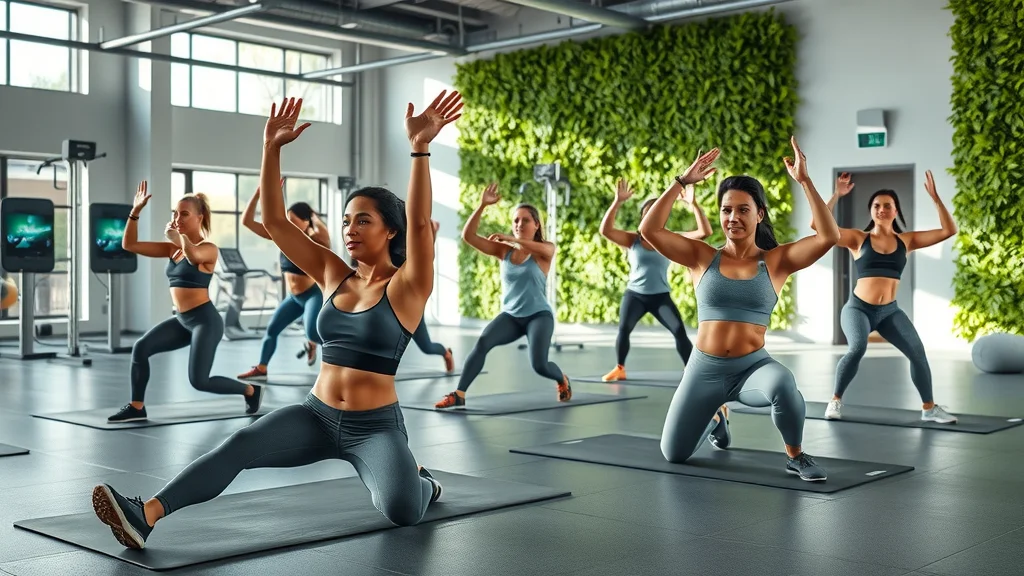
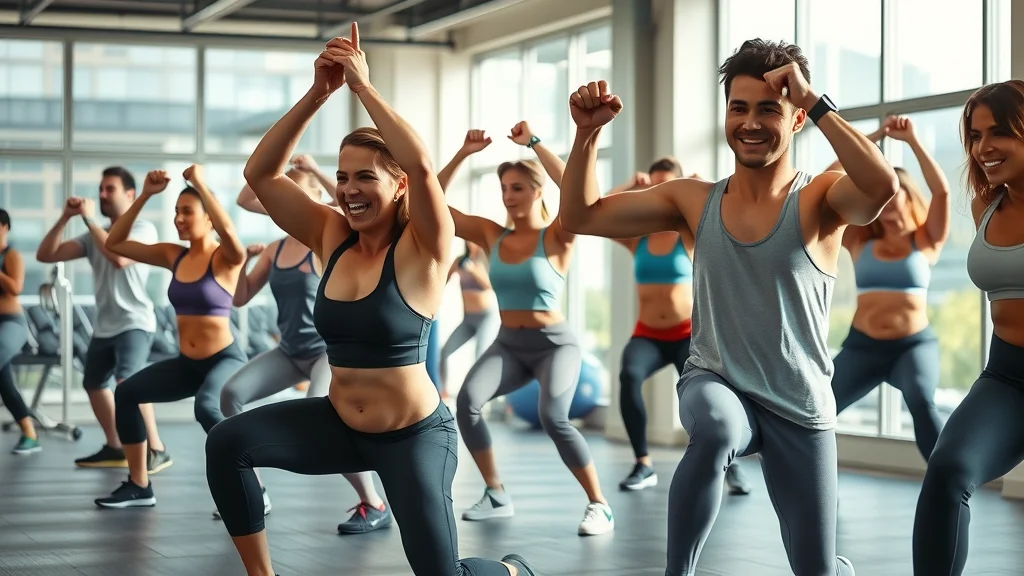
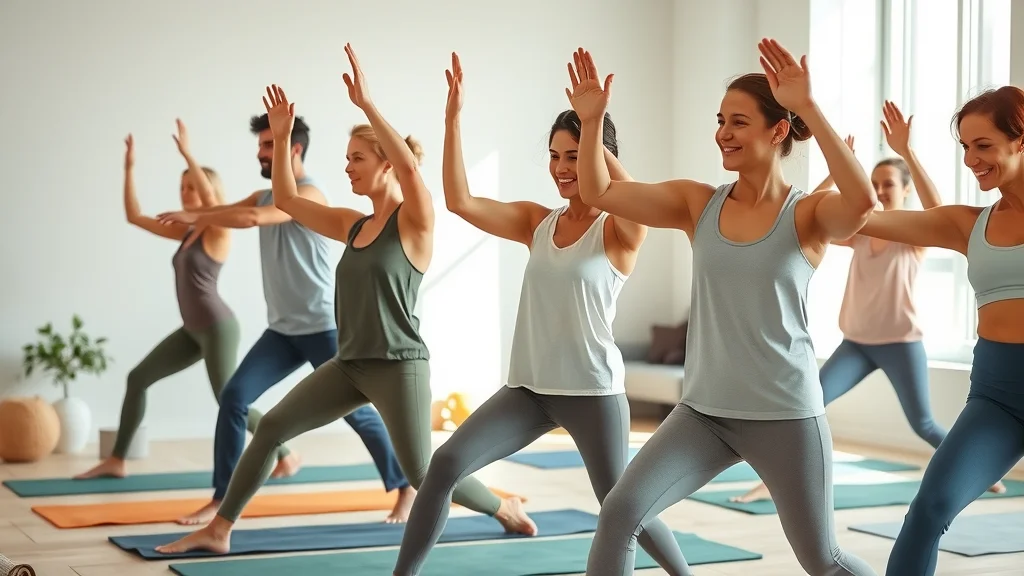
This instructional video highlights essential movements in functional fitness—such as squats, lunges, and planks—demonstrated on hybrid fitness mats in both home and gym environments. Notice the focus on precise, fluid movement, and how mat selection impacts performance and comfort.
In this segment, trainers break down the key uses for a hybrid fitness mat during daily routines, showing how to transition from mobility flows and plyometrics to recovery stretching on the same surface. The demonstrations underscore the mat's versatility for all fitness levels.
People Also Ask: Functional Fitness & Industry Trends
What is the next big thing in the fitness industry?
Answer
The next big thing in the fitness industry is the continued integration of hybrid training modalities that blend functional fitness with technology-driven insights. Wearable devices, data-tracking, and personalized equipment such as advanced hybrid fitness mats support individual progress and safety. This trend reflects the industry's move toward efficient, sustainable solutions that mirror real-world movements and lifestyles.
What is the 3-3-3 rule for fitness?
Answer
The 3-3-3 rule for fitness is a simple framework proposing three days of strength training, three days of cardiovascular or aerobic activity, and three days of mobility or recovery work each week. This balanced approach ensures coverage of all core aspects—strength, endurance, and flexibility—central to the hybrid fitness philosophy.
What is the 2026 fitness report?
Answer
The 2026 fitness report refers to industry analyses forecasting future trends, such as the increasing adoption of functional and hybrid training approaches, technology integration in training environments, and a greater focus on equipment that supports multi-modal movement. These reports guide facility design, coaching methods, and consumer preferences in the years ahead.
What is the fitness trend in 2026?
Answer
Fitness trends projected for 2026 include the mainstream integration of hybrid fitness solutions, personalized coaching through digital platforms, and a sustained emphasis on functional movement and injury prevention. The role of mats—especially those designed for hybrid use—continues to grow as users demand versatility and safety in both commercial gyms and home environments.
FAQs on Functional Fitness and Hybrid Training
-
How do I structure a beginner functional fitness routine?
Start with basic movement patterns: squats, lunges, pushes, and pulls. Use a hybrid fitness mat for stability and comfort. Alternate functional circuits with strength-based sets and focus on consistency before adding complexity. -
Are hybrid fitness mats necessary for home workouts?
While not absolutely required, hybrid fitness mats offer a safe, durable surface for a wide range of exercises, making them a valuable investment for anyone interested in functional or hybrid training at home. -
Can functional training replace traditional strength training?
Functional training complements, but does not necessarily replace, traditional strength work for most people. For optimal results, a combination of both is recommended to ensure well-rounded strength, mobility, and resilience. -
How often should I train functionally throughout the week?
Aim for two to three sessions of functional or hybrid fitness per week, balanced with classic strength or aerobic workouts for a complete program—adjust frequency based on individual fitness level and recovery capacity.
Key Takeaways: Functional Fitness in the Modern Gym
- Functional fitness now anchors much of contemporary fitness programming
- Hybrid fitness models are blending the best of strength and functional training
- Expert opinion emphasizes relevance and purpose over exercise complexity
- Thoughtful application, not trend-hopping, yields sustainable results
Editorial Insight: The Lasting Impact of Functional Fitness
As functional and hybrid fitness continue to gain prominence, the shift toward movement quality and practical relevance is poised to leave a lasting mark on the industry. This evolution prioritizes sustainability, adaptability, and genuine improvement—setting a new standard for what it means to truly “train like you move. ”
Explore more in our practical series on fitness evolution
For a deeper dive into how fitness continues to transform, follow our ongoing editorial series—where every article delivers actionable perspectives on today’s most significant trends.
Sources
- IDEA Fit – https://www.ideafit.com/personal-training/top-10-fitness-trends-in-2024/
- ACE Fitness – https://www.acefitness.org/education-and-resources/professional/expert-articles/7677/top-8-fitness-trends-for-2024/
- Shape Magazine – https://www.shape.com/fitness-trends-2025-8182972
Functional fitness emphasizes exercises that mirror everyday movements, enhancing strength, balance, and flexibility for daily activities. For a comprehensive understanding, consider exploring the following resources: “Why Functional Fitness Is Important for Everyone”: This article delves into how functional fitness builds strength for tasks like standing up, lifting, and reaching overhead, thereby reducing injury risk and improving quality of life. (healthline. com) “Functional Fitness”: Harvard Health provides insights into how functional fitness workouts target muscles used daily, helping you move through your day with ease. (health. harvard. edu) If you’re serious about integrating functional fitness into your routine, these resources offer valuable guidance to enhance your daily movements and overall well-being.


Write A Comment