 Add Row
  Add
Add 

Did you know that up to 80% of people who start a fitness journey quit within just two months—often due to one surprisingly simple but costly mistake? This isn’t just a number to glance over; for millions trying to improve their health and fitness, it’s a round-trip ticket from motivation to frustration. In an era overflowing with trending fitness apps, workout routines, and viral advice on social media, why is lasting change still so elusive? In this feature, we unpack the leading fitness pitfalls of our time—and reveal the evidence-based solution that can empower anyone to break the cycle for good.
A Surprising Truth About Fitness: Why Most People Miss the Mark
“Up to 80% of people start a fitness journey but give up within two months—usually due to one avoidable error.”
The fitness industry has never been more accessible or innovative. Yet, key findings from major health studies and fitness associations indicate that enthusiasm alone is rarely enough. Instead, most people fall into a common trap: prioritizing intensity or novelty over consistency and evidence-based practice. Whether it’s jumping on the latest TikTok workout trend, overcomplicating a workout routine, or relying solely on flashy fitness apps, even well-intentioned attempts at self-improvement can lead to disappointment if foundational principles are neglected.
Every year, researchers examine new strategies for lasting change and healthier outcomes but time and again, the root cause emerges: most abandon their quest for better health and fitness because they push too hard, too fast, or get misled by conflicting advice from social media. This cycle can impact mental health, reinforce negative perceptions about self-worth, and further contribute to sedentary time—undermining the health and longevity everyone seeks. But as industry leaders and data from organizations like Les Mills and key fitness associations argue, there is a better way.

What You'll Learn in This Fitness Editorial
The biggest, most overlooked fitness mistake—and why it matters
The science-backed fix to finally see results
Insights from leading fitness association experts
How social media influences health and fitness perceptions
Key fitness trends shaping 2026
Understanding Fitness: Foundational Principles Everyone Should Know
Defining Fitness and Health in 2026
To understand where most people falter, it’s critical to clarify what defined fitness and health actually mean in today’s world. Fitness isn’t just about aesthetics, “lateral raise” reps, or the number on a scale. The best experts, including those at leading fitness associations, now define fitness as a blend of physical activity capacity, strength, endurance, flexibility, and mental health—all guided by achievable, personal goals. In 2026, wearable devices, fitness apps, and AI-powered analytics help individuals track structured exercise and monitor health outcomes more accurately than ever.
This holistic view is essential: While previous decades measured health and fitness by visual changes alone, the current standard involves optimizing daily movement, mental well-being, and social connections. Sedentary time, health markers, and regular strength training sessions are all part of the equation. According to data sourced through Google Scholar and major fitness industry reviews, consistent application of foundational principles is the only proven route to sustainable health and fitness.

Latest Insights from Fitness Associations
Leading fitness associations such as the American Council on Exercise and Les Mills International routinely highlight trends, pitfalls, and breakthroughs within the health and fitness industry. Their key findings are unequivocal: Building healthy habits outweighs intensity, and adopting structured exercise leads to better adherence and results.
What’s more, associations now prioritize education and personalization—encouraging people to look past social media hype and misleading fads. Official statements confirm that those who engage with informed fitness communities and utilize validated data from fitness apps or trainers experience better health, improved mental health, and greater satisfaction in their fitness journeys. This expert consensus underpins every recommendation in this editorial.
The Most Common Fitness Mistake—According to Experts
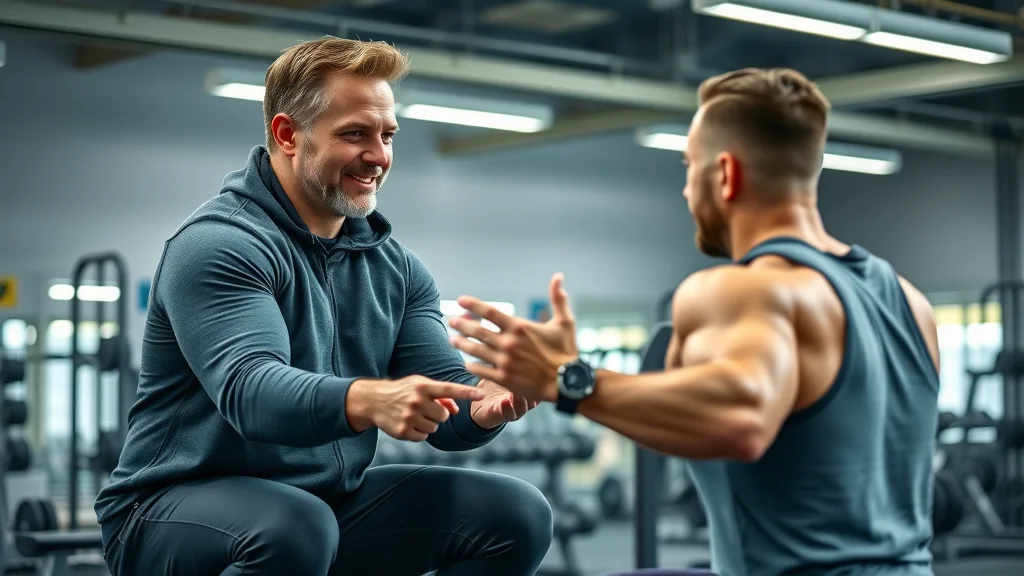
A Deep Dive Into Misinformation on Social Media and Fitness
Why do so many sabotage their progress? The answer lies, more often than not, in how fitness knowledge is consumed. Social media has fundamentally changed the landscape: Platforms are packed with influencers offering conflicting or shallow advice, sometimes promoting risky moves like unverified “pendulum squat” variations or fad diets. These viral trends rarely account for individual experience level, training sessions, or science-backed safety protocols.
The proliferation of misinformation isn’t just a nuisance—it leads to increased sedentary time (as people give up after initial setbacks), injuries, frustration, and worse health outcomes. Research published on Google Scholar demonstrates a clear link between exposure to fitness content on social networks and inaccurate beliefs about health and fitness. In turn, this can stunt progress and foster mental health challenges. Fitness associations warn that without critical thinking and guidance, consumers can fall prey to short-lived solutions instead of building lasting change.
Case Studies: How the Wrong Approach to Strength Training Can Frustrate Progress
Consider the approaches to exercises like the vertical leg press or “standing lateral raise”—common fixtures in many trending routines. When executed with improper form, excessive weight, or without gradual progression, these moves can become more harmful than helpful. Studies from Les Mills and analysis in the fitness industry reveal that beginners often skip essential steps, inspired by advanced workouts on social media, but lack the baseline mobility, structured exercise, or knowledge to achieve lasting results. This is where supervised, methodical training plans—endorsed by the world’s top fitness association leaders—separate long-term achievers from the rest.
To illustrate, the table below compares widespread fitness myths circulating online with evidence-based practices recommended by experts:
Myth |
Reality |
Supporting Data |
Source |
|---|---|---|---|
“Lifting heavy early delivers faster muscle growth” |
Progressive overload suited to your experience level is safest and most effective |
Reduced injury risk, improved adherence, better muscle development |
|
“Social media workouts can replace structured routines” |
Structured exercise designed by certified professionals guarantees better health outcomes |
Higher success rate, lower dropout, improved mental health |
|
“All strength training is the same” |
Strength training must be tailored to individual goals and abilities |
Greater satisfaction, lower sedentary time, enhanced results |
|
“Being active occasionally is enough for health and longevity” |
Consistency in physical activity is the main driver of lasting change |
Better cardiovascular health, mental well-being |
The Simple Fix: Science-Backed Solutions for Better Fitness Results
Implementing a Structured Fitness Routine
“Consistency trumps intensity—small efforts, sustained over time, deliver life-changing results.”
The antidote to most fitness failures is as simple as it is profound: consistency, not intensity, determines long-term outcomes. Whether you’re new to strength training, returning after a break, or aiming to refine your workout routine, the science points to a structured, progressive plan that gradually increases challenge is key. Fitness associations such as the NSCA and Les Mills stress that the secret to real progress is not doing the hardest lateral raise, vertical leg press, or pendulum squat right away, but showing up for short, manageable training sessions—week after week.
This isn’t just about following the latest fitness app or signing up for a new class. Structured exercise means setting clear personal goals, scheduling training at regular intervals, monitoring sedentary time, and adjusting according to your body’s feedback. Over time, these habits become automatic—reducing the risk of burnout and helping make fitness a sustainable part of daily life. Fitness apps and wearable devices further enhance this process by providing instant data and reminders, as recommended by top fitness associations and health experts globally.
Strength Training: The Key Role in Modern Fitness
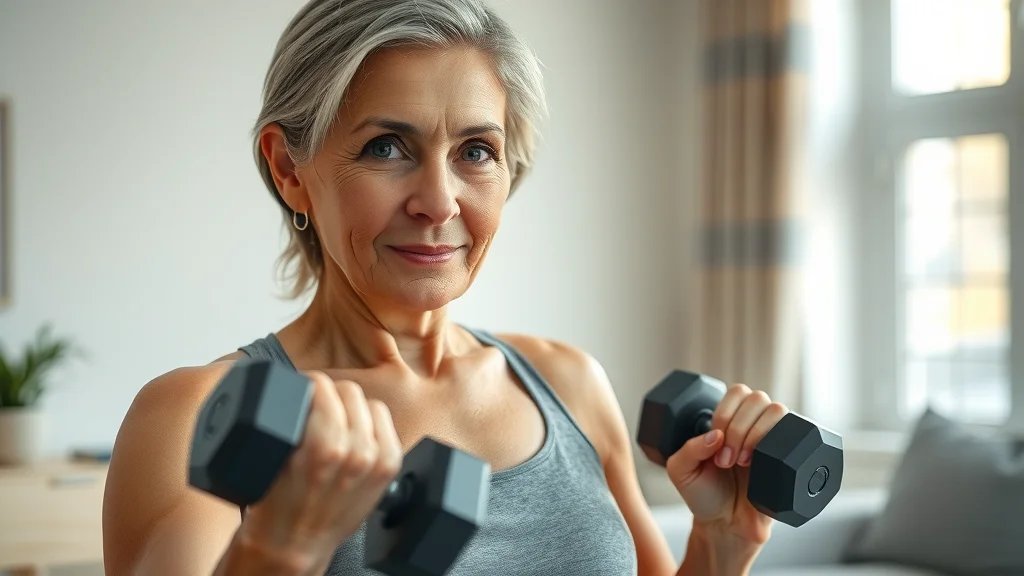
Of all fitness elements, strength training holds a uniquely transformative power. Incorporating exercises like the reloaded vertical leg press, standing lateral raise, and variations of squats into your workout routine drives the greatest improvements in physical capability and mental health. Evidence compiled on Google Scholar, Les Mills reviews, and NSCA guidelines underlines how a gradual, personalized strength training plan results in lower injury rates, higher overall activity levels, and lasting confidence improvements.
Importantly, strength training is not one-size-fits-all. Fitness association leaders recommend that routines adapt to experience level, focus on proper form before increasing weight or intensity, and respect rest and recovery cycles. Even occasional home sessions—supported by digital fitness apps—deliver meaningful health benefits and enhance health and longevity if approached with regularity and mindfulness. Strength training, more than any other single practice, is the foundation for health and fitness excellence in 2026 and beyond.
Expert Perspectives: Fitness Association Leaders Weigh In
Common misconceptions in fitness
How to leverage health and fitness data for real change
Why community and accountability matter
Major figures across the fitness association landscape agree that demystifying fitness myths and promoting data-driven practices is more crucial than ever. Their advice converges on three imperatives:
First, challenge misconceptions by questioning dubious social media trends and demanding sources for any transformative claim. Second, harness the continuous feedback loop provided by wearable devices and fitness apps—track real metrics like step count, sedentary time, sleep, and actual training load, not just what “looks good” online. Finally, join groups or communities—whether in person or virtually—that emphasize accountability and motivation. Studies from Les Mills and the ACE show individuals who are actively involved in supportive networks report higher engagement, improved mental health, and sustained results, regardless of starting point.
Social Media and the Modern Approach to Fitness
Navigating Fitness Advice Online

The influence of social media on health and fitness is a double-edged sword. While it can inspire and connect aspiring exercisers, it is also rife with ill-informed advice that ignores individual differences in experience level, physical activity constraints, and health goals. Fitness association experts urge caution: always cross-reference any viral lateral raise or vertical leg press tutorial with trusted fitness association resources and, where possible, consult certified trainers.
On the upside, technology can empower smart choices. The best fitness apps feature content built on science, track physical activity and sedentary time, and allow for real-time adjustments. They also cut through the noise by drawing on official health, fitness, and mental health guidelines—helping users form healthy, sustainable behaviors away from the spotlight of “fad” culture.
Fitness Trends to Watch in 2026
Emerging Technologies and the Future of Fitness
The evolution of the fitness industry is accelerating rapidly thanks to AI trainers, smart strength equipment, and biofeedback-driven fitness apps. The latest wave of technology in 2026 enables anyone to receive customized, real-time guidance, making the barriers to fitness lower than ever. Innovations such as reloaded vertical leg presses equipped with intelligent sensors, wearables seamlessly syncing with nutrition and workout routines, and digital platforms that analyze mental health data are redefining what “healthy and fit” means for all ages.
Fitness associations now recommend these advanced tools as a means to close the gap between science and the everyday exerciser. As a result, the lines between home gym, boutique studio, and clinical health space have blurred—giving everyone access to tailored, data-driven support routines suited to their needs.
Animated infographic: AI trainers, smart equipment, and wearable devices shaping the fitness industry in 2026.
The Impact of the Apple Fitness Update 2026
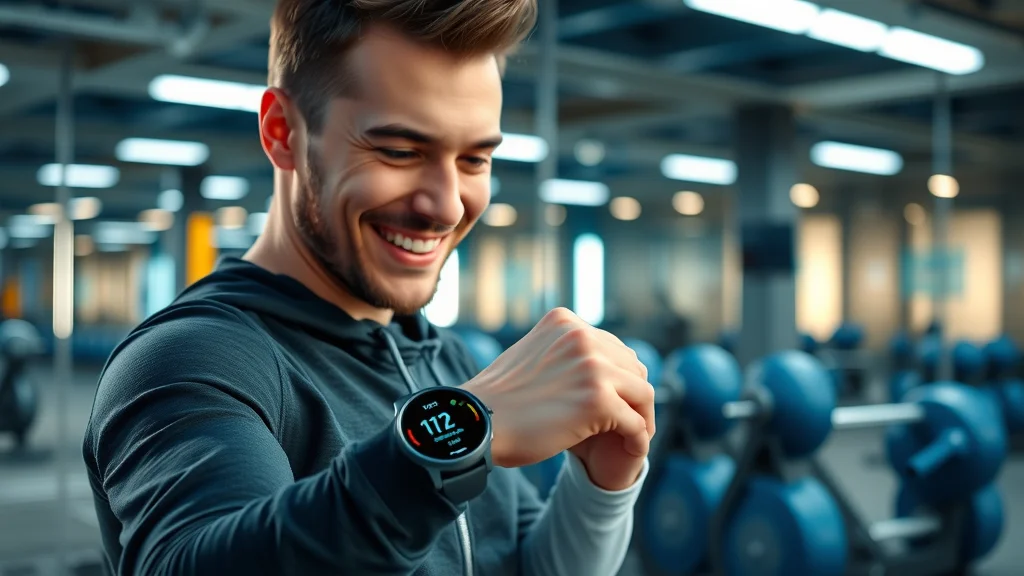
One of the most anticipated events for consumers and professionals alike is the Apple Fitness Update 2026. This update promises to make real-time, comprehensively tracked fitness and health outcomes more accessible. Enhanced features will integrate advanced heart, sleep, and activity tracking alongside seamless syncing with strength training routines. As experts from leading fitness associations predict, the update is set to make it even easier for users to monitor sedentary time, access evidence-backed workout routines, and stay motivated via gamified features. The update is poised to be transformative, especially as tech giants compete to define the future of health and fitness for a global audience.
People Also Ask:
What major events are in February 2026?
February 2026 is set to feature several global events, including cutting-edge fitness expos, international sports competitions, and the roll-out of the Apple Fitness Update 2026. It's also a key period for new wellness research releases and the latest health and fitness industry innovations, making it a standout month for professionals and enthusiasts alike.
What are the fitness trends for 2026?
The top fitness trends for 2026 include AI-driven trainers, immersive smart equipment, personalized strength training routines, and holistic health apps tracking everything from physical activity to mental health. There’s also a surge in community-based workout challenges delivered through social media and fitness apps—bridging motivation, accountability, and fun.
What is the Apple fitness update for 2026?
The Apple Fitness Update for 2026 introduces a suite of features such as enhanced activity tracking, real-time health insights, seamless integration with third-party fitness apps, and more robust social and gamified functions. This positions it as a go-to platform for anyone serious about structured exercise, strength training, and holistic wellness.
Is Feb 2026 special?
February 2026 is notable for its convergence of key industry events, emerging fitness technology launches, and renewed emphasis on global health and fitness outcomes. With major updates from fitness associations and big tech, it’s a pivotal period for those looking to optimize personal health and performance.
FAQs About Fitness and Health in 2026
How can I avoid common fitness mistakes?
Prioritize a structured, consistent workout routine adjusted to your experience level. Seek science-backed guidance from certified professionals and rely on data-driven fitness apps to track progress.How do fitness associations influence workout trends?
Fitness associations research effective training methods, disseminate evidence-based practices, and certify trainers—shaping what becomes mainstream in the health and fitness industry.What are the best strength training strategies for beginners?
Start with basic compound movements, use manageable weights, perfect your form, and gradually increase resistance. Combine strength sessions with adequate rest and nutritional support for best results.What role does nutrition play in modern fitness?
Nutrition is integral—fueling workouts, aiding recovery, and optimizing health outcomes. Balanced meals, adequate hydration, and mindful eating should support every phase of your fitness plan.
Key Takeaways: The Smarter Road to Fitness
The main fitness mistake is focusing on intensity over consistency
Simple routines, backed by evidence, deliver lasting results
Expert guidance and technology make success achievable
Final Thoughts on Achieving Your Fitness Goals
Transforming your health and fitness isn’t about extremes. It’s about informed, consistent choices—and letting expert insights and technology guide you toward sustained results that last well beyond 2026.
Sources
Incorporating expert insights can significantly enhance your fitness journey. The Mayo Clinic’s article, “Fitness program: 5 steps to get started”, offers a structured approach to initiating a fitness regimen, emphasizing the importance of assessing your current fitness level, setting realistic goals, and creating a balanced routine. Additionally, the American Heart Association’s resource, “Fitness”, provides valuable tips on incorporating more movement into your daily life and highlights the benefits of regular physical activity for heart health. If you’re serious about improving your fitness, these resources will provide you with evidence-based strategies to achieve lasting results.


Write A Comment