

Did you know that choosing the right post-workout foods can cut muscle soreness in half and accelerate your path to visible results? Whether you're a weekend runner, lifting enthusiast, or just committed to staying active, your recovery starts at the kitchen table. Today’s leading sports science shows that what you eat after exercise can make or break your muscle gains, energy, and overall health. This guide is your go-to resource on post-workout nutrition—packed with practical advice and evidence-based best practices. Learn how to fuel workouts smarter, avoid common mistakes, and implement nutrition strategies that stand the test of time.
Introduction: Why Choosing the Right Post-Workout Foods Matters
Research reveals that optimal post-workout foods can reduce muscle soreness by up to 50% and speed up muscle recovery dramatically. Are you fueling your progress?

Every workout puts stress on your muscles. The repair process that follows is when growth and true transformation take place. But muscle recovery isn’t just about time or rest; it’s about the quality of nutrition you provide your body the moment the workout ends. That’s why top coaches, medical news outlets, and health reporters like Caroline Kee consistently emphasize post-workout nutrition. Whether your goal is to build lean muscle, reduce soreness, or improve heart health, the right foods after exercise are non-negotiable. This guide details why post-workout foods matter, which options are best, how to personalize your intake, and tips for sidestepping the most frequent dietary slip-ups.
What You'll Learn About Post-Workout Foods
How post-workout foods impact recovery and growth
Science-backed examples of the best post-workout foods
Why timing, balance, and personalization matter
Key mistakes to avoid and how to fix them
Practical post-workout meal templates and FAQs
Defining Post-Workout Foods: What Are They and Why Are They Important?
Setting the Context: The Role of Post-Workout Foods in Muscle Recovery
Post-workout foods are the meals or snacks consumed within a critical window after exercise—typically within one hour—designed to support muscle repair and replenish energy stores. After a challenging session, your body’s glycogen reserves are depleted, muscles are slightly damaged at the microscopic level, and your system is primed to absorb nutrients for efficient recovery. Science from credible sources like the Cleveland Clinic and top health reporters such as Caroline Kee underscores that timely post-workout nutrition is vital for everyone, not just professional athletes.
The main roles of post-workout foods are to stop muscle breakdown, jumpstart protein synthesis (the process which rebuilds and strengthens muscle fibers), and restore energy. These foods are most effective when they strike the right balance of macronutrients—especially a combination of protein and quality carbohydrates. Foods like Greek yogurt, protein shakes, quinoa, and nut butter deliver the amino acids, vitamins, and minerals needed for optimal muscle recovery. Choosing wisely means you’ll not only feel less sore, but you’ll also prep your body for your next workout.
The Science of Nutrient Timing After Exercise
Nutrient timing refers to the strategic consumption of nutrients at certain periods to maximize their effects on recovery and muscle growth. The "anabolic window," often cited within an hour post-exercise, is when muscles are most receptive to amino acids and glucose. According to a range of medical news and studies from hospitals like Cleveland Clinic, consuming post-workout foods within this timeframe helps repair muscle tissue, restock glycogen, and reduce inflammation, all of which are essential for supporting muscle and minimizing soreness.
Missing this window doesn't mean your workout is wasted, but consistently refueling at the right time optimizes muscle repair. For example, incorporating Greek yogurt or protein shakes provides quick protein for muscle synthesis, and pairing them with carbohydrates, such as fruit or whole grains, speeds glycogen recovery. This is why athletic trainers and sports dietitians repeatedly highlight nutrient timing in their nutrition plans for both beginners and elite competitors.
Why Post-Workout Foods Matter for Muscle Recovery and Athletic Performance
How Post-Workout Foods Support Protein Synthesis and Repair
The cornerstone of post-workout nutrition is its role in supporting protein synthesis—the mechanism by which your body creates new muscle proteins from the amino acids in your diet. High-quality, protein-rich foods like eggs, greek yogurt, protein shake, and cottage cheese are recognized by the Cleveland Clinic and leading health reporters for supplying the full spectrum of amino acids necessary for muscle repair and growth. Consuming these foods post-exercise is especially important after resistance or strength training, where muscle breakdown is significant.
Studies show that an intake of 20-30g of protein within an hour post-workout maximizes muscle protein synthesis, leading to faster and more efficient recovery. Carbohydrates, meanwhile, replenish emptied glycogen reserves and support muscle cells' energy requirements, accelerating the muscle recovery process. Regularly meeting your post-workout nutrient needs also helps maintain immune function and decrease the risk of overtraining.

Post-Workout Foods and Heart Health: Beyond Muscles
While much of the focus is on muscle recovery and athletic performance, it’s important to highlight the broader health effects of post-workout food choices. Foods rich in omega-3s—such as salmon—fight inflammation and are associated with improved heart health. In fact, leading medical news sources and organizations like the Cleveland Clinic often recommend post-exercise meals that include healthy fats and antioxidant-rich foods for comprehensive recovery.
Prioritizing post-workout foods that support heart health doesn’t just benefit athletes. Everyday exercisers, older adults, and those concerned with cardiovascular wellness all gain from integrating foods like salmon, quinoa, and leafy greens into their recovery meals. These choices are full of antioxidants, lower cholesterol, and help regulate blood pressure, supporting your heart as well as your muscles.
Step-by-Step: How to Choose and Use the Best Post-Workout Foods
Step 1: Assessing Your Workout Intensity, Goals, and Energy Needs
The first step in personalizing your post-workout nutrition is honestly evaluating your workout’s intensity and your health objectives. Did you complete an intense weightlifting session, a long run, or a gentler walk? The more strenuous the activity, the more crucial it is to replenish with high-protein and carbohydrate-rich post-workout foods. Think about your training goals, too—whether it’s muscle growth, fat loss, or enhanced heart health. For muscle building, focus on plenty of protein and moderate carbs, while endurance athletes might need more carbs for glycogen recovery.
Use tools like fitness trackers or logs to estimate calorie expenditure and plan your post-exercise meals accordingly. For example, a vigorous gym session in New York City or an hourlong yoga class in your living room will have different nutritional demands. Matching your nutrient intake to your energy use sets the foundation for outstanding long-term results and ensures you aren’t over- or under-eating during recovery.
Step 2: Understanding Macronutrient Balance in Post-Workout Foods
After a workout, your body craves a combination of protein (for muscle repair) and carbohydrates (for energy restoration). The best post-workout foods are those that deliver both, with a balance tailored to your needs. According to the Cleveland Clinic and experienced health journalists, a ratio of roughly 3:1 carbs to protein is ideal for most people, but weightlifters and high-intensity athletes may benefit from a higher protein intake.
Popular options like greek yogurt (complete protein and probiotics), protein shakes (quick protein boost), and quinoa (both carbs and protein) are frequently recommended. Don’t forget fats, especially those found in nut butter and salmon, which fight inflammation and provide sustained energy. Understanding these basics allows you to mix and match grocery store staples to fit your performance and recovery goals.
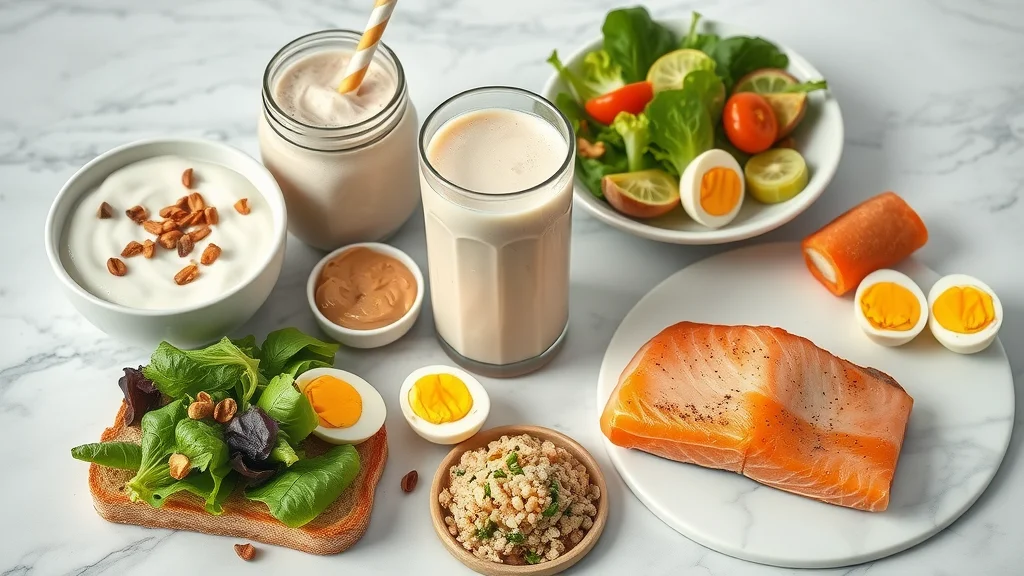
Step 3: Timing Your Post-Workout Foods for Optimal Muscle Recovery
The timing of your meal is nearly as important as its composition. The “anabolic window” within 30–60 minutes after exercise is considered the prime opportunity for maximum nutrient absorption. Consuming post-workout foods in this timeframe accelerates muscle recovery, increases glycogen resynthesis, and reduces muscle soreness.
If immediate eating isn’t possible, a protein shake offers convenience and rapid absorption. For those cooking at home, having healthy meals prepped (like a quinoa salad or Greek yogurt parfait) makes sticking to optimal timing easier. Remember: Consistency is key. Making post-workout nutrition a habit enhances progress and supports overall wellness, no matter your fitness level.
Top 7 Best Post-Workout Foods for Muscle Recovery and Growth
Greek Yogurt: Complete Proteins and Gut Health
Protein Shake: Rapid Absorption for Quick Muscle Recovery
Nut Butter: Healthy Fats and Sustained Energy
Eggs: Amino Acids for Muscle Synthesis
Quinoa: Complete Carbohydrate and Protein Source
Cottage Cheese: Casein Protein for Slow Release
Salmon: Omega-3s for Inflammation and Heart Health

Table: Nutritional Comparison of Popular Post-Workout Foods
Food |
Protein (g) |
Carbs (g) |
Fats (g) |
Notable Recovery Benefits |
|---|---|---|---|---|
Greek Yogurt |
18 |
10 |
0 |
Probiotics, protein |
Protein Shake |
20 |
2 |
1 |
Fast absorption |
Nut Butter |
7 |
6 |
16 |
Healthy fats |
Eggs |
6 |
1 |
5 |
Amino acids |
Quinoa |
8 |
39 |
3.5 |
Complete carb/protein |
Cottage Cheese |
14 |
4 |
4 |
Slow-release protein |
Salmon |
22 |
0 |
12 |
Omega-3, anti-inflammatory |
Key Coaching Tips for Making the Most of Your Post-Workout Foods
Pair protein and carbs for optimal muscle recovery.
Adjust portion size based on workout intensity.
Include hydrating foods to support recovery.
Monitor overall nutrient intake and balance.
Common Mistakes with Post-Workout Foods and How to Avoid Them
Skipping post-workout meals—Delaying refueling can slow recovery and undo workout gains.
Relying solely on supplements—Whole foods provide a richer array of nutrients, fiber, and satisfaction.
Consuming too little protein or carbs—Inadequate macronutrients mean weaker muscle repair and less energy restoration.
Choosing high-sugar or highly processed foods—These can spike blood sugar and offer little sustained benefit for recovery.

The Main Benefits of Effective Post-Workout Foods
Accelerated muscle repair and growth
Reduced soreness and better long-term results
Enhanced heart health and overall recovery
Who Should Prioritize Post-Workout Foods for Recovery and Growth?
Athletes, Beginners, and Everyday Exercisers
Whether you're a dedicated athlete, a recreational runner, or just starting your fitness journey, strategic post-workout foods benefit all activity levels. Serious competitors use tailored nutrition to maximize gains and cut recovery time, while beginners and weekend warriors experience increased energy and less next-day soreness. By emphasizing protein, carbs, and anti-inflammatory nutrients like omega-3s, everyone can see faster progress and improved heart health.
Everyday exercisers will especially appreciate easier muscle recovery, a strengthened immune system, and consistent improvement—all of which keeps motivation high. As numerous health reporters, including those based in New York City, acknowledge, building good post-workout eating habits gives anyone an edge.
Special Populations: Older Adults, Vegetarians, and Those with Heart Health Needs
Special populations require thoughtful adjustments to post-workout nutrition. Older adults benefit from higher protein intake and foods rich in calcium and vitamin D, like Greek yogurt and eggs, to combat age-related muscle loss. Vegetarians can build effective post-exercise meals with foods like quinoa, cottage cheese, nut butter, and plant-based protein shakes. Those with heart health considerations should favor anti-inflammatory foods—think salmon, walnuts, and leafy greens—to lower cardiovascular risk while promoting recovery.
The bottom line: Every age group and dietary preference can leverage post-workout foods to achieve better muscle recovery, more energy, and greater well-being.
Modifying Post-Workout Foods for Different Training Levels
Making It Simpler: Beginner-Friendly Post-Workout Foods
For exercise newcomers, simplicity and convenience matter. Start with grab-and-go options: a Greek yogurt parfait with berries, a hard-boiled egg and toast, or a protein shake with a banana. These foods are nutrient-dense, easy to portion, and require minimal preparation—perfect for building habits that last. Beginner athletes can also try pre-made snack packs or meal-prep a few days’ worth of muscle recovery foods.
Choose foods you enjoy to improve consistency and avoid “diet fatigue. ” As your fitness and nutrition knowledge grows, add in meal variety and try more advanced options, like homemade energy bars, quinoa bowls, or cottage cheese with fruit.

Advanced Recovery Strategies: Customizing for High-Performance Athletes
Advanced athletes and those training at high intensities require meticulous attention to post-workout nutrition. They often consume larger, more nutrient-dense meals, adjust macronutrient ratios to fit competitive schedules, and may time additional snacks or shakes for optimal recovery. Working with sports dietitians or utilizing nutrition tracking apps ensures that energy, protein, and recovery goals are consistently met.
Introduce variety—such as wild salmon, multiple kinds of grains, and plant-based protein mixes—to cover the full spectrum of muscle needs and micronutrient gaps. For those in high-impact sports, anti-inflammatory foods, proper hydration, and regular analysis of recovery markers (like soreness and performance) are crucial to staying at the top of your game.
Step-by-Step Demonstrations and Practical Meal Ideas
Explore a professional’s kitchen as a nutrition expert demonstrates how to prepare balanced post-workout meals using Greek yogurt, salmon, protein shakes, and layered grain bowls. See each step, learn ideal portions, and take away creative ideas to keep recovery nutrition fresh and enjoyable. Watching the technique can help you match ingredient ratios and meal timing for your personal needs.
For even more inspiration, review the practical meal ideas shown—such as high-protein Greek yogurt bowls, quick shake recipes, and make-ahead quinoa salads. These visual cues reinforce the importance of fresh, whole food options for efficient muscle recovery and sustainable energy.
People Also Ask: Your Most Pressing Questions About Post-Workout Foods
What is the protein trend in 2026?
By 2026, the protein trend leans toward a more personalized approach: flexible recipes that mix traditional animal-based protein like eggs, Greek yogurt, and fish with innovative plant-based alternatives. The rise of eco-conscious and heart health–friendly eating means foods like quinoa, pea protein shakes, and nut butter will be ever more popular in grocery stores and gym cafes. There’s a strong emphasis on clean ingredients, quick protein sources, and optimizing overall wellness rather than just focusing on muscle growth.
What is the 30/30/30 rule?
The 30/30/30 rule is a practical approach to post-exercise nutrition: aim to consume 30 grams of protein, 30 grams of carbohydrates, within 30 minutes of finishing your workout. This maximizes muscle recovery, maintains energy, and ensures you capitalize on the body’s post-exercise window for repair and growth. Adopting this rule can simplify your planning and help maintain long-term training results.
What are the 3 R's of post-workout nutrition?
The "3 R's" stand for Refuel, Repair, and Rehydrate. Refuel with carbohydrates to restore glycogen, repair with protein to rebuild muscle fibers, and rehydrate with fluids to replace lost electrolytes. Following these principles ensures comprehensive recovery and prepares your body for future performance.
What is the best food to eat after a workout?
There’s no single “best” food for everyone, but trusted options include Greek yogurt with berries, protein shake and banana, eggs with toast, or a salmon-and-veggie rice bowl. The ideal post-workout meal provides high-quality protein, complex carbohydrates, a small amount of healthy fat, and hydration for complete muscle and heart health recovery.
Frequently Asked Questions About Post-Workout Foods
How soon should I eat after exercising for best muscle recovery?
Aim to eat a balanced meal or snack within 30–60 minutes after finishing your workout. This is when your muscles are most receptive to nutrients for muscle recovery and growth.Can I use plant-based post-workout foods and still get great results?
Yes! Foods like quinoa, legumes, soy-based protein shakes, and nut butter deliver excellent plant protein and are full of antioxidants to support muscle repair and heart health.Are protein shakes mandatory or are there food alternatives?
Protein shakes are convenient, but whole foods like Greek yogurt, eggs, or cottage cheese also provide plenty of protein and added nutrients to support muscle recovery. Choose what suits your lifestyle best.Should older adults modify their post-workout foods routine?
Older adults benefit from increased protein and foods rich in calcium, vitamin D, and anti-inflammatory nutrients. This helps preserve muscle mass, fights inflammation, and supports healthy aging.
Insights and Lessons from Practical Experience
Learn how real athletes integrate carefully planned post-workout foods into their training routines. Discover actionable tips, the importance of meal timing, and stories of improved endurance, reduced soreness, and enhanced results. Watching other’s journeys can reinforce the benefits and inspire your own recovery strategy.
Whether you’re training for a marathon, recovering from a strenuous gym session, or simply staying active, firsthand experience can motivate you to commit to smarter, evidence-based nutrition habits.
Key Takeaways to Boost Your Recovery with Post-Workout Foods
Prioritize balanced post-workout foods for faster recovery and long-term results.
Match your food choices to your needs, preferences, and training goals.
Keep learning and refining your post-workout foods strategy.
Ready to Transform Your Recovery? Apply These Post-Workout Foods Tips Today!
Effective post-workout foods aren’t just a trend—they’re the foundation of consistent, healthy progress. Start planning your next recovery meal today and experience the difference in every workout.
Sources
Cleveland Clinic – https://health.clevelandclinic.org/best-foods-eat-after-workout
TODAY Health – https://www.today.com/health/diet-fitness/post-workout-meal-recovery-foods
Medical News Today – https://www.medicalnewstoday.com/articles/322120
To further enhance your understanding of optimal post-workout nutrition, consider exploring the following resources: “What to Eat After a Workout for Nutrition and Muscle Recovery”: This comprehensive guide delves into the importance of consuming the right nutrients post-exercise to optimize fitness goals. It discusses how eating foods containing carbs and protein can support muscle recovery and emphasizes the significance of meal timing. (healthline. com) “6 Best Foods and Drinks For Muscle Recovery”: This article highlights nutrient-rich foods like fatty fish, pomegranate juice, starchy vegetables, and eggs that can aid in muscle recovery. It provides insights into how these foods support muscle repair and reduce inflammation. (healthline. com) If you’re serious about optimizing your post-workout nutrition, these resources offer valuable insights into effective dietary strategies for muscle recovery and growth.


Write A Comment