Add Row
Add Element
Fitness Living Magazine Logo
UPDATE
Add Element
  • Home
  • Categories
    • Fitness Headlines
    • South Carolina
    • Top Picks
    • Gym Growth
    • Nutrition + Performance
    • Recipes + Meal Prep
    • About the Magazine
    • Featured Fitness Leader
    • California
  • About The Magazine
The Media Platform for Fitness Leaders & Owners.
October 09.2025
1 Minute Read

Struggling with Fitness? Here’s the Fast Fix You Need

Did you know? Less than a quarter of Americans manage to get the recommended amount of exercise each week. If you’ve ever struggled with fitness, you’re in good company—and a fast, realistic fix is more achievable than you might think. This guide takes an unvarnished look at what works, what doesn’t, and how to cut through the noise for genuine fitness results.

The Surprising Truth Behind Fitness – Why Most People Fail

"Only about 23% of Americans get the recommended amount of exercise each week. Why is staying fit so hard for so many?"

  • Approximately 77% of adults in the US don’t meet weekly fitness guidelines.

  • Obesity rates have doubled since the 1980s, correlating with the rise of sedentary lifestyles.

  • The majority of people overestimate the impact of occasional, intense workouts and underestimate the value of daily movements.
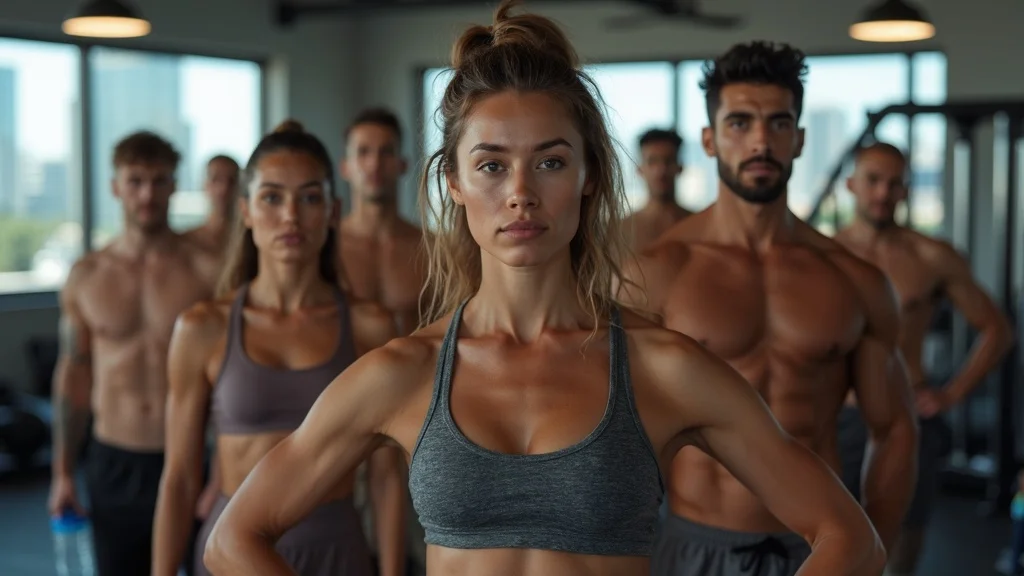
fitness group workout post-cool down urban gym city skyline
  • A popular misconception: all fitness routines need to be hardcore. In reality, consistency and sustainable effort matter far more than intensity.

  • Another myth: expensive supplements and trendy equipment automatically yield results—when in fact, basic bodyweight exercises and regular walking can generate steady fitness improvements.

  • Many believe they don’t have the “right body type” or genetics, when small, strategic changes can make a big difference over time.

What You’ll Learn in This Fitness Guide

  • The real roadblocks to fitness success—and how to outsmart them.

  • Personal editorial opinions on what quick fitness strategies work (and which fizzle out).

  • How to choose and use the right fitness trackers, like the Oura Ring, to support your journey, not distract from it.

Why ‘Quick Fixes’ Dominate Fitness – An Editorial View

The Appeal and Pitfalls of Fast Fitness Solutions

Fast fitness solutions—like “30-day shred” plans or “lose 10 pounds in 2 weeks” promises—are everywhere and appeal for good reason: people want results fast and motivation is fleeting. But my own trials with quick fixes taught me a tough lesson. While programs promising rapid results may spark initial enthusiasm, the real barrier is not starting—it’s sustaining the grind. Jumping headlong into a high-intensity routine can lead to burn out, injury, or lost interest after two weeks. On the other hand, I’ve seen more success—as both a writer and participant—by adopting small, repeatable changes anchored in daily routines. A fitness tracker or Oura Ring can nudge you toward daily activity, but don’t expect a device to magically overhaul your life.

When evaluating instant fitness promises versus lasting results, the difference is stark. A short-term “prime day” deal on a new fitness gadget might make you more excited to exercise, but it won’t change your behavior unless you’re ready for consistent effort. In my experience, sustainable progress comes from making your fitness practices work for you: finding activities you enjoy, tracking meaningful metrics (like heart rate or daily steps), and embracing the inevitability of setbacks. Ultimately, the most important part of any fast fitness fix is determining if it actually fits your schedule, personality, and long-term goals.

evaluating fitness tracker vs plan on smartphone at home gym
  • When you compare instant fitness promises to lasting habits, ask: Will this still be a big deal in two months, or is it just a flashy “prime big deal” offer?

  • For me, only flexible, habit-building methods—like adding a brisk walk daily—have produced real, long-term results.

Planet Fitness and the Mainstream Gym Movement

Is Planet Fitness Reinventing Fitness For Everyone?

"Community-based gyms like Planet Fitness remove barriers for beginners, but can they motivate long-term results?"

  • Affordability: Planet Fitness is notorious for its low entry price (sometimes as little as $10 a month), making access to gym equipment less of a financial hurdle.

  • Inclusivity: Their “judgment free zone” approach demystifies gyms for people who feel out of place among hardcore bodybuilders. But, the abundance of machines and avoidance of heavy weights can limit progress for those who want to level up their fitness or burn fat efficiently.

  • While Planet Fitness excels at welcoming beginners, member testimonials and my own visits reveal a mixed record with motivating members to stay active week after week.

Gadgets and Trends: From Fitness Trackers to the Oura Ring

Can a Fitness Tracker or Oura Ring Really Transform Your Routine?

Feature

Fitness Tracker

Oura Ring

Wearable Style

Wristband/watch

Discreet ring

Tracks Activity

Yes (steps, heart rate, calories burned)

Yes (steps, heart rate, calories burned)

Sleep Monitoring

Basic (usually)

Advanced (sleep score, readiness, recovery)

Battery Life

4–7 days

Up to 7 days

Price Range

$40–$250+

$299–$399

Special Features

Notifications, GPS, music controls

Highly focused health analytics

close-up oura ring vs fitness tracker for health monitoring

In my editorial experience, a fitness tracker or Oura Ring should fuel motivation, not become just another distraction or passive notification tool. When I first began testing a variety of fitness trackers, the novelty of watching step counts and heart rate patterns gave me a burst of motivation. Over time, though, I realized gadgets only work when paired with clear goals and consistent action. Without a real commitment, even the most advanced wearables become little more than expensive jewelry. Used wisely, though, these devices empower you to take control—helping you recover faster, push a little harder, and celebrate milestones every day.

  • Some find fitness gadgets to be powerful motivators; others treat them as another app featuring unused data points.

  • The bottom line: A tracker or Oura Ring is a tool—it can nudge you toward better habits, but results depend on the effort you put in.

Prime Day Fitness Deals – Opportunity or Sales Gimmick?

  • Prime Day and October prime sitewide events bring a stampede of fitness deals, but not all discounts are worth the hype. The real-value items tend to be gear you’ll actually use—basic dumbbells, resistance bands, or reliable fitness trackers. If a “prime big deal” looks too good to be true, check return policies, reviews, and whether you would buy at Amazon during a non-sale week.

  • From my own deal days binge: Airpods Pro and well-reviewed fitness trackers typically justify their “big deal” status and can enhance routine training with convenience and motivation. However, flashy items like underused stationary bikes or complex smart gym mirrors are only a big deal until the novelty wears off. Focus your spending on items that genuinely help you stay active or recover faster.

Day Fitness Challenges: Jumpstarting Your Motivation

Personal Reflection: What 30-Day Fitness Did for Me

  • Recommended Challenges:

    • 30-day squat challenge

    • Plank every morning for 21 days

    • Daily steps: 10,000 a day for a month

    • Active recovery: yoga or stretching every night for 14 days
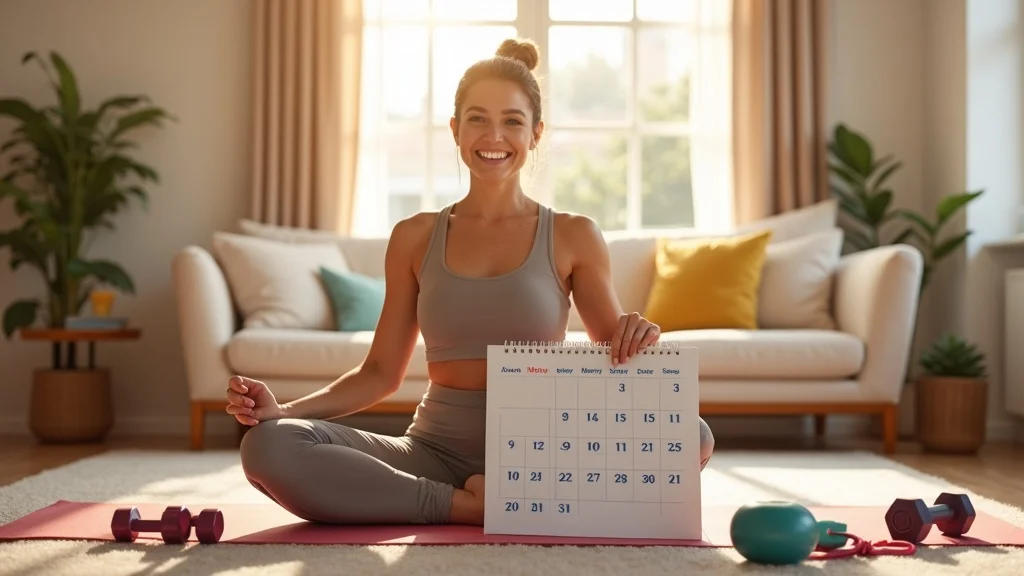
woman celebrating 30 day fitness challenge on mat
  • Reality check: The first week is always the hardest, but tracking visible progress builds confidence. Initial soreness and waning willpower are normal. Overhyping “overnight transformations” (especially during deal days hype) sets most people up for disappointment. The real win is recognizing small achievements—whether it’s sticking to 15 minutes of daily movement, burning calories with short HIIT bursts, or reaching new heart rate milestones with a basic fitness tracker.

Weighted Vests and Wearables: Hype or Helpful in Fitness?

  • Weighted vests can have a significant impact on workouts, but like any gear, they’re not a silver bullet. Adding a weighted vest in my own routines made bodyweight exercises—like squats and lunges—more challenging and improved my strength. The extra load helps boost cardiovascular effort and burn fat more efficiently when used during walks or interval workouts.

  • From a first-person perspective, wearable fitness gear like weighted vests and advanced trackers should only be considered after you’ve built a foundational habit of daily movement. Early adoption without healthy routines can be demotivating or even lead to injury. Weighted vests are ideal for those seeking to maximize routine activities and ramp up their calorie burn, but aren’t necessary for everyone.
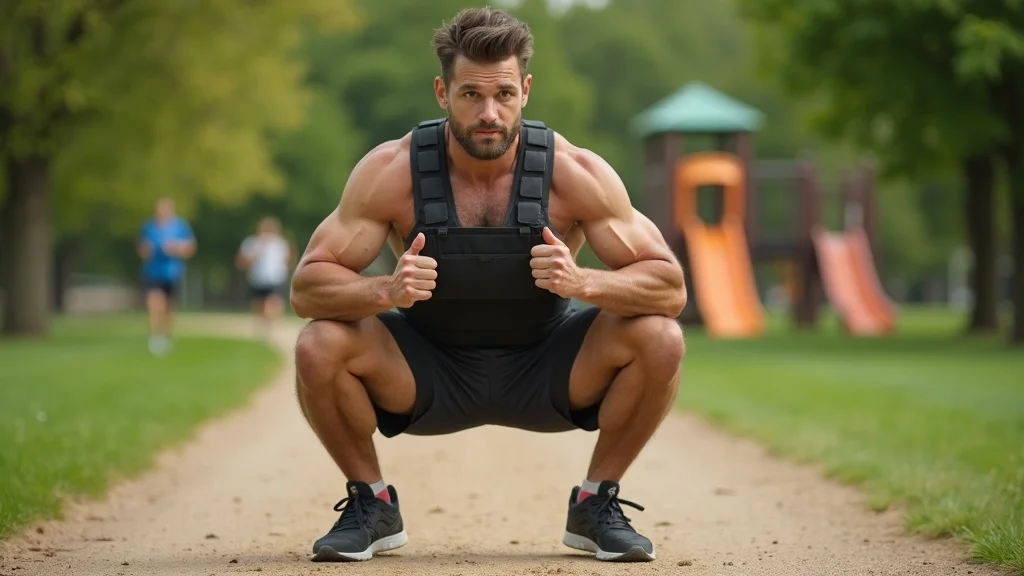
man using weighted vest during outdoor squat workout

Life Time and Other Premium Fitness Clubs: Are They Worth the Hype?

Editor’s Opinion: Pros, Cons, and Surprises

life time fitness premium club after workout socializing
  • For comparison, Life Time clubs offer luxury amenities—spa pools, plush lounges, premium classes—and a social scene you simply won’t find at Planet Fitness. The catch? High monthly costs and the possibility of “all show, little sweat” if you’re easily distracted by the extras. During my brief stint with Life Time, I appreciated the upscale atmosphere and felt motivated by positive peer pressure, but longtime results depended on my actual effort.

  • Budget-friendly gyms like Planet Fitness strip away glamour in favor of accessibility and basic functionality. If amenities won’t motivate you but cost does, choose accordingly. The best club is the one you’ll visit regularly—no matter how fancy the towels.

Watch this step-by-step animated explainer for guidance on selecting the best fitness strategy—whether you’re aiming for HIIT, gym sessions, or a tracker-supported plan.

PAA: What are the fastest ways to improve fitness?

Fastest Ways to Improve Fitness

  • High-intensity interval training (HIIT)—short bursts of effort that burn fat and calories quickly

  • Daily activity—walking, biking, or even frequent stretch breaks make a big impact over time

  • Consistent use of a fitness tracker to monitor heart rate and adjust routines

  • “Habit hacks”—such as scheduling workouts like appointments or leveraging social accountability

Integrating fast and effective fitness tactics can radically elevate your routine. HIIT workouts, in particular, turn brief moments of exertion into big results—making them a cornerstone for burning calories for everyone from busy parents to time-crunched professionals. Coupling HIIT or daily movements with a reliable fitness tracker gives real-time feedback, helping users adjust intensity or rest days for optimal results. The real game-changer, though, is in the “habit hacks”—such as enlisting a workout buddy, setting smartphone reminders, or even rewarding yourself for staying consistent. Ultimately, rapid gains are possible if you make your new routine sustainable.

PAA: Is it possible to get fit quickly and safely?

Balancing Quick Results with Safe Fitness Practices

  • There’s no shortcut worth risking your health for—editorial experience shows that rapid progress is possible, but only if paired with safe, science-backed practices. Focus on consistency, adequate hydration, proper sleep, and active recovery to recover faster and avoid injury.

The best approach for quick and safe fitness improvements is to set realistic expectations. While you may see visible changes within 2–4 weeks of consistent effort, cutting corners with unsafe diets or neglecting recovery increases the risk of burnout and setbacks. Regularly check in with your body: monitor pain, sleep, and fatigue signals. Tools like the Oura Ring or a simple app can help fine-tune rest and training cycles. Make gradual increases in intensity—never double up on session length overnight. The aim is fast, safe, and lasting transformation.

PAA: Do fitness gadgets vs. gym memberships produce different results?

Fitness Gadgets vs. Gym Memberships

  • Fitness gadgets, like trackers or Oura Rings, are ideal for people who love data and want to stay on top of heart rate and activity trends at home. Gym memberships—especially at budget gyms like Planet Fitness or premium clubs like Life Time—offer community, equipment, and structure.

  • Personal use reveals this: gadgets can keep you honest and identify weak spots; gyms supply motivation and social interaction but require regular attendance. The best results come from blending the two—using a tracker for accountability and a gym for variety and community support.

Deciding between gadgets and gym memberships is ultimately about mindset and lifestyle. If you thrive on competition, group classes, or direct trainer feedback, memberships bring big benefits. If you prefer going solo and crave flexibility, a fitness tracker keeps you on task wherever you are. Both have their drawbacks—trackers can become forgotten accessories, while gyms can turn into sunk cost if motivation wanes. My advice: start with one, add the other when you need a new spark.

FAQs About Fitness

  • What’s the best time to exercise for results?
    The best time is whenever you can be consistent. Studies show slight metabolic and performance benefits to late afternoon or early evening workouts, but the “right” time is the one you’ll actually stick to.

  • Are nutrition or workouts more important for fitness?
    Nutrition and workouts go hand in hand. Clean, balanced eating powers your sessions and recovery. For most people, a simple rule of thumb: “You can’t out-train a bad diet.”

  • Do I need a fitness tracker to get fit?
    Fitness trackers make progress visible and keep you accountable, but they’re not required. Many people see life-changing results using pen-and-paper logs, habit calendars, or simple reflection.

Key Takeaways From a Realistic Fitness Journey

  • Sustainable change always outlasts overnight results—be patient, and aim for steady progress.

  • Gyms, deals, and gadgets are only tools. Use them as aids, not crutches, to support your fitness goals.

Ready to Take Real Action? Start With One Simple Fitness Step Today

Don’t wait for a “big deal”—try a 10-minute walk, a set of squats, or a new hydration habit today. Consistency, not perfection, is your fast fix to fitness for life.

Sources

  • CDC – https://www.cdc.gov

  • New York Times – https://www.nytimes.com

  • Planet Fitness – https://www.planetfitness.com

  • Life Time Fitness – https://www.lifetime.life

  • Oura Ring – https://ouraring.com

  • NIH PMC – https://www.ncbi.nlm.nih.gov/pmc/articles/PMC4241367/

To further enhance your fitness journey, consider exploring these authoritative resources:

  • The Mayo Clinic’s article, “Exercise: 7 benefits of regular physical activity”, outlines how consistent exercise can control weight, combat health conditions, improve mood, boost energy, promote better sleep, and more.

  • The Centers for Disease Control and Prevention (CDC) provides insights in their piece, “Benefits of Physical Activity”, detailing immediate and long-term advantages of regular physical activity, including improved brain health, weight management, reduced health risks, and enhanced daily functioning.

If you’re serious about improving your fitness, these resources offer valuable information to guide and support your efforts.

0 Comments

Write A Comment

*
*
Related Posts All Posts
03.01.2026

Unlocking Arm Strength: The Ultimate Arm Workout for Maximum Muscle

Update The Ultimate Arm Workout: 7 Exercises for Maximum Gains When it comes to building impressive arm strength and size, not all exercise regimens are created equal. Drawing from the insights shared in the video titled Ultimate Arm Workout | 7 Exercises for Maximum Muscle, this article delves into the essentials of arm training, tailored specifically for fitness enthusiasts and gym owners eager to boost their workout offerings.In Ultimate Arm Workout | 7 Exercises for Maximum Muscle, the discussion dives into effective arm training techniques, exploring insights that sparked deeper analysis on our end. Understanding the Anatomy of Arm Workouts Before diving into specific exercises, it’s crucial to understand the different muscle groups that make up the arms. The bicep comprises the front of the upper arm, while the tricep is located at the back. A well-rounded arm training program should address both muscle groups for optimal aesthetics and performance. This balance prevents muscular imbalances, promotes joint health, and enhances overall strength. Seven Essential Exercises for Arm Development The workout presented in the video features seven targeted exercises. For gym owners, adding these to your routine may help attract customers seeking effective arm training. Here are the highlighted exercises: Dumbbell Bicep Curls: A classic move that isolates the bicep for growth. Skull Crushers: Perfect for hitting the triceps, ensuring balance in arm development. Hammer Curls: Engages both the biceps and forearms for robust results. Close-Grip Bench Press: A compound movement that works the triceps effectively. Tricep Dips: Utilizing bodyweight, this exercise is excellent for enhancing tricep strength. Preacher Curls: Focuses on the bicep peak, critical for those seeking definition. Overhead Tricep Extensions: This exercise targets the long head of the tricep for balanced muscle growth. Common Misconceptions in Arm Training A prevalent myth in fitness is that higher volume equals better results. However, it's not just about how many sets or reps you perform; form, technique, and rest periods are critical components of any effective workout. Additionally, many beginners mistakenly focus solely on biceps. A comprehensive workout that includes triceps is essential for symmetry and strength. Cultivating a Community Around Arm Workouts For gym owners, understanding your clientele's motivations can lead to a more engaged community. Many members may desire to enhance their physical appearance or athletic performance. Hosting a workshop on arm development, using these seven exercises as a foundation, could foster participation and community spirit. Future Trends in Arm Training The trend towards specialized workout routines has seen traditional exercises paired with modern fitness technology. Wearable fitness trackers and apps that log your progress can complement these arm workouts, offering users a comprehensive view of their performance. Expect to see more of these tools integrated into training programs, particularly for muscle-specific workouts. Challenges in Achieving Maximum Muscle Development One challenge many face is overcoming workout plateaus. Using a range of these exercises, along with varying rep schemes and intensities, can prevent stagnation. Moreover, hydration, nutrition, and adequate rest all play significant roles in recovery and growth. Gym owners should educate their clients on these essential factors to enhance their arm training routine. Actionable Tips for Success Here are practical insights you can apply: Rotate exercises regularly to keep the routine fresh. Incorporate progressive overload to challenge muscles effectively. Encourage customers to track their progress for motivation. If you're looking to elevate your arm workout routines based on the insightful discussions in Ultimate Arm Workout | 7 Exercises for Maximum Muscle, now's the time to integrate these approaches into your regimen. Embrace variation and community, and see how your arm training offerings can foster engagement among gym members. Remember, a strong marketing strategy can also enhance the packages you offer, bringing in new clientele eager to build impressive arms. Start enhancing your workout offerings today!

03.01.2026

The Critical Impact of Recovery: Preventing Overtraining in Fitness

Update Understanding Overtraining: A Hidden Danger in Fitness Overtraining syndrome (OTS) is a serious but often overlooked issue among fitness enthusiasts and gym owners. While the drive to push harder and achieve better results is commendable, it's crucial to understand that training intensity should be balanced with recovery. The video Overtraining Takes Weeks to Develop | Here's Why Recovery Matters effectively highlights the importance of recognizing overtraining, which can develop gradually and lead to long-term setbacks.In Overtraining Takes Weeks to Develop | Here's Why Recovery Matters, the discussion dives into overtraining, exploring key insights that sparked deeper analysis on our end. The Symptoms of Overtraining and How to Identify Them Knowing the symptoms of overtraining is vital for athletes and trainers alike. Signs can vary from physical symptoms like persistent fatigue and muscle soreness to psychological aspects such as mood swings or increased anxiety. This comprehensive understanding can empower gym owners to monitor their clients' wellness more closely and implement strategies to prevent overtraining. Historical Context: The Evolution of Training and Recovery Historically, the landscape of fitness training has shifted dramatically. In the early days of bodybuilding and athletics, many believed that more was always better. This mindset led to numerous athletes suffering from overtraining without knowing it. Today, the understanding of recovery and its significance has evolved, with well-established recovery protocols becoming a standard part of fitness regimens. The Importance of Recovery: Building Blocks of Athletic Performance Recovery is not a luxury but a necessity. The muscle recovery process allows the body to repair itself and adapt to new stresses. Gym owners and trainers are encouraged to focus not only on the training aspect but also on the recovery strategies implemented within their programs. This could include active recovery days, nutritional support, and sleep optimization. Counterarguments: The Controversy Around Training Intensity While many experts advocate for higher intensity training as a means to achieve superiority in performance, some argue that this approach can lead to overtraining. This highlights a paradox; how to balance intensity with recovery to maximize performance. Addressing this controversy in fitness programming can help gym owners tailor their offerings to meet both client goals and health needs. Actionable Insights: Strategies to Prevent Overtraining The prevention of overtraining syndrome is not only practical but essential in upholding the health and wellness of clients. Gym owners can introduce specific training programs that prioritize recovery, implement feedback systems to monitor client wellness, and promote educational workshops focusing on the importance of recovery. Regular check-ins can help trainers adjust intensity levels based on clients' feedback on how they feel both physically and mentally. Social Connection: Creating a Culture of Recovery Encouraging a culture of recovery fosters community among gym members. It's essential for fitness enthusiasts to share their experiences and understand that recovery shouldn't be viewed as a sign of weakness. Making recovery a group discussion can increase acceptance and support within the gym environment. Future Insights: Trends in Recovery and Wellness Within Fitness Looking forward, the fitness industry is likely to see an increase in recovery-focused services. Technologies such as wearable devices that monitor fatigue levels and recovery times are emerging, allowing for a more data-driven approach to training and wellness. Implementing these tools can give gym owners a competitive edge and create tailored experiences for their clients. Conclusion: Embrace Recovery for Long-Term Success In the rush to achieve fitness goals, understanding and prioritizing recovery is more crucial than ever. As discussed in the video Overtraining Takes Weeks to Develop | Here's Why Recovery Matters, ensuring balanced training with recovery will not only help maintain optimal performance but sustain an athlete's longevity in the sport. Remember, creeping fatigue may seem innocuous at first but can lead to substantial consequences if not addressed. For gym owners and fitness enthusiasts alike, taking a proactive stance on recovery can lead to significant results over time. Let's commit to fostering an environment where every workout is balanced with sufficient recovery, allowing everyone to achieve their goals safely and effectively.

03.01.2026

Discover the Shamrock Protein Shake: Your Seasonal Health Companion

Update Crafting the Ultimate Shamrock Protein Shake As the festive season of St. Patrick's Day approaches, many look for ways to include themed treats in their celebrations, but often, these come with a price – sugar-filled, unhealthy ingredients. Enter the Shamrock Protein Shake, a delicious and nutritious alternative that brings the joy of traditional shamrock shakes without the excessive sugar and calories. In this article, we’ll explore how to craft the perfect Shamrock Protein Shake that’s not only perfect for gym owners and fitness enthusiasts but also maintains a fun, festive spirit. A Healthier Version of a Classic Traditional shamrock shakes from fast-food chains can have upwards of 460 calories and 64 grams of sugar. Why deal with the highs and lows of such sugary diets when you can create your own healthy version? By combining spinach for vibrant color and nutrients, we can craft a creamy, refreshing shake that tastes indulgent but is packed with protein—perfect for a breakfast option or a post-workout refuel. This way, health enthusiasts can enjoy without the guilt of empty calories. Key Ingredients for Success To make a Shamrock Protein Shake that stands out, gather these essential ingredients: unsweetened almond milk, frozen banana, vanilla protein powder, fresh spinach, peppermint extract, and ice cubes. Each component brings a unique set of benefits. For instance: Almond Milk: A low-calorie option that also accommodates dairy-free diets. Frozen Banana: Adds natural sweetness and creaminess. Vanilla Protein Powder: Essential for muscle recovery and acts as a natural sweetener. Fresh Spinach: Provides vitamins while ensuring the shake remains deliciously green. Peppermint Extract: Delivers that classic mint flavor without adding calories. Easy Preparation: Blend and Enjoy! Making your Shamrock Protein Shake couldn’t be simpler. Start by adding your almond milk, frozen banana, vanilla protein powder, fresh spinach, and a splash of peppermint extract into a blender. Blend until smooth, adjusting consistency by adding more milk for a thinner shake or more frozen fruit for thickness. For a fun twist, incorporate cocoa nibs or top with whipped coconut cream for added indulgence. The result is a creamy, delightful shake that is both festive and nutritious. Clean Up Your Ingredients: Why It Matters By choosing to make your shakes at home, you're avoiding harmful additives and excess sugars often found in commercial versions. Using fresh ingredients not only curtails artificial ingredients and dyes, but it also promotes sustainable eating habits. With every sip of your homemade Shamrock Protein Shake, you embrace a lifestyle choice that empowers healthy living. Nutrition Facts: A Comparison One serving of this homemade shamrock shake packs about 230 calories with an impressive protein count of about 25-30 grams, especially if you opt for plant-based whey options. This starkly contrasts with the commercial options flooded with hidden sugars and empty carbs. Choosing healthier options can dramatically improve recovery times and energy levels, ultimately enhancing workout performance. Vegan and Gluten-Free Adaptation This recipe is easily customizable! For our vegan friends, simply swap out the whey protein for plant-based protein and choose any dairy-free milk. This makes the Shamrock Protein Shake ideal for various dietary requirements without sacrificing flavor. Celebrating Health: A Seasonal Tradition By making the Shamrock Protein Shake a part of your March routine, not only do you create a healthier celebration, but you also establish a tradition that enhances your wellness journey—all while enjoying delicious flavors. The excitement from preparing such a colorful shake will surely engage young ones, making healthy habits fun! Gym owners can use this recipe as part of their monthly promotions leading up to St. Patrick's Day, encouraging their clientele to make healthier choices. In conclusion, this Shamrock Protein Shake is a delightful way to celebrate the season while prioritizing health. Whether tested out in a gym setting or enjoyed at home, this shake brings both festive cheer and a healthy twist. Ready to give the Shamrock Protein Shake a try? It’s time to blend up some fun!

Terms of Service

Privacy Policy

Core Modal Title

Sorry, no results found

You Might Find These Articles Interesting

T
Please Check Your Email
We Will Be Following Up Shortly
*
*
*