

Introduction: The Unexpected Engine Behind Elite Golf Performance Training
Did you know the typical PGA Tour professional spends as much time preparing in a gym on tournament grounds as on the driving range? In fact, mobile fitness centers hidden in plain sight at golf’s biggest tournaments have become a cornerstone of golf performance training—often deciding whether a player can consistently compete at the biggest stage like the Players Championship or advanced Korn Ferry Tour events. These centers are equipped with advanced strength equipment, recovery tools, and digital monitoring devices designed to support peak athletic performance. This article unpacks how these mobile fitness hubs drive results for pros and reveals practical strategies that can help golfers of all levels transform their approach to the game.
Whether you’re a seasoned tour pro, a weekend warrior, or just beginning your journey in golf, understanding the secrets behind PGA Tour’s fitness infrastructure can reshape your performance, keep you healthier, and ensure you continue to improve. Let’s explore how the unexpected engine—the mobile fitness center—can power your personal best.

What You'll Learn in This Guide on Golf Performance Training
- What makes PGA Tour’s Mobile Fitness Centers a game changer
- Step-by-step guidance for building a golf performance training routine
- Key cues and common errors from top coaches
- Tables comparing mobile fitness resources
- Quotes from athletes, trainers, and the leadership team
- Answers to popular questions about golf training rules
- Practical lists, FAQs, and more
What Are PGA Tour Mobile Fitness Centers for Golf Performance Training?
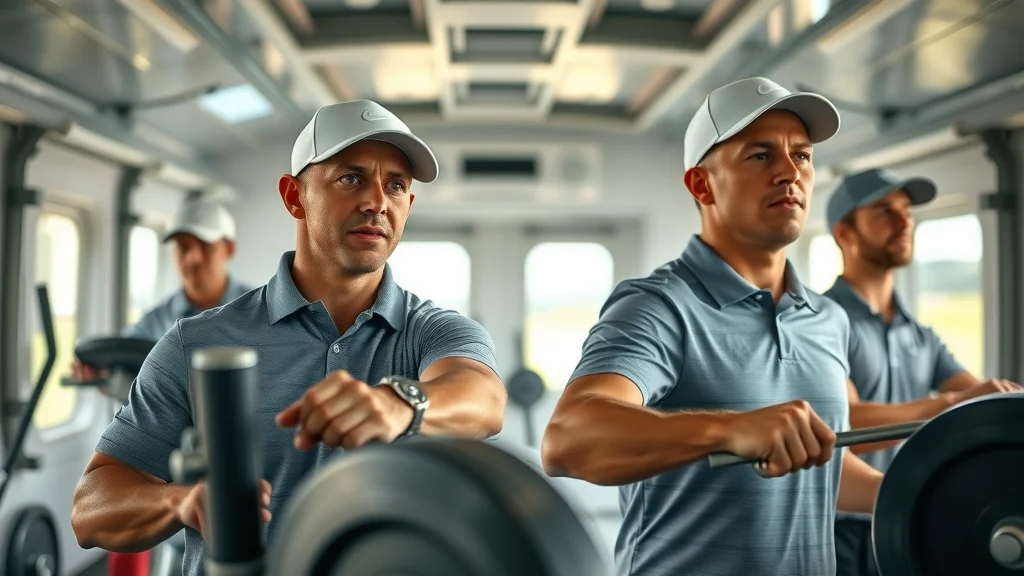
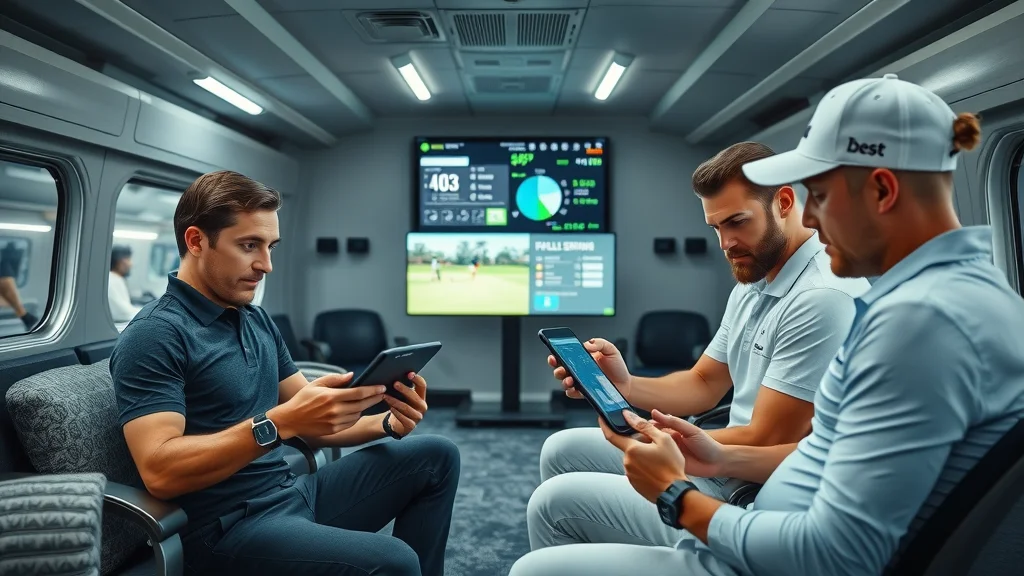
A PGA Tour Mobile Fitness Center is a traveling, state-of-the-art gym facility, purpose-built to deliver science-backed golf performance training wherever pros compete—whether at TPC Sawgrass or Korn Ferry Tour events. Far from traditional gyms, these high-tech centers are housed in spacious trailers parked at tournament venues. They not only provide essential strength and mobility training but also create an environment where teamwork between athletes, trainers, and the leadership team flourishes—all under one roof. The design is aimed at elevating every player's physical readiness and recovery, ensuring nobody is left behind on the path to peak performance.
What distinguishes these centers? It’s the balance of innovative equipment, convenient access, and tailored programming. Unlike static facilities, mobile gyms are ready whenever and wherever athletes compete, allowing for routines grounded in the latest sports science. Below, see how these key features work to create world-class results:
| Facility Feature | Description/Use |
|---|---|
| Strength Equipment | Dumbbells, kettlebells, racks for muscle conditioning |
| Mobility Stations | Foam rollers, stretch bands, recovery tools |
| Tech & Monitoring | Wearables, digital tracking tools |
| Climate Control | Ensures year-round optimal environment |
Why Golf Performance Training Matters for Modern Pros
Modern golf performance training is no longer a luxury—it's an essential part of every elite golfer's preparation. The days when practice was limited to the driving range or putting green are long gone. As the competition intensifies on famous golf courses like those designed by Pete Dye or at TPC Sawgrass, athletes need to treat their bodies as finely tuned machines. Success now hinges on developing power, mobility, stability, and recovery habits alongside technical skill. The PGA Tour’s traveling fitness centers empower pros to maintain personalized routines, recover more efficiently after grueling rounds, and minimize injury risk—even during cross-country tournament travel.
This evolution has been reinforced by the leadership team and leading trainers, who’ve witnessed firsthand how tailored athleticism boosts performance. The Korn Ferry Tour’s rising stars and seasoned tour pros alike rely on these resources not just for muscle-building but for sustained tournament readiness—making golf truly an athletic sport. As one tour insider highlighted:
“Preparation off the course is as vital as practice on the course. The mobile fitness units are our secret weapon.” — PGA Tour Pro
How to Structure Effective Golf Performance Training in a Mobile Fitness Center
Step 1: Assess Your Needs with Professional Guidance
Before jumping into exercises, begin with a thorough assessment. The best results in golf performance training arise when you consult a knowledgeable coach or trainer—often part of the leadership team in mobile centers. They use wearables and tech monitoring tools to test mobility, measure baseline power, and identify your physical strengths and weaknesses. For instance, if your swing lacks stability or you observe recurring tightness, a custom evaluation will pinpoint which parts of the body to target, much like tour pros prepping to avoid common injuries at high-profile events. This foundational step is key to tailoring a program that truly supports your unique golf club mechanics and tournament goals.
Engaging with experts also helps demystify the fitness requirements of modern golf. Many players at Korn Ferry and even the amateur level overestimate the need for brute strength and underestimate the value of functional movement. By working with professionals, you ensure each part of your routine—from warmup in the climate-controlled facility to recovery sessions with foam rollers—is scientifically designed to offer the most performance boost while mitigating injury risk.
Step 2: Set Fitness Goals Aligned with Your Play Style
With your needs assessed, the next move is setting specific, meaningful goals. For some, enhancing core stability might be the top priority, directly impacting swing efficiency and accuracy. For others, improved mobility or faster post-round recovery might be the route to success on the biggest stage. In mobile fitness centers, trainers help you establish both short-term benchmarks (like increasing flexibility in 30 days) and long-term targets (such as fewer injuries across the season or adding 15 yards to your drive). These objectives aren’t guesswork—they’re rooted in data, such as wearable tracking outputs and repeat mobility screenings.
Aligning goals with your personal “approach to golf” is also important. If you model your game after a tour pro or are inspired by a leading brand ambassador’s social media presence, your ambitions and your routine should reflect that mindset. The best plans remain flexible, adjusting as you progress and as competition demands shift, just as Korn Ferry Tour and PGA regulars continually tweak their routines for each new event.
Step 3: Design a Balanced Golf Performance Training Routine
Every effective golf performance training plan features four foundational pillars:
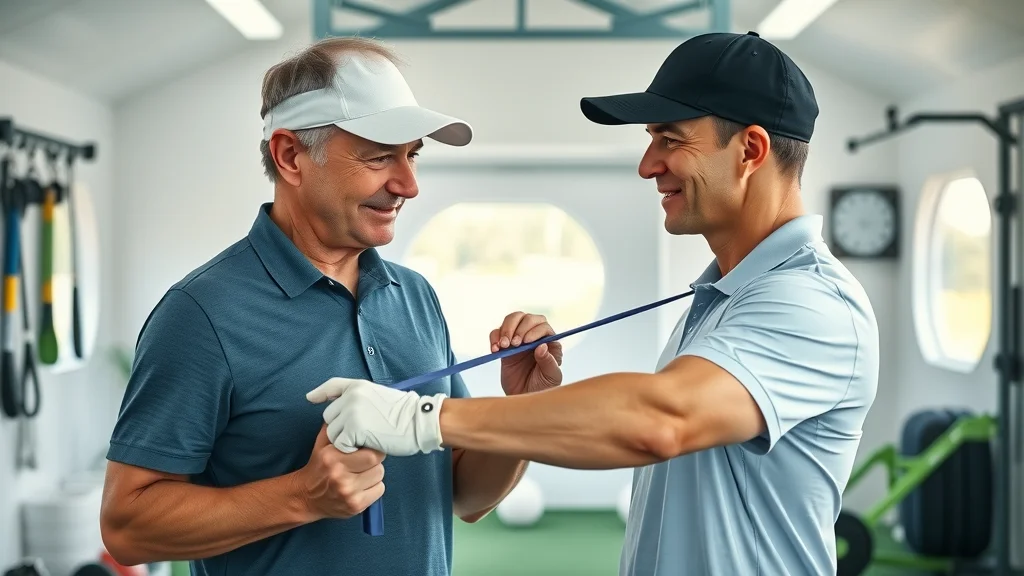
- Warm-up: Begin with dynamic stretching and mobility drills using resistance bands and foam rollers. This primes major muscle groups for explosive movement and sharpens your nervous system for tournament conditions.
- Strength: Core-focused exercises—like plank variations and rotational lifts—build swing stability. Supplement with targeted dumbbell or kettlebell routines, never neglecting muscular balance.
- Mobility: Functional movement drills, including lateral lunges and torso rotations, help develop the fluid athleticism needed for the modern game. The benefits match what pros experience on legendary courses crafted by Pete Dye—resilient, repeatable motion.
- Recovery: Cool down with low-intensity stretching and soft tissue work using massage tools. Trainers emphasize this step as vital for reducing soreness and supporting high performance over multiple tournament rounds.
This blueprint, guided by leading coaches, blends seamlessly into routine sessions inside mobile fitness centers—providing everything from climate-controlled stretches to digitized workout feedback.
Key Coaching Tips: Best Practices for Successful Golf Performance Training
- Consistency is crucial—small, daily improvements matter
- Focus on quality, not quantity of movement
- Listen to your body and consult trainers regularly
Top coaches on the leadership team consistently stress these principles. Rather than chasing dramatic overnight gains, champion golfers are built on incremental progress—a philosophy echoed on social media and by every successful brand ambassador. Quality trumps quantity, particularly in technical movements that mimic real-world play. Trainers advise checking your posture, ensuring movements are controlled and purposeful, and never hesitating to ask for a fresh perspective from a coach if something feels off. That’s the approach used by pros from the Korn Ferry Tour up to the biggest names in the game.
Common Mistakes in Golf Performance Training and How to Avoid Them
- Overemphasizing weightlifting at the expense of mobility
- Neglecting recovery and injury prevention steps
- Copying others’ routines without personalizing for your needs
A frequent error in golf performance training is prioritizing heavy lifting while ignoring flexibility and functional movement, which are just as important for a smooth, consistent swing. Many amateurs and even high-level competitors skip or rush recovery, risking cumulative injuries that could sideline them from their biggest events, such as those set to open on the Korn Ferry Tour. Another misstep is blindly following routines from professional golf icons or social media influencers—techniques that may not reflect your own needs or athletic capabilities.
As a seasoned head trainer on the leadership team remarked: "The biggest mistake is believing that golf isn’t an athletic sport. " — Head Trainer, Leadership Team By taking a personalized, holistic view and working with skilled trainers, you can avoid these pitfalls—supporting both health and performance.
Benefits: How PGA Tour Mobile Fitness Centers Elevate Golf Performance Training
| Benefit | Impact on Game |
|---|---|
| Enhanced Strength | More powerful drives |
| Injury Prevention | Fewer missed tournaments |
| Faster Recovery | Sharper play over long events |
| Tailored Training | Personalized, effective programs |
With these benefits, it’s no surprise that both seasoned tour pros and ambitious amateurs harness mobile centers to gain a competitive edge. They’re not only designed to support tournament play but also help golfers maintain higher levels of fitness and focus during demanding travel schedules—a practical bridge between everyday training and elite performance apparel standards.
Golf Performance Training: Who Can Benefit Most?
While mobile fitness centers may be a staple of professional golf, their strategies and core routines are accessible and advantageous for a wide array of athletes and enthusiasts. Golf performance training is especially impactful for:
- Professional and amateur golfers seeking more power, durability, and injury resistance
- Brand ambassadors aiming to model athletic discipline for their social media audiences
- Corporate partners and leadership teams representing performance apparel and golf club brands
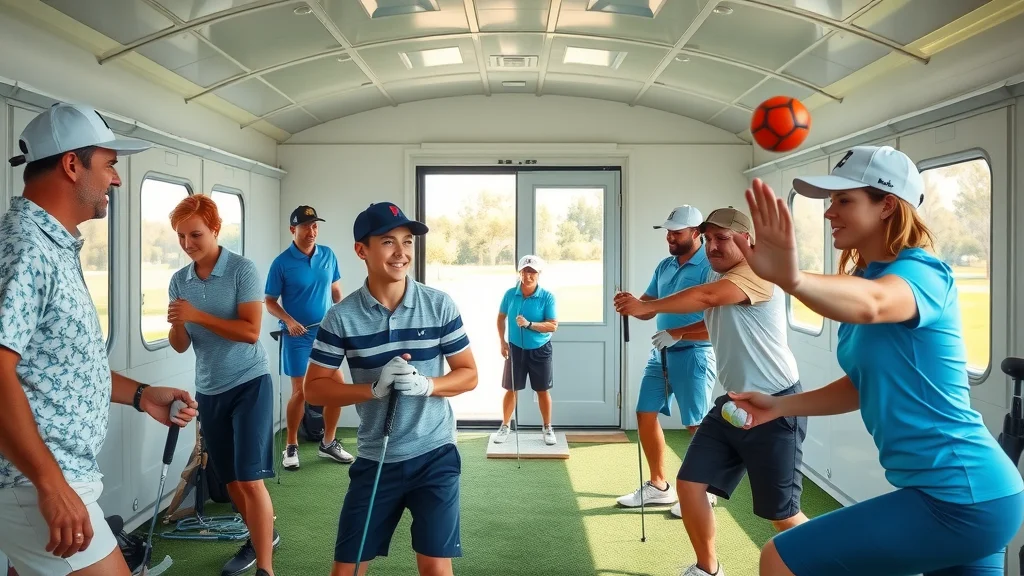
The educational value extends beyond top-level tournaments. Junior golfers, college teams, and corporate wellness programs are also embracing these innovative training methods. By integrating results-oriented practices—whether in mobile gyms or standard facilities—anyone can unlock better consistency, resilience, and enjoyment in the game.
Brands, Ambassadors, and Social Media Influence
Today announced partnerships between leading athletic companies and the PGA Tour have produced memorable campaigns led by high-profile brand ambassadors. Their visible commitment to holistic fitness drives engagement both on-course and on social media—demonstrating that golf performance training is about more than results on the leaderboard. It’s also about inspiring new audiences and reinforcing the athletic evolution of golf. By sharing their routines, motivational challenges, and progress, these athletes help create a culture where health, performance, and brand identity are seamlessly connected.
Adapting Golf Performance Training for Different Levels
An effective golf performance training program is never one-size-fits-all. Whether you're preparing for your first tournament or fine-tuning skills for the Players Championship, modifications and progressions keep training both accessible and challenging.
Beginner Modifications
For those just beginning their journey, the emphasis should be on body-weight movements, safe progressions, and mastering technique. Trainers recommend:
- Starting with low-resistance bands for mobility work
- Focusing on basic planks and gentle core rotations
- Building up to light dumbbell exercises for stability
- Pacing yourself—allowing time for proper recovery and flexibility training
By progressing steadily, beginners avoid the common pitfall of overtraining or poor form, and set a foundation for long-term improvement.
Progressions for Competitive Golfers
Once fundamental movement patterns are mastered, competitive golfers working in mobile fitness centers can safely incorporate more challenging variations, such as:
- Heavier resistance training tailored to swing mechanics
- Advanced core drills with med balls and stability platforms
- Performance tracking with digital tools for continuous feedback
- Incorporating speed and plyometric work for explosive power
These advances ensure that golf athletes can withstand tougher courses, extended play, and the increasing demands of tour-level tournaments—including those designed by famous architects like Pete Dye.
Practical Takeaway: Building a Lasting Golf Performance Training Habit
Long-term success in golf performance training comes not from perfection, but persistence. By using the flexible structure of PGA Tour’s mobile fitness centers—along with guidance from knowledgeable trainers and support from peers—golfers at every level can create routines that grow with them. The secret is to blend quality, consistency, and adaptability, making every session an investment in your future on the course.
People Also Ask: Rules and Concepts in Golf Performance Training
What's the 70/30 rule in golf?
The 70/30 rule in golf often refers to managing your practice or game focus: spend 70% of your training time honing short game skills (putting, chipping, pitching) and 30% on full swings or driving. By optimizing attention toward the areas that most affect score, players see significant improvements. This principle is echoed throughout mobile fitness center routines, where balance and efficiency are prioritized for best results.
What is the 80/20 rule in golf?
The 80/20 rule, also known as the Pareto Principle, is applied in golf to stress that 80% of results come from 20% of your efforts. For golf performance training, this means identifying the exercises, drills, or techniques that deliver the greatest impact on your game—such as core and mobility routines in the mobile fitness centers—and focusing your energy on those.
What is the 40 second rule in golf?
The 40 second rule is a pace-of-play guideline used on professional tours, including the PGA. Once it’s your turn, you’re expected to play your shot within 40 seconds. This rule promotes a steady rhythm during play and is mirrored in efficient, focused workouts within mobile fitness environments, where streamlined routines prevent downtime and boost results.
What are the 3 P's in golf?
The 3 P’s in golf—Preparation, Patience, and Practice—are keys to success both on the course and in golf performance training. Preparation ensures your body and mind are ready, patience helps you stick with long-term routines, and daily practice cements lasting improvement. Each aspect is supported and reinforced in the holistic programs run in PGA Tour’s mobile fitness centers.
FAQs: Golf Performance Training in PGA Tour Mobile Fitness Centers
- How do mobile fitness centers differ from traditional gym training for golfers?
Mobile fitness centers offer convenience and expert supervision tailored to golf-specific routines, directly at tournament venues. Unlike standard gyms, they feature real-time input from leadership and trainers who understand the unique demands of professional golf, making adjustment and feedback immediate.
- Are mobile fitness center routines accessible for amateurs?
Yes. Though developed for pros, the structure, guidance, and adaptable programming benefit amateurs and aspiring competitors alike. Many routines and coaching cues are easily scalable to ability and equipment availability.
- What role do leadership teams and brand ambassadors play?
Leadership teams drive innovations, ensuring athletes have access to the best equipment and practices. Brand ambassadors motivate the wider golf community—often via social media—by sharing their commitment to training and demonstrating new techniques.
- How often should you alter your golf performance training plan?
Plans should be reviewed and adjusted regularly—typically every 4–6 weeks or upon reaching a milestone. Trainers recommend continual reassessment to match evolving goals, recovery rates, and the competitive calendar.
Key Takeaways for Golf Performance Training Success
- PGA Tour’s mobile fitness centers revolutionize on-tour golf performance training
- Consistency, adaptability, and expert support are vital
- Both professionals and amateurs can benefit
- Building a habit is more important than perfection
Further Resources and Continuing Your Golf Performance Training Journey
To deepen your knowledge and optimize your own golf performance training program, consult certified trainers, seek educational content from leading athletic brands, and follow advancements featured by the PGA Tour’s official partners. Remember, lifelong learning and adaptation are the hallmarks of top-tier performance—on the course and beyond.
Sources
- PGA Tour – Mobile Fitness Centers
- Golf Digest – Fitness on Tour
- Today's Golfer – Inside the PGA Tour Fitness Trailers
- Golf.com – Pros Inside Their Mobile Gym
To further enhance your understanding of golf performance training, consider exploring the following resources: “Golf Fit - On-Demand Performance Training”: This program offers a 6-week, self-paced regimen specifically designed for golfers aged 50 and above, focusing on improving mobility, strength, and balance without the need for a gym. (performanceabove. com) “Golf Fitness Training Programs - FitGolf Performance Centers”: FitGolf provides personalized fitness programs aimed at enhancing golfers’ performance and reducing pain, suitable for players of all abilities. (fitgolf. com) If you’re serious about elevating your golf game, these resources offer tailored strategies and expert guidance to help you achieve your performance goals.


Write A Comment