

In recent years, the conversation in fitness circles has noticeably shifted. Where once the spotlight shone on peak performance and spectacle, a growing emphasis is now placed on training for longevity—methods designed not just for immediate gains, but for sustaining health, strength, and independence well into later life.
This editorial examines why “training for longevity” is becoming a leading philosophy in modern fitness, what the approach truly means for both the industry and individuals, and, crucially, how practical frameworks are helping people—and coaches—put these principles into action.
What You’ll Learn about Training for Longevity
What the concept of training for longevity means
Why training for longevity is becoming more relevant in the fitness world
How to apply training for longevity principles to your routine
Common mistakes or misunderstandings about training for longevity
Industry Shifts: Why Training for Longevity Is Gaining Traction
The landscape of modern fitness is shaped by changing priorities. As public awareness of healthy aging deepens, many coaches and fitness professionals are now structuring training programs to lower risk of injury and premature decline, rather than focusing solely on maximizing any single fitness metric. Increasingly, clients—regardless of previous athletic background—are seeking approaches that maintain function, preserve muscle mass, and support overall metabolic and cardiovascular health for the long term.
The result is a shift away from one-size-fits-all “hard training” in favor of exercise variety, an emphasis on quality movement, and a close integration of mobility and recovery practices. Fitness professionals note that research suggests well-rounded routines not only lower risk of injury and chronic disease, but are associated with better outcomes across various populations, including older adults and the physically active at every age.

The Rise of Strength Training for Healthy Aging
Once the province of elite athletes and bodybuilders, strength training is now cornerstone advice for those seeking healthy aging and reduced mortality risk. Not only does regular resistance training directly impact muscle mass—an essential factor in maintaining independence as we age—it is increasingly recognized by health advocacy groups for its effect on metabolic health, bone density, and cardiovascular health.
According to growing research, preserving lean mass through consistent, moderate-intensity strength routines helps mitigate the risk of premature physical decline, supporting long-term joint, bone, and tendon integrity. Coaches highlight that even for those without “athletic” backgrounds, strength training can be integrated at any age, tailored to suit personal ability, and adapted over time—all aligning with the core values of longevity-oriented training.
Evolving Views on Exercise Variety and Lowering Risk of Premature Decline
Exercise variety is more than switching up workout routines for interest’s sake. It is now seen as a key mechanism for lowering risk of overuse injuries, ensuring the body is resilient across many ranges of motion and physical demands. Gone is the era of single-focus training schedules; today’s frameworks regularly blend resistance training, aerobic work, balance, and mobility, promoting long-term adaptation rather than short-term fatigue.
“Many coaches are beginning to prioritize movement quality and injury prevention over raw intensity in modern programming.”
Recent approaches further emphasize progression tailored to the individual, ensuring that volume and intensity are in tune with personal needs and life stages. This evolving belief, supported by both observation and published research, suggests that consistency with a variety of movement types may play an equally important role in health outcomes as the intensity of any single session.
Why Training for Longevity Matters: Context and Trends
Public health advocates, medical centers, and academic researchers alike have noted an uptick in chronic health conditions associated with sedentary lifestyles and declining physical activity levels. These findings are prompting a broader shift toward lifelong fitness, where the mission isn’t just to add years to life, but quality to those years—a quest to lower risk of early disability or premature death and to increase healthspan.
Training for longevity stands as a response to the reality that activity level directly impacts risk of chronic disease and injury. As modern society grapples with public health challenges, fitness methodologies focused on sustainability, measured progress, and adaptiveness are increasingly seen as tools not only for individual wellbeing but systemic health gains.
Public Health and the Shift Toward Lifelong Fitness
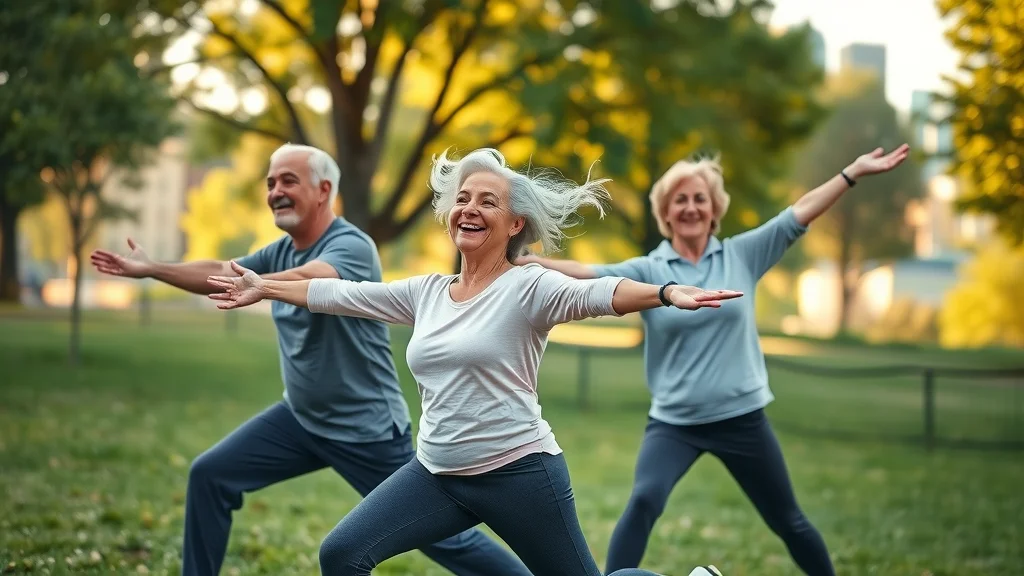
In recent years, public health organizations have championed the benefits of regular physical activity for all ages. National guidelines now recommend that adults integrate both strength training and aerobic work several times per week. The rationale goes beyond aesthetics or physical prowess: consistent activity lowers mortality risk and can delay, if not prevent, many age-related health declines.
The fitness industry’s adoption of these recommendations is both reactive and proactive. With populations aging and chronic illness rates climbing, the value of “movement for life” is being reinforced by policy makers, allied health professionals, and coaches alike—leading to a growing ecosystem of programs and classes built around functional fitness, mobility, and resilience.
Addressing the Risk of Premature Physical Decline
While elite athletes have long optimized routines to combat fatigue and performance drop-off, the average person faces a subtler decline—often stemming from inactivity, repetitive movement, or lack of proper recovery. Research suggests that muscle loss, reduced balance, and stiffer joints are not inevitable consequences of aging, but frequently the outcome of neglecting diverse and consistent physical activity.
A longevity-centric approach counters these tendencies through strength routines, aerobic work, and exercise variety, all of which are shown to lower the risk of premature mobility issues. Notably, even for those starting later in life, incorporating these elements can yield profound health benefits—not only mitigating the immediate mortality risk but fostering confidence, autonomy, and enjoyment into older age.
Comparing Traditional Fitness vs. Training for Longevity: Focus, Methods, and Health Benefits | ||
Aspect |
Traditional Fitness |
Training for Longevity |
|---|---|---|
Primary Focus |
Performance improvement, physique, short-term goals |
Healthy aging, functional capacity, long-term sustainability |
Methods |
Intensive strength/cardio, repetition, high volume |
Exercise variety, balanced strength and mobility, progression, recovery |
Key Health Benefits |
Short-term gain, specific fitness goals achieved |
Lower risk of premature decline, improved quality of life, reduced mortality risk |
Core Principles of Training for Longevity
Longevity-oriented programs are built on several guiding pillars: integrating strength training throughout life stages; varying exercise types and patterns; building in time for mobility, recovery, and adaptation; and prioritizing movement quality over sheer volume or intensity. These themes recur in published guidelines, coach-driven frameworks, and community programs alike.
A core tenet is consistency—regardless of age or starting point, regular, thoughtfully-programmed activity protects against muscle decline, encourages adaptation, and supports both physical and mental health. Integrated routines blending resistance, aerobic, balance, and flexibility work are emphasized as the foundation for sustaining function and independence as the years progress.
Integrating Strength Training into a Lifelong Exercise Plan
Strength training is a non-negotiable pillar in longevity planning. Unlike “bulking” programs, the goal here is the preservation of functional movement, joint integrity, and bone health—outcomes echoed in recommendations from organizations like the British Journal of Sports Medicine and leading medical centers.
Sessions might include compound lifts, bodyweight movements, and resistance training adjusted for skill level and life stage. Many coaches advise starting with two to three sessions per week, progressively loading movements as proficiency allows. This approach aligns with the need to lower risk of falling, injury, or muscle atrophy—key drivers of premature death in older demographics and a significant concern for physically active populations.
Applying Exercise Variety for Long-Term Healthy Aging
The evidence supporting exercise variety as a driver of long-term adaptation is strong. Coaches and trainers commonly recommend cycling different types of exercise—strength, mobility, balance, aerobic—to target major muscle groups, challenge coordination, and keep routines engaging. This approach, according to current public health guidance, offers both short-term interest and long-term resilience.
Research shows that varied movement patterns contribute to improved neural recruitment, metabolic flexibility, and reduced risk of pattern overload. This translates into greater overall functional capacity—which, in practical terms, means being able to walk, climb, lift, reach, and twist comfortably as day-to-day life demands change with age.
Programming to Lower Risk: Mobility, Recovery, and Adaptation
Integrating recovery and adaptation within every training cycle is vital for lasting benefit. Optimal routines include daily or weekly mobility drills, flexibility work, and structured “deload” phases—periods of reduced intensity to facilitate tissue repair and stress management.
Forward-thinking programming also prioritizes sleep, nutrition, and overall lifestyle alignment; as research indicates, these factors play an outsized role in how training outcomes benefit healthy aging and longevity. Recovery between sessions, active rest days, and strategic adaptation remain as important as any strength or cardio session, with adaptiveness being a signature feature of robust, lifelong training regimens.
Expert Approaches and Practical Frameworks
The evolution of training for longevity is evident at the ground level. Many respected trainers and sports scientists advocate layered approaches—blending science-backed recommendations with real-world flexibility—to foster participation, prevent injury, and ensure progression. In practice, this means routines are built on moderation, sustainability, and personalization, rather than trends or extremes.
“In practice, this approach means building routines that prioritize joint health, gradual progress, and sustainable intensity.”
Yang Hu’s Approach: A Model for Training for Longevity
A growing number of practitioners reference frameworks popularized by experts like Yang Hu, who advocates for a systematic balance of strength, mobility, and aerobic stimulus. While the specific routines may differ, the model consistently integrates age-appropriate progression, careful monitoring of recovery, and frequent assessment of movement quality.
The Yang Hu style underscores adaptability—the capacity to adjust program design based on response, recovery, and changing needs, thereby lowering risk of overtraining or burnout. Many trainers are now incorporating such elements into their longevity protocols, further cementing their place within mainstream fitness culture and healthcare recommendations.
A Growing Focus on Public Health Guidelines and Health Benefits
The foundation laid by public health agencies is increasingly cited by fitness professionals when designing group classes, personal training, and gym-based longevity programming. Recommendations emphasize a blend of resistance training, exercise variety, weekly aerobic work, and dedicated time for balance and flexibility—each connected to substantive health benefits including lower all-cause mortality risk and improved quality of life.
Coaches are translating these broad guidelines into actionable frameworks, tailoring them to personal ability, activity level, and life stage. This method is not reserved for elite athletes; instead, it’s designed for everyone—from those new to physical activity to lifelong movers seeking sustainable progress over decades.
Sample Weekly Structure for Longevity-Oriented Training
A balanced weekly plan typically incorporates: - 2–3 days of strength training - 2 days of aerobic work or active recreation - Daily or regular targeted mobility, flexibility, and balance drills - 1–2 lighter days or active recovery to promote adaptation This structure supports gradual improvement, sufficient recovery between sessions, and a manageable activity level that aligns with health and lifestyle needs.
Flexibility is crucial—each stage or life event may warrant adjustments in intensity, volume, or exercise type. Programming principles such as progression and strategic recovery help ensure routines remain enjoyable, relevant, and supportive of long-term goals.
How to Put Training for Longevity into Practice
While “training for longevity” may sound abstract, its implementation can be remarkably straightforward. Coaches and gym professionals are making it easier than ever for everyday exercisers to weave these concepts into new or existing routines, prioritizing movement quality, sustainability, and enjoyment over intensity for intensity’s sake.
Start with a mindset of adaptability and patience, knowing that the emphasis is on fostering health benefits that accumulate over years—not days. Choose exercises that challenge balance, strength, and mobility together, and embrace gradual, thoughtful progression.
Choosing Exercises for Multiple Planes and Patterns
A central application of longevity training is working in multiple planes of motion—forward/backward, side-to-side, and rotational. Movements like lateral lunges, single-arm presses, rotational core drills, and cross-body reaches help keep the nervous system and joints adaptable while minimizing risk of overuse injury.
This approach not only builds resilience but aligns with real-world demands, where unpredictable movement is the norm. Including various types of exercise in programming—from mobility flows to loaded carries—ensures that both the nervous and musculoskeletal systems adapt robustly, supporting independence at any age.
Balancing Strength, Mobility, and Cardio for Healthy Aging
Evidence indicates that the best health benefits stem from blending resistance (muscle and tendon health), mobility (joint range, flexibility), and cardiovascular training (heart and lung health). Rather than segmenting these into isolated goals, coaches increasingly recommend frameworks where every session incorporates elements of each, even if only brief.
This paradigm supports healthy aging by reducing all-cause mortality risk and enhancing function. The result? A body and mind capable of adapting to the inevitable physical challenges of aging—with confidence, not compromise.
Programming: Progression and Recovery for Longevity
Smart programming considers not just the next workout, but how the body and mind recover and adapt week over week. Progressive overload—adding intensity, complexity, or challenge—occurs at a pace set by recovery rather than ambition. Deload weeks, scheduled active recovery, and monitoring of physical signs like joint soreness or sleep disruption signal when to rest or adjust.
Recovery isn’t just for elite athletes—it’s for anyone pursuing sustainable gains. Tools such as foam rollers, yoga, gentle movement days, and social activities outside of the gym can all augment recovery and promote mental wellbeing, supporting a lifelong engagement with movement and health.
Real-World Application: Bringing the Theory Into the Gym
At gyms, community centers, and home setups alike, longevity training is translated into practical sessions that blend skill, challenge, and accessibility. Programs are designed to be inclusive, non-intimidating, and adaptable for a broad age range, grounded in the realities of day-to-day living.
This democratizes healthy aging, empowering everyone to enjoy gym environments while pursuing goals beyond aesthetics—focusing on energy, function, mental clarity, and long-term independence.
Weekly Template: Sample Exercises for Longevity
Lower body compound lifts (squats, glute bridges, step-ups)
Upper body push/pull combinations (push-ups, rows, farmer’s walks)
Mobility and joint health routines (dynamic stretching, yoga flows)
Aerobic conditioning (brisk walking, cycling, interval sessions)
List: Common Training for Longevity Mistakes
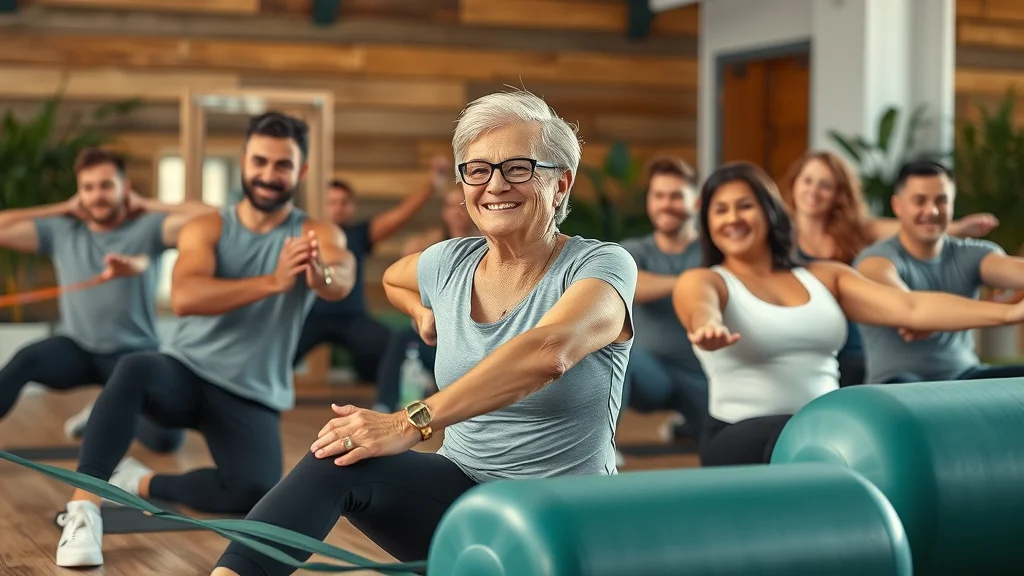
Neglecting recovery and mobility: Skipping planned rest or stretching limits results and raises injury risk.
Over-prioritizing intensity or volume: More is not always better; relentless intensity can accelerate burnout.
Failing to adjust programming with age: Not considering changing needs, previous injuries, or shifting recovery between sessions can reduce the effectiveness of longevity-focused routines.
People Also Ask: Insights on Training for Longevity
What is the primary focus of training for longevity?
The main focus of training for longevity is to promote a lifetime of functional movement, strength, and health rather than chasing short-term fitness goals. This approach is designed to help individuals maintain independence, reduce risk of premature decline, and optimize quality of life as they age. Movement quality, exercise variety, and regular adaptation to changing needs set this methodology apart from traditional high-intensity training programs.
How does strength training support healthy aging and lower risk?
Strength training is vital for healthy aging because it preserves muscle mass, strengthens connective tissues, and supports bone health. These factors collectively lower risk of injury, falls, and physical decline. Regular resistance training stimulates neural pathways, maintains metabolic health, and is strongly associated with a reduced risk of all-cause mortality according to numerous public health and medical center recommendations.
What are the health benefits of consistent exercise variety?
Regularly changing movement patterns and exercise types confers unique health benefits. Exercise variety prevents overuse injuries, encourages adaptation, and enhances overall resilience and metabolic flexibility. Additionally, varying activities helps sustain motivation, neural engagement, and enables the body to function efficiently across many real-life settings, which is a major focus of longevity training.
How does exercise help lower the risk of premature decline?
Physical activity, especially when structured with recovery and variation, helps preserve mobility, manage weight, and reduce the risk of chronic diseases that contribute to premature decline. Both research and public health guidelines suggest that consistent exercise—even at moderate intensity—directly impacts longevity, enabling people to live with better quality, autonomy, and capacity for longer periods.
What role do public health recommendations play in training for longevity?
Public health organizations offer evidence-based guidelines that shape longevity-focused training. These include recommendations for regular strength and aerobic exercise, flexibility work, and avoidance of inactivity. Such frameworks guide coaches and individuals in creating routines that support healthy aging and lower tissue and mortality risk, keeping population health as a central target.
Frequently Asked Questions About Training for Longevity
Can training for longevity fit into any fitness level?
Yes, principles such as movement quality, exercise variety, and gradual progression can be adapted for any fitness or experience level, from beginner to advanced.What are some good starting points for beginners?
Begin with two days of simple strength exercises plus gentle mobility drills, adding short bouts of aerobic activity. Key is to progress slowly and build confidence with foundational movement patterns.How often should practices be adjusted as you age?
It’s wise to review and adjust routines at least annually, or whenever there’s a notable life change, injury, or shifting recovery pattern. Consulting with a fitness professional can help tailor these adjustments for ongoing benefit.Are there universal exercises that benefit everyone’s longevity?
While individual needs vary, compound lifts (such as squats or rows), bodyweight movements, and aerobic activities (walking, cycling) are suitable for most people and provide core benefits for longevity.
Key Takeaways: Training for Longevity in Modern Fitness
Training for longevity is about sustainability, adaptation, and overall health benefits
Strength training, exercise variety, and careful programming are essential
Following public health guidelines supports sustainable results
Regularly updating routines and recovery is key to healthy aging
Editorial Perspective: The Future of Training for Longevity
“As fitness continues to evolve, the industry focus shifts toward long-term capability rather than short-term achievement.”
As fitness culture reimagines its highest purpose, training for longevity will likely form the backbone of tomorrow’s personal and public health solutions—anchored in science, community, and the enduring value of movement for all.
Video description: A visually engaging, music-backed explainer illustrates adults of all ages engaged in multi-setting strength, mobility, and cardio routines, with animated overlays and progression charts to clarify key principles of training for longevity.
Sources
To further enhance your understanding of training for longevity, consider exploring the following resources: “Adding strength training to aerobic exercise may fuel longevity”: This Harvard Health article discusses how incorporating strength training into your aerobic routine can significantly improve longevity by enhancing muscle mass and metabolic health. (health. harvard. edu) “Training for longevity – the future of fitness”: This article from EGYM explores the science behind longevity training, emphasizing the importance of combining strength and endurance exercises to improve health and quality of life. (us. egym. com) If you’re serious about maintaining health and strength throughout your life, these resources offer valuable insights and practical strategies to support your fitness journey.


Write A Comment